Skip to main content




Mixing Foundation With Moisturizer: Is It Actually a Good Idea?
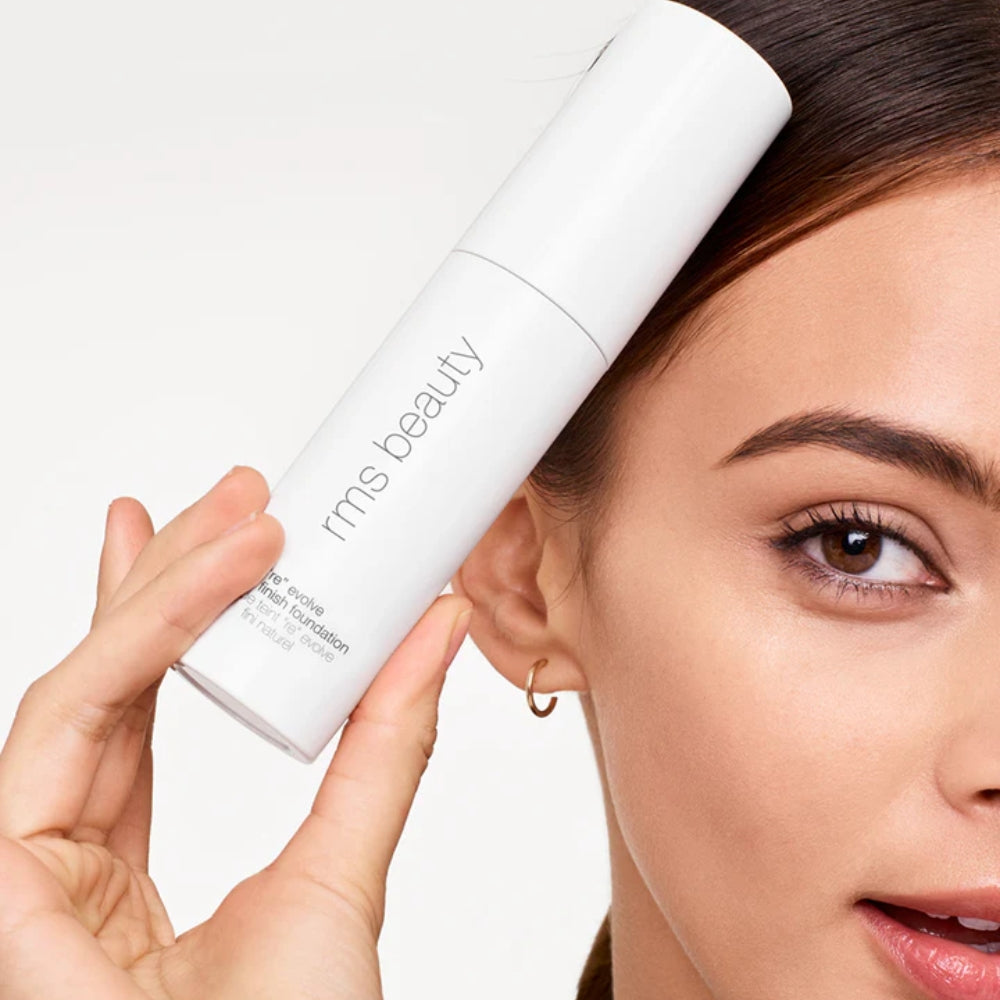
Mixing foundation with moisturizer is one of those beauty hacks that has been around forever. The logic behind it is straightforward: sheer out the heavy foundation for a lighter, more natural finish. And honestly, the idea is not bad. But whether moisturizer and foundation actually play well together depends entirely on what you are mixing, how you are mixing it, and whether a better option exists. Here is the full picture.
Why People Mix Moisturizer and Foundation
The appeal is practical. Not everyone wants full coverage every day, and buying a separate tinted moisturizer feels redundant when you already own foundation and moisturizer.
The Coverage Problem
A full-coverage foundation can look heavy for everyday wear. Mixing foundation with moisturizer dilutes the pigment, giving you a more sheer wash of color that lets skin show through. For a quick errand run or a low-key workday, that level of coverage feels right. Most people do not need or want full coverage daily, and the natural, skin-like finish that comes from properly diluted foundation appeals to anyone who prefers a natural look.
The Convenience Factor
Convenience is a legitimate reason to mix. One fewer product to buy, one fewer step in your daily routine. Moisturizer with foundation mixed on the back of the hand takes 30 seconds and adjusts coverage to exactly where you want it.
When Mixing Foundation With Moisturizer Works
Can you mix foundation and moisturizer successfully? Yes, when the formulas are compatible.
Compatible Formula Types
Not all foundations and moisturizers mix cleanly. The base of each formula determines compatibility.
- Water-based foundation + water-based moisturizer: Mix smoothly, blend evenly
- Oil-based foundation + oil-based moisturizer: Compatible and nourishing
- Cream foundation + beauty oil: A technique Rose-Marie Swift specifically recommends
A concentrated cream concealer combined with a few drops of beauty oil creates a tinted moisturizer effect with clean, skin-loving ingredients. Rose-Marie designed UnCoverup Concealer to work this way, using it with Kakadu Beauty Oil for buildable, all-over coverage that hydrates while it evens skin tone.
Incompatible Combinations to Avoid
Formula clashes are the main reason people give up on mixing. Knowing which combinations fail saves frustration.
- Silicone-based foundation + water-based moisturizer: Separates, pills, and slides off
- Oil-based moisturizer + powder foundation: Creates a muddy, uneven finish
- Mixing too much moisturizer: Dilutes pigment so far that coverage becomes invisible
The Concealer and Moisturizer Approach
Concealer and moisturizer combined can be more effective than foundation and moisturizer for targeted coverage. Instead of shearing out a full-face product, spot-apply high-performance concealer where needed and let the rest of the face show through with just moisturizer or primer.
Why Concealer Often Works Better
Foundation, even sheared out, covers the entire face uniformly. Concealer takes a smarter approach. Concealer targets dark circles, blemishes, and redness specifically. Pairing a skincare-infused concealer with a silicone-free, hydrating primer creates a polished, natural base without the heaviness of diluted foundation.
Alternatives to Mixing Foundation With Moisturizer
If the goal is sheer, skin-like coverage, several dedicated products achieve the same result without the compatibility gamble of mixing.
Products Built for Sheer Coverage
| Product Type | Coverage | Best For |
|---|---|---|
| Tinted moisturizer or SPF | Sheer | Hydration + minimal color |
| Sheer foundation (applied with a damp sponge) | Light to medium | Even tone, natural finish |
| Cream concealer as an all-over base | Buildable sheer to medium | Targeted coverage with skin showing through |
| Primer + concealer (no foundation) | Light, targeted | Clean, minimal routine |
| Radiance base mixed with foundation | Sheared out, luminous | Adding glow while reducing coverage |
A multitasking radiance base mixed with foundation on the back of the hand sheers coverage while adding a luminous, hydrating finish. A medium-coverage liquid foundation applied with a damp sponge also naturally sheers out coverage without needing to add moisturizer.
How to Mix Properly (When You Do)
The Right Ratio
Getting the ratio right determines whether the mix works or falls apart. Start with a 1:1 ratio of foundation to moisturizer and adjust from there. More moisturizer means sheerer coverage. More foundation means more pigment. There is no single correct ratio because the result depends on the formula thickness and your coverage preference. Mix on the back of your hand, not in the product containers, to avoid contamination.
Application Tips
The goal is a homogeneous blend before the product touches your face. Streaks of concentrated foundation surrounded by pure moisturizer defeat the purpose.
- Dispense both products on the back of your hand
- Mix with a fingertip or small spatula until fully blended
- Apply with clean fingers, a damp beauty sponge, or a foundation brush
- Build coverage in targeted areas rather than applying a second mixed layer everywhere
When Not to Bother Mixing
Some situations make mixing unnecessary or counterproductive.
- Wearing SPF foundation: Diluting SPF foundation reduces sun protection below the labeled value
- Long events or hot weather: Sheared-out foundation wears off significantly faster in heat and humidity
- Acne-prone skin: Additional moisturizer over already-hydrated skin can contribute to breakouts if the formula is comedogenic
- When a dedicated product exists: A tinted SPF, sheer foundation, or cream concealer mixed with beauty oil achieves the same goal without compatibility risks
Final Thoughts
Mixing moisturizer and foundation is a valid shortcut when the formulas are compatible, and the technique is right for your particular products. For anyone tired of guessing ratios and hoping formulas play nicely together, a cleaner, more intentional approach uses products designed for flexible coverage from the start, as cream concealers blended with beauty oil or sheer foundations applied with a damp sponge. RMS Beauty's multitasking complexion products are formulated with clean, nourishing ingredients that build, blend, and sheer out on demand. Shop the full collection at rmsbeauty.com.
FAQs
Q. Can you mix foundation and moisturizer every day?
Yes, as long as the formulas are compatible. Both products should share the same base, either water-based or oil-based. Always mix on the back of your hand, not in the product containers, to avoid contamination and shelf-life issues.
Q. Does mixing foundation with moisturizer reduce its longevity?
Yes. Diluting foundation with moisturizer reduces coverage and staying power. A setting powder or mist can help extend wear.
Q. Can I mix concealer and moisturizer instead?
Yes. Mixing concealer and moisturizer works well for spot coverage. A concentrated cream concealer combined with beauty oil provides a customizable tinted moisturizer effect.
Q. Will mixing cause my foundation to break apart?
Only if the formulas are incompatible, such as mixing a silicone-based foundation with a water-based moisturizer. Matching base types prevents separation.
Q. Is there a product that does what mixing achieves?
Tinted moisturizers, sheer foundations, and tinted SPF sunscreens all provide the light, skin-like coverage that mixing tries to replicate, without compatibility risks.
Q. Should I apply sunscreen separately if I mix foundation and moisturizer?
Yes. Diluting SPF foundation with moisturizer reduces the protection level significantly. Apply a dedicated SPF product as a separate step before any base makeup.
Shop The Blog

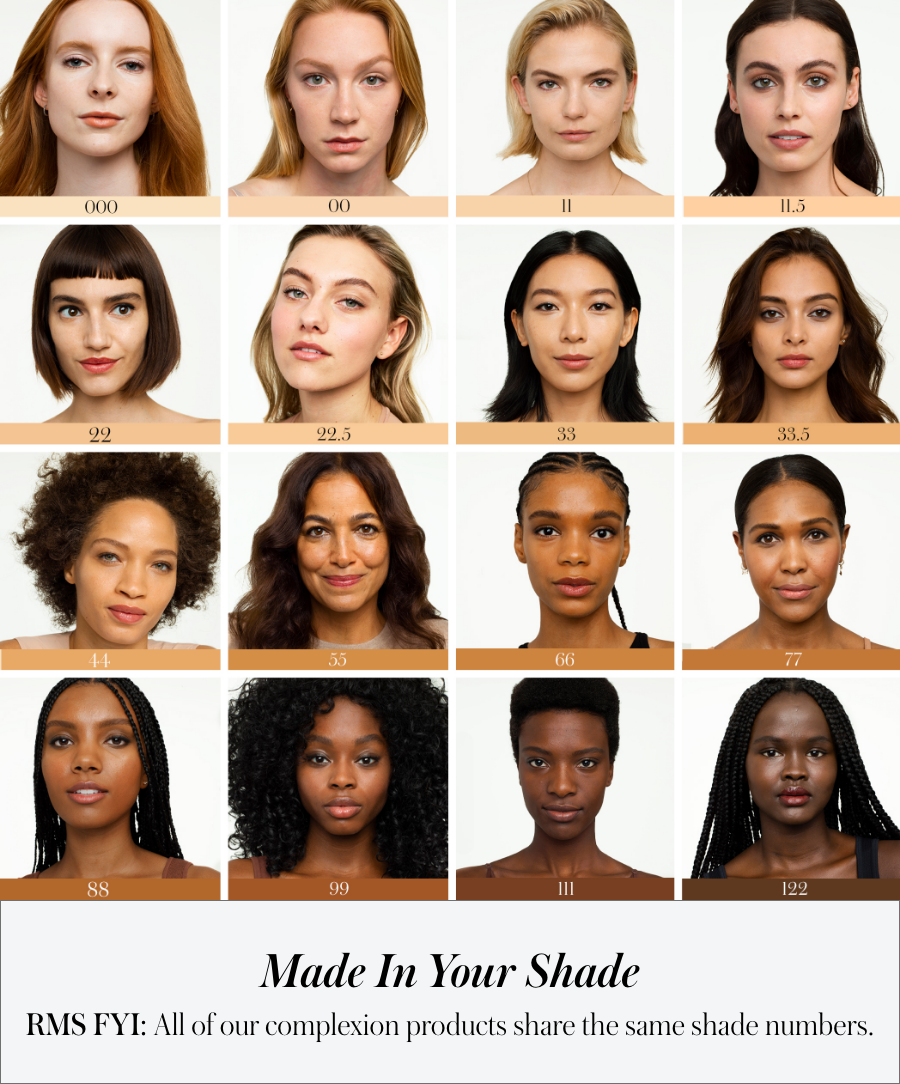
UnCoverup Concealer
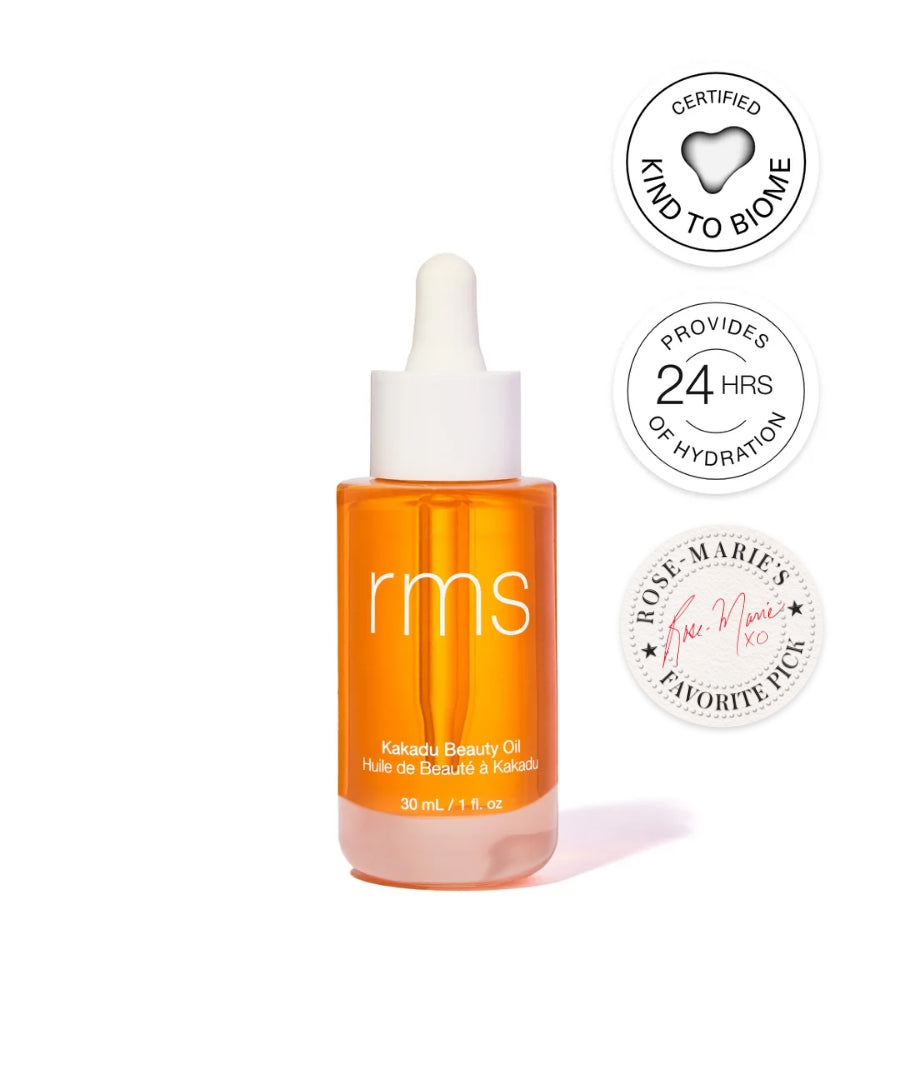
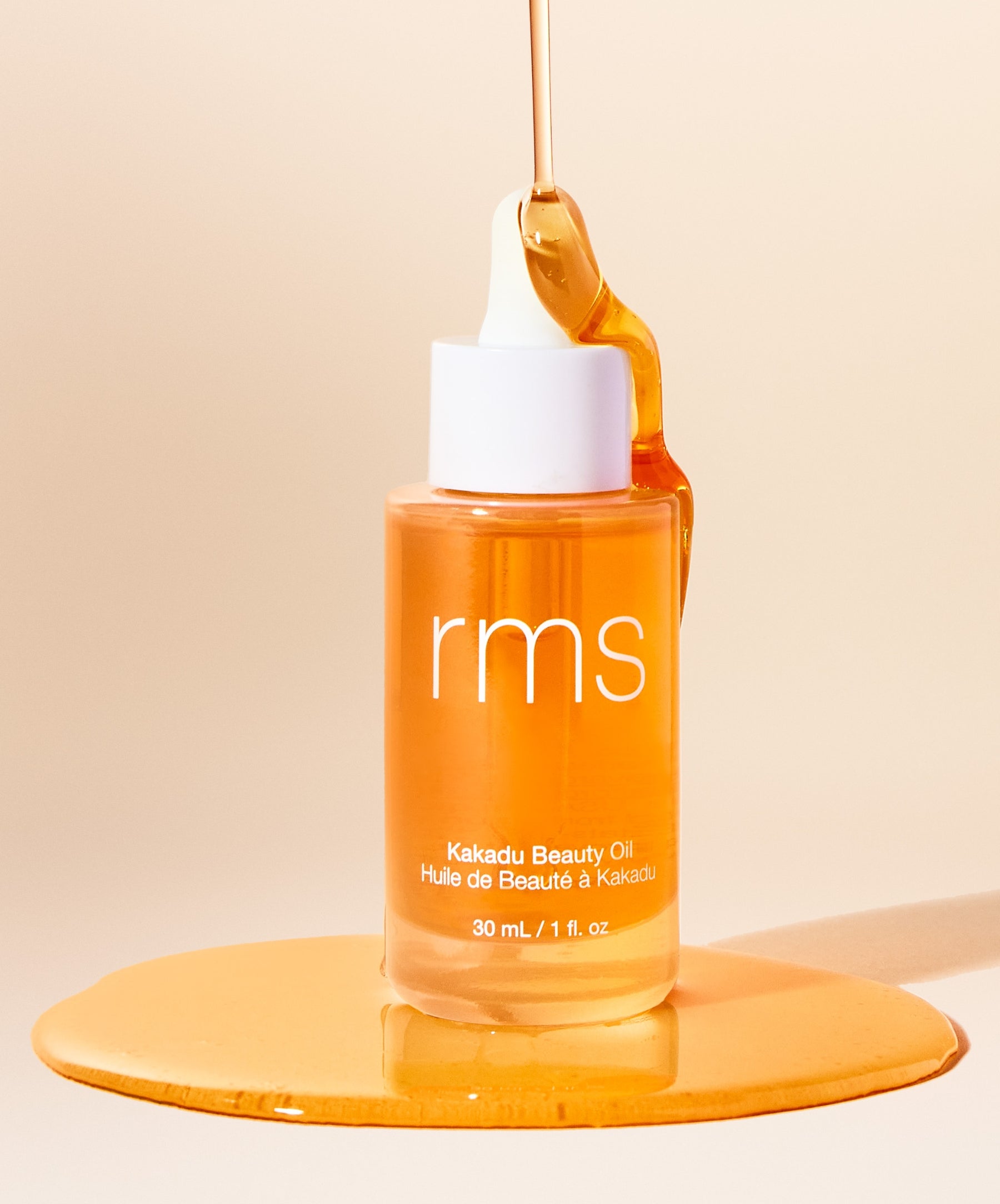
Kakadu Beauty Oil
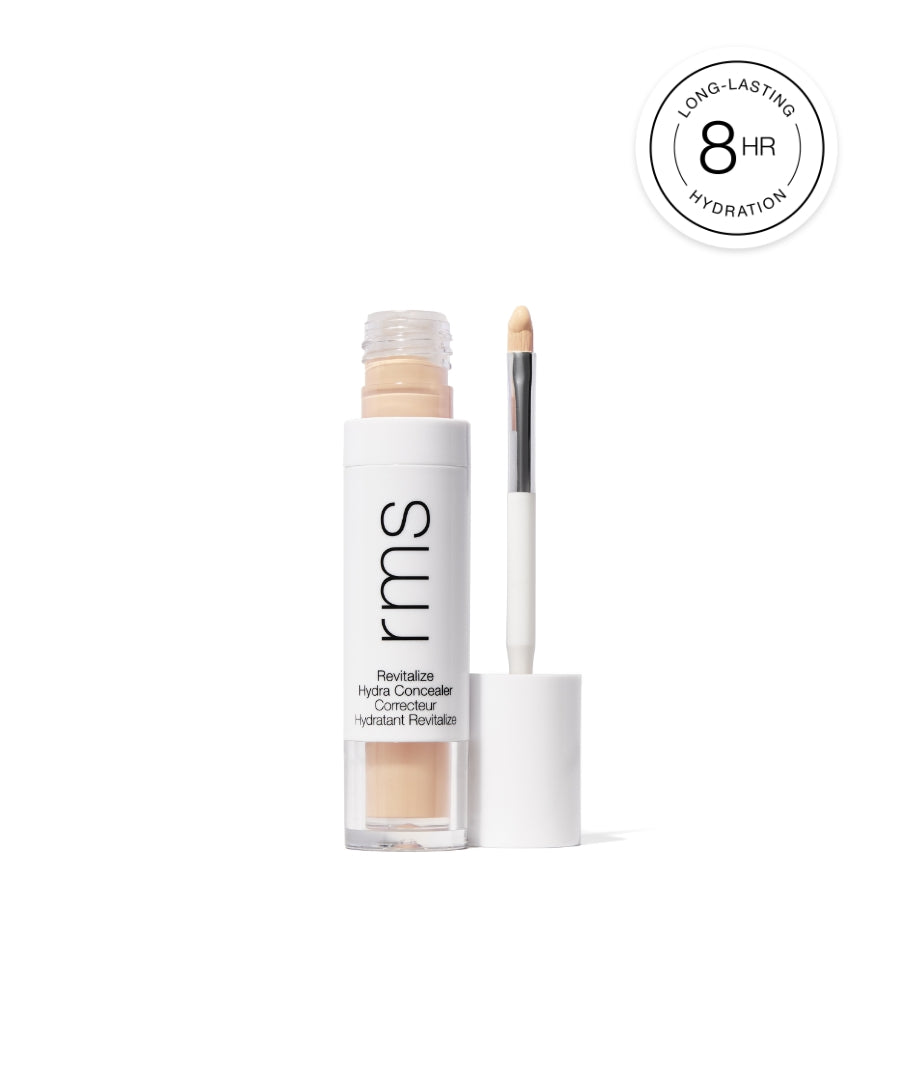
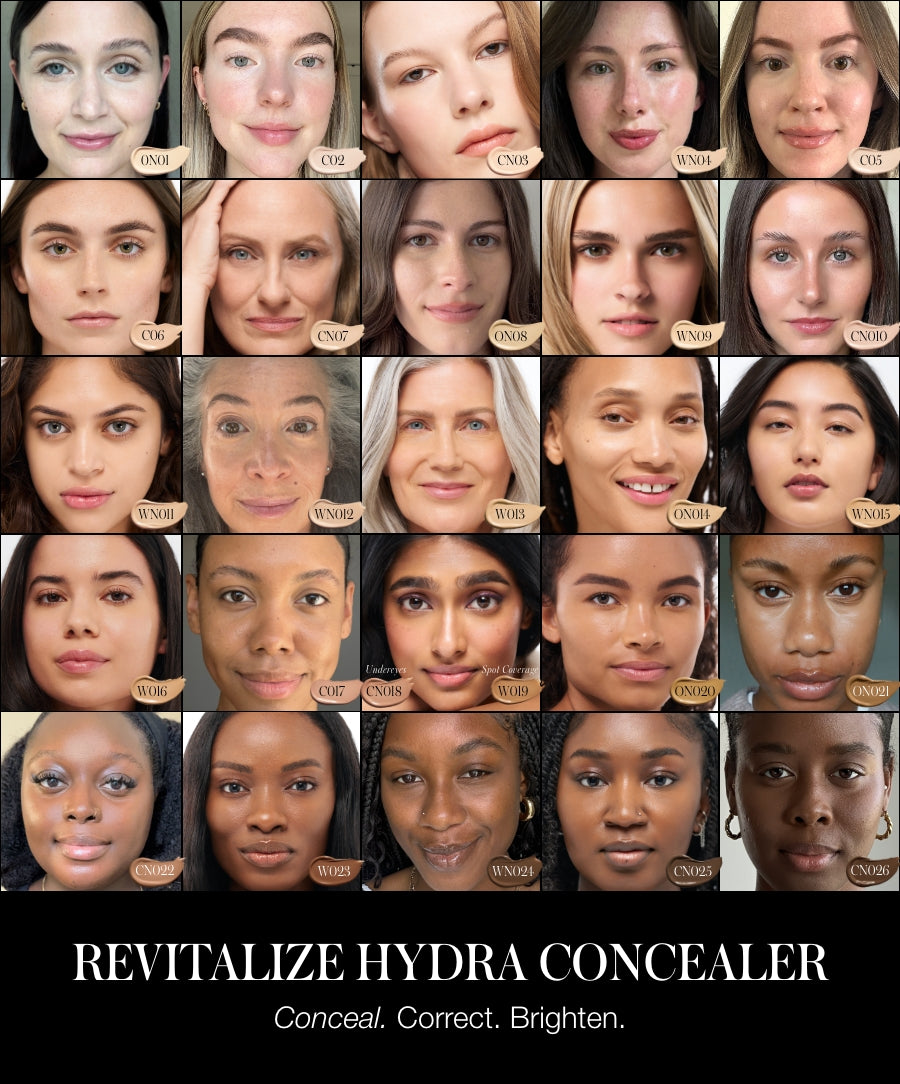
Revitalize Hydra Concealer