Skip to main content




BB Cream vs CC Cream vs Tinted Moisturizer: What's the Difference?
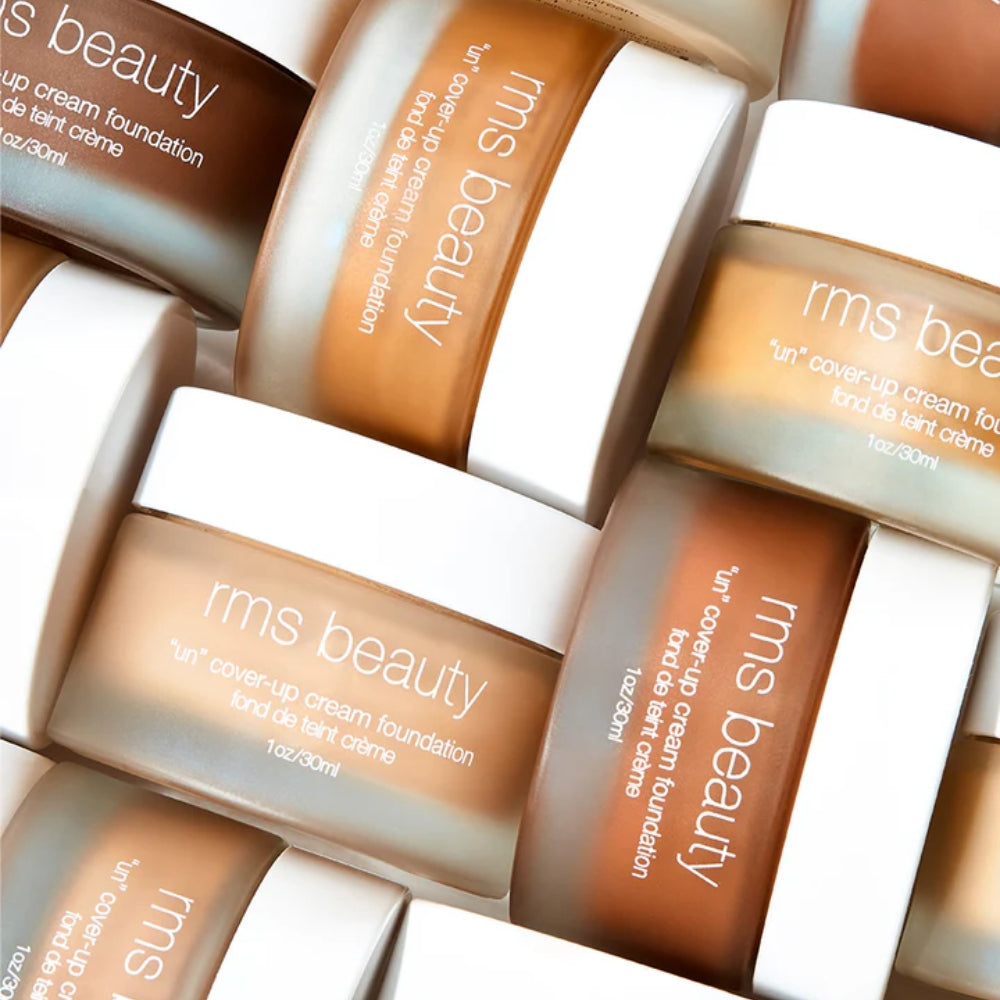
Lightweight base products have multiplied, and the names are not helping. BB cream, CC cream, tinted moisturizer. All three promise easy, natural-looking coverage, but they are not interchangeable. Each one is built for a different job, and choosing the wrong one means either too much product on your face or not enough of what your skin actually needs. Here's a clear breakdown of what separates them so you can stop guessing and start choosing with purpose.
What Each Product Actually Does
Before comparing tinted moisturizer vs BB cream or CC cream vs tinted moisturizer, the first step is understanding what each formula is designed to deliver. All three sit in the "less than foundation" category, but their formulations serve different purposes.
BB Cream Explained
BB cream stands for "beauty balm" or "blemish balm." Originally developed in Germany for post-procedure skin, BB creams were popularized in South Korea and quickly became mainstream. The format gained traction because it consolidated multiple steps, primer, moisturizer, light foundation, and sometimes SPF, into a single tube. For people who want coverage without committing to foundation, BB cream remains a popular middle ground. A typical BB cream combines light-to-medium coverage with skincare ingredients like antioxidants and SPF. The finish tends to be dewy, and the texture sits between a moisturizer and a foundation.
CC Cream Explained
CC cream stands for "color correcting." Where BB creams focus on coverage and hydration, CC creams target uneven skin tone, redness, and dullness. Most CC cream formulas contain light-diffusing pigments and added skincare actives. The coverage is generally lighter than a BB cream but more corrective in tone.
Tinted Moisturizer Explained
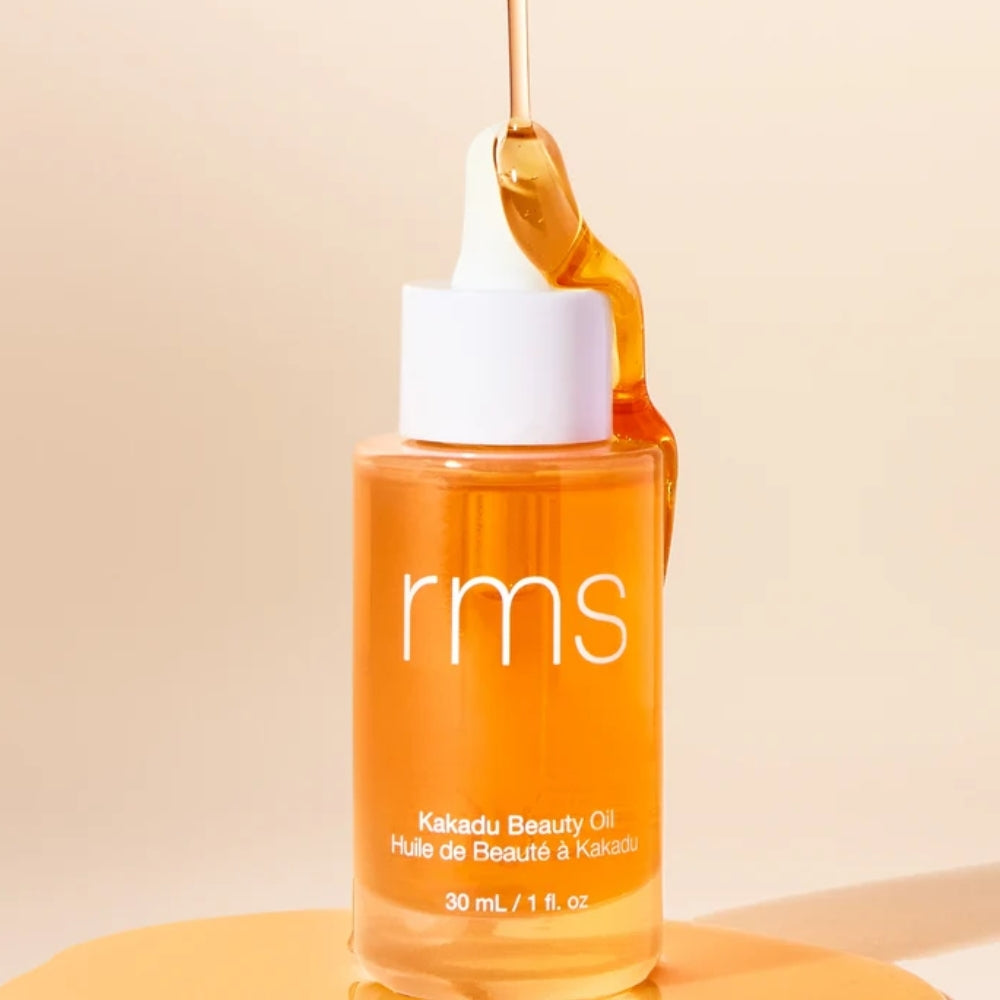
A tinted moisturizer is exactly what the name says, a moisturizer with a hint of color. The formula prioritizes hydration above all else, with just enough pigment to even out skin tone slightly. Coverage is the sheerest of the three, and hydration is the primary function. For anyone who wants skin that looks polished but not made up, a tinted moisturizer is the most natural option. For anyone who wants to even out skin tone without wearing "makeup," a tinted moisturizer is the most stripped-back option. Mixing a non-comedogenic cream concealer with a few drops of beauty oil creates a customizable tinted moisturizer effect with clean ingredients.
BB Cream vs CC Cream vs Tinted Moisturizer Comparison
The table below breaks down the core differences across coverage, finish, skin type, and primary function.
| Feature | BB Cream | CC Cream | Tinted Moisturizer |
|---|---|---|---|
| Coverage | Light to medium | Light with color correction | Sheer |
| Primary Function | Hydrate + even out skin | Correct tone + reduce redness | Moisturize + add a hint of color |
| Finish | Dewy to satin | Satin to natural | Dewy to skin-like |
| Best For | Combination or dry skin wanting coverage | Uneven tone, redness, dullness | All skin types wanting minimal coverage |
| SPF Included | Often yes | Often yes | Sometimes |
| Skincare Benefits | Moderate | Moderate to high | Primarily hydration |
How to Choose the Right One for Your Skin
Knowing the BB cream vs CC cream vs tinted moisturizer difference is one thing. Picking the right product for your skin type and routine is another. The decision comes down to what your skin needs most on a daily basis.
When a Tinted Moisturizer Makes Sense
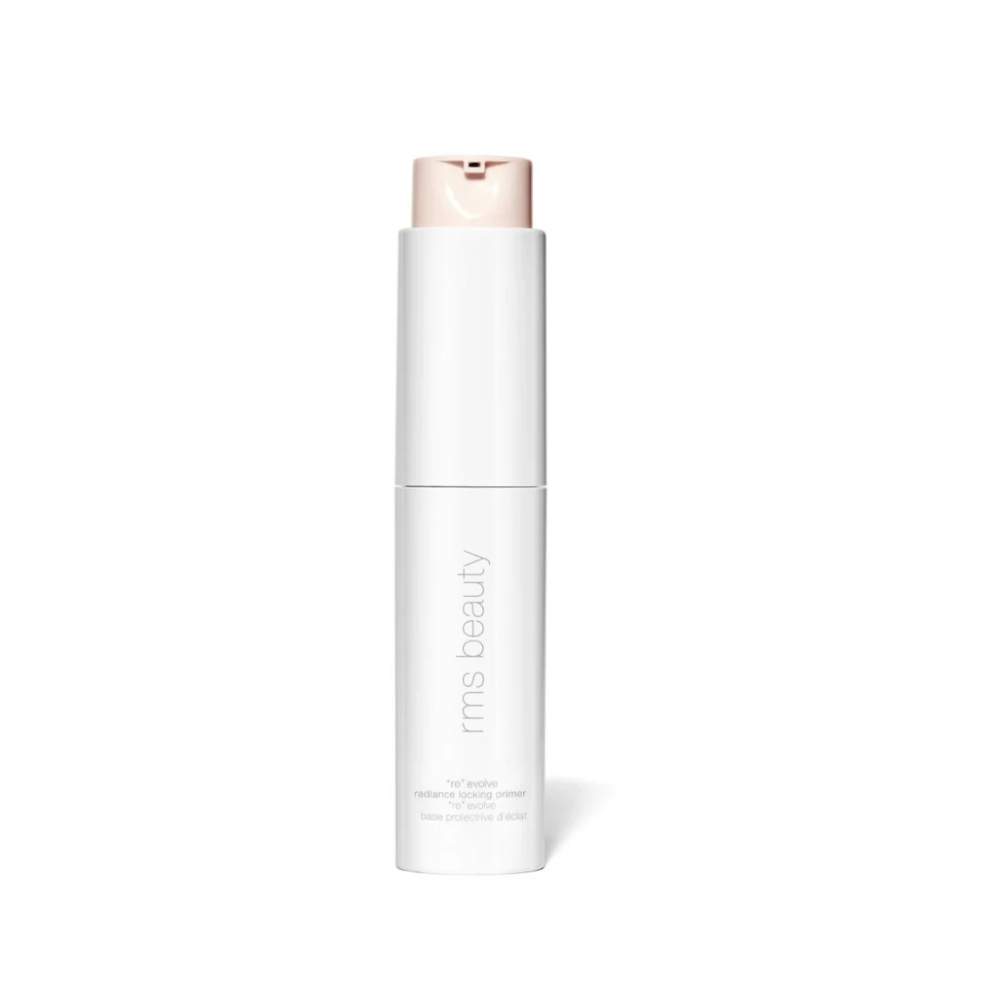
Anyone who wants hydration first and coverage second benefits most from a tinted moisturizer. For a clean, buildable approach, pairing a silicone-free primer with a sheer concealer gives the same effect as a tinted moisturizer while gripping makeup for up to 8 hours.
When a BB Cream Makes Sense
People with dry or combination skin who want a single product that hydrates, protects, and provides noticeable coverage lean toward BB cream. A tinted SPF sunscreen with a radiant finish offers similar multitasking benefits while keeping the ingredient list clean.
When a CC Cream Makes Sense
CC cream is designed for color correction, specifically redness, sallowness, or uneven pigmentation. Where a BB cream addresses coverage broadly, a CC cream targets specific tonal issues. Redness along the cheeks, dullness across the complexion, and uneven pigmentation all respond well to color-correcting formulas. For targeted correction with clean formulas, a liquid concealer with skincare benefits like Tightenyl, a gentle retinol alternative, can address specific areas without covering the entire face.
Can You Layer or Substitute Any of These Products?
Layering lightweight bases is common, but unnecessary layering leads to pilling and a heavy feel. A better approach is to combine one base product with targeted concealer where needed.
The RMS Beauty Approach
Rose-Marie Swift's philosophy has always centered on multitasking products and fewer layers. A practical everyday base can be as simple as primer, concealer on targeted areas, and a weightless setting powder to blur and set. No BB cream, CC cream, or tinted moisturizer required. A medium-coverage liquid foundation sheered out with a damp sponge also achieves tinted moisturizer-level coverage with more skin-loving ingredients in the formula.
When Substitution Works
A tinted moisturizer vs BB cream swap is seamless for anyone whose main concern is hydration over correction. CC cream vs tinted moisturizer, however, is a bigger jump because the color-correcting pigments in CC creams behave differently on skin than sheer tint.
Final Thoughts
BB cream, CC cream, and tinted moisturizer each occupy a specific space between bare skin and full foundation. Knowing what your skin needs daily, whether that is hydration, correction, or minimal coverage, makes the choice straightforward. RMS Beauty's clean, multitasking formulas give you the flexibility to build your own lightweight base without relying on a single category. Shop the full complexion collection at rmsbeauty.com.
FAQs
Q. Can I use a BB cream and a tinted moisturizer together?
Layering both is unnecessary and can lead to pilling. Pick the one that best matches your coverage and hydration needs, and spot-conceal where needed.
Q. Which product has the most SPF protection?
BB and CC creams often include SPF, but the level varies widely. A dedicated SPF sunscreen applied before your base product provides more reliable protection.
Q. Are BB creams or CC creams better for oily skin?
Neither is specifically formulated for oil control. Oily skin types benefit from a lightweight, non-comedogenic formula paired with a setting powder to manage shine.
Q. Can a tinted moisturizer replace foundation?
For sheer, everyday coverage, yes. For events or situations requiring more coverage, foundation or a buildable concealer is a better choice. Many people find that a tinted moisturizer for daytime and a medium-coverage foundation for evenings covers both ends of their routine.
Q. Do clean beauty brands make BB or CC creams?
Some do, but many clean brands opt for multitasking products like tinted SPF sunscreens, primers, or buildable concealers that achieve similar results with fewer ingredients.
Q. What if I have sensitive skin?
Look for formulas that are dermatologist-tested, hypoallergenic, and free of synthetic fragrances. A tinted moisturizer or sheer SPF with mineral ingredients tends to be the gentlest option.
Shop The Blog

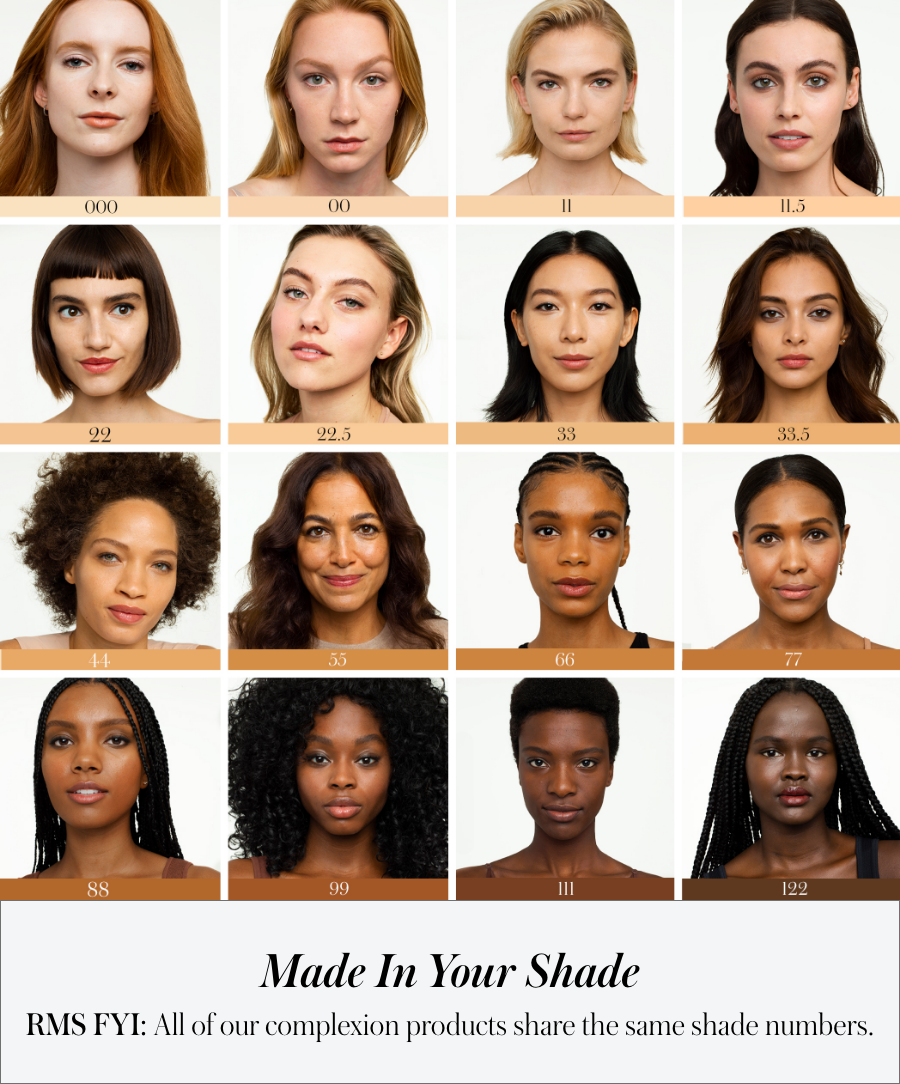
UnCoverup Concealer
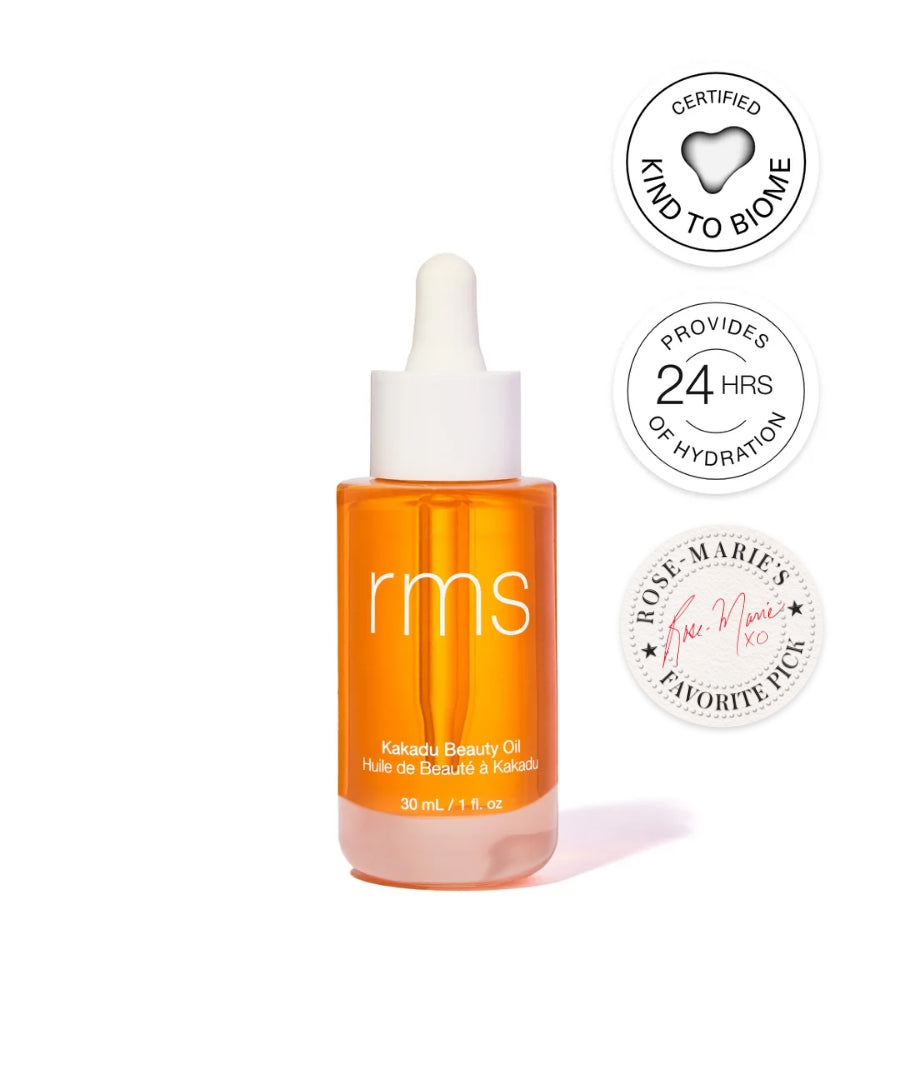
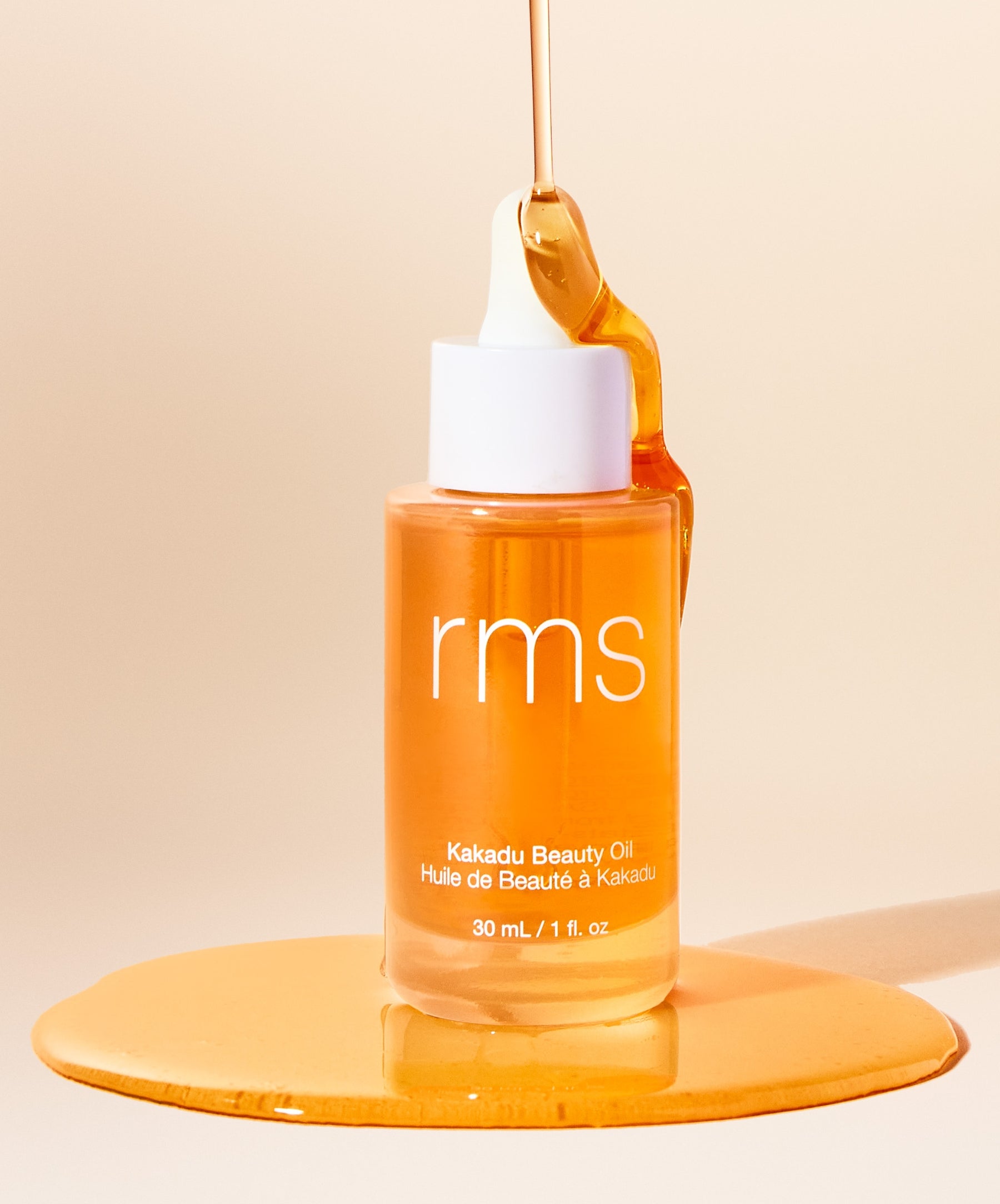
Kakadu Beauty Oil
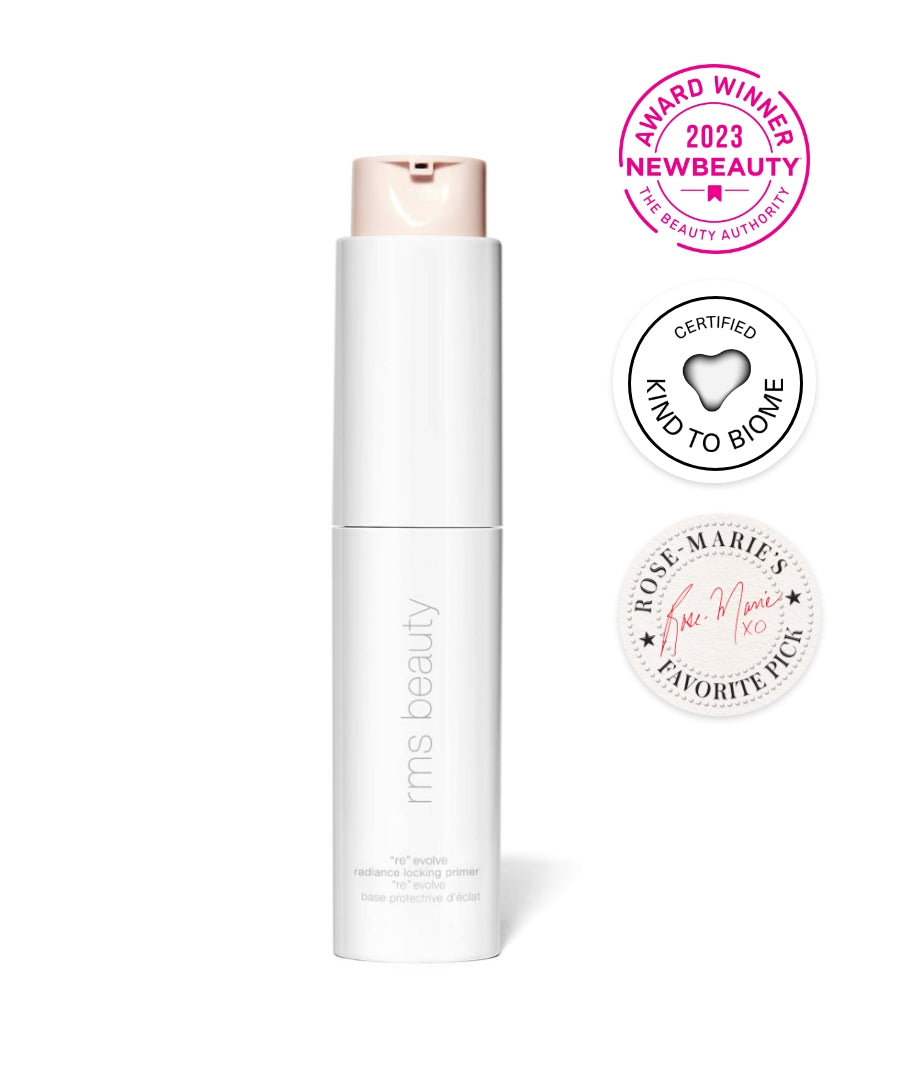
ReEvolve Radiance Locking Primer