Skip to main content




Petrolatum and Mineral Oil in Beauty: What They Do and Why Clean Brands Skip Them
Petrolatum and mineral oil are two of the most widely used ingredients in conventional beauty. You will find them in lip balms, moisturizers, hair products, and body lotions across nearly every drugstore shelf. Both are effective at one thing: creating a moisture-sealing barrier on skin, but the conversation around whether that is enough has shifted significantly. Here is a factual look at what these ingredients are, what they do, and why a growing number of brands formulate without them.
What Is Petrolatum
Petrolatum is a semisolid mixture of hydrocarbons derived from petroleum refining. You may know it better by the brand name Vaseline. What is petrolatum made of, specifically? The raw material comes from the waxy residue that forms on oil rig machinery during petroleum extraction. That residue is refined, purified, and filtered to create the translucent jelly used in skincare.
How Petrolatum Works on Skin
Petrolatum forms a dense occlusive barrier on the skin's surface, one of the most effective at preventing moisture loss of any cosmetic ingredient. The barrier prevents transepidermal water loss (TEWL), which means it locks in existing moisture rather than adding new hydration. For severely dry, cracked, or compromised skin, that sealing function can be protective. However, petrolatum does not deliver active nutrients, antioxidants, or reparative ingredients to the skin. The barrier sits on top. For skin that is already healthy and well-hydrated, that occlusion may be sufficient. For skin that needs active nourishment, antioxidant defense, or barrier-strengthening fatty acids, petrolatum alone falls short.
Is Petrolatum Bad for Skin
Is petrolatum bad for skin in every situation? The answer depends on context. Pharmaceutical-grade petrolatum is considered safe by most regulatory bodies. The concern among clean beauty formulators centers on a few key points, and understanding them helps you make an informed choice about what goes on your skin:
- Petrolatum is occlusive enough to trap debris, sweat, and bacteria underneath the barrier
- Lower-grade petrolatum can contain polycyclic aromatic hydrocarbons (PAHs), which are a concern in less-regulated markets
- Petrolatum provides no active skin benefit beyond moisture sealing
- Plant-based alternatives can seal moisture while also delivering antioxidants, vitamins, and fatty acids
What Is Mineral Oil and How Does It Compare
Mineral oil in skincare is more common than most people realize. Mineral oil is a lightweight liquid derived from the same petroleum refining process as petrolatum. Where petrolatum is a semisolid jelly, mineral oil is a clear, odorless liquid used as an emollient in lotions, foundations, and baby care products.
Is Mineral Oil Bad for Skin
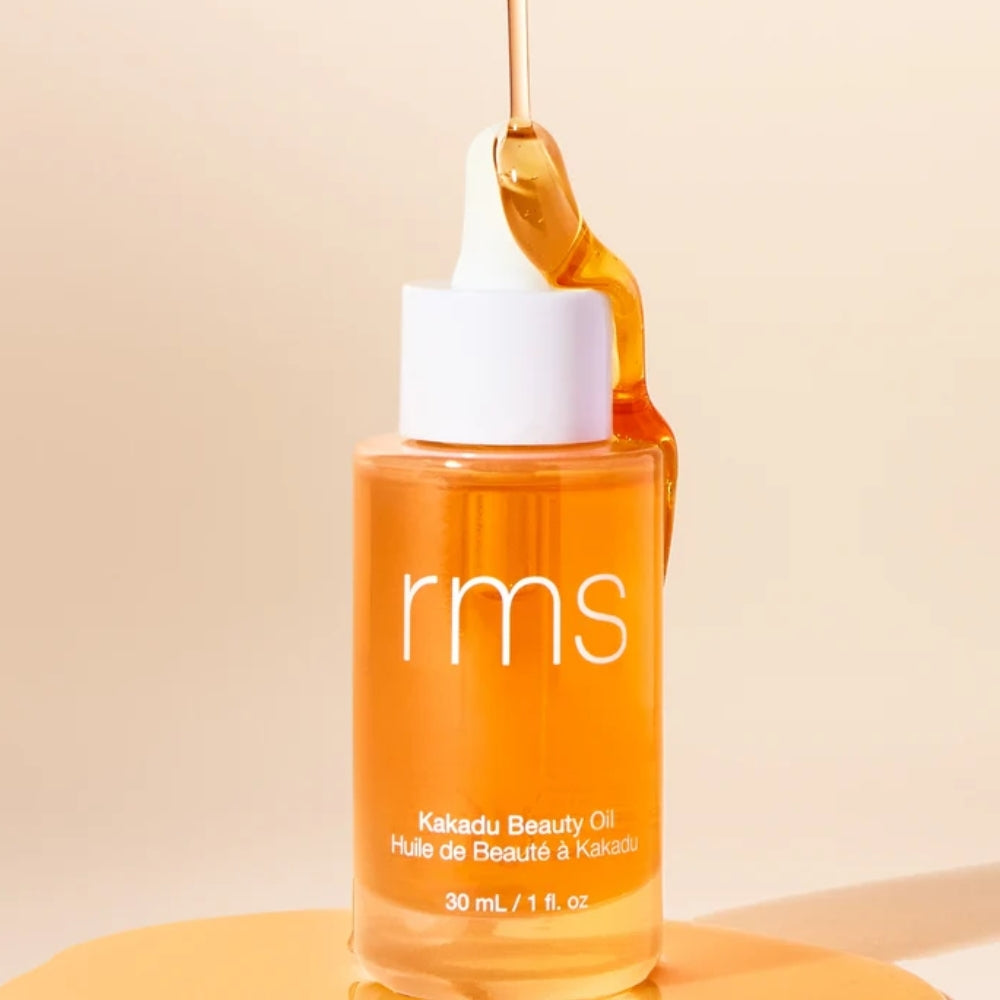
Mineral oil, like petrolatum, is generally recognized as safe at cosmetic grade. Regulatory bodies in both the U.S. and the EU permit its use in cosmetics at standard concentrations. The critique from clean beauty is not about acute safety but about what you are missing. Mineral oil does not nourish, protect against environmental stressors, or deliver any bioactive compounds. A beauty oil made with Organic Jojoba Oil, Kakadu Plum Seed Oil, and Wildcrafted Buriti Oil seals moisture and delivers antioxidant protection, essential fatty acids, and Vitamin C.
What Clean Brands Use Instead
Replacing petrolatum and mineral oil does not mean sacrificing moisture retention. Plant-based alternatives match or exceed the occlusive and emollient properties of petroleum derivatives while adding nutritional value to the formula.
Plant-Based Alternatives
- Organic Jojoba Oil mimics the skin's natural sebum, absorbs easily, and creates a protective barrier from environmental stressors
- Organic Raw Coconut Oil moisturizes, soothes, and softens with natural Vitamin E and lauric acid
- Wildcrafted Buriti Oil provides potent antioxidant defense and rich hydration
- Organic Shea Butter delivers long-lasting hydration from fatty acids and vitamins
- Vegetable Squalane balances oil production and seals in moisture without clogging pores
A nourishing cream concealer formulated with Organic Coconut Oil, Jojoba Oil, and Cocoa Seed Butter provides moisture-rich coverage using plant-based ingredients exclusively. A hydrating cream bronzer also demonstrates how plant-based formulation works in color cosmetics, using Wildcrafted Buriti Oil and Organic Shea Butter for nourishment alongside pigment. RMS Beauty bans over 2,700 ingredients from its formulas, compared to only 30 banned by U.S. regulations.
Why Plant Oils Outperform Petroleum
| Property | Petrolatum / Mineral Oil | Plant-Based Oils |
|---|---|---|
| Moisture sealing | Yes | Yes |
| Antioxidant protection | No | Yes |
| Essential fatty acids | No | Yes |
| Vitamin delivery | No | Yes (A, C, E depending on oil) |
| Skin barrier support | Passive (occlusion only) | Active (nourishment + occlusion) |
| Environmental impact | Petroleum-derived | Renewable, sustainably sourced |
How to Read Labels for Petroleum-Based Ingredients
Petrolatum and mineral oil appear under several names on ingredient lists, and recognizing them requires checking beyond the front-of-pack claims. A product can be marketed as "natural" while still containing petroleum-derived ingredients deeper in the formula. Here are the most common names to look for:
- Petrolatum / Petroleum Jelly
- Mineral Oil / Paraffinum Liquidum
- Microcrystalline Wax (Cera Microcristallina)
- Paraffin
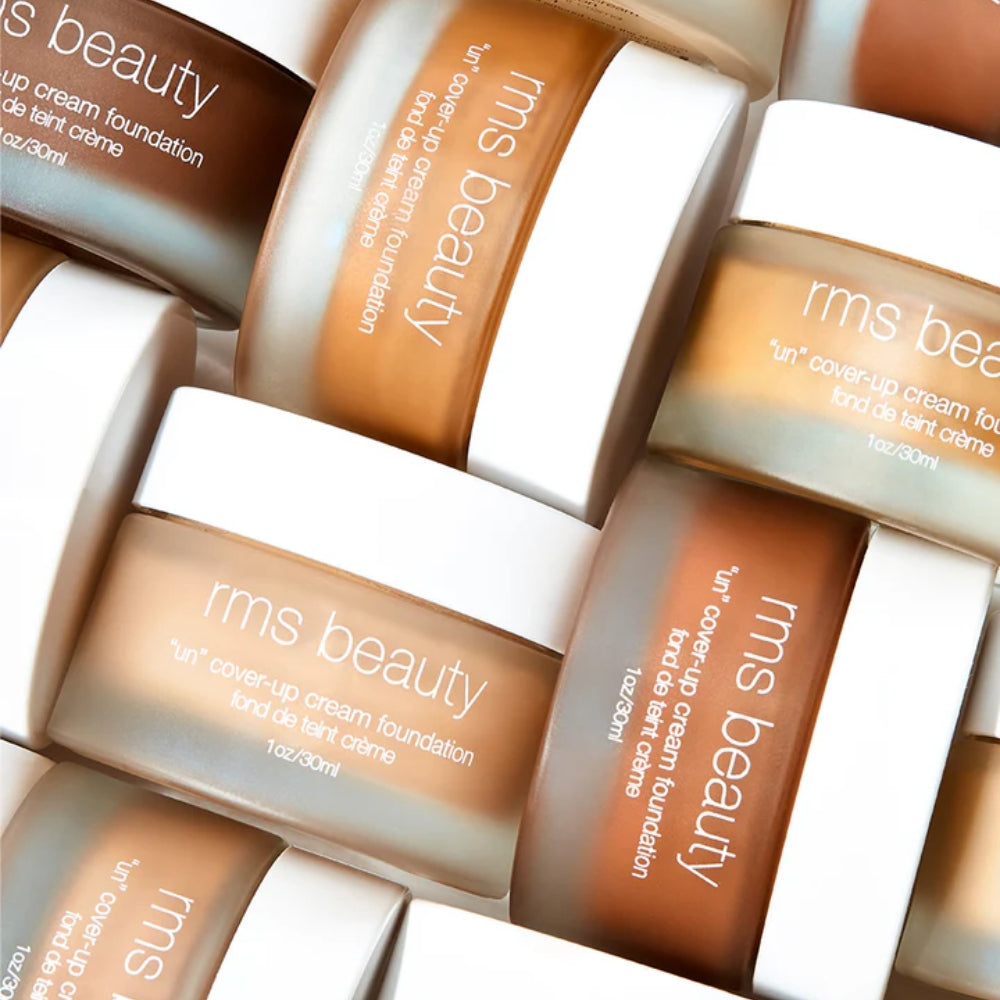
A silicone-free liquid foundation or hydrating cream foundation formulated without any petroleum-derived ingredients offers coverage and skincare benefits in one product.
Final Thoughts
Petrolatum and mineral oil are not dangerous in regulated cosmetics, but they are limited in what they offer. Clean beauty is not about fearmongering. Clean beauty is about choosing ingredients that do more for skin than the minimum. When a plant-based oil can seal moisture and deliver antioxidants, vitamins, and essential fatty acids simultaneously, the case for petroleum becomes harder to make. A product that simultaneously seals moisture and delivers antioxidants, vitamins, and essential fatty acids does more for skin than one that simply sits on top. RMS Beauty formulates every product without petrolatum, mineral oil, or petroleum-derived ingredients, using plant-based alternatives that nourish, protect, and perform. Shop the full collection at rmsbeauty.com.
FAQs
Q. What is petrolatum made of?
Petrolatum comes from the waxy residue formed during petroleum refining. The raw material is purified and filtered to create the semisolid jelly used in skincare products.
Q. Is petrolatum bad for skin in all cases?
Pharmaceutical-grade petrolatum is considered safe by most regulatory bodies. Clean beauty brands avoid it because plant-based alternatives provide the same moisture barrier plus active nutrients.
Q. Is mineral oil bad for skin?
Cosmetic-grade mineral oil is generally recognized as safe. The concern is that mineral oil provides no nutritional benefit to skin, while plant-based oils deliver antioxidants, fatty acids, and vitamins.
Q. Can oily skin use products with plant oils instead of mineral oil?
Yes. Lightweight plant oils like Jojoba and Squalane balance sebum production and hydrate without clogging pores, making them suitable for oily skin.
Q. How do I know if a product contains petroleum ingredients?
Check the ingredient list for Petrolatum, Mineral Oil, Paraffinum Liquidum, Microcrystalline Wax, or Paraffin. Any of these indicates petroleum-derived components.
Q. Does RMS Beauty use any petroleum-derived ingredients?
No. RMS Beauty formulates all products without petrolatum, mineral oil, or petroleum-derived ingredients. Every formula uses plant-based alternatives that nourish and protect skin while delivering the same moisture-sealing performance.
Shop The Blog
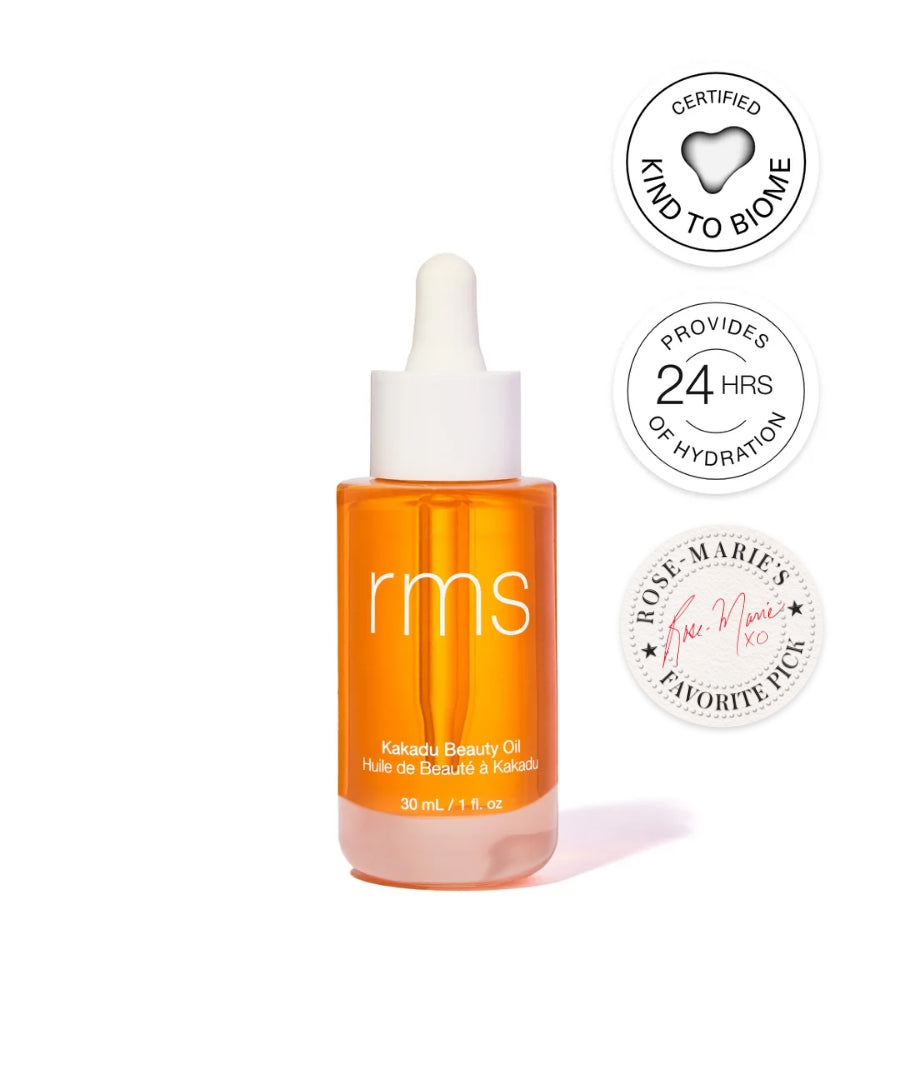
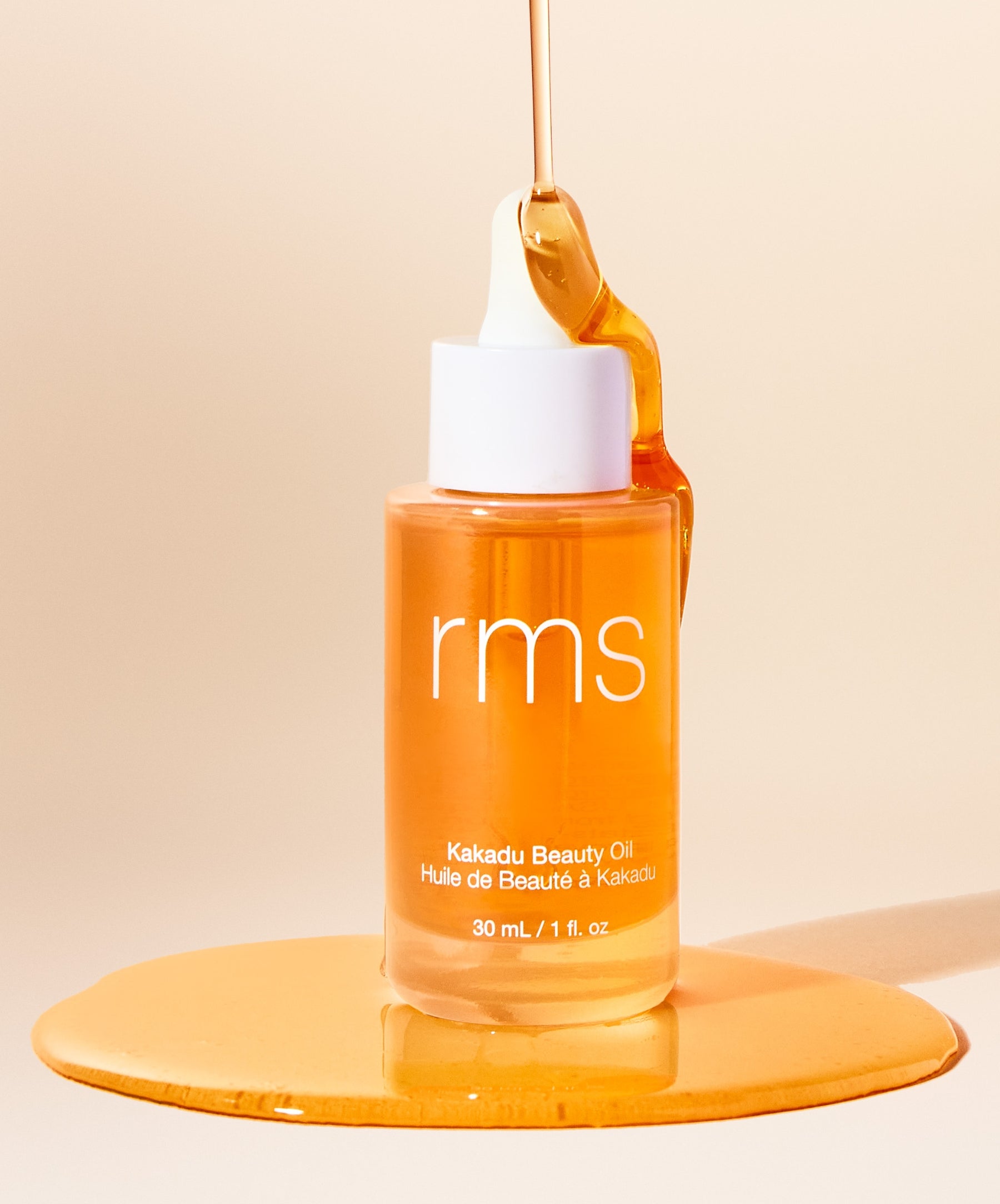
Kakadu Beauty Oil

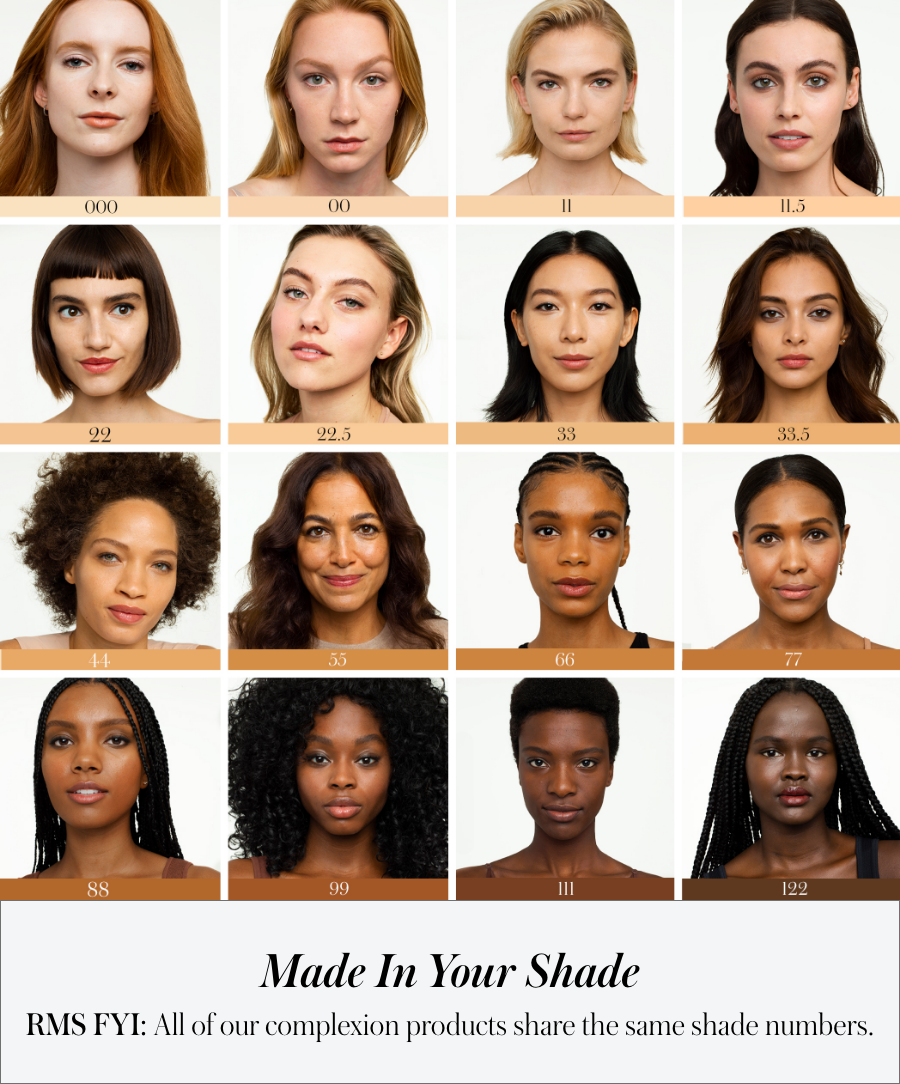
UnCoverup Concealer

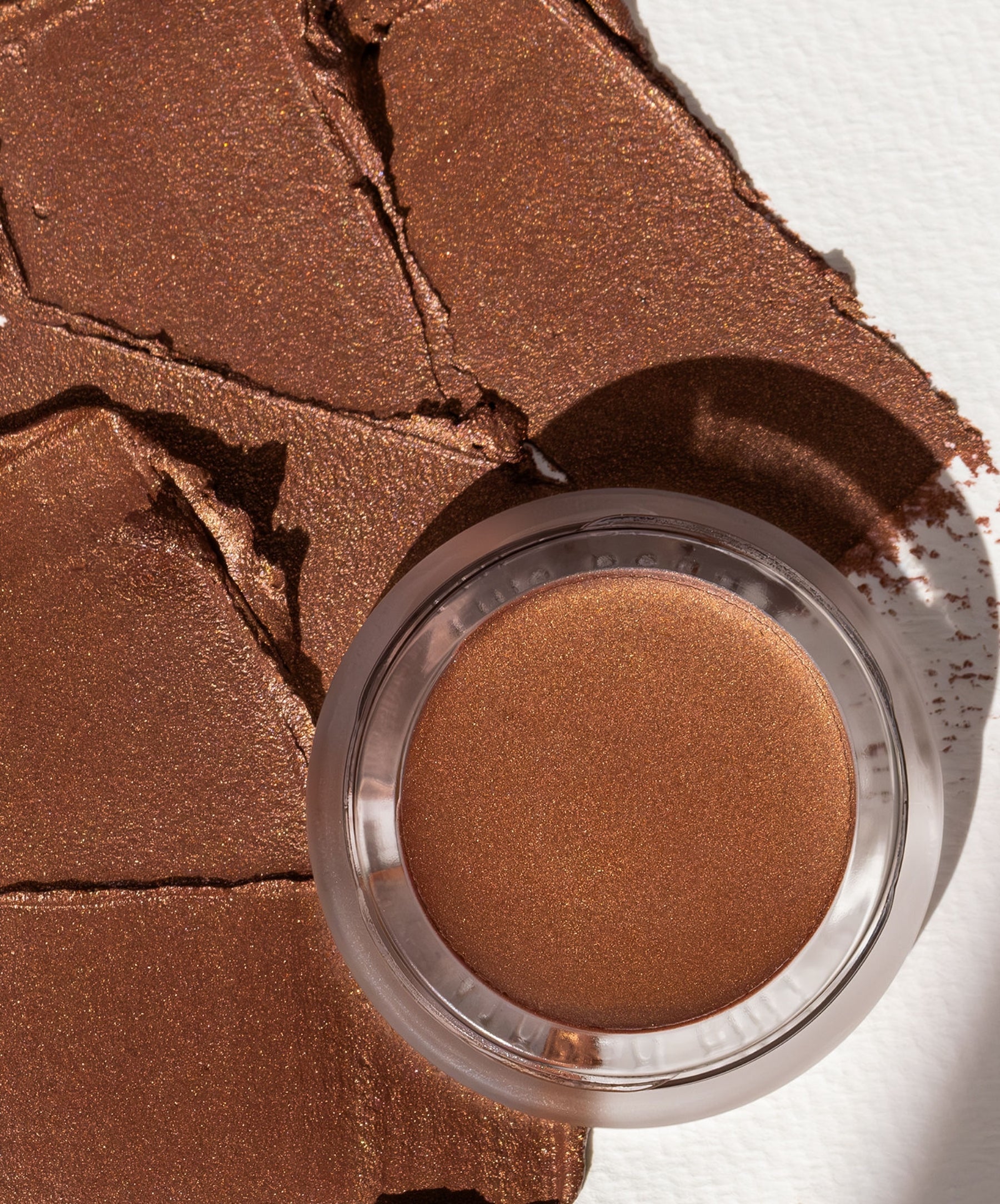
Buriti Bronzer