Skip to main content




Best Moisturizer for Oily Skin: Which Formulas Actually Help
Oily skin and moisturizer sound like a contradiction, but they are not. Skipping hydration is one of the most common mistakes people with excess oil make, and the consequences—dehydration lines, a compromised barrier, and even more oil production—are the opposite of what anyone wants. The trick is not avoiding moisture altogether. The trick is choosing a formula that hydrates without sitting on the surface or feeding the shine.
The right moisturizer for oily skin keeps things balanced without adding congestion, and the difference between the right one and the wrong one is bigger than most people expect.
Why Oily Skin Still Needs a Moisturizer
People with oily skin often assume their natural sebum provides all the moisture they need. Sebum and hydration, however, are two different things. One is oil. The other is water. And oily skin can absolutely be dehydrated underneath all that shine.
Oil Production and Dehydration Are Not the Same Thing
Sebaceous glands produce oil to protect the skin. Hydration refers to water content within the skin's cells. When you strip oil away with harsh cleansers or skip moisturizer entirely, the skin barrier weakens and water escapes. The result is skin that looks shiny on the surface but feels tight underneath. A face moisturizer for oily skin addresses the water side of the equation without adding unnecessary oil.
What Happens When You Skip Moisturizer
Without adequate hydration, the skin compensates by producing even more sebum. The cycle creates a frustrating loop: more oil leads to more stripping, which triggers more oil. A lightweight moisturizer helps interrupt that pattern by giving skin the hydration signal to produce less sebum on its own.
Barrier Health Matters for Every Skin Type
A healthy skin barrier keeps irritants out and moisture in. Oily skin with a damaged barrier is more prone to breakouts, sensitivity, and uneven texture. Moisturizers with plant-based emollients that balance oil production keep oily skin stable and less reactive.
What to Look for in a Face Moisturizer for Oily Skin
Not all moisturizers are built the same. Knowing which ingredients and textures work with oily skin, rather than against it, narrows the search considerably.
Ingredients That Balance, Not Overload
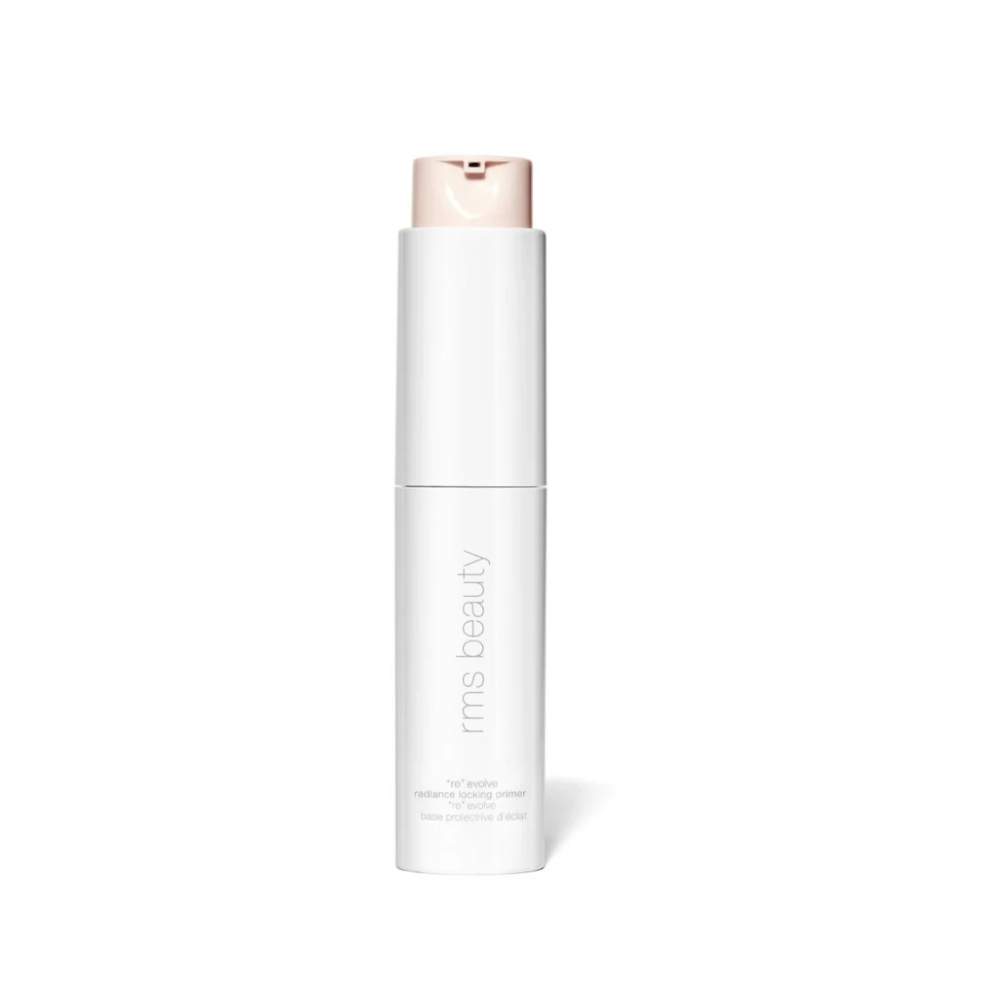
The best formulas for oily skin include ingredients that hydrate without sitting heavily on the surface. Hyaluronic Acid draws water into the skin to plump and replenish without adding oil. Vegetable Squalane is a plant-based emollient that balances oil production, seals in moisture, and boosts skin elasticity without clogging pores. Niacinamide helps regulate sebum and smooth skin tone. A silicone-free primer formulated with all three of those ingredients can double as a hydrating base for oily skin, and has been clinically shown to boost hydration for up to 24 hours.
Textures That Work for Oily Skin
Heavy creams and thick lotions tend to sit on the surface and contribute to congestion. Gel textures, lightweight serums, and mist formats absorb quickly and layer well under makeup. A good lotion for oily skin should feel weightless after application, with no greasy film or sticky residue.
| Texture | Best For | Watch Out For |
|---|---|---|
| Gel or gel-cream | Oily and combination skin, hot weather | Some gel moisturizers lack lasting hydration |
| Lightweight serum or mist | Layering under makeup, midday refresh | May not be enough alone in dry climates |
| Face oil (the right kind) | Balancing sebum, nourishing without clogging | Avoid heavy, comedogenic oils like mineral oil |
| Rich cream | Dry skin, nighttime repair | Too heavy for most oily skin types |
Non-Comedogenic Formulas Are Non-Negotiable
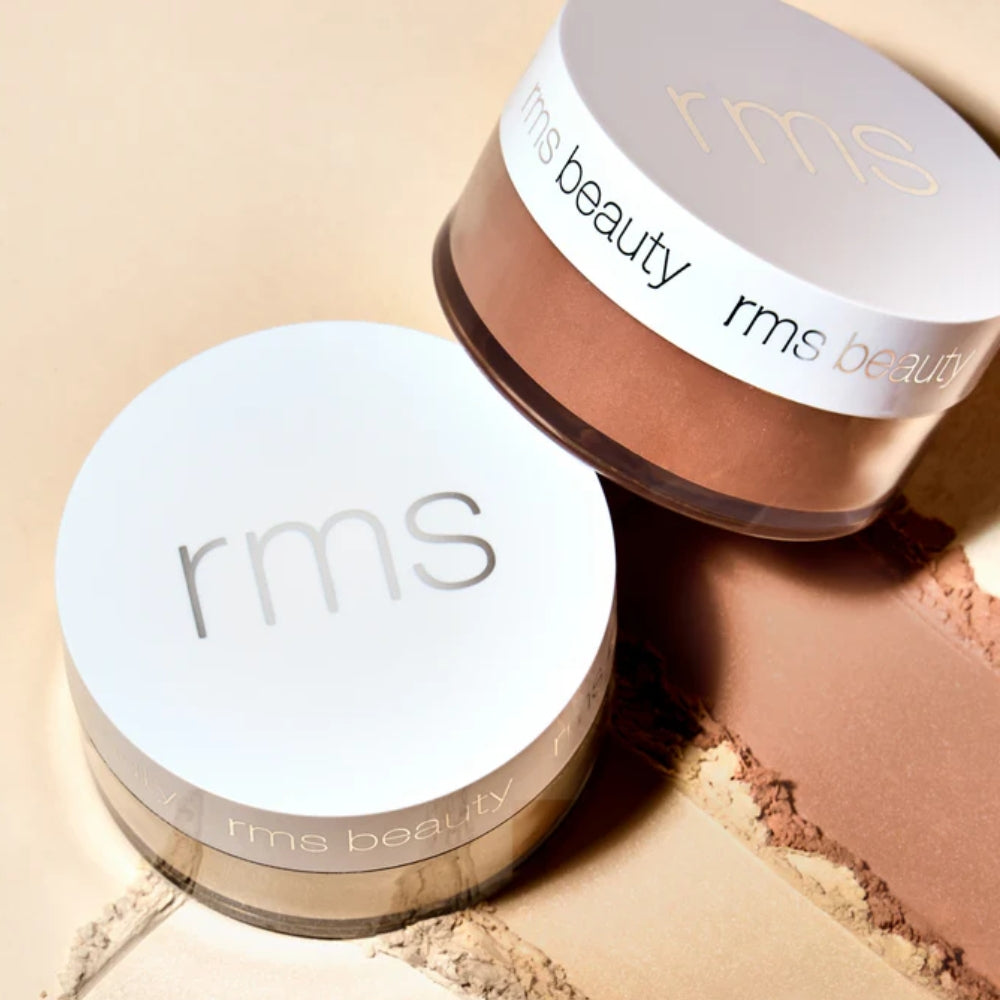
Any moisturizer for oily skin should be tested and confirmed as non-comedogenic, meaning the formula does not clog pores. Look for products that have been clinically validated, not just labeled with the claim. An oil-absorbing setting powder that is non-comedogenic and talc-free can also serve as a finishing step, helping to minimize shine for up to 8 hours while still delivering moisture through a plant-based HerbalHydrate complex.
Why Oil-Based Moisturizer Formulas Can Work for Oily Skin
Here's where conventional wisdom gets it wrong: not all oils cause breakouts. Certain plant oils actually help regulate sebum production and deliver nutrients that water-based products cannot.
How the Right Oils Regulate Sebum
Jojoba Oil closely mimics the structure of human sebum. When applied to skin, it signals the sebaceous glands that enough oil is present, reducing overproduction. Organic Jojoba Oil is rich in antioxidants, allows for easy absorption of nourishing skin benefits, and creates a protective barrier from environmental stressors. A fast-absorbing beauty oil built on Jojoba and enriched with Kakadu Plum, Wildcrafted Buriti Oil, and an Adaptogenic Herbal Blend can work for oily skin types precisely because the formula is lightweight, concentrated, and designed to balance rather than overload.
Oils to Seek vs. Oils to Skip
Not every oil-based moisturizer belongs on oily skin. Mineral oil and heavy seed butters are more likely to cause congestion. Plant oils with a molecular structure close to the skin's own lipids, like Jojoba, Squalane, and Buriti, absorb quickly and work with the skin instead of sitting on top.
- Seek: Jojoba Oil, Vegetable Squalane, Buriti Oil, Tamanu Oil, Rosehip Oil
- Skip: Mineral oil, petroleum-based ingredients, thick butters as a primary moisturizer
How to Build a Moisturizing Routine for Oily Skin
A balanced routine for oily skin is about sequence and restraint. Every step should serve a clear purpose, and nothing should leave skin feeling heavy.
Step 1. Cleanse Without Stripping
Harsh, foam-heavy cleansers strip the barrier and trigger rebound oil production. A gel-to-foam cleanser that dissolves excess oil, sweat, and makeup without stripping moisture leaves skin feeling clean and soft, not tight. Wild Mint Leaf Extract in the formula helps balance skin flora and reduce the appearance of oily skin and pore size.
Step 2. Hydrate With a Lightweight Formula
After cleansing, apply a thin layer of hydration while the skin is still slightly damp. A serum, mist, or a few drops of a balanced beauty oil locks in that moisture without adding weight. For oily skin, 2-3 drops of a concentrated oil blend is enough.
Step 3. Set and Control Shine
Once hydration is in place, an oil-absorbing powder or a weightless setting mist keeps everything in check throughout the day. A talc-free finishing powder blurs skin, minimizes pores, and absorbs oil with zero residue. Alternatively, an alcohol-free setting mist locks in the routine without feeling sticky, clinically proven to hydrate and replenish the skin barrier for up to 24 hours.
Common Moisturizing Mistakes That Make Oily Skin Worse
A few habits sabotage even the best products. Correcting these makes a noticeable difference in how oily skin looks and behaves.
Over-Cleansing and Over-Exfoliating
Washing more than twice a day or using abrasive scrubs strips the barrier and drives up oil production. Gentle, naturally derived cleansers morning and night are sufficient.
Layering Too Many Products
Oily skin does not need a ten-step routine. A cleanser, one hydrating product, and a setting step cover the essentials. Each additional layer risks pilling, congestion, or a greasy finish. Fewer, better products applied consistently outperform a complicated routine.
Final Thoughts
Oily skin needs moisture, just the right kind. Lightweight, non-comedogenic formulas with ingredients like Hyaluronic Acid, Vegetable Squalane, and plant-derived oils like Jojoba and Buriti work with oily skin rather than against it. RMS Beauty's skincare and complexion products are formulated with clean, skin-loving ingredients that hydrate, balance, and set, without clogging pores or adding weight. Shop the full skincare collection at rmsbeauty.com.
FAQs
Q. Should people with oily skin use moisturizer every day?
Yes. Daily moisturizer helps maintain the skin barrier and prevents the overproduction of sebum that occurs when skin is dehydrated. A lightweight, non-comedogenic formula is ideal.
Q. Can a face oil work as a moisturizer for oily skin?
Certain plant-based oils, like Jojoba and Squalane, mimic the skin's natural lipids and can help balance oil production rather than increase it. A concentrated, fast-absorbing formula works well for oily skin types.
Q. What texture of moisturizer is best for oily skin?
Gel, serum, and mist textures absorb quickly and layer well without leaving a heavy or greasy finish. Heavy creams and thick lotions are generally too rich for oily skin.
Q. How do I keep my moisturizer from making my skin look shiny?
Follow your moisturizer with an oil-absorbing setting powder or setting mist. Talc-free powders and alcohol-free mists control shine while preserving hydration underneath.
Q. Are silicone-free products better for oily skin?
Silicone-free formulas are less likely to trap oil and debris under a film on the skin's surface. Products formulated without silicones tend to feel lighter and allow skin to breathe more freely.
Q. How many skincare products does oily skin actually need?
A cleanser, one hydrating product, and a finishing step (powder or mist) are the essentials. Adding more layers risks congestion and diminishing returns. Quality and ingredient integrity matter more than quantity.
Shop The Blog
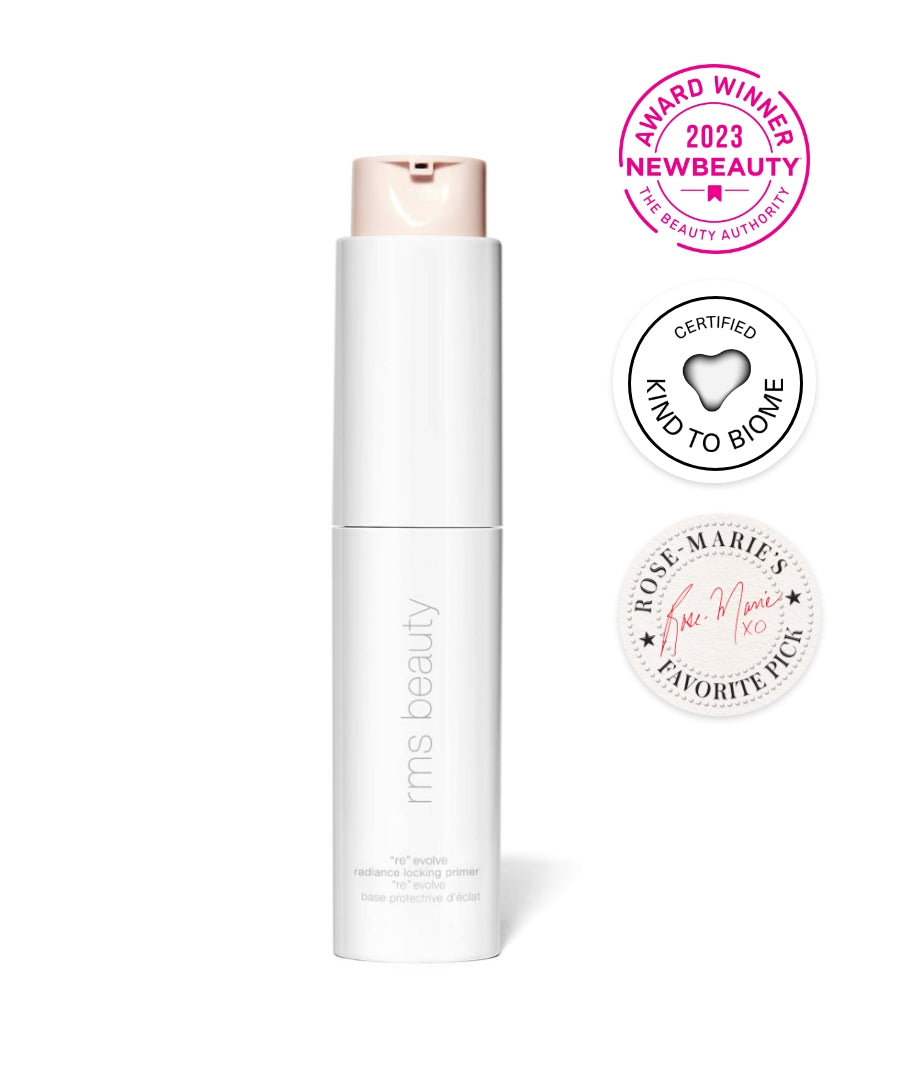
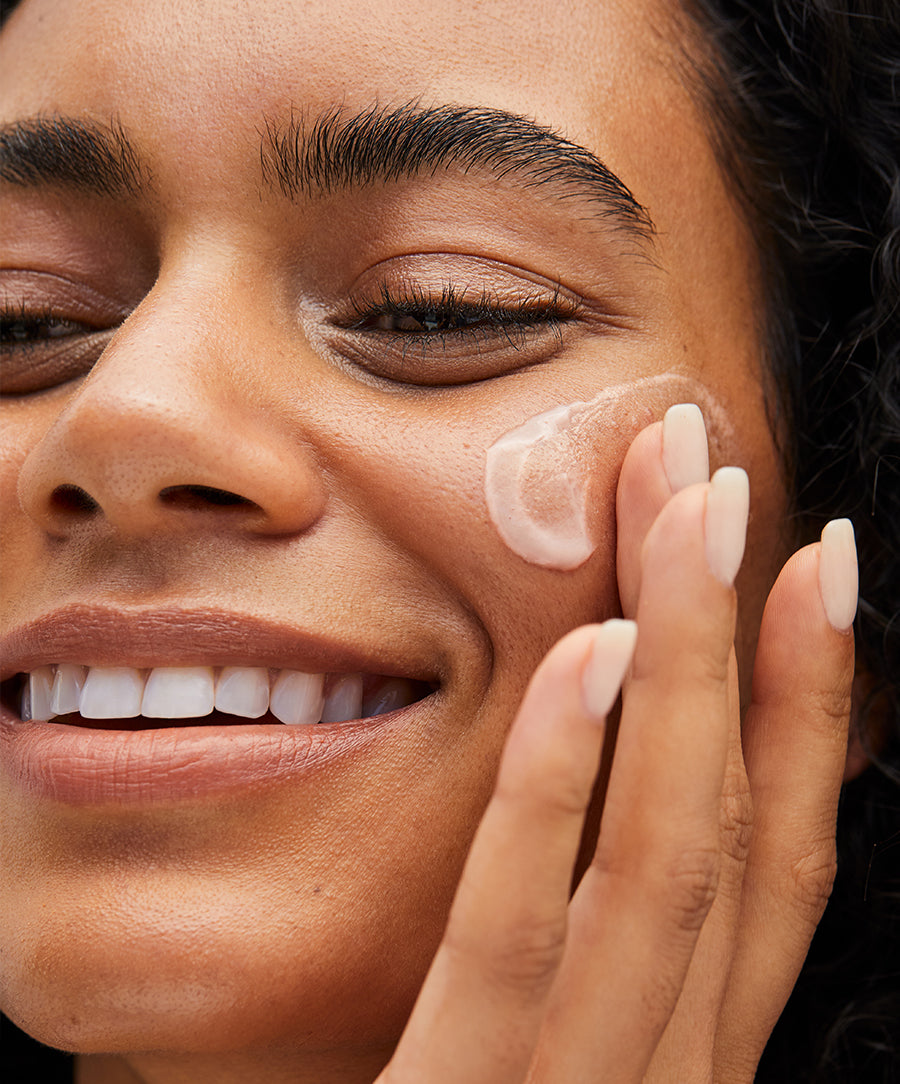
ReEvolve Radiance Locking Primer
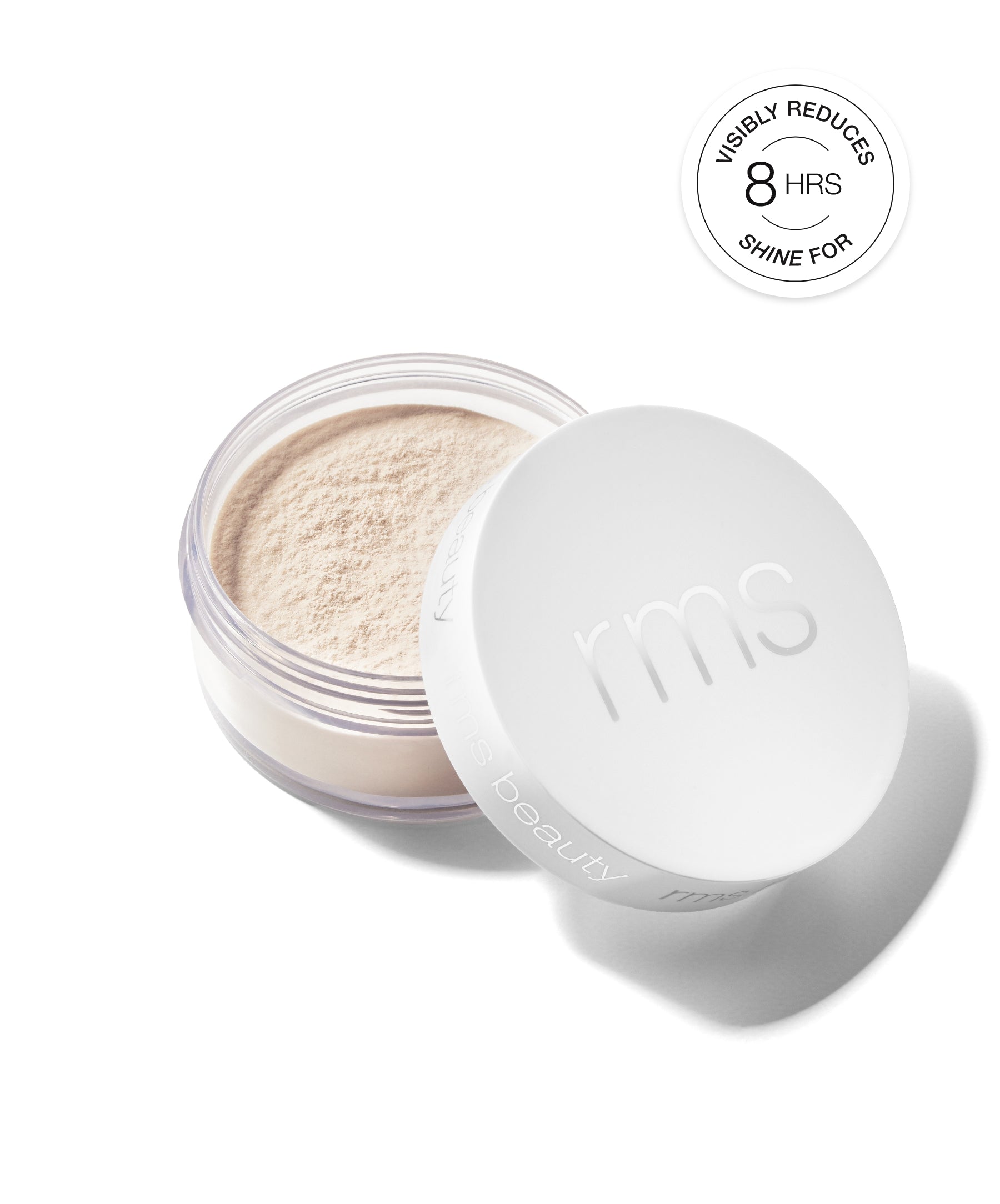
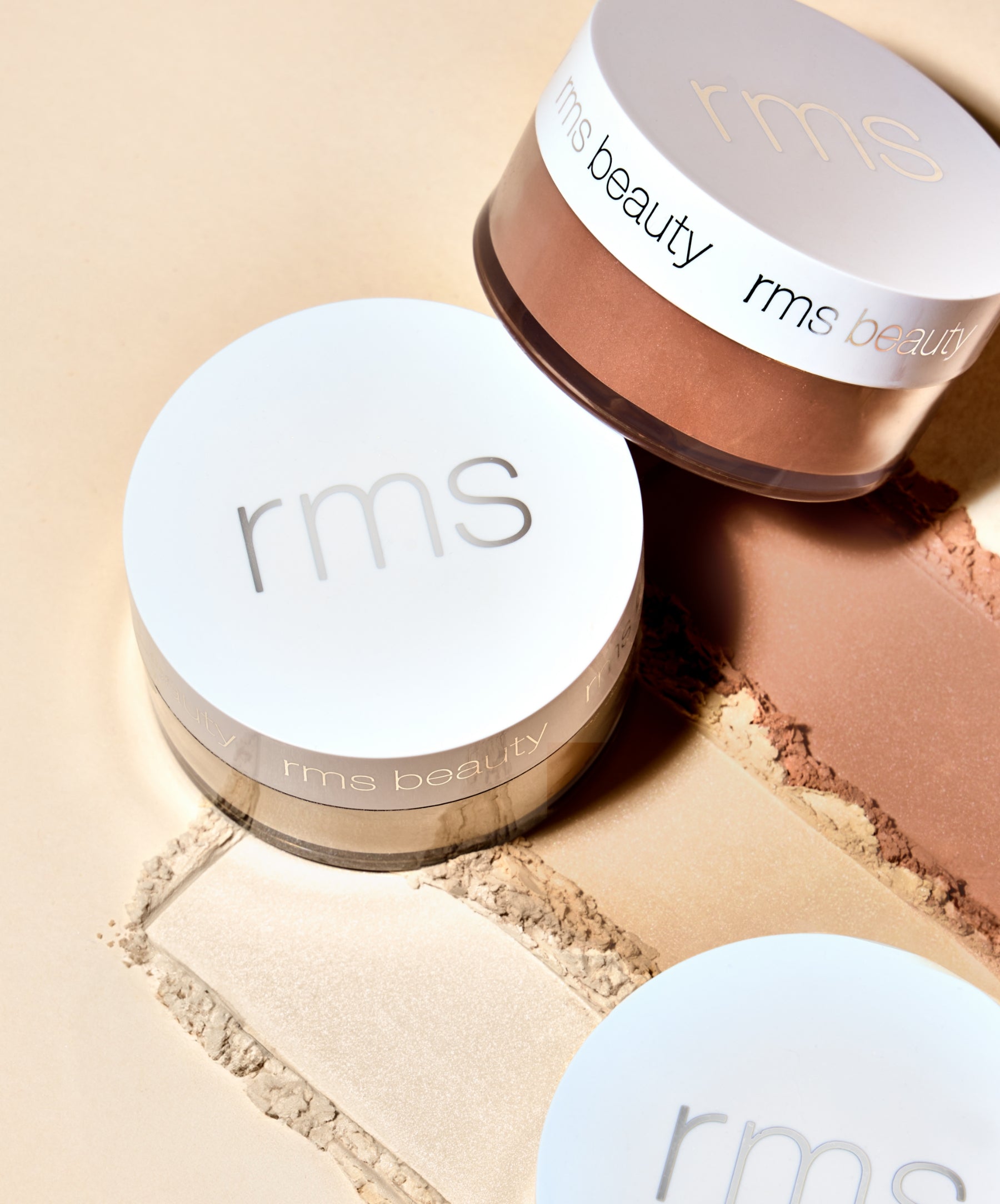
Hydra Setting Powder
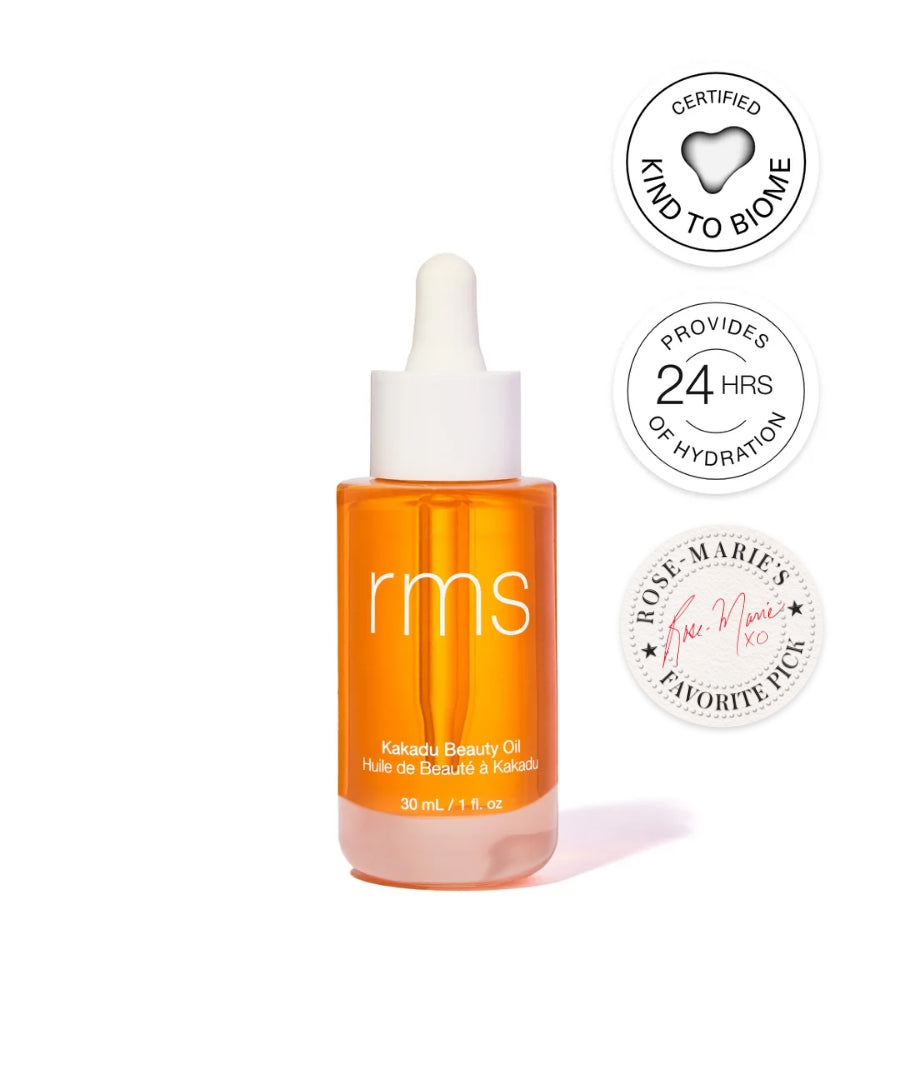
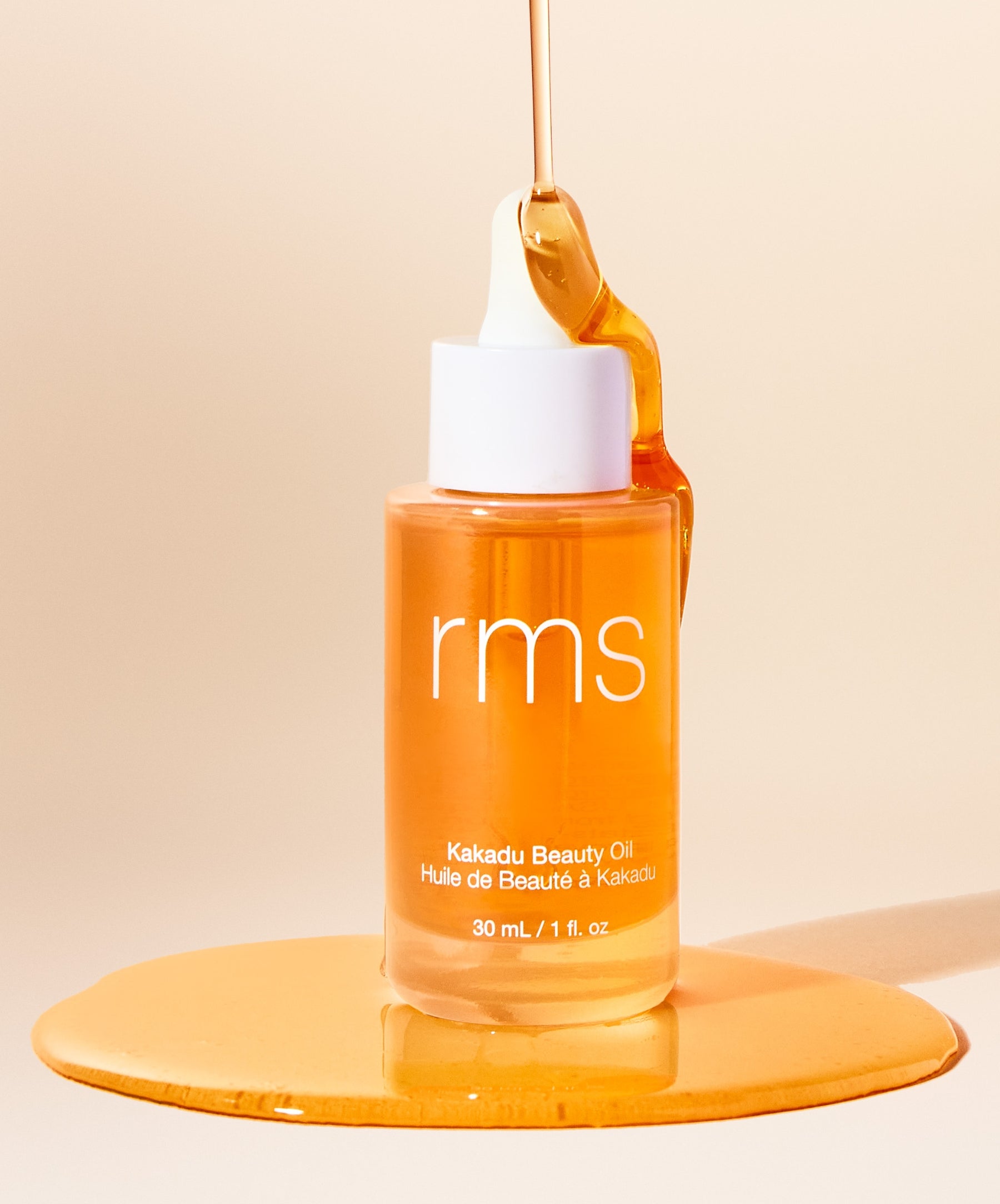
Kakadu Beauty Oil