Skip to main content




The Ultimate Bridal Skincare Routine for Wedding-Ready Glow
Your wedding day will be photographed from every angle, in every light, for hours on end. No foundation can fake well-prepped skin, and no filter can replicate the real thing. A solid bridal skincare routine, started early and followed consistently, is the single most impactful thing you can do for how you look and feel walking down the aisle.
The good news? Wedding skin prep does not require a 15-step marathon or a cabinet full of products you have never tried. A focused, clean skincare routine for a wedding prioritizes hydration, barrier health, and sun protection.
Whether the wedding is six months or six weeks out, the principles are the same. Here is exactly how to build a routine that works.
How to Start Your Bridal Skincare Routine on the Right Timeline
A bridal skincare routine works best when skin has time to respond, adjust, and settle. Rushing new products into rotation two weeks before the ceremony is a recipe for irritation, breakouts, or both. The key point is giving your complexion enough lead time to show real results.
Six to Eight Weeks Out Is the Sweet Spot
Most dermatologists recommend starting a dedicated skincare routine for a wedding at least six to eight weeks before the event. Skin cell turnover takes roughly 28 days, so you need at minimum one full cycle to see visible change. Starting earlier gives you room to troubleshoot if a product does not agree with your skin, without scrambling for alternatives at the last minute.
Patch-Test Everything Before Committing
Any new product, no matter how gentle the formula, should be patch-tested on a small area of your jawline or inner arm for 48 hours before full use. Wedding season is not the time for surprises. Even hypoallergenic, dermatologically tested products deserve a trial run on your skin before they become part of the daily lineup.
Simplify Rather Than Stack
More products do not equal better results. A streamlined bridal skincare routine with fewer, high-performing steps will outperform a cluttered shelf every time. Aim for four to five core steps: cleansing, hydration, treatment, SPF, and a primer on event days. Everything else is optional.
A Step-by-Step Bridal Skincare Routine for Morning and Night
Building the right routine means understanding what your skin needs at each stage of the day. Below is a straightforward morning and evening framework that covers every base without overcomplicating things.
Step 1: Cleanse Without Compromising Your Barrier
Every bridal skincare routine starts with a clean canvas. A gel-to-foam cleanser that dissolves excess oil, sweat, and SPF without stripping moisture is ideal. Look for formulas that are silicone-free and non-drying, so skin feels soft and balanced after rinsing, never tight.
For evenings with heavy makeup, a double cleanse works best. Start with an oil-based balm to break down stubborn product, then follow with your gel cleanser to clear surface impurities and balance the skin.
Step 2: Layer Hydration That Lasts
Hydrated skin holds makeup better, photographs better, and feels better. After cleansing, apply a superfruit-powered facial oil to damp skin. Ingredients like Kakadu Plum, one of the highest natural sources of Vitamin C, help brighten and reduce the look of fine lines while delivering rich antioxidant defense. Massage 2-3 drops into the face, neck, and chest with gentle circular motions. Follow with a skin-firming face cream.
Step 3: Wear Mineral SPF Every Single Day
Sun protection is non-negotiable during wedding skin prep. UV exposure leads to uneven tone, dullness, and premature fine lines, all of which undermine the work your skincare is doing. A tinted mineral SPF 30 serum with Non-Nano Zinc Oxide sits on top of the skin to physically block UV rays and defend against blue light.
For brides who want more coverage alongside SPF protection, a silicone-free tinted moisturizer with SPF 50 provides long-wearing hydration, sun defense, and lightweight coverage in one step.
Reapply every two hours when spending extended time outdoors, even on overcast days.
Step 4: Prime and Set for a Look That Holds
On the wedding day itself, the bridge between skincare and makeup is critical. A silicone-free radiance primer locks in your skincare and grips makeup for up to 8 hours. The right primer turns your skincare into a lasting base for makeup.
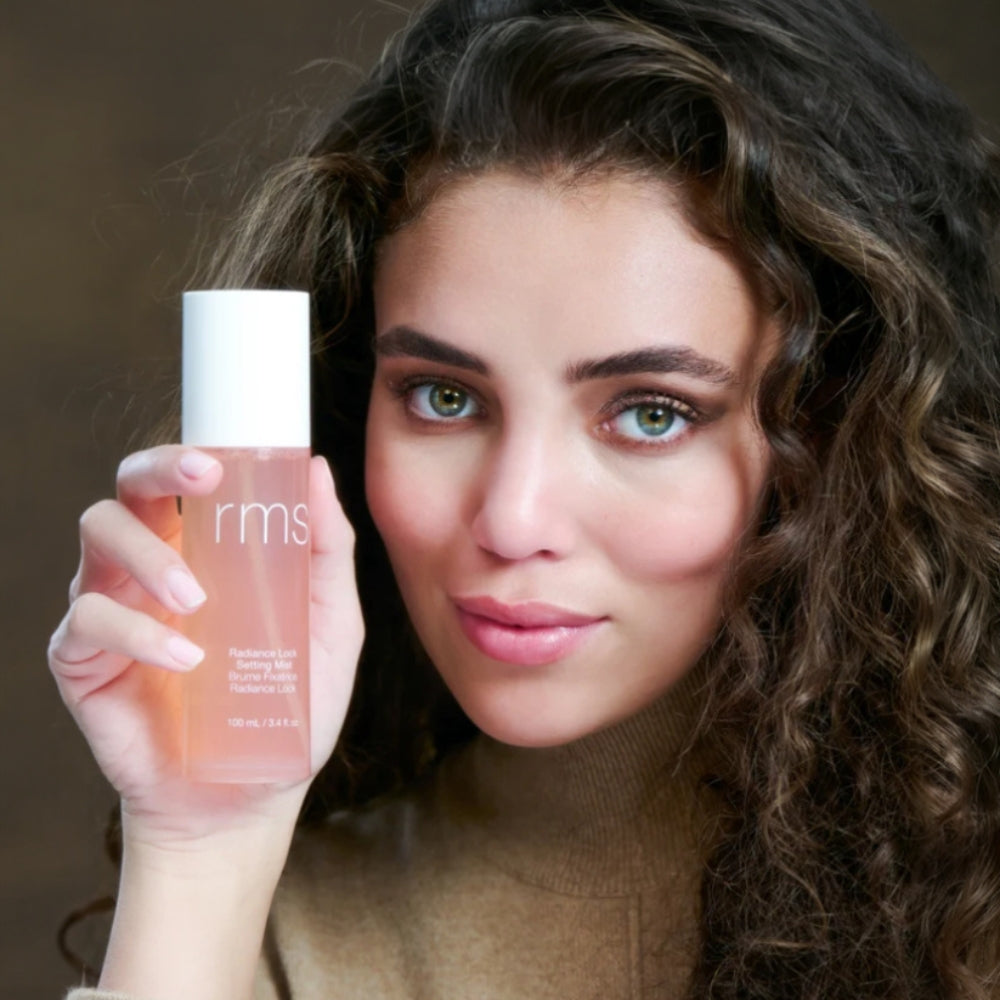
Finish your makeup routine with an alcohol-free setting spray to prevent fading, melting, or creasing through every ceremony, toast, and dance floor moment.
Common Wedding Skin Prep Mistakes and How to Avoid Them
Even the most intentional bridal skincare routine can go sideways if a few common pitfalls creep in. Knowing what to avoid matters as much as knowing what to apply.
Overloading on Active Ingredients
Acids, peels, and strong exfoliants have their place, but stacking too many too close to the wedding stresses your barrier and can trigger redness or sensitivity. Stick to one active treatment at a time and keep exfoliation to once or twice a week at most in the final month.
If your skin is happy with the basics, do not feel pressured to add more. A compromised moisture barrier takes weeks to repair, and that is time you do not have in the homestretch.
Skipping SPF on Cloudy Days or Indoors
UV rays penetrate clouds and windows. Skipping sun protection for even a few days can undo weeks of brightening and evening work. Wear mineral SPF daily, period. Even indoor wedding prep days warrant protection, since blue light from screens and fluorescent lighting can contribute to skin stress over time. Your future wedding photos will thank you.
Trying New Treatments Too Late
Facials, chemical peels, or laser treatments should happen no later than two to three weeks before the wedding. Skin needs time to recover and stabilize. Any treatment done within a week of the event risks redness, peeling, or sensitivity that no concealer can fully mask.
Neglecting Neck and Décolleté
If your dress shows skin below your jawline, your neck and chest need the same attention as your face. Extend every step of your routine, from cleanser to SPF to moisturizer, down to your décolleté. Skin on the chest is thinner and shows dehydration and sun damage quickly, so consistent care here pays off on the day.
Final Thoughts
A great bridal skincare routine is not about perfection or overhauling your entire approach. The goal is healthy, well-nourished skin that feels like yours, just at its absolute best. Start early, keep your routine simple and consistent, and trust products formulated with clean, skin-loving ingredients that deliver real results without compromising on what goes onto your skin.
When your skincare is working, your makeup artist has a better canvas, your photos look more natural, and you feel more like yourself on a day that matters.
Frequently Asked Questions
Q. How far in advance should a bride start a bridal skincare routine?
Start at least six to eight weeks before the wedding to allow one to two full skin cell turnover cycles for visible improvement. Earlier is better if you plan to introduce new products.
Q. Can a skincare routine for a wedding work for sensitive skin?
Yes. Choose dermatologically tested, hypoallergenic formulas free of synthetic fragrances, parabens, and sulfates. Patch-test every new product before committing to a full routine.
Q. What is the most important step in wedding skin prep?
Daily mineral SPF. Sun damage causes uneven tone, dullness, and fine lines that undermine every other step in your routine. Make sun protection the one step you never skip.
Q. Should a bridal skincare routine change between morning and evening?
Morning routines should focus on hydration, antioxidant defense, and SPF. Evening routines should prioritize thorough cleansing, barrier-repairing treatments, and nourishing oils or creams.
Q. How often should exfoliation happen before a wedding?
Once or twice a week is enough. Over-exfoliating weakens the skin barrier and can lead to redness or breakouts right when you need calm, clear skin most.
Q. When should new products be cut off before the wedding?
Stop introducing anything new at least two weeks before the ceremony. Stick with what your skin already knows and tolerates well, and save experiments for after the honeymoon.
Shop The Blog
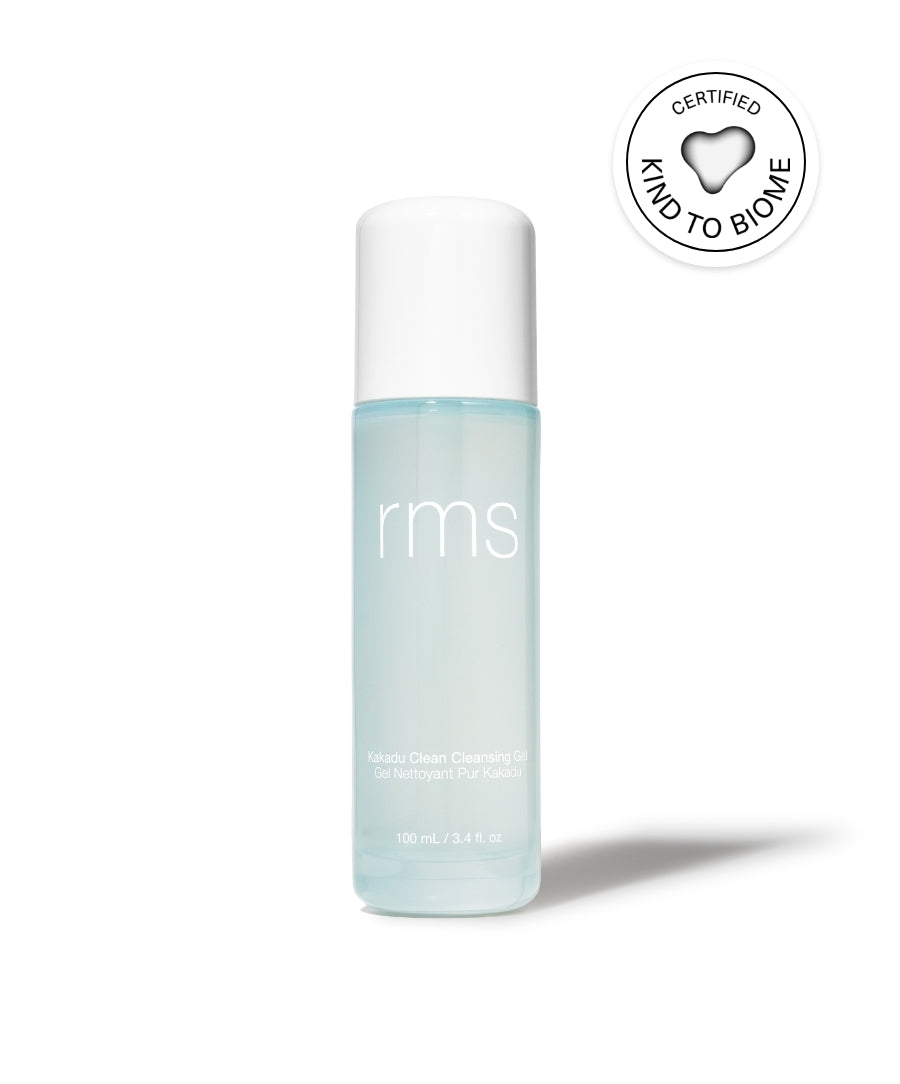
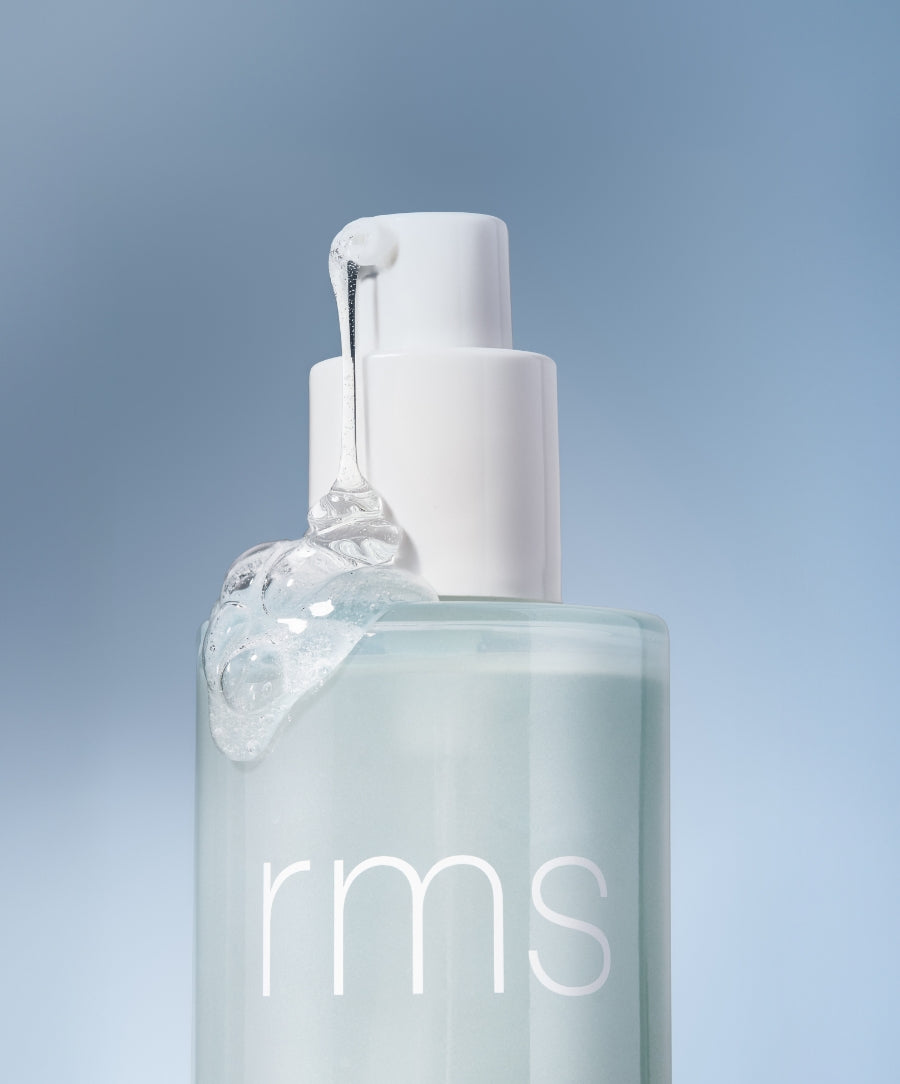
Kakadu Clean Cleansing Gel
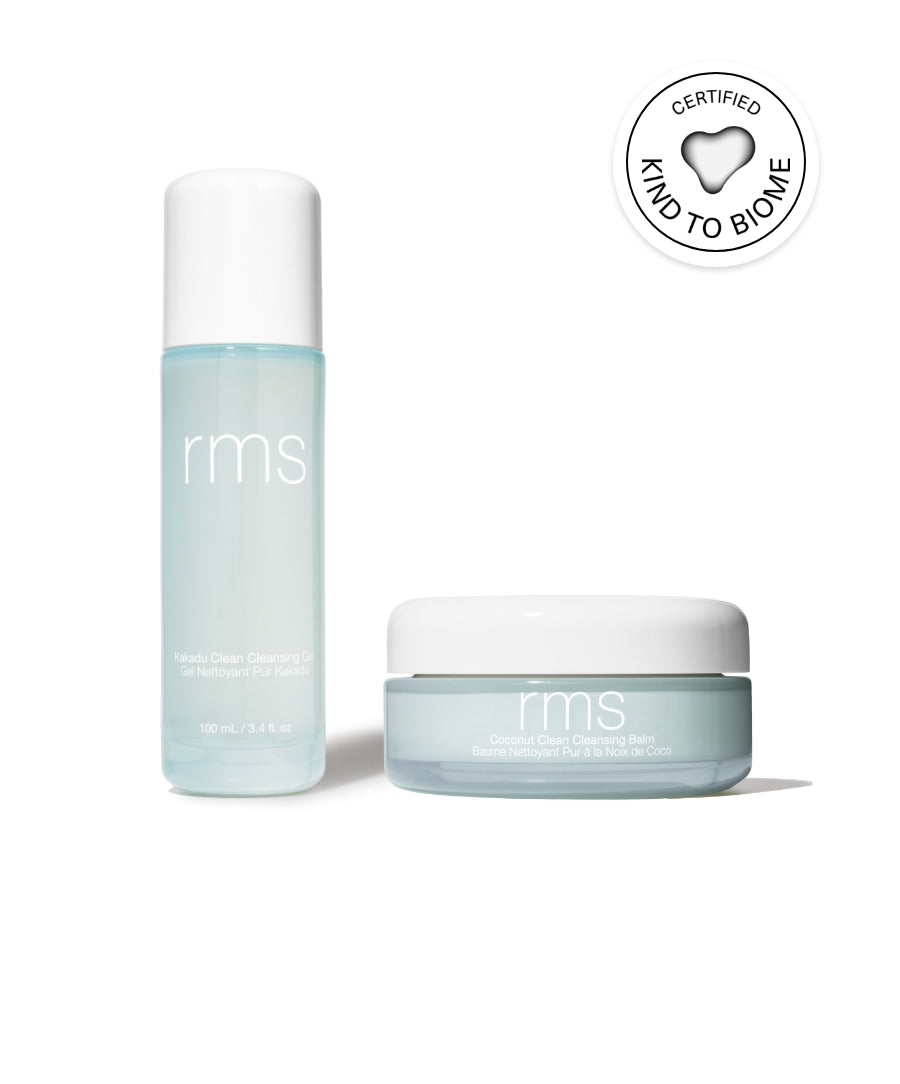
Double Clean Cleanser Duo
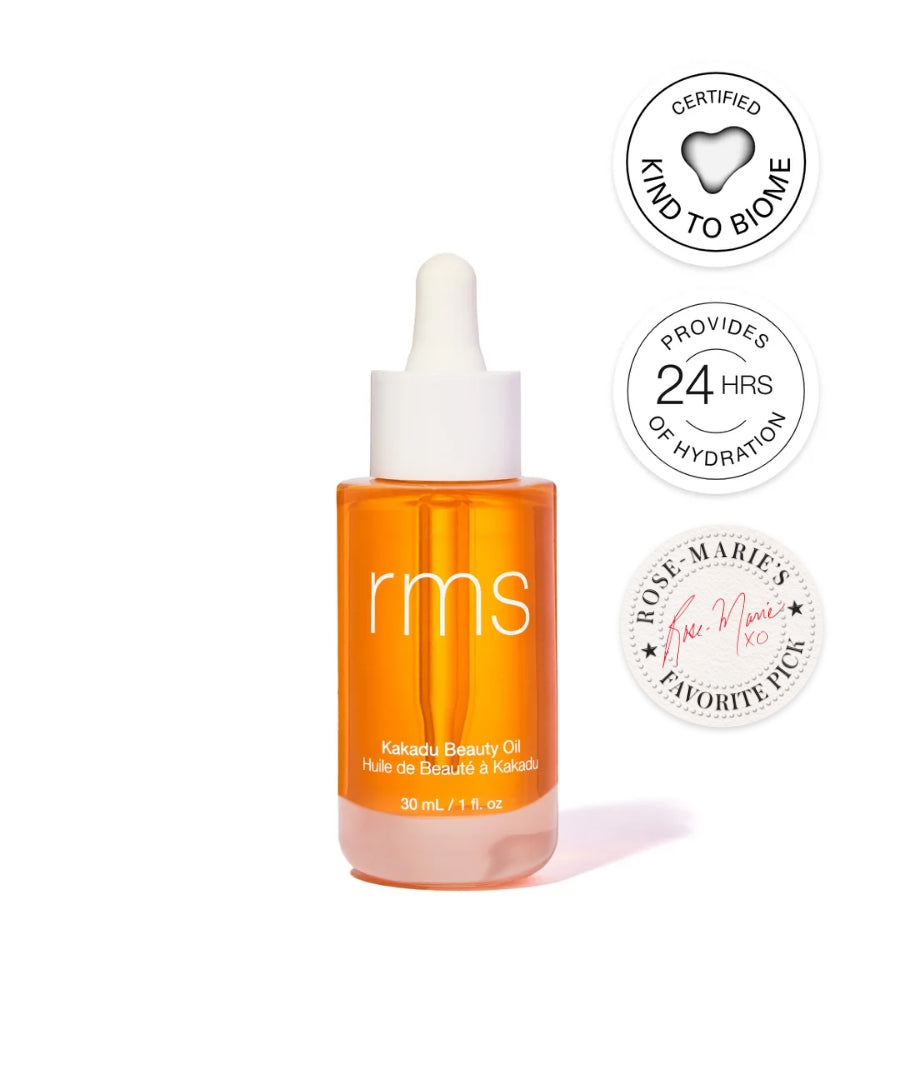
Kakadu Beauty Oil