Skip to main content




How to Treat Peeling Skin After a Sunburn Safely

Sunburned skin peeling off in sheets is not a vibe. Skin peeling after a sunburn is your body's way of shedding UV-damaged cells, and how you respond in the days that follow makes a real difference. The wrong move can slow healing, invite infection, or leave skin looking worse than before.
Here is what works, what to skip, and how to care for your skin while it recovers.
Why Skin Peels After a Sunburn
When UV radiation overwhelms your skin's defenses, the result is cellular damage to the epidermis and, in more severe cases, the dermis beneath. Peeling usually begins around three days after the sunburn. The body sheds damaged cells to make room for new, healthy skin underneath.
UV Damage and the Body's Repair Response
A sunburn is a radiation injury. UVB rays penetrate the outermost layer of skin and damage cell DNA. Once the damage crosses a threshold, the body flags affected cells for removal. Peeling is the visible part of that cleanup.
First-Degree vs. Second-Degree Sunburns
A first-degree sunburn affects only the epidermis, causing redness, warmth, and stinging. A second-degree sunburn reaches the dermis, bringing blistering, swelling, and more significant pain. Both types can peel, but second-degree burns take longer to heal and carry a higher risk of scarring or infection.
When Peeling Typically Starts and Stops
Peeling generally shows up about 72 hours after the initial sunburn and continues for roughly seven days in mild to moderate cases. Once new skin has formed beneath the damaged layer, the shedding stops on its own.
What Happens If You Peel a Sunburn
The dead skin sitting on top of a healing sunburn is not just cosmetic debris. So what happens if you peel a sunburn? You expose immature skin underneath that is still mid-repair.
The Risk of Pulling Dead Skin Too Soon
Pulling or picking at peeling skin removes a protective barrier before the fresh cells beneath are ready. The exposed layer is thinner, more sensitive, and far more prone to irritation.
Infection, Scarring, and Delayed Healing
Raw skin left unprotected can invite bacteria, increasing the chance of infection. Picking also raises the risk of hyperpigmentation or scarring, especially in deeper burns.
The Short Answer to "Can I Peel My Sunburn?"
No. Can I peel my sunburn is one of the most searched questions on this topic, and the answer is straightforward. Let dead skin come off naturally. Forced removal does more harm than good, every time.
Is It OK to Peel Sunburned Skin?
If you are wondering if it is ok to peel sunburned skin, dermatologists are unanimous: do not do it. Avoid active exfoliation, physical scrubs, and anything that tugs at flaking areas.
Why Hands-Off Is the Best Approach
Damaged skin needs time. The layer beneath a peel is actively regenerating, and interference disrupts that process. Even gentle rubbing with a towel can tear fragile new skin.
What About Loose, Hanging Pieces?
If a piece of skin is completely detached and hanging loosely, you can carefully trim it with clean, small scissors. Do not pull or peel connected edges.
Signs You Should See a Dermatologist
Seek professional care if you notice any of these:
- Blisters covering a large area of the body
- Signs of infection, such as pus, red streaks, or increasing pain after day three
- Fever, chills, or nausea alongside a sunburn
- A burn that does not improve after seven days
How to Treat Skin Peeling Sunburn at Home
The best treatment for peeling skin after a sunburn comes down to three things: gentle cleansing, consistent hydration, and strict sun protection.
Gentle Cleansing Without Stripping Moisture
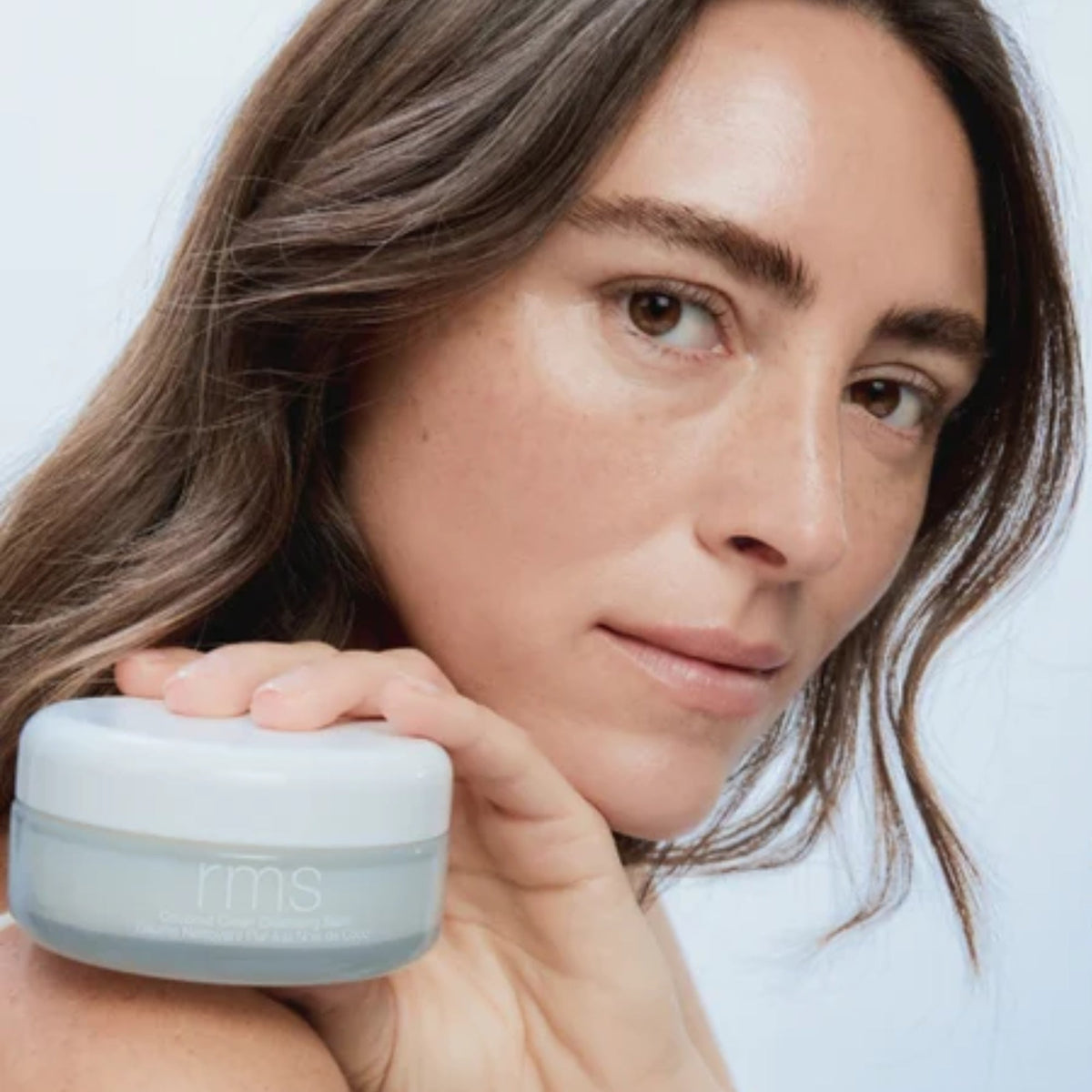
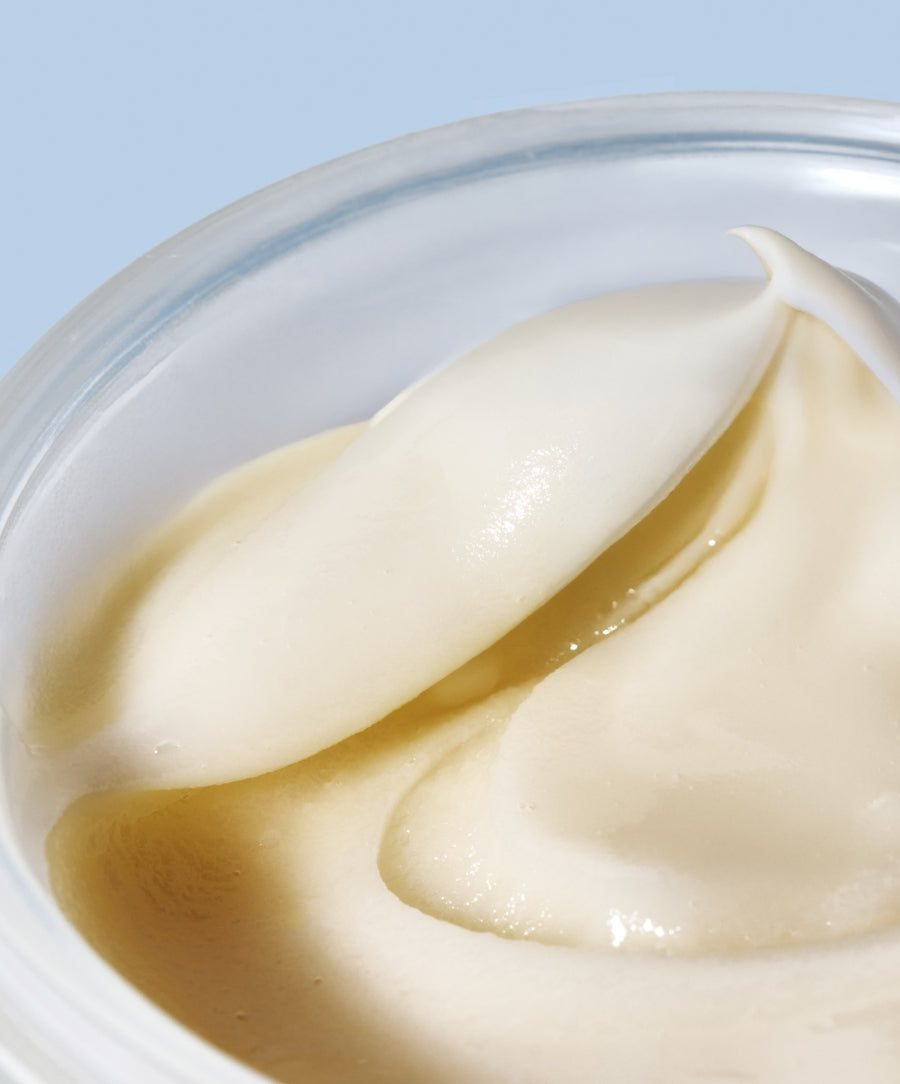
Start with a mild, non-foaming cleanser that will not dry out already compromised skin. A nourishing cleansing balm made with skin-soothing Organic Coconut Oil removes buildup without stripping the moisture barrier. Pat dry with a soft towel. Never rub.
Layering Hydration the Right Way
Hydration is your single most important recovery tool. Lightweight, water-based formulas go on first, followed by richer creams that lock everything in.
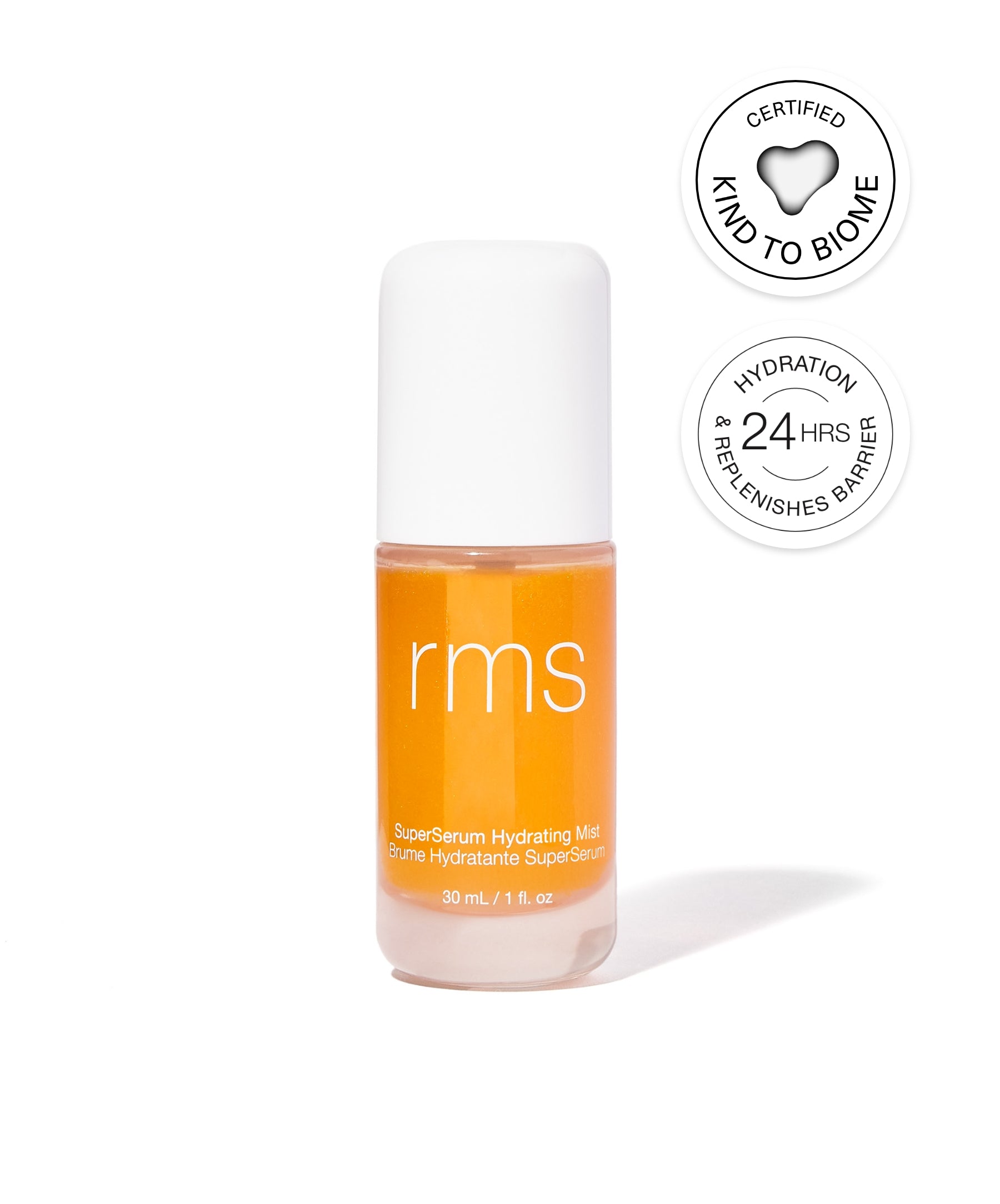
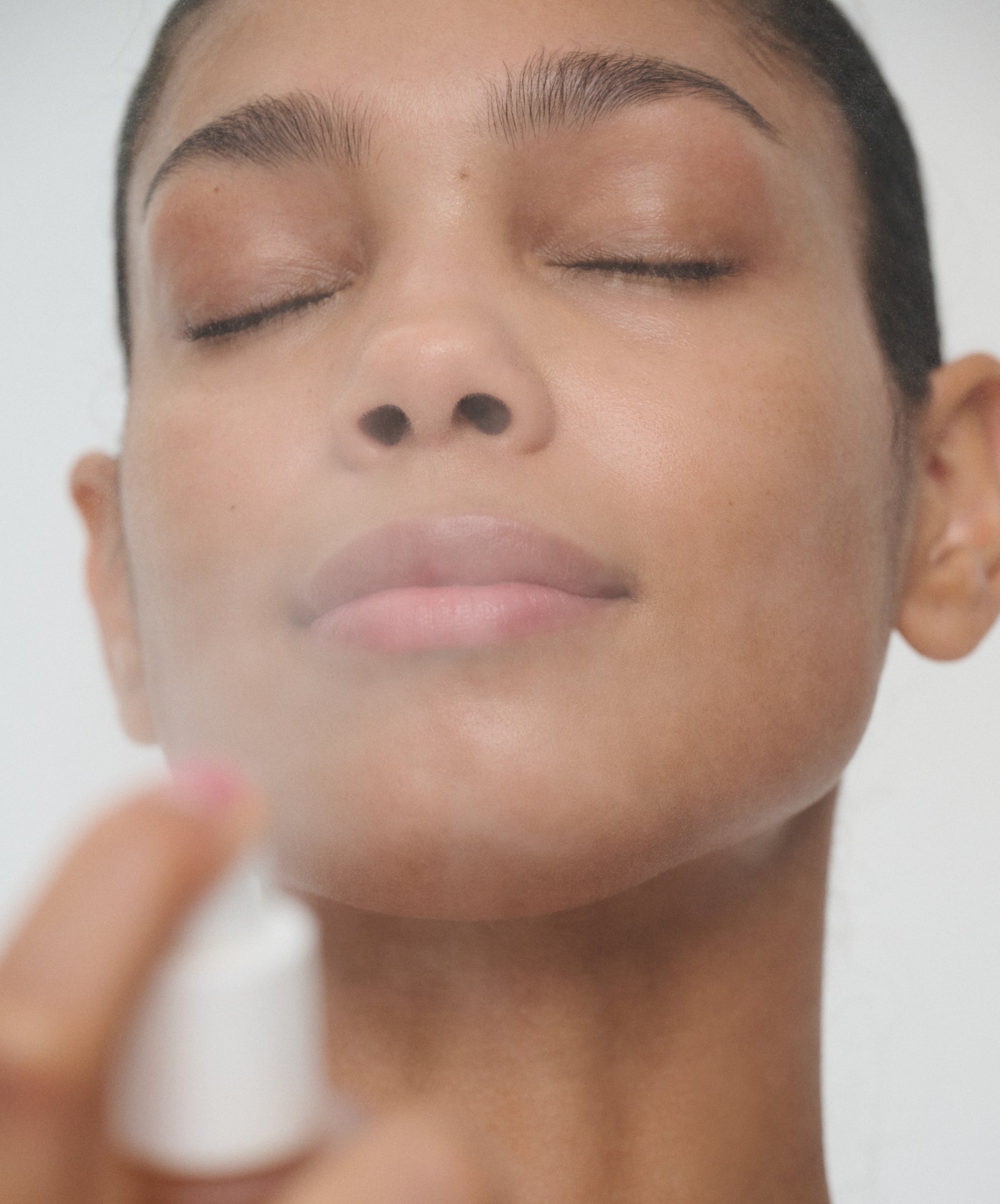
A dual-phase hydrating mist delivers a fast hit of moisture while ingredients like Niacinamide and Wildcrafted Buriti Oil help improve the look of dry, dull skin. Follow with a rich moisturizing cream enriched with Shea Butter and Kakadu Plum on top for long-lasting comfort.
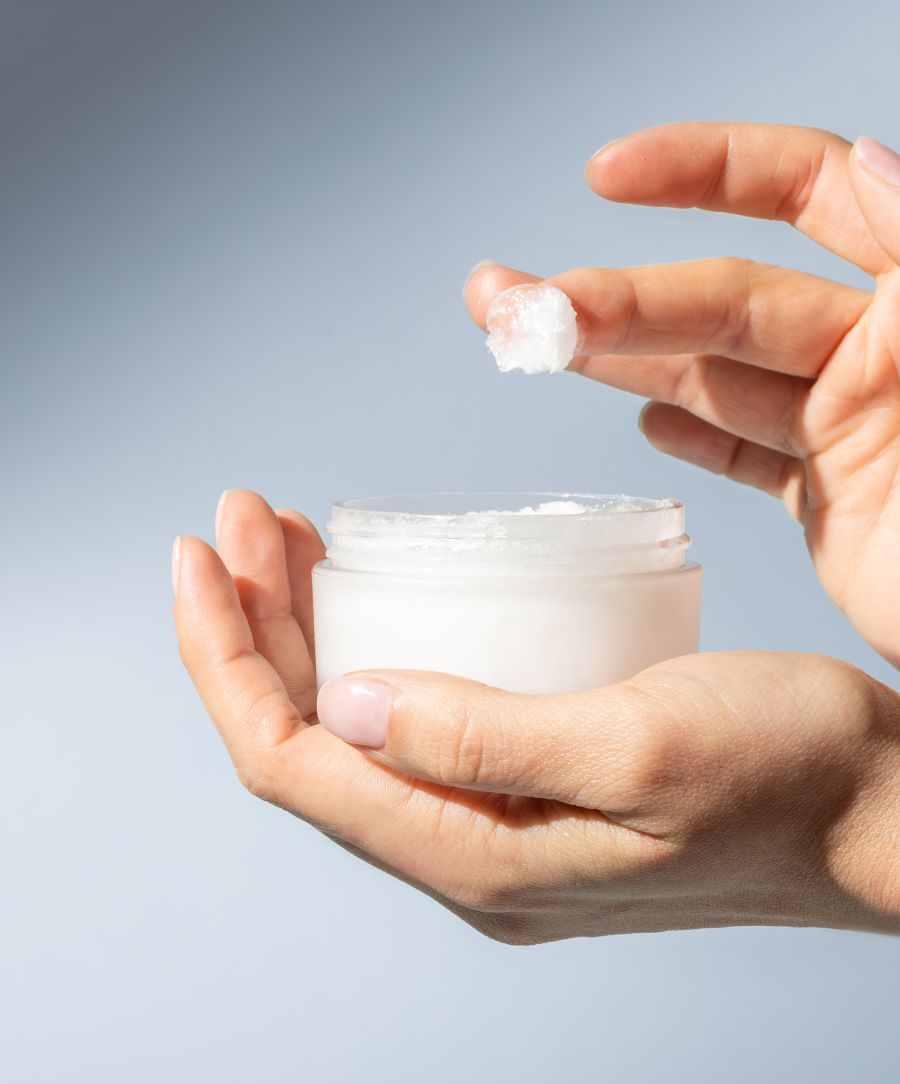
For the body, a pure coconut oil moisturizer made from 100% raw, unrefined Organic Coconut Oil soothes and softens without synthetic additives.
Disclaimer: Home remedies work for mild sunburns and as an addition to existing treatment. Please consult your dermatologist for serious sunburn damage.
What to Avoid During Recovery
| Do | Don't |
|---|---|
| Moisturize generously multiple times a day | Apply petroleum-based products to a fresh burn (they can trap heat) |
| Use fragrance-free, gentle products | Exfoliate with scrubs, acids, or peeling masks |
| Wear protective clothing outdoors | Pull, pick, or scratch at peeling skin |
| Drink plenty of water | Take long, hot showers (lukewarm is better) |
| Apply cool compresses to relieve discomfort | Use retinoids or other active ingredients on burned skin |
Sunburn Recovery Timeline
Knowing what to expect day by day helps you stay patient and avoid doing too much, too soon.
Days 1 to 3: The Inflammation Phase
Skin is red, hot, and tender. Cool compresses and lightweight hydration are the priority. An anti-inflammatory like ibuprofen can help manage discomfort. Avoid oil-based products during this phase, since they may trap heat in the skin.
Days 3 to 7: Peeling Begins
Damaged cells start to shed. Keep moisturizing consistently. A hydrating serum mist can be spritzed throughout the day to keep healing skin comfortable. Wear loose, breathable clothing and stay out of direct sun.
Days 7 to 14: New Skin Emerges
Peeling slows. Fresh skin underneath is fragile, more sensitive to UV, and needs reliable sun protection. A silicone-free mineral sunscreen with SPF 50 that uses Non-Nano Zinc Oxide sits on top of the skin and physically blocks harmful rays, making it a good choice for sensitive, post-burn skin. Reapply every two hours when outdoors.
How to Prevent Sunburn Peeling in the Future
A few consistent habits can keep peeling skin sunburn out of your routine entirely.
Sunscreen, Every Single Day
Broad-spectrum SPF 30 or higher should be part of every morning routine. Apply 15 minutes before sun exposure and reapply every two hours. The two-finger method, squeezing two lines of sunscreen from base to tip of your index and middle fingers, gives you the right amount for face and neck.
Protective Clothing and Shade
Cover up with UPF 30+ clothing when spending extended time outdoors. Seek shade during peak UV hours between 10 AM and 4 PM.
After-Sun Care That Helps
Start hydrating immediately at the first sign of redness. Early intervention with soothing, moisture-rich products can reduce peeling severity later on.
Final Thoughts
Peeling after a sunburn is your skin doing exactly what it needs to do. Your job is to stay out of the way, keep skin hydrated, and protect the new layer forming underneath.
RMS Beauty's skincare lineup is formulated with clean, skin-loving ingredients like Kakadu Plum, Niacinamide, and Organic Coconut Oil, all designed to nourish and support skin through whatever comes its way.
Frequently Asked Questions
Q. What happens if you peel a sunburn before the skin is ready?
Peeling too early exposes fragile, unhealed skin, increasing the risk of infection, scarring, and prolonged recovery time. Let dead skin shed on its own.
Q. Is it ok to peel sunburn skin if the flakes are loose?
Only if the skin is completely detached and hanging freely. Trim carefully with clean scissors. Never pull or force connected edges off.
Q. How long does skin peeling from sunburn usually last?
Peeling typically starts around three days after the burn and lasts about seven days for mild to moderate sunburns. Severe burns may peel longer.
Q. Can I use exfoliating products on a peeling sunburn?
No. Physical scrubs, chemical exfoliants, and peeling masks should all be avoided until the skin has fully healed and is no longer sensitive.
Q. Should I moisturize while my skin is peeling?
Absolutely. Consistent moisturizing supports the skin barrier and helps peeling skin heal faster. Choose fragrance-free, gentle formulas.
Q. When should I start wearing sunscreen after a sunburn?
Immediately. Post-burn skin is more vulnerable to additional UV damage. A mineral sunscreen with SPF 30 or higher should be applied any time you go outdoors.
Shop The Blog
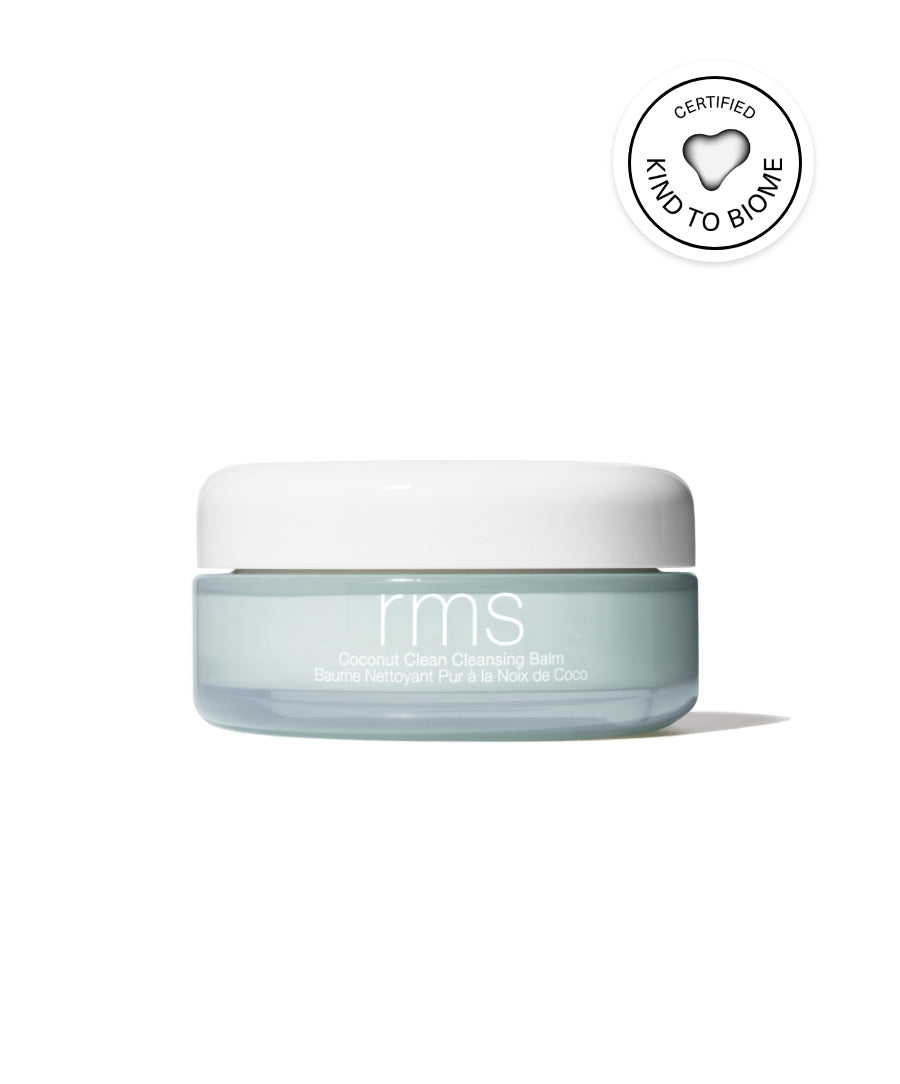
Coconut Clean Cleansing Balm
SuperSerum Hydrating Mist

Raw Coconut Cream