Skip to main content


Difference Between Retinol and Retinyl Palmitate
Retinol and retinyl palmitate are both forms of vitamin A used in skincare, but they are not the same ingredient. Retinol converts into active retinoic acid in two steps. Retinyl palmitate takes three. That one extra conversion step makes a real difference in how each ingredient behaves on your skin, who should use it, and what kind of results you can expect.
Whether you're comparing retinol vs retinyl palmitate for the first time or reconsidering what belongs in your routine, here's a clear breakdown of each form, their strengths, and a smarter alternative worth knowing about.
What Is Retinyl Palmitate
Retinyl palmitate is an ester form of vitamin A. When applied topically, your skin converts retinyl palmitate into retinol, then into retinal, and finally into retinoic acid, the form your skin actually uses. That three-step conversion pathway is what makes retinyl palmitate one of the gentler vitamin A derivatives available.
A Slower Path to Active Results
Because retinyl palmitate goes through three conversion steps before becoming active, the ingredient works gradually. Skin receives smaller amounts of retinoic acid over time, which reduces the likelihood of redness, peeling, or sensitivity that stronger retinoids often cause.
Stability in Formulations
Retinyl palmitate holds up better than retinol when exposed to light and air. That stability makes it a practical choice for daily-use products, since the ingredient stays effective longer after the bottle is opened.
Who Benefits Most
Retinyl palmitate tends to work well for people with sensitive or reactive skin, anyone new to vitamin A in skincare, and those looking for gradual support rather than aggressive treatment.
How Retinol Differs from Retinyl Palmitate
The retinol vs retinyl palmitate comparison comes down to conversion speed and intensity. Retinol sits one step closer to retinoic acid in the conversion chain, meaning your skin processes it faster and in higher concentrations.
Conversion Pathway Side by Side
| Feature | Retinol | Retinyl Palmitate |
|---|---|---|
| Conversion steps to retinoic acid | 2 steps | 3 steps |
| Potency | Higher | Lower |
| Typical irritation level | Moderate to high | Low |
| Stability in formulas | Less stable | More stable |
| Best suited for | Experienced users | Beginners, sensitive skin |
| Daily-use suitability | Gradual build-up needed | Generally well-tolerated daily |
Potency and Tolerance
Retinol delivers results faster because fewer conversion steps mean more retinoic acid reaches your skin in less time. The trade-off is a higher chance of dryness, flaking, and irritation, especially in the first few weeks of use. Retinyl palmitate, conversely, rarely triggers these side effects at all.
Why the Retinyl vs Retinol Debate Matters
Choosing between retinyl vs retinol is not about picking the stronger option. A well-tolerated ingredient you can use consistently will always outperform a potent one that irritates your skin into taking breaks. Consistency is where real results come from.
What Retinol and Retinyl Palmitate Actually Do for Skin
Both retinol and retinyl palmitate support skin cell turnover, which is the process of shedding old cells and generating new ones. The differences lie in speed and intensity, not in fundamental function.
Supporting Cell Renewal
Vitamin A derivatives encourage your skin to cycle through cells more efficiently. Over time, regular use can help improve the appearance of uneven texture, fine lines, and dullness. Retinol does this more aggressively, while retinyl palmitate takes a steadier approach.
Addressing Visible Signs of Aging
Both forms, once converted to retinoic acid, can help with the appearance of fine lines and loss of firmness. For anyone comparing retinol vs retinyl palmitate specifically for aging concerns, the right choice depends on how much sensitivity your skin can handle alongside results.
Sun Sensitivity Considerations
All vitamin A derivatives can increase your skin's sensitivity to UV exposure. Pairing any retinoid with reliable daily sun protection is non-negotiable. Morning SPF is part of the deal, not an optional add-on.
A Gentle Retinol Alternative Worth Knowing About
Here's where the retinyl palmitate vs retinol conversation gets more interesting. Both forms carry some degree of irritation risk, even if retinyl palmitate's is low. A growing category of ingredients now offers skin-firming and smoothing benefits without the retinoid conversion pathway altogether.
Tightenyl™ and How RMS Beauty Uses It
Tightenyl™ is a gentle retinol alternative derived from biotechnology research. Rather than converting into retinoic acid, Tightenyl™ works to help firm, tone, and smooth skin without the typical retinol side effects like dryness, peeling, or photosensitivity. The ingredient is suitable for all skin types, including sensitive skin, and is safe for daily use.
RMS Beauty formulates several products with Tightenyl™, making it easy to work skin-firming benefits into your routine through products you're already reaching for.
- A hydrating primer that locks in skincare, grips makeup all day, and smooths skin with Tightenyl™ alongside Hyaluronic Acid and Vegetable Squalane.
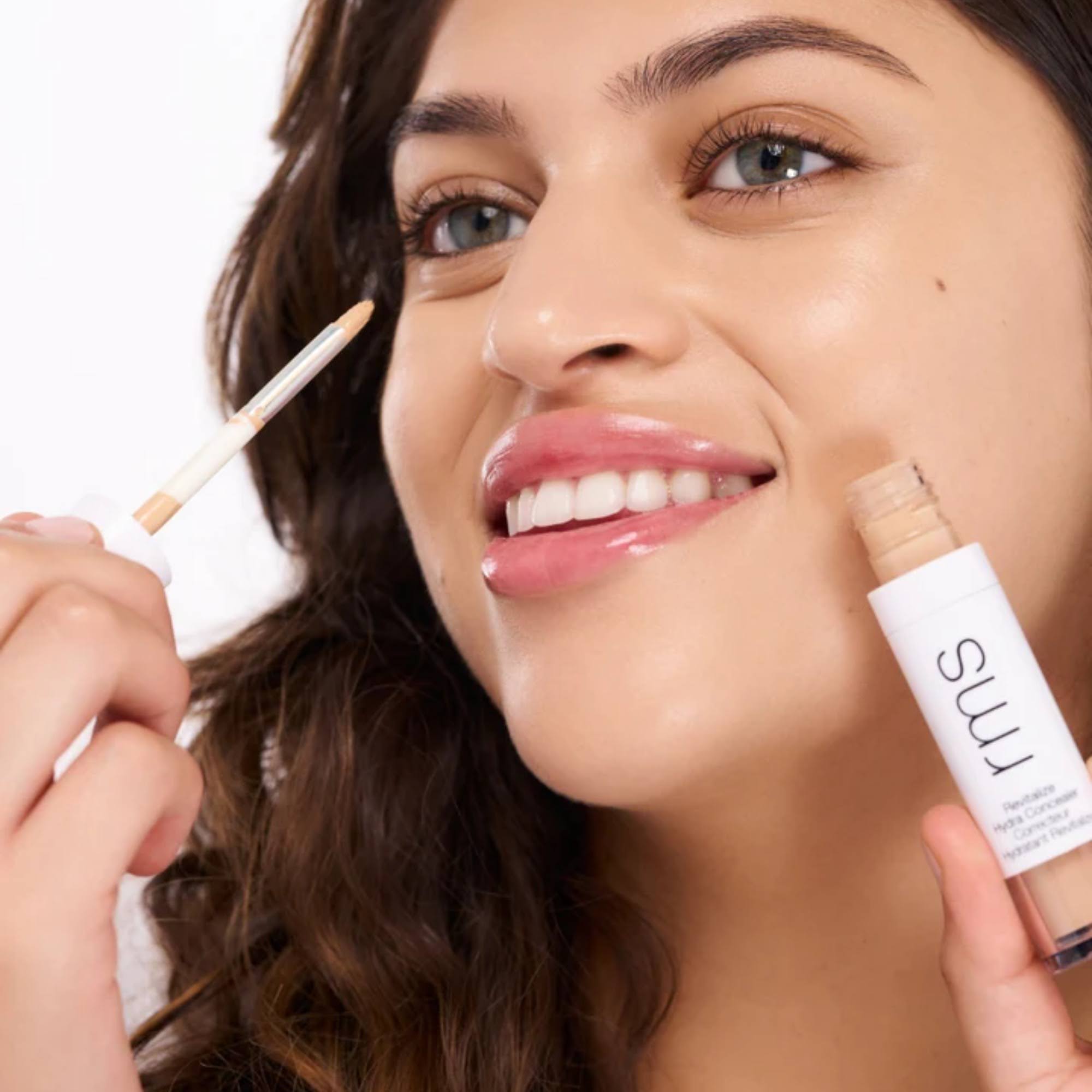
- A skincare-infused concealer that conceals, corrects, and brightens while firming and smoothing the delicate eye area.
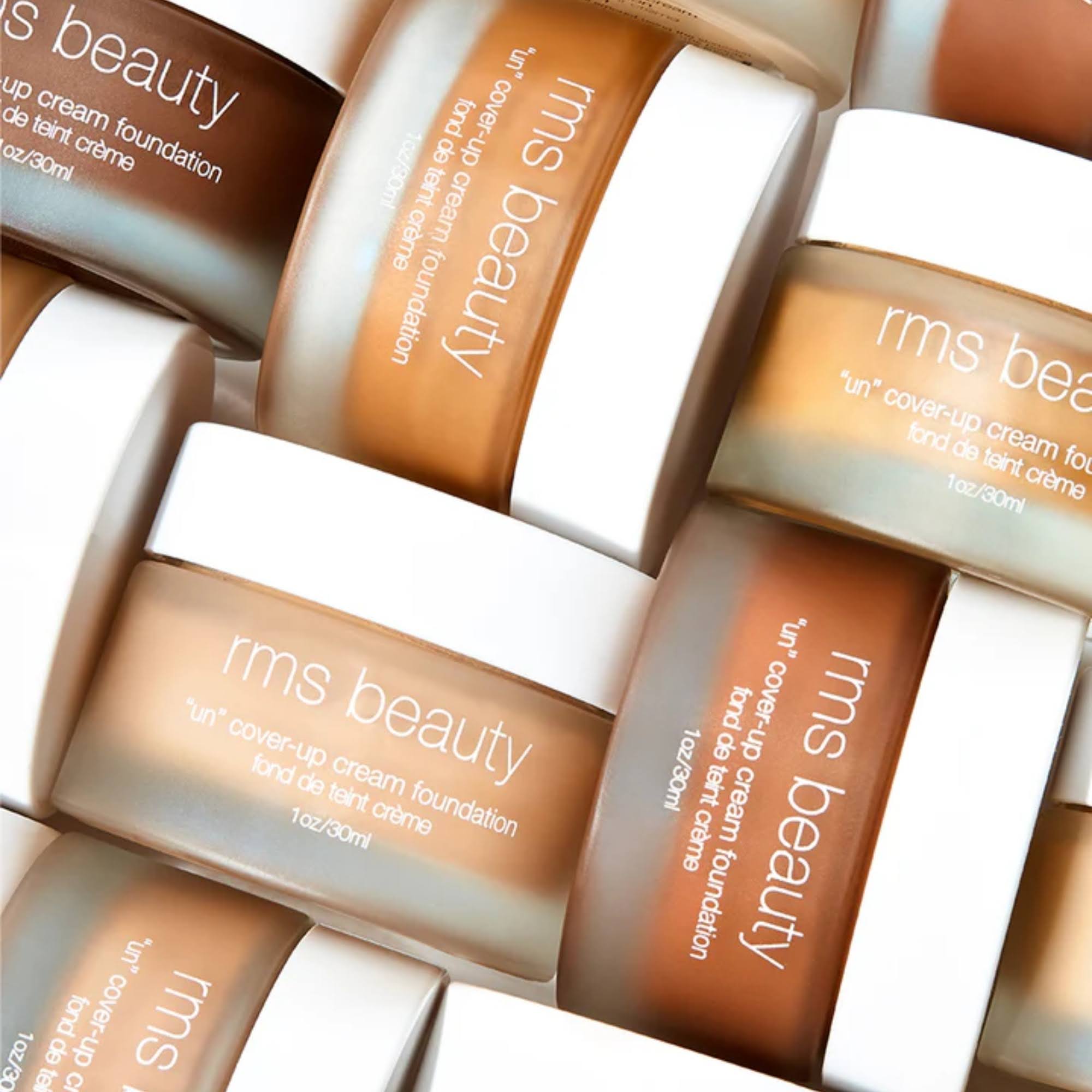
- A daily-wear liquid foundation with medium coverage that hydrates, firms, and softens, formulated with Tightenyl™ and Organic Aloe.
- A radiance-enhancing setting mist that locks in makeup for 8 hours while delivering Tightenyl™, GlowPlex™, and Hyaluronic Acid in every spray.
Why a Gentle Retinol Alternative Makes Sense
For anyone who has tried retinol and found the adjustment period too uncomfortable, or for those who want firming benefits without adding a separate active to their evening routine, Tightenyl™ fills a gap.
You get skin-smoothing and toning benefits built into a silicone-free primer or a setting spray rather than layering on another step.
How to Start Using Vitamin A in Your Routine
Introducing any form of vitamin A requires a measured approach. Rushing into daily use is one of the most common mistakes.
- Week 1-2: Apply your chosen vitamin A product one evening per week after cleansing, to clean, dry skin
- Week 3-4: Increase to two evenings per week if no irritation occurs
- Week 5 onward: Gradually build to three or more applications per week based on your skin's response
- Every morning: Apply broad-spectrum SPF, regardless of the weather or your plans for the day
Pair your vitamin A step with a nourishing moisturizer afterward. Avoid combining retinoids with other strong actives like AHAs, BHAs, or benzoyl peroxide during the same application, especially early on.
Final Thoughts
The retinol vs retinyl palmitate question does not have a single right answer. Your skin type, your tolerance for adjustment periods, and your consistency habits all factor in. Retinol delivers faster results with higher irritation risk. Retinyl palmitate offers a gentler path with a slower payoff.
And if you'd rather skip the retinoid learning curve entirely, Tightenyl™ gives you a clean, gentle retinol alternative that firms and smooths without any of the typical side effects, built right into products you can wear every day.
RMS Beauty's Tightenyl™-infused lineup, makes skin-firming part of your routine without an extra step, an extra product, or an adjustment period.
Frequently Asked Questions
Q. Is retinyl palmitate a retinol?
No. Retinyl palmitate is a different form of vitamin A. Both are retinoids, but retinyl palmitate requires one additional conversion step before becoming active retinoic acid.
Q. Can you use retinyl palmitate every day?
Many people tolerate daily use of retinyl palmitate once their skin adjusts. Start with once or twice weekly and increase frequency based on how your skin responds.
Q. Does retinyl palmitate work as well as retinol?
Retinyl palmitate works more gradually because of the extra conversion step. Both support skin renewal, but retinol acts faster and more intensely.
Q. Should I switch from retinyl palmitate to retinol?
Not necessarily. If retinyl palmitate works well for your skin, there is no requirement to switch. A well-tolerated ingredient used consistently produces better results than a potent one used sporadically.
Q. Is retinyl palmitate safe during pregnancy?
Most healthcare providers recommend avoiding all vitamin A derivatives during pregnancy and nursing. Always consult your doctor before using retinoids in any form during this time.
Q. What is a gentle retinol alternative that avoids irritation?
Tightenyl™ is a gentle retinol alternative derived from biotechnology research that helps firm, tone, and smooth skin without the typical side effects of retinol, such as dryness and peeling. RMS Beauty includes Tightenyl™ in several products formulated for daily use.
Shop The Blog
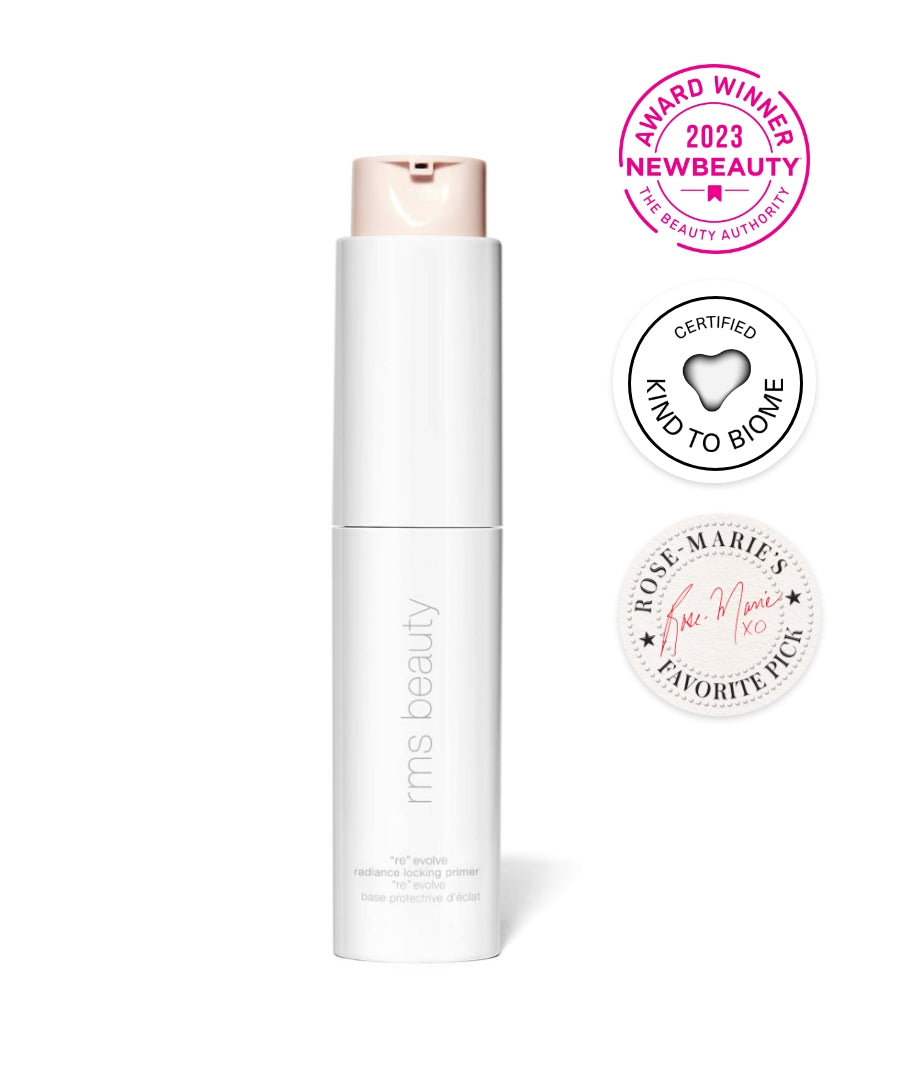
ReEvolve Radiance Locking Primer
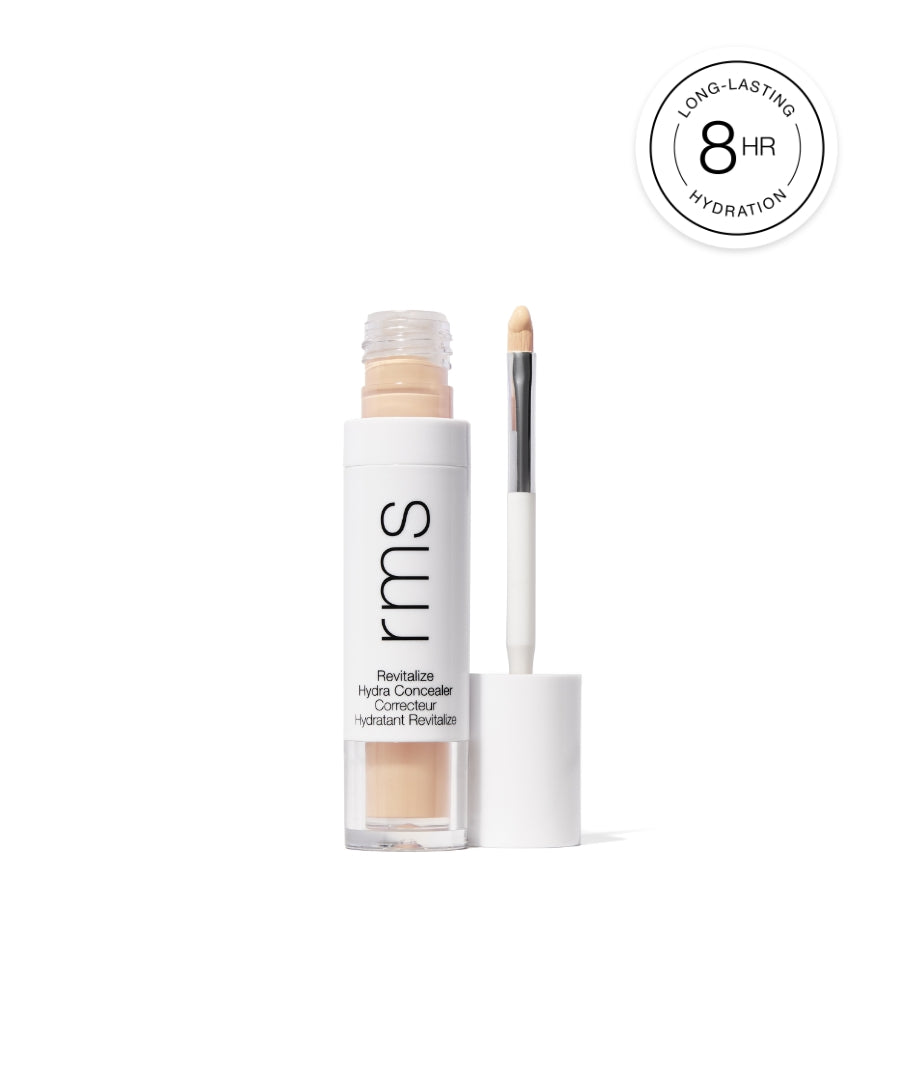
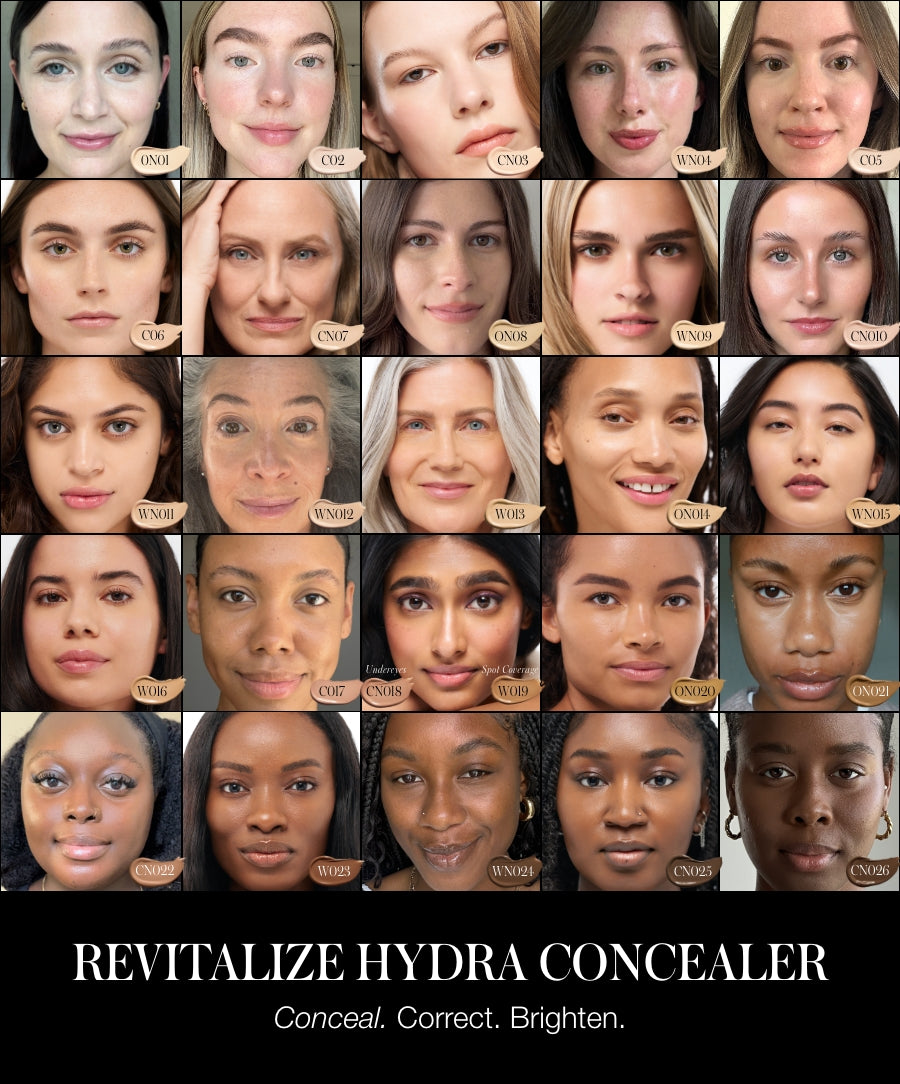
Revitalize Hydra Concealer
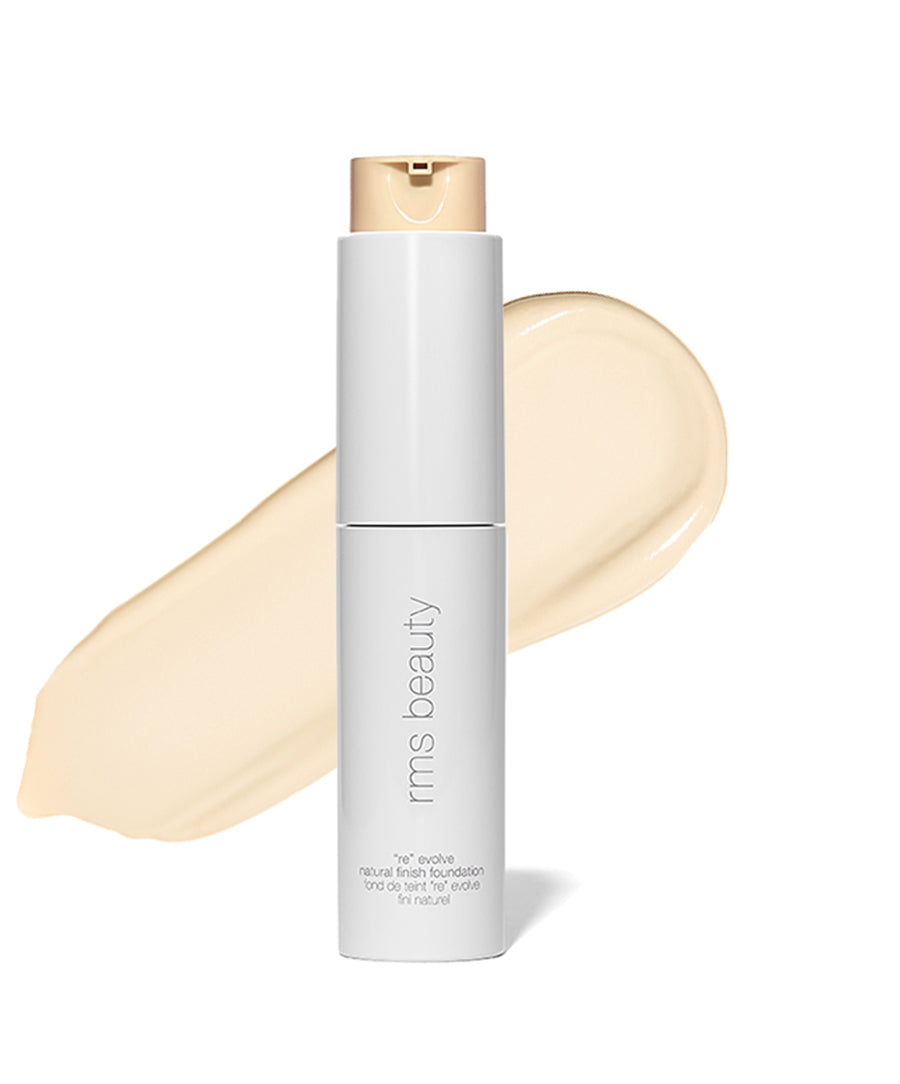
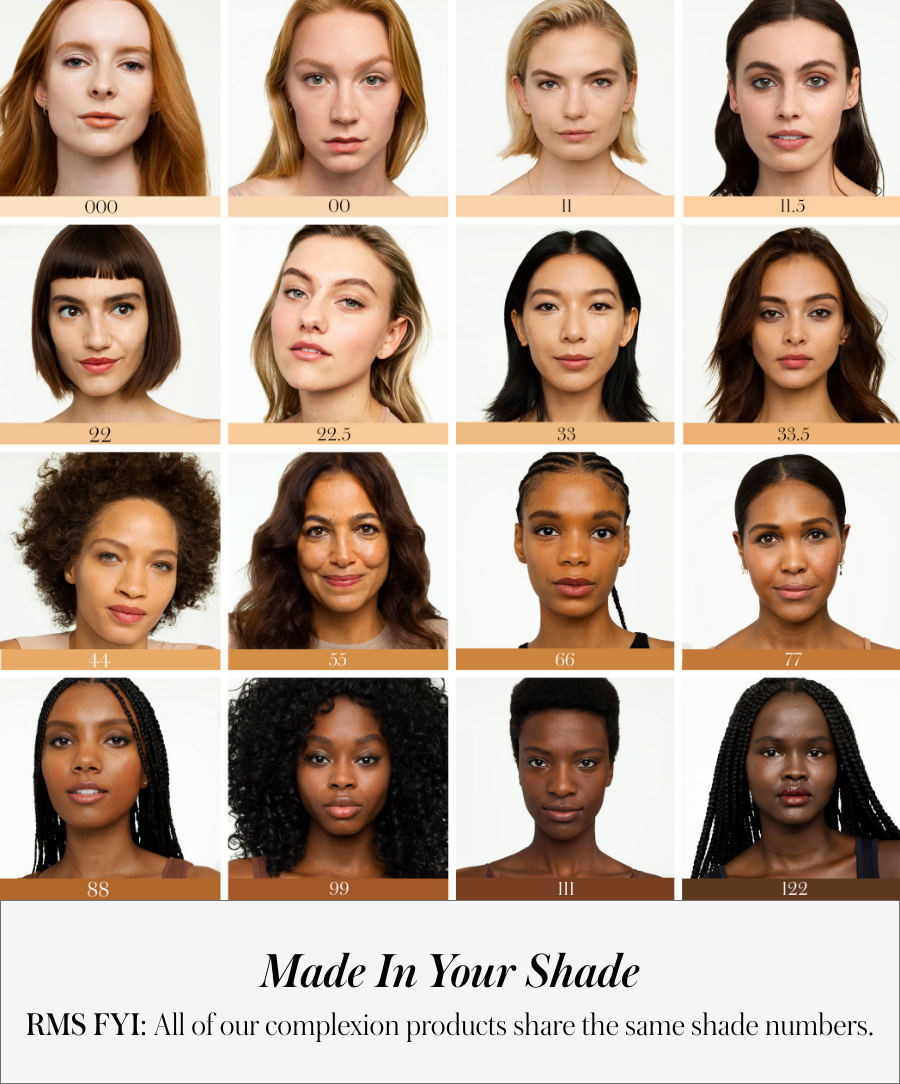
ReEvolve Natural Finish Liquid Foundation