Skip to main content




What Does Concealer Do? Benefits and Uses Explained
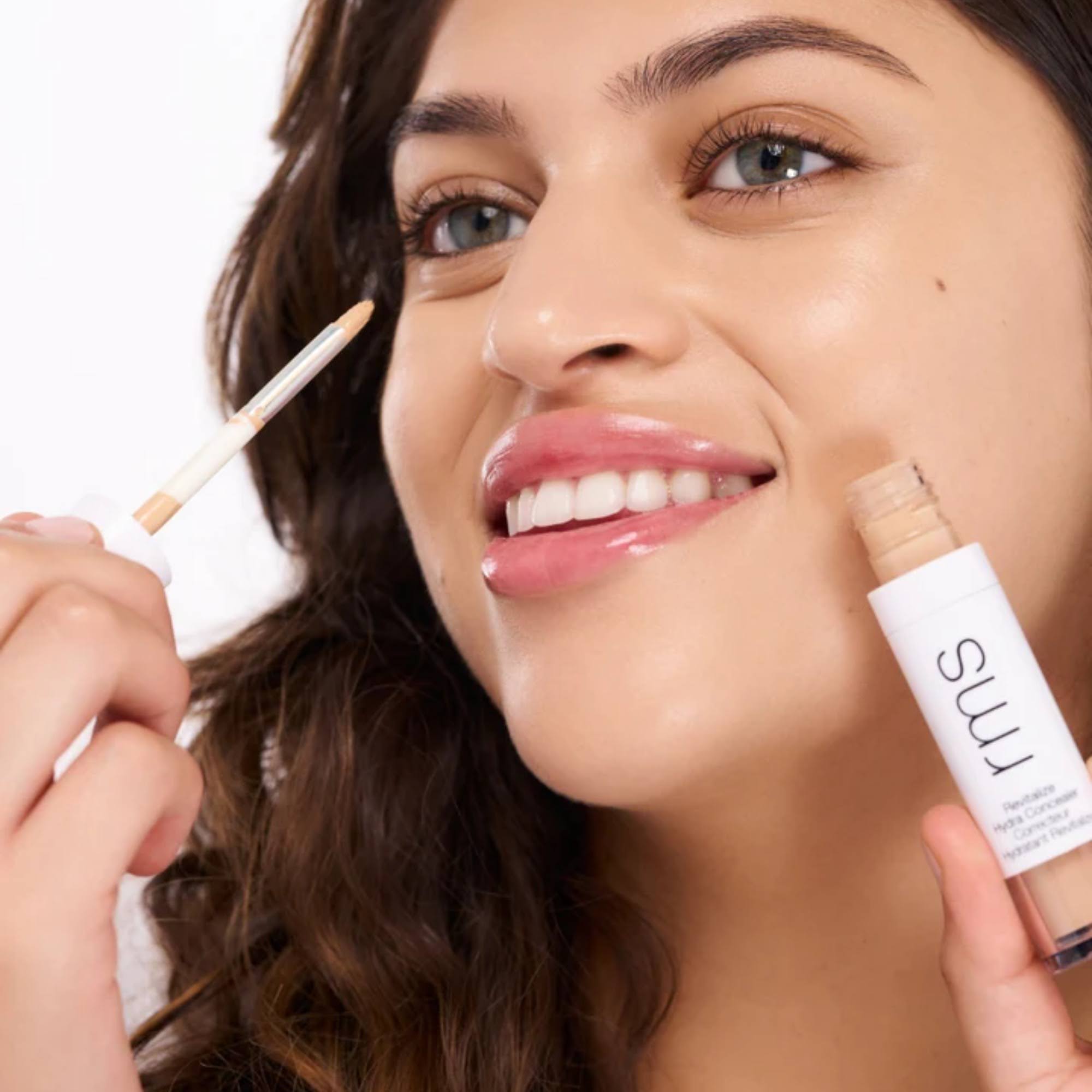
Concealer is the quiet multitasker in every well-edited makeup routine. A single swipe can brighten under-eye shadows, soften the look of blemishes, and give your complexion a polished, well-rested finish, all without layering on a full face of foundation.
So what does concealer do, exactly? And why do professional makeup artists consider it more essential than foundation itself? Here's a practical breakdown of concealer benefits, how to choose the right formula, and how to put concealer on for a natural, lasting finish.
What Does Concealer Do for Your Skin
Concealer is a concentrated, pigment-rich formula designed to address specific concerns that foundation alone cannot fully cover. Where foundation creates an overall even base, concealer delivers targeted correction with a higher pigment load and a more precise application.
Dark Circles and Discoloration
The under-eye area is one of the thinnest parts of the face, making blood vessels and shadows more visible. A good concealer deposits concentrated pigment exactly where darkness shows up most, typically the inner corner of the eye and along the under-eye hollow. For stubborn circles, a brightening under-eye treatment with SPF can brighten and protect the delicate eye area simultaneously.
Fine Lines and Texture
Buildable concealer formulas sit lightly on the skin rather than settling into creases. The key is applying thin layers and blending gently, allowing the product to smooth over texture without emphasizing it. A skincare-infused liquid concealer with hydrating ingredients helps keep the under-eye area plump and comfortable throughout wear.
Redness and Blemishes
For active breakouts, acne scars, or redness around the nose and chin, concealer provides focused coverage without masking the entire face. Applying directly on the concern and patting gently (never rubbing) builds coverage that looks like skin, not makeup.
Brightening and Dimension
Concealer placed on the high points of the face, such as cheekbones, the bridge of the nose, and the cupid's bow, reflects light and adds a natural-looking lift. A shade one to two tones lighter than your skin creates subtle dimension without contouring products.
Concealer vs. Foundation
Knowing the difference between concealer and foundation helps you decide when to use one, the other, or both.
Here's a side-by-side comparison.
| Feature | Concealer | Foundation |
|---|---|---|
| Coverage | Medium to full, targeted | Sheer to medium, all-over |
| Texture | Thicker, more pigmented | Lighter, more fluid |
| Application Area | Under eyes, blemishes, specific zones | Entire face |
| Primary Purpose | Correct and conceal specific concerns | Even out overall skin tone |
| Can Be Worn Alone | Yes, for a minimal approach | Yes, for an all-over base |
| Best Paired With | Foundation underneath, setting powder on top | Concealer on top for extra correction |
Many people wear both: foundation first for an even canvas, then concealer on areas that need extra attention. Others skip foundation entirely and use concealer only where needed, paired with a hydrating makeup primer to keep skin smooth and prepped.
How to Put Concealer On for a Natural Finish
Application technique matters as much as the formula itself. Rushing through this step or using too much product leads to creasing, caking, and a finish that looks heavy rather than healthy.
Prep Your Skin First
Moisturized skin is the foundation of every good concealer application. Dry patches cause product to cling unevenly, and dehydrated under-eyes make creasing worse. Apply your moisturizer and allow it to absorb fully before reaching for concealer.
Apply Under the Eyes
Dot a small amount of concealer in an inverted triangle beneath the eye, focusing on the inner corner where shadows tend to concentrate. Use your ring finger (the lightest-pressure finger) or a vegan concealer brush designed to mimic the gentle touch of fingertips. Pat and press the formula into the skin rather than dragging or wiping.
Cover Blemishes and Redness
For spot coverage, apply concealer directly onto the blemish with a clean fingertip or small brush. Build in thin layers, patting gently between each one, until you reach your desired coverage. A lightweight cream concealer with nourishing ingredients blends without drying out or flaking over textured skin.
Set for Longevity
A light dusting of setting powder over concealed areas locks the product in place without adding weight. Focus on the under-eye area and around the nose, where creasing tends to happen first. Use a fluffy brush and tap off excess before applying.
Choosing the Right Concealer Formula for Your Skin Type
What is concealer used for if the formula doesn't match your skin? The wrong texture can crease, oxidize, or feel uncomfortable within hours. Here's a quick guide to finding your match.
- Dry or mature skin: Look for cream-based concealers with hydrating ingredients like jojoba oil, cocoa seed butter, or squalane. Formulas that brighten and moisturize simultaneously prevent the under-eye area from looking crepey or flat.
- Oily or acne-prone skin: Lightweight liquid concealers with a satin or matte finish work well. Non-comedogenic formulas that won't clog pores are essential, especially for blemish coverage.
- Sensitive or reactive skin: Formulas free from synthetic fragrances, parabens, and common irritants feel more comfortable. Dermatologist-tested and ophthalmologist-tested concealers are worth seeking out, particularly for the delicate eye area.
Clean formulas made with skin-loving ingredients perform double duty, concealing imperfections while nourishing the skin underneath. A complexion-perfecting concealer with a gentle retinol alternative like Tightenyl™ can even help firm and smooth the skin over time.
Common Concealer Mistakes to Avoid
Even the best concealer can look off if the application goes sideways. A few simple adjustments make a significant difference.
- Applying too much product: A little goes a long way with concentrated formulas. Start with less and build up only where needed.
- Skipping moisturizer: Dry skin makes concealer settle into fine lines and look patchy. Always hydrate first.
- Using the wrong shade: Concealer for under-eye brightening should be one to two shades lighter than your skin. Concealer for blemishes should match your exact skin tone.
- Rubbing instead of patting: Dragging product across the skin removes coverage and can irritate delicate areas. Gentle tapping motions deposit product more evenly.
- Forgetting to blend edges: Harsh lines where concealer meets bare skin look obvious. Blend outward until the transition is seamless.
- Not setting high-movement areas: The under-eye area and around the nose move a lot throughout the day. A light layer of setting powder prevents creasing.
Final Thoughts
Concealer earns its place in every routine, whether you're someone who wears a full face or just wants to look rested on a busy Monday. The right formula does more than cover; it corrects, brightens, and supports your skin while doing so.
At RMS Beauty, our products are formulated with skin-loving ingredients and made without the 2,700+ ingredients we ban from our line. Performance and transparency, always in equal measure. Browse our concealer and complexion range to find the right fit for your skin.
Frequently Asked Questions
Q. What is concealer used for in a makeup routine?
Concealer targets specific areas like dark circles, blemishes, and redness that foundation may not fully cover, providing focused correction.
Q. Can you wear concealer without foundation?
Yes. Applying concealer only where needed and leaving the rest of your skin bare creates a natural, minimal look.
Q. Should concealer go on before or after foundation?
Apply foundation first, then layer concealer on areas that need extra coverage. For bare skin, apply concealer directly after moisturizer.
Q. How do you keep concealer from creasing?
Moisturize before application, use thin layers, blend well, and set with a light dusting of translucent or setting powder.
Q. What shade of concealer should you pick for under the eyes?
Choose a shade one to two tones lighter than your foundation or natural skin tone for a brightening effect under the eyes.
Q. Does concealer expire?
Most concealers last 6 to 12 months after opening. Replace the product if its texture, scent, or color has changed.
Shop The Blog
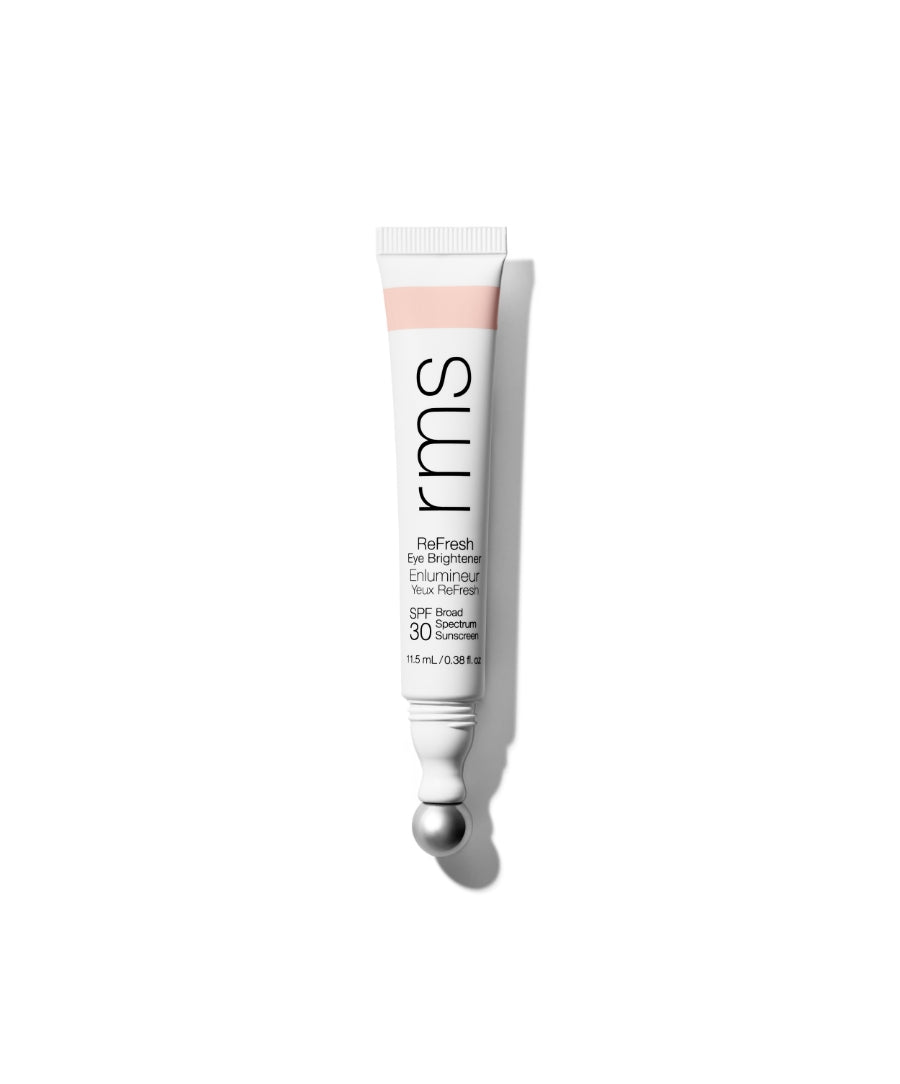
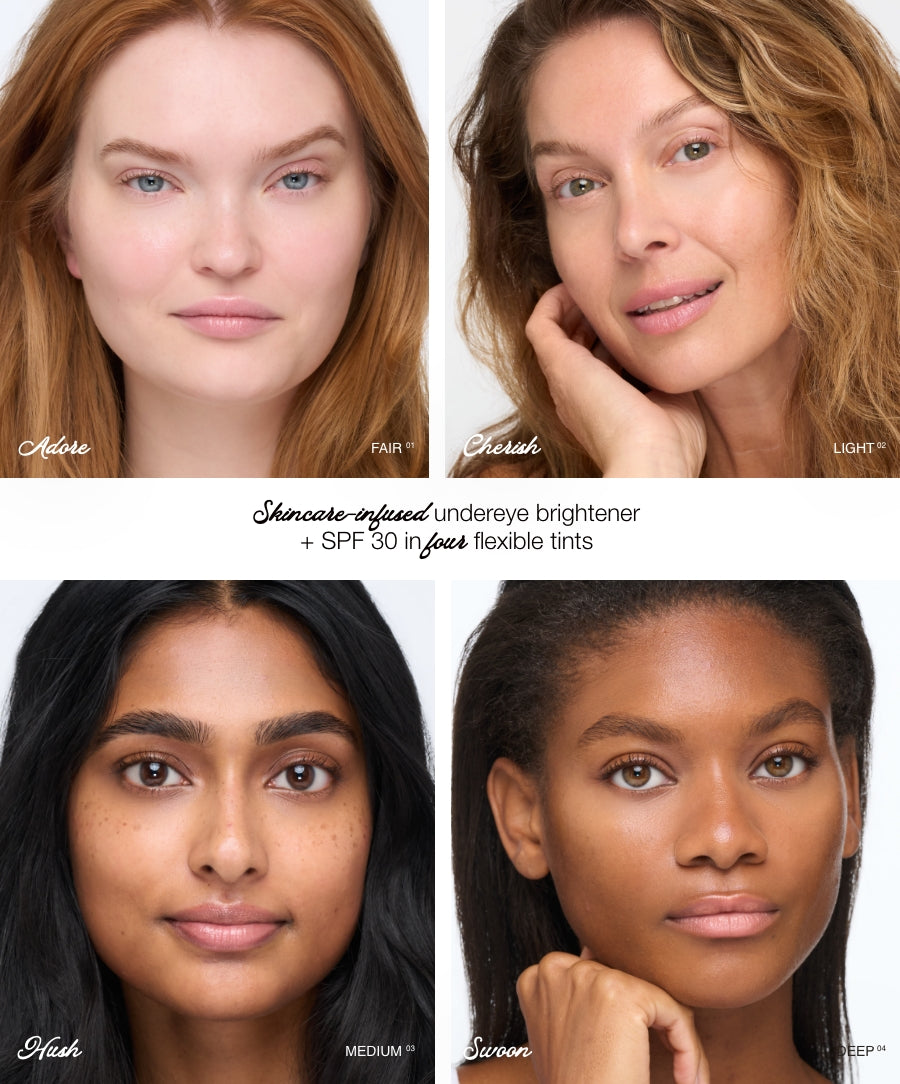
ReFresh Eye Brightener Broad Spectrum SPF 30 + Correcting Tint
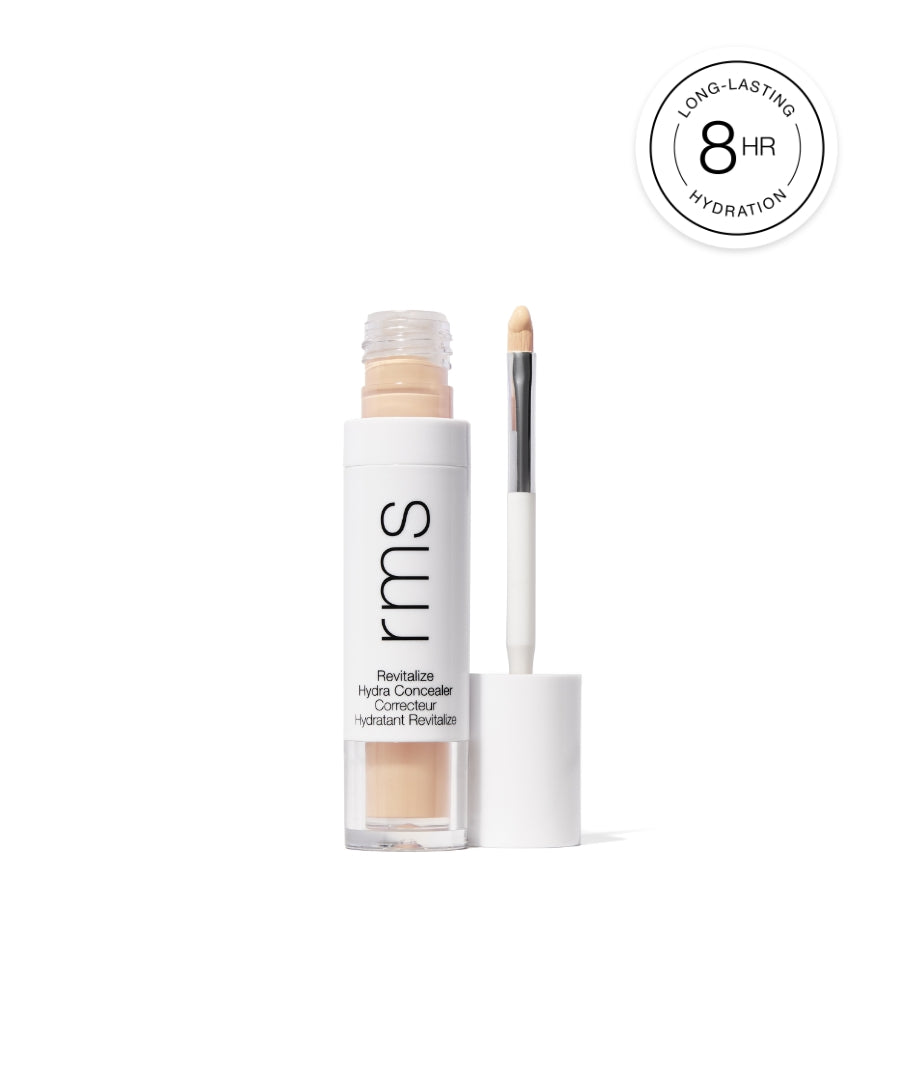
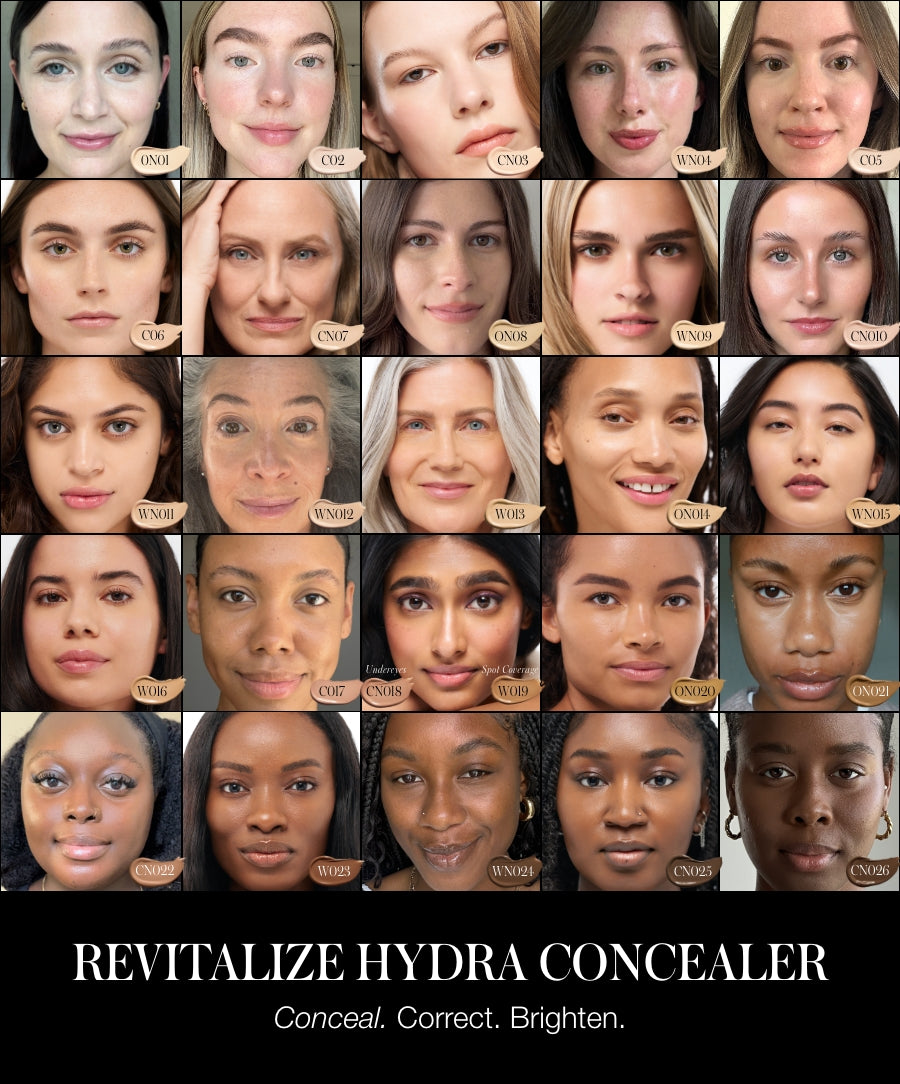
Revitalize Hydra Concealer
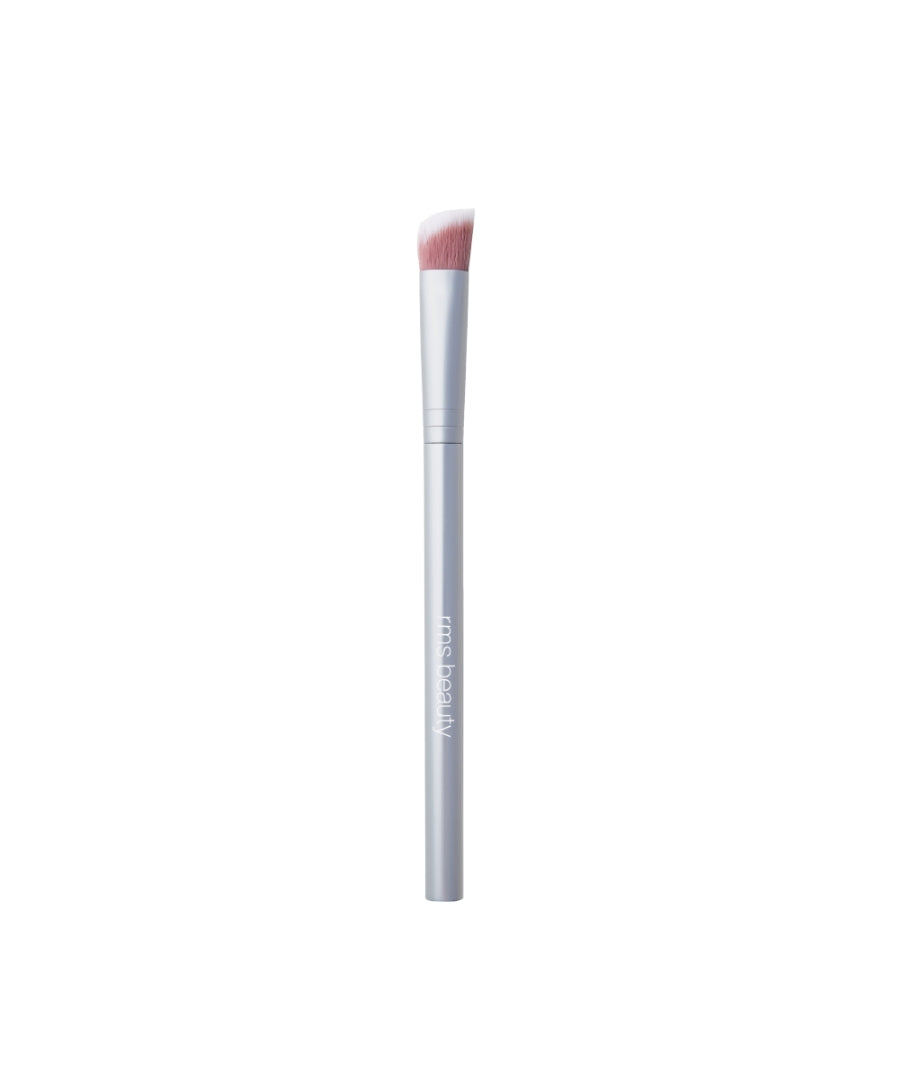
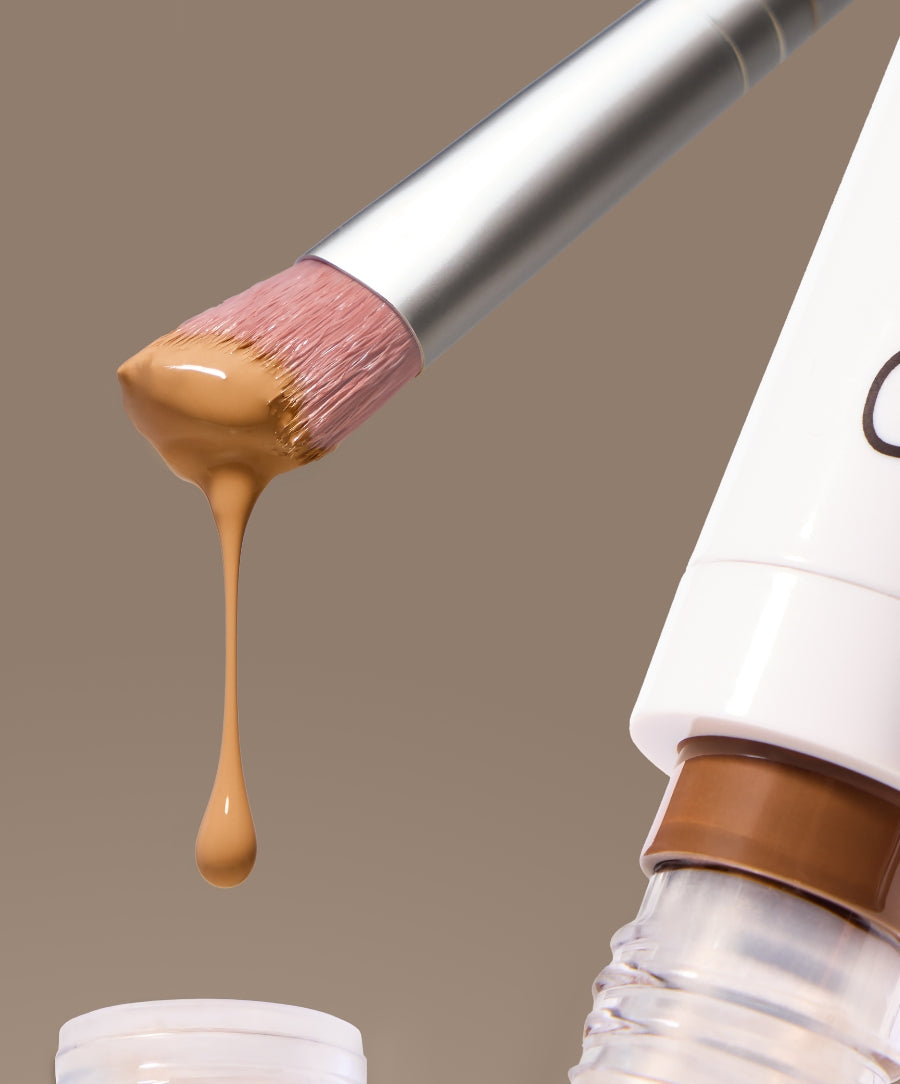
Skin2Skin Concealer Brush