Skip to main content


Benefits of Meadowfoam Seed Oil for Skin
Most people can name jojoba oil, coconut oil, or rosehip oil from memory. Meadowfoam seed oil rarely gets that same instant recognition, and that's exactly why it deserves your attention.
Extracted from the seeds of the Limnanthes alba plant, a small white wildflower native to the Pacific Northwest, meadowfoam seed oil is one of the most stable, lightweight, and skin-compatible botanical oils available in cosmetics today. And once you understand what sets it apart, you'll start reading ingredient lists a little more carefully.
What Is Meadowfoam Seed Oil
Before getting into the benefits, a quick primer on what makes meadowfoam seed oil different from every other oil on the shelf.
A Plant With Uncommon Chemistry
Meadowfoam (Limnanthes alba) grows wild in the coastal meadows of Oregon, California, and Western Canada. The plant produces seeds with an oil composition unlike most botanicals. More than 98% of the oil's fatty acid profile consists of long-chain fatty acids, primarily eicosenoic acid (C20:1). That high concentration of long-chain molecules gives it exceptional oxidative stability and a uniquely long shelf life compared to many vegetable oils.
Why Cosmetic Formulators Rely on It
Meadowfoam seed oil in cosmetics serves a specific function. As an emollient, it forms a breathable, moisture-locking layer on the skin without the heavy, greasy residue that oils like mineral oil or even some heavier plant oils can leave behind. The Cosmetic Ingredient Review Expert Panel has assessed meadowfoam seed oil and concluded it is safe for use in cosmetic products. For formulators working in clean beauty, it's a reliable workhorse that plays well with other botanicals.
Meadowfoam Seed Oil Skin Benefits
Here's what meadowfoam seed oil actually does when applied topically, and why it has earned a permanent spot in well-formulated skincare and makeup.
Locks in Moisture Without a Greasy Layer
Meadowfoam seed oil is an emollient, meaning it creates a protective seal over the skin's surface to prevent moisture loss. Unlike heavier oils that sit on top of the skin and feel slick, meadowfoam absorbs with a lightweight, almost velvety finish.
For anyone dealing with chronically dry skin, dehydrated patches, or seasonal tightness, a conditioning cream foundation formulated with meadowfoam seed oil delivers hydration while doubling as coverage.
Provides Antioxidant Protection
Meadowfoam seed oil is naturally rich in antioxidants, which help defend skin against environmental stressors like pollution and UV exposure. Antioxidant-rich skincare ingredients can help reduce the visible impact of oxidative stress on the skin, including dullness and uneven texture.
Softens and Conditions Without Clogging Pores
Meadowfoam seed oil is noncomedogenic. That means it conditions and softens skin without blocking pores, making it suitable for dry, oily, combination, and sensitive skin types alike. The oil's molecular structure closely resembles the skin's own sebum, which allows for easy absorption and minimal disruption to the skin's balance.
Stays Stable Over Time
One of the most practical meadowfoam seed oil benefits is its oxidative stability. Many botanical oils degrade quickly when exposed to air, light, or heat, which shortens product shelf life and reduces effectiveness. Meadowfoam resists oxidation far better than most plant oils, which means products containing it maintain their potency longer.
How Meadowfoam Seed Oil Works in Makeup
Meadowfoam seed oil for skin isn't limited to serums and moisturizers. The oil's emollient properties and velvety texture make it an ideal ingredient in color cosmetics, where comfort and wearability matter as much as pigment payoff.
Smooth, Comfortable Eye Makeup
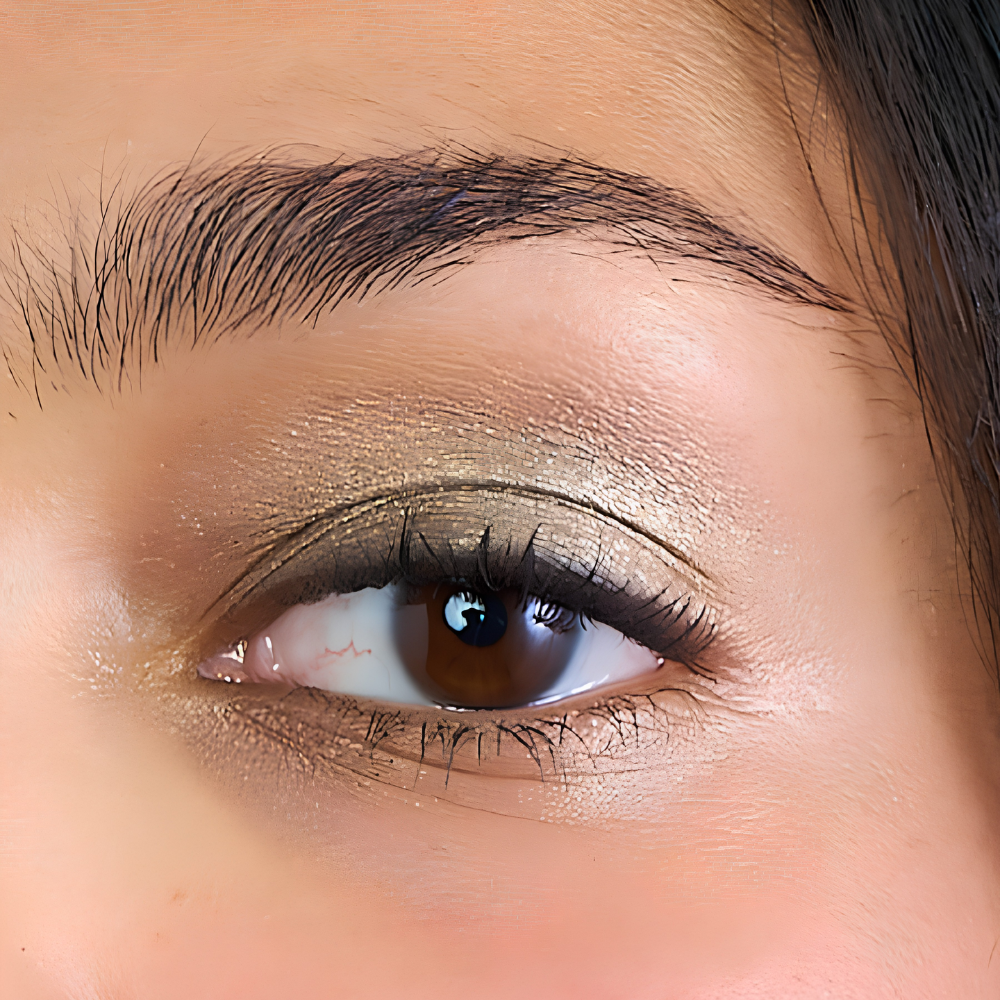
A creamy kohl eye pencil infused with meadowfoam seed oil glides on smoothly because the oil reduces drag and friction during application. The result is precise lines and easy blending without pulling on the delicate skin around the eyes. Meadowfoam also conditions the skin as it sits, so the area around your lash line stays nourished rather than dried out from pigment.
A Skin-Loving Base for Highlighters and Foundations
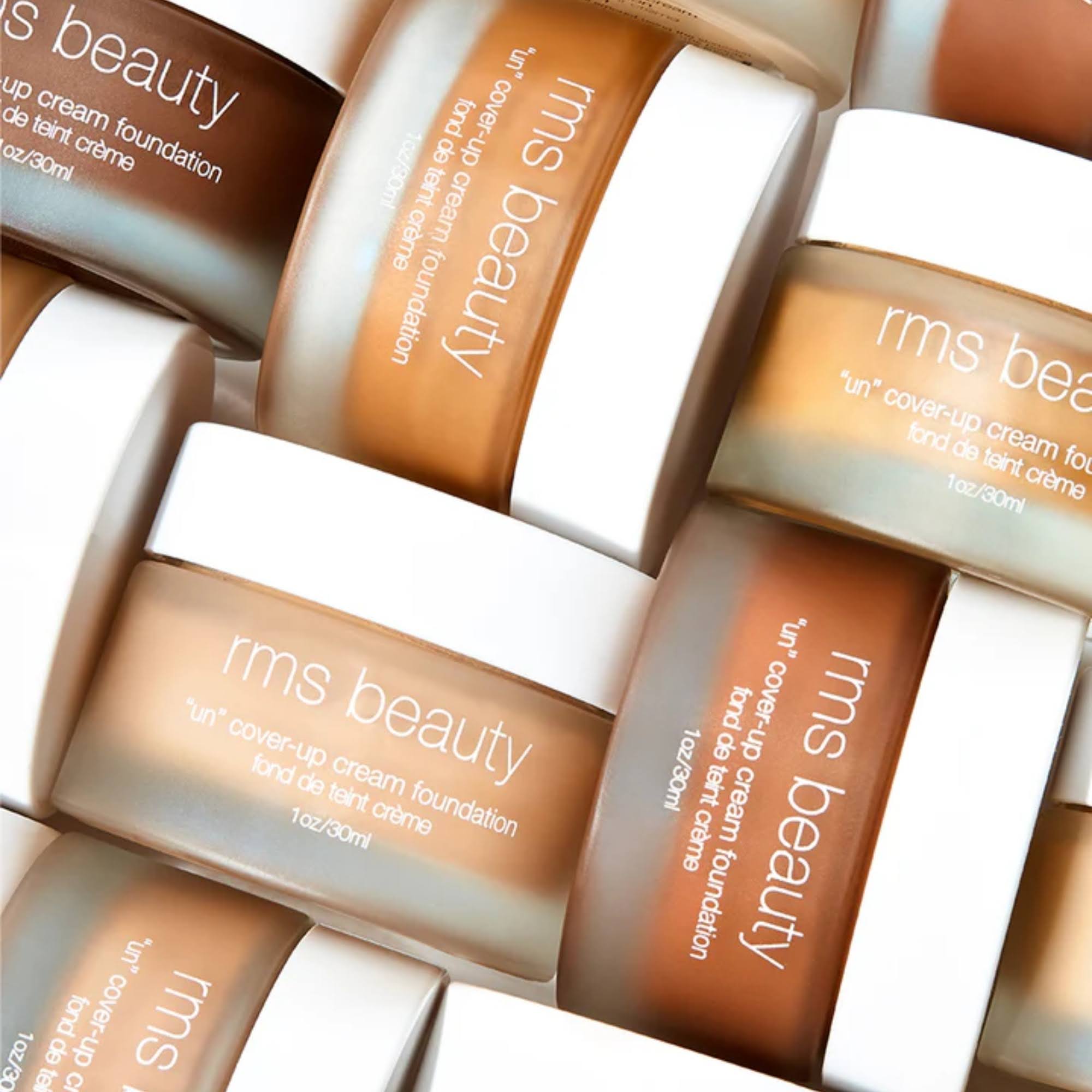
When meadowfoam seed oil is blended into cream-based face products, it helps create a smooth, even canvas. Highlighters and foundations formulated with the oil feel weightless rather than cakey because the emollient absorbs cleanly and keeps skin conditioned underneath the product. For anyone wearing makeup for extended hours, that difference between comfortable and tight is often the oil blend sitting between pigment and skin.
Lip Products That Actually Care for Your Lips
Lip skin is thinner and more prone to dehydration than the rest of the face. Meadowfoam seed oil's emollient and conditioning qualities make it a strong fit for long-wearing lip color that needs to stay comfortable for hours. A richly pigmented lipstick that includes meadowfoam in its formula maintains a soft, conditioned feel throughout wear, rather than drying out or cracking.
Who Should Use Meadowfoam Seed Oil
Meadowfoam seed oil skin benefits extend across nearly every skin type and concern. Here's a quick breakdown:
- Dry skin: The emollient barrier locks in hydration for lasting comfort.
- Oily or acne-prone skin: Noncomedogenic, so it won't contribute to breakouts.
- Sensitive skin: Gentle enough for reactive or easily irritated complexions.
- Aging skin: Antioxidant content helps defend against environmental stressors that contribute to visible signs of aging.
- All skin types using makeup daily: Conditions skin under product, preventing that tight, dried-out feeling after a full day of wear.
A simple patch test before first use is always a good idea, especially if you have known sensitivities to botanical ingredients.
Final Thoughts
Meadowfoam seed oil doesn't need a flashy reputation to do good work. Stable, lightweight, rich in antioxidants, and comfortable on virtually every skin type, it's the kind of ingredient that makes a real difference in how products feel on your skin, both immediately and over time.
At RMS Beauty, meadowfoam seed oil is woven into formulas across skincare and color, from foundations and highlighters to lip and eye products. Every product is formulated with clean, thoughtfully sourced ingredients and free from 2,700+ banned substances.
If you're ready to feel the difference clean beauty makes, shop RMS Beauty and see what skin-loving formulas should actually feel like.
Frequently Asked Questions
Q. What does meadowfoam seed oil do for skin?
Meadowfoam seed oil acts as a lightweight emollient that locks in moisture, softens skin, and provides antioxidant protection without leaving a greasy residue.
Q. Is meadowfoam seed oil safe for oily or acne-prone skin?
Yes. Meadowfoam seed oil is noncomedogenic, meaning it does not clog pores. Oily and acne-prone skin types can use it without concern about breakouts.
Q. Can meadowfoam seed oil replace my moisturizer?
On its own, meadowfoam seed oil works best as a supplemental hydration layer rather than a standalone moisturizer. Pairing it with a full moisturizer gives the best results.
Q. Does meadowfoam seed oil have any known side effects?
Adverse reactions are uncommon. As with any new skincare ingredient, a patch test on a small area of skin is recommended before applying to the full face.
Q. Why is meadowfoam seed oil used in makeup products?
The oil's velvety texture and conditioning properties help makeup glide on smoothly, blend easily, and feel comfortable throughout wear. Products perform better when the skin underneath stays nourished.
Q. How is meadowfoam seed oil different from jojoba oil?
Both are lightweight and noncomedogenic. Meadowfoam seed oil has higher oxidative stability due to its long-chain fatty acid content, which means it stays effective longer in product formulations.
Shop The Blog
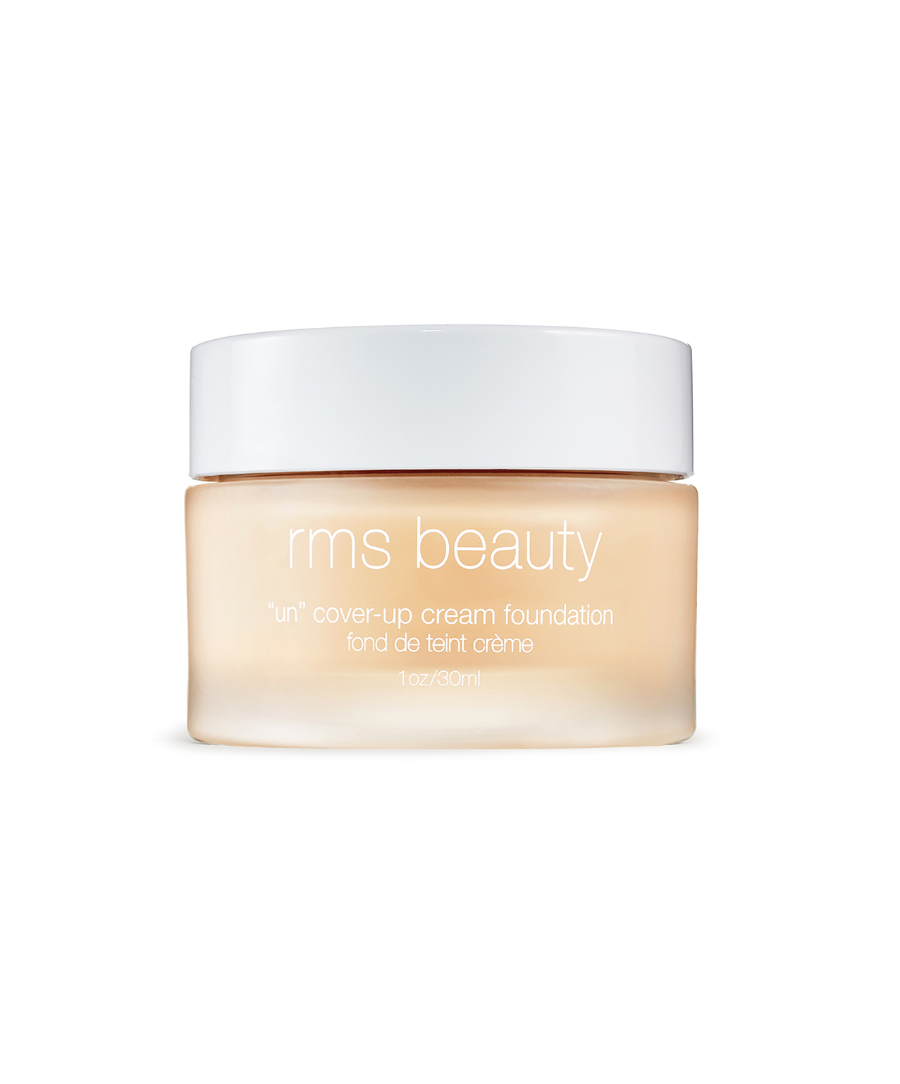
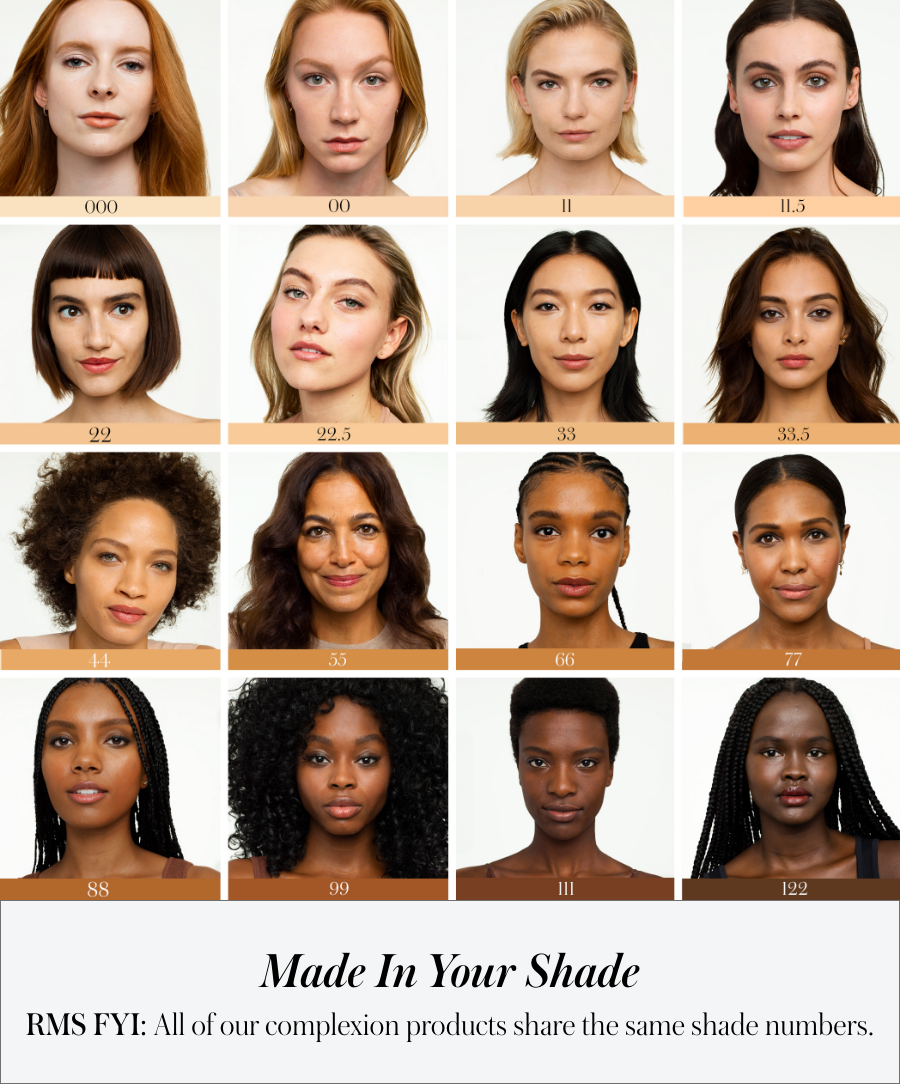
UnCoverup Cream Foundation
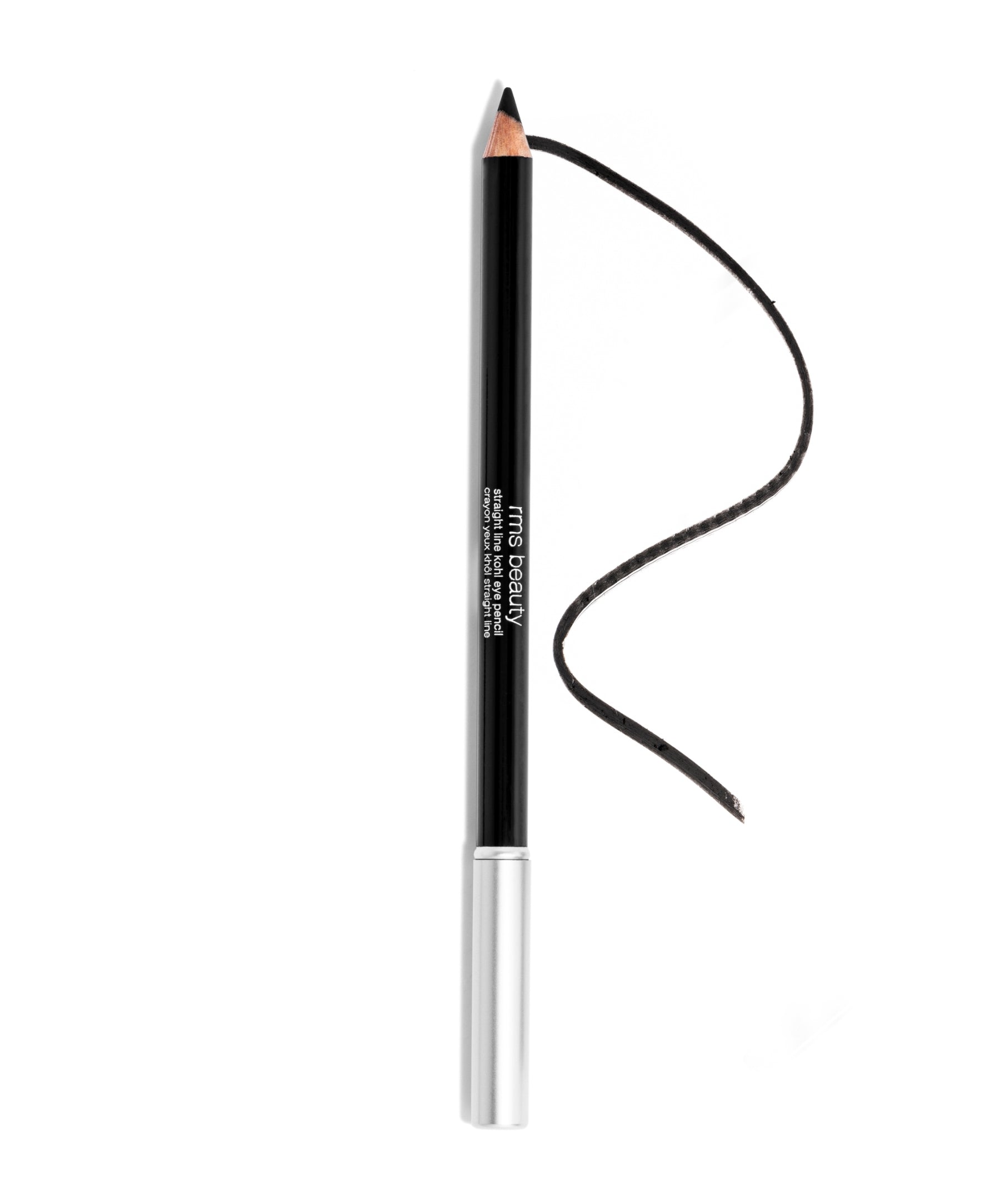
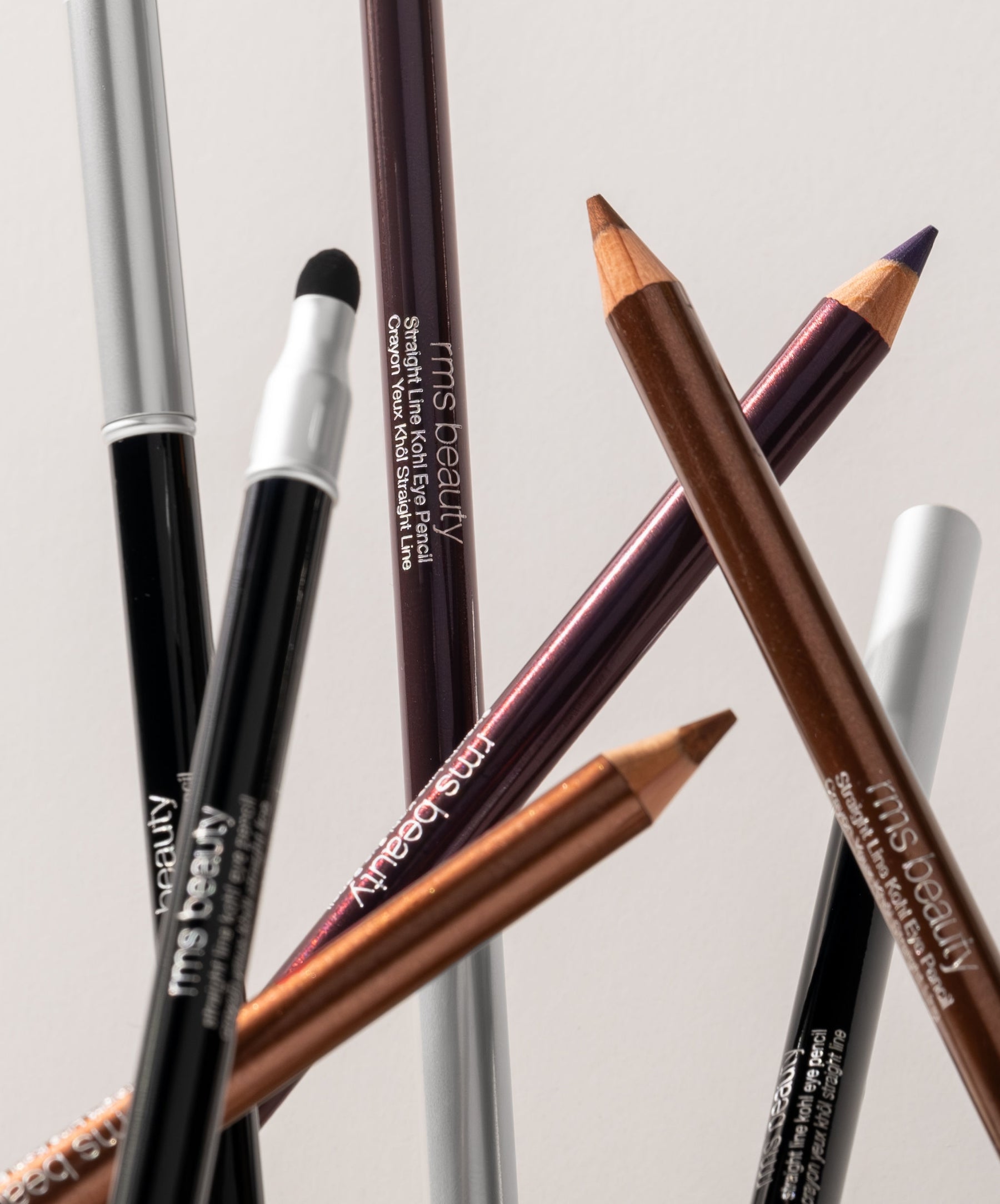
Straight Line Kohl Eye Pencil
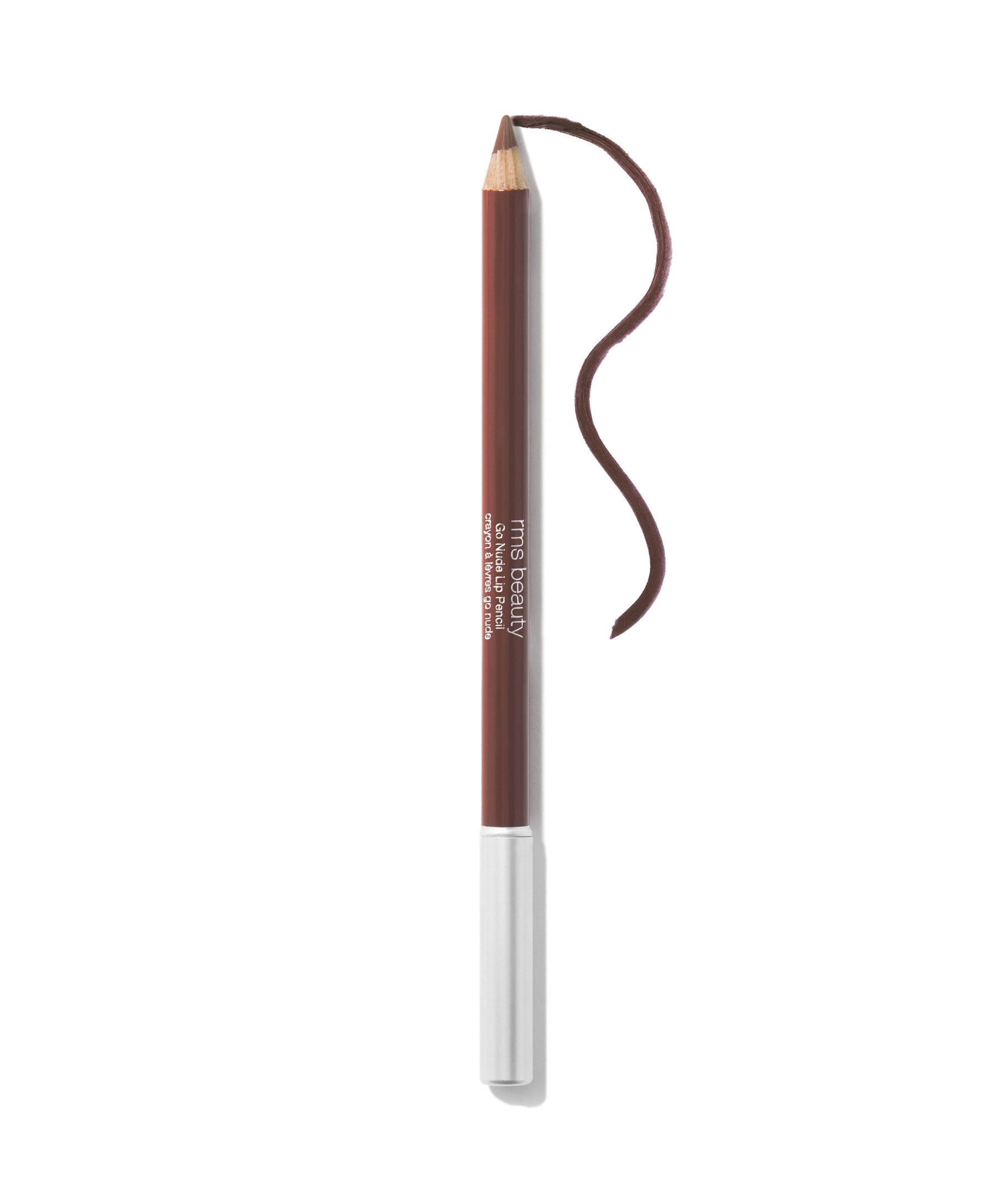
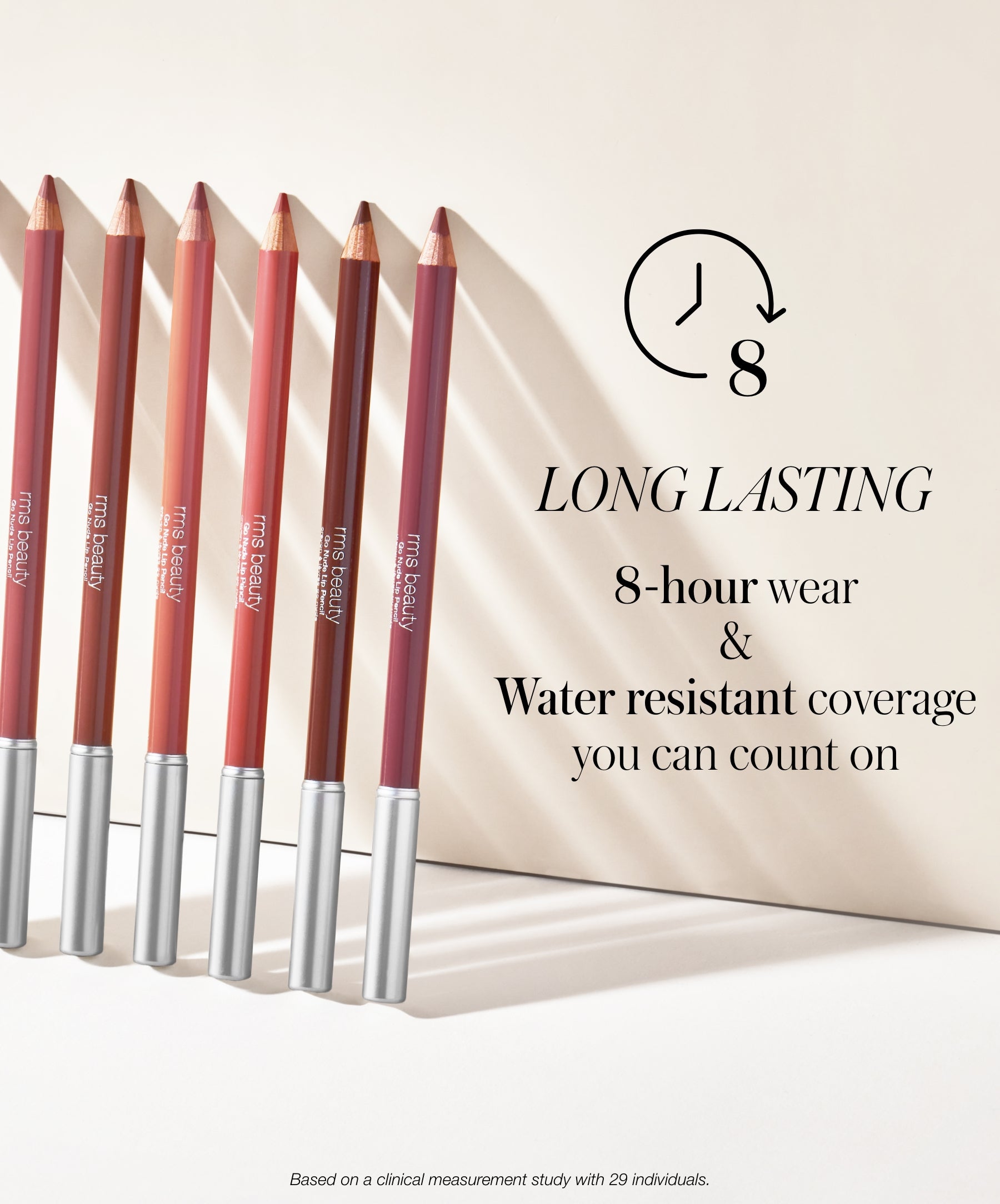
Go Nude Lip Pencil