Skip to main content




Eye Makeup for Sensitive Eyes: A Complete Beginner's Guide
Red, itchy, watery eyes after putting on eyeshadow should not be part of your beauty routine. And yet, for millions of people, that's exactly what happens every time they try a new liner, shadow, or mascara. The sting sets in, the rubbing starts, and eventually, the products get tossed into a drawer.
Here's the thing: sensitive eyes don't mean you have to skip eye makeup altogether. The problem usually isn't "makeup" as a category. The problem is specific ingredients, specific formulas, and specific habits that irritate an area of skin that's thinner and more reactive than anywhere else on your face. Once you understand what to avoid and what to reach for, eye makeup for sensitive skin goes from frustrating to genuinely enjoyable.
Whether you've been dealing with reactive eyes your entire life or started noticing sensitivity after years of wearing conventional products, the approach is the same. Choose clean, ophthalmologist-tested formulas with nourishing ingredients, apply with a light hand, and remove gently at the end of the day. Sensitive eye makeup is absolutely possible, and the results can be just as polished and dimensional as anything else.
What Makes Eyes Sensitive to Makeup
Sensitivity around the eyes is common because the skin in that area is thinner than anywhere else on your face. Fewer oil glands, less natural moisture, and closer proximity to the delicate mucous membranes of the eye make the area reactive to ingredients that wouldn't cause problems elsewhere.
Common Irritants in Conventional Eye Products
Synthetic fragrances, parabens, talc, and preservatives like formaldehyde-releasing agents are among the most frequent triggers. Waterproof formulas can also cause issues because the removal process often requires aggressive rubbing that damages the skin barrier around the eyes.
Sensitivity vs. Allergy
A sensitivity causes redness, stinging, or dryness. An allergy triggers a more intense immune response, including swelling, hives, or persistent inflammation. Knowing the difference helps you decide whether to switch products or see a dermatologist.
Why Clean Formulas Matter for Reactive Eyes
Products formulated without synthetic fragrances, parabens, and common irritants reduce the risk of a reaction significantly. Ophthalmologist-tested and dermatologist-tested formulas add another layer of confidence for anyone with sensitive eyes.
How to Choose Eye Makeup for Sensitive Skin
Selecting the right products is the single most important step for comfortable wear. Not every eye product is created with reactive skin in mind.
Cream Formulas Over Loose Powders
Loose powder eyeshadows can scatter fine particles into the eyes, causing irritation. Cream-based eyeshadows sit where you place them and don't produce fallout. A cream eyeshadow formulated with Organic Green Tea Extract and Natural Peptide Quinoa Extract offers crease-free color without irritating ingredients.
Look for Nourishing Ingredients in the Formula
Eye makeup for sensitive skin should do more than just add color. Ingredients like jojoba oil, shea butter, and meadowfoam seed oil condition the delicate skin around the eyes while you wear them. A creamy kohl pencil infused with mango and meadowfoam seed oils is a good example of liner that nourishes instead of irritating.
Check What's Left Out
What a product excludes matters as much as what goes in. Sensitive eye makeup should be free from:
- Synthetic fragrances
- Parabens and phthalates
- Talc and microplastics
- Formaldehyde-releasing preservatives
- Synthetic dyes
RMS Beauty bans over 2,700 ingredients from all formulas. For context, the US only restricts roughly 30.
Go for Ophthalmologist-Tested Options
An ophthalmologist-tested eyeshadow palette that uses Gel2Powder Technology offers a bouncy, silky texture without the irritants found in conventional pressed powders.
Sensitive Eye Makeup Application Tips
Even the cleanest formula can cause problems if applied poorly. Technique matters just as much as the product itself.
| Step | Do | Avoid |
|---|---|---|
| Prep | Apply a thin layer of eye cream and let it absorb | Skipping moisturizer, leaving skin dry |
| Eyeshadow | Pat cream shadow with fingertips | Rubbing or dragging product across lids |
| Eyeliner | Use short, gentle strokes along lash line | Pulling the lid taut while lining |
| Mascara | Wiggle brush from root to tip in one coat | Pumping the wand (pushes air and bacteria in) |
| Removal | Use a gentle balm cleanser, press and hold | Rubbing or tugging at the eye area |
Prep the Eye Area First
Clean, hydrated skin creates a smoother canvas and reduces friction during application. A light layer of eye cream or a drop of lightweight face oil pressed around the orbital bone gives sensitive skin a protective buffer.
Use Your Fingertips
Brushes can harbor bacteria and create more friction than necessary. For cream eyeshadows and concealers, your ring finger applies the gentlest pressure and gives you the most control. Just make sure your hands are clean before doing so.
Remove Makeup Without Irritation
Harsh removers and rough rubbing are often the real cause of eye sensitivity, not the makeup itself. A balm-to-oil cleanser dissolves eye makeup, sunscreen, and impurities without stripping moisture or requiring aggressive wiping.
Foundation for Sensitive Eyes and the Under-Eye Area
The under-eye zone deserves the same care as the eyelid. Foundation for sensitive eyes should be lightweight, hydrating, and free from heavy fragrances.
Concealer That Calms Instead of Caking
A hydrating concealer formulated with skin-soothing ingredients like caffeine and tremella mushroom reduces puffiness while covering dark circles. Cream formulas that melt into the skin create a more comfortable wear than full-coverage powders that settle into fine lines.
Setting Without Powder Fallout
If you need to set under-eye concealer, press a micro-fine setting powder gently with the applicator from Hydra Setting POwder, rather than dusting on with a brush.
SPF Around the Eyes
Mineral sunscreens with non-nano zinc oxide are generally better tolerated by sensitive eyes than chemical sunscreen filters. Non-nano zinc oxide sits on top of the skin rather than penetrating, making contact with the eyes less likely.
How to Build a Sensitive-Eye-Friendly Makeup Kit
Starting from scratch? Keep the kit small. Sensitive eye makeup works best when you limit the number of products touching the eye area and choose each one intentionally.
- One cream eyeshadow in a versatile neutral tone that can work as a one-and-done wash of color
- One kohl pencil or cream liner with nourishing oils rather than waterproof polymers
- One clean mascara without synthetic preservatives or fibers
- One gentle cleanser that removes everything without rubbing
- One eye cream to keep the barrier healthy and hydrated between applications
Buying fewer products actually reduces the chance of a reaction because fewer ingredients touch the skin overall. Quality over quantity is the principle that eye makeup for sensitive skin is built on.
Final Thoughts
Makeup sensitive eyes can wear comfortably does exist. The key is choosing clean, ophthalmologist-tested formulas with nourishing ingredients and applying them with a light hand. No more choosing between looking great and feeling good.
RMS Beauty's entire eye collection is formulated without synthetic fragrances, parabens, or phthalates, and every product is designed to perform beautifully on even the most reactive skin.
Frequently Asked Questions
What is the safest eye makeup for sensitive skin?
Cream-based formulas free from synthetic fragrances, talc, and parabens are generally the safest. Look for ophthalmologist-tested and dermatologist-tested products.
Can sensitive eyes wear eyeliner?
Yes. Choose pencil or cream liners with nourishing ingredients like jojoba or meadowfoam seed oil, and avoid waterproof formulas that require harsh removers.
How do I know if my eye makeup is causing irritation?
Redness, itching, burning, or watering that starts within minutes to hours of application points to a product reaction. Remove the product immediately and note the ingredient list.
Should I avoid mascara if I have sensitive eyes?
Not necessarily. Clean mascaras without synthetic preservatives or waterproof polymers are well tolerated by most sensitive eyes. Apply one coat and replace the tube every three months.
Does foundation for sensitive eyes need to be different?
Around the eye area, yes. Lightweight, fragrance-free concealers with soothing ingredients work better than heavy foundations that can migrate into the eyes.
How often should I replace eye makeup products?
Mascara every three months, cream eyeshadows and liners every six to twelve months. Expired products harbor bacteria that worsen sensitivity.
Shop The Blog
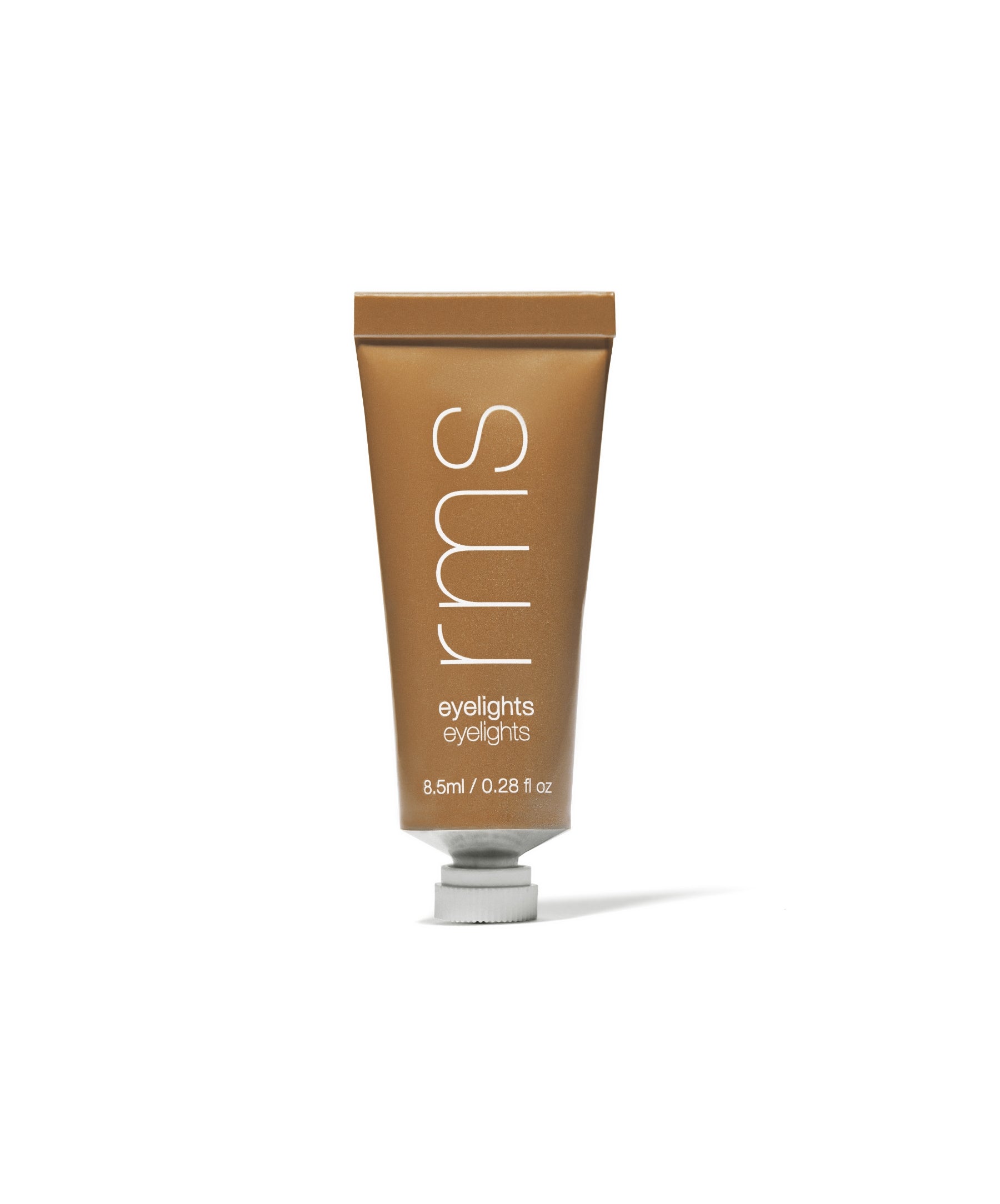
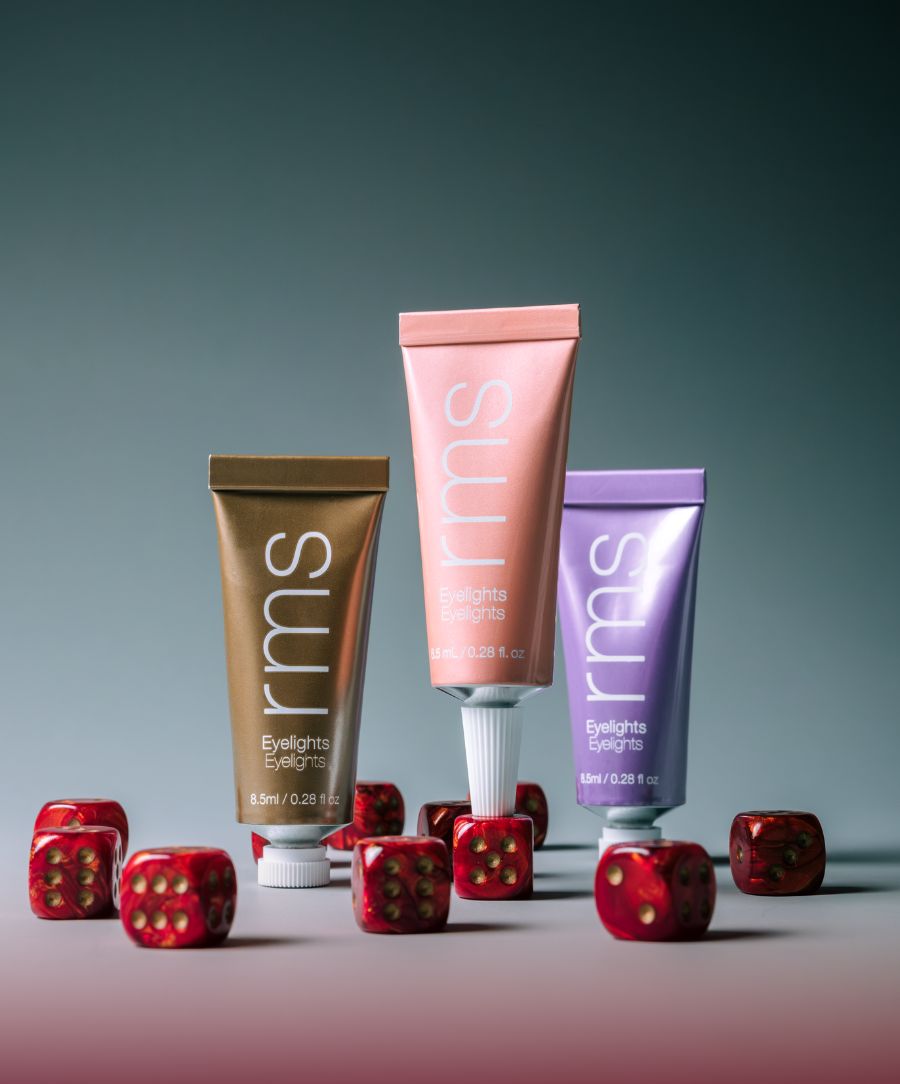
Eyelights Cream Eyeshadow
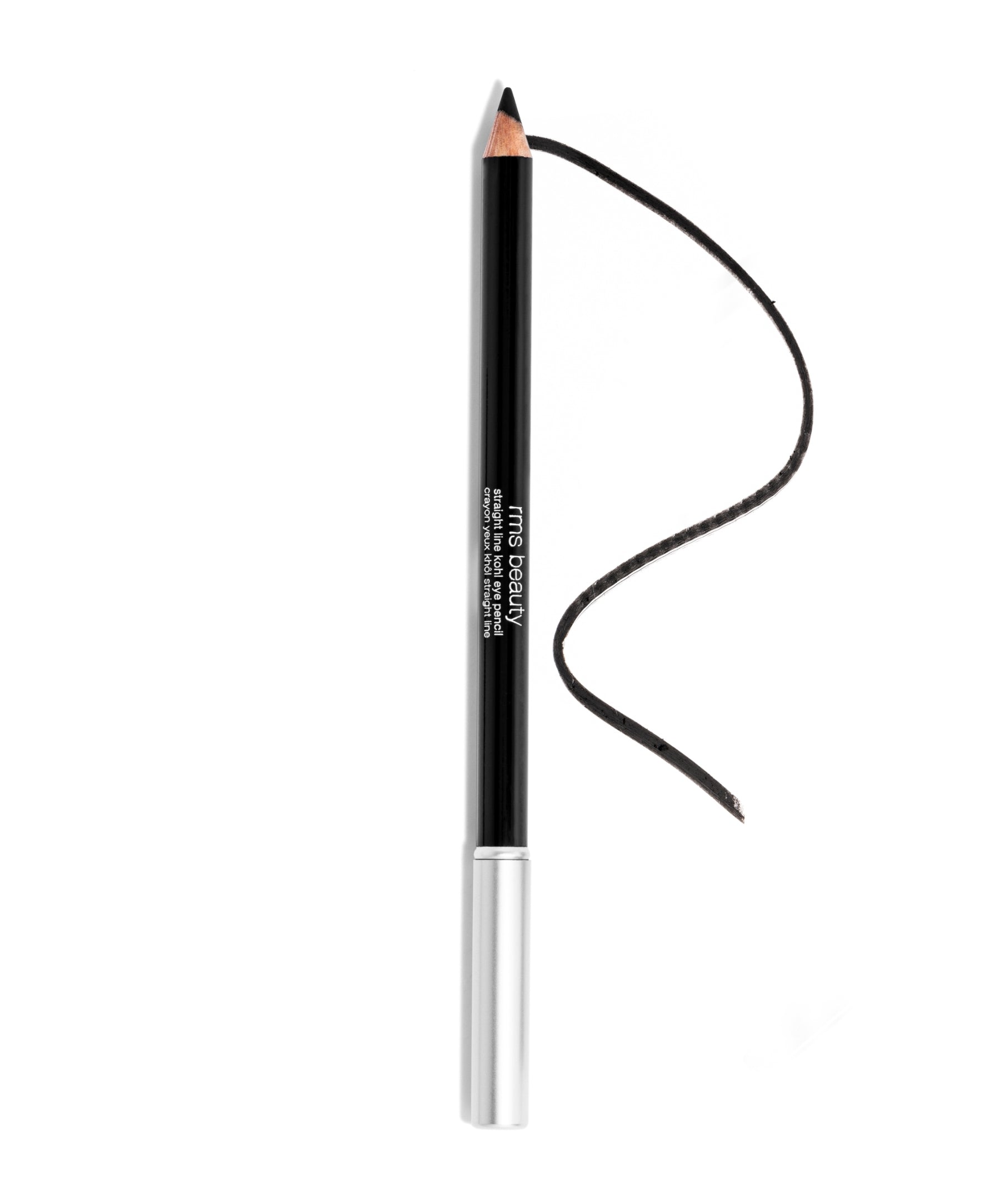
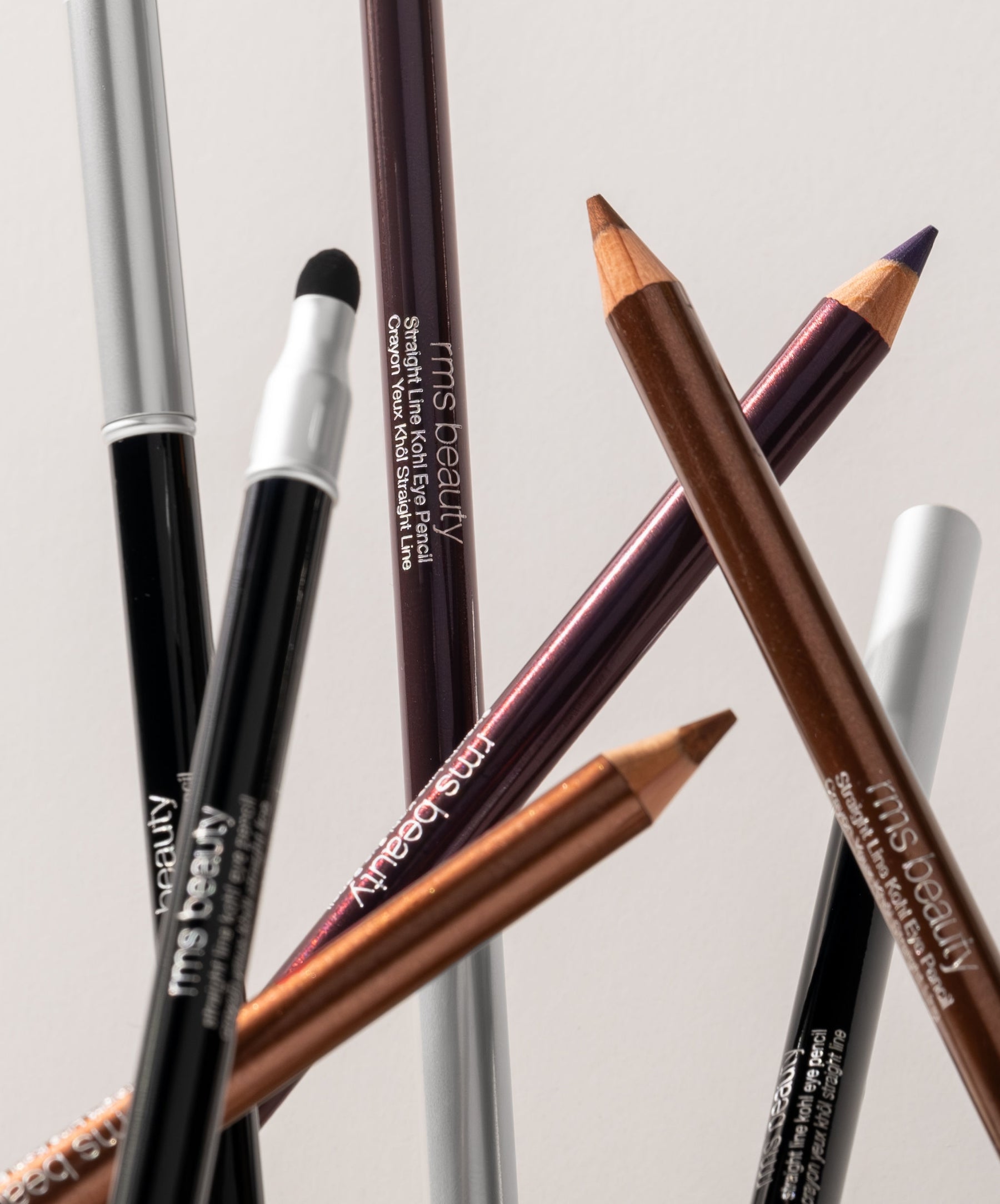
Straight Line Kohl Eye Pencil


ReDimension Hydra Eyes Quartet