Skip to main content


7 Benefits of Black Currant Seed Oil for Skin Health
Black currants are small, dark berries with a tart taste. Most people eat them in jams or juices. But the tiny seeds inside those berries hold something special: an oil packed with fatty acids your skin craves. Black currant seed oil for skin stands out because of one fatty acid in particular, gamma linolenic acid (GLA).
Your body needs GLA, but most diets do not provide enough of it. And the way GLA works at the skin barrier level is what makes black currant seed oil skincare so useful.
Here are seven reasons to pay attention to this ingredient, and how to work it into your routine.
What Is Black Currant Seed Oil
Black currant seed oil comes from the seeds of a plant called Ribes nigrum. The oil is cold-pressed, meaning no heat is used during extraction. What makes the oil different from other plant oils is the mix of fatty acids inside it. One oil gives you three helpful types at once.
- Gamma linolenic acid (GLA): An omega-6 fatty acid. About 12-15% of the oil is GLA. Your body uses GLA to calm swelling and support skin repair.
- Alpha-linolenic acid (ALA): An omega-3 fatty acid from plants. About 14-15% of the oil is ALA.
- Stearidonic acid (SDA): Another omega-3, present at about 2-3%. Your body turns SDA into EPA (a fatty acid found in fish oil) more easily than ALA.
GLA is the one that matters most for skin. Your body can make GLA from the fats you eat, but that process gets slower as you age. Black currant seed oil gives your skin GLA directly, no conversion needed.
7 Black Currant Seed Oil Benefits for Skin Health
Omega fatty acids for skin do different things depending on their type. The mix found in black currant seed oil helps your skin in several ways at once. Here are seven of those benefits.
1. Strengthens Your Skin Barrier
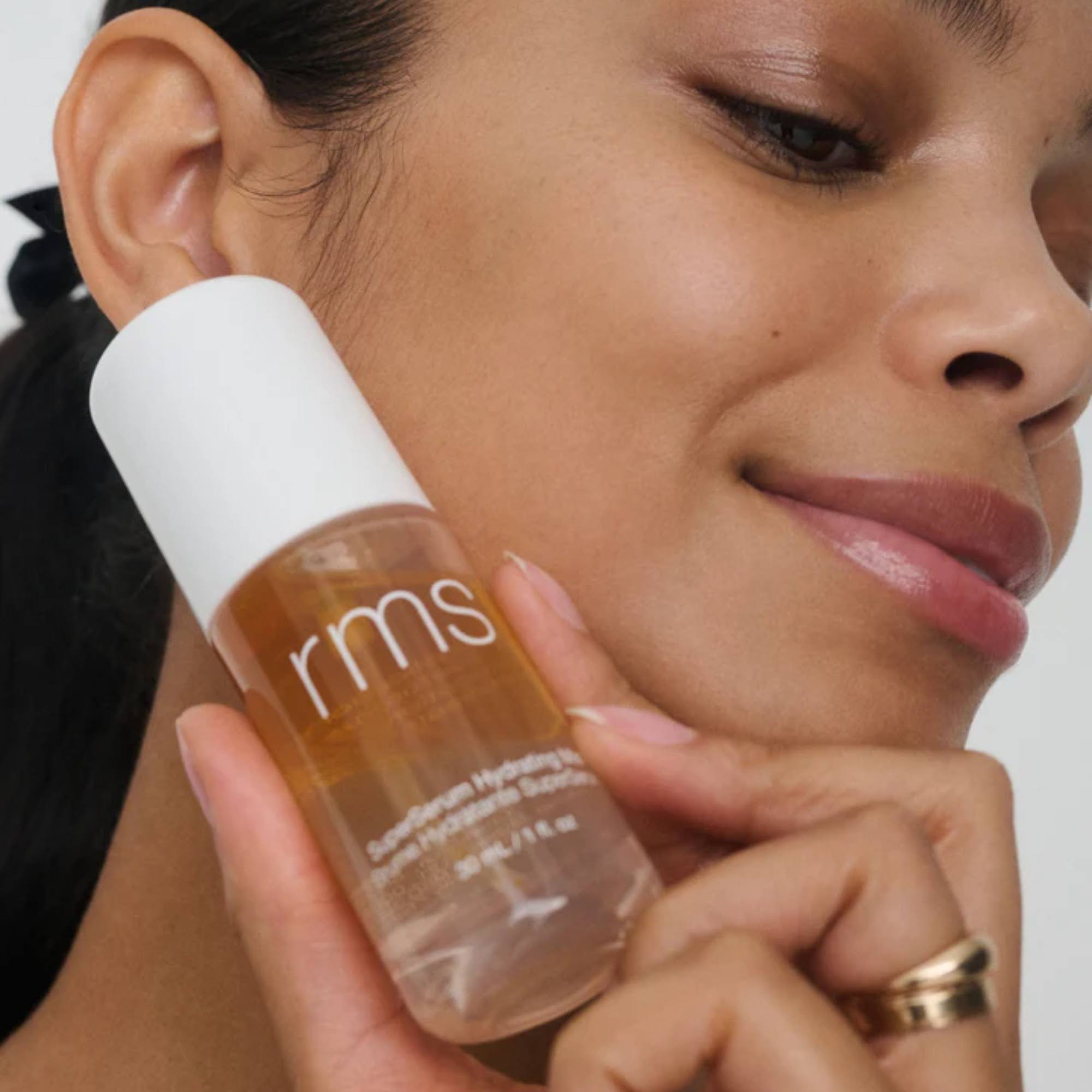
The gamma linolenic acid skin connection starts right at the surface. GLA becomes part of the fatty layer that holds your skin cells together. A strong barrier keeps moisture in and keeps irritants out. When that barrier is weak, skin dries out faster and reacts more to things like weather and pollution. A hydrating serum mist made with black currant seed oil helps support that barrier every time you apply it.
2. Gives Your Skin GLA in Ready-to-Use Form
Most omega-6 fats from food come as linoleic acid. Your body has to change linoleic acid into GLA before skin cells can use it. That change does not always happen well, especially with age. Black currant seed oil skips that step. The GLA is already in the form your skin needs, so your body does not have to do extra work.
3. Helps Calm Redness and Sensitivity
Your body turns GLA into a substance called DGLA, which then makes calming compounds called series-1 prostaglandins. Black currant oil anti-inflammatory skin support comes from this process. When skin looks red, feels irritated, or reacts easily, these calming compounds help bring things back to a more comfortable state.
4. Hydrates Without Feeling Greasy
Black currant seed oil soaks into the skin quickly. The blend of omega-3 and omega-6 fatty acids gives the oil a light feel that works for many skin types, whether your skin runs dry, oily, or somewhere in between. Layered under a radiance-boosting face cream, the oil seals in moisture while the cream adds extra nourishment on top.
5. Fights Free Radical Damage
Black currant seed oil also contains plant compounds that act as antioxidants. Antioxidants protect skin cells from damage caused by sun exposure, pollution, and other daily stressors. Using more than one antioxidant source gives your skin a wider safety net. An antioxidant-rich face oil used alongside black currant seed oil builds a stronger shield against daily wear.
6. Helps Balance Oil Production
Skin that makes too much oil often does so because the barrier is weak. Your skin senses that weakness and tries to fix it by making more sebum (your skin's natural oil). GLA helps fix the barrier itself, which can slow down that overproduction. On the flip side, dry skin gets the fatty acids it is missing. Starting your routine with a nourishing cleansing balm keeps your skin's natural oils in place before you add barrier-supporting products.
7. Pairs Well With Other Plant Oils
Black currant seed oil does not clash with other oils in your routine. GLA and ALA work alongside ingredients like jojoba oil, rosehip seed oil, and buriti oil. Jojoba acts like your skin's own oil. Rosehip brings vitamin C and essential fatty acids. Buriti adds beta-carotene. A three-piece skincare set that brings together plant oils, peptides, and adaptogens is a simple way to build a layered routine.
How to Add Black Currant Seed Oil to Your Routine
Adding black currant seed oil skincare to your day is simple. You do not need to change everything. A few small choices make a big difference.
Where to Place It When Layering Products
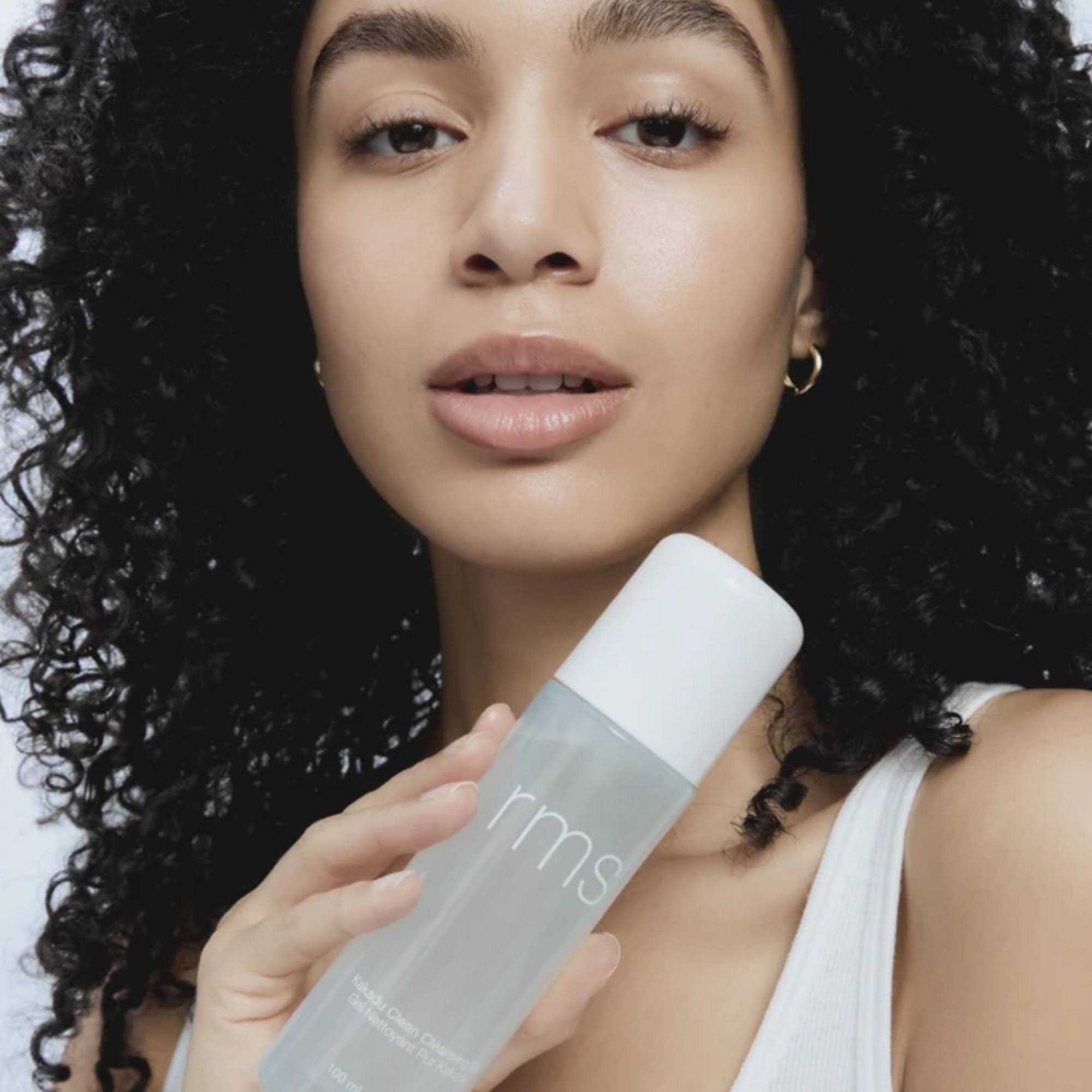
Use oil-based products after water-based serums and before thicker creams. A clean cleansing duo cleans your skin gently without removing the natural oils your barrier needs. That way, the fatty acids in black currant seed oil absorb into skin that is clean but not stripped.
Morning or Evening, or Both
GLA-rich oils work well at any time of day. In the morning, a thin layer under moisturizer and SPF helps keep your barrier strong all day. At night, a slightly thicker layer supports your skin while it repairs during sleep.
What to Pair With
Black currant seed oil goes well with niacinamide, hyaluronic acid, and vitamin C. Niacinamide helps build ceramides (another part of your barrier). Hyaluronic acid pulls moisture into your skin. Vitamin C adds antioxidant protection.
Final Thoughts
Black currant oil benefits for skin come down to one thing: the right fatty acids, in a form your skin can use right away. GLA is not a flashy ingredient, but a practical one. And black currant seed oil remains one of the most complete plant-based sources of it available.
At RMS Beauty, we choose ingredients that do something real. Black currant seed oil earned its spot in our formulas because it improves the skin barrier, and you can feel that from the very first use.
For a skincare routine built on clean, performance-first ingredients, our skincare collection is a great place to start.
Frequently Asked Questions
Q. Is black currant seed oil good for all skin types?
Yes. GLA helps both dry and oily skin. Dry skin gets the fatty acids it needs. Oily skin benefits from a stronger barrier that reduces overproduction.
Q. What does gamma linolenic acid do for skin?
GLA becomes part of your skin's fatty barrier and helps produce calming compounds. The result is skin that holds moisture better and stays less reactive.
Q. Can I use black currant seed oil with other face oils?
Yes. Black currant seed oil works well alongside jojoba, rosehip, and buriti oil. Each one brings a different set of fatty acids, so layering them gives your skin more complete support.
Q. How is black currant seed oil different from evening primrose oil?
Both have GLA, but black currant seed oil also has ALA and SDA (omega-3 fatty acids). Evening primrose oil only has GLA and linoleic acid, with no omega-3s.
Q. Does black currant seed oil clog pores?
No. The oil is lightweight and absorbs fast. GLA also helps manage oil production, which makes the oil a good fit even for skin that tends to get congested.
Q. How long before I see results from black currant seed oil?
Most people notice softer, more hydrated skin within a few days. Stronger barrier function usually shows up within two to four weeks of regular use.
Shop The Blog
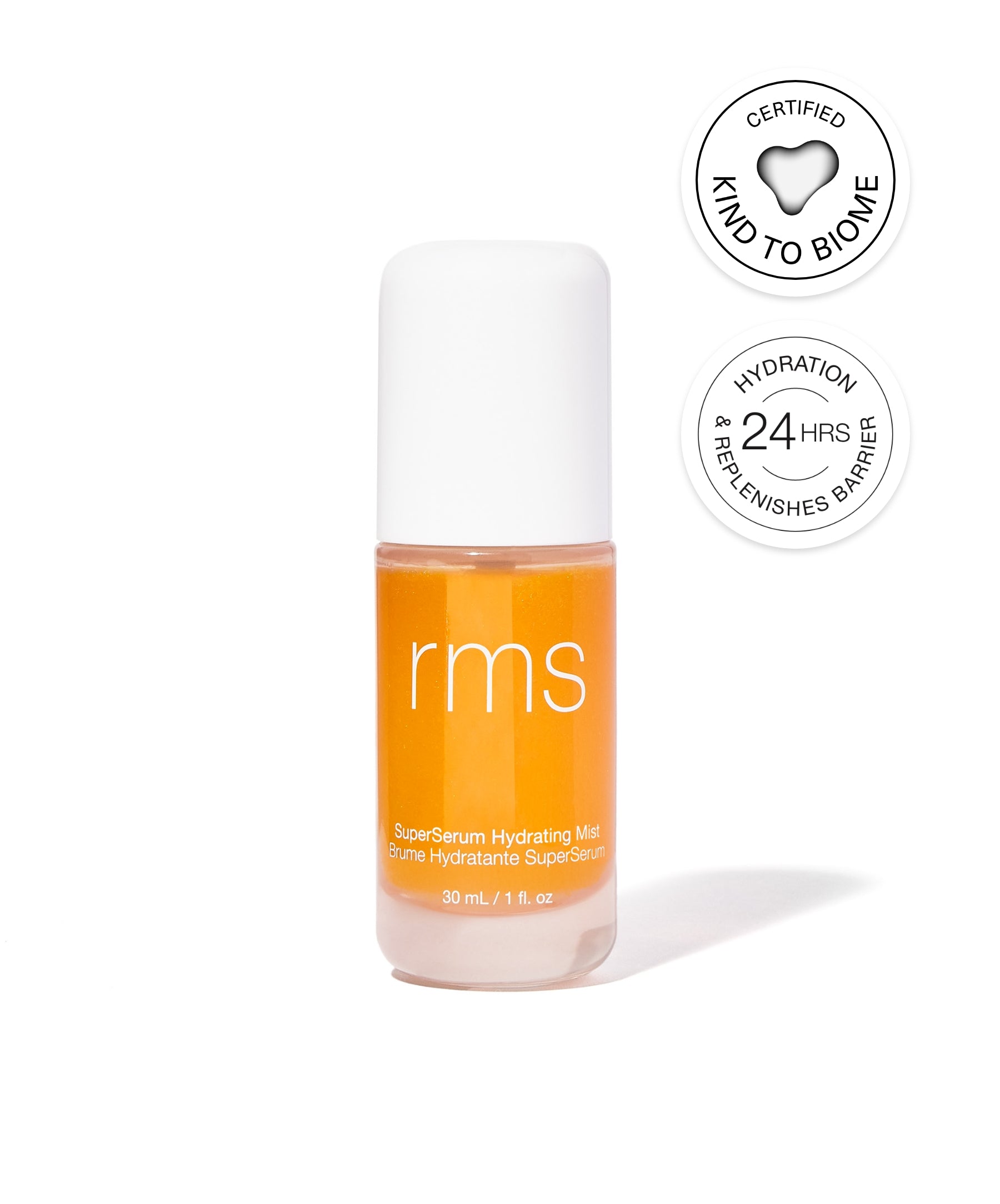
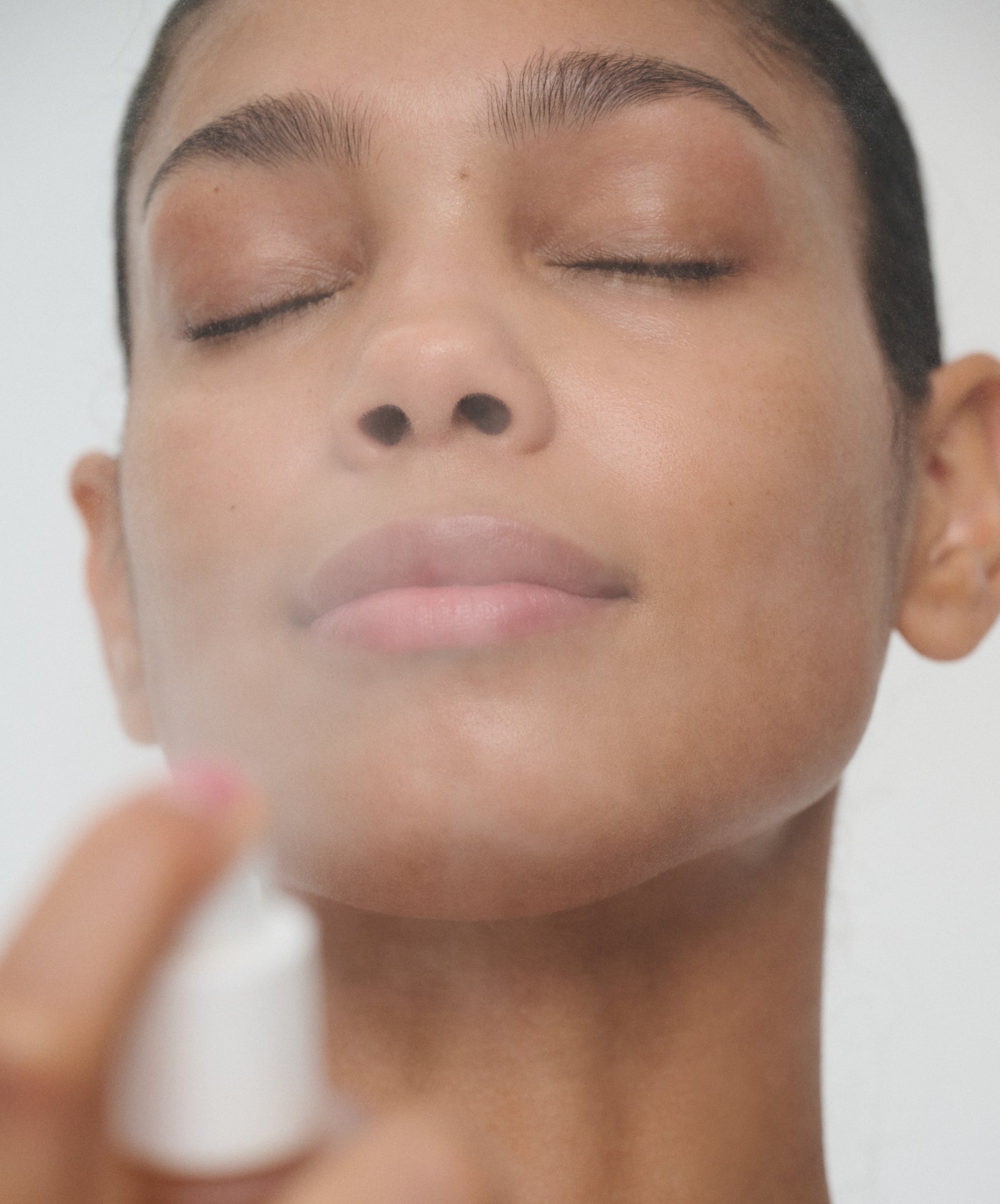
SuperSerum Hydrating Mist
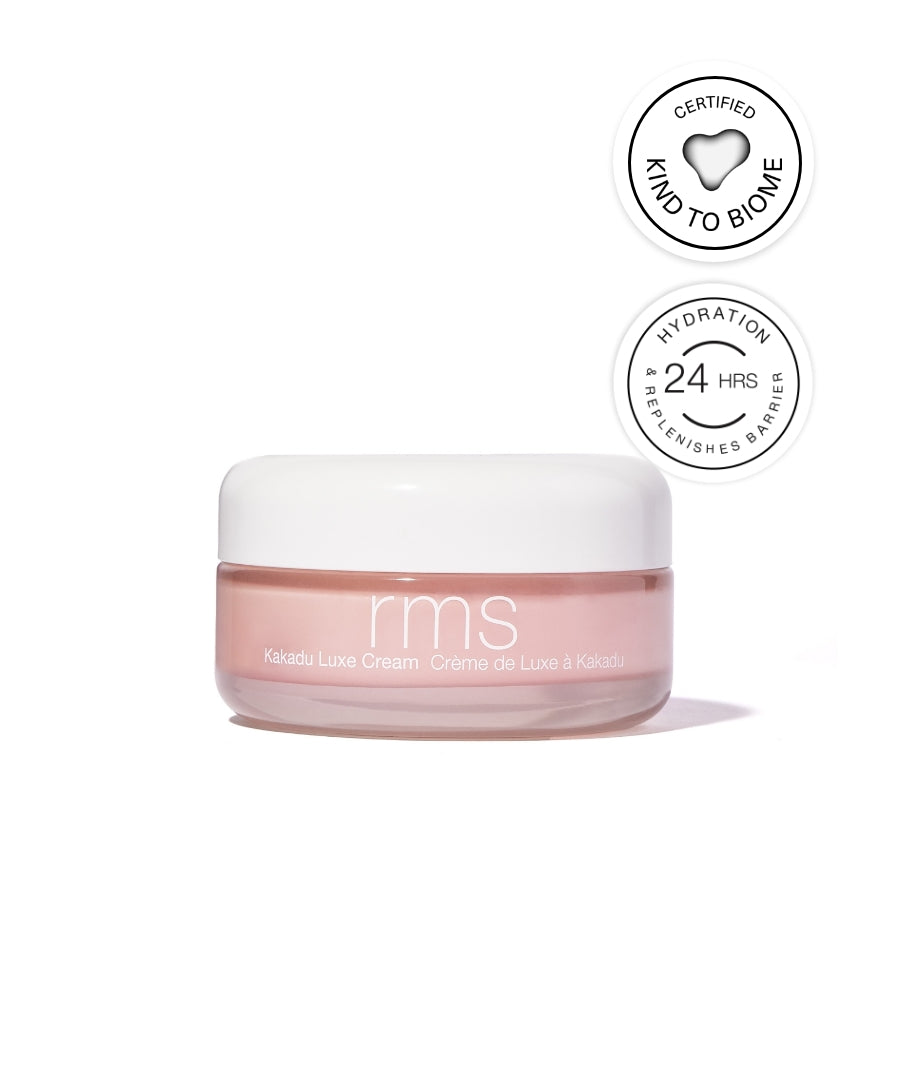
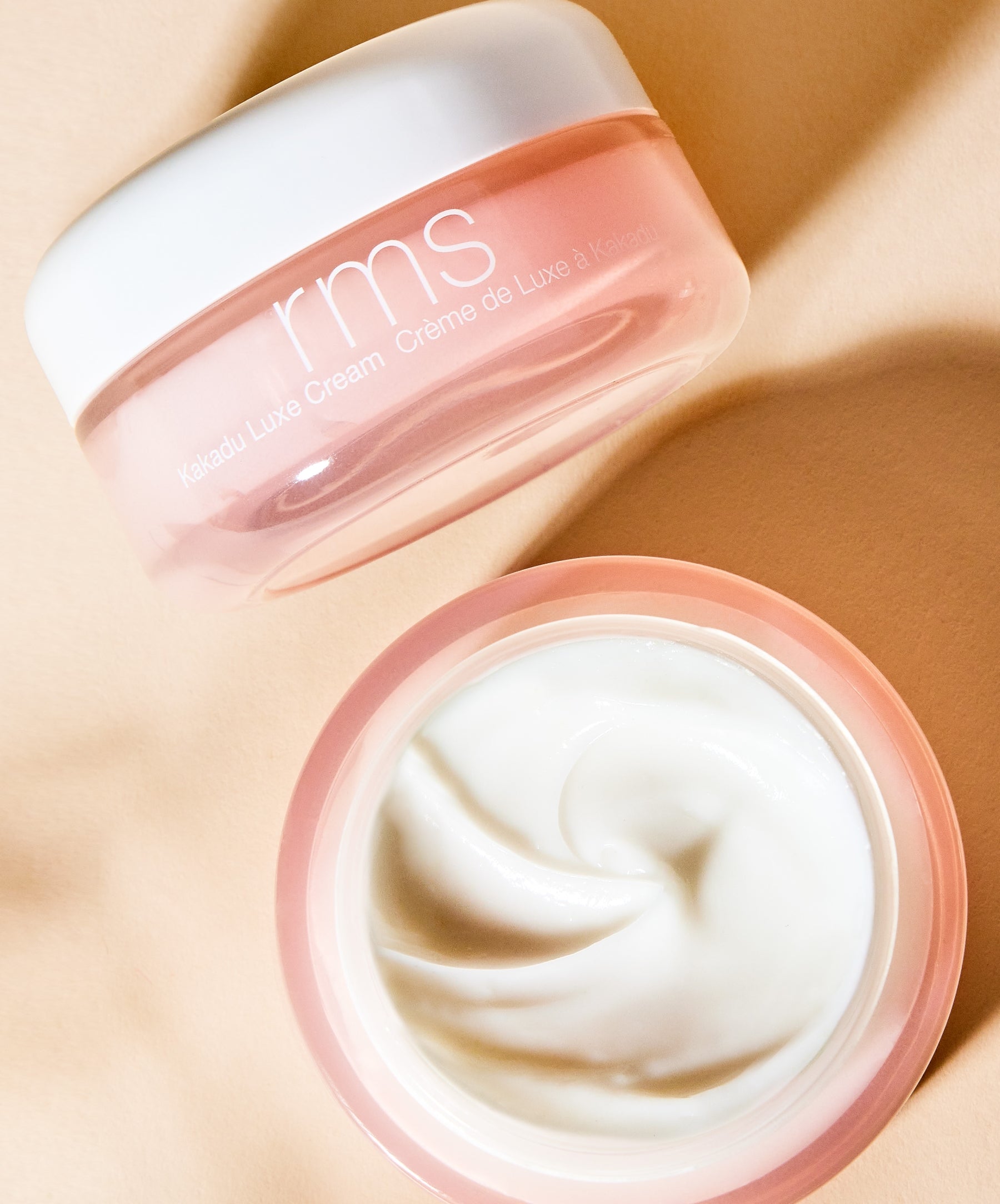
Kakadu Luxe Cream
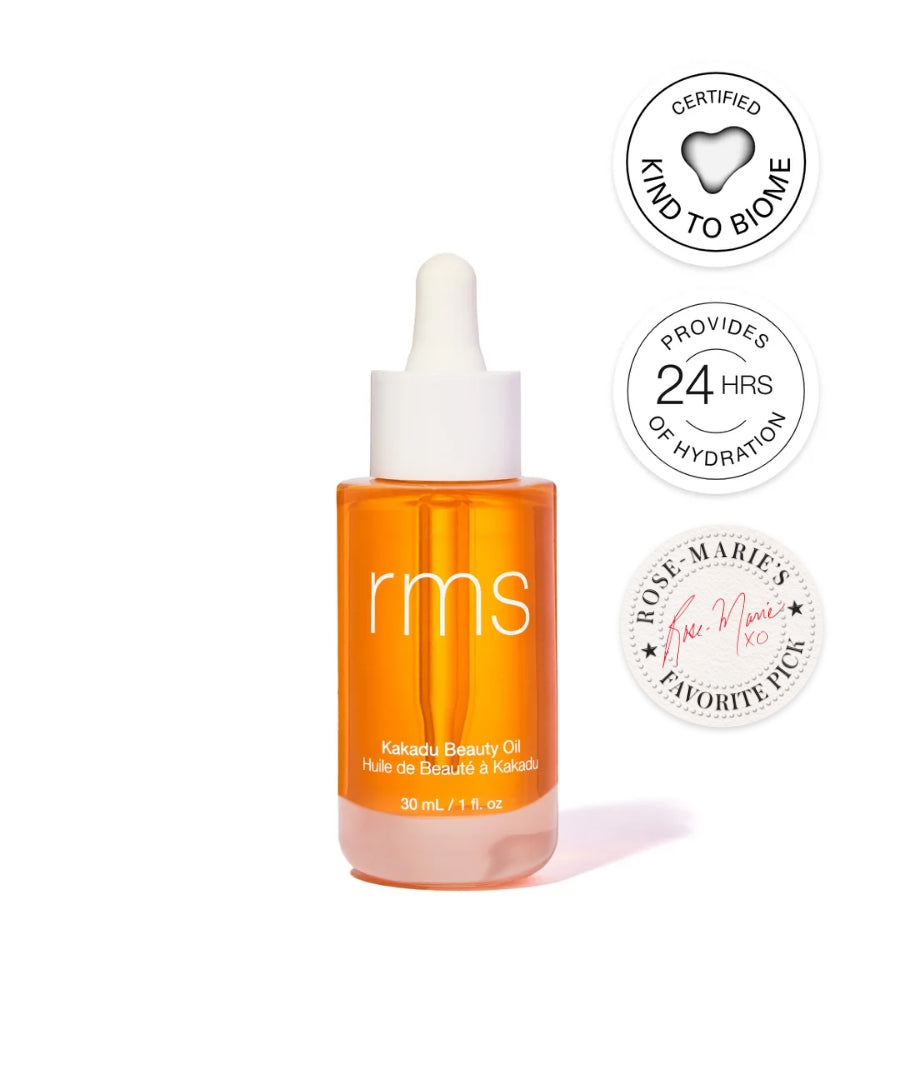
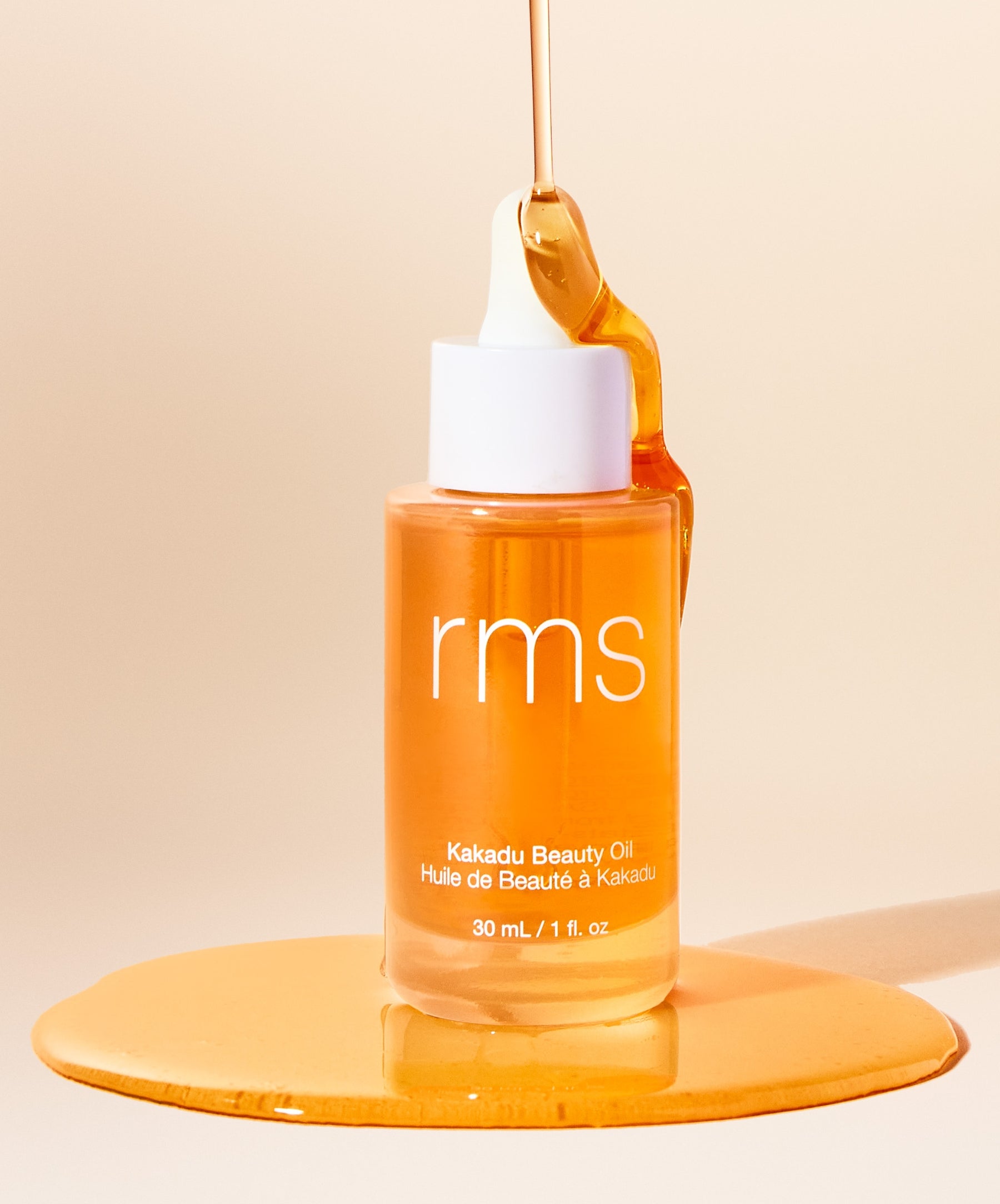
Kakadu Beauty Oil