Skip to main content


What Does a Moisturizer Do for Your Skin? A Complete Guide
Moisturizer is the one skincare step almost everyone agrees on, yet few people can explain what it actually does beyond adds moisture. A good moisturizer does not just hydrate. A good moisturizer protects your skin barrier, smooths texture, and sets the stage for everything else in your routine to work harder.
So what does face moisturizer do at a functional level? Here is everything you need to know.
What Does a Face Moisturizer Do?
A moisturizer is a formulation designed to reinforce your skin's moisture levels and prevent water loss through the stratum corneum, your skin's outer layer. What does moisturizer do to your face in practical terms? A well-formulated product reduces dryness, supports the skin barrier, and keeps your complexion smooth and balanced.
Your Skin Barrier and Why Moisturizer Protects It
Your skin barrier is made up of cells held together by lipids and fatty acids. When that barrier is compromised, through weather, over-cleansing, or environmental stress, skin can feel tight, look dull, and become more reactive. Moisturizers work by replenishing lipids and locking in the water your skin already holds. A face cream with Kakadu Plum and Shea Butter takes that a step further by delivering antioxidant-rich ingredients alongside deep hydration.
Humectants, Emollients, and Occlusives Explained
Most moisturizers rely on three categories of ingredients working together.
- Humectants (like Hyaluronic Acid and Glycerin) draw water from the environment and deeper skin layers into the outer skin.
- Emollients (like Vegetable Squalane and plant oils) fill in gaps between skin cells, softening texture and reducing roughness.
- Occlusives (like Shea Butter and natural waxes) create a protective seal on the skin's surface, preventing moisture from evaporating.
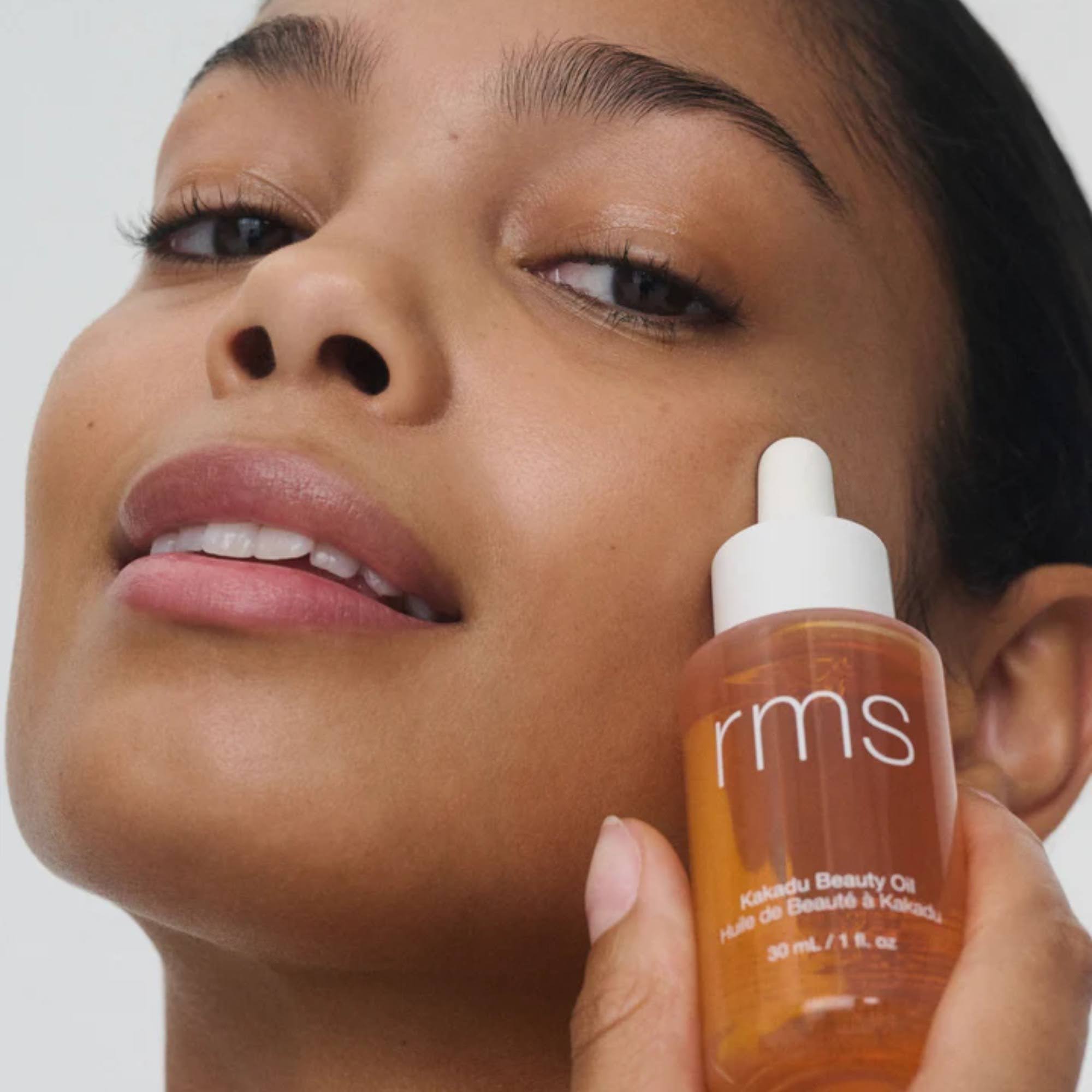
The most effective moisturizers combine all three. A lightweight hydrating facial oil rich in Jojoba, Rosehip, and Buriti oils works as both an emollient and an occlusive, sealing in the hydration your skin needs.
What Skipping Moisturizer Can Do
Going without moisturizer does not train your skin to produce more oil. Chronically under-hydrated skin often overcompensates by producing excess sebum, leading to congestion and an uneven surface. Dehydrated skin also shows fine lines more prominently.
Benefits of Moisturizing Your Face Everyday
Consistency matters more than the amount of product you use. The benefits of moisturizing your face everyday build over time, and most people notice a visible difference within a few weeks of a reliable routine.
Deeper, Longer-Lasting Hydration
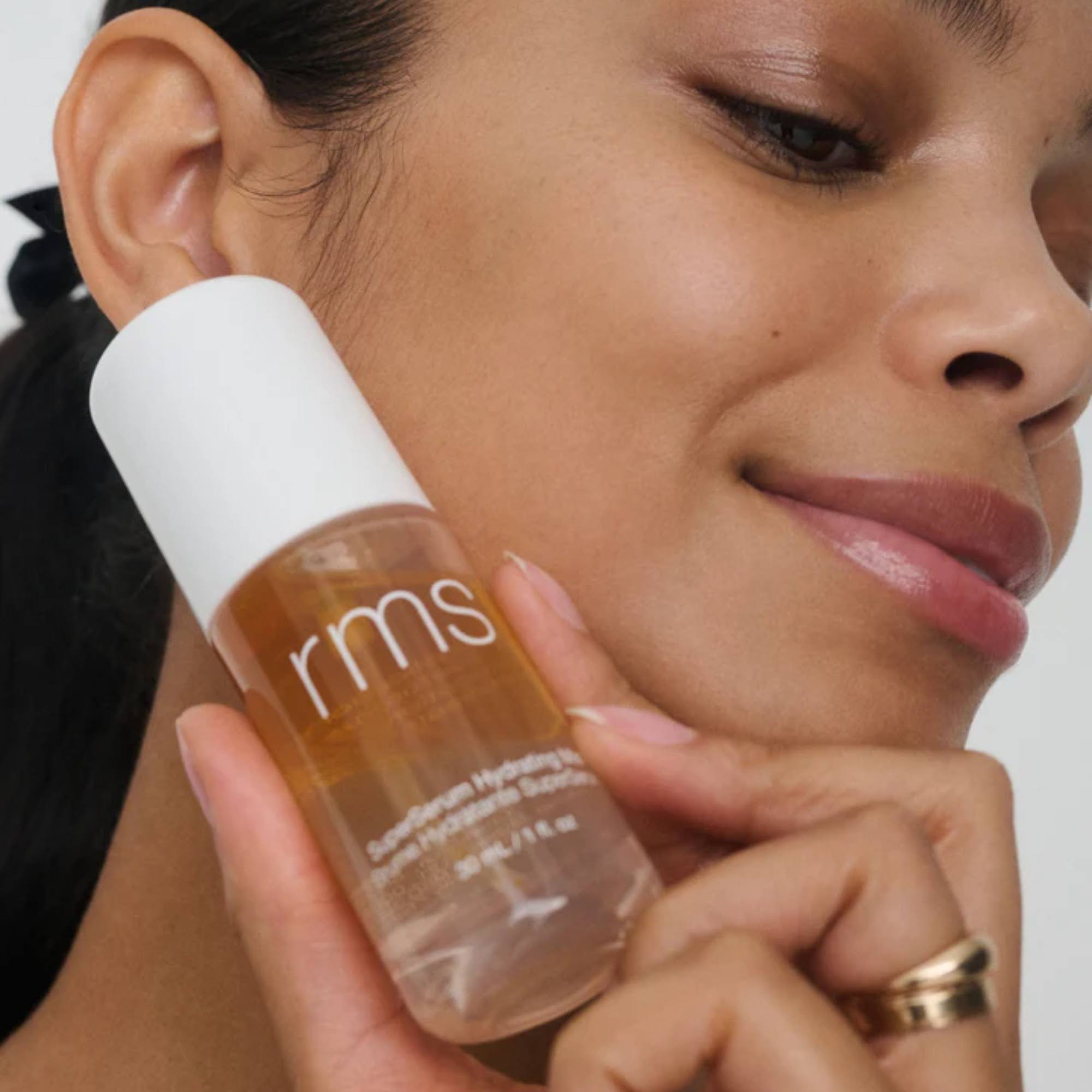
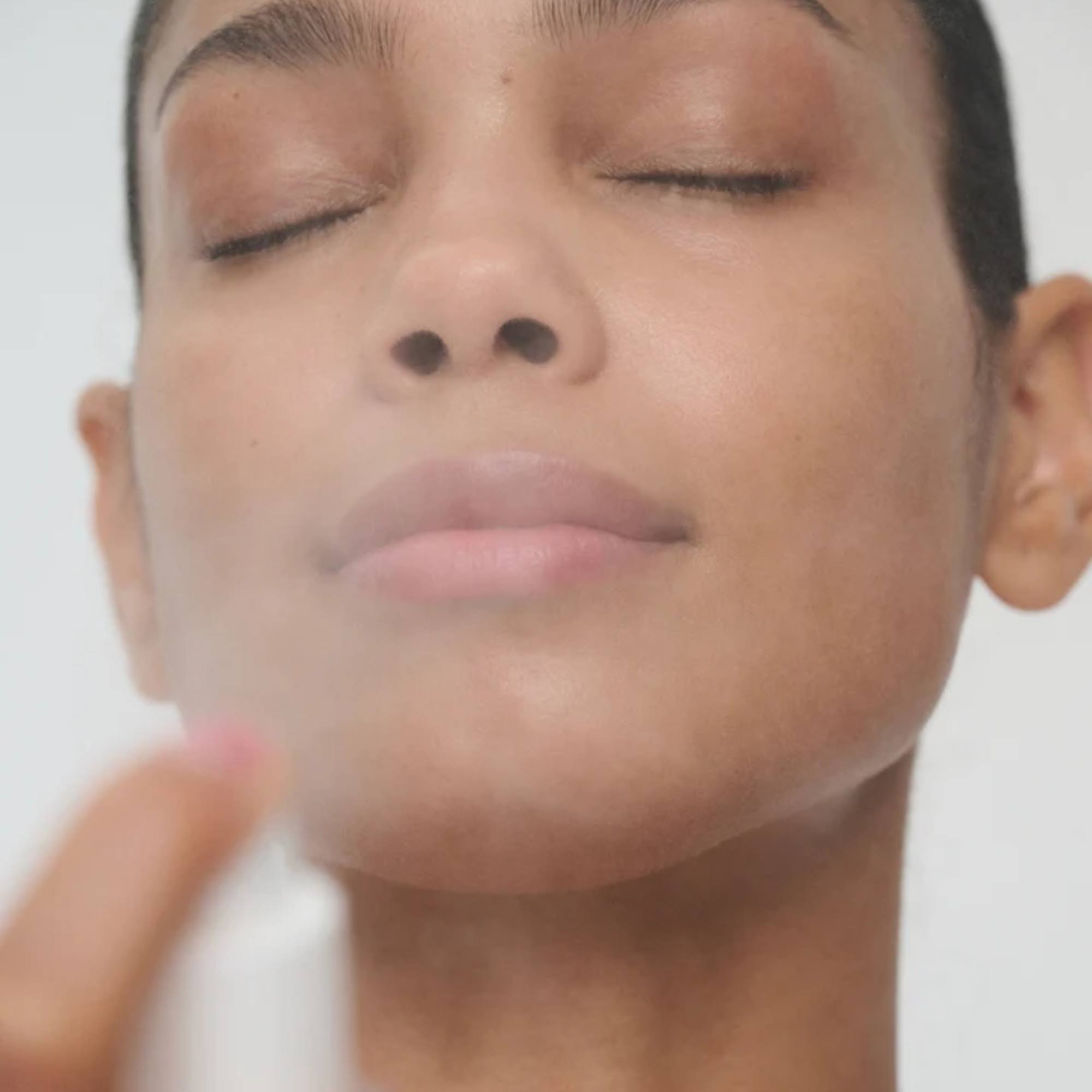
Daily moisturizing keeps your skin's water content stable instead of cycling between dry and overcompensated. Ingredients like Hyaluronic Acid draw moisture into the skin to visibly plump and replenish hydration. Adding a dual-phase hydrating serum mist to your routine, powered by GlowPlex™ and Kakadu Plum, can provide an instant boost of nourishment while smoothing and brightening skin tone over time.
Smoother Texture and More Even Tone
One of the most underrated moisturizers for face benefits is texture improvement. Consistent hydration softens rough patches and helps skin cells turn over more evenly. Niacinamide, a form of vitamin B3 found in many clean formulations, is known to help brighten skin tone and smooth uneven texture when used regularly.
Reduced Appearance of Fine Lines
Well-hydrated skin simply looks plumper. Fine lines become less visible when skin cells are fully saturated with moisture, and ingredients like Kakadu Plum, one of the most natural and stable forms of Vitamin C, provide antioxidant support that helps reduce the look of fine lines and wrinkles over time.
A Smoother Base for Makeup
Makeup sits better on hydrated skin. Full stop. A hydrated surface means fewer dry patches catching product, less creasing, and a more natural finish. Also consider a silicone-free hydrating primer with Hyaluronic Acid and Vegetable Squalane that locks in skincare and grips makeup for hours, giving skin a smooth, radiant starting point.
How to Choose the Right Moisturizer for Your Skin Type
Not every moisturizer works the same way for every person. Your skin type, environment, and routine all affect which formula gives you the best results.
| Skin Type | Best Texture | Key Ingredients to Look For | What to Avoid |
|---|---|---|---|
| Oily / Combination | Lightweight gel or mist | Niacinamide, Hyaluronic Acid, Squalane | Heavy butters, mineral oil |
| Dry / Very Dry | Rich cream or oil | Shea Butter, Kakadu Plum, Jojoba Oil | Alcohol-based formulas |
| Sensitive | Fragrance-free cream | Squalane, Adaptogenic herbs, Calendula | Synthetic fragrances, sulfates |
| Normal / All Types | Medium-weight cream or serum-oil | Vitamin C (Kakadu Plum), Buriti Oil, Niacinamide | Silicones, parabens |
Lightweight Formulas for Oily and Combination Skin
Oily skin still needs moisture. A water-based serum mist or a lightweight oil that mimics your skin's natural sebum, like Jojoba Oil, hydrates without heaviness. Squalane is a particularly good option because it balances oil production and seals in moisture without clogging pores.
Rich Creams and Oils for Dry Skin
Dry skin benefits from layering. Start with a hydrating mist, follow with a nourishing facial oil that absorbs easily and delivers a radiant glow, then seal everything in with a rich yet lightweight face cream that keeps skin feeling plumped and nourished all day.
What to Look for If You Have Sensitive Skin
Sensitive skin responds best to formulas that are dermatologist-tested, free of synthetic fragrances, and formulated without parabens, sulfates, and phthalates. Adaptogenic herbs, Calendula, and plant-derived Squalane offer soothing hydration without reactive flare-ups.
How to Apply Moisturizer for Best Results
The way you apply moisturizer affects how well it performs. A few adjustments in technique can make a noticeable difference.
When and How Much to Use
Apply moisturizer twice daily, morning and evening, after cleansing. A pea-sized amount for lightweight formulas and a dime-sized amount for richer creams is usually enough for the full face and neck. For facial oils, 2-3 drops massaged into damp skin is the sweet spot.
The Right Order in Your Routine
Skincare layers from thinnest to thickest consistency.
- Cleanser
- Serum or hydrating mist
- Facial oil
- Moisturizer or face cream
- SPF (morning only)
A tinted moisturizer with mineral SPF can combine the last two steps, giving your skin sun protection and lightweight coverage in one product.
Mistakes That Reduce Your Moisturizer's Effectiveness
- Applying to fully dry skin. Moisturizer works best on slightly damp skin, which helps humectants draw in more water.
- Using too much product. Excess product just sits on top and can lead to congestion.
- Skipping your neck and décolleté. The skin below your jawline ages just as quickly and needs the same attention.
Final Thoughts
Moisturizer is not a luxury step. Moisturizer is the foundation of healthy, balanced skin, and the benefits of moisturizing the face consistently are backed by how skin actually functions. The right formula keeps your barrier strong, your texture smooth, and your complexion genuinely well-cared-for.
At RMS Beauty, every skincare product is formulated with clean, thoughtfully sourced ingredients that nourish skin while delivering real results. No synthetic fragrances, no parabens, no compromises. Performance-first clean beauty, backed by over 30 years of professional expertise.
Shop the full RMS Beauty skincare collection.
Frequently Asked Questions
Q. What does moisturizer do to your face overnight?
Overnight, moisturizer supports your skin's repair process by preventing moisture loss while you sleep. A rich face cream with Shea Butter and Kakadu Plum helps skin wake up plumped and smooth.
Q. Can you use moisturizer if you have oily skin?
Yes. Oily skin still loses water, and skipping moisturizer can trigger more oil production. Lightweight, non-comedogenic formulas with Squalane or Hyaluronic Acid hydrate without adding excess oil.
Q. How long does it take to see the benefits of moisturizing the face?
Most people notice softer, smoother skin within a few days of consistent use. Improvements in texture, tone, and fine lines typically become visible after 2-4 weeks of daily application.
Q. Should you apply moisturizer before or after sunscreen?
Moisturizer goes on before sunscreen. Allow it to absorb for a minute or two, then apply SPF as the final step. A tinted moisturizer with built-in mineral SPF can combine both steps.
Q. Do I need different moisturizers for morning and night?
Morning formulas tend to be lighter, often incorporating SPF or primer-like benefits. Evening formulas are richer, designed to support overnight repair. A versatile face cream can work for both if needed.
Q. What ingredients should you look for in a face moisturizer?
Hyaluronic Acid for hydration, Squalane for moisture retention, Niacinamide for tone and texture, and antioxidant-rich ingredients like Kakadu Plum (a potent, stable form of Vitamin C) for long-term skin health.
Shop The Blog
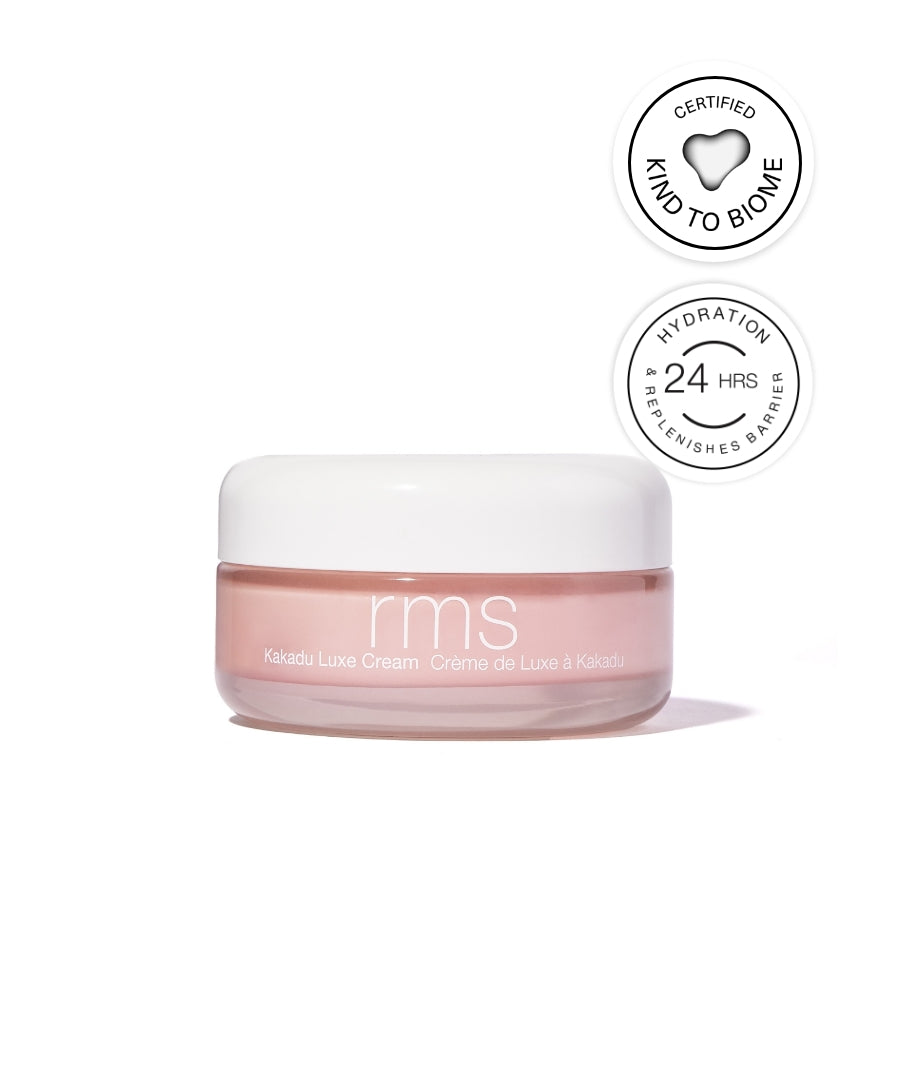
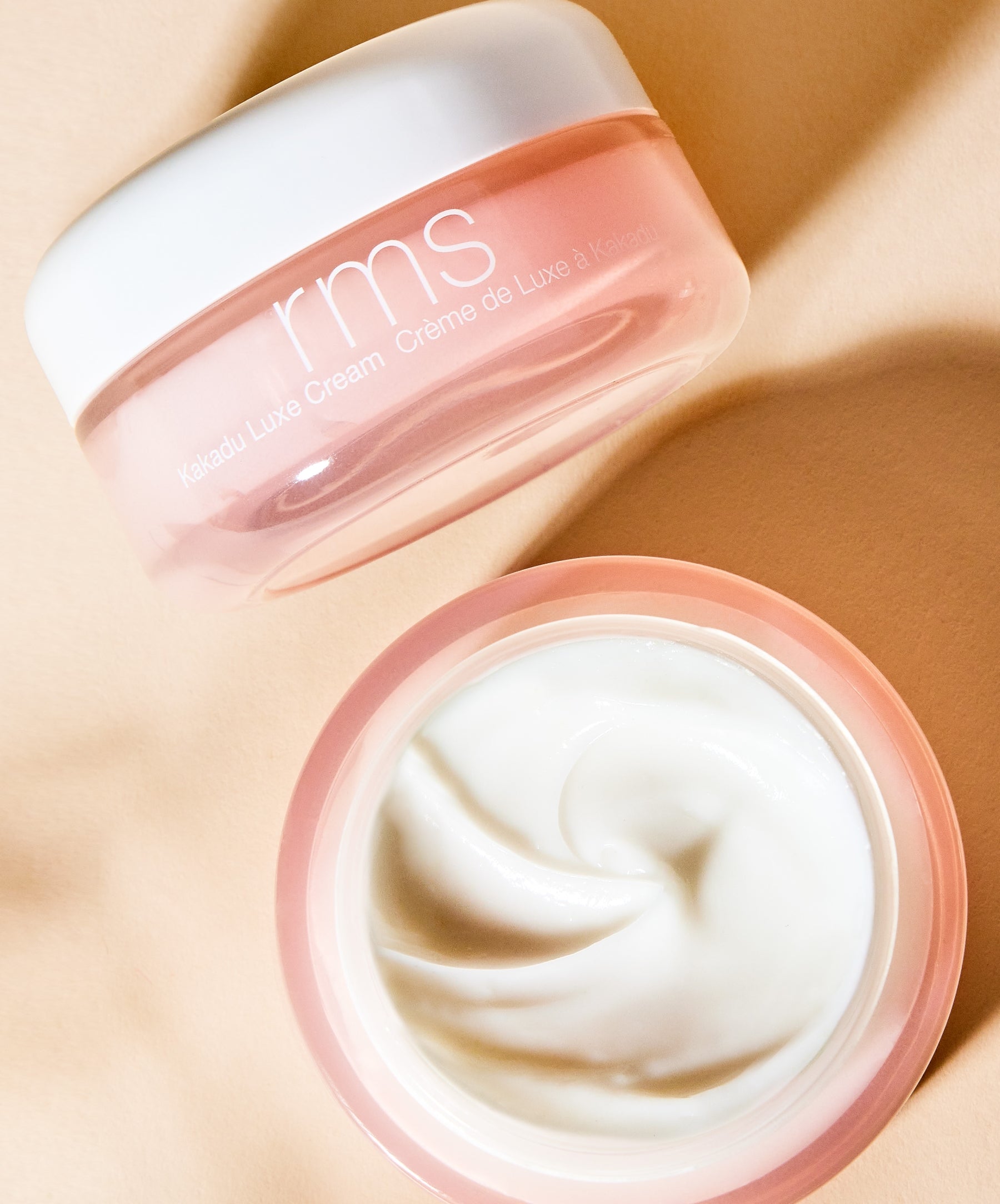
Kakadu Luxe Cream
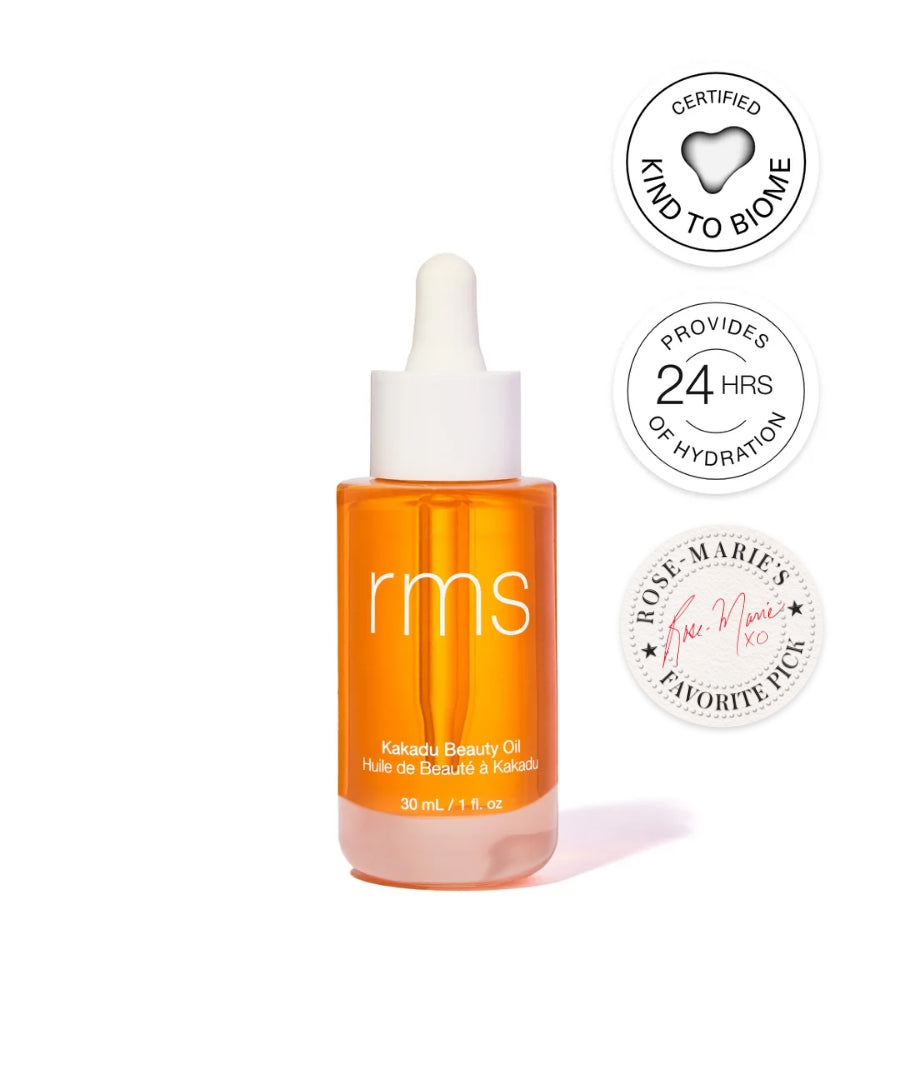
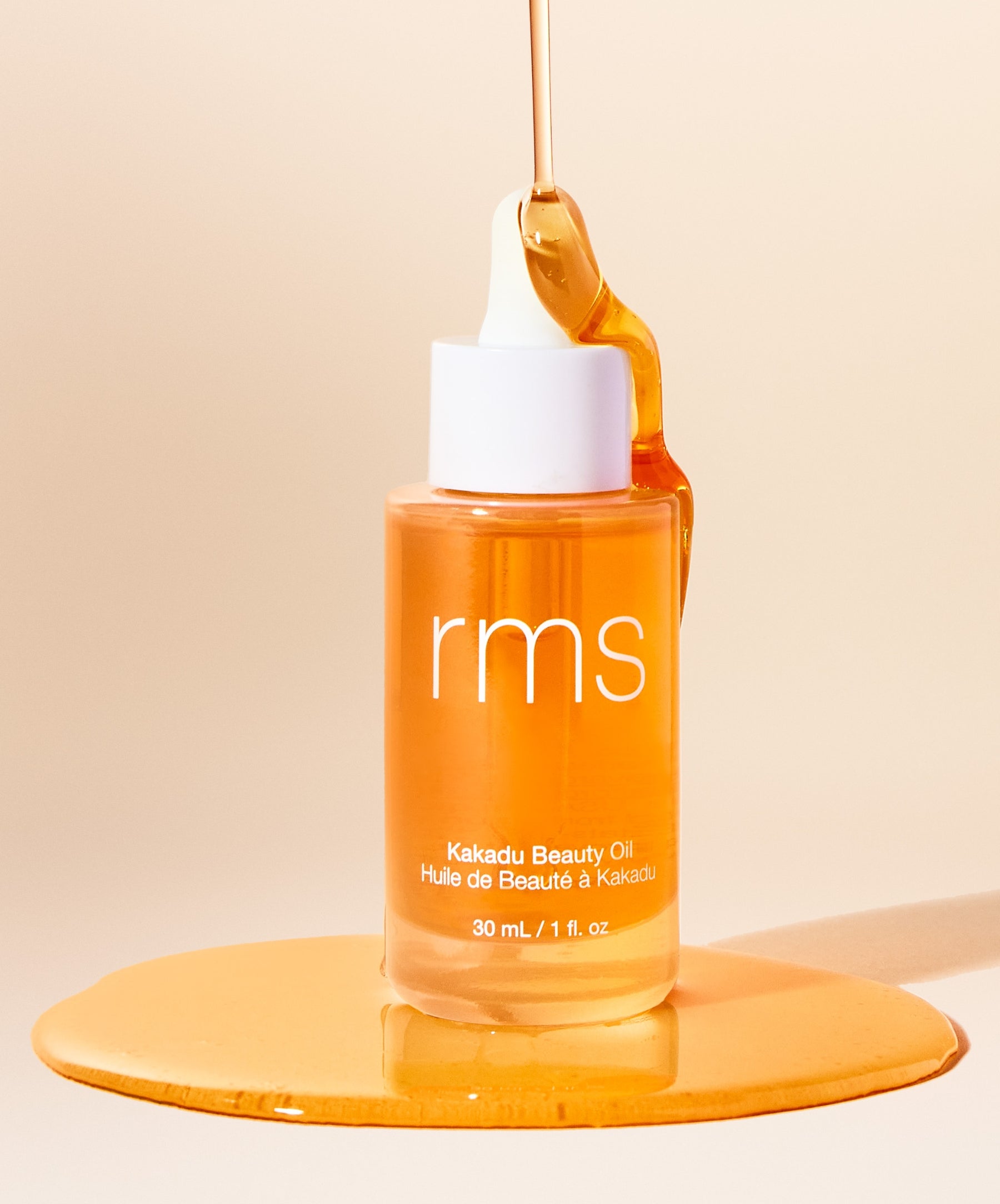
Kakadu Beauty Oil
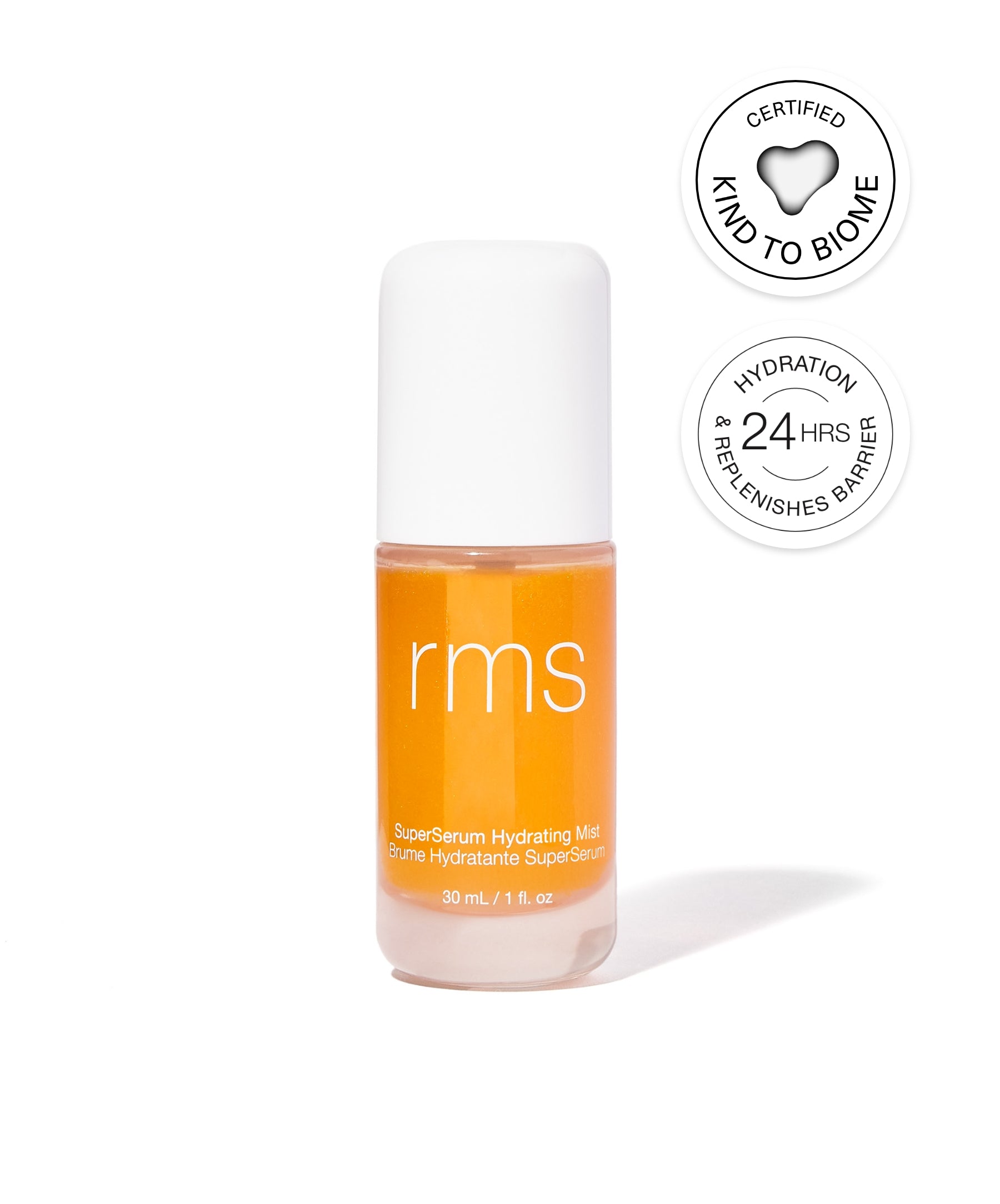
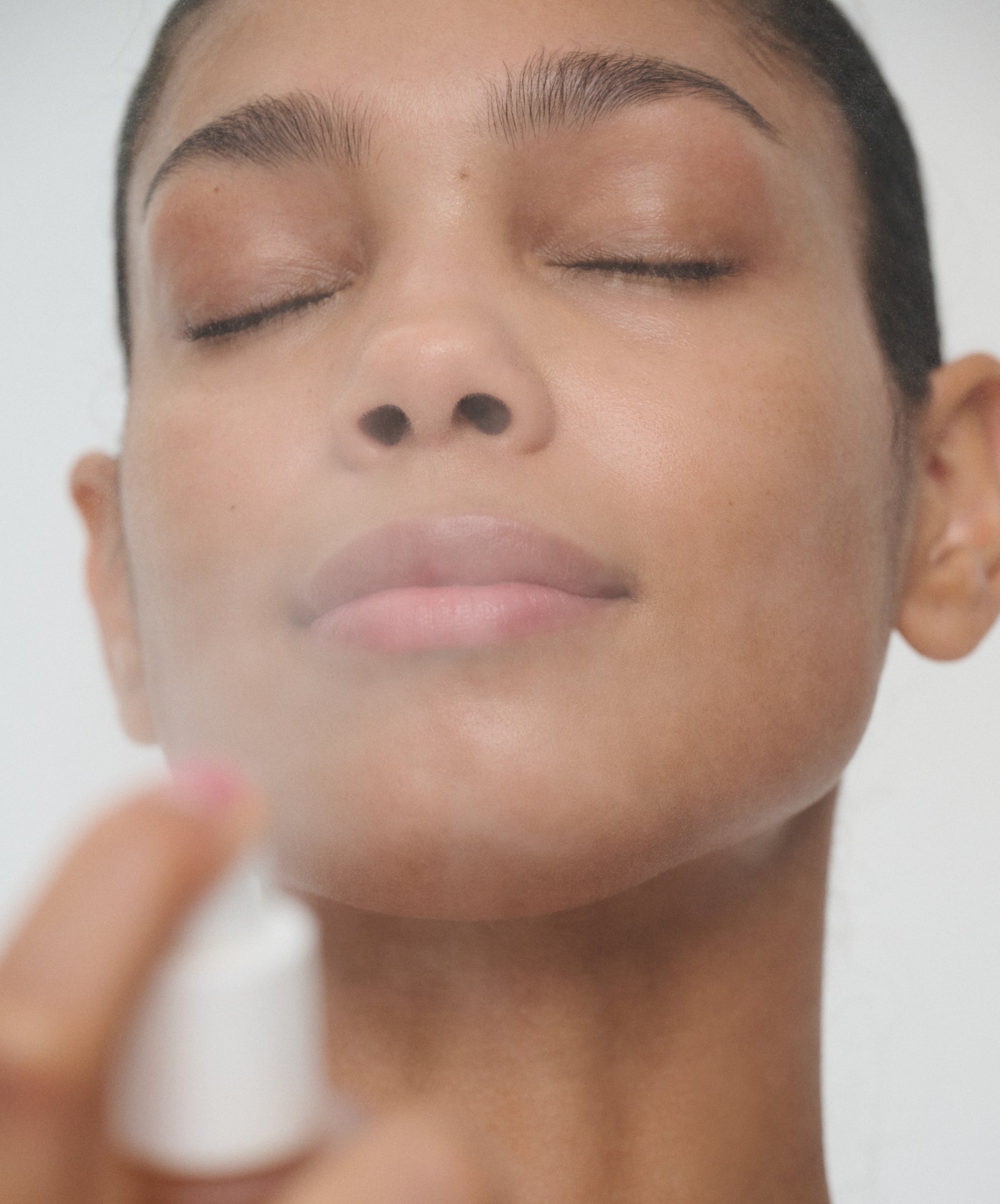
SuperSerum Hydrating Mist