Skip to main content




The Role of a Cleanser in Your Daily Skincare Routine
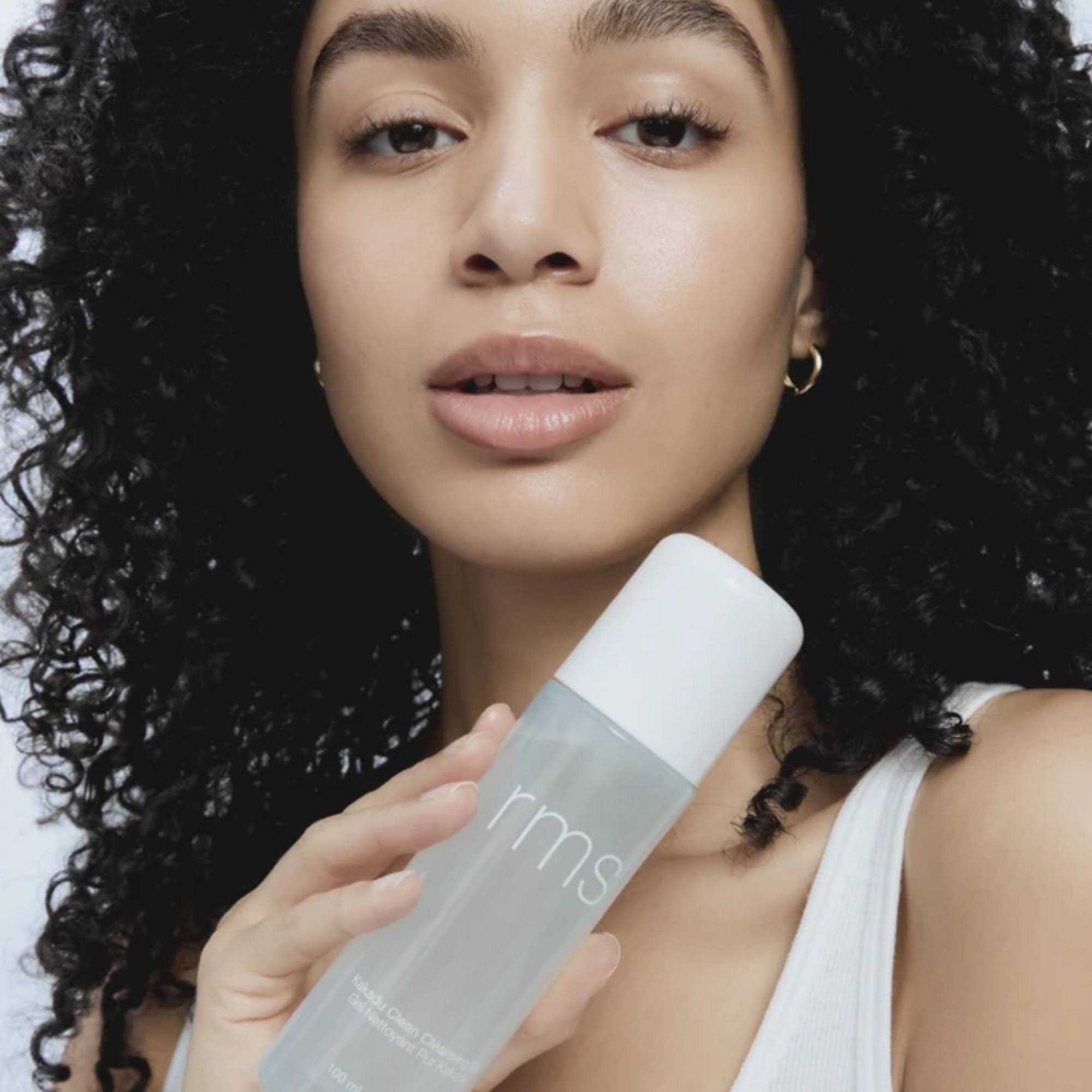
Your skincare routine is only as strong as its first step. And that first step? A cleanser.
What is a cleanser? A cleanser is a skincare product formulated to remove dirt, excess oil, sweat, SPF, and makeup from the skin without stripping away its natural moisture balance. Unlike traditional soap, which can disrupt the skin's pH and leave it feeling tight, a well-formulated cleanser works with the skin, not against it. The right one leaves your face feeling soft, balanced, and ready for every product that follows.
Whether you're someone who wears full-coverage makeup or prefers bare skin, cleansing is the non-negotiable foundation of any routine.
What Does a Cleanser Do for Your Skin
A cleanser does more than just wash your face. Understanding what a cleanser does and why the formulation matters helps you get more out of every skincare step you take after.
Clears Away Makeup, Oil, and Daily Buildup
Throughout the day, skin accumulates oil, environmental debris, sweat, and product residue. A good cleanser dissolves and lifts all of that without aggressive scrubbing. For heavy or long-wear makeup, a nourishing cleansing balm that transforms from balm to oil can break down stubborn products while keeping moisture intact.
Helps Maintain Clear, Balanced Pores
When excess sebum and dead skin cells sit on the surface too long, pores can become clogged. Regular cleansing keeps that buildup in check and supports a clearer, more balanced complexion. A silicone-free foaming gel cleanser can purify and reduce the appearance of pores without drying your skin out.
Prepares Skin to Absorb Serums, Oils, and Moisturizers
Clean skin is receptive skin. Serums, oils, and moisturizers perform better when applied to a freshly cleansed surface, free of barriers like leftover SPF or makeup residue. That's why cleansing is always Step One, not an afterthought.
Types of Cleansers and How They Differ
Not all cleansers work the same way, and what a cleanser is used for depends entirely on its format and ingredients. Picking the right type for your skin prevents both over-cleansing and under-cleansing.
Here's a breakdown of the most common cleanser formats:
Cleansing Balms and Oil-Based Cleansers
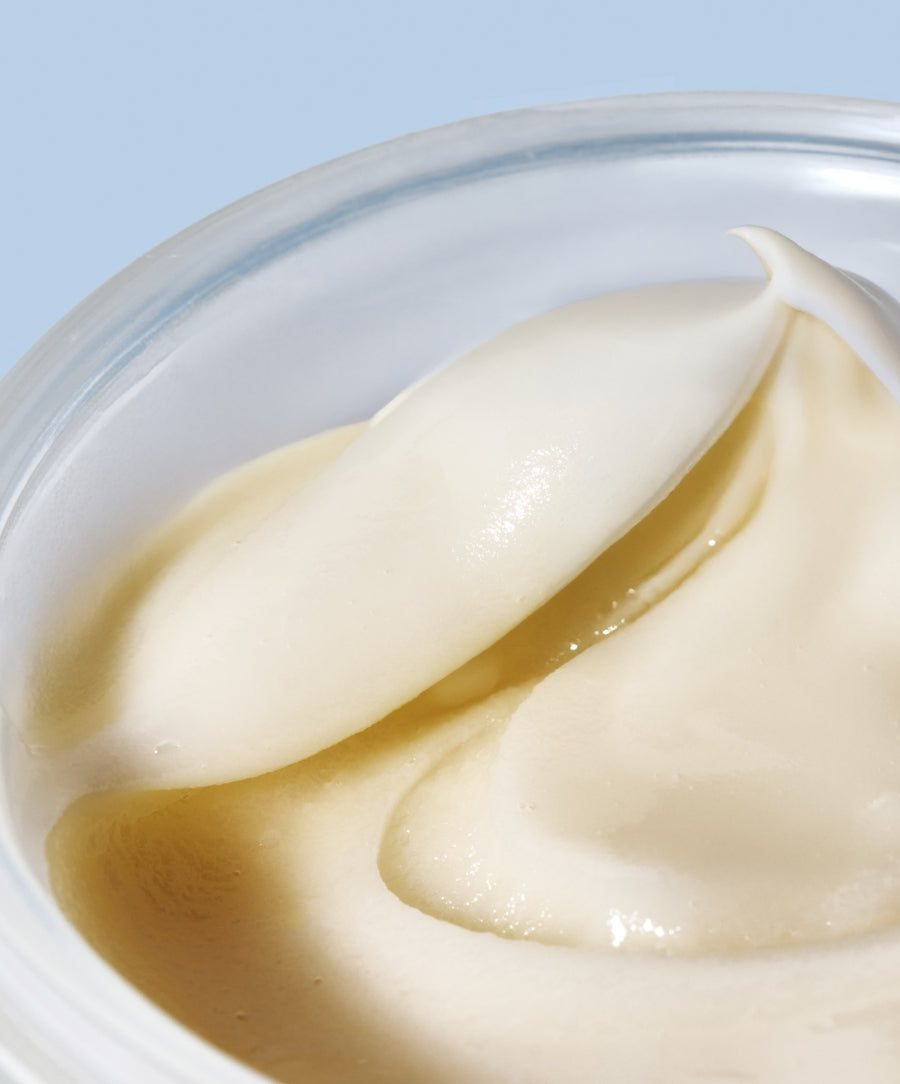
Balm-to-oil cleansers are excellent at dissolving makeup, sunscreen, and daily grime. The texture starts rich and transforms into an oil when warmed between the palms, then emulsifies into a milky lather with water for a clean rinse. These formulas are ideal for dry, normal, or sensitive skin because they cleanse deeply while nourishing.
Gel-to-Foam and Foaming Cleansers
A gel-to-foam cleanser lathers gently when massaged into damp skin. The foaming action lifts oil and impurities from the surface without the harshness of traditional soap. Oily, combination, and normal skin types tend to prefer this format because the lather feels thorough and refreshing.
Makeup Remover Wipes
Wipes are designed for convenience. Clean makeup remover wipes can melt away stubborn face and eye makeup while softening and hydrating skin. Wipes work well for travel, post-gym, or nights when a full routine feels like too much.
How to Use a Cleanser in Your Morning and Night Routine
A cleanser works hardest when used at the right time, in the right way. Here's how to build cleansing into both halves of your day.
Morning Cleanse
Overnight, skin produces oil and sheds dead cells. A gentle morning cleanse removes that buildup and creates a fresh base for skincare and makeup. A lightweight gel-to-foam cleanser works well here. Apply 1-2 pumps to damp skin, massage in circular motions, rinse, and pat dry.
Evening Cleanse
Evenings call for a more thorough cleanse. Makeup, SPF, and a full day of environmental exposure need to come off before your skin can rest and renew. An oil-based balm applied to dry skin will dissolve everything on the surface, then rinse clean when emulsified with water.
Double Cleansing, Explained
Double cleansing pairs an oil-based first step with a water-based second step. The oil cleanser handles makeup and sunscreen, and the foaming or gel cleanser sweeps away any remaining impurities and excess oil. A cleanser duo designed for double cleansing makes the two-step process simple and ensures both formulas are compatible.
What to Look for in a Clean Facial Cleanser
What does a cleanser do when the formula is poorly made? Not much, and sometimes harm. The ingredients inside your cleanser matter just as much as your cleansing technique.
Ingredients That Nourish While Cleansing
Look for cleansers built with naturally derived surfactants, antioxidant-rich botanicals, and moisture-supporting oils. Bio-based surfactants from sources like apple and Brazilian babassu oil clean and condition simultaneously. Ingredients like Kakadu Plum Extract bring antioxidant protection and help brighten the complexion, while Wild Mint Leaf Extract balances skin flora, soothes, and reduces the appearance of oily skin and pore size.
What Your Cleanser Should Leave Out
A cleanser free of parabens, sulfates, phthalates, synthetic fragrances, and silicones is less likely to irritate skin or disrupt its natural barrier. RMS Beauty formulates with 2,700+ banned ingredients (compared to just 30 banned in the US), and every ingredient is fully disclosed.
Microbiome-Friendly Formulas Matter
Your skin has a living ecosystem of beneficial bacteria, and harsh cleansers can throw that off balance. KIND TO BIOME® certified products are science-based formulas that meet high standards of skin microbiome assessment, supporting the skin's natural microbiome rather than disrupting it.
What Comes After Cleansing
A cleanser sets the stage for everything that follows.
- After cleansing, layering a hydrating serum mist delivers instant nourishment and helps lock in moisture.
- Follow with a lightweight moisturizer to hydrate the skin.
- Apply sunscreen during the daytime.
- At night, consider a lightweight face oil to seal hydration.
Final Thoughts
A cleanser is the quiet workhorse of every skincare routine. No serum, oil, or moisturizer performs at its best on uncleansed skin. Getting the first step right means every step after works harder for you.
At RMS Beauty, cleansers are formulated with the same clean, skin-loving ingredients and uncompromising standards that define every product in the line, from KIND TO BIOME® certification to naturally derived surfactants and full ingredient transparency.
Shop the full skincare collection at RMS Beauty.
Frequently Asked Questions
Q. What is a cleanser, and how is it different from soap?
A cleanser is formulated to remove dirt, oil, and makeup without stripping the skin's moisture barrier. Soap typically disrupts the skin's natural pH, which can leave skin dry and irritated.
Q. What does a cleanser do that water alone cannot?
Water cannot dissolve oil-based impurities like makeup, sunscreen, or excess sebum. A cleanser uses surfactants to break down and lift these substances from the skin's surface.
Q. Should I cleanse my face in the morning and at night?
Yes. Morning cleansing removes oil and dead skin cells that accumulate overnight. Evening cleansing removes makeup, SPF, and environmental debris before bed.
Q. What is the difference between a cleansing balm and a gel cleanser?
A cleansing balm uses an oil-based formula to dissolve heavy makeup and nourish dry skin. A gel cleanser lathers into foam and is better suited for oily or combination skin that needs a lightweight, purifying cleanse.
Q. Can I use the same cleanser for makeup removal and daily cleansing?
Some cleansers handle both jobs. A balm-to-oil formula works well as a makeup remover and daily cleanser in one step, though double cleansing with two different formats delivers a more thorough result.
Q. What does KIND TO BIOME® certified mean for a cleanser?
KIND TO BIOME® certification means the product has been scientifically assessed to be gentle on the skin's natural microbiome, supporting beneficial bacteria rather than disrupting them.
Shop The Blog
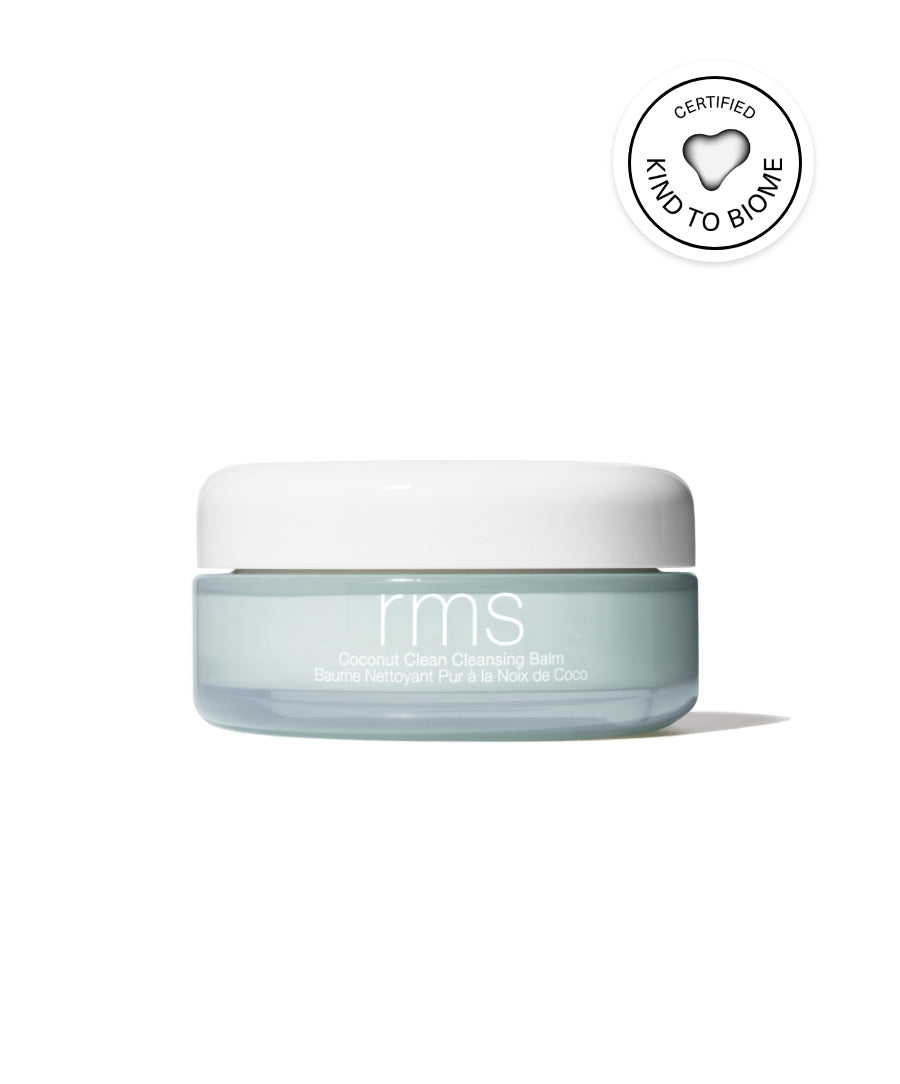
Coconut Clean Cleansing Balm
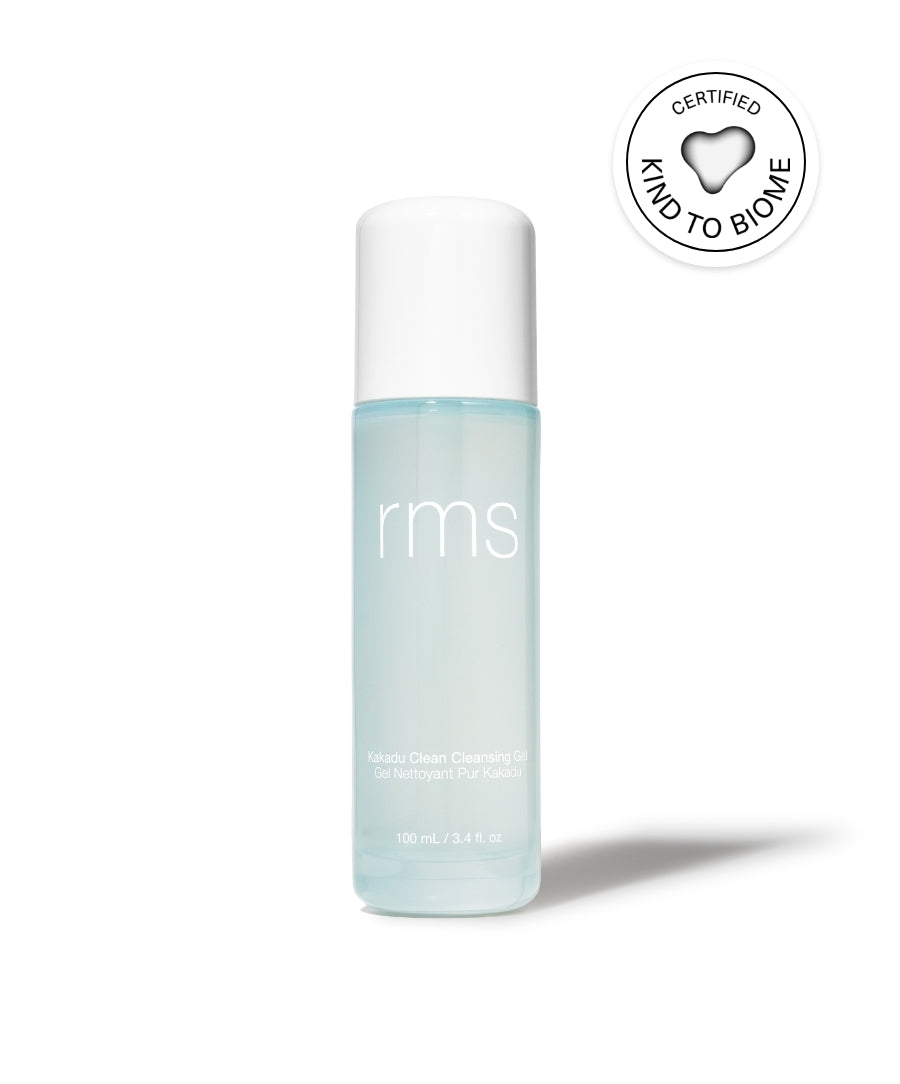
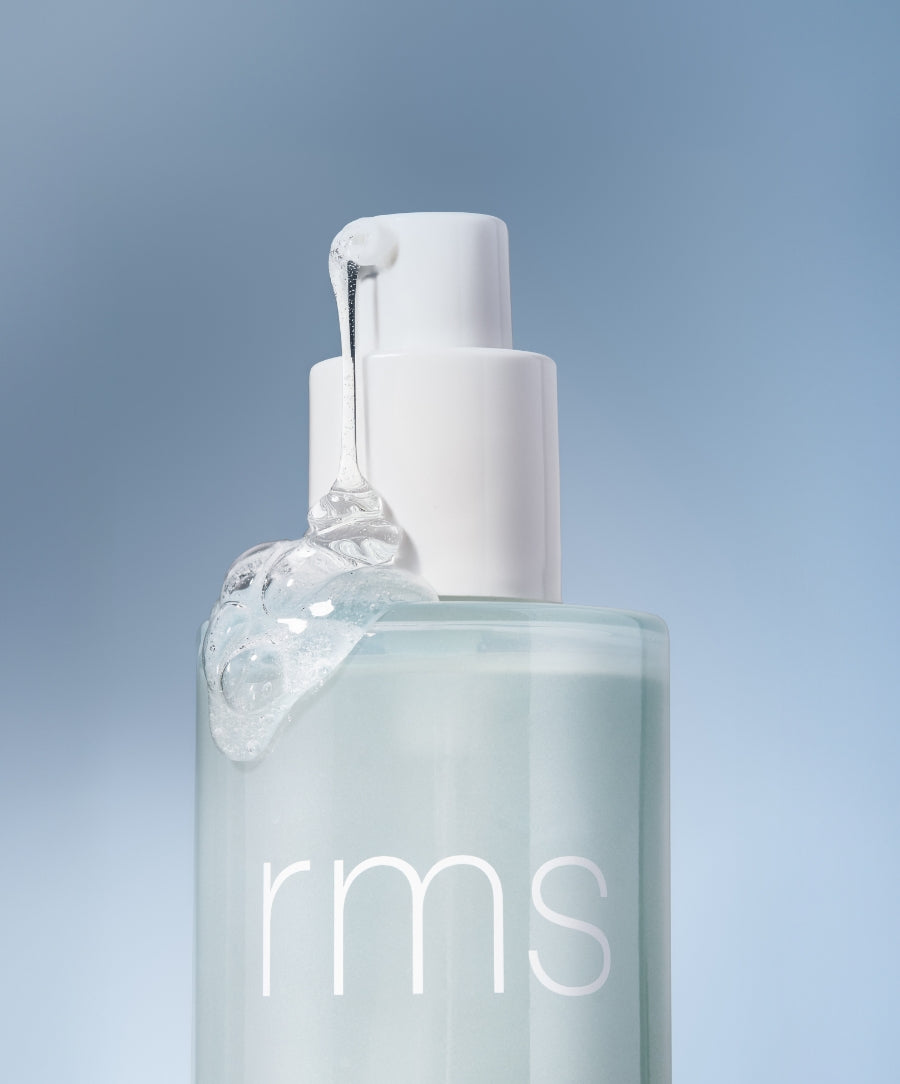
Kakadu Clean Cleansing Gel

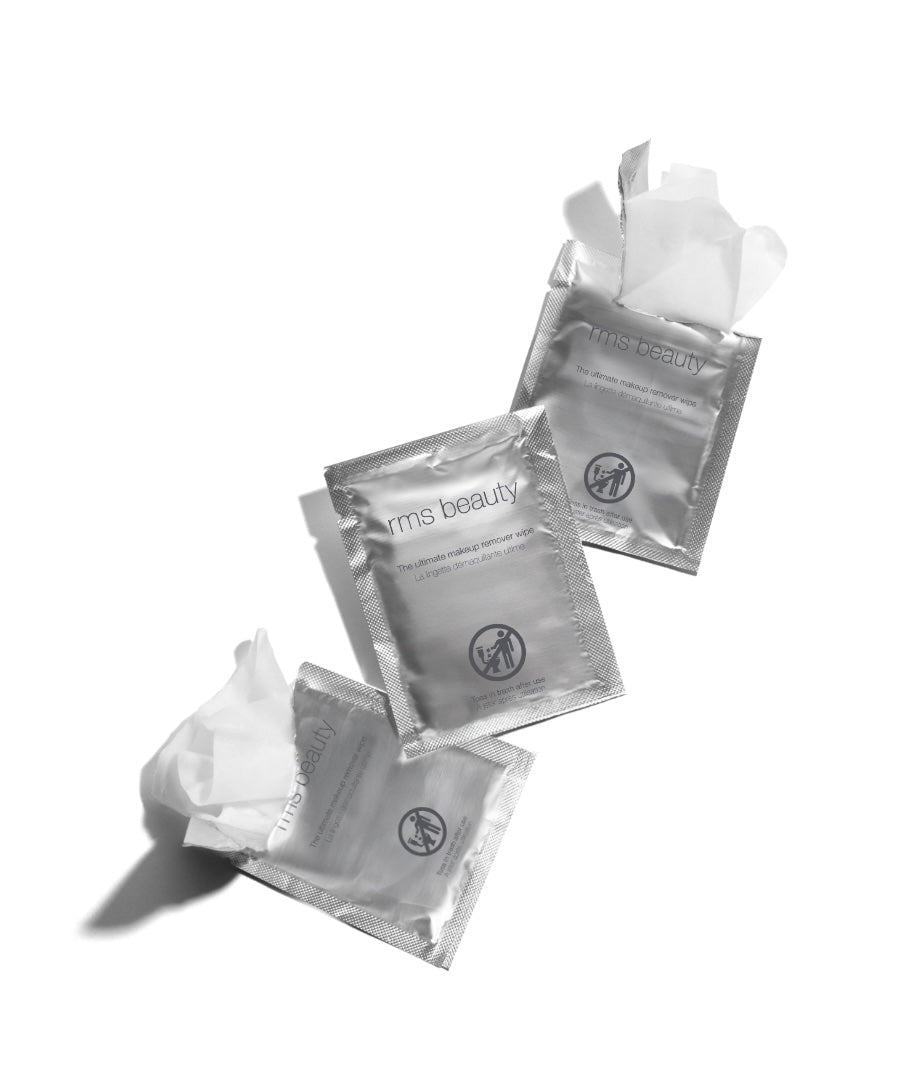
Makeup Remover | Ultimate Makeup Remover Wipe