Skip to main content


What Is Squalane and Why Is It So Popular in Skincare?
Your skin already knows squalane. Or, more precisely, your skin already makes a version of the molecule called squalene, a lipid produced by your sebaceous glands to keep the surface soft, supple, and protected. Squalane is simply the stabilized, plant-derived form of that same lipid, refined so the ingredient stays effective inside a bottle instead of oxidizing within hours.
So what is squalane doing in seemingly every serum, primer, and moisturizer on the market right now? A fair question, especially when so many "hero ingredients" come and go with the seasons. But squalane has earned its staying power. Lightweight, fast-absorbing, and non-comedogenic, the ingredient sinks into skin the way water sinks into a sponge, leaving nothing greasy behind but leaving everything hydrated.
How Squalane Actually Works on Your Skin
Squalane is an emollient, a class of ingredient that fills microscopic gaps between skin cells, smooths the surface, and prevents moisture from escaping. Unlike humectants that pull water in (like Hyaluronic Acid), squalane's job is to lock in moisture when it’s found, and keep the skin's lipid barrier intact. Here's why that matters.
A Lipid Your Skin Already Produces
Your body makes a version of squalane naturally, called squalene. Found in your sebum, squalene keeps skin flexible and hydrated. Production peaks in your twenties, then steadily declines. Topical squalane replenishes what age takes away, and because the molecule mirrors what your skin already makes, tolerance is excellent across every skin type. Rose-Marie has always said the best skincare ingredients are the ones your body already recognizes.
Fast Absorption, Zero Residue
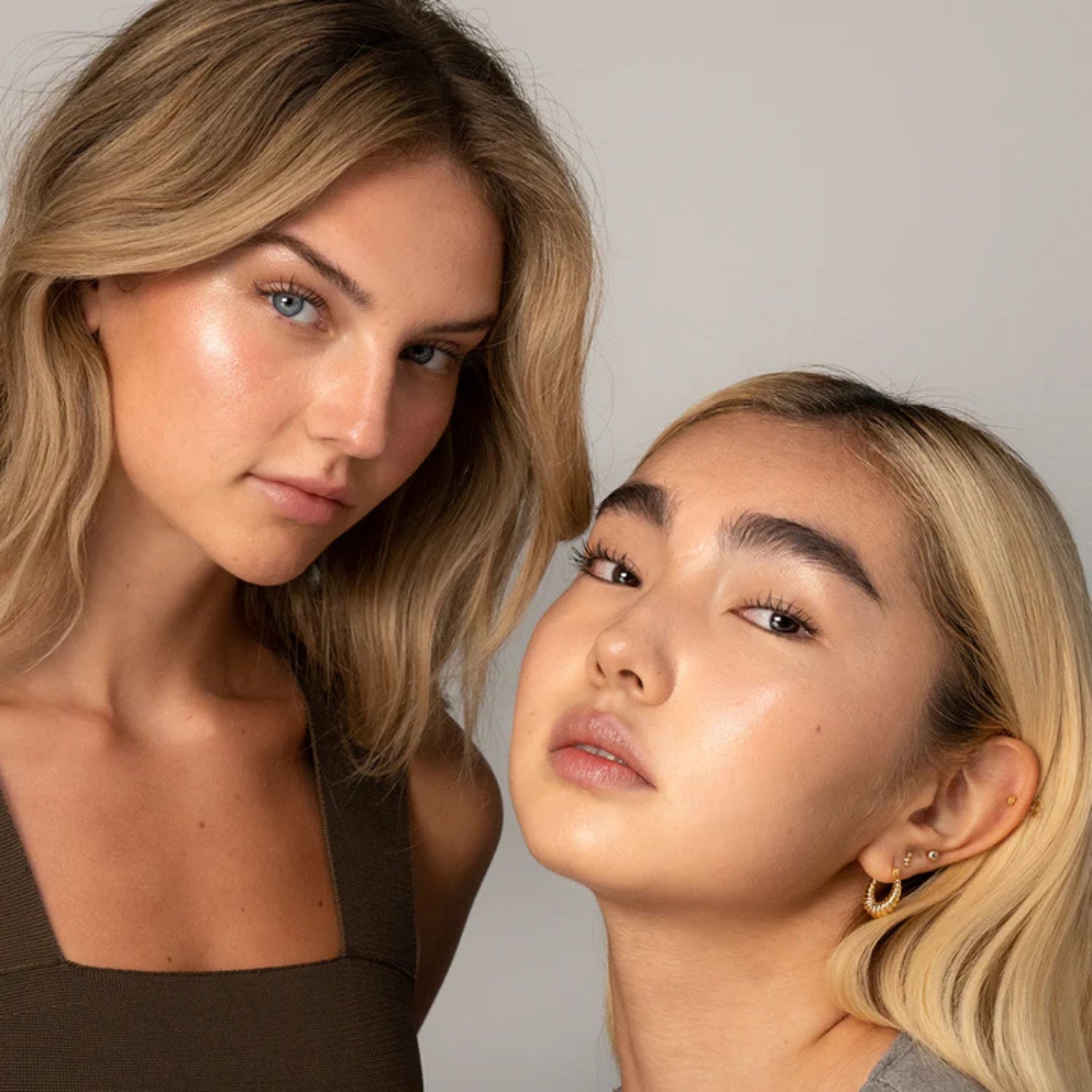
Most face oils sit on the surface for minutes before sinking in. Squalane behaves differently. Because the molecule's structure closely mimics human sebum, skin absorbs the ingredient almost instantly, leaving a silky, weightless finish with no greasy film. Makeup layers smoothly on top, which is exactly why formulators love putting Vegetable Squalane into primers and foundations.
Plant-Derived, Never Shark-Derived
Squalane was historically sourced from shark liver oil. Today, responsible brands use plant-derived Vegetable Squalane from olives, sugarcane, or other plant lipids. RMS Beauty uses exclusively plant-sourced squalane across every formula because ingredient integrity and environmental responsibility go hand in hand.
Real Squalane Benefits for Skin
What does squalane do for skin beyond basic moisture? More than most single ingredients can claim. Here are the core squalane benefits for skin, grounded in how the molecule actually behaves on your face.
- Seals moisture without weight. Squalane reinforces the lipid barrier, reducing transepidermal water loss (TEWL) without the heavy, occlusive feel of traditional oils.
- Absorbs in seconds, not minutes. The molecule's structure closely mimics human sebum, so skin drinks the ingredient in fast, leaving a silky, never-greasy finish.
- Won't clog pores. Period. Squalane is non-comedogenic, making the ingredient safe for oily, acne-prone, and congestion-prone skin types.
- Helps regulate oil production. When skin senses adequate lipid levels from squalane, sebaceous glands ease up. Less overproduction, less midday shine.
- Plays well with everything. Squalane pairs beautifully with Hyaluronic Acid, Niacinamide, Vitamin C, peptides, and gentle retinol alternatives without causing irritation or competition.
How Squalane Differs from Other Moisturizing Ingredients
Not every hydrating ingredient works the same way. Understanding where squalane fits helps you build a smarter routine.
| Ingredient Type | What the Ingredient Does | Example |
|---|---|---|
| Humectant | Draws water into the skin from the environment | Hyaluronic Acid, Glycerin |
| Emollient | Fills gaps between skin cells, smooths surface | Squalane, Jojoba Oil |
| Occlusive | Creates a physical seal to prevent water loss | Shea Butter, Beeswax |
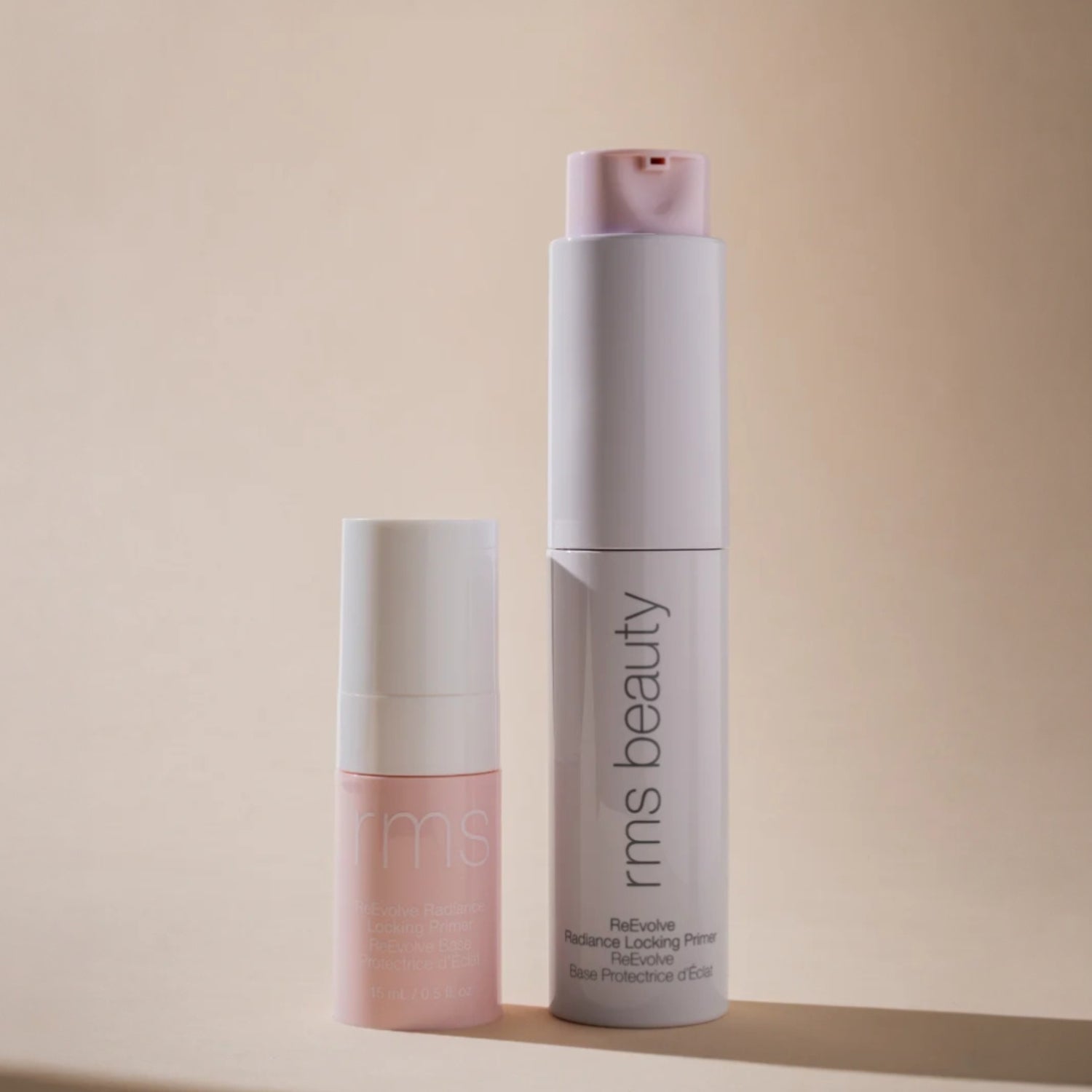
Squalane is an emollient, so the ingredient smooths and softens while sealing moisture in place. Pairing squalane with a humectant like Hyaluronic Acid creates a two-step hydration system: one ingredient pulls water in, the other keeps the water from leaving. A silicone-free hydrating primer that combines both Vegetable Squalane and Hyaluronic Acid handles that pairing in a single step.
Why Every Skin Type Responds Well to Squalane
Squalane for skin is not a dry-skin-only ingredient. Because the molecule mirrors what your body already produces, compatibility runs across the board.
Dry Skin Gets Softness That Stays
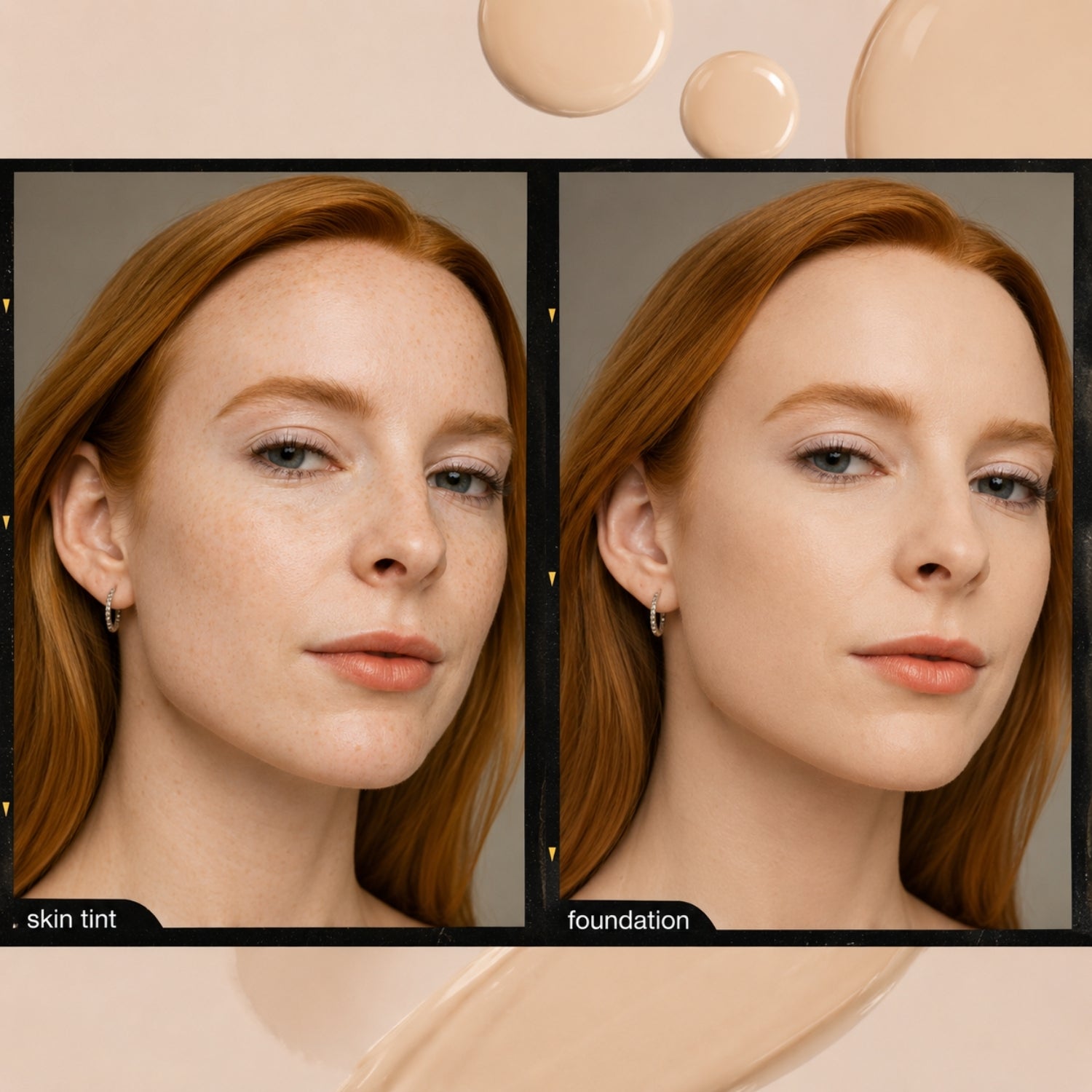
Dry skin isn't just thirsty for water; the lipid layer is often depleted too. Squalane replenishes those lipids, helping skin hold onto moisture instead of losing the moisture to evaporation. Layering a skincare-infused liquid foundation with Vegetable Squalane creates a dewy, comfortable base that doesn't settle into fine lines or get dry patches by midday.
Oily Skin Finds Balance, Not More Shine
This sounds counterintuitive, but dehydrated skin overproduces oil to compensate for what's missing. Squalane gives the skin enough lipid support to signal those glands to slow down. A gel-textured primer with Vegetable Squalane absorbs quickly, balances oil production, and grips makeup all day without adding shine or clogging pores.
Sensitive Skin Tolerates the Ingredient Beautifully
No fragrance, no common allergens, no irritation triggers. Squalane is one of the most universally tolerated actives in skincare, which is why the ingredient appears in formulations designed for reactive, redness-prone, and easily overwhelmed skin types.
How to Use Squalane in a Daily Routine
Getting the most out of squalane skin benefits comes down to when and how you layer.
After Water-Based Products, Before Heavier Creams
Squalane is oil-based, so the ingredient goes on after water-based serums, toners, and essences. Applying in this order lets lighter formulas absorb first while squalane seals everything in underneath. Follow with a richer cream or SPF to complete the seal.
Let Makeup Do Double Duty
One of the reasons professional makeup artists love squalane is that the ingredient doesn't stop working once makeup goes on. A natural-finish foundation formulated with Vegetable Squalane and Tightenyl, a gentle retinol alternative, delivers medium coverage while actively hydrating and firming skin throughout the day. Skincare and makeup in the same step.
Seal the Deal at the End
Finish your routine with a product that locks everything in. An alcohol-free setting mist with Squalane, Tightenyl, and Peptides adds a lightweight moisture seal while extending makeup wear for hours. Hydration doesn't stop just because the rest of the routine is done.
Add SPF Without Sacrificing Texture
Mineral sunscreens have a reputation for feeling chalky and heavy. Squalane changes that. A featherlight tinted SPF serum with Vegetable Squalane delivers broad-spectrum mineral SPF 30 protection in a weightless, blendable format that feels more like skincare than sunscreen.
Final Thoughts
Your skin has relied on squalane since birth, and replenishing what time and environmental exposure take away is one of the most straightforward things you can do for lasting hydration, barrier strength, and overall comfort.
RMS Beauty formulates with plant-derived Vegetable Squalane across skincare and makeup because the best ingredients are the ones that work with your skin's own biology. From a silicone-free primer to a tinted mineral SPF serum, every formula is clean, high-performing, and built to deliver real results. Shop the full skincare collection and see what happens when ingredient integrity meets professional-grade performance.
Frequently Asked Questions
Q. What is squalane in skincare?
Squalane is a stabilized, plant-derived version of squalene, a lipid your skin produces naturally. Squalane functions as a lightweight emollient that seals moisture and smooths skin without clogging pores.
Q. Can squalane cause breakouts?
No. Squalane is non-comedogenic and safe for oily, acne-prone, and congestion-prone skin types.
Q. How is squalane different from squalene?
Squalene (with an "e") is the raw, unstable lipid your body produces. Squalane (with an "a") is the hydrogenated, shelf-stable version formulated for skincare.
Q. Can squalane be used with retinol or active treatments?
Yes. Squalane pairs well with retinol, gentle retinol alternatives, Vitamin C, and Niacinamide. The emollient helps offset dryness that active treatments can sometimes cause.
Q. Is plant-derived squalane as effective as shark-derived?
Plant-derived Vegetable Squalane performs identically and is the ethical, sustainable standard. RMS Beauty exclusively uses plant-sourced squalane.
Q. How often should squalane be applied?
Squalane is gentle enough for twice-daily use. Apply after water-based serums, morning and night, and let the ingredient seal in everything underneath.
Shop The Blog
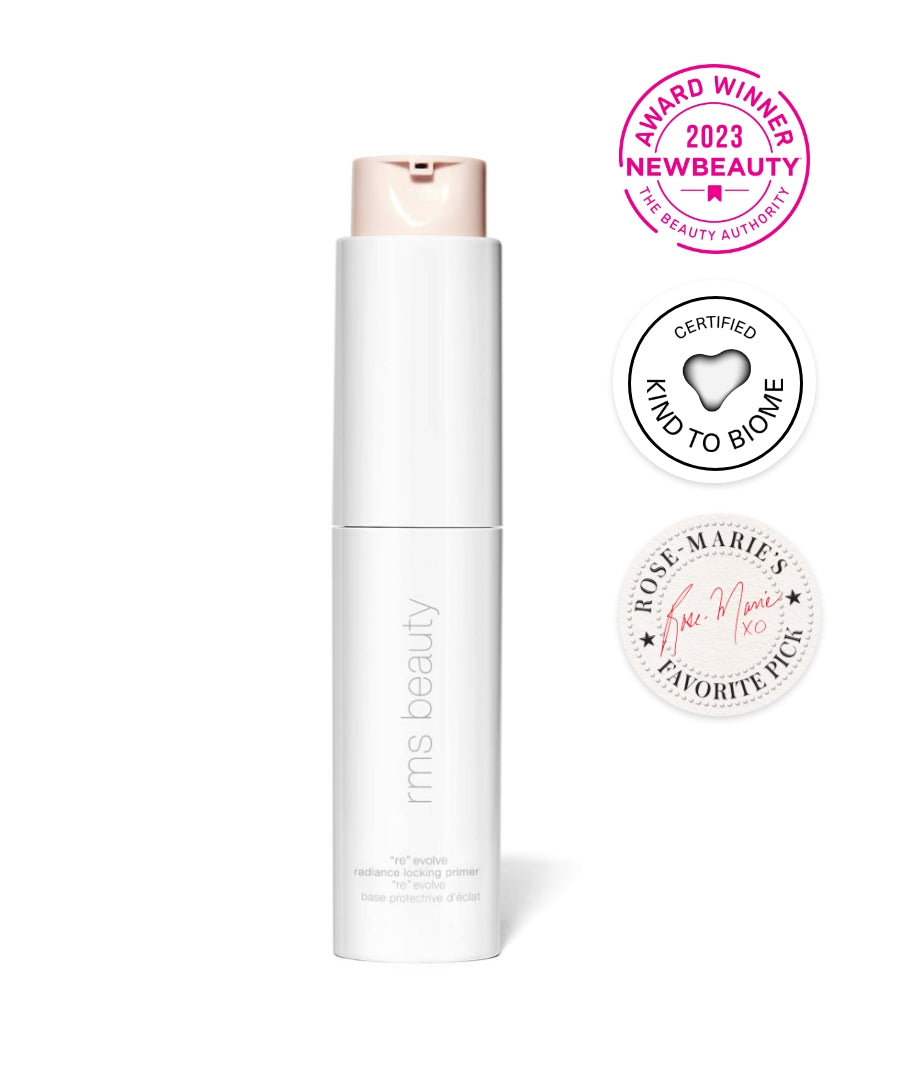
ReEvolve Radiance Locking Primer
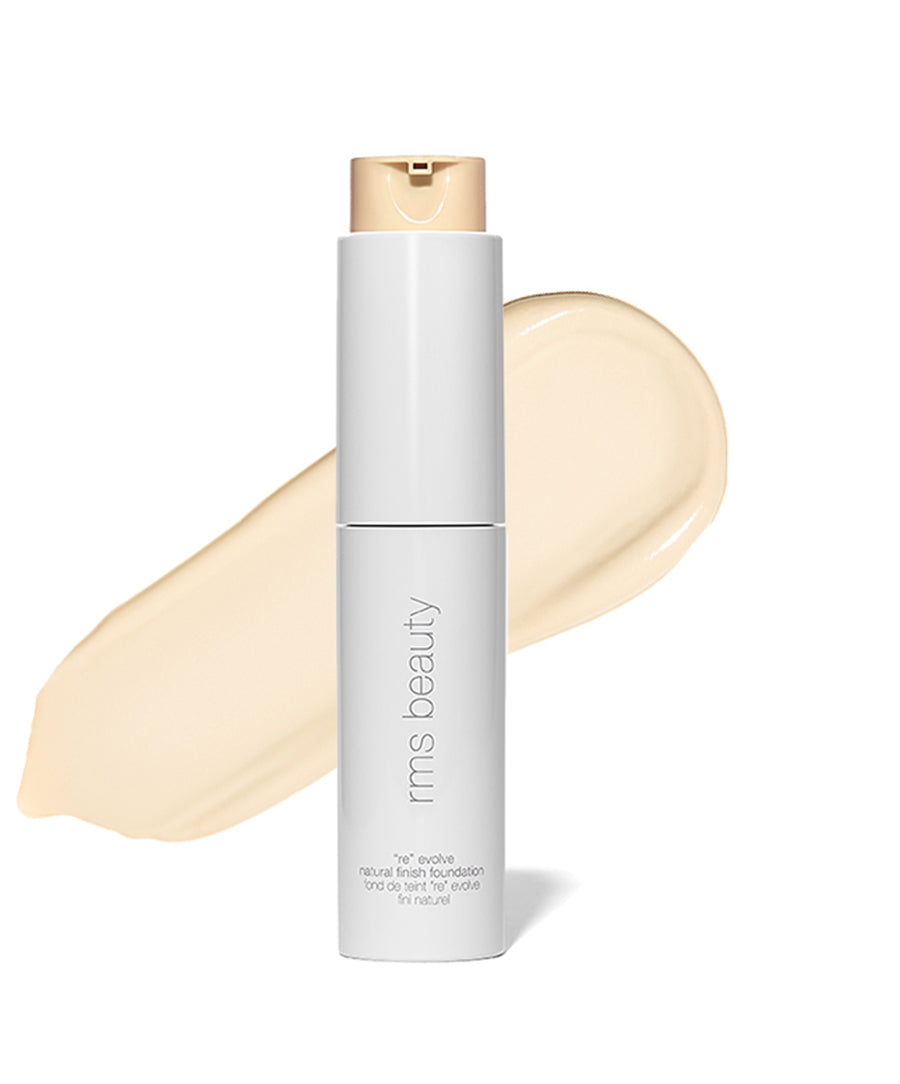
ReEvolve Natural Finish Liquid Foundation
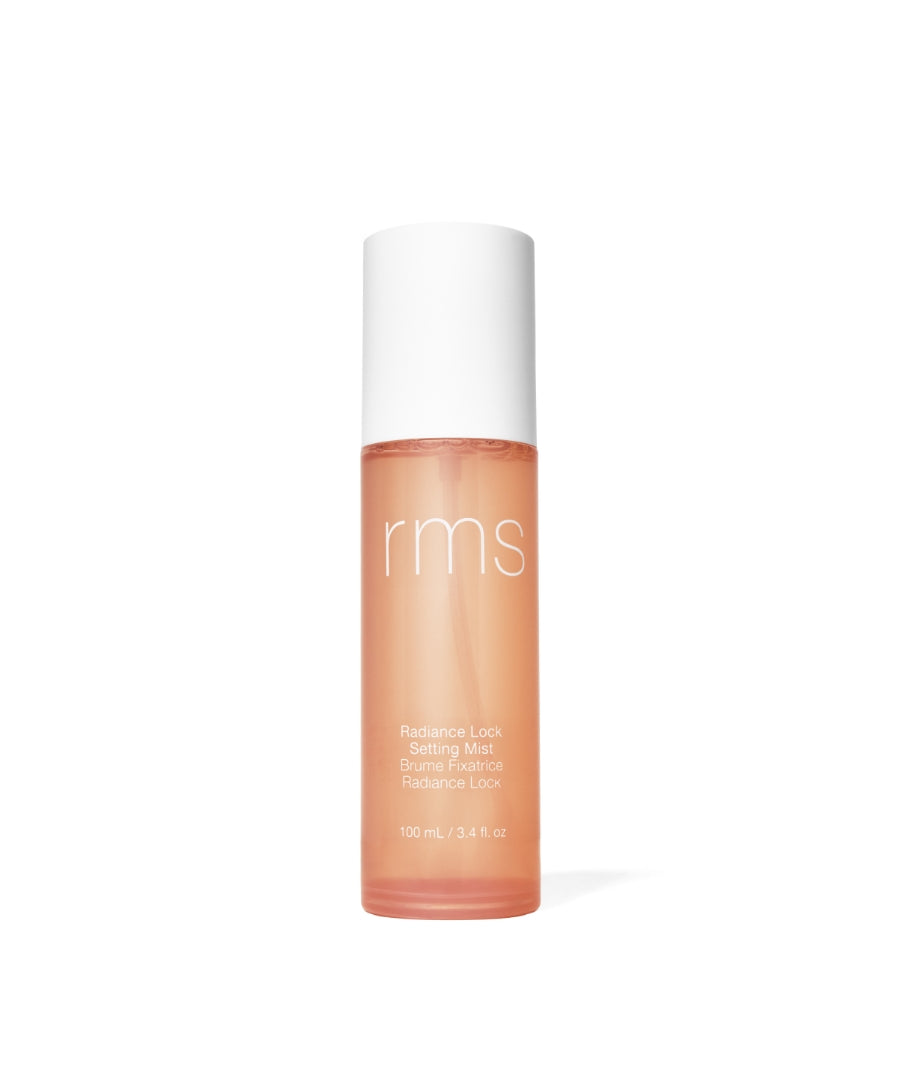

Radiance Lock Setting Mist