Skip to main content




Skin Tint vs Foundation. Key Differences Explained
Some days, you want your skin to look like you just came back from a long weekend somewhere warm. Other days, you need your base to hold up through meetings, photos, and dinner. The product you reach for on each of those days probably shouldn't be the same one, and that's the whole point of understanding skin tint vs foundation.
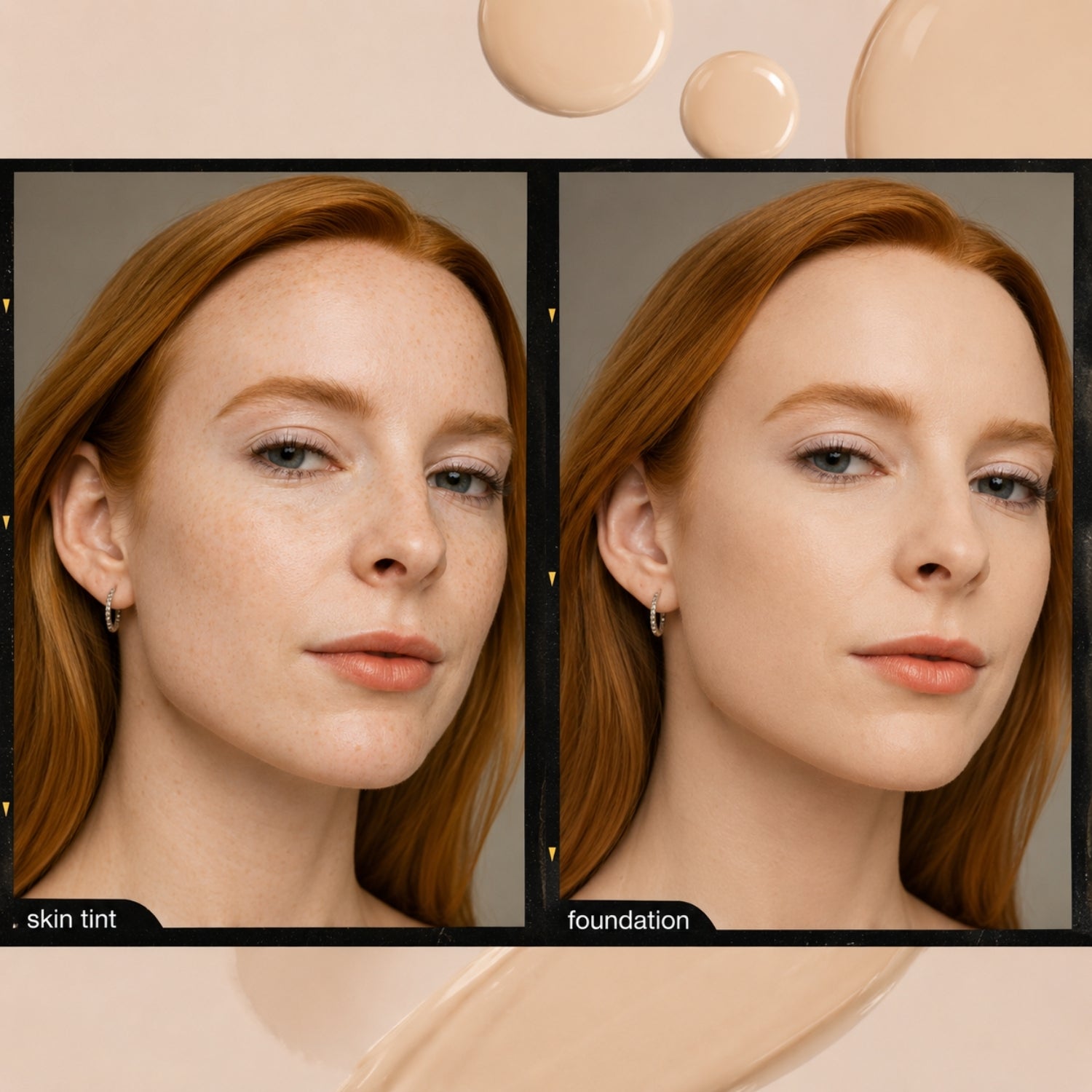
A skin tint and a foundation share a job description (evening out skin tone and giving your complexion a finished look), but they go about the work very differently. Coverage, texture, finish, wear time, and the way each product feels on your face at hour six all depend on which category you pick.
What Sets a Skin Tint Apart from Foundation
Are foundation and skin tint the same? Not quite. Both even out skin tone, but the similarities largely end there. A skin tint prioritizes hydration and a barely-there feel, while a foundation prioritizes coverage and lasting power.
Skin Tints Lead with Skincare
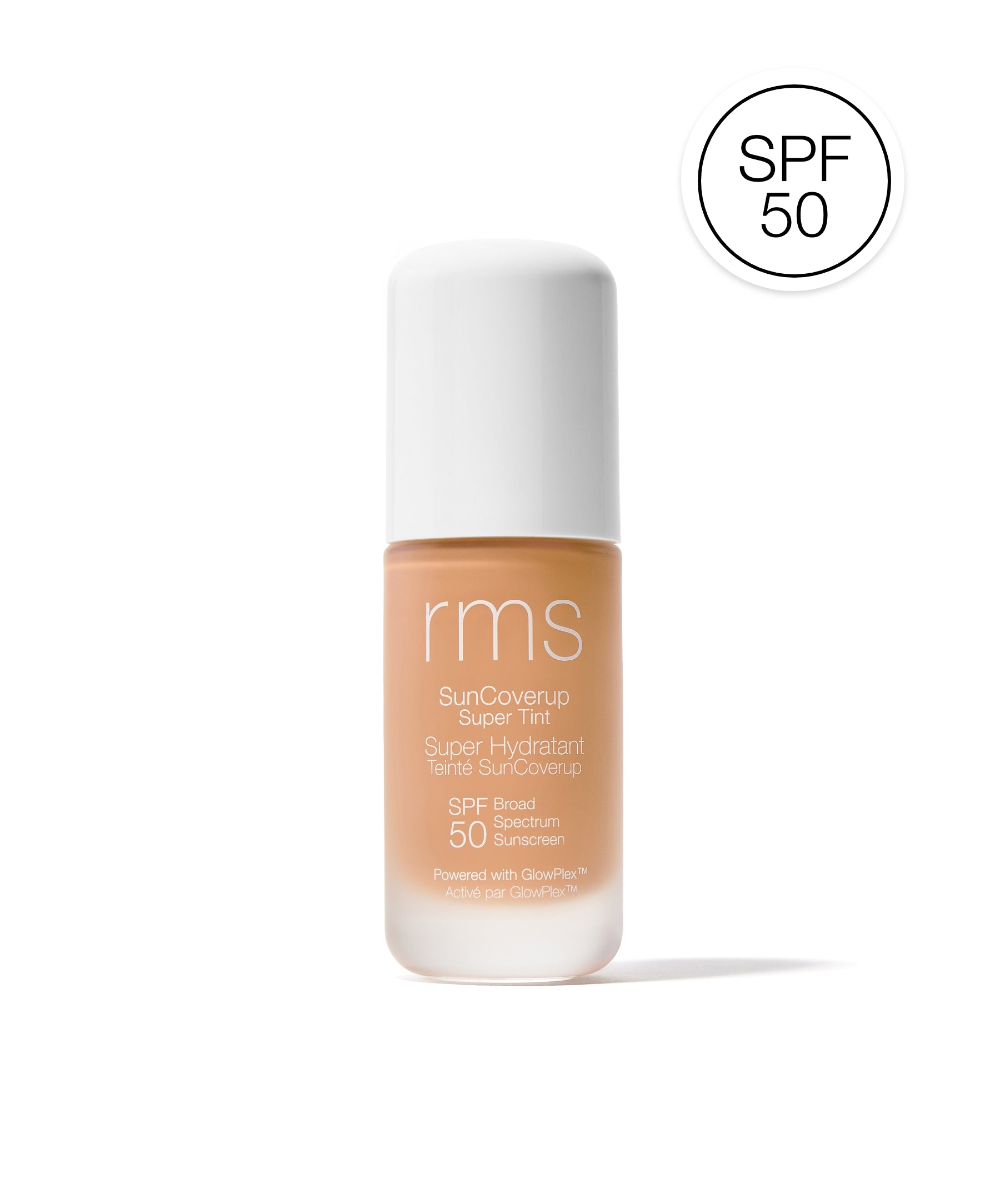
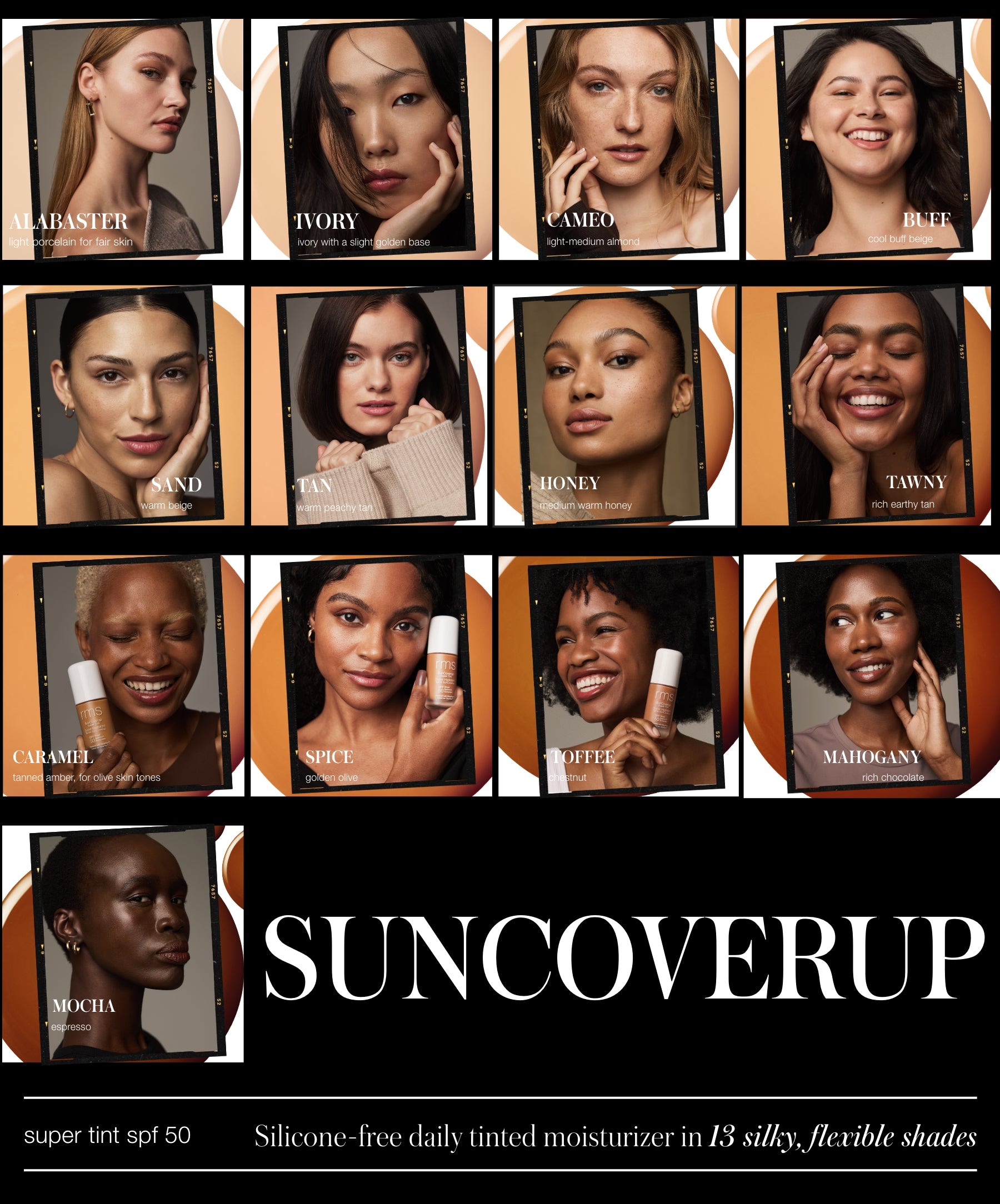
A skin tint is a skincare-makeup hybrid. Formulas are usually lighter, more hydrating, and designed to melt into skin rather than sit on top of the surface. A silicone-free tinted moisturizer with mineral SPF 50, Vegetable Squalane, and Peptides feels like silk going on and delivers sun protection, hydration, and sheer coverage in a single step. Rose-Marie describes the formula as "deeply hydrating" with shades that are "flexible, so everyone can find a match."
Foundations Lead with Coverage
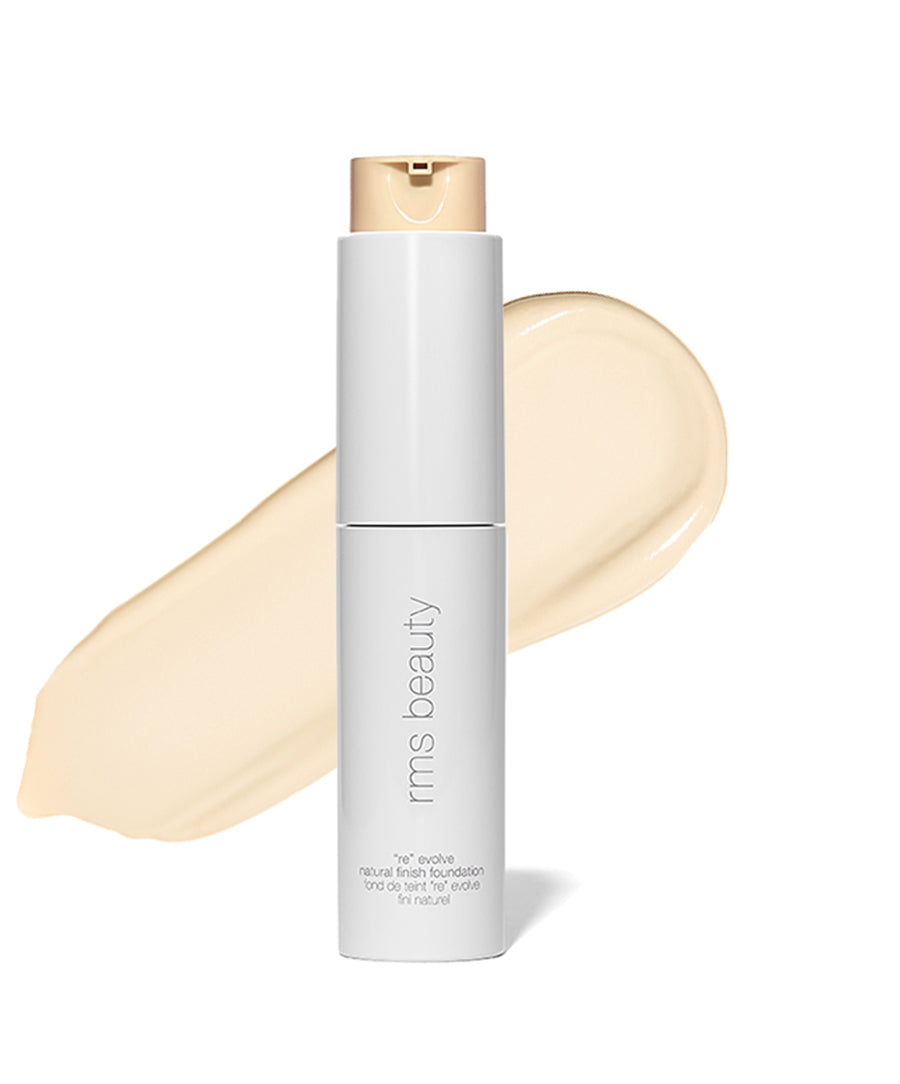
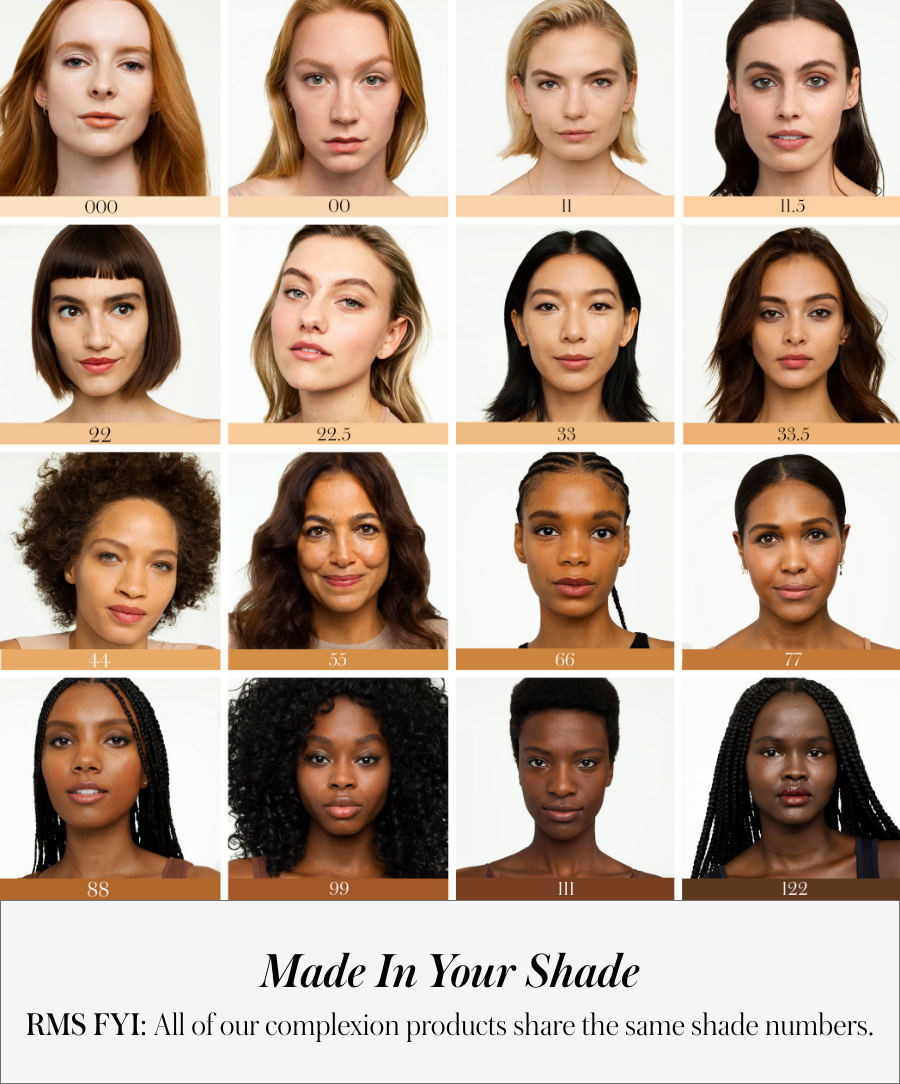
Foundation is built to cover. Whether the finish is natural, matte, or dewy, foundation formulas carry more pigment and more structure than a tint. A skincare-infused liquid foundation with Tightenyl, a gentle retinol alternative, and Vegetable Squalane offers medium coverage with a natural finish that lets skin look like skin while still addressing imperfections, redness, and uneven tone.
The Texture and Weight Feel Different on Skin
Swipe a skin tint and a foundation side by side, and the contrast is immediate. Skin tints feel weightless, watery, and barely there once blended. Foundations feel more substantial, with a creamier or thicker consistency that delivers more pigment per swipe. Neither is better. The right choice depends on what you need your base to do on any given day.
Skin Tint vs Foundation, Compared
The foundation vs skin tint decision comes down to a handful of practical factors. Here's a side-by-side breakdown.
| Factor | Skin Tint | Foundation |
|---|---|---|
| Coverage | Sheer to light, evens tone | Medium to full, conceals imperfections |
| Finish | Dewy, natural, skin-like | Ranges from natural to matte to luminous |
| Texture | Lightweight, watery, blendable | Cream, liquid, or mousse consistency |
| Wear time | Moderate, may need midday refresh | Longer, designed for extended wear |
| Application | Fingers, quick and effortless | Sponge, brush, or fingers for precision |
| SPF | Often included | Rarely included |
| Best for | Minimal makeup days, sun protection, healthy glow | Events, photos, and fuller coverage needs |
| Shade range | Flexible, designed to stretch across undertones | Precise shade matching, more options |
When a Skin Tint Is the Right Call
Reach for a skin tint on days when you want coverage to feel invisible. Weekend errands, beach days, casual brunches, or any morning when you'd rather spend 30 seconds on your base instead of five minutes. A tinted SPF with 13 flexible shades handles hydration, protection, and a healthy glow in one application. Pair with a concealer on blemishes or under-eye circles, and the look is done.
When Foundation Earns the Spot
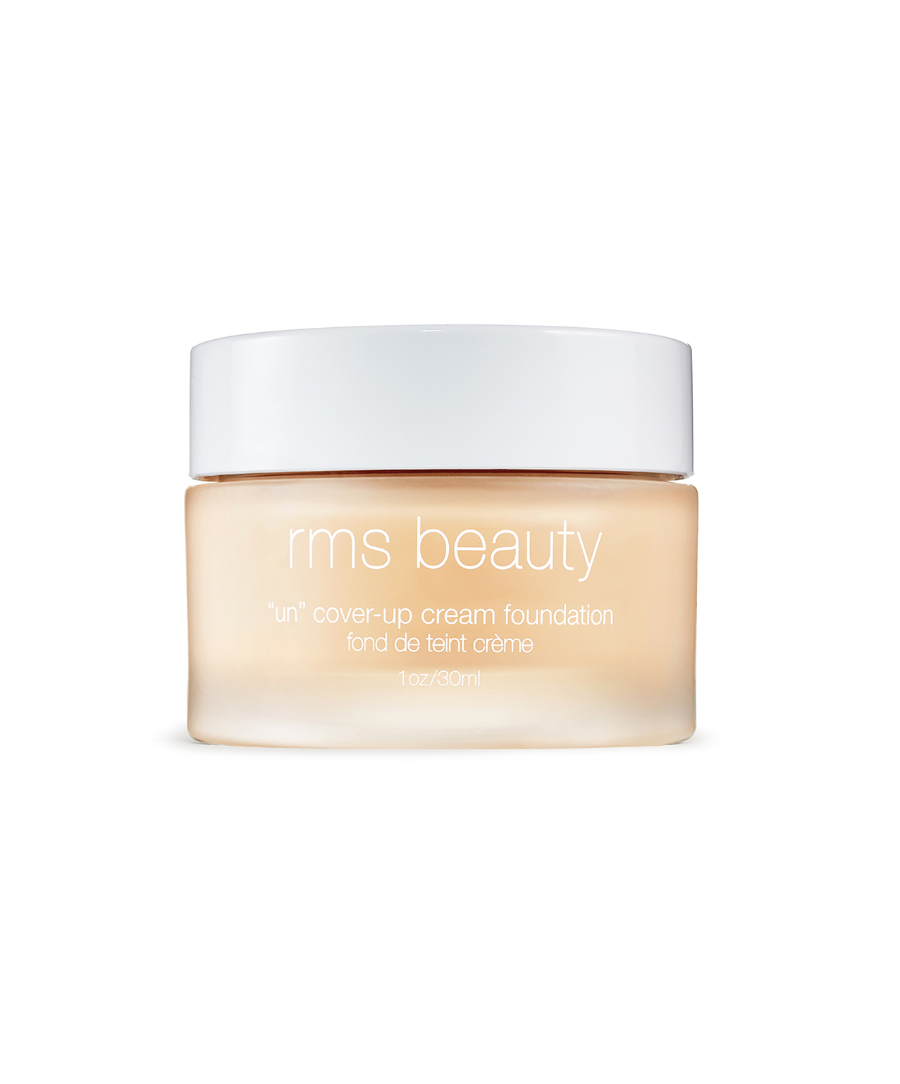
Foundation makes sense when you need more coverage, more longevity, or a more polished finish. Job interviews, weddings, dinners, photo-heavy events, or any day when you want your base to last through whatever comes your way. A concentrated cream foundation with Wildcrafted Buriti Oil and Organic Coconut Oil delivers medium to full coverage with a luminous, dewy finish that smooths fine lines while nourishing skin underneath.
How Skin Type and Lifestyle Shape the Choice
Is skin tint better than foundation? The answer shifts depending on your skin type, how much time you have in the morning, and what kind of finish makes you feel most like yourself.
Dry Skin Thrives with Skin Tints
Dry skin and heavy foundation aren’t always the right match. Thicker formulas can settle into fine lines and cling to dry patches, making texture more visible instead of less. Skin tints solve that problem by delivering hydration first and color second. A tinted moisturizer with Vegetable Squalane and the RMS Adaptogenic Herbal Blend, like the SunCoverup Super Tint Broad Spectrum, keeps dry skin comfortable and glowing without the cakey midday effect.
Oily Skin Can Work with Either
Oily skin doesn't automatically need foundation. A lightweight skin tint paired with a hydrating setting powder in the T-zone gives natural, shine-controlled coverage without the heaviness. For days that need more coverage, a silicone-free liquid foundation with Vegetable Squalane balances oil production rather than trapping oil under a layer of silicone.
The Five-Minute Routine Person
Fewer products, less time, more living. Skin tints were made for this philosophy. One product replaces moisturizer, SPF, and light foundation in a single step. Rose-Marie built the RMS complexion line around the idea that makeup shouldn't be fussy, and a well-formulated skin tint embodies that perfectly.
The Full-Glam Builder
Some routines call for primer, foundation, concealer, powder, and setting spray. And that's great too. Foundation gives that kind of routine a solid, high-coverage anchor. For a luminous, buildable base, a nourishing cream foundation formulated with Organic Jojoba Oil and Wildcrafted Buriti Oil creates a radiant finish that photographs beautifully and wears comfortably for hours.
Can You Use a Skin Tint and Foundation Together
Yes, and this might be the best-kept trick in the entire foundation vs skin tint conversation.
Skin Tint as a Base, Foundation for Spot Coverage
Apply a skin tint all over the face for an even, hydrated glow. Then dab foundation only where you need more coverage: under the eyes, around the nose, over blemishes. The combination gives you the natural, skin-like finish of a tint with the targeted coverage of a foundation, without the weight of wearing full foundation everywhere.
Foundation First, Skin Tint to Refresh
On long days, a midday touch-up with a skin tint over foundation adds moisture and freshness without caking. Pat a small amount over the cheeks and forehead, and the face looks alive again without starting over.
Final Thoughts
Skin tint vs foundation isn't a competition with a single winner. A skin tint gives you effortless, barely-there coverage with built-in skincare benefits, perfect for the days when less truly is more. A foundation gives more coverage, and polish for the moments that call for a bit more from your base.
RMS Beauty offers both, formulated with the same clean, skin-loving ingredients that Rose-Marie insists on across every product. From a tinted moisturizer with mineral SPF 50 to a natural-finish liquid foundation and a full-coverage cream foundation, the entire complexion line is silicone-free, nourishing, and built to make skin look better with every wear. Shop the full complexion collection or book a free Artist Advice session to find your perfect match.
Frequently Asked Questions
Q. Are foundation and skin tint the same thing?
No. A skin tint provides sheer, lightweight coverage with a focus on hydration and a natural finish. Foundation delivers medium to full coverage for a more polished, longer-wearing result.
Q. Can a skin tint replace foundation entirely?
For many people, yes. A well-formulated skin tint handles everyday coverage, sun protection, and hydration in one step. Foundation is still useful for occasions that need more coverage.
Q. Does skin tint work on darker skin tones?
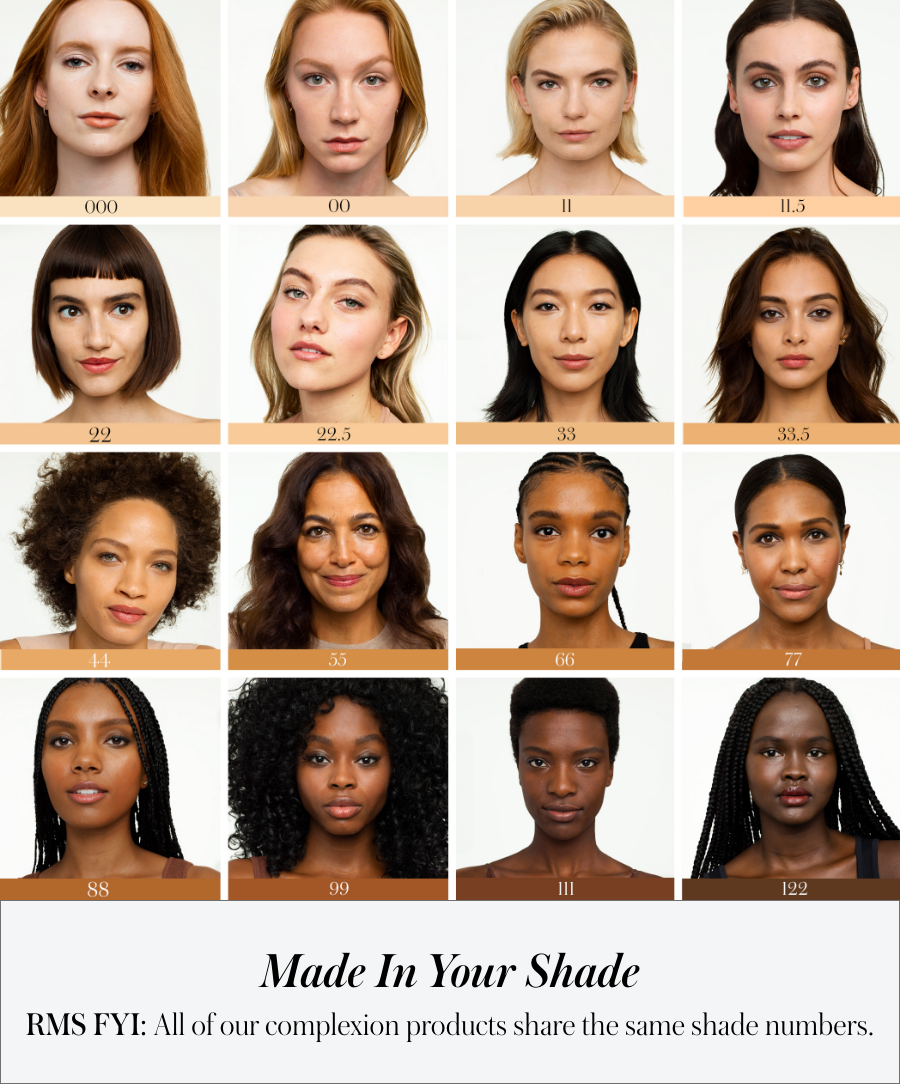
Yes. Most skin tints have flexible shades that adjust to a range of undertones and depths. A formula with 13 sheer shades covers fair through deep skin tones without leaving a white cast.
Q. Is skin tint better than foundation for mature skin?
Skin tints tend to work well on mature skin because the formulas are lightweight and hydrating, so the coverage doesn't settle into fine lines the way heavier foundations sometimes can.
Q. Can you wear skin tint and foundation at the same time?
Absolutely. Apply skin tint all over for an even, dewy base, then dab foundation only where you need extra coverage. The combination delivers a natural look without full-face heaviness.
Q. Does skin tint provide enough sun protection?
Many skin tints include SPF, but coverage depends on the formula. A mineral SPF 50 tinted moisturizer offers broad-spectrum protection when applied liberally and reapplied every two hours.
Shop The Blog
SunCoverup Super Tint Broad Spectrum SPF 50 Sunscreen
ReEvolve Natural Finish Liquid Foundation
UnCoverup Cream Foundation