Skip to main content




Matte or Dewy Makeup? How to Choose the Right Look
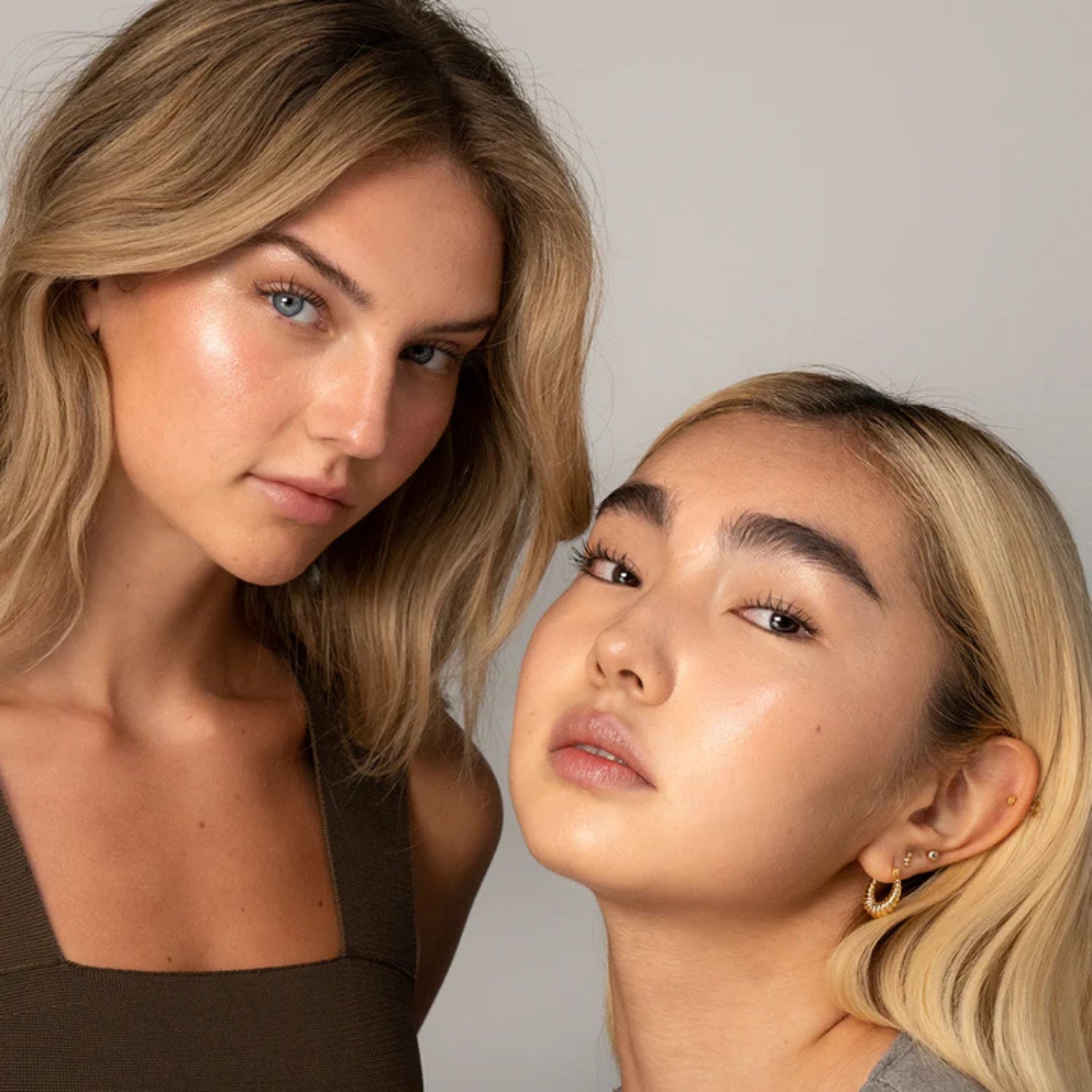
Some mornings call for skin that looks lit from within. Others call for a velvety, shine-free canvas that holds up through a 12-hour day. And some days, the answer is somewhere in between. The dewy vs matte conversation isn't about choosing a side. Knowing when each finish works best, and how to build either look without fighting your skin, is the difference between makeup that wears beautifully and makeup that fights you by noon.
Here's a full breakdown of what a dewy finish versus matte is, how to match the right look to your skin type and occasion, and which techniques give you the most control over your final result.
What Is a Dewy Finish in Makeup
A dewy finish gives skin a fresh, luminous quality that looks hydrated, healthy, and naturally radiant. Rather than sitting flat on the surface, dewy makeup reflects light softly across the face. Rose-Marie has always leaned toward dewy finishes because that lit-from-within quality is what real, well-cared-for skin actually looks like.
How Dewy Products Work on the Skin
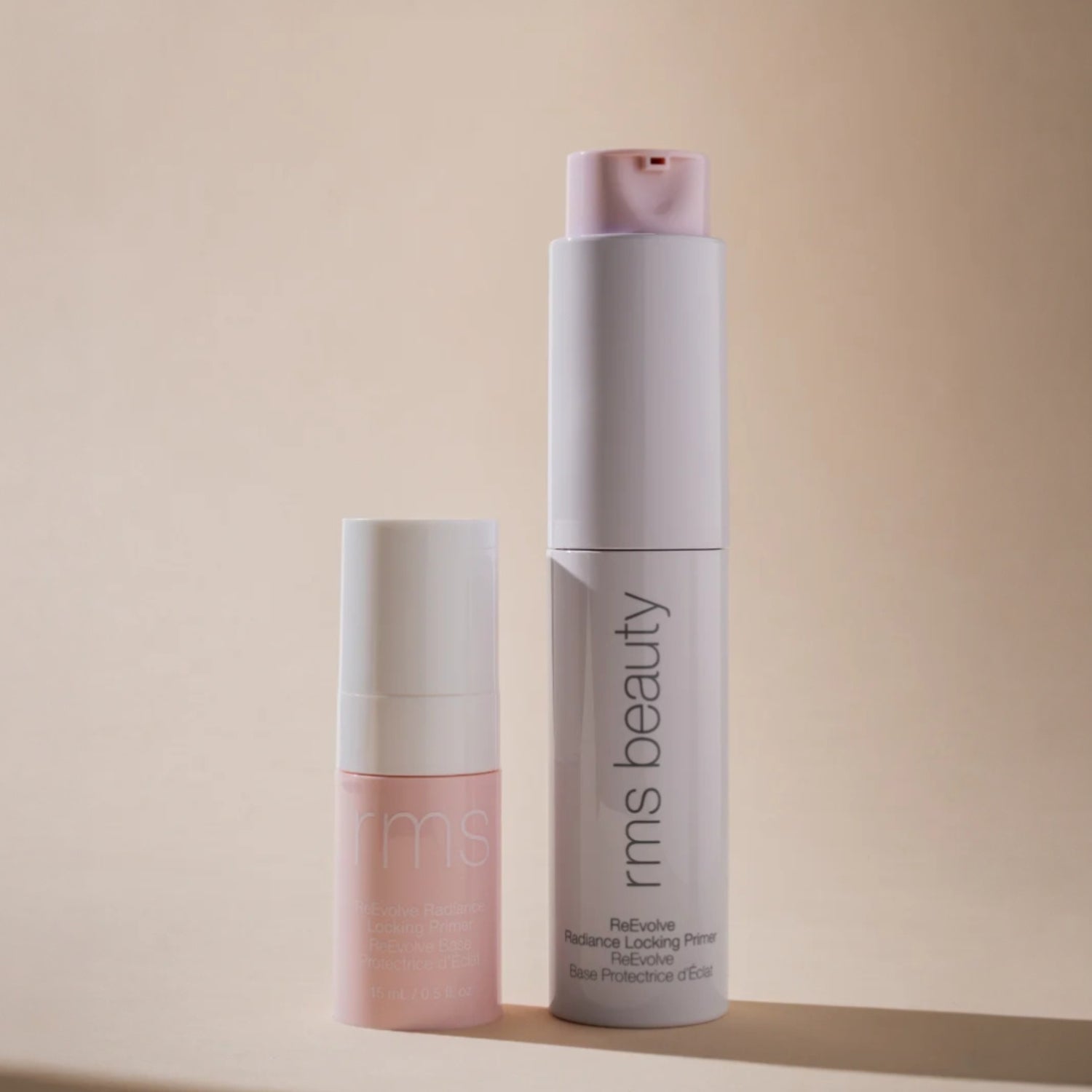
Dewy formulas use hydrating ingredients, light-reflecting minerals, and emollient-rich bases to create a luminous surface. Cream products are the backbone of a dewy look because cream melts into skin rather than sitting on top of the surface. A hydrating gel-textured primer with Vegetable Squalane and Hyaluronic Acid builds a glowing, moisture-rich canvas before foundation even goes on.
Who a Dewy Finish Flatters Most
Dewy finishes are especially flattering on dry, mature, and normal skin types. The added luminosity plumps the look of fine lines and gives skin a youthful bounce.
How To Be Dewy Without Looking Greasy
The biggest concern with dewy makeup is crossing the line from "glowing" to "oily." The solution is strategic placement. Apply luminous products to the high points of the face (cheekbones, brow bone, bridge of the nose, cupid's bow) and keep the T-zone more controlled. A cream highlighter with a coconut oil base melts into skin for a natural sheen that never looks greasy or heavy.
What Makes a Matte Finish Different
A matte finish absorbs light rather than reflecting it, creating a smooth, velvety surface with no visible shine. Matte looks tend to photograph well and hold up longer in hot, humid conditions.
How Matte Products Control Shine
Matte formulas use oil-absorbing ingredients like silica, rice starch, or mineral powders to neutralize excess sebum on the skin's surface. A well-formulated talc-free setting powder controls shine for up to 8 hours while the HerbalHydrate Complex keeps skin from feeling dry or looking flat underneath. Matte doesn't have to mean chalky.
Who Benefits from a Matte Look
Oily and combination skin types often reach for matte finishes because shine control is a daily concern. Matte formulas also perform well in high-humidity climates and for events where makeup needs to last through hours of activity without touch-ups.
Avoiding the "Flat Face" Problem
The most common mistake with matte makeup is going fully matte everywhere. The result is skin that looks one-dimensional and lifeless. Professional makeup artists keep the T-zone matte but leave the cheekbones and high points of the face with a hint of luminosity. Even a small dab of cream highlighter on the cheekbones brings dimension back into an otherwise matte look.
Dewy Finish vs Matte Finish, Side by Side
Choosing between a matte finish and a dewy finish comes down to four variables: skin type, occasion, weather, and personal preference. Here's a clear comparison.
| Factor | Dewy Finish | Matte Finish |
|---|---|---|
| Appearance | Luminous, fresh, radiant | Smooth, velvety, shine-free |
| Best skin types | Dry, normal, mature | Oily, combination |
| Longevity | Moderate (may need touch-ups in heat) | High (holds well in humidity) |
| Product textures | Creams, balms, liquid formulas | Powders, matte liquids |
| Potential pitfall | It can look oily without strategic placement | Can look flat without dimension |
| Ideal occasion | Every day, brunch, date night, editorial | Weddings, photos, long events, hot weather |
| Photography | Beautiful in natural light, may reflect flash | Clean in flash photography, no hot spots |
When to Lean Dewy
Everyday wear, casual outings, and anytime you want skin that reads as healthy and effortless. A dewy look works year-round but especially shines during cooler months when skin tends to look dull and dry. Layer a natural-finish foundation over a hydrating primer, skip heavy powdering, and finish with a radiance-enhancing setting mist for a look that stays fresh and glowing.
When to Lean Matte
Events with flash photography, hot summer days, and any situation where longevity matters more than luminosity. Set your foundation with a hydrating matte powder in the T-zone and under the eyes, but leave the cheekbones and temples unset to avoid losing all dimension.
The "Natural Finish" Sweet Spot
The good news: you don't have to pick one or the other. A natural finish sits right between dewy and matte, giving you polished, healthy-looking skin without extreme shine or extreme flatness. Most RMS Beauty complexion products live in this natural finish zone because real skin has both matte and luminous areas naturally. A silicone-free liquid foundation with Vegetable Squalane and Tightenyl, a gentle retinol alternative, delivers medium coverage with that balanced, skin-like finish.
How to Switch Between Dewy and Matte Looks
You don't need two entirely different product collections. A few strategic additions turn a dewy look matte or bring a matte look back to life.
Going from Dewy to Matte
- Apply a hydrating setting powder over the T-zone only. Press, don't sweep, for the most natural oil-absorbing effect.
- Use blotting papers throughout the day instead of adding more powder, which can build up and look cakey.
- Choose cream blush over liquid for slightly more staying power in the cheek area.
Going from Matte to Dewy
- Mist a radiance-locking setting spray over your finished matte look to melt the powder into skin and add a healthy sheen.
- Add a dab of cream highlighter on the cheekbones, brow bone, and cupid's bow. A little goes a long way.
- Layer a hydrating primer under your matte foundation to keep skin comfortable and prevent that tight, dry feeling.
Final Thoughts
The dewy finish vs matte finish debate doesn't have a winner. Both serve different purposes, and the best makeup routines know when to use each. Dewy gives you that lit-from-within glow that makes skin look alive. Matte gives you control, longevity, and a polished canvas that photographs beautifully. And a natural finish gives you both, in moderation.
RMS Beauty has always leaned into the philosophy that makeup should make skin look better, not mask the skin entirely. From a hydrating primer that builds a luminous base to a talc-free setting powder that controls shine without stripping glow, every product is designed to work with your skin's own texture. Shop the full complexion collection and build a finish that's yours.
Frequently Asked Questions
Q. What is a dewy finish in makeup?
A dewy finish gives skin a luminous, hydrated look by reflecting light softly across the face. Cream-based products and hydrating primers are the foundation of a dewy look.
Q. Is matte or dewy better for oily skin?
Matte finishes typically work better for oily skin because the formulas absorb excess oil and reduce shine. A hydrating matte powder prevents that dry, flat look.
Q. Can you mix matte and dewy products in one look?
Absolutely. Professional makeup artists regularly combine both. Keep the T-zone matte and add luminosity to cheekbones and high points for the most balanced result.
Q. Does dewy makeup last as long as matte?
Matte formulas generally last longer, especially in heat and humidity. Setting a dewy look with a radiance-enhancing mist extends wear without removing the glow.
Q. What is the difference between dewy and natural finish?
A dewy finish has visible luminosity and a wet-look quality. A natural finish is more subtle, sitting between matte and dewy for a balanced, skin-like appearance.
Q. How do you keep a dewy look from getting too shiny?
Apply luminous products to cheekbones and high points only. Set the T-zone lightly with powder and use a setting mist to lock everything in without adding extra oil.
Shop The Blog
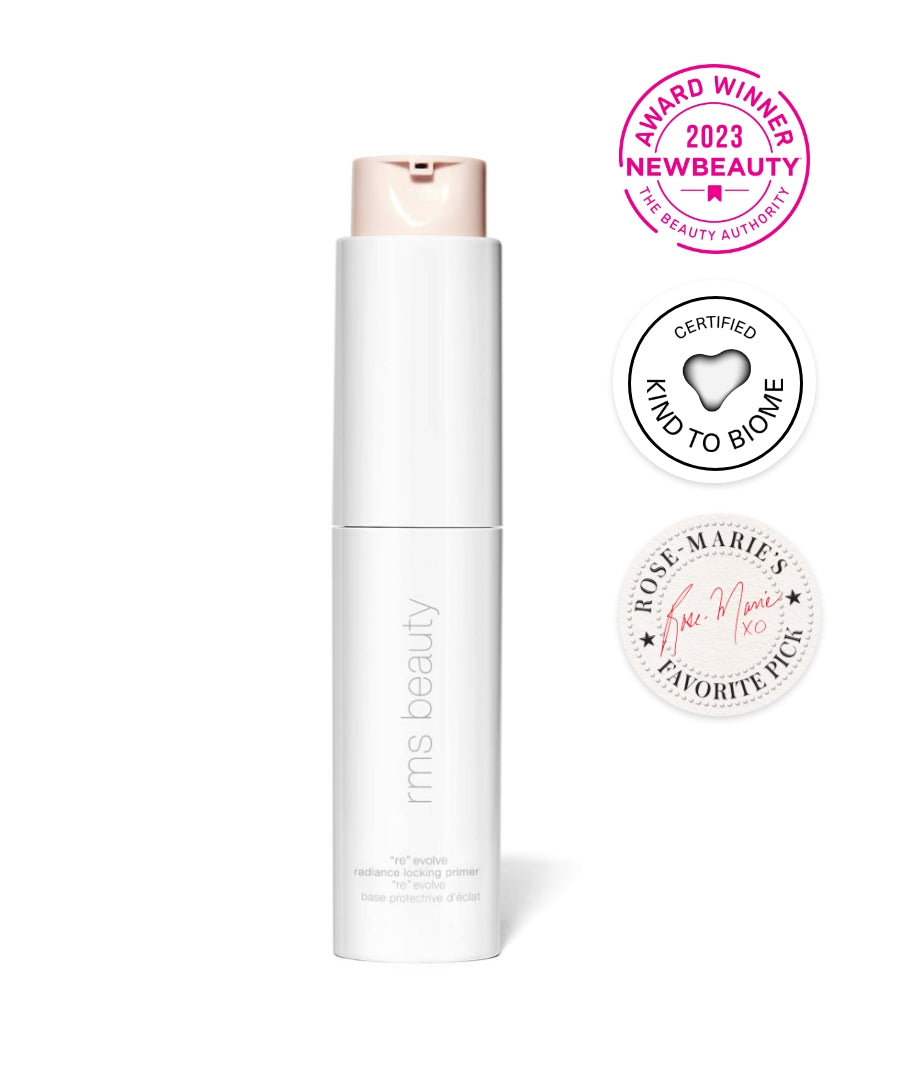
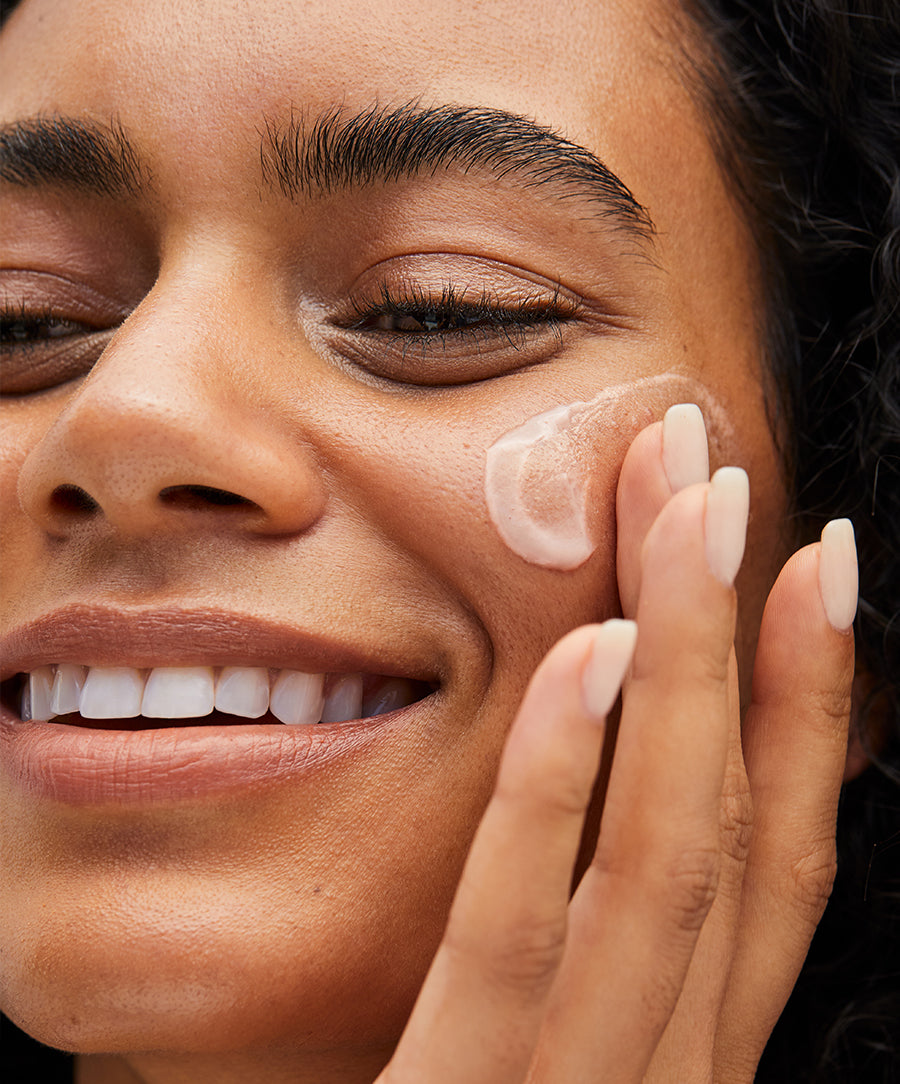
ReEvolve Radiance Locking Primer
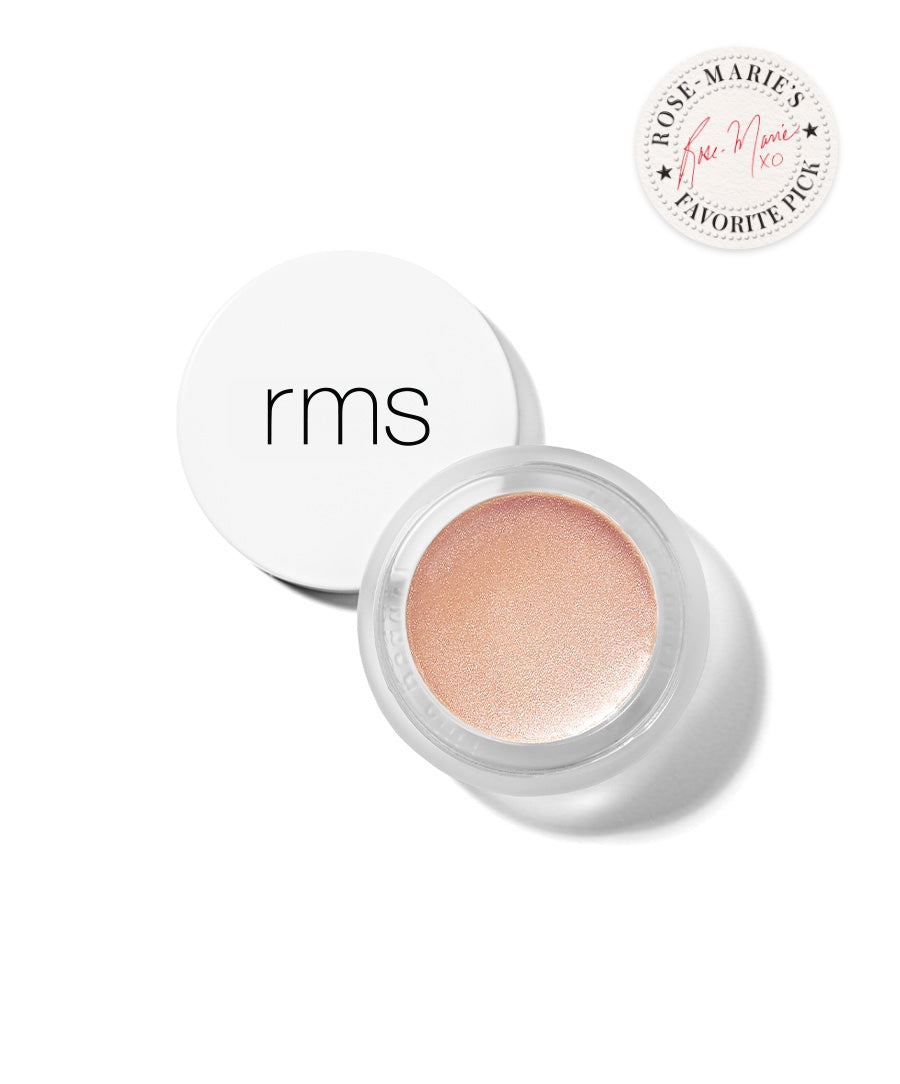
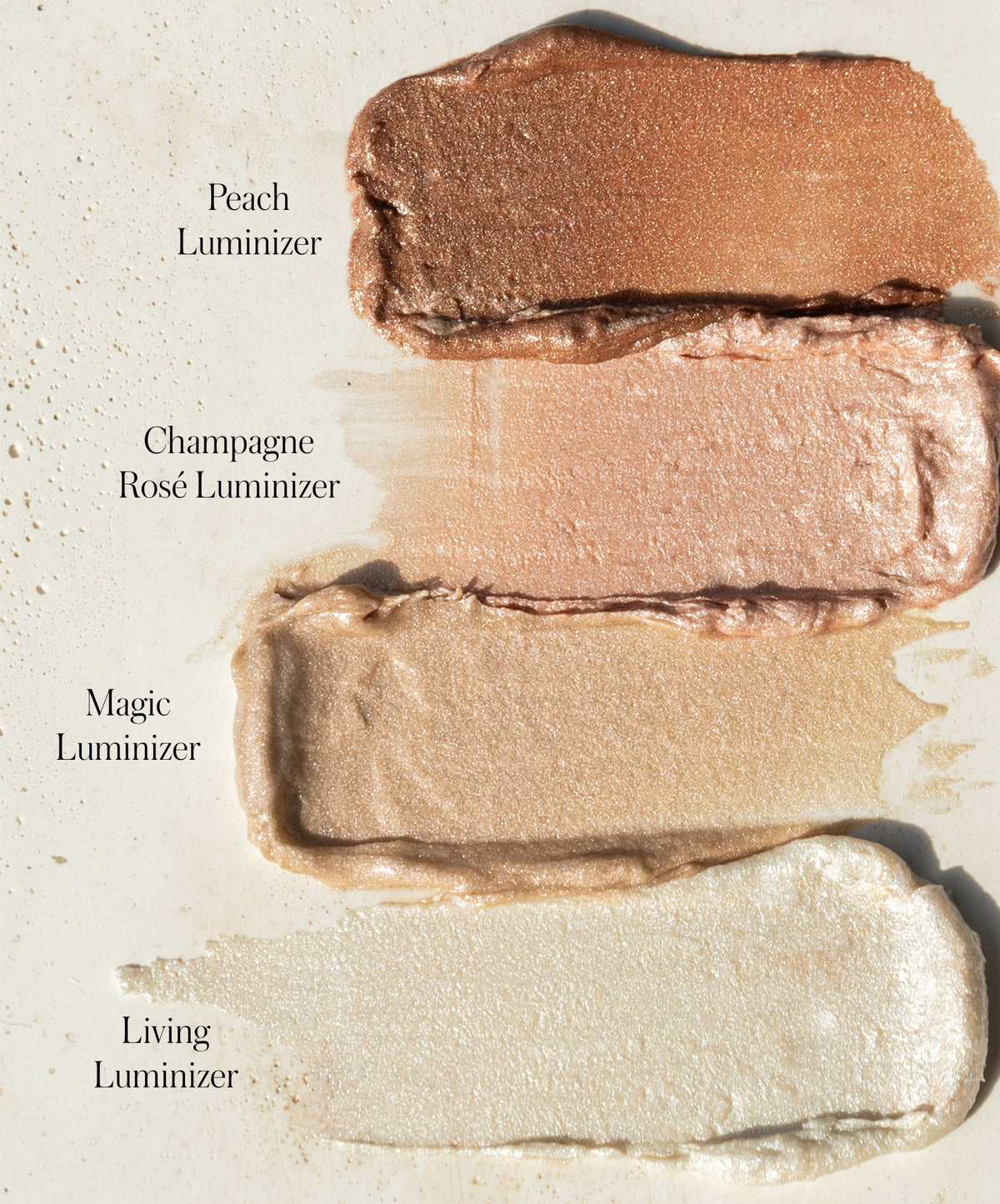
Luminizer
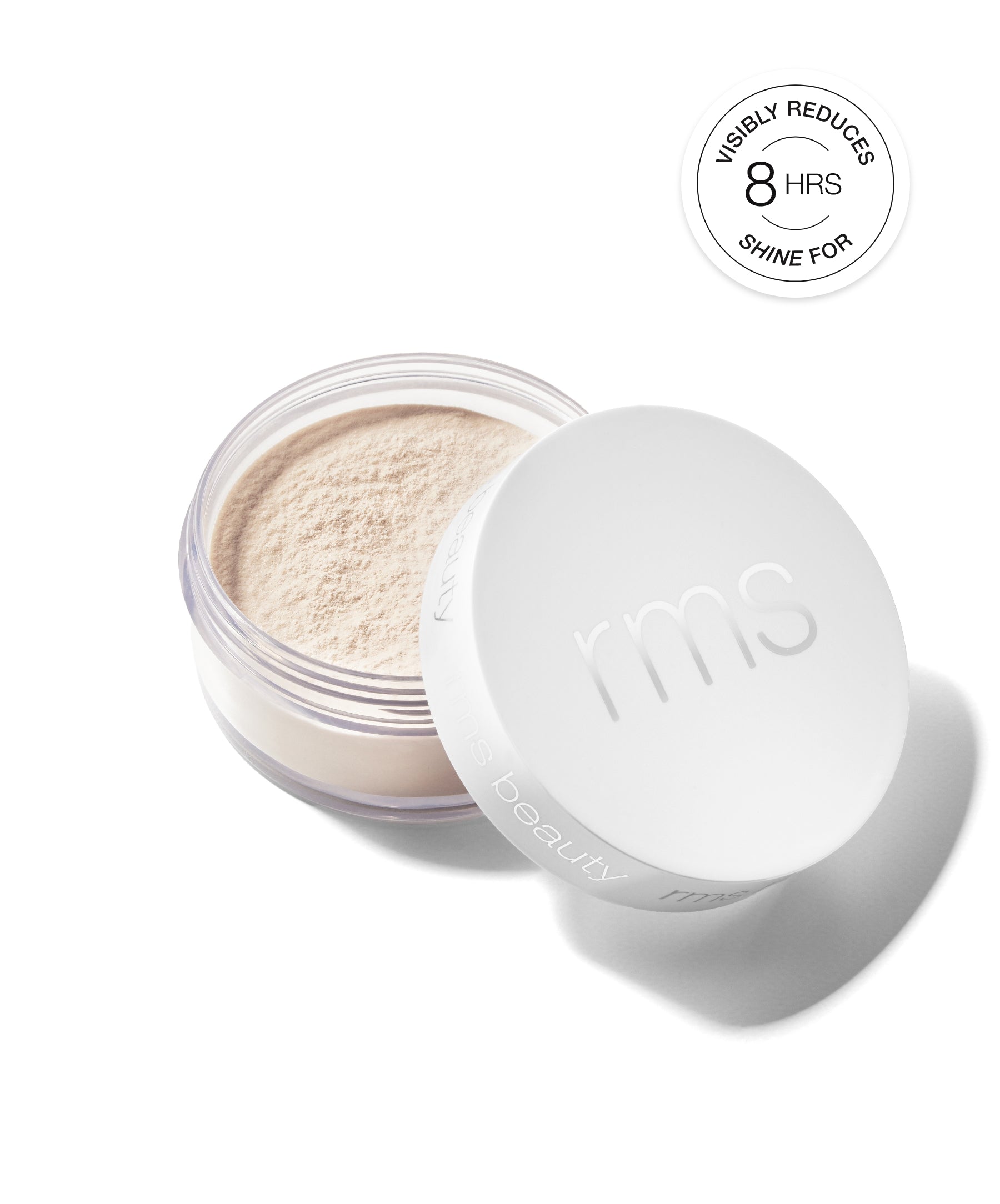
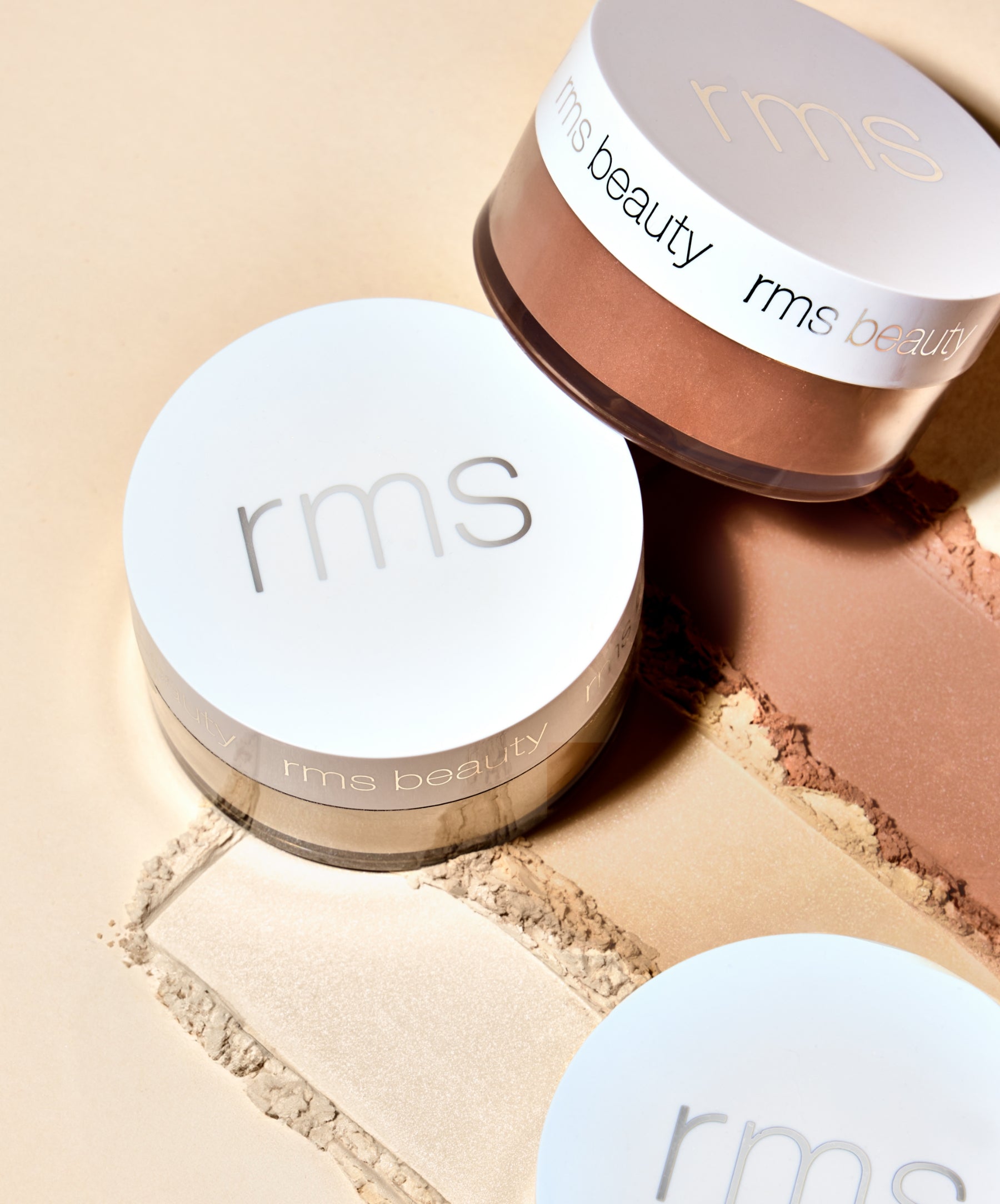
Hydra Setting Powder