Skip to main content




Skincare for Teens. A Simple Routine for Healthy, Clear Skin
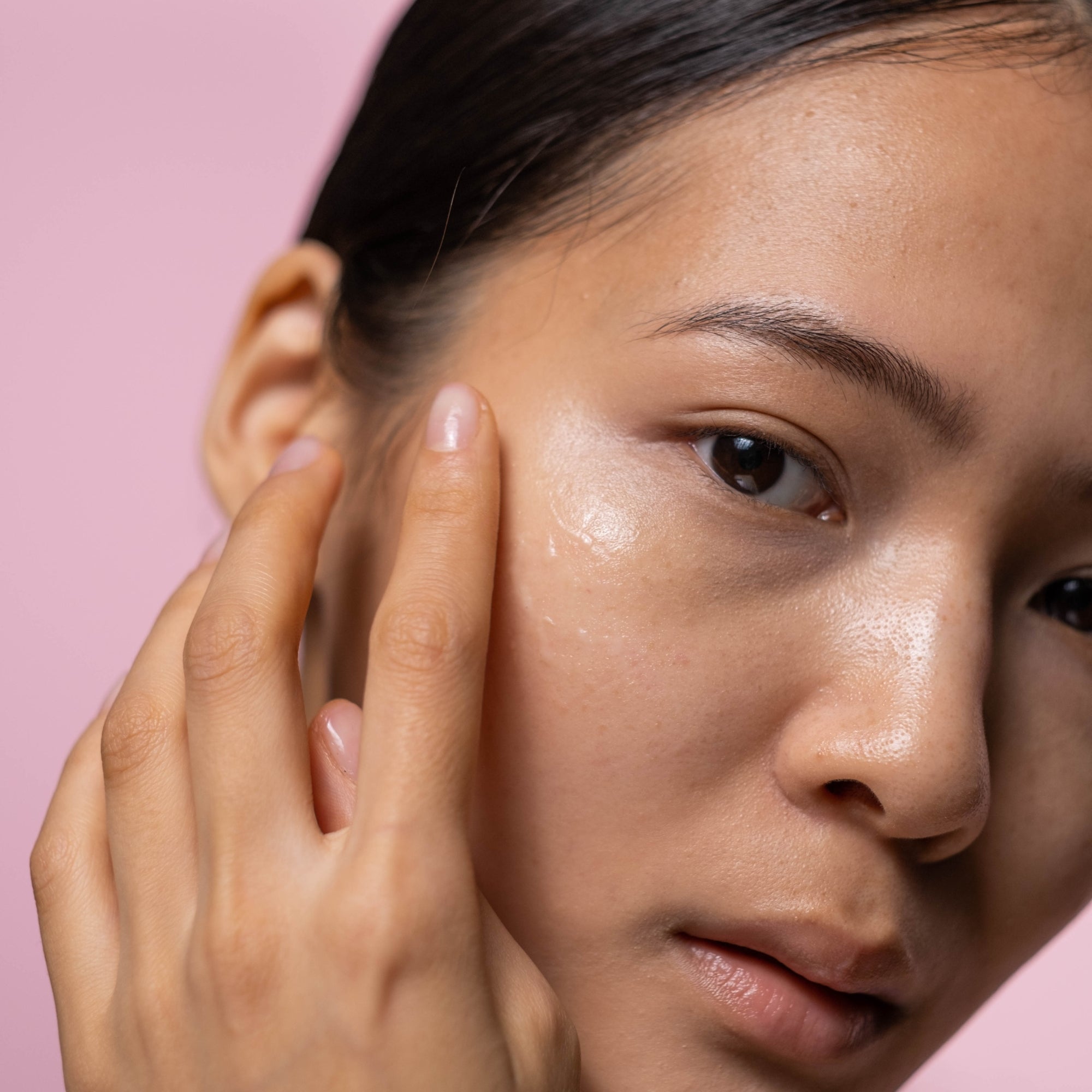
Teen skin operates under its own set of rules. Hormonal changes shift oil production into overdrive, breakouts show up at the worst possible times, and the temptation to scrub, strip, and over-treat is strong. But more products and harsher ingredients almost always make the situation worse, not better.
The best skincare for teens is surprisingly simple: a gentle cleanser, a lightweight moisturizer, and daily SPF. Three steps, two minutes, and a routine that supports the skin barrier instead of attacking everything on the surface. When the basics are right, skin has the space to do what healthy skin already knows how to do: balance and repair on its own.
Here's how to build a teen skincare routine that actually works, without overcomplicating what should be the easiest part of the morning.
Why Teen Skin Needs a Different Approach
Skincare for teens is not just a scaled-down version of an adult routine. Adolescent skin behaves differently because of what is happening hormonally, and the products that work for a 35-year-old are not necessarily the right fit for a 15-year-old.
Hormones Change How Skin Produces Oil
During puberty, androgen hormones stimulate the sebaceous glands to produce more sebum. Excess sebum can clog pores and create an environment where breakouts thrive. But sebum is not the enemy. Your skin needs oil to stay hydrated and protected. The goal is not to eliminate oil, but to keep production balanced without stripping the skin's natural moisture barrier.
Young Skin Recovers Faster, But Only If You Let the Skin Heal
Teen skin has a faster cell turnover rate than adult skin, which means blemishes and minor damage heal more quickly. Aggressive treatments, harsh scrubs, and high-concentration acids can interfere with that natural recovery process. Gentle, supportive products give teen skin the room the skin needs to do what the skin does best.
The Barrier Matters More Than the Breakout
Most teen skincare mistakes come down to damaging the moisture barrier in pursuit of clearing breakouts. Once the barrier is compromised, skin becomes more sensitive, more oily (as sebaceous glands overcompensate), and more prone to the very breakouts you were trying to prevent. Protecting the barrier is the single most effective thing a teen can do for long-term skin health.
How to Build a Simple Teen Skincare Routine
A teen skincare routine should have three to four steps, no more. Complexity leads to skipped steps, and a routine that does not get used is a routine that does not work. Here is the exact framework.
Step 1. Cleanse Gently, Twice a Day
Wash your face morning and night with a gentle, sulfate-free cleanser. A gel-to-foam formula with bio-based surfactants from apple and Brazilian babassu oil purifies without stripping. Wild Mint Leaf Extract and Kakadu Plum Extract reduce the appearance of pores while the Organic Adaptogenic Herbal Blend soothes. Rinse with lukewarm water, never hot. Pat dry, don't rub.
Step 2. Hydrate While Skin Is Still Damp
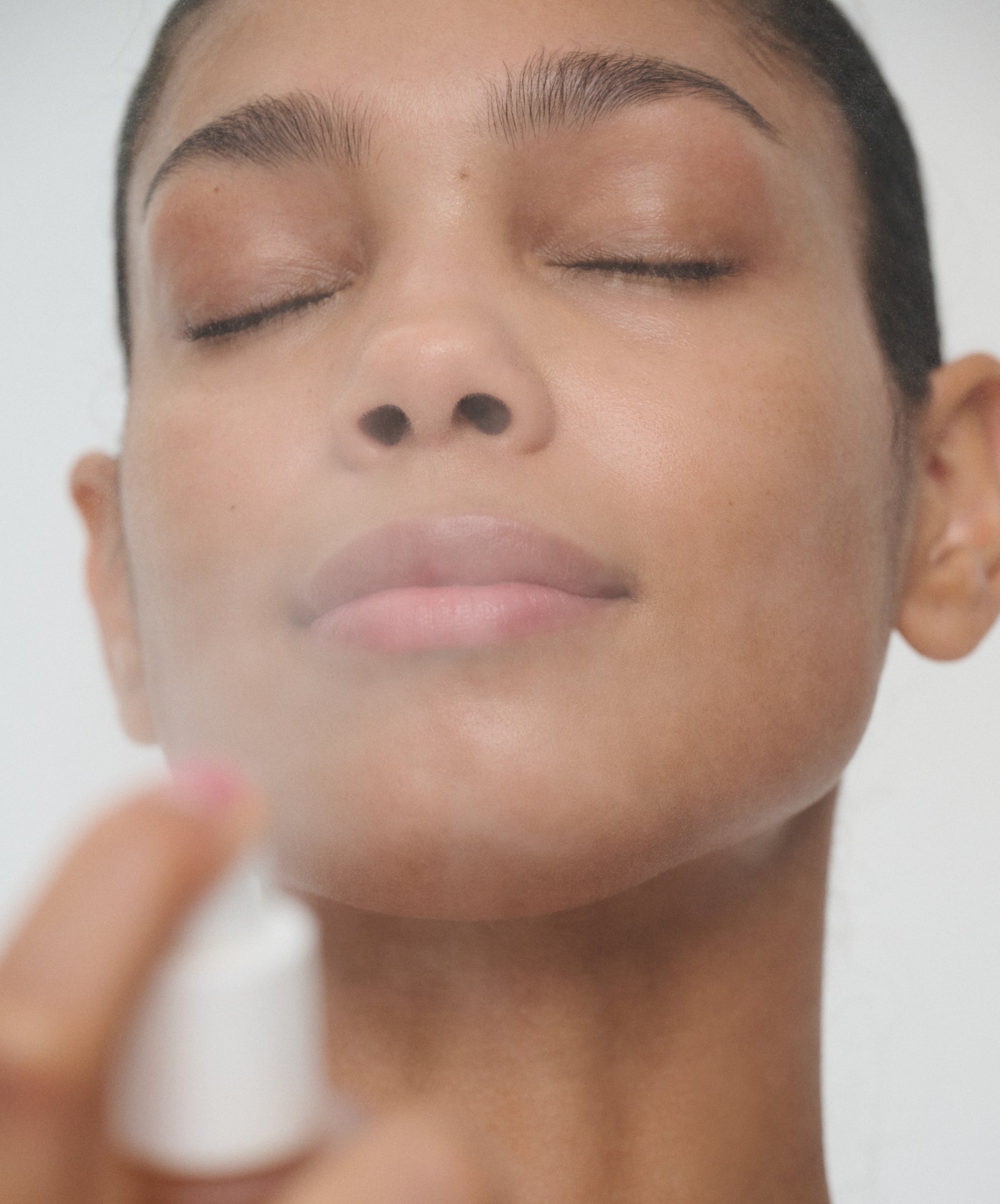
Even oily skin needs hydration. Skipping moisturizer signals the sebaceous glands to produce more oil, which leads to more shine and more congestion. Apply a lightweight hydrating product within 60 seconds of cleansing while skin is still damp. A serum mist with Niacinamide and natural peptides from Quinoa Seed Extract delivers hydration and helps reduce the appearance of pores without adding weight or greasiness.
Step 3. Moisturize with Something Lightweight
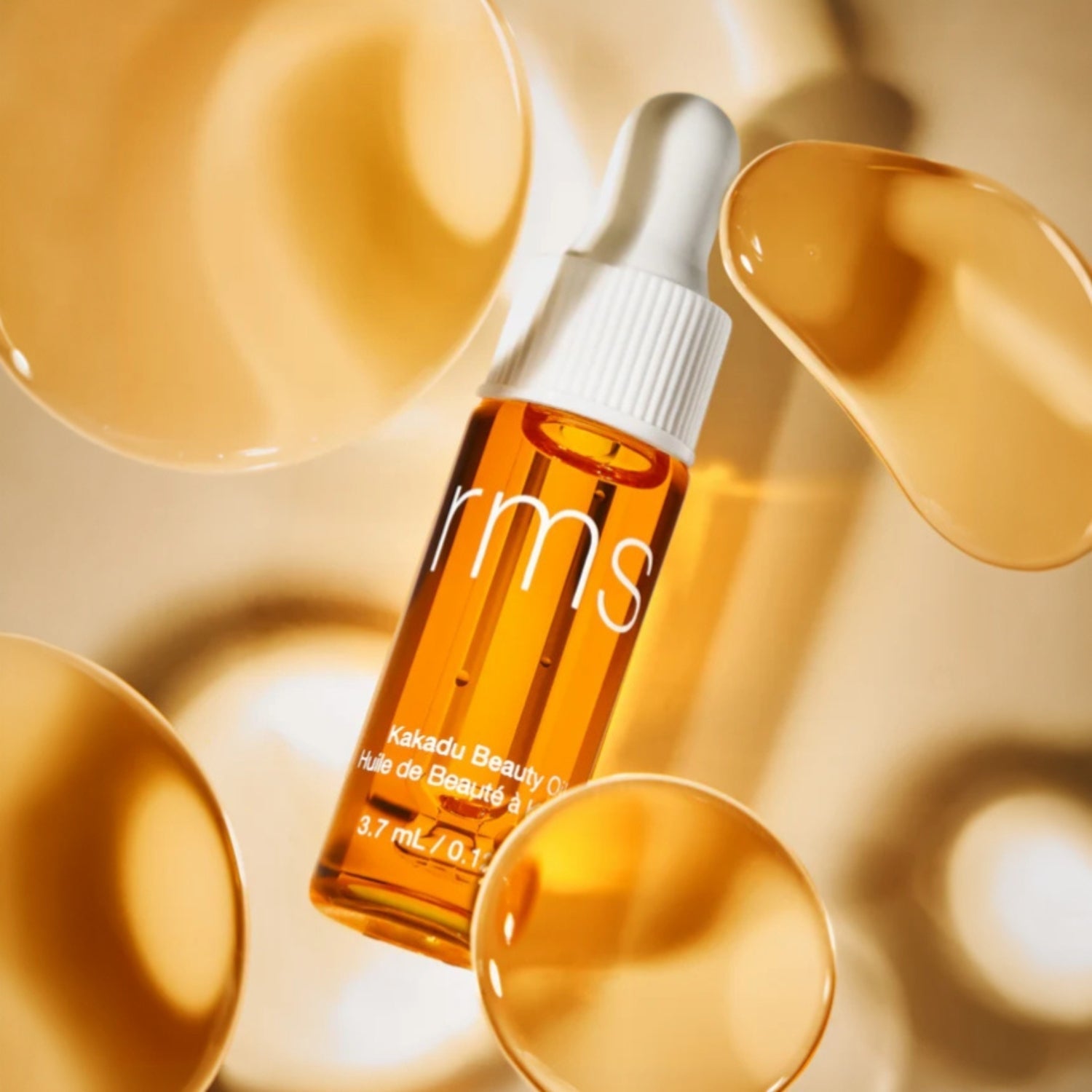
Follow the hydrating step with a moisturizer that seals everything in without clogging pores. A rich yet lightweight face cream with Organic Shea Butter and GlowPlex provides lasting hydration and helps smooth skin texture over consistent use. For teens who prefer an even lighter option, a few drops of a concentrated beauty oil with Organic Jojoba Oil and Kakadu Plum Seed Oil absorbs quickly and creates a protective barrier without heavy residue.
Step 4. Apply SPF Every Morning, No Exceptions
Sun damage starts young, and most of a person's lifetime UV exposure accumulates before the age of 18. A tinted SPF serum with mineral SPF 30 feels like skincare rather than sunscreen, which makes the step easier to stick with. Non-Nano Zinc Oxide provides 100% mineral protection that sits on top of skin and does not penetrate, and a hint of tint neutralizes any white cast.
Best Skincare for Teens by Skin Type
Not every teen has the same skin concerns. Here's how to adjust the basic routine based on what your skin actually needs.
| Skin Type | Key Concern | What to Prioritize | What to Avoid |
|---|---|---|---|
| Oily | Excess shine, enlarged pores | Gel cleanser, lightweight serum, mineral SPF | Heavy creams, stripping toners, over-cleansing |
| Dry | Tightness, flaking, rough patches | Cream cleanser, rich moisturizer, face oil | Foaming cleansers, alcohol-based products |
| Combination | Oily T-zone, dry cheeks | Gel cleanser, zone-specific moisturizing | Using the same product density everywhere |
| Sensitive | Redness, stinging, reactivity | Fragrance-free, KIND TO BIOME certified formulas | Harsh actives, physical scrubs, synthetic fragrance |
| Acne-prone | Breakouts, congestion, post-blemish marks | Non-comedogenic products, gentle exfoliation | Over-treating, picking, heavy occlusives on breakout areas |
Oily Teen Skin
Oily skin benefits from a gel cleanser and a water-based hydrator rather than a heavy cream. A serum mist applied after cleansing provides moisture without contributing to shine.
Sensitive and Reactive Teen Skin
Sensitive teen skin needs products that have been tested for microbiome compatibility. KIND TO BIOME certified formulas are independently verified to support the skin's natural ecosystem rather than disrupting the ecosystem. Avoid synthetic fragrances, sulfates, and high-concentration actives until the skin calms down.
Common Teen Skincare Mistakes to Avoid
Starting a skincare routine is great. Starting the wrong way can set skin back weeks. Here are the most common missteps.
- Over-cleansing. Washing more than twice a day strips the barrier and triggers rebound oil production. Morning and night is enough.
- Using products meant for adult skin. Retinol, glycolic acid, and high-strength vitamin C are formulated for adult concerns. Teen skin does not need these actives yet.
- Skipping moisturizer because skin feels oily. Oily skin still needs hydration. A lightweight serum mist balances production without adding heaviness.
- Popping and picking at blemishes. Picking introduces bacteria, causes scarring, and extends healing time. Patience serves the skin far better.
- Skipping SPF. UV damage is cumulative and starts in adolescence. Daily mineral SPF protects against premature aging and hyperpigmentation.
- Switching products too frequently. Skin needs four to six weeks to adjust. Changing products every few days prevents any formula from working.
Final Thoughts
Skincare for teens does not need to be complicated, expensive, or aggressive. A gentle cleanser, lightweight hydration, and daily mineral SPF cover the essentials. When the routine supports the skin barrier instead of stripping the barrier down, breakouts calm faster, oil production balances naturally, and skin stays healthier in the long run.
RMS Beauty formulates every skincare product with the same clean, skin-loving ingredients that professional makeup artists trust on set and backstage. All skincare products are KIND TO BIOME certified, meaning each formula is independently tested to confirm the formula does not disrupt the skin's natural microbiome. From a sulfate-free cleansing gel to a hydrating serum mist powered by Niacinamide and Kakadu Plum, the line is gentle enough for teen skin and effective enough for the whole family. Shop the full skincare collection and build a routine worth sticking with.
Frequently Asked Questions
Q. What is the best skincare routine for teens?
Cleanse with a gentle, sulfate-free formula morning and night. Apply a lightweight hydrator to damp skin. Follow with moisturizer. Wear mineral SPF every morning. Three to four steps is all teen skin needs.
Q. Do teens need to use moisturizer if their skin is oily?
Yes. Skipping moisturizer causes sebaceous glands to overcompensate by producing more oil. A lightweight, non-comedogenic moisturizer or serum mist keeps oil production balanced.
Q. When should teens start a skincare routine?
Around the onset of puberty, typically ages 11 to 13, is a good time to start a simple cleansing and moisturizing routine. Adding SPF daily is appropriate at any age.
Q. Are clean beauty products better for teen skin?
Products free from sulfates, synthetic fragrances, and harsh preservatives are less likely to irritate developing skin. KIND TO BIOME certified formulas are independently tested for microbiome compatibility.
Q. Should teens use acne treatment products?
Mild, non-prescription spot treatments with gentle ingredients can help with occasional breakouts. For persistent or severe acne, consult a dermatologist rather than layering multiple over-the-counter treatments.
Q. How long does a new skincare routine take to show results?
Most routines show visible improvement within four to six weeks of consistent use. Changing products too frequently prevents any formula from having enough time to deliver results.
Shop The Blog
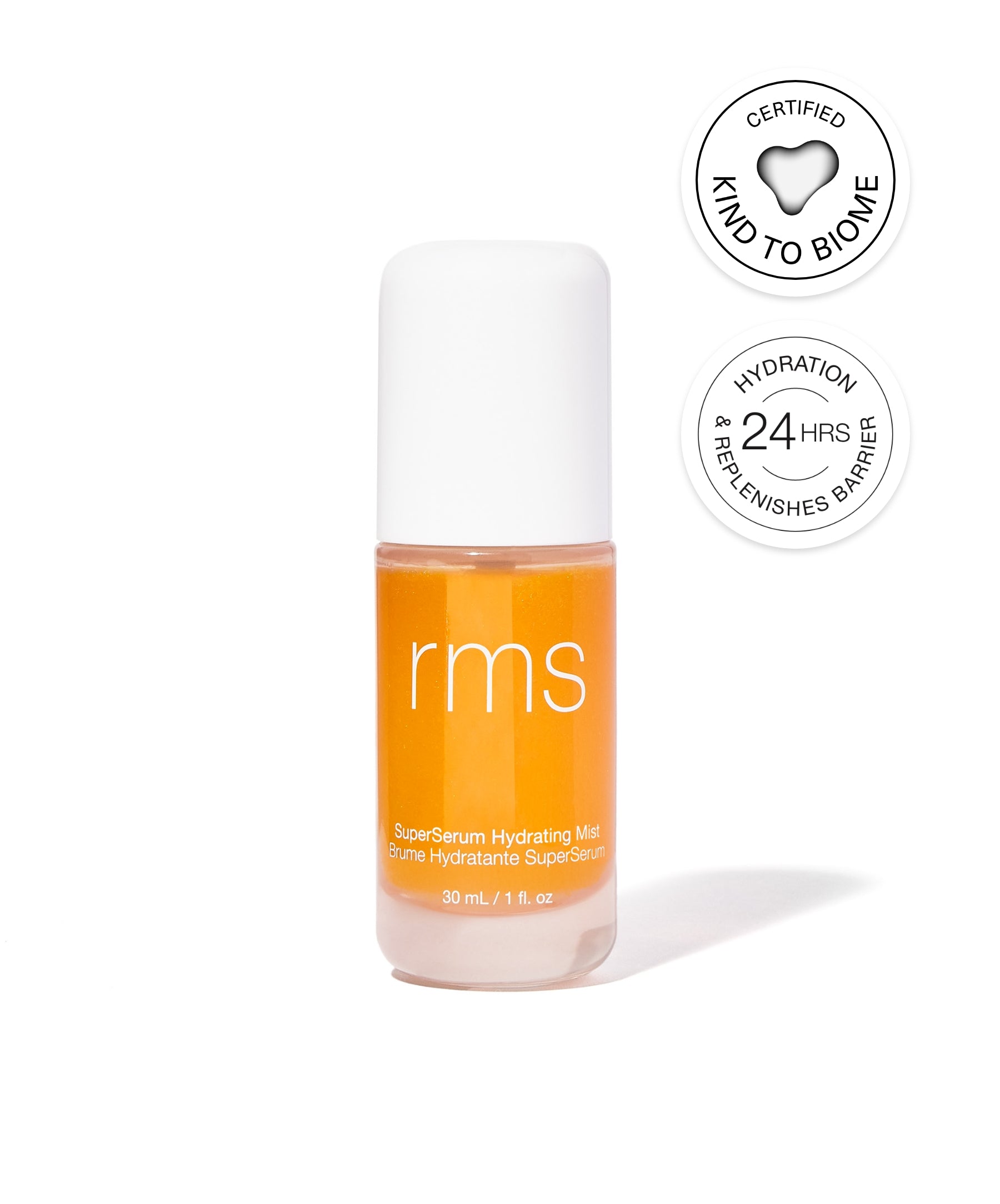
SuperSerum Hydrating Mist
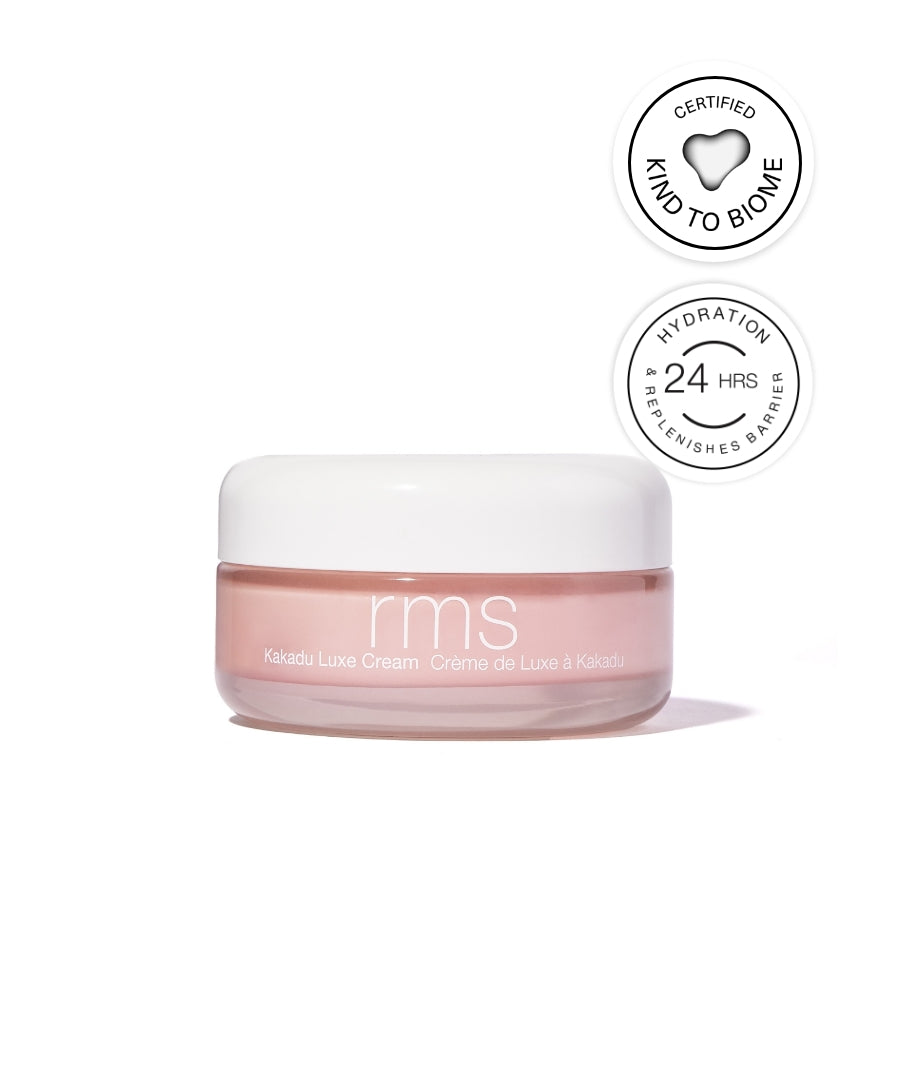
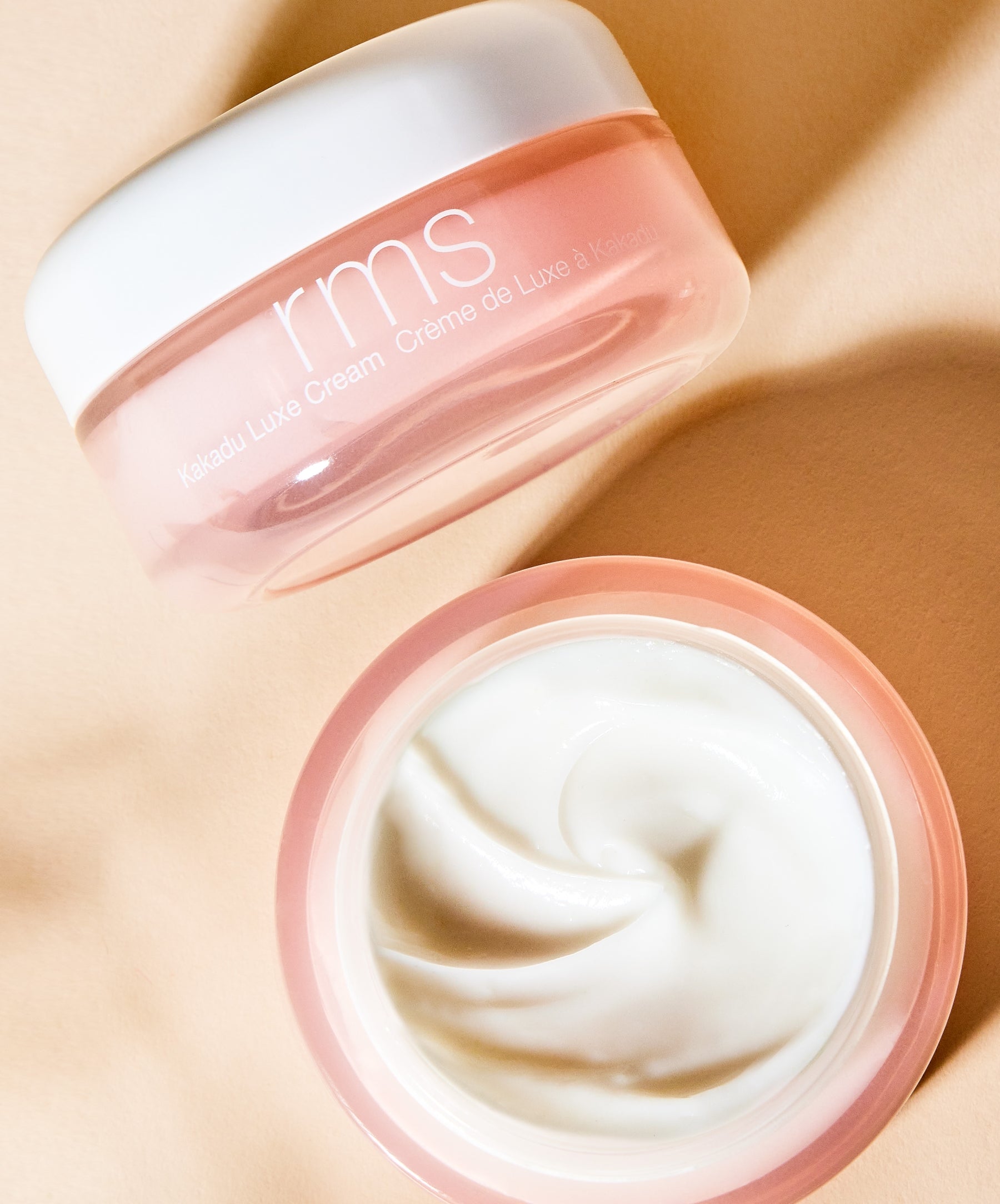
Kakadu Luxe Cream
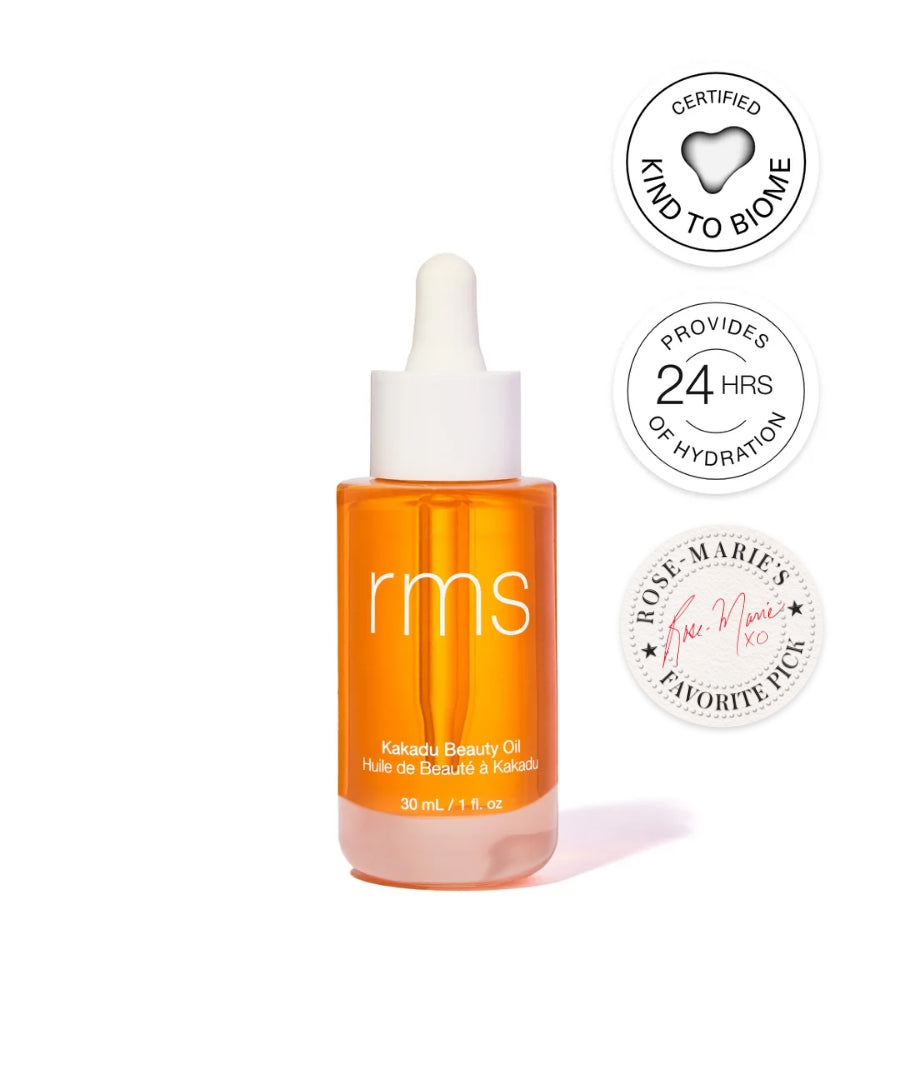
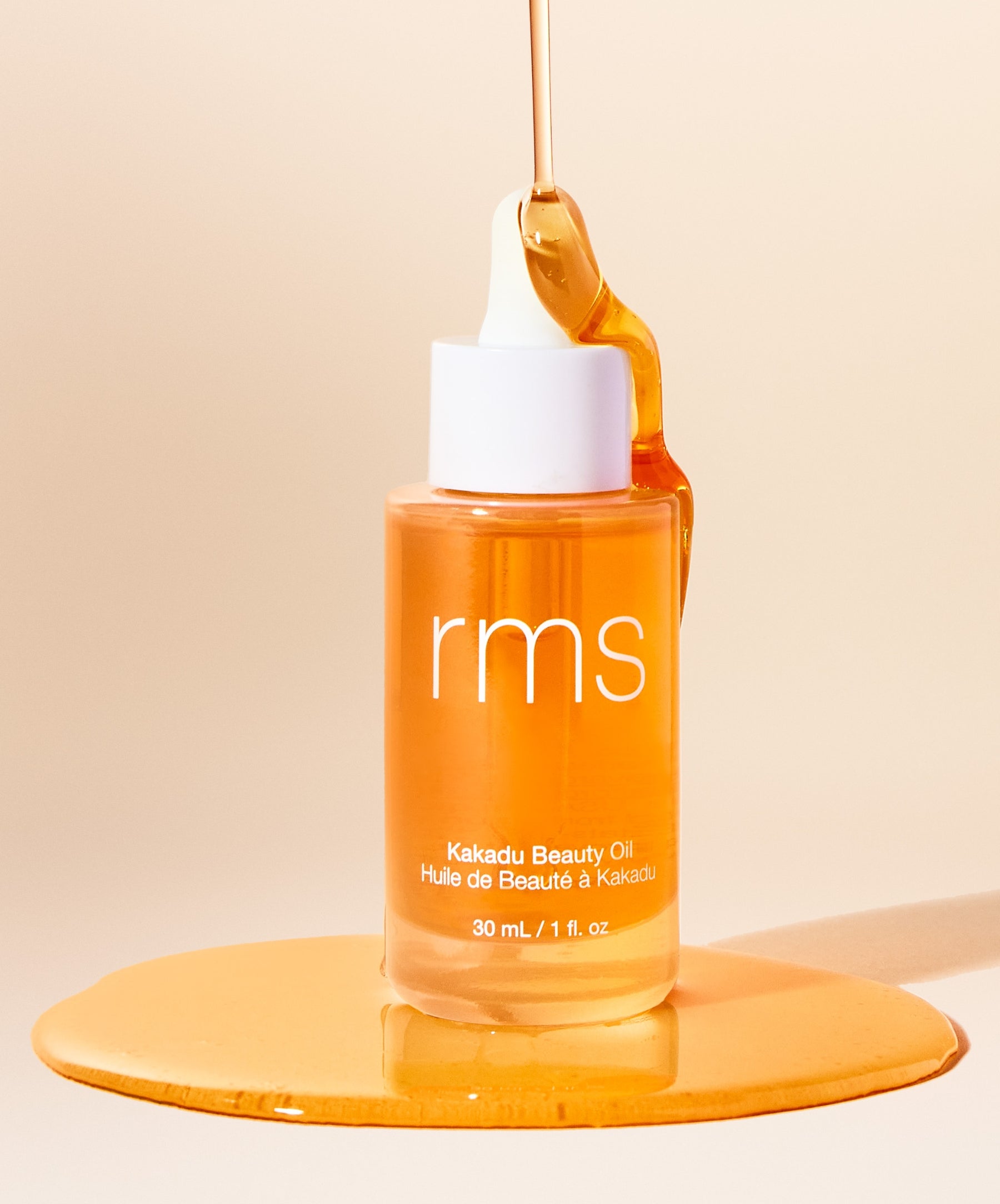
Kakadu Beauty Oil