Skip to main content




How to Use a Makeup Palette: A Beginner's Step-by-Step Guide
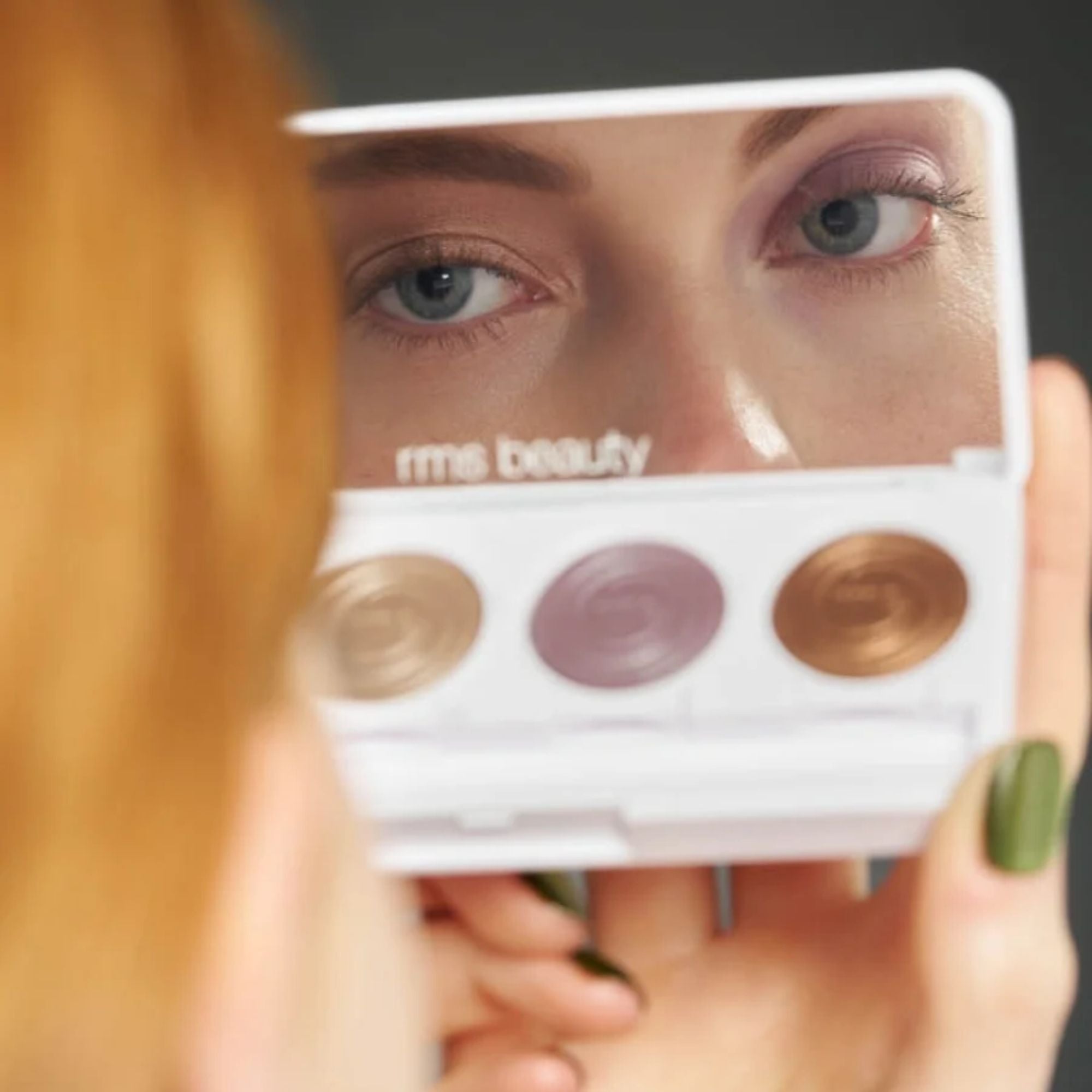
Opening a makeup palette for the first time can feel like staring at a color-coded puzzle with no instructions. Eyeshadow quartets with four curated shades. Highlighter palettes with warm and cool tones side by side. Multi-use compacts with bronzer, blush, lip color, and luminizer in one case. Where do you start?
Here's what makes the process simpler than it looks: every well-designed makeup palette is built around a system. Whether you're holding an eyeshadow palette with transition and accent tones or a face palette with highlighter and blush, each shade has a specific job. Once you understand how to use a makeup palette by function rather than by instinct, the guesswork disappears.
What Is a Makeup Palette and Why Use One
A makeup palette is a compact containing multiple coordinated shades, either of one product type or several. Palettes curate colors that already work together, so there's no guesswork in building a cohesive look.
What most beginners don't realize is that makeup palettes go well beyond eyeshadow. Highlighter palettes, lip-and-cheek quads, and full-face cream compacts all qualify, and knowing the difference helps you pick the right one for your routine.
| Palette Type | What's Inside | Best For |
|---|---|---|
| Eyeshadow palette | Matte, satin, and metallic eye shades | Building layered, defined eye looks |
| Highlighter palette | Light-reflecting glow shades | Cheekbones, brow bone, inner corners |
| Lip and cheek quad | Multi-use cream colors | Quick, on-the-go color for lips and cheeks |
| Full-face cream palette | Bronzer, luminizer, blush, lip color, balm | Complete looks from one compact |
How to Use an Eyeshadow Palette Step by Step
How to use eyeshadow palette shades comes down to placement, not perfection. Every shade has a role, and once you map those roles to areas of the eye, the application clicks.
Prep and Map Your Shades
Lightest shades work as a base and highlight. Medium neutrals serve as your transition shade for the crease. Medium-dark tones go on the lid. The darkest shade adds definition in the outer corner. Metallic or satin finishes are accent shades.
Apply a thin layer of concealer or a neutral cream eye color as a base, then let that set for 30 seconds before layering shadow on top.
Build and Blend Color
Sweep the transition shade. Pick up your medium neutral on a fluffy blending brush or fingertip. Sweep back and forth through the crease to bridge the gap between your skin tone and the lid color.
Pack color on the lid. Press your lid shade onto the center of the eyelid with a flat brush or fingertip. Pat, don't sweep, for richer color payoff.
Define the outer corner. Place the darkest shade in the outer V where the upper and lower lash lines meet. Blend into the transition shade so there's no visible line between colors.
Highlight and Finish
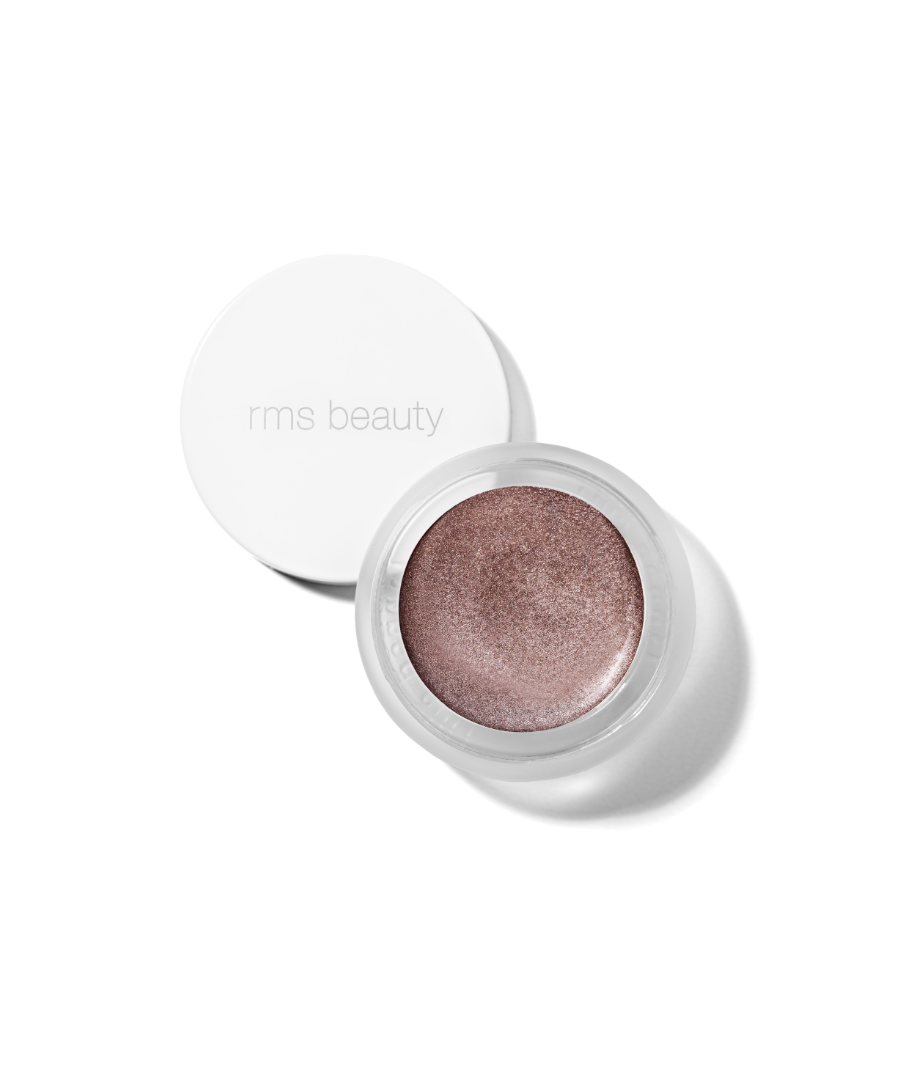
Dab the lightest shade on the inner corner of the eye and just below the brow bone. A multi-finish eyeshadow palette with Gel2Powder Technology makes this step effortless, since the creamy texture glides on and blends with fingertips.
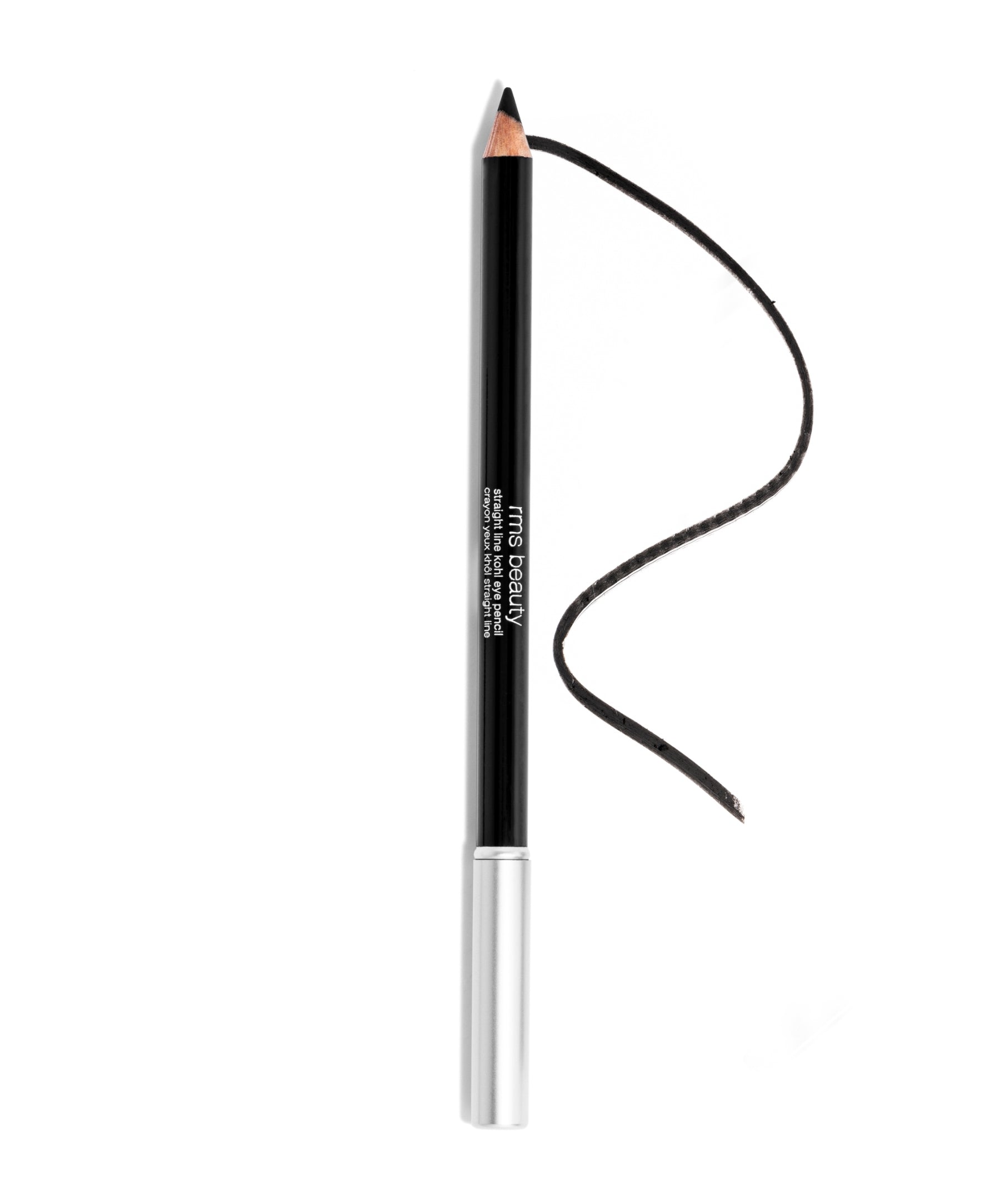
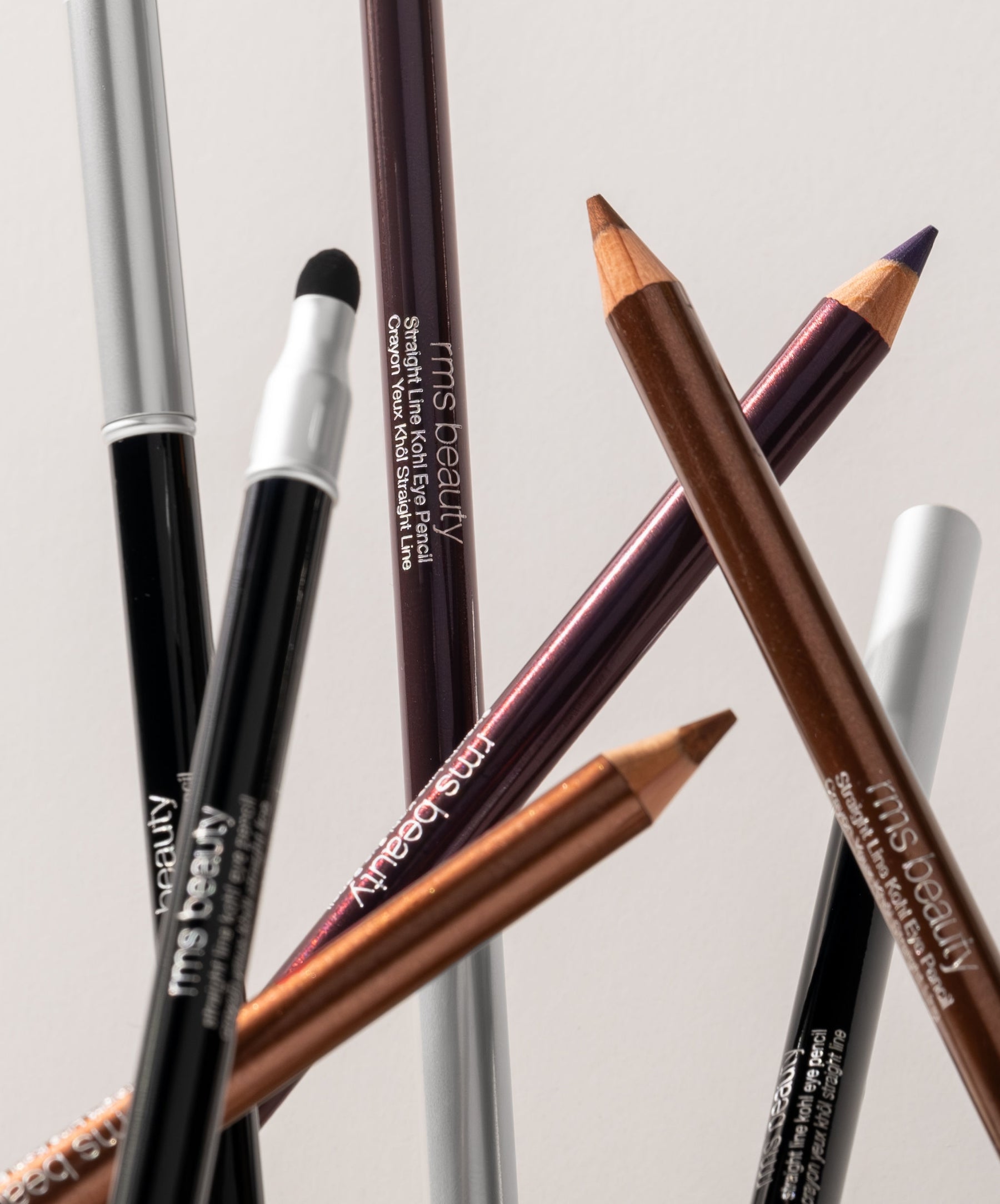
For added definition, smudge the darkest palette shade along the upper lash line with a small angled brush, or trace with a creamy kohl pencil and blend. Finish with volumizing mascara from root to tip.
How to Use a Highlighter Palette
A highlighter palette is about catching light, not building depth. The goal is to accent the high points of the face with a soft, lit-from-within finish.
Where to Place Highlighter
Tap the shade closest to your skin tone onto the tops of your cheekbones, right where light naturally hits. Use your ring finger or a fan brush for the softest application.
A slightly lighter shade above the brow arch and on the inner corner of each eye opens up the eye area without adding visible color.
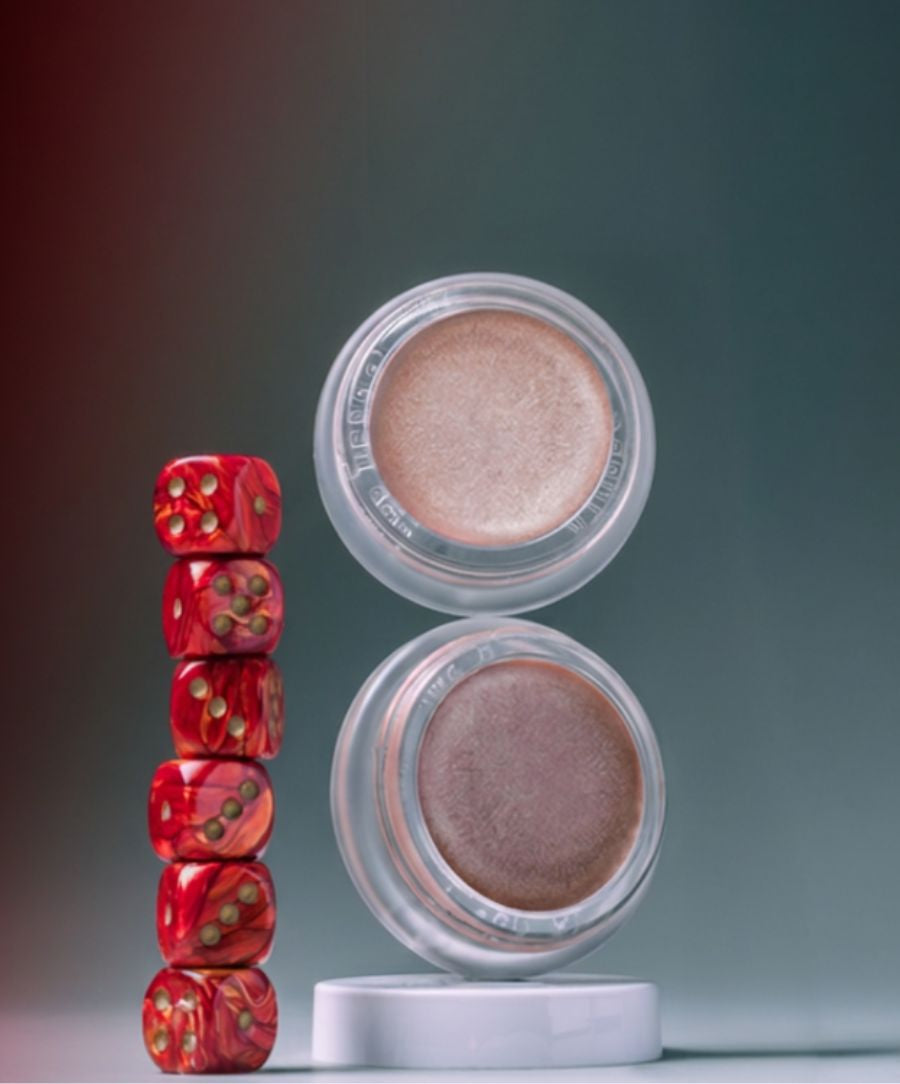
A light tap above the lip and on the bridge of the nose adds dimension that looks like skin, not product. A sheer highlighter palette with Gel2Powder formula creates a luminous glow, while a travel-friendly luminizer quad delivers a buttery, melt-into-skin texture that doubles as an eyeshadow base.
How to Use a Multi-Use Face Palette
A full-face cream makeup palette with bronzer, luminizer, lip-and-cheek color, and balm in one compact lets you build an entire look without reaching for individual products.
Building a Full Look From One Compact
Sweep the bronzer across the temples, along the hairline, and under the cheekbones. Fingertips help cream formulas melt seamlessly into skin.
Lip-and-cheek shades in a multi-use makeup palette work on both. Tap onto the apples of the cheeks and blend outward, then dab the same shade onto lips. A multi-use lip and cheek quad makes touchups seamless with four complementary shades in one compact.
Pat the highlighter shade onto cheekbones, the brow bone, and the bridge of the nose for a cohesive, pulled-together glow.
Common Makeup Palette Mistakes Beginners Make
Avoiding these common traps saves product, time, and frustration.
- Skipping the transition shade. Without a bridge between your skin tone and the lid color, eyeshadow looks choppy and disconnected.
- Using too much product. Start with a light hand and build. You can always add more, but removing excess takes effort.
- Over-blending into mud. Blend with purpose: windshield-wiper motions through the crease, patting on the lid, small strokes in the outer corner. Circular blending for too long muddles colors into one flat wash.
- Ignoring the lower lash line. A trace of shadow or liner under the eye connects the look * and adds definition.
- Using only half the palette. The pans you never reach for might be the transition or accent tones that pull everything together.
How to Get More Looks From One Palette
One makeup palette can produce dozens of looks depending on which shades you emphasize and where you place them.
Everyday natural = transition shade across the lid, lightest shade on the inner corner, mascara. Done in two minutes.
Soft office look = transition in the crease, satin shade on the lid, darkest shade as a tight liner.
Evening smokey = dark shade across the lid and into the crease, metallic on the center, kohl liner smudged along both lash lines.
Pop of metallic = neutral matte base across the eye, one metallic shade packed onto the center of the lid as a statement.
Full-face glow = cream face palette from start to finish. Bronzer for warmth, cheek color for a flush, lip shade from the compact, luminizer on the high points.
Final Thoughts
Learning how to use a makeup palette is one of the most satisfying skill-building moments in beauty. Once you understand shade placement and blending basics, a single compact becomes a toolkit for every occasion.
RMS Beauty's palettes and quads are designed for that kind of versatility, with curated shades in multi-finish formats that blend with fingertips and perform all day. Clean ingredients, talc-free formulas, and colors that work together right out of the compact.
Frequently Asked Questions
Q. How do I use a makeup palette as a beginner?
Identify the type of makeup palette you have. For eyeshadow palettes, map shades to placement: light for highlights, medium for the crease, dark for definition. For face palettes, work from bronzer to cheek color to luminizer.
Q. What order do you apply shades from an eyeshadow palette?
Transition shade in the crease first, lid color on the eyelid, dark shade in the outer corner, highlight on the inner corner and brow bone, then liner and mascara.
Q. Can I use my fingers to apply makeup from a palette?
Yes, especially with cream, gel-to-powder, and multi-use formulas. Fingertips warm the product for smooth, even application. Your ring finger offers the gentlest touch for the eye area.
Q. How many shades do I need from a palette for one look?
Three shades create a complete eye look: transition, lid, and accent. Two work for everyday. A full-face palette can produce a complete look from four or five pans across bronzer, blush, lip, and luminizer.
Q. What is the difference between an eyeshadow palette and a face palette?
An eyeshadow palette contains coordinated eye shades in matte, satin, and metallic finishes. A face palette includes products for the full face like bronzer, blush, lip color, and highlighter, often in cream formulas designed for multi-use application.
Q. How do I keep eyeshadow from creasing throughout the day?
Set the lid with primer or concealer before application, choose crease-resistant formulas like gel-to-powder shadows, and avoid applying too thickly. A light setting mist helps lock everything in place.