Skip to main content




What Are the Skin Benefits of Centella Asiatica?
You've probably seen "CICA" stamped on serums, recovery balms, and barrier-repair creams. Maybe someone told you centella asiatica was the ingredient that "finally calmed their skin down." But what is centella, really, and what does centella do for skin that other botanicals can't?
Centella asiatica has been used in Ayurvedic and traditional Chinese medicine for centuries to treat wounds, reduce inflammation, and strengthen skin. When modern researchers isolated its active compounds, they found four molecules that work together to calm redness, stimulate collagen, repair the barrier, and neutralize free radicals. Unlike trendier ingredients that come and go, centella asiatica benefits have decades of clinical research and centuries of traditional use behind them. Here's how centella asiatica for skincare actually works, which skin types benefit most, and where to find the ingredient in your daily routine.
What Is Centella Asiatica
Centella asiatica, also called gotu kola, tiger grass, or Indian pennywort, is a small, creeping herb that grows in tropical and subtropical climates across Asia, Africa, and the South Pacific. The plant has been used in Ayurvedic and traditional Chinese medicine for wound healing, inflammation, and skin repair.
The Active Compounds Behind the Benefits
Centella asiatica's skin benefits come from four primary active compounds:
- Asiaticoside supports collagen synthesis and wound healing
- Madecassoside reduces inflammation and calms irritation
- Asiatic acid strengthens the skin barrier and promotes firmness
- Madecassic acid supports moisture retention and skin repair
Together, these compounds are often referred to as "titrated extract of centella asiatica" (TECA), a standardized blend used in clinical studies.
Centella Asiatica vs. CICA
You'll often see "CICA" on skincare labels. CICA is simply a shortened form of centella asiatica. Products labeled as CICA serums, creams, or balms contain centella asiatica extract as the primary active ingredient.
Centella Asiatica Benefits for Skin
What does centella do for skin? The benefits span from surface-level calming to deeper structural support, making centella asiatica for skincare one of the most versatile botanical ingredients available.
Calms Inflammation and Redness
Madecassoside, one of centella's key compounds, reduces inflammatory markers in the skin. For anyone dealing with redness, sensitivity, or reactive skin, centella asiatica skincare provides gentle, effective calming without harsh actives.
Strengthens the Skin Barrier
A compromised skin barrier leads to dryness, sensitivity, and increased vulnerability to environmental damage. Centella asiatica supports barrier repair by promoting the production of lipids and ceramides that hold the skin's protective layer together.
Supports Collagen Production
Asiaticoside stimulates fibroblast activity, which is the process responsible for producing new collagen. Stronger collagen networks translate to firmer, more resilient skin with fewer visible fine lines over time.
Promotes Wound Healing and Scar Reduction
Centella asiatica has a long history of use for wound healing. Modern research confirms that the plant's active compounds accelerate skin repair and may improve the appearance of scars, stretch marks, and post-inflammatory hyperpigmentation.
Delivers Antioxidant Protection
Centella asiatica contains flavonoids and phenolic compounds that neutralize free radicals. Antioxidant protection helps prevent premature aging caused by UV exposure and environmental pollution.
How Centella Asiatica Works in Beauty Products
Centella asiatica for skincare appears in everything from serums and moisturizers to color cosmetics. The ingredient's versatility allows formulators to incorporate calming, barrier-supporting benefits into products across categories.
In Skincare Formulas
Serums, creams, and masks with centella asiatica target skin repair and hydration. The ingredient pairs well with hyaluronic acid for hydration, niacinamide for barrier support, and peptides for anti-aging benefits.
In Color Cosmetics
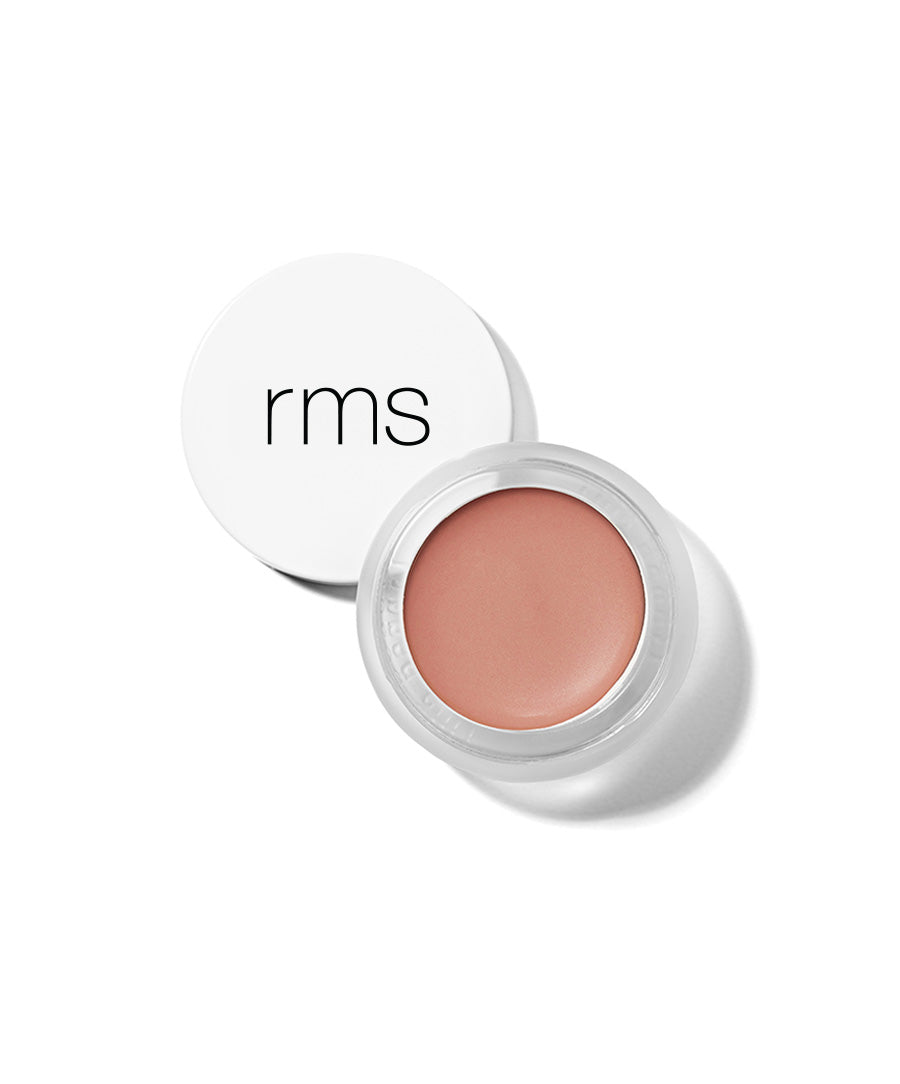
Centella asiatica extract also appears in color cosmetics designed for sensitive skin. A multitasking cream blush formulated with centella asiatica extract provides color for lips and cheeks while delivering calming, skin-soothing benefits with every application. Organic coconut oil, shea butter, and buriti oil round out the formula with additional nourishment.
In Lip Products
Lip products benefit from centella asiatica's barrier-strengthening and anti-inflammatory properties. Clean lip formulas that include centella extract help keep lips conditioned and calm, especially in harsh weather.
Centella Asiatica for Different Skin Types
| Skin Type | Primary Centella Benefit | What to Look For |
|---|---|---|
| Sensitive | Calming, anti-inflammatory | CICA-focused serums and balms |
| Oily or acne-prone | Reduces post-breakout redness and scarring | Lightweight, non-comedogenic formulas |
| Dry | Barrier repair, moisture retention | Rich creams with centella and ceramides |
| Mature | Collagen support, firmness | Peptide-centella combination serums |
| Normal | Antioxidant defense, maintenance | Any centella-based product, including color cosmetics |
Building a Centella-Friendly Skincare Routine
A solid routine that incorporates centella asiatica benefits doesn't require a complete product overhaul. One or two well-formulated products can make a noticeable difference.
- Cleanse gently. Start with a balm-to-oil cleanser that removes impurities without stripping the barrier centella works to protect.
- Mist for hydration. A dual-phase serum mist preps skin and delivers active ingredients before heavier products go on.
- Apply a centella-based serum or moisturizer. Layer your CICA product over damp skin for maximum absorption.
- Seal with a face oil. A concentrated beauty oil locks in the hydration and active ingredients from every layer beneath.
- Protect. Always finish with SPF in the morning.
Pairing centella with nourishing, plant-based skincare products amplifies the benefits. RMS Beauty's clean skincare line complements centella-focused routines with organic oils, adaptogenic herbs, and antioxidant-rich formulations.
How to Choose the Right Centella Product
Not every centella asiatica skincare product is created equal. Concentration, formulation type, and supporting ingredients all affect how well the ingredient performs.
Look for Standardized Extracts
Products listing "centella asiatica extract" or "titrated extract of centella asiatica (TECA)" deliver a consistent, research-backed concentration of active compounds. Vague listings like "herbal blend" may contain too little centella to be effective.
Pair With Complementary Ingredients
Centella works synergistically with ingredients that support its calming and barrier-building action:
- Niacinamide amplifies barrier repair and brightening
- Hyaluronic acid provides the hydration that centella helps lock in
- Peptides support the collagen production centella initiates
- Ceramides reinforce the lipid barrier centella strengthens
Avoid Combining With Aggressive Actives
High-concentration glycolic acid, retinol, and benzoyl peroxide can compromise the very barrier centella works to repair. If you use these actives, apply centella on alternate nights or layer centella as a soothing step after the active has absorbed.
Final Thoughts
Centella asiatica earns its reputation as a skincare powerhouse through science, not hype. From calming reactive skin to supporting collagen and repairing the barrier, centella asiatica benefits address some of the most common and persistent skin concerns.
Whether centella asiatica shows up in your serum, your hydrating face cream, or even your cream blush, the ingredient works consistently and gently to keep skin balanced, resilient, and healthy.
Frequently Asked Questions
Q. What is centella asiatica?
Centella asiatica is a tropical herb also known as gotu kola or tiger grass. The plant contains active compounds that calm inflammation, support collagen production, and strengthen the skin barrier.
Q. What does centella do for skin?
Centella calms redness and irritation, promotes wound healing, supports collagen synthesis, strengthens the skin barrier, and provides antioxidant protection.
Q. Is centella asiatica good for acne-prone skin?
Yes. Centella's anti-inflammatory properties help reduce post-breakout redness and may improve the appearance of acne scars over time without irritating active breakouts.
Q. Can I use centella asiatica with other active ingredients?
Centella pairs well with hyaluronic acid, niacinamide, and peptides. Use caution when combining centella with strong exfoliants like high-concentration AHAs or retinol, which can compromise the barrier centella supports.
Q. How long does centella asiatica take to work?
Most people notice reduced redness and improved skin comfort within 2-4 weeks of consistent use. Barrier repair and collagen benefits develop over 6-12 weeks.
Q. Is centella asiatica the same as CICA?
Yes. CICA is a shortened name for centella asiatica. Products labeled CICA contain centella asiatica extract as their key active ingredient.
Shop The Blog
Lip2Cheek
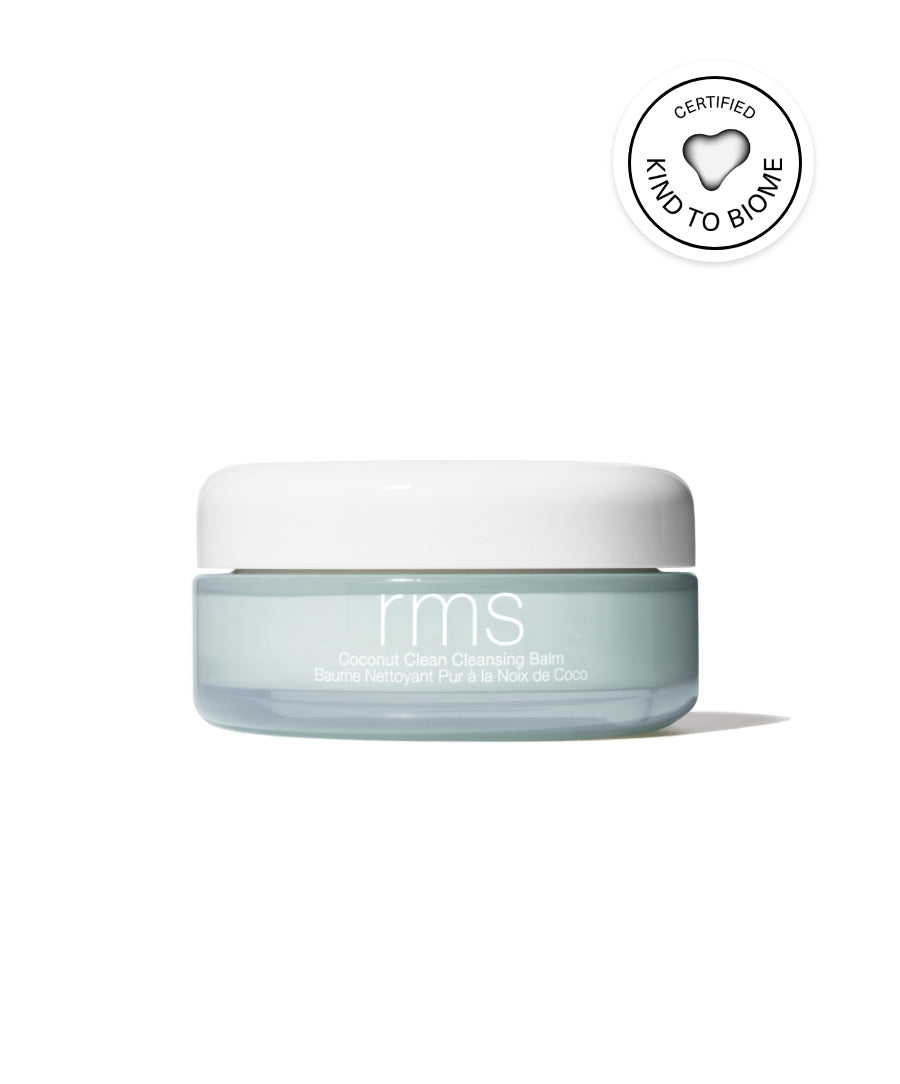
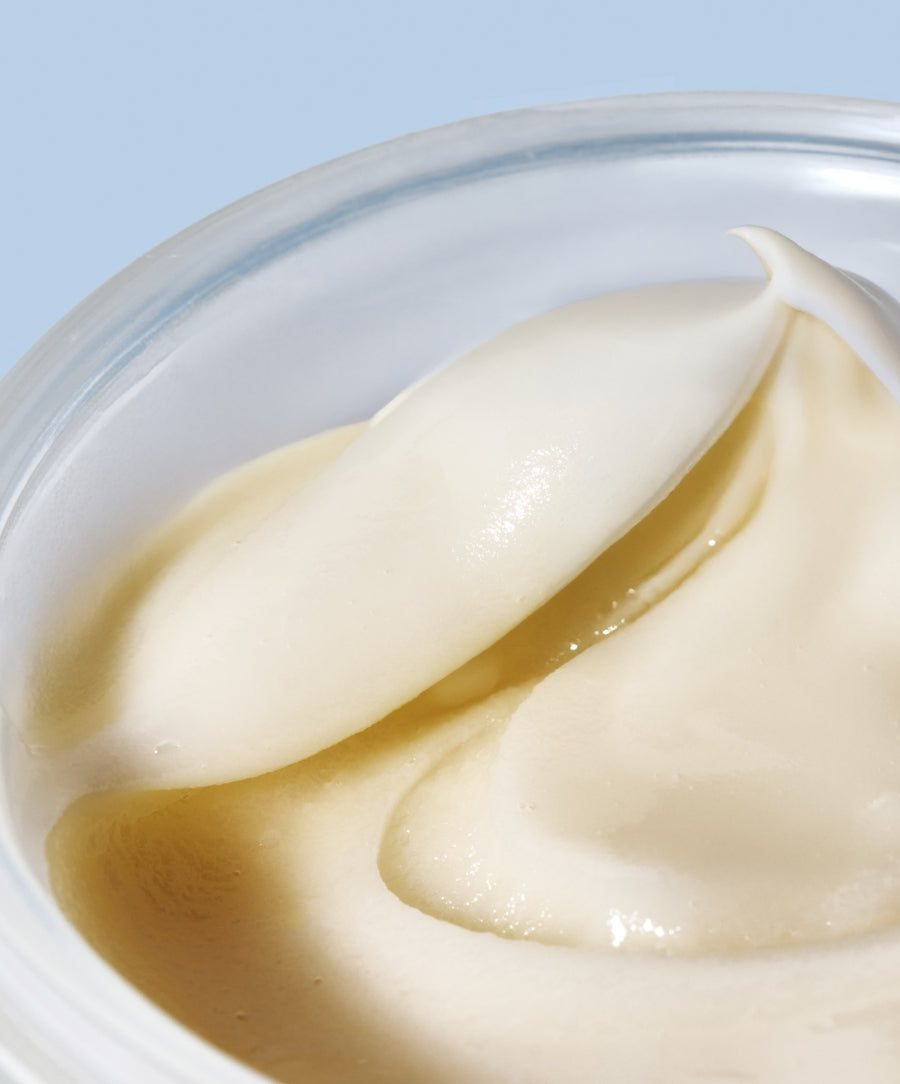
Coconut Clean Cleansing Balm
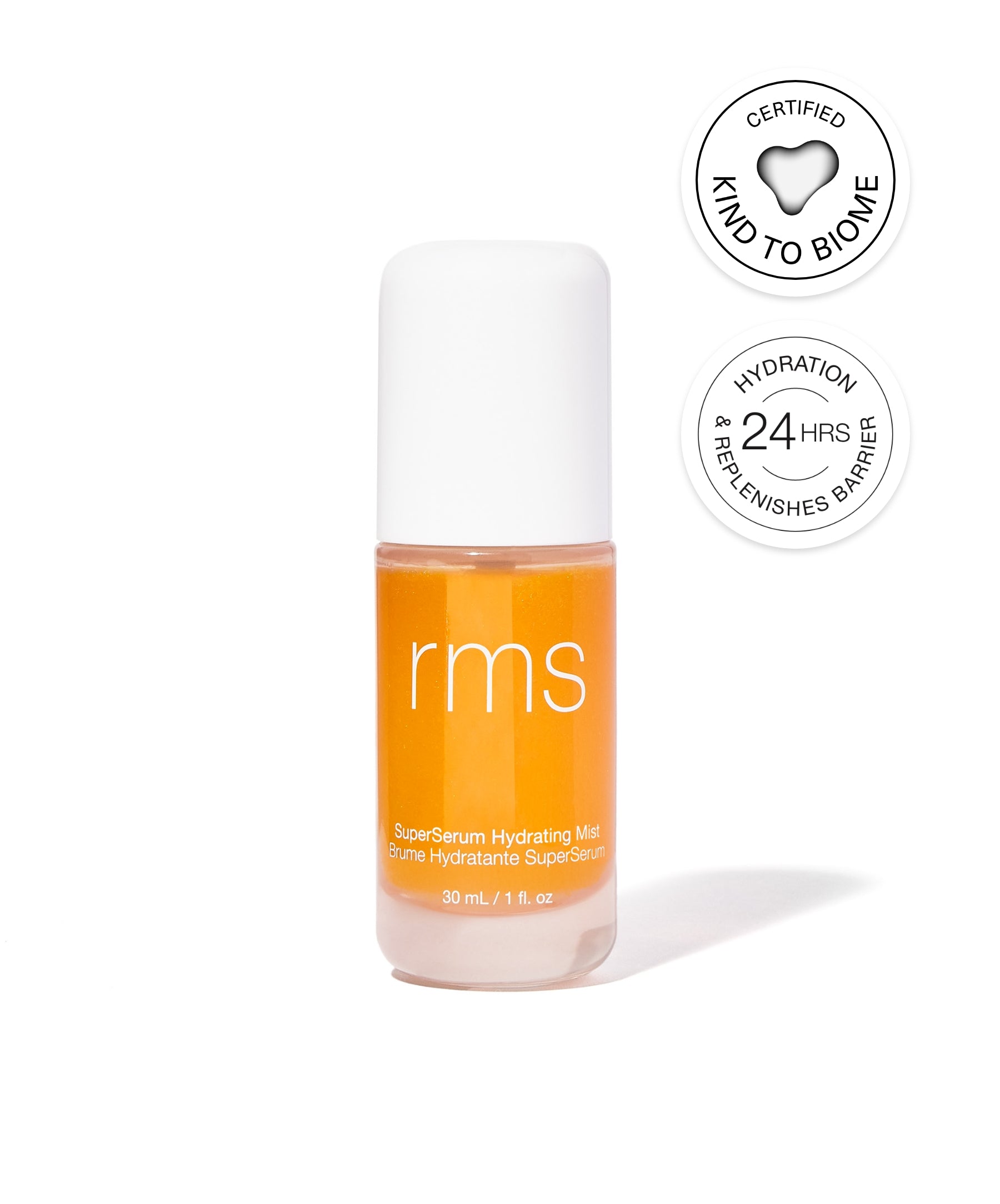
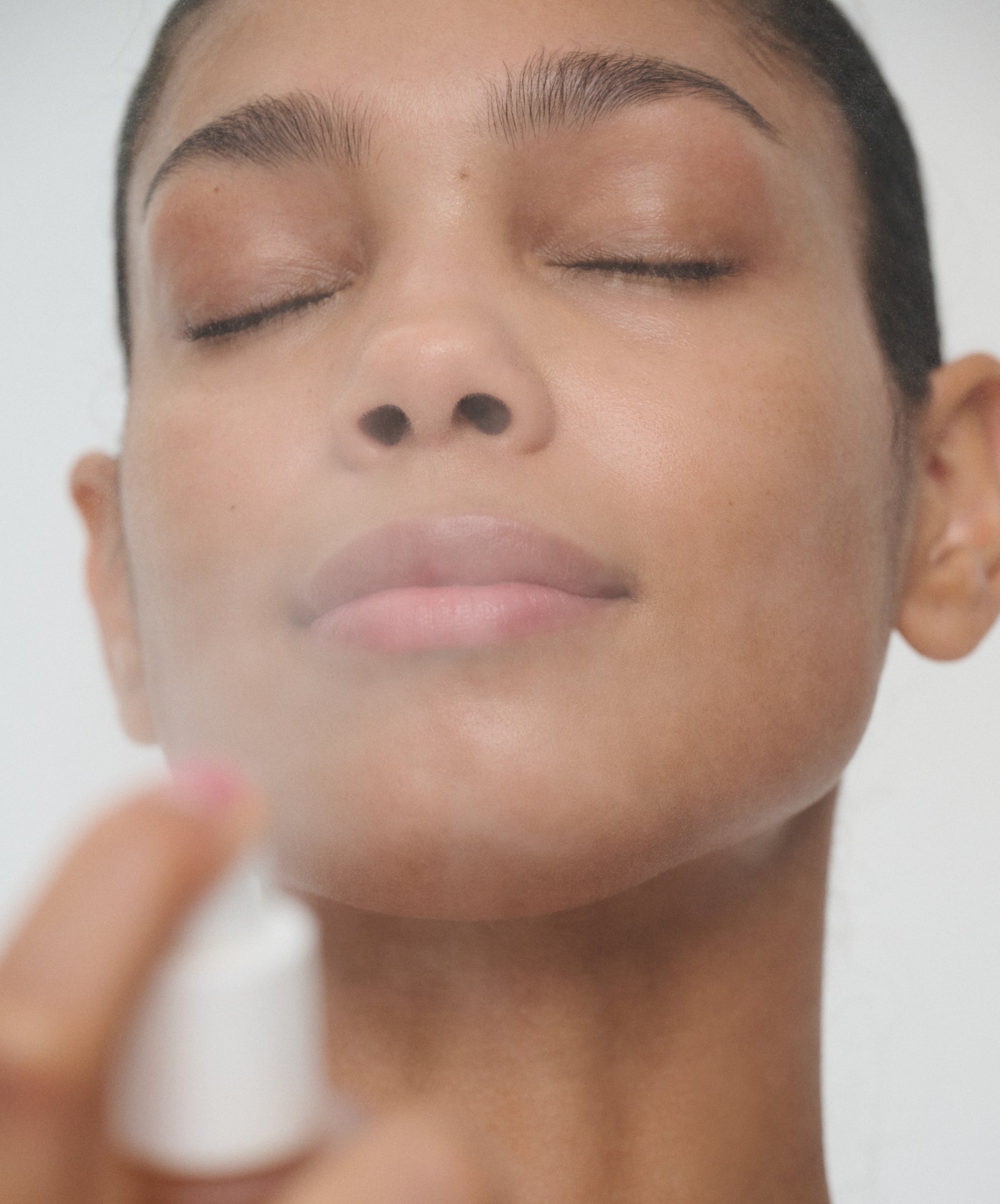
SuperSerum Hydrating Mist