Skip to main content




Silica for Skin: Benefits, Uses and How It Improves Skin Health
Silica is one of the most abundant minerals on earth, yet most people have never stopped to think about what it does for their skin.
The mineral is everywhere, in the food you eat, in the connective tissue that holds your body together, and in the cosmetics you apply every morning. Inside the body, silica supports collagen production and keeps skin elastic and resilient. On the surface, cosmetic-grade silica absorbs oil, blurs pores, and makes products feel smoother on application. Few ingredients work on both levels so effectively, and even fewer are as well tolerated across skin types. Understanding silica benefits explains why the ingredient appears in everything from dietary supplements to clean beauty formulas, and how your skin relies on it daily, whether you realize it or not.
What Is Silica and What Is Silica Used For
Silica, also known as silicon dioxide (SiO2), is a naturally occurring mineral found in quartz, sand, and many plant-based foods. In the human body, silica is a trace mineral concentrated in connective tissues, including skin, hair, nails, bones, and cartilage.
Silica in the Body
The body uses silica to support collagen synthesis, maintain skin elasticity, and strengthen connective tissues. As you age, natural silica levels decline, which contributes to thinner skin, reduced elasticity, and slower wound healing.
Silica in Skincare and Cosmetics
In beauty products, silica serves a different but equally valuable purpose. Cosmetic-grade silica acts as an absorbent, a mattifying agent, and a texture enhancer. The mineral absorbs excess oil, blurs the appearance of pores, and creates a smooth, even canvas for makeup application.
Food-Grade vs. Cosmetic-Grade Silica
| Type | Source | Use | How It Works |
|---|---|---|---|
| Food-grade silica | Derived from quartz or diatomaceous earth | Supplements, food additive | Supports collagen and connective tissue internally |
| Cosmetic-grade silica | Purified silicon dioxide | Powders, primers, liners | Absorbs oil, smooths texture, improves product feel |
| Plant-derived silica | Horsetail, bamboo, oats | Herbal supplements | Provides bioavailable silicon for skin and hair |
Silica Benefits for Skin Health
The silica benefits that matter for skin operate on two levels: internal support through diet and supplements, and external performance through topical beauty products.
Supports Collagen Production
Collagen gives skin its firmness and bounce. Silica plays a role in collagen synthesis by contributing to the cross-linking of collagen fibers. When collagen networks are well-structured, skin appears firmer and more resilient.
Improves Skin Elasticity and Hydration
Healthy connective tissue retains moisture more effectively. Silica supplement benefits may include improved skin hydration and elasticity over time, though results depend on overall diet, hydration, and skincare habits.
Strengthens Hair and Nails
What does silica do for the body beyond skin? The mineral also supports keratin production, which strengthens hair strands and nails. Brittle nails and thinning hair can sometimes signal low silica levels.
Smooths Skin Texture in Topical Products
When applied topically through powders and primers, silica microspheres fill in fine lines and pores, creating a soft-focus effect. A creamy kohl eye pencil that includes silica in its formulation delivers a smoother, more precise application because the mineral refines the texture of the product itself.
How Silica Works in Clean Beauty Products
Silica's role in cosmetics is primarily functional. The mineral improves how products feel, apply, and perform on skin throughout the day.
Oil Absorption and Mattifying
Silica particles absorb excess sebum without stripping moisture, making the ingredient ideal for products designed to control shine. Setting powders and primers rely on silica to keep makeup looking fresh for hours.
Soft-Focus and Pore-Blurring
Silica microspheres scatter light across the skin's surface, diffusing the appearance of pores, fine lines, and texture. The effect is subtle and natural, nothing heavy or cakey.
Improved Product Application
In pencils, powders, and pressed formulas, silica contributes to a smoother glide. Eye pencils and lip liners formulated with silica apply more evenly and resist skipping or tugging on the skin.
Clean Beauty Compatibility
Silica is naturally derived, non-toxic, and compatible with clean beauty standards. Brands committed to ingredient transparency use cosmetic-grade silica because the mineral delivers real performance without synthetic additives.
Silica in a Balanced Skincare Approach
The most effective strategy for silica benefits combines dietary sources, and topical products that include silica for functional performance.
Dietary Silica Sources
Whole grains, oats, bananas, green beans, leafy greens, and root vegetables all provide dietary silica. A varied diet rich in whole foods ensures a baseline level of silicon intake without supplementation.
Topical Products With Silica
In your makeup bag, silica works in setting powders, primers, and pencils to control oil, smooth texture, and improve longevity. Look for "silica" or "silicon dioxide" on the ingredient list when choosing complexion products designed for oil control.
Supplementation as a Complement
Supplements like orthosilicic acid (OSA) or bamboo-derived silica can complement a topical skincare routine and a silica-rich diet. As with any supplement, consulting a healthcare provider before starting is recommended.
A well-rounded approach, eating silica-rich foods, using topical products with silica, and optionally supplementing, gives your skin the broadest range of benefits of taking silica for long-term skin health.
Final Thoughts
Silica works behind the scenes, both inside your body and inside your beauty products. From supporting collagen production and maintaining elasticity to creating a smooth, oil-free canvas for makeup, silica benefits skin at every level and at every age.
RMS Beauty uses silica in select formulations to enhance texture and application, always in combination with nourishing oils, organic botanicals, and clean ingredients that care for skin while they perform.
Frequently Asked Questions
What is silica used for in skincare?
In skincare and cosmetics, silica absorbs excess oil, blurs pores, smooths product texture, and creates a soft-focus finish on the skin.
What does silica do for the body?
Silica supports collagen synthesis, strengthens connective tissues, and contributes to healthy skin elasticity, hair strength, and nail integrity.
Are silica supplements worth taking for skin?
Silica supplements may support skin firmness and hydration over time. Orthosilicic acid (OSA) is the most bioavailable form. Pair supplements with a consistent topical skincare routine for best results.
Is silica safe in cosmetics?
Yes. Cosmetic-grade silica is purified, non-toxic, and widely used in clean beauty products. The mineral is naturally derived and does not clog pores.
What foods contain silica?
Whole grains, oats, bananas, green beans, leafy greens, and root vegetables are good dietary sources of silica.
Can silica help with aging skin?
Silica supports collagen structure, which contributes to skin firmness and elasticity. Both dietary silica and topical products containing silica can play a role in maintaining a healthy complexion over time.
What is the difference between silica and silicone?
Despite the similar names, silica and silicone are different ingredients. Silica is a naturally occurring mineral (silicon dioxide) found in sand, quartz, and plant foods, and it works as an oil absorber and texture refiner. Silicones are synthetic polymers derived from silicon, used mainly to create slip and a smooth surface feel. Silica is the mineral form that fits within clean beauty standards, while silicones are lab-made. The shared root word "silicon" is what tends to cause the mix-up.
Shop The Blog
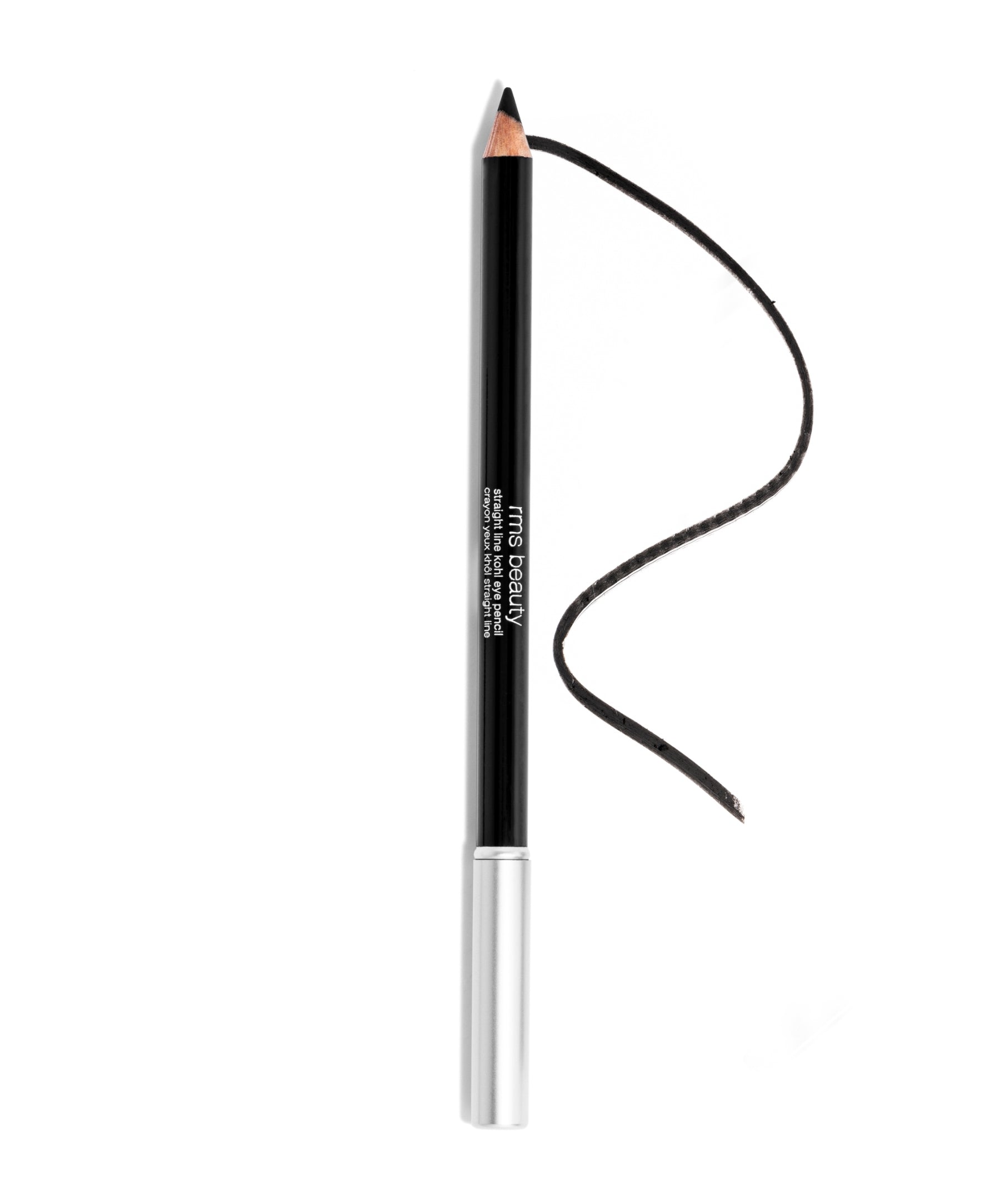
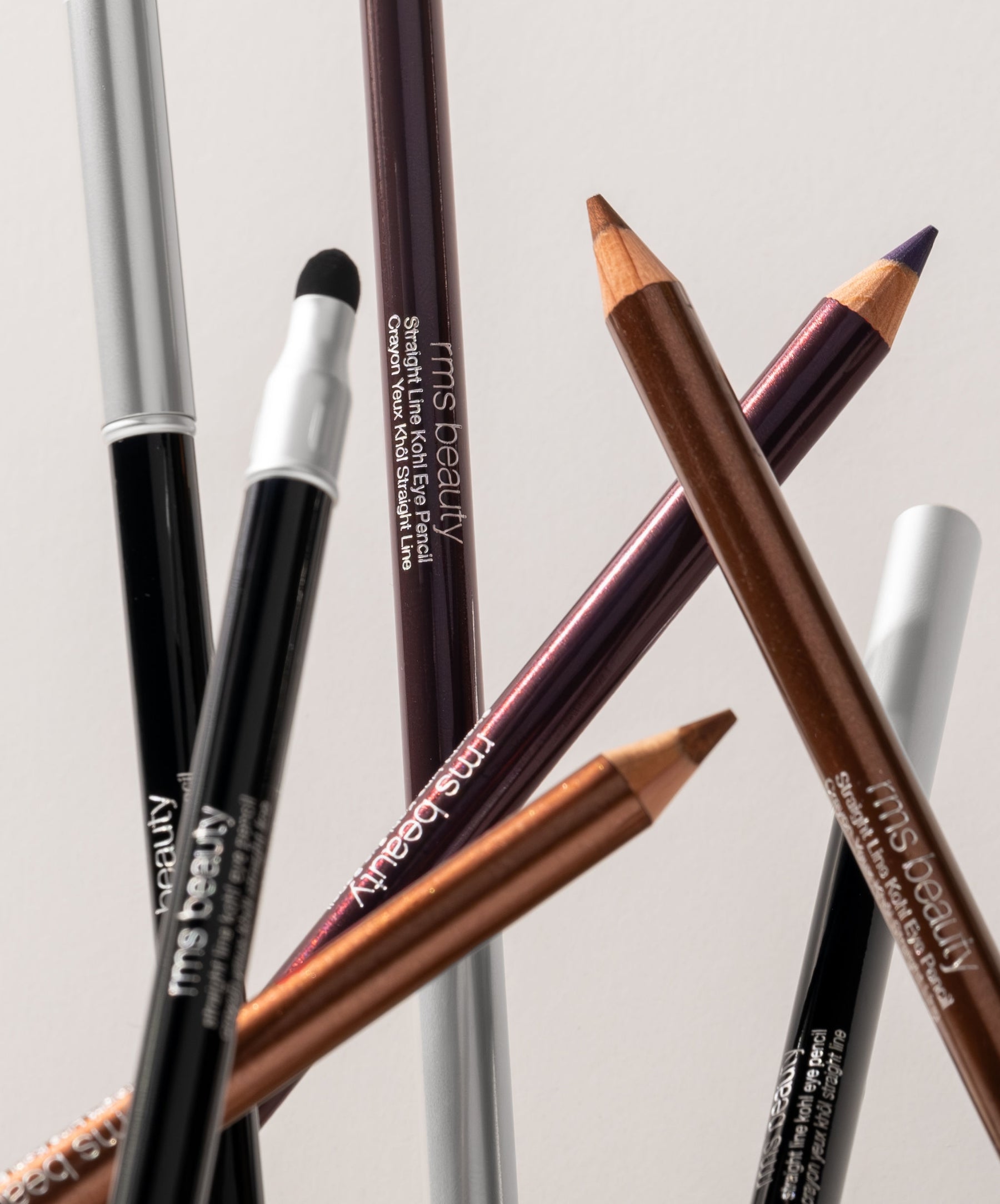
Straight Line Kohl Eye Pencil