Skip to main content




Does Makeup Cause Acne? A Guide
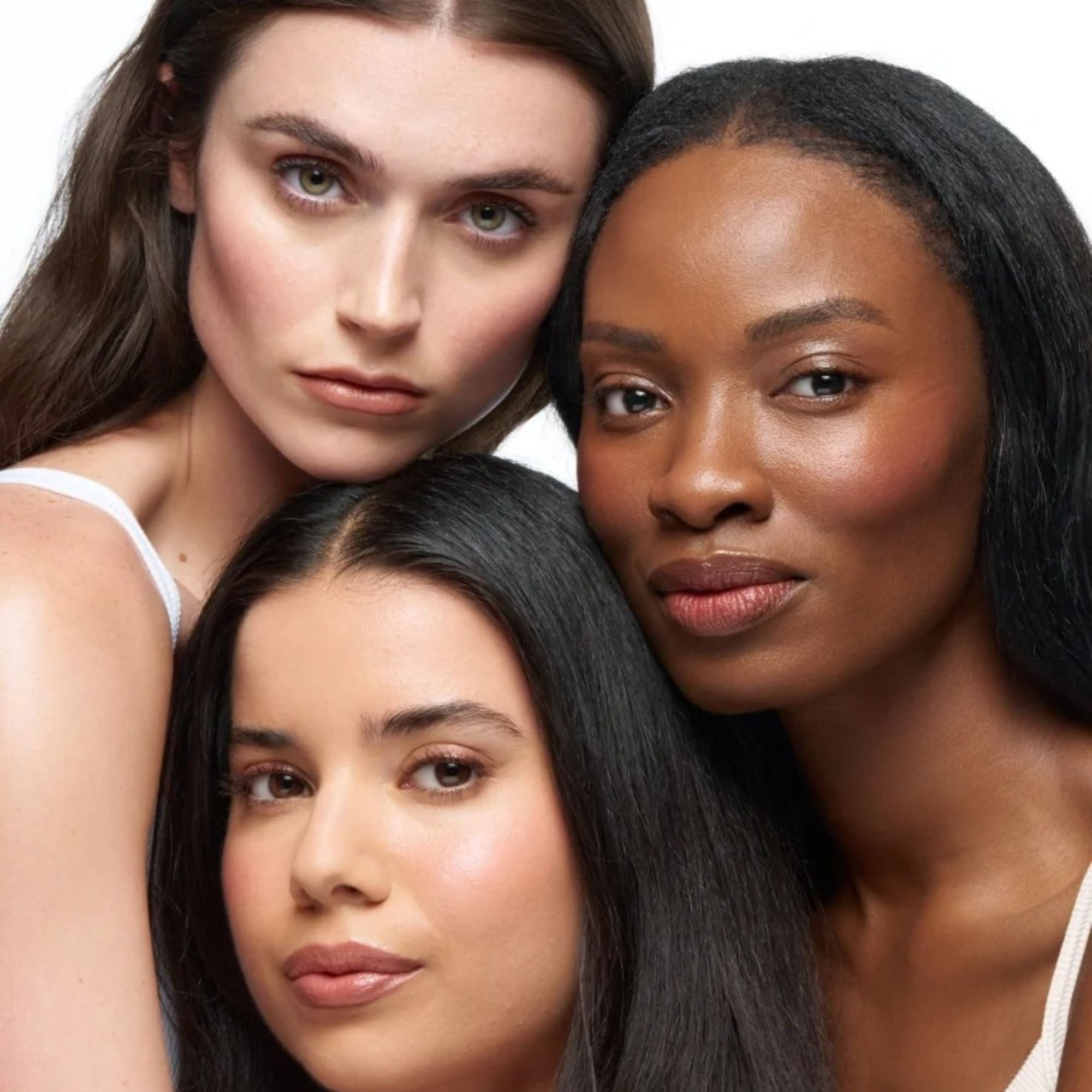
You've probably heard it before: "Your makeup is breaking you out." Maybe a friend said it, maybe a dermatologist mentioned it, or maybe you've drawn that conclusion yourself after noticing new bumps in the exact areas where you apply foundation. But does makeup cause acne, or is something else going on?
The answer is more nuanced than a simple yes or no. Makeup as a category is not inherently pore-clogging or breakout-inducing. Certain ingredients, habits, and product choices can absolutely trigger acne, but millions of people wear cosmetics daily with perfectly clear skin. The difference comes down to what's in the formula, how products are applied, and what happens at the end of the day when everything needs to come off. Can makeup cause breakouts? Yes, under specific conditions. Can you wear makeup without ever triggering a pimple? Also yes. Knowing what separates the two scenarios is exactly what makes the difference.
What Is Acne Cosmetica
Acne cosmetica is a specific type of acne caused by cosmetic products. Unlike hormonal or bacterial acne, acne cosmetica appears as small, uniform bumps (closed comedones) in areas where products are applied, most commonly the forehead, cheeks, chin, and jawline.
How Cosmetic Products Trigger Breakouts
Can makeup cause breakouts? Yes, when products contain comedogenic (pore-clogging) ingredients. Heavy oils, waxes, silicones, and synthetic emollients can create a film over the skin that traps sebum, dead skin cells, and bacteria inside pores. Over time, clogged pores become inflamed and turn into pimples.
Ingredients That Commonly Clog Pores
- Isopropyl myristate (emollient used in foundations and lotions)
- Silicones (dimethicone, cyclomethicone) create a barrier that may trap debris
- Synthetic fragrances (irritate the skin, leading to inflammatory breakouts)
- Petroleum-derived waxes (microcrystalline wax, paraffin) sit heavily on the skin
- Talc (can clog pores in pressed powders when combined with oils)
- Certain mineral oils (comedogenic grades used in cheap formulations)
The Difference Between Irritation and Acne
Not every breakout from makeup is acne. Contact dermatitis (an allergic or irritant reaction) causes redness, itching, and small bumps that may look like acne but resolve quickly once the product is removed. True acne cosmetica develops gradually and persists until the offending product is identified.
Can Makeup Cause Pimples if You Use Clean Products
Clean beauty significantly reduces the risk of cosmetic-triggered breakouts, but formulation matters more than labels.
Why Ingredient Quality Matters
A foundation formulated with organic jojoba oil (non-comedogenic and balancing) behaves very differently on the skin than one made with low-grade mineral oil. The term "clean" should mean transparent ingredient sourcing and the exclusion of known pore-clogging or irritating compounds. RMS Beauty bans over 2,700 ingredients, compared to the roughly 30 banned across the US beauty industry.
Non-Comedogenic Does Not Mean Oil-Free
Many people assume that avoiding oil prevents breakouts. The reality is that plant-based oils like jojoba, coconut, and buriti oil are non-comedogenic and actually help balance the skin's natural oil production. A cream concealer formulated with organic coconut oil and jojoba oil provides coverage while nourishing breakout-prone skin.
The Role of Silicone in Breakouts
Silicones are among the most common culprits behind makeup-related breakouts. While silicones create a smooth application feel, they form a non-breathable layer that can trap sweat, oil, and bacteria. Silicone-free primers and foundations allow skin to breathe throughout the day. A hydrating primer made without silicones preps skin for makeup without compromising pore health.
What Non-Comedogenic Really Means
"Non-comedogenic" is one of the most common claims on skincare and makeup packaging, and one of the most misunderstood. For anyone dealing with acne or breakout-prone skin, understanding what the term actually guarantees (and what falls short) is worth the few minutes.
Why the Label Is Not Regulated
Non-comedogenic means a product has been formulated to avoid clogging pores. But the term has no standardized definition enforced by the FDA or any other regulatory body. Brands can self-certify, and there is no required testing protocol or threshold a product must pass before printing the claim on its packaging. Two products labeled "non-comedogenic" may have entirely different ingredient profiles, and one may still cause breakouts for your skin type.
Non-Comedogenic Does Not Mean Oil-Free
Many people assume that avoiding oil prevents breakouts. The reality is that plant-based oils like jojoba and buriti oil are non-comedogenic and actually help balance the skin's natural oil production. A cream concealer formulated with organic coconut oil and jojoba oil provides coverage while nourishing breakout-prone skin, and a liquid hydrating concealer delivers the same non-comedogenic performance in a satin finish. Even a plant-based face oil rich in antioxidants can support clearer skin when the ingredients are properly sourced. The quality and extraction method of the oil matters far more than whether oil is present at all.
What to Look for Instead
Rather than trusting a single label, reading the full ingredient list gives you much more useful information. Avoid products with silicones, synthetic fragrances, and petroleum-derived waxes high on the list. Look for transparent brands that ban known irritants and pore-clogging compounds at the formulation level, not just the marketing level. When a brand publishes its full banned-ingredients list and sources clean, organic, and wildcrafted ingredients, the non-comedogenic claim actually means something.
Habits That Make Makeup-Related Breakouts Worse
Sometimes the product isn't the problem. The way you apply, wear, and remove makeup plays an equally important role in whether cosmetics contribute to acne.
| Habit | Why It Causes Breakouts | What to Do Instead |
|---|---|---|
| Sleeping in makeup | Trapped product mixes with sebum and bacteria overnight | Always double cleanse before bed |
| Dirty brushes and sponges | Harbor bacteria that transfer to the face with every use | Wash brushes weekly, replace sponges monthly |
| Layering too many products | Multiple layers prevent skin from breathing | Simplify the routine, use multitasking products |
| Touching your face | Transfers oil and bacteria from hands to pores | Apply with clean hands or sanitized tools |
| Not replacing expired products | Old products breed bacteria and degrade in quality | Check expiration dates, replace mascara every 3 months |
Double Cleansing Is Non-Negotiable
The single most effective way to prevent acne concerns when wearing makeup is thorough removal at the end of the day. A balm-to-oil cleanser dissolves foundation, sunscreen, and impurities in the first step. Following with a gentle gel cleanser removes any remaining residue and purifies without stripping moisture.
Simplify Your Makeup Routine
Fewer products mean fewer potential triggers. Multitasking products like a cream blush-and-lip color replace separate blush, lipstick, and eyeshadow with one clean formula, reducing the total number of ingredients sitting on your skin.
How to Wear Makeup Without Causing Acne
Does makeup cause acne? Not when you choose the right formulas and follow smart application practices. Here are the fundamentals:
- Choose non-comedogenic, silicone-free formulas with plant-based ingredients
- Prep skin with a clean moisturizer or primer rather than heavy, pore-filling products
- Apply with clean hands or freshly washed tools every time
- Avoid layering more than 3-4 products on breakout-prone areas
- Double cleanse every evening without exception
- Replace products regularly and never share makeup
Mineral Makeup and Acne
Mineral-based products are often marketed as acne-safe, but the reality depends on the specific minerals and binders used. Non-nano zinc oxide and titanium dioxide are generally well-tolerated and non-comedogenic. However, some mineral formulas include bismuth oxychloride, which can irritate sensitive or acne-prone skin.
Sunscreen and Breakouts
Sunscreen is non-negotiable, even for acne-prone skin. Chemical sunscreen filters like oxybenzone and octinoxate may irritate breakout-prone complexions. Mineral sunscreens with non-nano zinc oxide sit on top of the skin rather than penetrating, reducing the chance of clogged pores while providing broad-spectrum protection.
Skin That Breathes Breaks Out Less
The common thread across all acne-safe makeup practices is allowing skin to breathe. Lightweight, skincare-infused, silicone-free formulas let the skin function normally while still delivering the coverage and color you want. When products work with the skin's natural processes rather than against them, breakouts become far less likely.
Final Thoughts
Can makeup cause pimples? Certain products and habits can, absolutely. But blaming makeup as a category misses the point. The real issue is what's inside the formula and how you use the products.
RMS Beauty's entire line is formulated without silicones, synthetic fragrances, parabens, or phthalates, and every complexion product is designed to care for skin while it covers. Clean ingredients, transparent formulations, and performance that never compromises pore health.
Frequently Asked Questions
Q. Does makeup cause acne?
Makeup can cause acne when products contain comedogenic ingredients like silicones, petroleum-derived waxes, or synthetic fragrances. Clean, non-comedogenic formulas significantly reduce the risk.
Q. Can makeup cause breakouts even if I wash my face?
Yes, if the products themselves contain pore-clogging ingredients. Thorough double cleansing removes surface residue, but switching to non-comedogenic formulas addresses the root cause.
Q. What type of foundation is best for acne-prone skin?
Lightweight, silicone-free, non-comedogenic foundations with plant-based ingredients like jojoba oil and organic coconut oil. Avoid heavy, full-coverage formulas that sit thickly on the skin.
Q. Should I stop wearing makeup if I have acne?
Not necessarily. Switching to clean, non-comedogenic products and simplifying your routine is usually more effective than eliminating makeup entirely.
Q. How do I know if my makeup is causing pimples?
If breakouts appear in areas where you apply products (forehead, cheeks, chin) and improve when you stop using specific products, the cosmetics may be the trigger. Patch test new products before full application.
Q. Can dirty makeup brushes cause acne?
Yes. Unwashed brushes and sponges harbor bacteria, oil, and dead skin cells that transfer to your face with every use. Clean tools weekly and replace sponges monthly.
Shop The Blog

UnCoverup Concealer
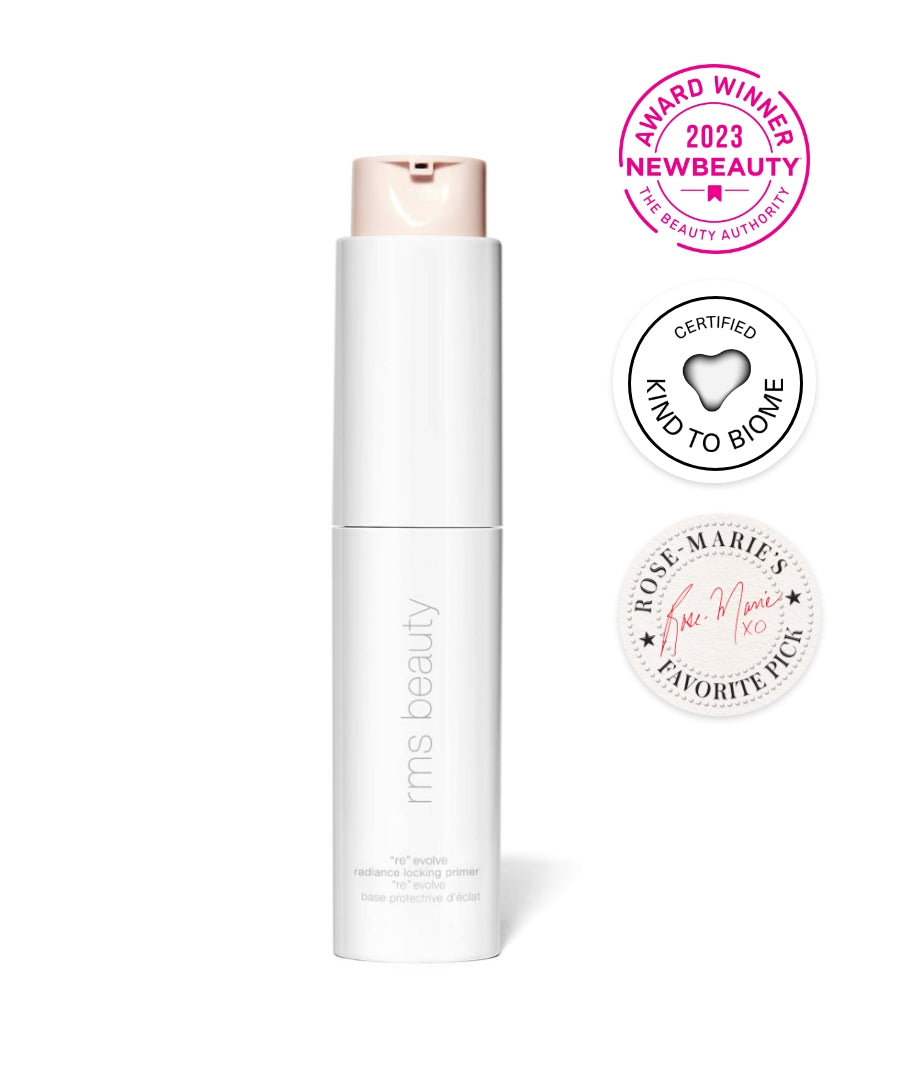
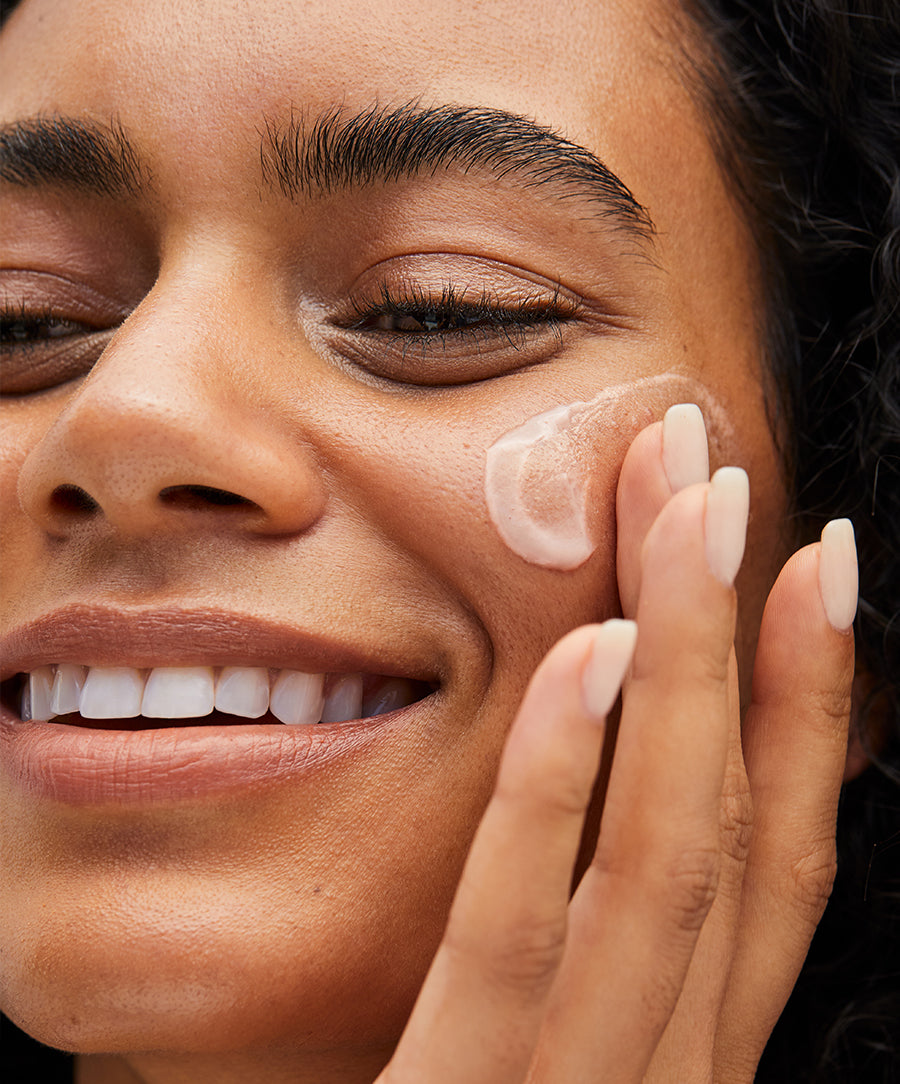
ReEvolve Radiance Locking Primer
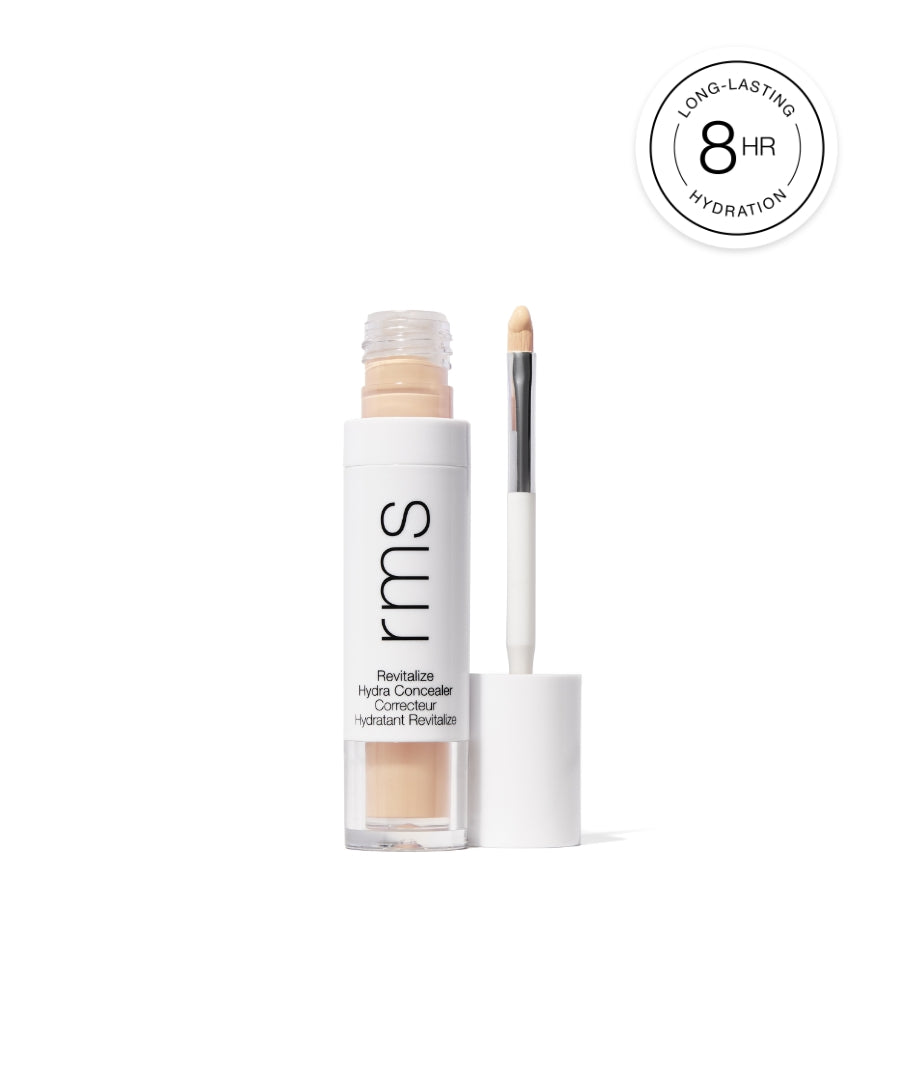
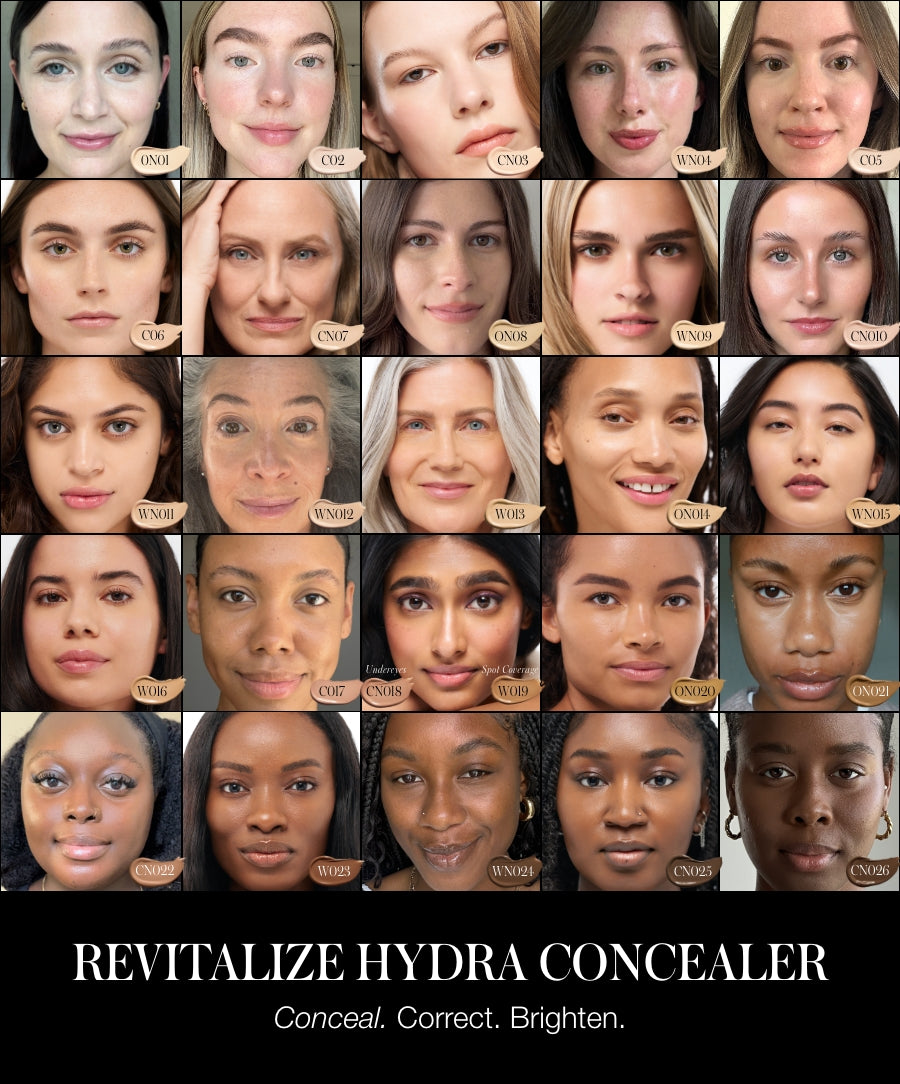
Revitalize Hydra Concealer