Skip to main content


How To Keep My Skin Hydrated: A Guide
Dry, tight, flaky skin is not a personality trait. Dehydrated skin is a condition, not a skin type, and the fix is simpler than you think.
If you have ever asked yourself, how do I keep my skin hydrated, you are at the right place.
Weather changes, harsh products, and the wrong ingredients all play a role. Knowing how to keep my skin hydrated comes down to understanding what pulls moisture out, what locks moisture in, and building a routine around both.
Why Skin Loses Hydration in the First Place
Before talking about solutions, a quick look at the problem. Skin dehydration is not random, and identifying the cause is half the fix.
The Moisture Barrier, Explained
Your skin has a protective outer layer called the moisture barrier (also known as the lipid barrier). Made of ceramides, fatty acids, and cholesterol, the barrier prevents water from evaporating out of the skin. When intact, skin holds onto hydration naturally. When damaged, water escapes faster than you can replace it.
Everyday Habits That Dehydrate Skin
Some of the most common dehydration triggers are things people do without thinking twice:
- Washing with water that is too hot
- Over-exfoliating or using harsh, stripping cleansers
- Skipping moisturizer, especially in dry or cold weather
- Not drinking enough water throughout the day
- Spending extended time in air-conditioned or heated rooms
None of these is dramatic. All of them add up.
Signs Your Skin Needs More Moisture
Dehydrated skin does not always look the same. Here is what to watch for:
- Tightness after cleansing that lingers for more than a few minutes
- Dullness or a rough texture, even when your skin is clean
- Fine lines that seem more visible than usual, especially around the eyes and forehead
- Flaking or patchiness in areas that are not typically dry
- Makeup that settles into lines or looks uneven by midday
If two or more of those sound familiar, hydration should be the focus of your next routine adjustment.
How to Keep Your Skin Hydrated with the Right Routine
A hydration-focused routine does not need to be ten steps long. What matters is choosing products that work with your skin's moisture barrier instead of against it. Here is the order that works.
Start with a Cleanser That Does Not Strip
Cleansing is where most people unknowingly sabotage their hydration. Foaming cleansers, antibacterial formulas, and anything with sulfates or alcohol can strip natural oils from the skin, leaving the barrier exposed to moisture loss.
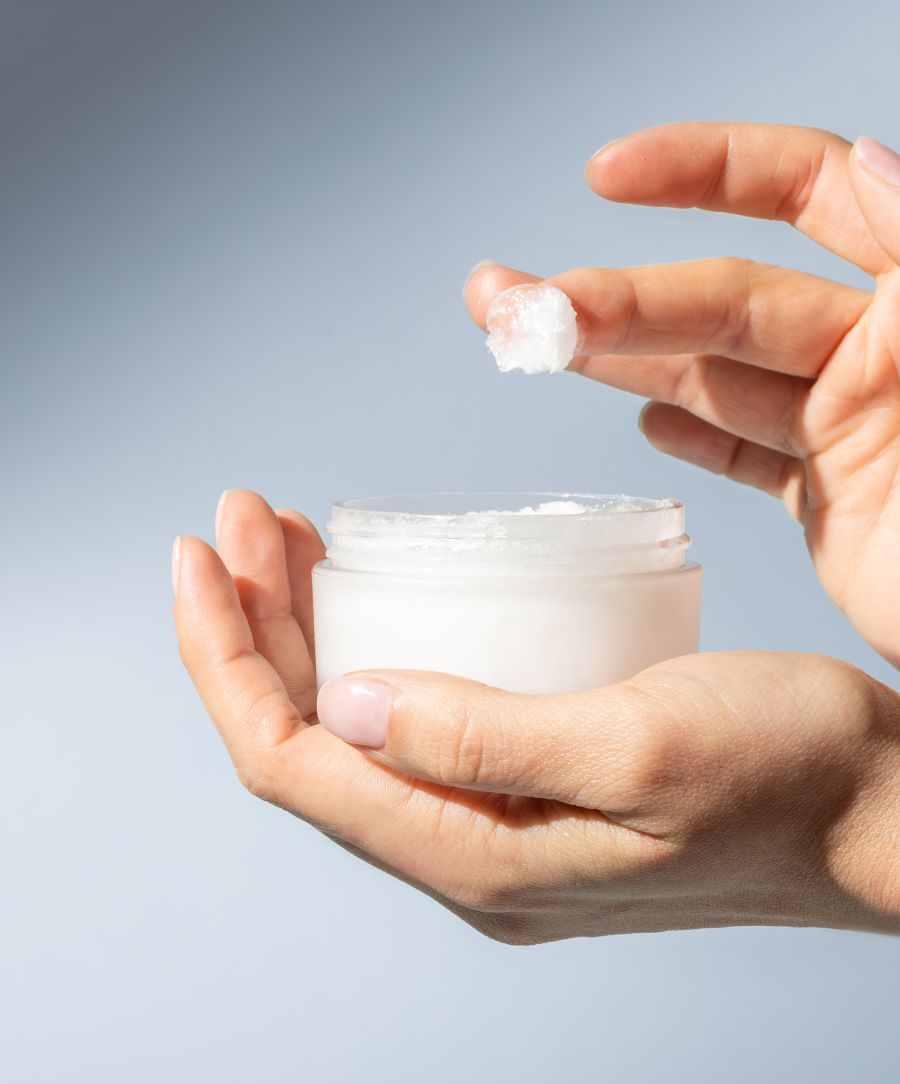
A better option, especially for dry skin, is a nourishing cleansing balm that melts into the skin, removes makeup, and moisturizes while it cleans. Products made with 100% raw coconut oil are gentle enough for sensitive skin and leave it feeling soft rather than tight.
Layer Hydration from Thinnest to Thickest
Hydrating products work best when applied in a specific order. The general rule is thinnest texture first, thickest last.
| Step | Product Type | What to Look For |
|---|---|---|
| 1 | Serum or mist | Humectants like Niacinamide, Kakadu Plum, adaptogenic herbs |
| 2 | Face oil | Plant-based oils rich in antioxidants and fatty acids |
| 3 | Moisturizer or cream | Emollients like Shea Butter, Squalane, and peptide complexes |
| 4 | Primer or SPF (daytime) | Hydrating base with Hyaluronic Acid, non-comedogenic formula |
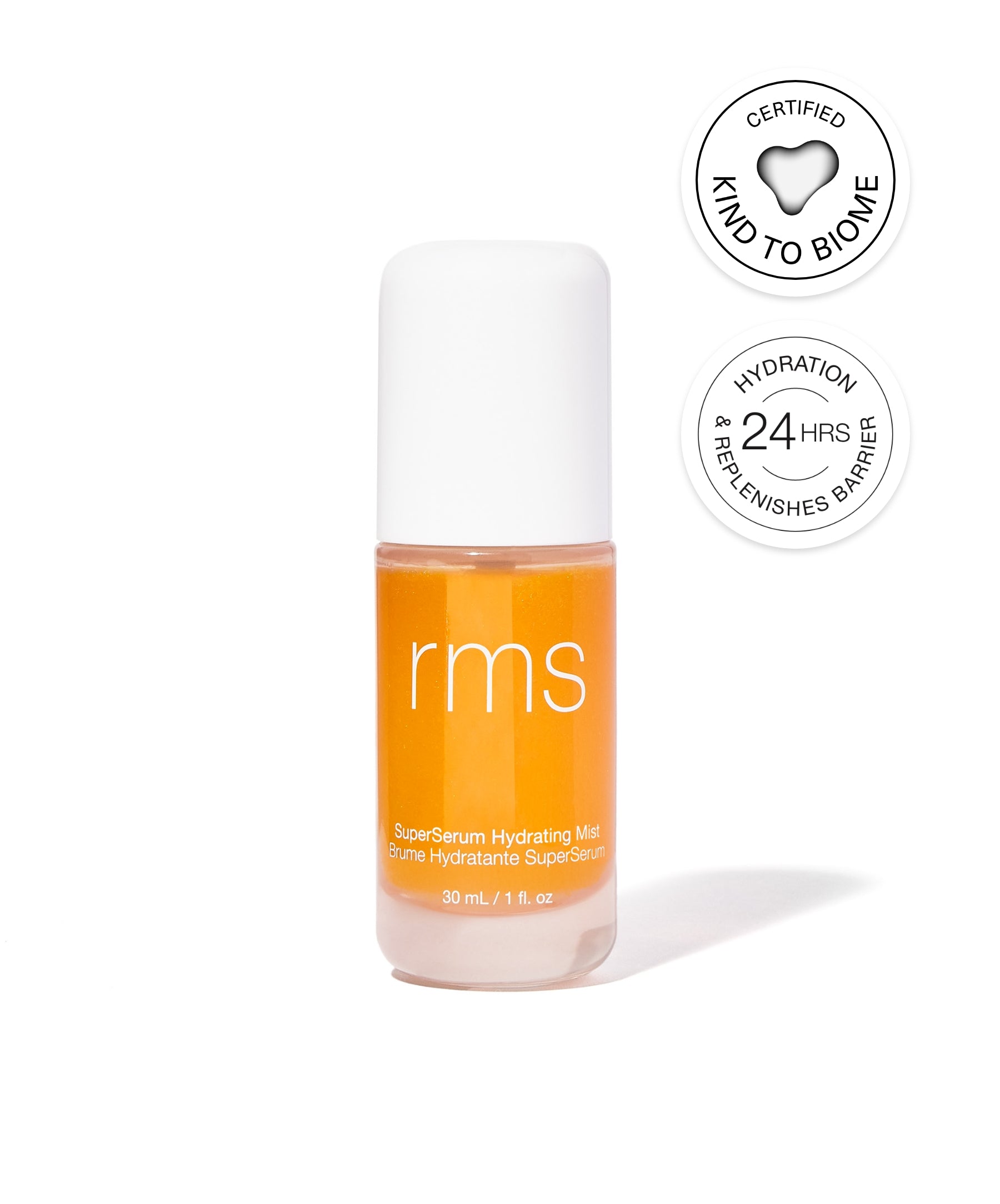
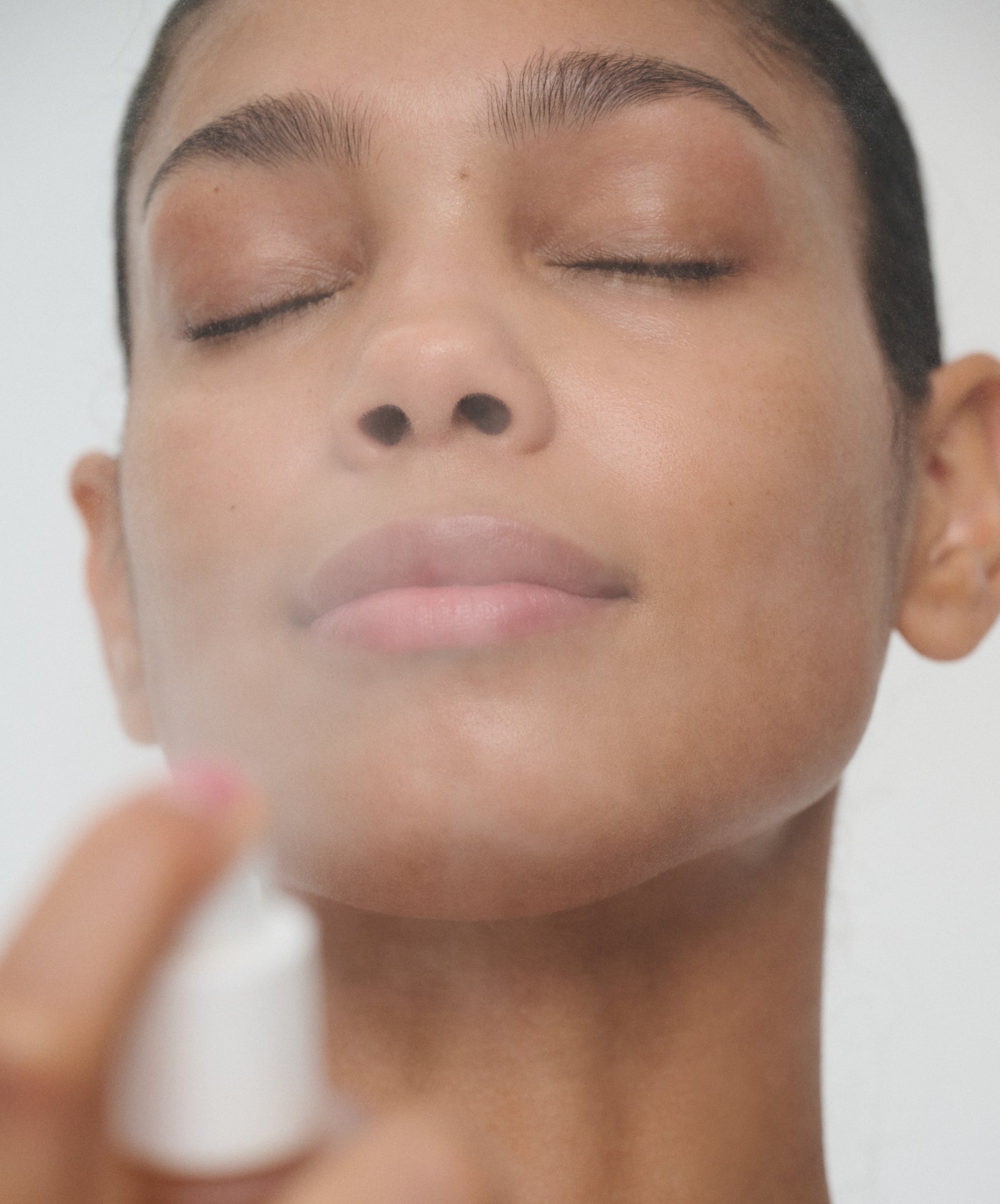
A dual-phase serum mist packed with Niacinamide and an adaptogenic herbal blend gives the skin an instant boost of moisture that also smooths and brightens. Misting after cleansing and before your oil or cream helps each subsequent layer absorb more effectively.
Seal Everything with an Oil or Cream
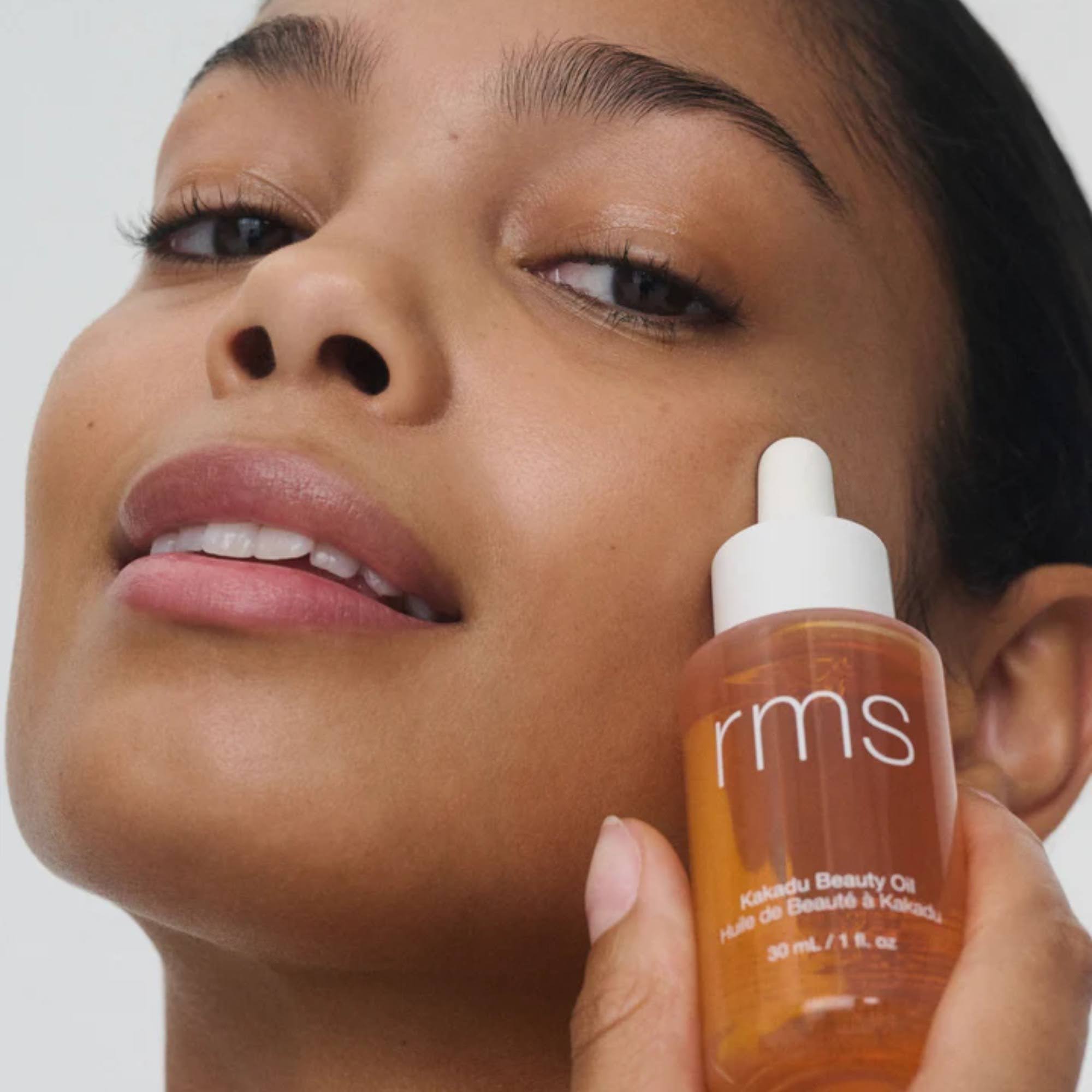
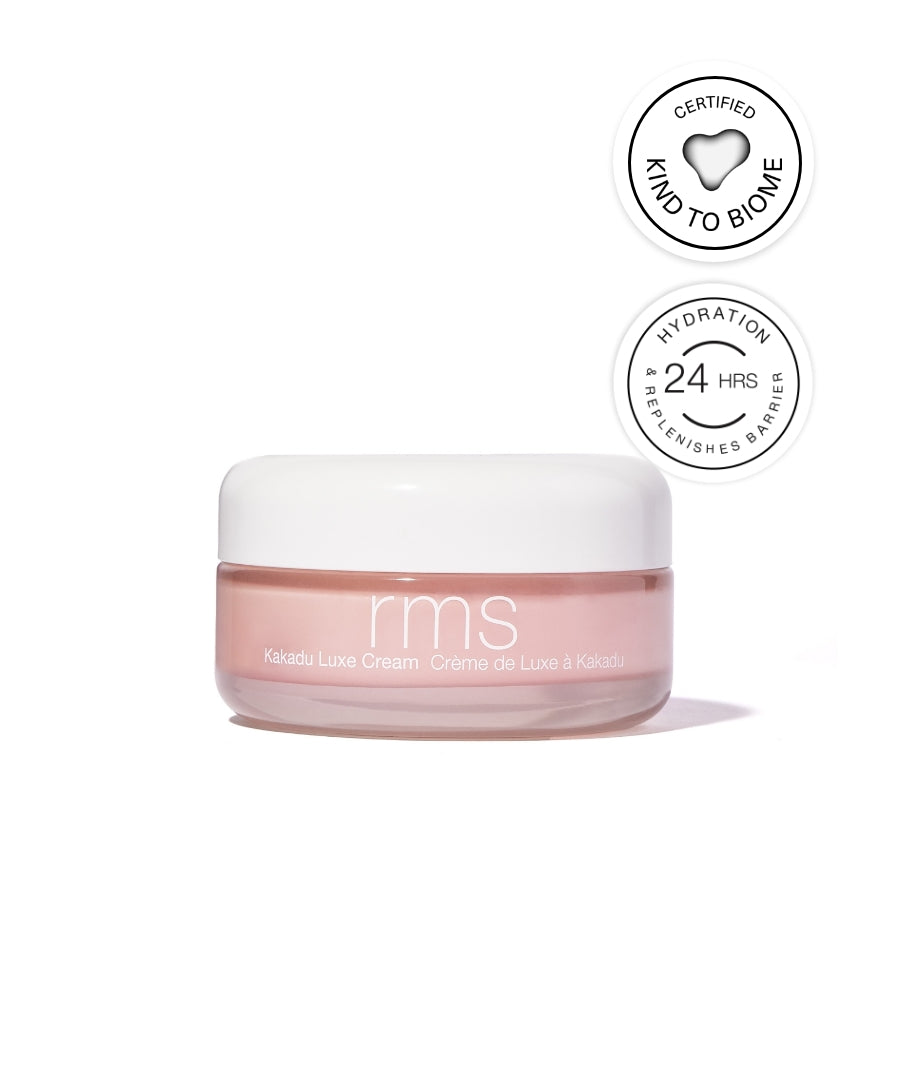
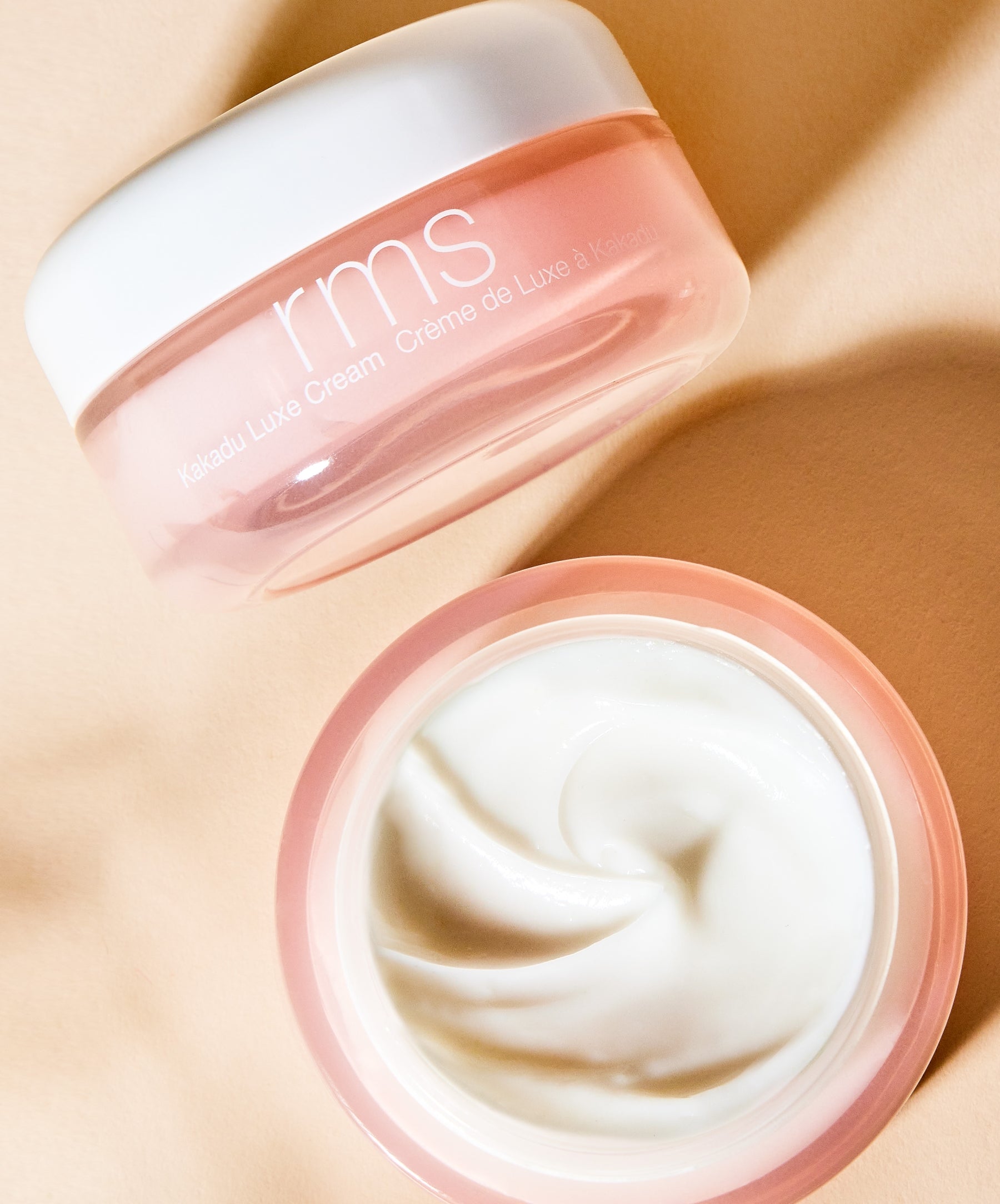
Humectants pull water into the skin, but without an occlusive or emollient layer on top, that moisture can evaporate just as quickly. A lightweight face oil applied to clean, damp skin creates a protective seal while delivering antioxidants and vitamins. Follow with an ultra-hydrating face cream for skin that needs extra nourishment, especially overnight.
Ingredients like Kakadu Plum, one of the most natural and stable forms of Vitamin C, and GlowPlex™, a complex of Niacinamide and natural peptides including Quinoa Seed Extract and Pea Extract, work together to smooth and brighten skin tone while reinforcing the moisture barrier.
Protect Your Moisture Barrier During the Day
Morning routines need one more layer. A silicone-free hydrating primer with Hyaluronic Acid and Vegetable Squalane can lock in your skincare, grip makeup all day, and keep skin hydrated for up to 24 hours. Finishing with an alcohol-free setting mist adds another veil of moisture-locking protection without disturbing makeup.
Key Hydrating Ingredients That Work
Not every ingredient labeled hydrating does the same job. Understanding how to keep skin hydrated means knowing what different ingredients actually do and when to use them.
Hyaluronic Acid Draws Moisture In
Hyaluronic Acid is a humectant that attracts water from the environment and deeper skin layers, pulling it into the outermost layer. Your body already produces Hyaluronic Acid naturally, which is why skin tolerates topical application so well. Pairing Hyaluronic Acid with an emollient like Vegetable Squalane ensures the moisture stays put.
Squalane Seals Moisture Without Clogging Pores
Squalane is a plant-based emollient that mimics the oils your skin already produces. Rather than sitting heavily on the surface, Vegetable Squalane absorbs quickly, balances oil production, and boosts skin elasticity without clogging pores. For anyone with oily or combination skin who avoids moisturizers out of fear of breakouts, Squalane is worth reconsidering.
Niacinamide Supports the Barrier from Within
Niacinamide (Vitamin B3) strengthens the moisture barrier, reduces visible redness, and smooths skin texture over time. Combined with natural peptides in formulas like GlowPlex™, Niacinamide helps firm and brighten skin tone while providing a meaningful layer of defense against moisture loss.
Internal Hydration Matters Just as Much
Topical products are only half of how to keep your skin hydrated. What you put into your body directly affects how well your skin retains moisture.
What You Eat and Drink Shows Up on Your Skin
Water is the most obvious answer, and the right one. Adequate daily water intake helps maintain skin elasticity and prevents the dry, papery look that comes with chronic dehydration.
Foods also play a supporting role:
- Fatty fish like salmon and tuna provide omega-3 fatty acids, which help strengthen the skin's lipid barrier
- Avocados and nuts deliver healthy fats and Vitamin E, both linked to better skin moisture retention
- Sweet potatoes and leafy greens are rich in Vitamin C and beta-carotene, nutrients that support collagen production
- Cucumbers, watermelon, and berries have high water content and offer bonus antioxidant benefits
Sleep and Stress Are Skin Factors
Your skin does its heaviest repair work while you sleep. Aiming for 7 to 9 hours of quality rest gives the moisture barrier time to rebuild. Stress can also impair skin barrier function and delay repair, so finding manageable ways to reduce it, whether through exercise, breathwork, or rest, benefits your skin alongside everything else.
Final Thoughts
Hydrated skin is not complicated. Clean ingredients, smart layering, and consistent habits get you there.
At RMS Beauty, every skincare formula is dermatologically tested, suitable for sensitive skin, and free from parabens, sulfates, synthetic fragrances, and over 2,700+ potentially harmful ingredients. Kakadu Plum, Hyaluronic Acid, Vegetable Squalane, Niacinamide, and a proprietary Adaptogenic Herbal Blend work across the full range to hydrate, balance, and protect your moisture barrier.
Start with what your skin actually needs, give the barrier time to recover, and pay attention to what works.
Frequently Asked Questions
Q. How long does dehydrated skin take to recover?
With a consistent, hydration-focused routine, most people notice improvement within 3 to 7 days. Full moisture barrier repair can take 2 to 4 weeks.
Q. Can oily skin still be dehydrated?
Yes. Oily skin produces excess sebum, but that does not mean the skin has enough water. Dehydrated oily skin often overproduces oil to compensate for the lack of moisture.
Q. What is the best time to apply a face oil?
Apply face oil after serums and before thicker creams. On damp skin, the oil absorbs faster and creates a more effective moisture seal.
Q. How often should I use a hydrating mist?
A hydrating mist can be used morning and evening after cleansing, and throughout the day over makeup for a quick moisture refresh.
Q. Are clean beauty products effective for dry skin?
Absolutely. Formulas built with Hyaluronic Acid, Squalane, and antioxidant-rich botanicals deliver serious hydration without synthetic fragrances, parabens, or sulfates.
Q. What should I avoid if my skin is dehydrated?
Harsh foaming cleansers, products with drying alcohols, over-exfoliating, and very hot water. All of these strip the moisture barrier and make dehydration worse.
Shop The Blog

Raw Coconut Cream
SuperSerum Hydrating Mist
Kakadu Luxe Cream