Skip to main content


When and How to Apply Eye Cream Properly

The skin around your eyes is about 0.5mm thick. For context, the rest of your face is roughly four times thicker. That gap in skin density means every product you use near your eyes, and every technique you rely on, matters more than it does anywhere else.
Most people own an eye cream, but fewer people know how to apply eye cream in a way that actually delivers results. The difference between a product that works and one that sits on the surface often comes down to timing, pressure, and placement. Knowing when to use eye cream, where to put it, and how to put on eye cream properly can make all the difference between seeing visible improvement or wasted product.
Here is what the right approach looks like.
Why the Eye Area Demands a Different Skincare Approach
Before getting into steps and timing, a quick grounding in why this particular patch of skin requires its own rules.
Thinner Skin Means Higher Stakes
The skin around your eyes has fewer oil glands, less collagen, and almost no subcutaneous fat compared to the rest of your face. That combination makes fine lines, dark circles, and puffiness show up here first. A moisturizer formulated for your cheeks or forehead is not designed for this level of fragility. A targeted formula, applied correctly, gives the area what a general moisturizer cannot. The way you apply eye cream matters just as much as the formula itself.
Friction Is the Fastest Way to Cause Damage
Tugging, rubbing, or dragging product across the under-eye area stretches skin that has very little elasticity to spare. Over time, repeated friction contributes to premature fine lines. How to put on eye cream properly starts with one non-negotiable rule: never rub.
The Right Formula Does Half the Work
An eye cream built with ingredients like Caffeine, gentle retinol alternatives, and peptides targets the specific concerns of the eye area. Lightweight, fast-absorbing textures sit better on thin skin without migrating into your eyes. A well-formulated undereye brightener can address dark circles and puffiness in one step while protecting with mineral SPF.
When to Use Eye Cream in Your Skincare Routine
Knowing when to use eye cream in your routine affects how well the product absorbs. The best eye cream in the world will underperform if you apply it at the wrong time in your skincare sequence.
Morning Application Prioritizes Protection
Your AM eye cream should go on after cleansing and lightweight serums, but before moisturizer and sunscreen. When you apply eye cream in the morning, the goal is protection from UV exposure, blue light, and environmental stressors. A formula with built-in mineral SPF, like one containing Non-Nano Zinc Oxide, handles skincare and sun defense at once.
Evening Application Focuses on Repair
At night, apply eye cream after cleansing and treatment serums, but before your final moisturizer layer. Skin does its heaviest repair work while you sleep, and ingredients like Caffeine, eye health-supporting herbal blends, and Tightenyl™, a gentle retinol alternative, can work uninterrupted overnight. Nighttime is the best window for products that firm and smooth.
The Layering Order That Actually Works
Getting the skincare sequence right prevents pilling, ensures absorption, and lets each product do its job.
| Step | Morning | Evening |
|---|---|---|
| 1 | Cleanser | Cleanser |
| 2 | Toner or essence | Toner or essence |
| 3 | Lightweight serum | Treatment serum |
| 4 | Eye cream | Eye cream |
| 5 | Moisturizer | Moisturizer |
| 6 | SPF | Skip |
How to Apply Eye Cream Step by Step

Once you have the timing down, technique is the next piece. Follow these steps every morning and evening.
Step 1: Start With Clean, Slightly Damp Skin
Wash your face with a gentle cleanser and pat dry, leaving your skin slightly damp. Damp skin absorbs product more efficiently because the moisture helps carry active ingredients deeper. Before you apply eye cream, apply your toner or serum to the face, avoiding the immediate eye area unless the product is eye-safe.
Step 2: Squeeze out a Pea-Sized Amount
Dispense a pea-sized amount of eye cream for both eyes. More product does not mean better results. Excess formula can migrate into your eyes or cause small white bumps called milia.
Step 3: Tap Along the Orbital Bone
The orbital bone is the bony ridge that frames your eye socket.
Here is the correct path and technique:
- Dot small amounts of product along the orbital bone, starting at the inner corner near your nose.
- Move underneath the eye toward the outer corner.
- Continue up toward the brow bone if the product instructions allow eyelid application.
- Using your ring finger, gently tap (never rub) the product into the skin using light, pressing motions.
- Continue tapping until the product absorbs completely.
A cooling rollerball applicator, like the one on our ReFresh Eye Brightener, makes placement precise and adds a depuffing massage in one motion.
Step 4: Wait for 60 to 90 Seconds Before the Next Step
Rushing through your routine causes products to pill or slide. Wait at least one minute after you apply eye cream before layering moisturizer, primer, or makeup. The brief pause allows the formula to set, creating a smoother base for everything that follows.
Common Eye Cream Mistakes That Reduce Results
Even when you know how to put on eye cream properly, a few habits can quietly undermine your results.
Applying Too Much Product
A pea-sized amount covers both eyes. Over-applying does not accelerate results. When you put on eye cream in excess, the product can clog the tiny pores around your eyes, cause irritation, or lead to milia. If you feel the product sitting on the surface after a minute, you have used too much.
Skipping SPF Around the Eyes
UV damage is one of the leading causes of premature aging around the eyes, including crow's feet and hyperpigmentation. Many people apply sunscreen to their face but avoid the eye area out of fear of stinging. A 100% mineral SPF with Non-Nano Zinc Oxide sits on top of the skin and is less likely to cause irritation. Products with built-in mineral sun protection, such as an SPF eye treatment, solve this problem in one step.
Using Eye Cream Inconsistently
Visible improvement in fine lines, dark circles, and puffiness happens over weeks of daily use, not overnight. Skipping days resets the progress your skin has made. Sporadic application delays those results significantly.
How to Choose the Right Eye Cream for Your Concern
Knowing how to apply eye cream is one half of the equation. The other half is using the right formula.
Dark Circles and Dullness
Dark circles benefit from brightening ingredients like Caffeine, Coffee Seed Extract, and GlowPlex, a complex of peptides that smooth and brighten. Alternatively, a skincare-infused liquid concealer with Tightenyl™, a gentle retinol alternative, and Eyebright extract can conceal dark circles while treating them simultaneously.
Fine Lines and Loss of Firmness
Peptides, gentle retinol alternatives, and Hyaluronic Acid target fine lines at the source. Ingredients like Tightenyl™ help firm and tone skin without the irritation associated with traditional retinol.
Puffiness and Fluid Retention
Caffeine constricts blood vessels to visibly reduce puffiness. When you apply eye cream with a cooling metal applicator, the depuffing effect increases through temperature and gentle massage. Storing your eye product in the fridge can amplify the cooling benefit.
Multi-Concern Eye Care
For those dealing with more than one issue, a cream concealer with organic jojoba oil provides brightening coverage and moisture without settling into fine lines, while a multi-benefit eye brightener with mineral SPF handles dark circles, puffiness, fine lines, and sun protection in a single tube.
Final Thoughts
Learning how to put on eye cream properly is straightforward once you commit to a few habits. The technique is simple. The consistency is what separates someone who owns an eye cream from someone who sees results from one.
At RMS Beauty, we formulate eye products with skincare-infused ingredients, mineral SPF, and clean actives like GlowPlex and Tightenyl™. No tall claims, just formulas that do what they say when you apply them the right way.
Check out our full range of clean beauty skincare and see the difference for yourself.
Frequently Asked Questions
Q. How often should you apply eye cream?
Twice daily, once in the morning and once at night. Consistent AM and PM application maintains hydration and supports visible improvement in fine lines and dark circles over time.
Q. Can you put eye cream on your eyelids?
Only if the product label specifically indicates eyelid use. Part of knowing how to apply eye cream properly is respecting the product's intended zone. Some formulas are designed for the full orbital area, including lids, while others should stay along the under-eye bone to avoid irritation.
Q. Should eye cream go on before or after moisturizer?
Eye cream goes on before moisturizer. Lightweight eye formulas absorb best when applied directly to skin without a heavier layer blocking absorption. How you apply eye cream in your layering sequence directly impacts results.
Q. How long should you wait after applying eye cream before putting on makeup?
Wait 60 to 90 seconds for the product to fully absorb. A properly set eye cream creates a smoother base for concealer and eye makeup, preventing creasing and sliding.
Q. When to use eye cream if you also use retinol?
This depends on the ingredients. Apply your eye cream at the opposite time of day from your retinol treatment. If you use retinol at night, apply eye cream in the morning, or choose an eye product with a gentle retinol alternative like Tightenyl™ that can be used daily without irritation.
Shop The Blog
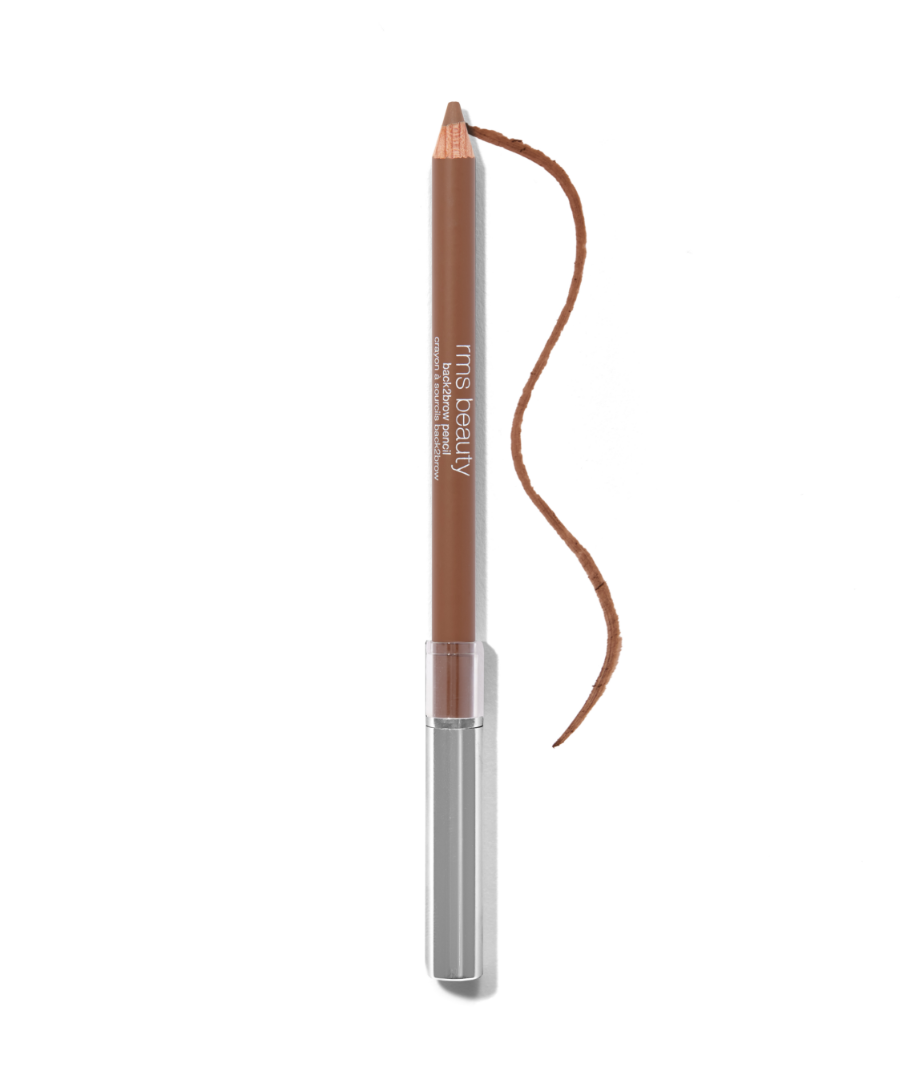

Back2Brow Pencil
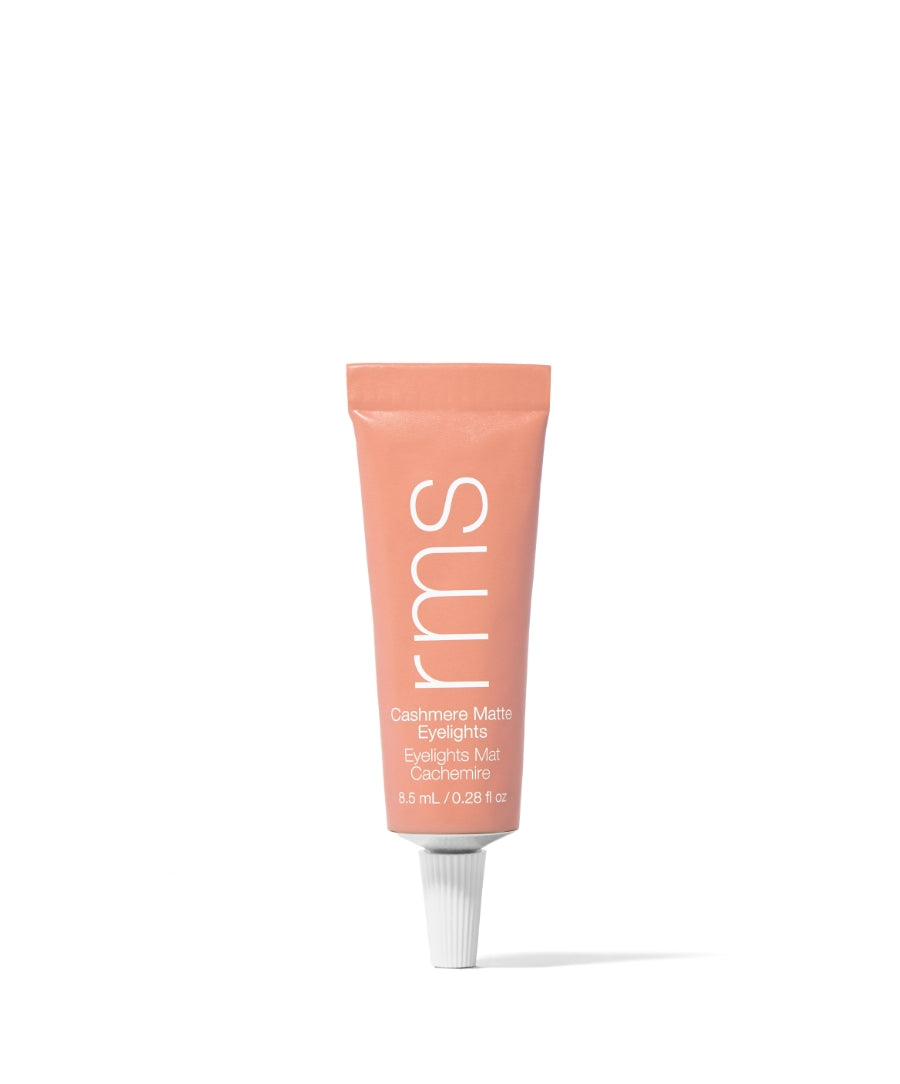
Cashmere Matte Eyelights

Buriti Bronzer