Skip to main content




The Benefits of Vitamin C for Your Skin

Vitamin C is one of the most studied actives in skincare, and for good reason. As an antioxidant, a collagen supporter, and a brightening agent, vitamin C pulls serious weight in any routine. But what does vitamin C do for your skin on a practical level, and how should you actually use it?
Here is what the science says, what to look for in products, and how to pair this powerhouse active with a clean beauty routine that respects your skin.
What Does Vitamin C Do for Your Skin?
Also known as ascorbic acid, this water-soluble antioxidant plays a direct role in skin health. At its core, vitamin C neutralizes free radicals, which are unstable molecules generated by UV exposure, pollution, and stress. Left unchecked, free radicals break down collagen and accelerate visible aging.
Beyond antioxidant defense, vitamin C contributes to collagen synthesis. Collagen is the structural protein responsible for skin firmness, and your body needs adequate levels of this nutrient to produce it.
Where that vitamin C comes from also makes a difference. Kakadu Plum, native to Northwestern Australia, carries roughly 50 times more vitamin C than an orange, along with vitamin A, vitamin E, and beta-carotene. That broader antioxidant profile keeps the vitamin C naturally stable and effective on skin.
So, does vitamin C brighten skin? Yes. Vitamin C inhibits excess melanin production, which means fewer dark spots and a more even skin tone over time. Consistency is the key, as results tend to show after several weeks of regular use.
How Free Radicals Damage Skin
Free radicals strip electrons from healthy skin cells. The result is oxidative stress, which leads to dullness, fine lines, and uneven texture. Vitamin C donates electrons to stabilize these molecules, slowing down the damage before it shows up on your face.
Why Skin Tone Responds to the Active
Uneven skin tone often comes down to melanin overproduction triggered by sun exposure or inflammation. Vitamin C interferes with the enzyme tyrosinase, which drives melanin formation. Over weeks of use, dark spots can fade, and the overall tone can appear more balanced.
The Top Benefits of Vitamin C for Skin
The benefits of vitamin C for skin go beyond a single function. Here is what this active actually does when you use it consistently.
Antioxidant Protection That Works on Contact
Pollution, UV rays, and daily stress create free radicals that wear your skin down over time. Vitamin C steps in and stops that damage at the surface. Layering a vitamin C-rich facial oil under your daily SPF gives your skin two layers of defense at once.
Visible Brightening Without the Harshness
Does vitamin C brighten skin? Yes. The active slows down excess melanin production, which is what causes dark spots and uneven patches. With regular use over 4-6 weeks, the skin looks clearer and more balanced without needing anything aggressive.
Collagen Support for Long-Term Firmness
Collagen keeps skin firm and plump, but your body makes less of it every year starting in your mid-20s. Vitamin C is essential to collagen production, and applying it topically delivers it right where your skin needs the help most. More collagen built, less collagen lost.
Kakadu Plum Seed Oil supports that process well. With one of the highest natural concentrations of vitamin C available, it feeds collagen production while its additional antioxidants help protect existing collagen from breaking down.
Fine Line Reduction Over Time
Fine lines show up when skin loses its structure and bounce. Vitamin C works on both fronts, supporting new collagen while protecting what is already there. Applying a few drops of a Kakadu Plum-infused facial oil around the eye area and along expression lines delivers targeted vitamin C right where fine lines tend to form first.
A Hydration Boost Most People Overlook
Certain forms of vitamin C, like magnesium ascorbyl phosphate, also help skin hold onto moisture. The effect is subtle but real, especially when layered under a rich,replenishing moisturizer that seals everything in.
Calming Redness and Irritation
Persistent redness and blotchiness often come from low-grade inflammation that never fully settles. Vitamin C helps quiet that response over time, leaving skin looking calmer and more even. Start with a lower concentration if your skin tends to be reactive, and build up from there.
Antioxidant Protection You Can Actually See
When your skin faces pollution or UV light daily, antioxidant support is not optional. Pairing a vitamin C-packed facial oil with your daily SPF creates a layered defense that covers both free radical neutralization and UV blocking.
A Brighter, More Even Complexion
Does vitamin C brighten skin noticeably? Yes, but patience matters. Vitamin C works gradually to reduce melanin clusters, which means dark spots fade over several weeks rather than overnight. Pairing it with niacinamide, another tone-correcting ingredient, can speed up visible results.
How to Use a Brightening Cream in Your Daily Routine
The active works best as part of a morning routine. Applying it during the day takes advantage of its antioxidant properties when your skin faces the most environmental stress.
Kakadu Plum, one of the highest natural sources of vitamin C, is present in RMS Beauty's Kakadu Luxe Cream, making the moisturizer rich, replenishing, and radiance-boosting.
Step-by-Step Morning Application
Step 1: Cleanse your face with Kakadu Clean Cleansing Gel
Step 2: Apply your serum to slightly damp skin, using 3-4 drops
Step 3: Wait 60 seconds for absorption
Step 4: Follow with Kakadu Luxe Cream for a healthy-looking finish
Step 5: Finish with broad-spectrum SPF, ideally mineral-based.
What to Pair With It (and What to Avoid)
Vitamin C pairs well with hyaluronic acid, niacinamide, vitamin E, and SPF. The combination of vitamins C and E is especially effective because vitamin E regenerates vitamin C after it neutralizes free radicals, extending its protective window.
Avoid layering the serum directly with AHAs, BHAs, or benzoyl peroxide in the same application. Alternating them (serum in the morning, acids at night) prevents irritation while letting each active do its job.
Common Mistakes and How to Avoid Them
Even a solid ingredient can underperform if used incorrectly. Here are the most frequent errors and quick fixes.
Storing it in direct sunlight: Vitamin C oxidizes when exposed to light and air. Keep your serum in a cool, dark place with the cap tightly sealed.
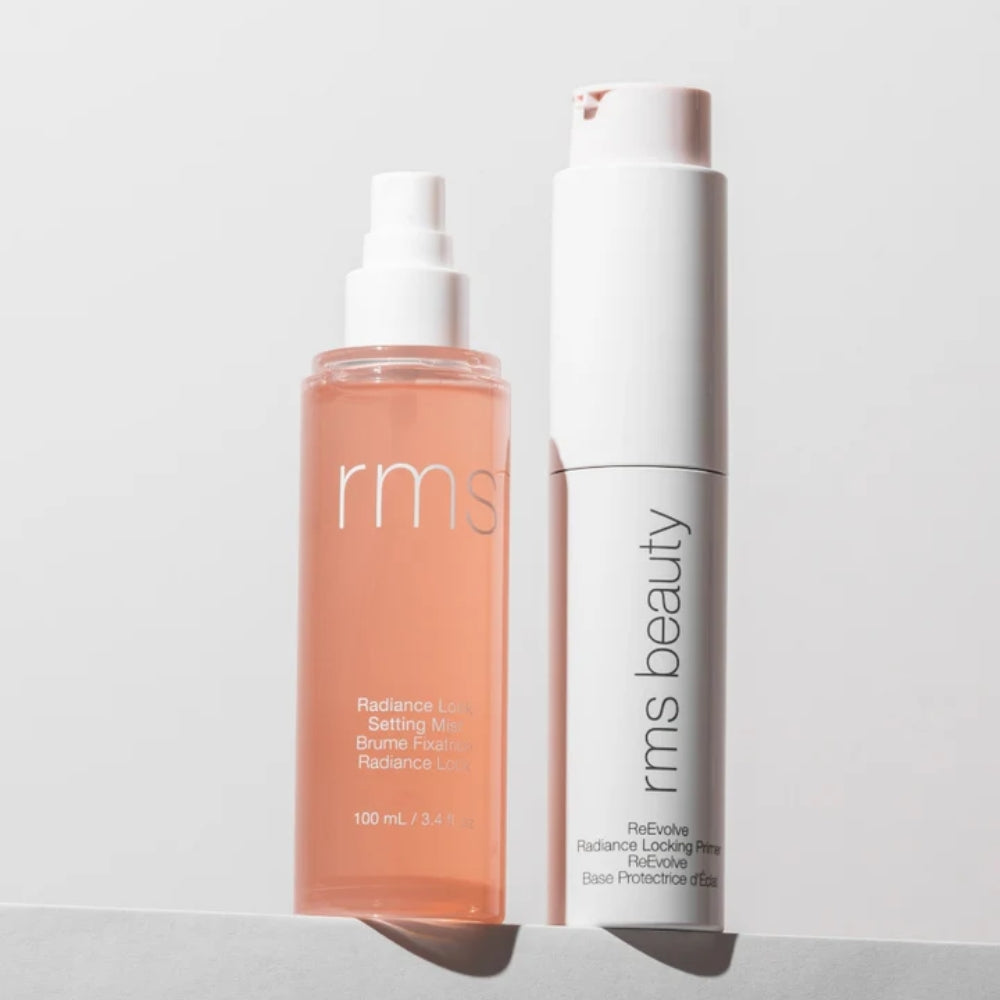
Skipping SPF: Vitamin C boosts sun protection but does not replace sunscreen. Always layer SPF on top, and prep beforehand with an antioxidant-rich hydrating mist to strengthen your skin's daily defense.
Using expired product: A serum that has turned dark orange or brown has oxidized and lost potency. Replace immediately.
Applying too much: More does not mean better. 3-4 drops are enough for the full face.
Mixing with the wrong actives: Combining vitamin C with retinol or strong acids in the same step can cause irritation. Separate them into morning and evening routines.
Final Thoughts
The benefits of vitamin C for skin are backed by decades of research, and the ingredient has earned its spot as a non-negotiable in effective skincare. Whether your concern is dullness, dark spots, fine lines, or just maintaining healthy skin, this active delivers measurable results when used correctly.
At RMS Beauty, clean formulas and skin-first thinking drive every product. The lineup is built to work alongside your brightening routine.
Your skin deserves ingredients that perform without compromise.
Frequently Asked Questions
Q. Does vitamin C brighten skin on all skin tones?
Yes. The active helps reduce hyperpigmentation and even out skin tone regardless of complexion. Results may vary based on the concentration and form used.
Q. Can I use a brightening serum every day?
Daily use is generally safe and recommended for most skin types. Start with every other day if your skin is sensitive, then increase frequency as tolerance builds.
Q. What does vitamin C serum do for your skin that a diet alone cannot?
Oral intake supports overall health, but only a small fraction reaches the skin. Topical application delivers the active directly to skin cells at much higher concentrations.
Q. How long until I see results?
Most people notice brighter, more even-toned skin within 3-4 weeks. Significant improvements in dark spots and fine lines typically appear around 8-12 weeks.
Q. Can ascorbic acid cause breakouts?
Pure L-ascorbic acid at high concentrations can irritate some skin types, potentially triggering breakouts. Switching to a gentler derivative or lowering the concentration often resolves the issue.
Q. Should I apply my serum before or after moisturizer?
Always before. Serums need direct contact with clean skin for optimal absorption. Apply moisturizer on top to seal in the active ingredients.
Q. Can Kakadu Plum help with dark spots?
Yes. The high vitamin C concentration helps slow excess melanin production over time, which means dark spots and uneven patches gradually fade with consistent use.
Shop The Blog
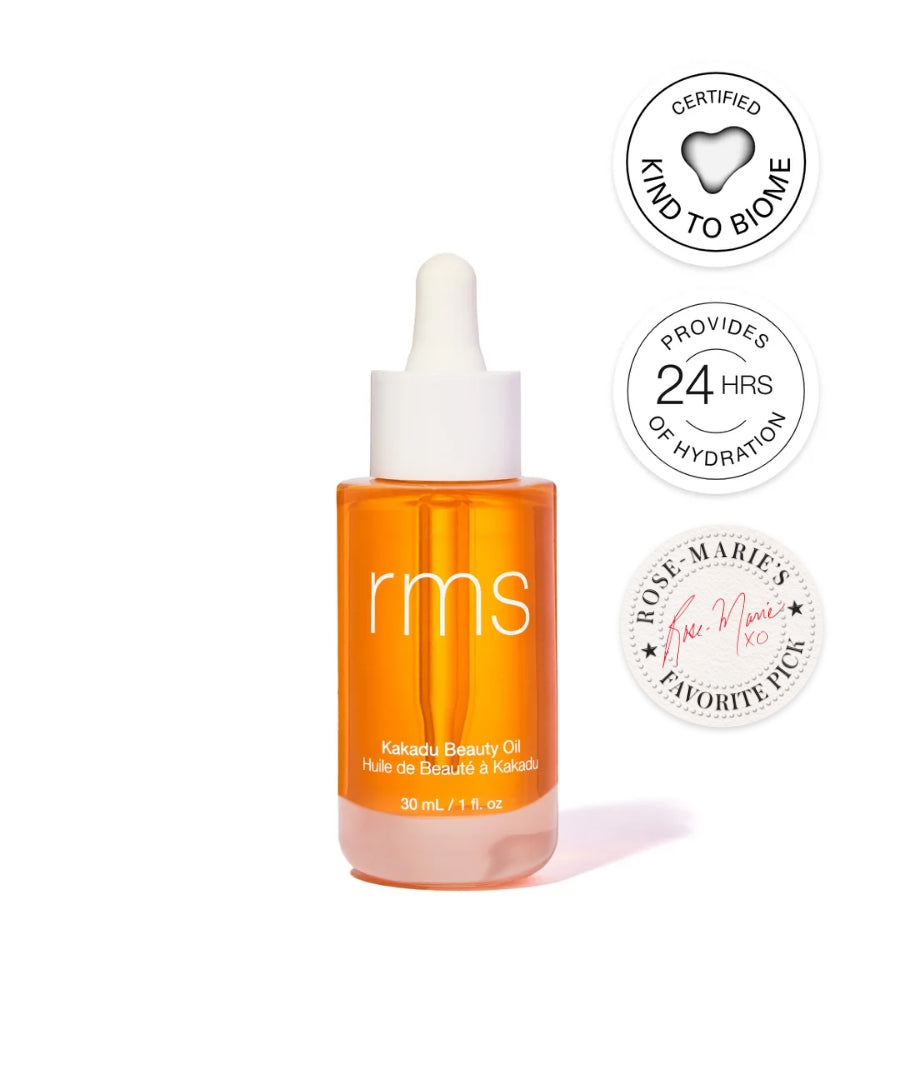
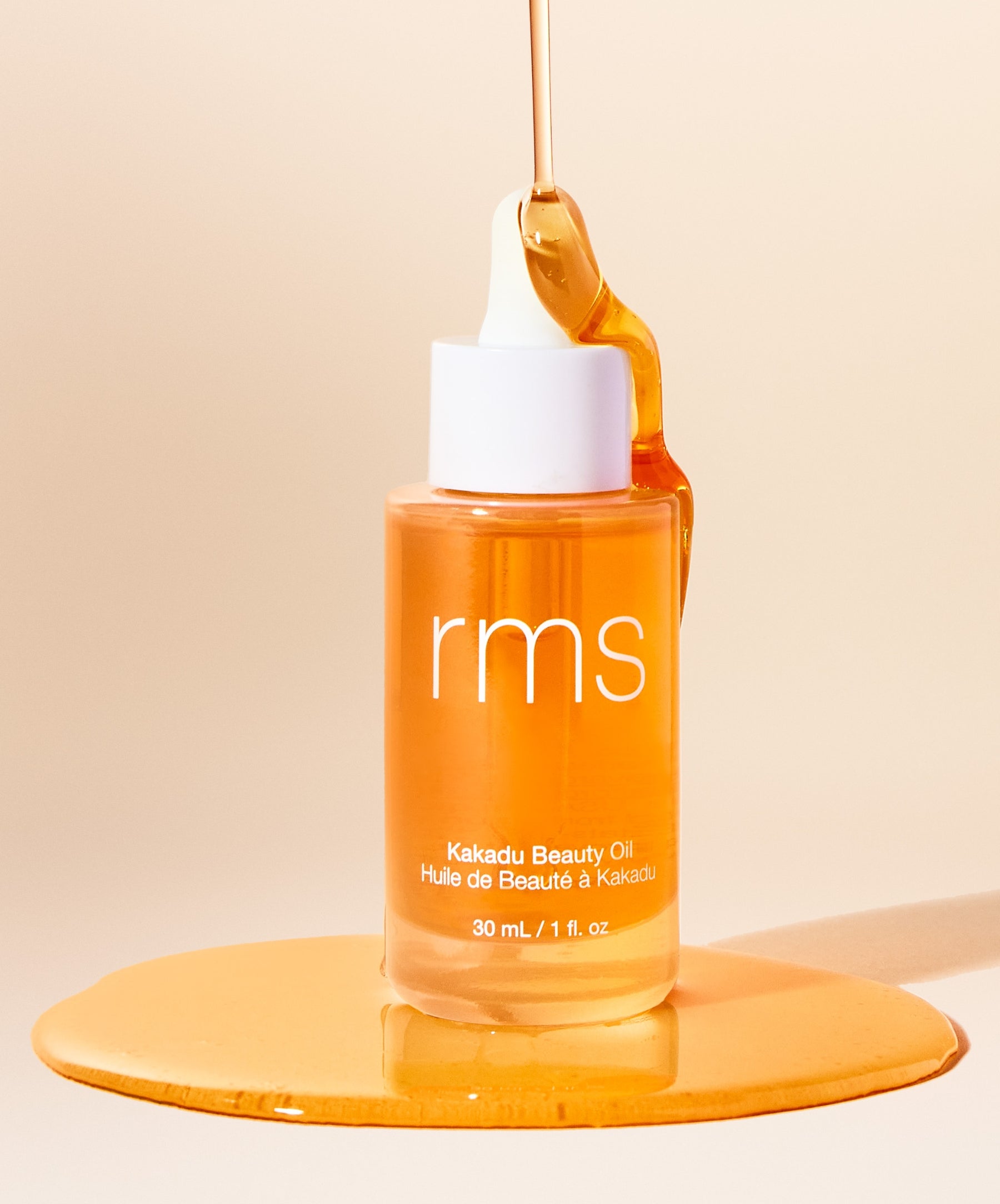
Kakadu Beauty Oil
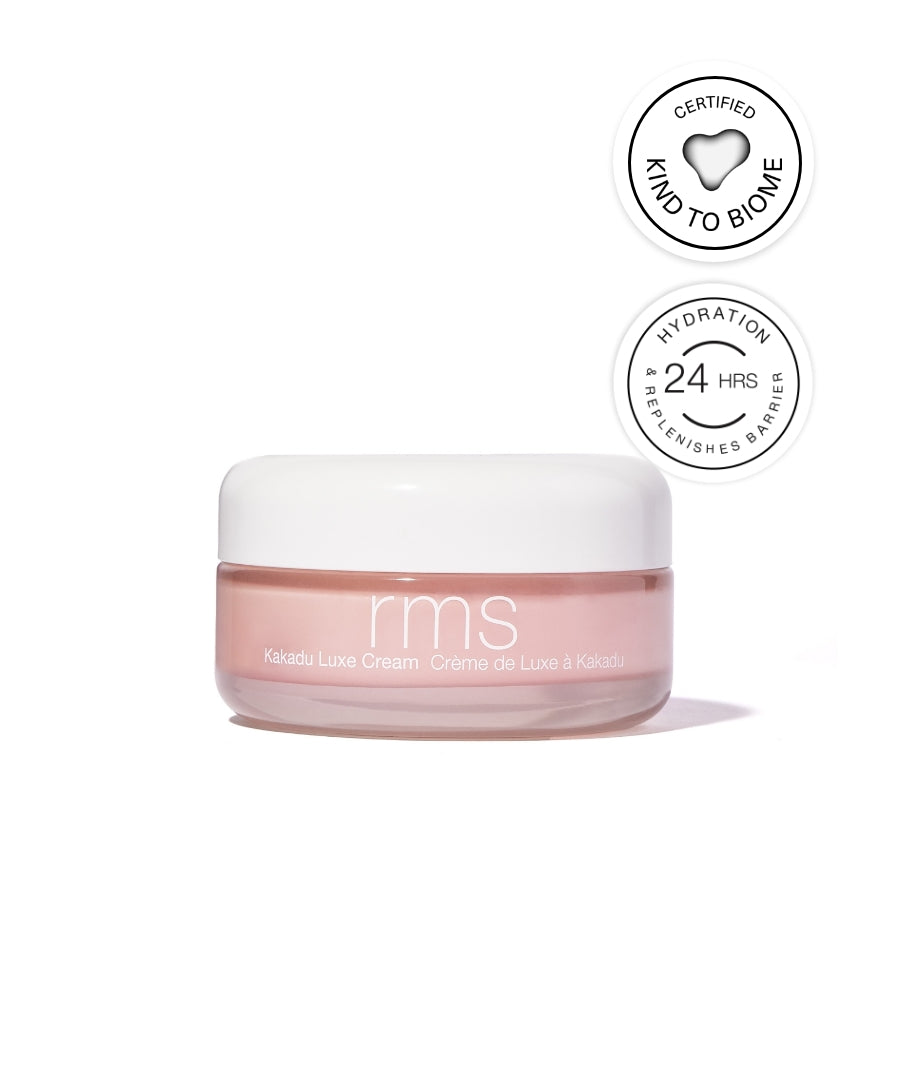
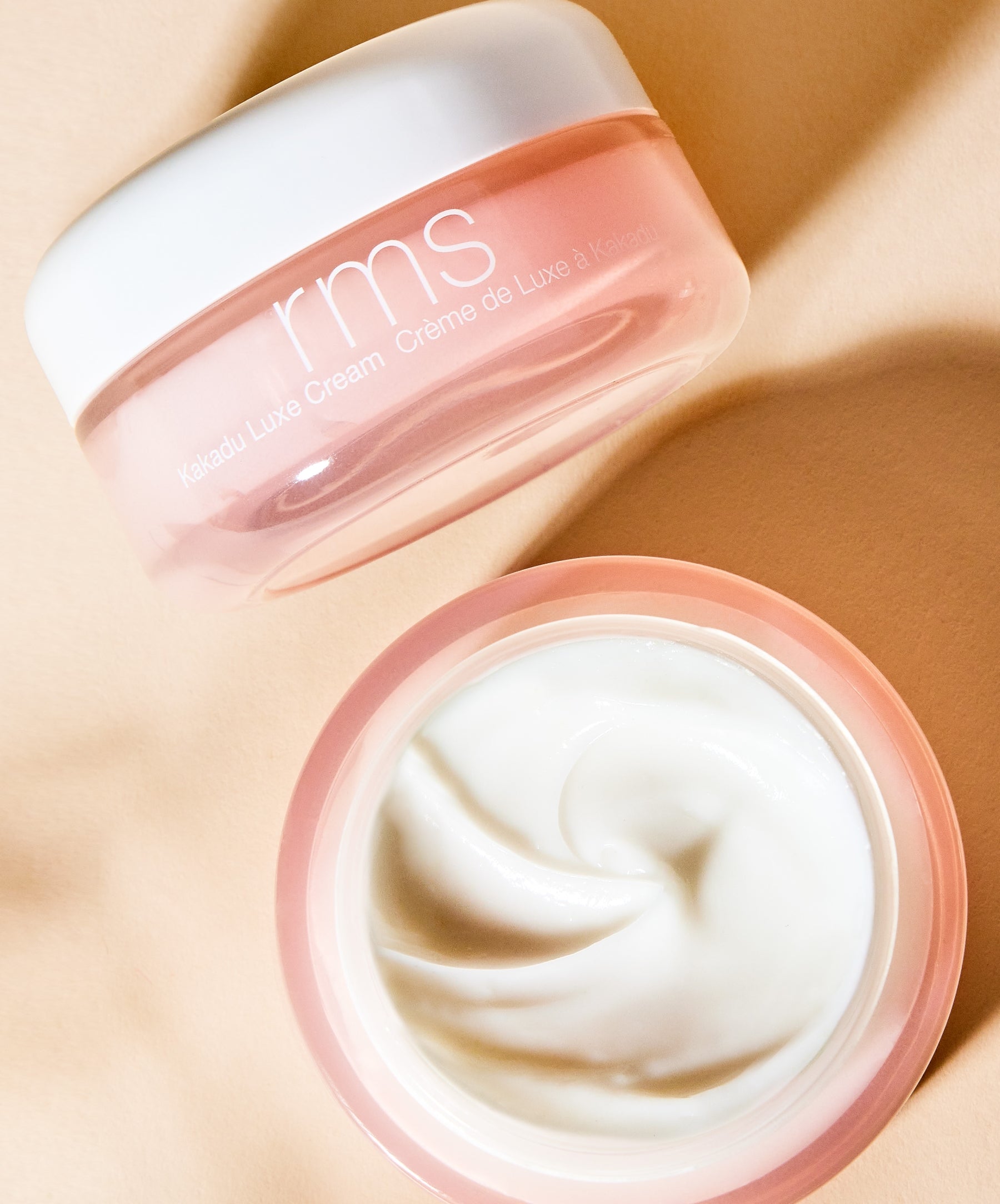
Kakadu Luxe Cream
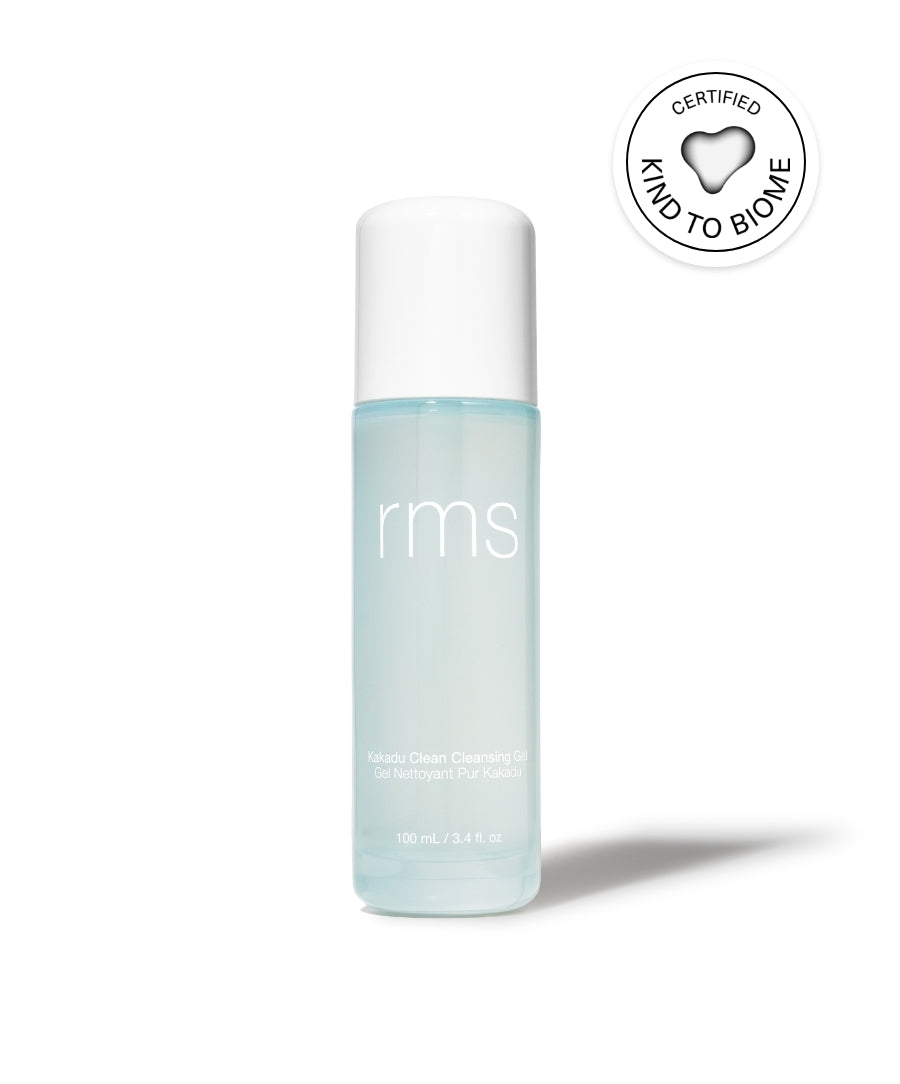

Kakadu Clean Cleansing Gel
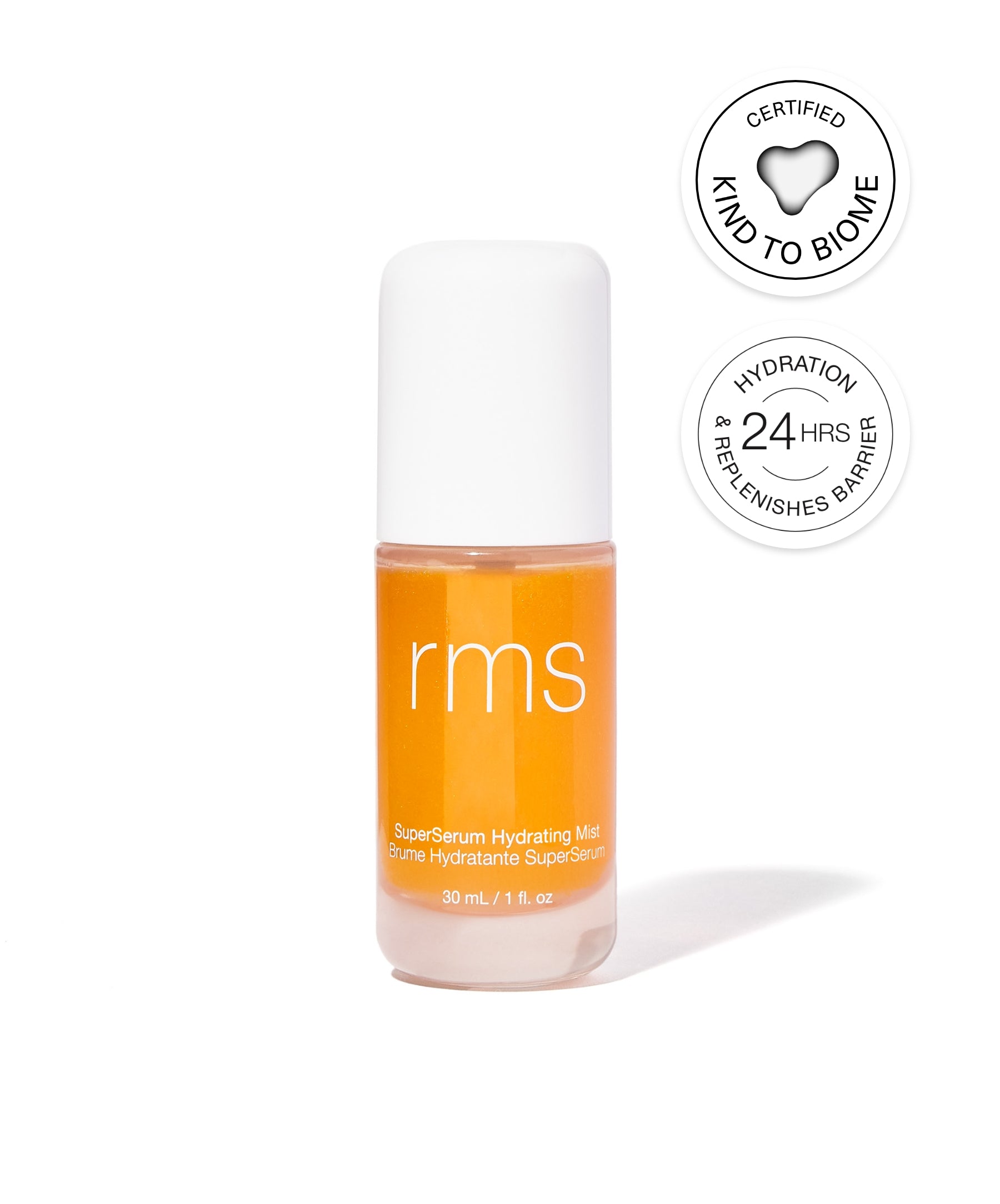

SuperSerum Hydrating Mist