Skip to main content




What Is My Skin Type? Facts and Tips

Your skin has been talking to you your entire life. The shine on your forehead by noon, the tight feeling after washing your face, the redness that flares up when you try a new product. All of these are signals, and once you know how to read them, choosing the right skincare and makeup stops feeling like guesswork.
Figuring out what your skin type is comes down to understanding one thing: how your skin behaves when left to its own devices.
Anyone asking how do I find my skin type? only needs a mirror, 30 minutes, and a little patience.
Here is everything you need to identify your skin type accurately, care for it properly, and choose products that work.
How to Know Your Skin Type at Home
Before spending money on products that might not suit you, take a few minutes to assess what your face is doing on a normal day. Two simple methods can help you figure out your skin type without visiting a dermatologist.
The Bare-Face Method
Wash your face with a gentle cleanser and pat dry. Wait 30 minutes without applying anything. Then check:
Does your face look shiny all over? That points to oily skin
Feeling tight, rough, or flaky? Likely dry
Shine only in the T-zone (forehead, nose, chin) with dryness on the cheeks? Combination
No noticeable oiliness or dryness? Normal
When to See a Professional
If at-home methods leave you unsure, a dermatologist or licensed skin therapist can perform a more detailed analysis. Professional assessments factor in pore size, hydration levels, and reactivity that are harder to gauge on your own.
The 5 Common Skin Types Explained
How your skin type is classified depends primarily on sebum (natural oil) production. Genetics play the biggest role, but hormones, climate, diet, and age also influence your skin type as well.
Here is what each skin type looks like.
Oily Skin
Oily skin overproduces sebum, resulting in a shiny appearance, especially across the T-zone. Pores tend to appear larger, and breakouts are more common because excess oil can trap debris. On the positive side, oily skin often develops fewer fine lines over time because the skin stays naturally moisturized.
Dry Skin
Dry skin produces less sebum than other categories. Without enough natural oil, moisture escapes more quickly, leaving the face feeling tight, rough, or flaky. A dull appearance, visible fine lines, and sensitivity to harsh products are all common. Cold weather and low humidity tend to make dryness worse.
Combination Skin
Combination is the most common category. The T-zone runs oily while the cheeks stay normal or dry. Pores may look larger on the nose and forehead but smaller elsewhere. Managing a mixed skin type means treating different zones of your face accordingly. .
Sensitive Skin
Sensitive skin reacts easily to external triggers like weather changes, fragrances, and certain ingredients. Redness, stinging, burning, and irritation are telltale signs. Sensitivity can accompany any other category, so someone with an oily skin type can also be reactive. A compromised skin barrier is often a contributing factor. Products formulated with mineral ingredients, like a mineral SPF sunscreen made with non-nano zinc oxide, tend to be gentler on reactive skin.
Normal Skin
Normal skin is well-balanced, neither too oily nor too dry. Pores are small, texture is smooth, and breakouts or sensitivity are rare. Even with a balanced skin type, a consistent routine with sun protection and hydration is still necessary to maintain that equilibrium over time.
Skin Type Comparison at a Glance
| Feature | Oily | Dry | Combination | Sensitive | Normal |
|---|---|---|---|---|---|
| Sebum production | High | Low | Mixed | Varies | Balanced |
| Pore size | Large, visible | Small, tight | Large in the T-zone, small on the cheeks | Varies | Small to medium |
| Common concerns | Shine, breakouts, blackheads | Flaking, tightness, fine lines | Oily T-zone, dry cheeks | Redness, stinging, irritation | Minimal concerns |
| Texture | Thick, sometimes rough | Rough, flaky patches | Uneven across zones | Thin, reactive | Smooth, even |
| Aging tendency | Slower to show fine lines | Prone to early fine lines | Mixed | Depends on subtype | Moderate |
How to Care for Every Skin Type
Knowing your skin type is only useful if you adjust your routine accordingly. Here are targeted tips for each category.
Oily Skincare Basics
- Cleanse twice daily with a gentle, non-stripping cleanser
- Look for oil-free, non-comedogenic moisturizers and sunscreens
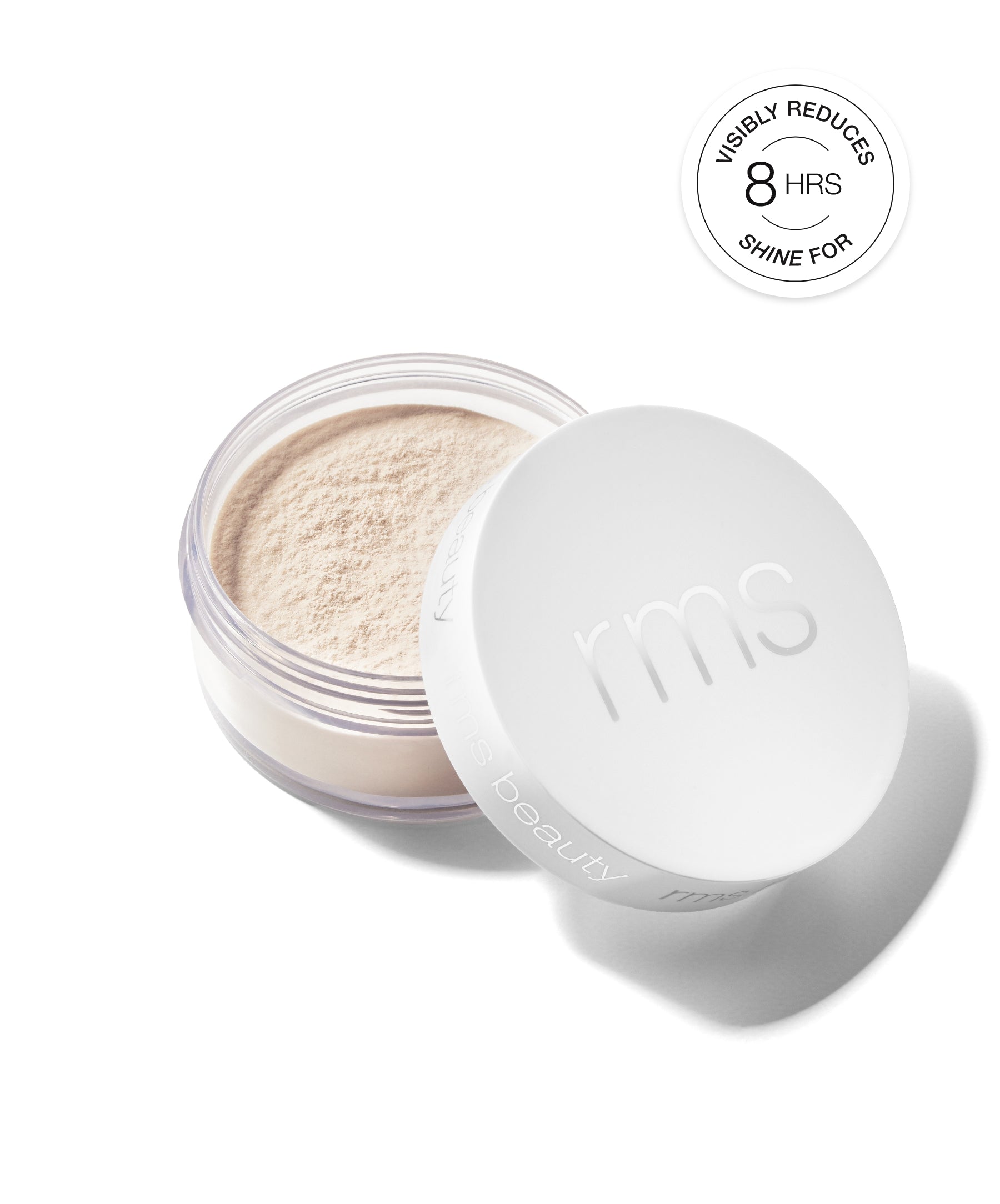
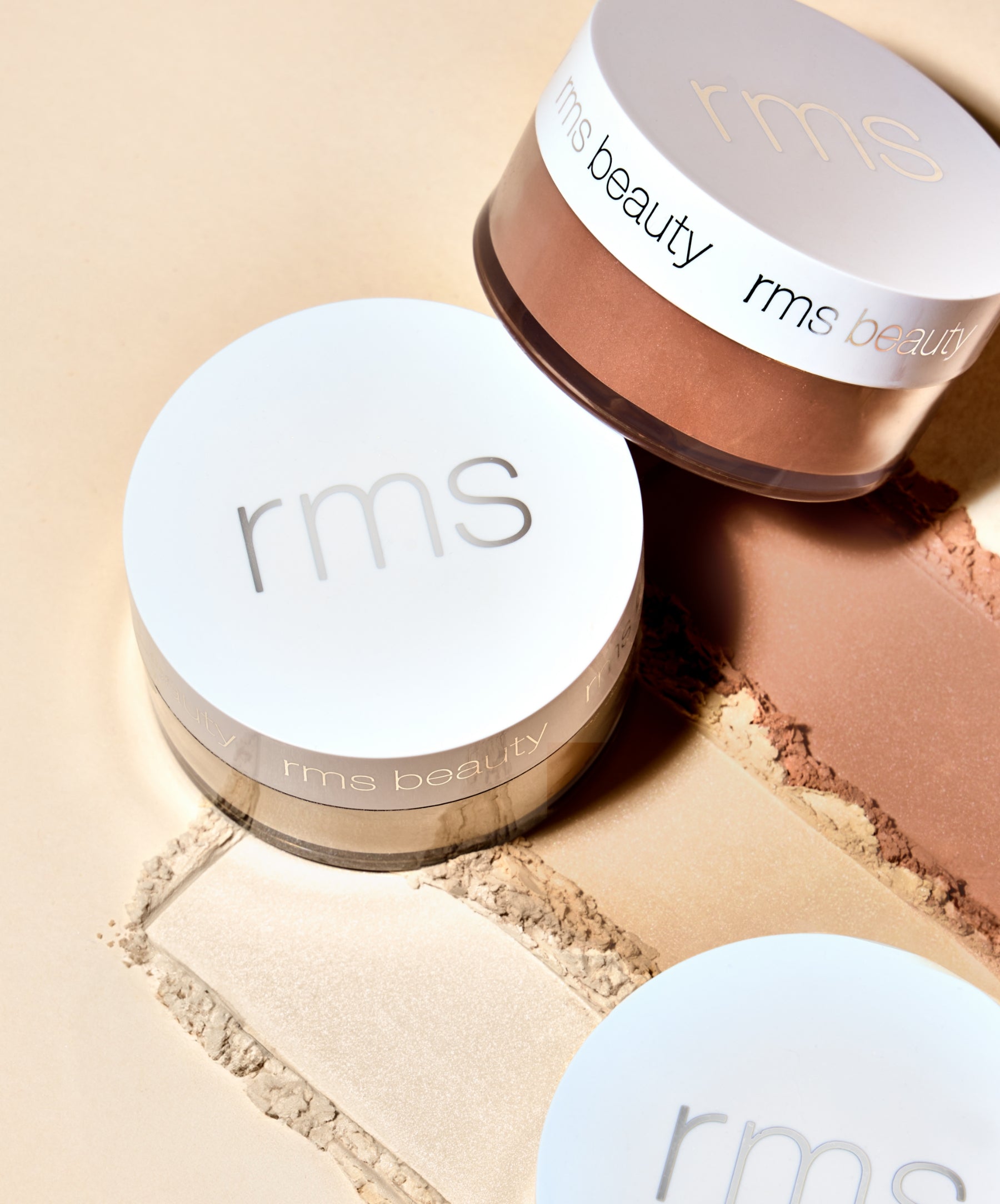
- A talc-free setting powder that absorbs excess oil while hydrating can keep shine in check without caking
- Avoid heavy, occlusive products that trap oil
Dry Skincare Basics
- Use creamy, hydrating cleansers that do not strip natural oils
- Layer a hydrating serum under a richer moisturizer
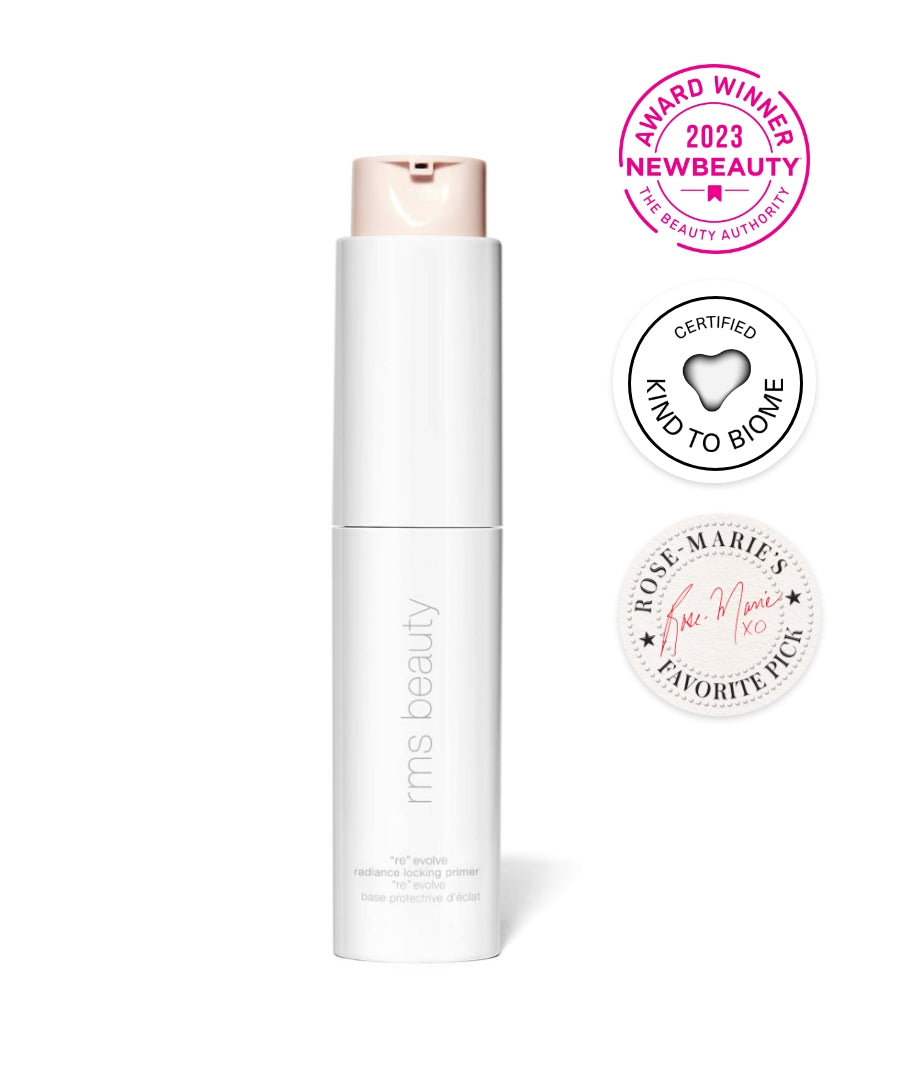
- A hydrating primer with Vegetable Squalane can lock in moisture and keep makeup from clinging to dry patches
- Drink plenty of water and consider a humidifier in dry climates
Combination Skincare Basics
- Treat your T-zone and cheeks as separate zones
- Use lightweight, balancing products that hydrate without adding oil
- Exfoliate gently once or twice a week, avoiding over-exfoliation on drier patches
Sensitive Skincare Basics
- Patch-test every new product before full application
- Avoid synthetic fragrances, sulfates, and parabens
- Keep your routine simple with fewer steps and fewer active ingredients
- Mineral-based sun protection is generally better tolerated than chemical sunscreens
Can Your Skin Type Change Over Time?
Yes. Your skin type is not fixed for life. Hormonal shifts during puberty, pregnancy, and menopause can alter sebum production significantly.
Aging naturally decreases oil output, so someone with an oily skin in their twenties may develop combination or dry skin later. Seasonal changes, stress, diet, and relocating to a different climate can all shift how your face behaves.
Reassessing how to find your skin type every year or two is a practical habit. What worked five years ago may not serve you now.
Why Your Skin Type Matters for Makeup
Choosing makeup based on your skin type prevents common frustrations like foundation sliding off by midday or settling into flaky patches.
- Oily skin benefits from oil-absorbing formulas and matte finishes
- Dry skin needs hydrating, skincare-infused bases that do not accentuate texture
- Sensitive skin should only use gentle products
The key point is that understanding how your skin behaves takes the randomness out of product selection. You stop buying based on hype and start buying based on what your face needs.
Final Thoughts
Figuring out your skin type does not require a lab test or an expensive consultation. A clean face, 30 minutes, and honest observation will get you there. Once you know whether you are dealing with oily, dry, combination, sensitive, or normal skin, every product decision becomes clearer.
At RMS Beauty, every formula is made with clean, skin-loving ingredients, non-comedogenic formulations, and a commitment to transparency, with 2,700+ banned ingredients across the line.
Whether your skin runs oily, dry, or somewhere in between, the right clean beauty routine should feel effortless and actually nourish your skin.
Browse the full collection and find products that work for you.
Frequently Asked Questions
Q. How can I know my skin type without visiting a dermatologist?
Wash your face, wait 30 minutes, and observe. Shine everywhere means oily, tightness means dry, shine only in the T-zone means combination, and no noticeable issues means normal.
Q. What is the most common skin type?
Combination is the most common. Most people have an oily T-zone paired with normal or dry cheeks.
Q. Can I fall into more than one skin category at the same time?
Yes. Sensitivity can overlap with any other category. You can have oily-sensitive or dry-sensitive skin, for example.
Q. Does my skin type affect which foundation I should use?
Absolutely. Oily skin does best with lightweight, non-comedogenic formulas. Dry skin type should look for hydrating, skincare-infused foundations that do not settle into texture.
Q. How often should I reassess my skin type?
Once or twice a year is a good benchmark. Hormonal changes, aging, seasonal shifts, and lifestyle changes can all alter how your skin behaves over time.
Q. Are clean beauty products suitable for every skin type?
Clean beauty products formulated without harsh irritants, synthetic fragrances, and pore-clogging ingredients are generally well-tolerated across all skin types. Always check ingredient lists and patch-test if you have reactive skin.
Shop The Blog
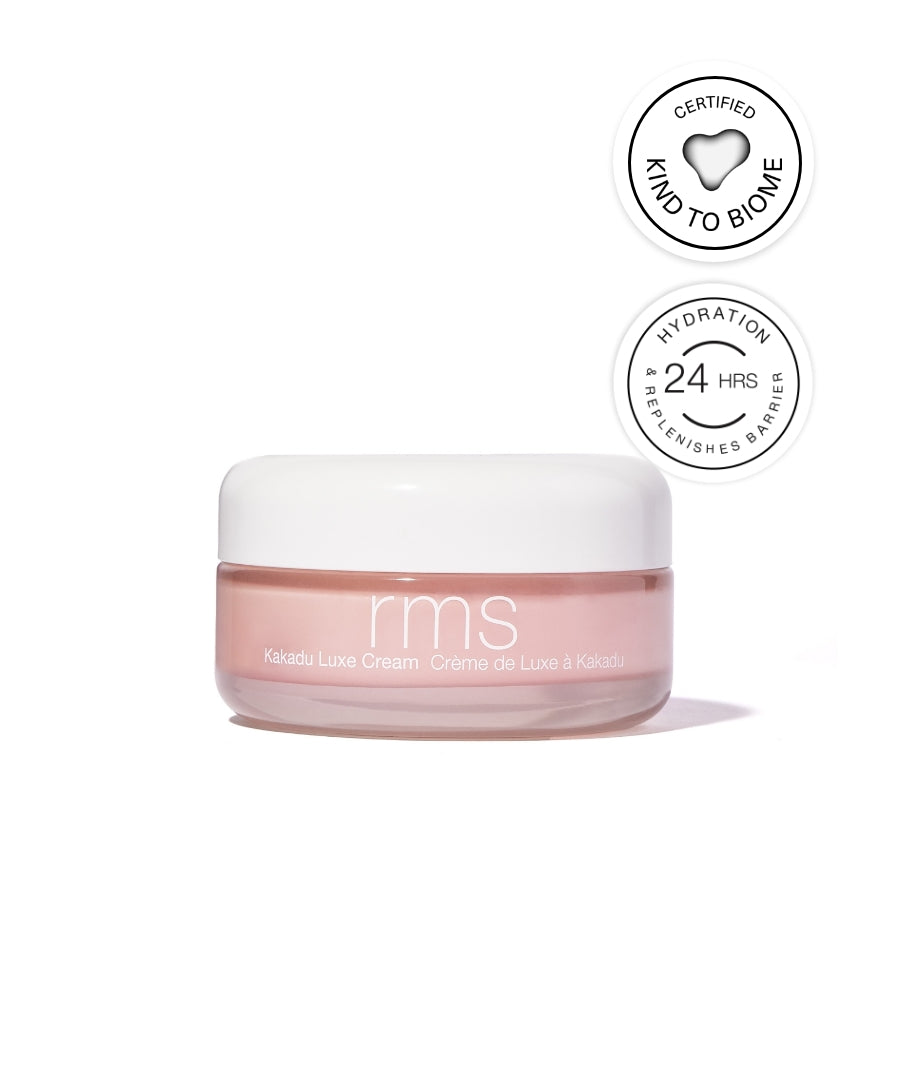
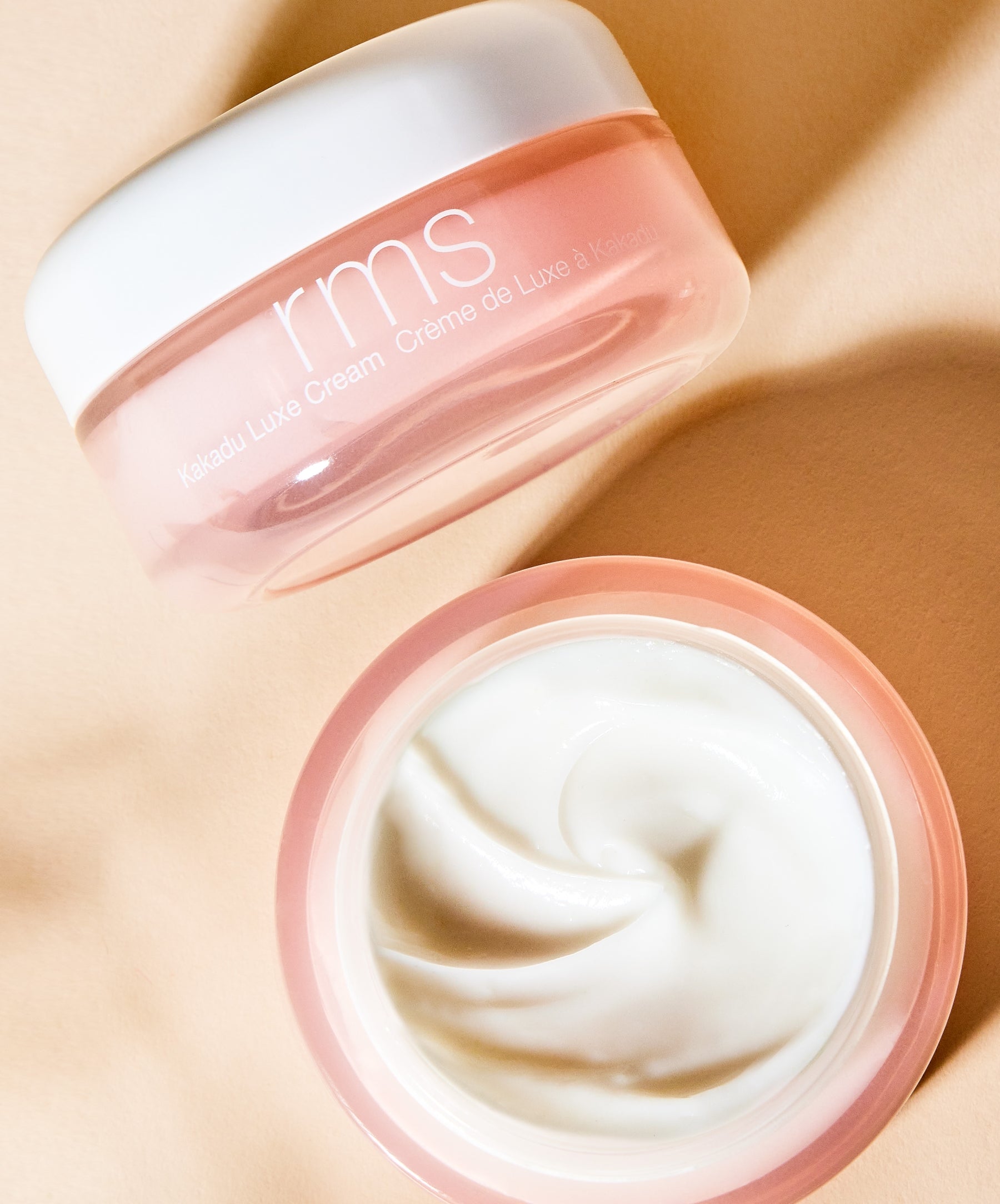
Kakadu Luxe Cream
Hydra Setting Powder
ReEvolve Radiance Locking Primer