Skip to main content




What is Uneven Skin Tone? 10 Ways to Fix It
Your complexion doesn't have to be one uniform color. Beautiful faces often show variation. But when discoloration becomes pronounced, blotchy patches appear, or dark spots persist, it shifts from character to concern.
Understanding what causes uneven skin tone on your face and then addressing it directly makes all the difference to your skin tone.
What Is Uneven Skin Tone?
Uneven skin tone refers to visible color inconsistencies across your complexion. Your face displays darker patches, lighter areas, or redness involving both discoloration and textural changes.
Dark spots may appear as isolated marks while other areas develop a dull, ashy quality. Facial skin shows this most visibly because it receives the most sun exposure and reflects hormonal shifts.
What Causes Uneven Skin Pigmentation?
To tackle uneven skin pigmentation, it is important to understand what causes it first.
Sun Exposure Can Create Lasting Marks
Unprotected UV exposure is often the primary cause of skin pigmentation. Melanocytes overproduce melanin, accumulating unevenly and creating sunspots. Damage compounds over the years. Daily broad-spectrum mineral sunscreen remains the most effective prevention.
Hormonal Changes Trigger Melasma
Melasma appears as symmetric brown, tan, or grayish patches on the forehead, cheeks, nose bridge, or upper lip. Pregnancy and birth control use may stimulate melanocyte overproduction. Those prone to this can minimize flare-ups by limiting sun exposure.
Post-Inflammatory Hyperpigmentation After Skin Trauma
When skin experiences trauma or heals from acne, darker patches develop. Unlike melasma or sunspots, this fades with time and proper targeted care.
Aging Reveals Cumulative Sun Damage
As skin matures, cell turnover slows. Dead skin cells may accumulate, creating a dull, uneven texture. Previous sun damage becomes visible as skin thins.
Other Causes Include Environmental Factors and Medications
Pollution, smoke, and dust can settle on unprotected skin. Without proper cleansing, accumulated pollutants may break down the skin barrier's health. Certain medications may increase photosensitivity or cause discoloration.
Identifying Your Skin Type
Before treating uneven skin tone, determine your baseline skin type. Products mismatched to your skin worsen discoloration.
-
Dry skin produces insufficient sebum.
-
Oily skin has elevated sebum and enlarged pores.
-
Combination skin mixes characteristics.
-
Normal skin balances moisture and oil.
Understanding your type prevents accidentally worsening hyperpigmentation.
12 Proven Ways to Fix Uneven Skin Tone
Achieving balanced skin tone requires a layered approach combining daily habits, targeted treatments, and professional support.
1. Exfoliate Twice Weekly
Dead skin cells may block brightening ingredients. Gentle exfoliation allows serums to work effectively. Use chemical-based mild exfoliants instead of harsh physical scrubs which can potentially damage the skin barrier.
2. Use Verified Brightening Ingredients
Kojic acid can suppress melanin production. Niacinamide can brighten while strengthening the skin barrier. Vitamin C can correct discoloration.
3. Cleanse and Moisturize Twice Daily
Cleansing removes pollutants. Moisturizing supports barrier health. Apply moisturizer while the skin is slightly damp.
4. Apply Broad-Spectrum SPF Daily
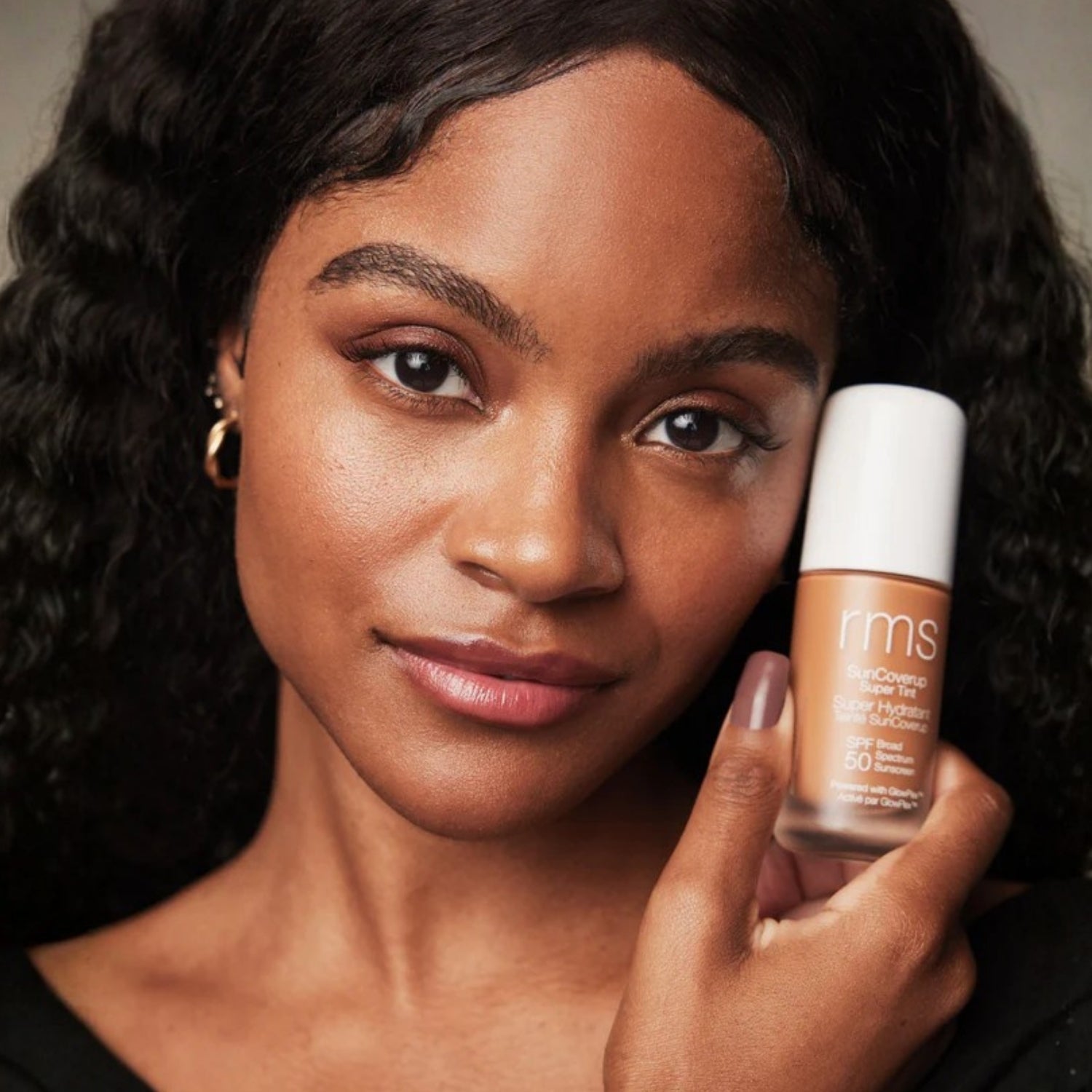
Sunscreen stops existing discoloration from darkening and prevents additional sun damage. Use SPF 30 minimum. RMS Beauty's SunCoverup Super Tint SPF 50 provides protection while delivering light coverage.
5. Eat Vitamin C and Antioxidant-Rich Foods
Citrus, tomatoes, and kiwi provide vitamin C. Green tea and berries combat free radical damage with antioxidants.
6. Consider Professional Chemical Peels
Chemical peels can remove damaged outer skin layers. Results may appear within two to three weeks. Consult your healthcare provider if you consider this option.
7. Get Monthly Professional Facials
Professional facials can deliver concentrated treatment combining exfoliation, brightening serums, and targeted masks.
8. Use a Gentle Retinol Alternative
Strong retinol may irritate sensitive skin. RMS Beauty's ReEvolve Radiance Locking Primer includes tightenyl, a gentle retinol alternative that boosts cell renewal safely.
9. Apply Color-Correcting Makeup
Color correctors neutralize discoloration before foundation. Green neutralizes redness, and yellow brightens dullness.
10. Consult a Dermatologist if Discoloration Worsens
If discoloration darkens despite SPF use or doesn't improve after twelve weeks, seek professional assessment.
Professional Treatments When Topical Care Plateaus
Laser treatments can target and break down pigmentation. IPL can address sunspots and redness. Laser skin resurfacing can remove outer layers to begin fresh with an even skin tone.
Microdermabrasion physically can exfoliate the top skin layer, stimulating collagen. Chemical peels using professional-strength acids can provide faster results.
If interested in professional treatments, be sure to research the providers carefully and consult a dermatologist before moving forward with them.
Using Makeup While Treating Uneven Tone
-
Apply primer or moisturizer first.
-
Use a color corrector matched to your undertone.
-
Apply the corrector only to discolored areas.
-
Apply concealer before foundation.
-
Start at your face's center and blend outward.
-
Lightweight, buildable foundation works better than heavy formulas.
Preventing Uneven Skin Tone From Developing
It is as important to prevent uneven skin tone development as it is to treat the developed uneven skin tone.
-
Wear sunscreen daily. Apply SPF 30 minimum every morning and reapply every two hours.
-
Never pick at your skin. Picking causes scarring and post-inflammatory hyperpigmentation.
-
Cleanse and moisturize consistently.
-
Manage stress and sleep well.
-
Stress hormones and poor sleep can disrupt skin barrier function.
Achieving Even Skin Pigmentation Takes Time
Perfectly even skin is a myth. The goal is balance. Start with basics, sunscreen daily, consistent cleansing and moisturizing, and exfoliation twice weekly.
Layer brightening treatments like serums with kakadu plum and vitamin C. Be patient for eight to twelve weeks. Most people see meaningful improvement with consistency. If topical treatments plateau, professional treatments accelerate results.
Book a free Artist Advice session to create your personalized brightening routine today.
Frequently Asked Questions
Q. What's the fastest way to fix uneven skin tone on my face?
Professional laser treatments or chemical peels show the fastest results, typically within two to three weeks. Combined with daily sunscreen and brightening serums, results appear quicker.
Q. Can clean beauty ingredients actually address hyperpigmentation effectively?
Yes. Kakadu plum oil contains 50 times more natural vitamin C than an orange, supporting collagen and brightening. Niacinamide strengthens the barrier while evening tone. Clean formulations perform as effectively as conventional ones when the right ingredients are involved.
Q. How long after practicing targeted skin care will I see improvement in my uneven skin tone?
Expect eight to twelve weeks of consistent treatment before significant improvement appears. Spot fading happens gradually, not overnight.
Q. Should I use sunscreen indoors if I'm treating discoloration?
Yes. UV light penetrates windows and reflects off surfaces. Consistent daily SPF prevents existing discoloration from darkening.
Q. What's the difference between hyperpigmentation and melasma?
Hyperpigmentation is the general overproduction of melanin, creating dark spots from sun exposure or aging. Melasma is a specific condition with symmetric brown patches triggered by hormonal changes. Both require sun protection.
Q. Can I use brightening products if I have sensitive skin?
Absolutely. Gentle formulations with niacinamide, kakadu plum, and natural vitamin C address discoloration without irritation. RMS Beauty's products work for sensitive skin because they rely on clean, food-grade ingredients.
Shop The Blog
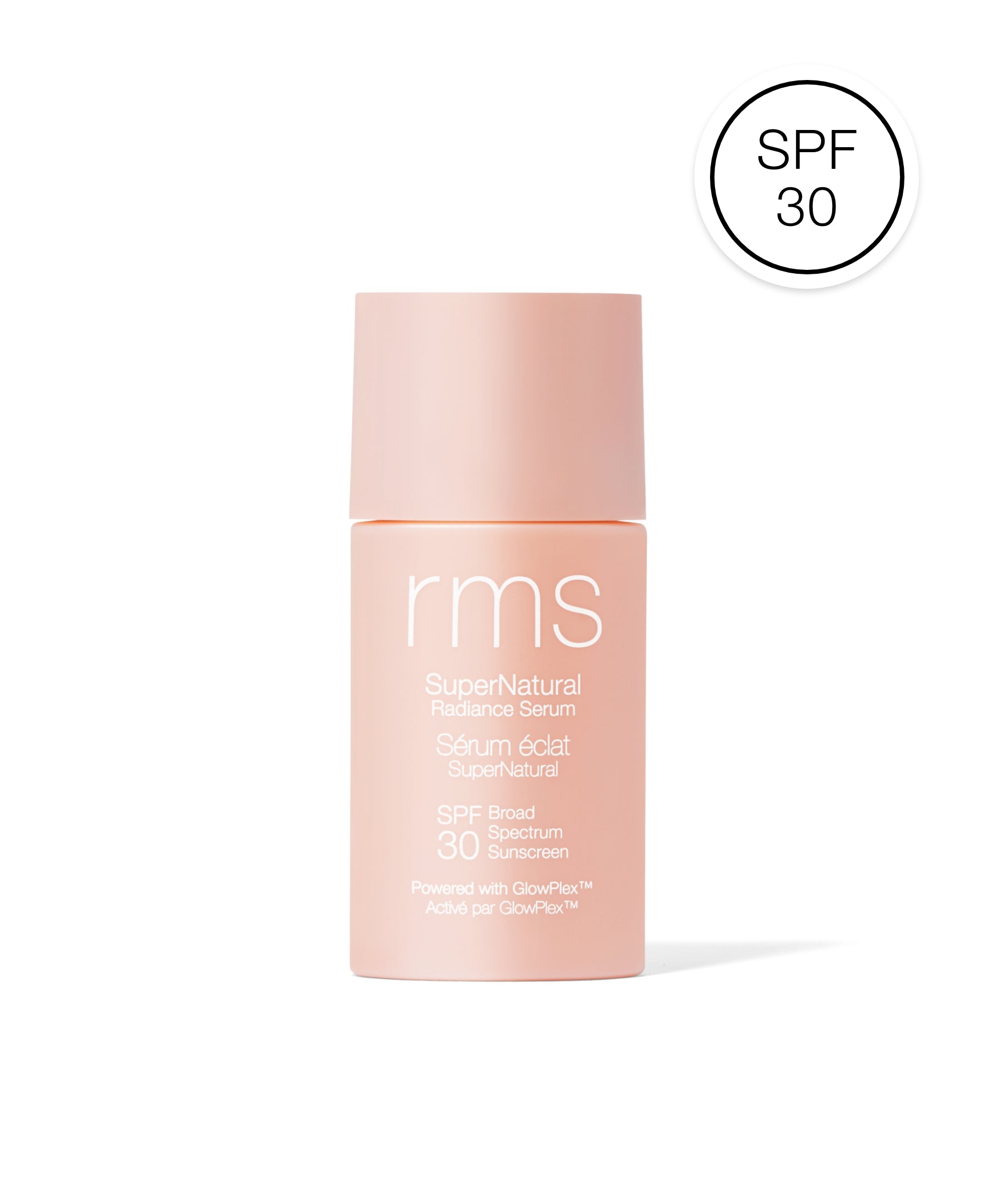
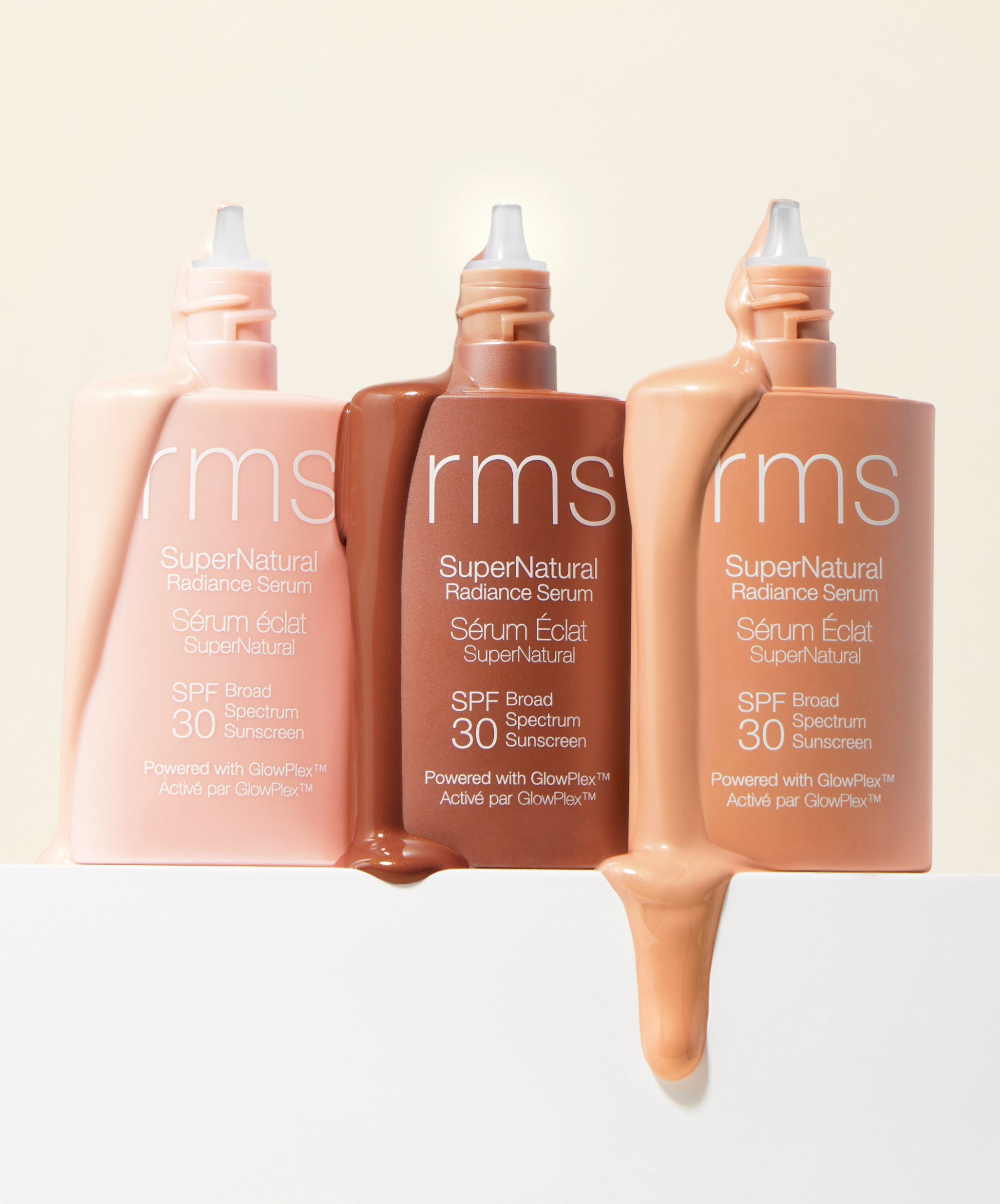
Supernatural Radiance Serum Broad Spectrum SPF 30 Sunscreen
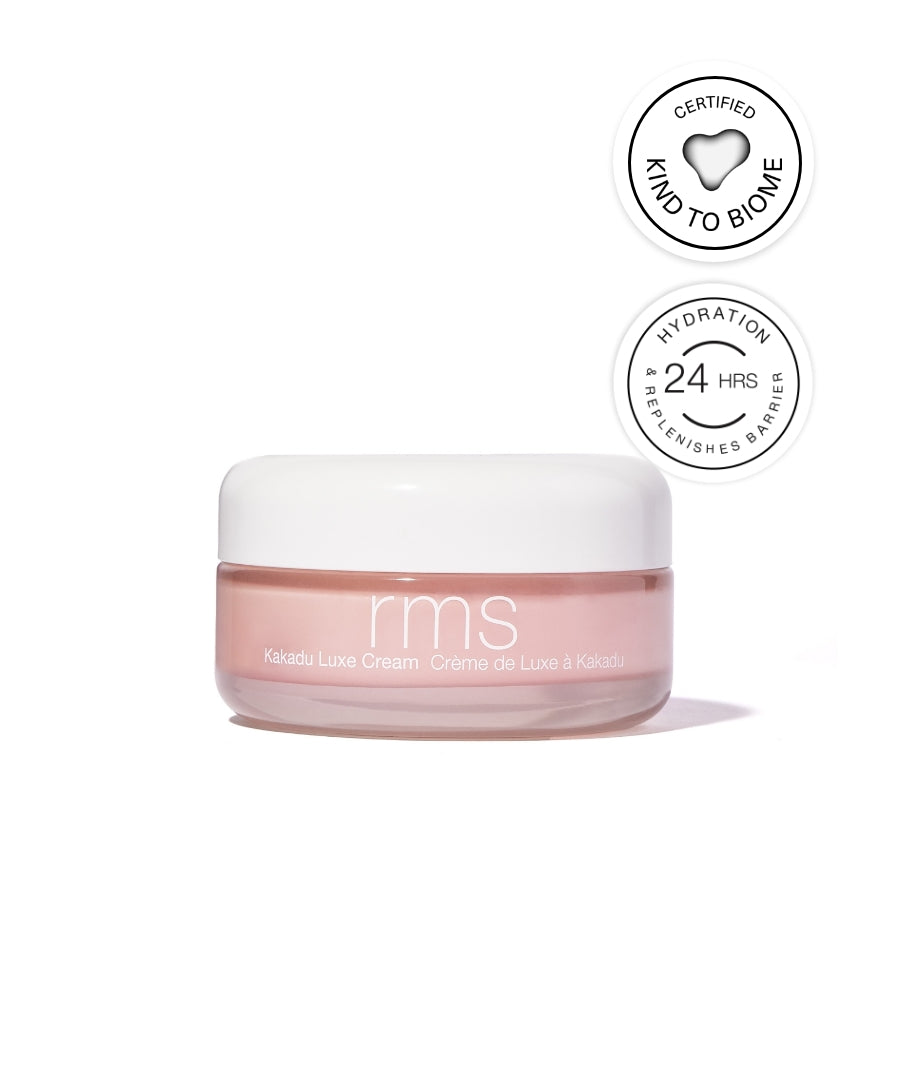
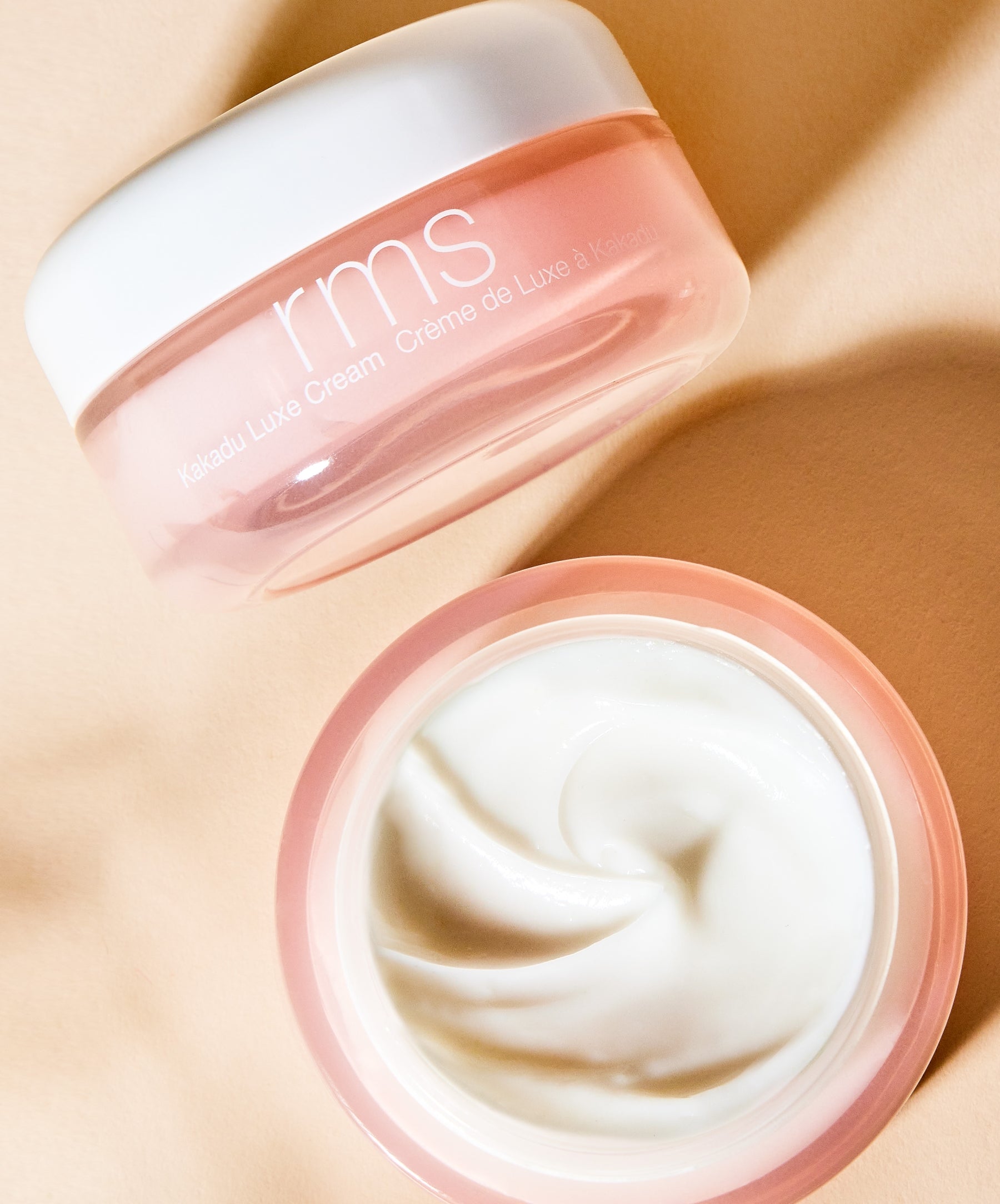
Kakadu Luxe Cream
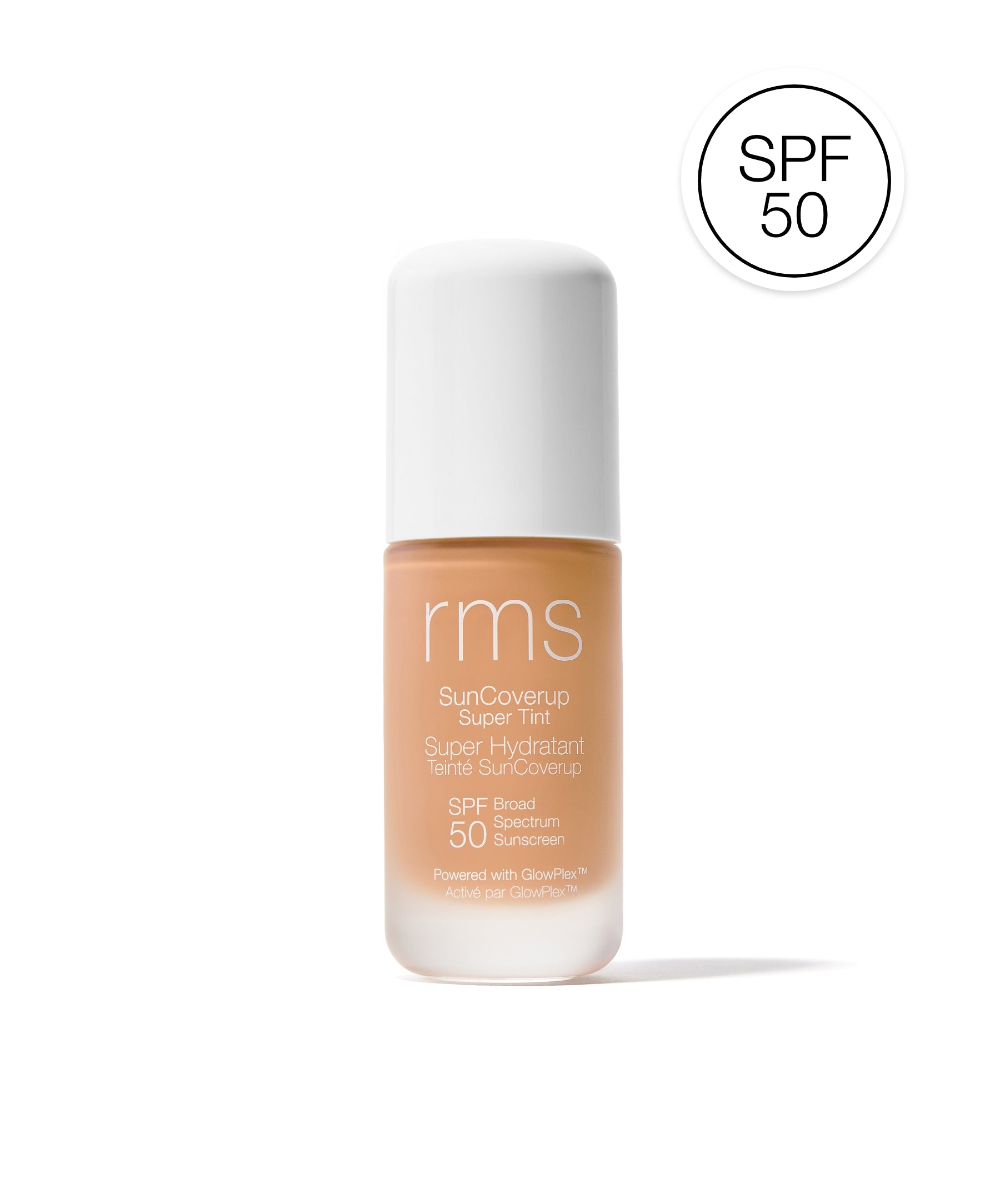
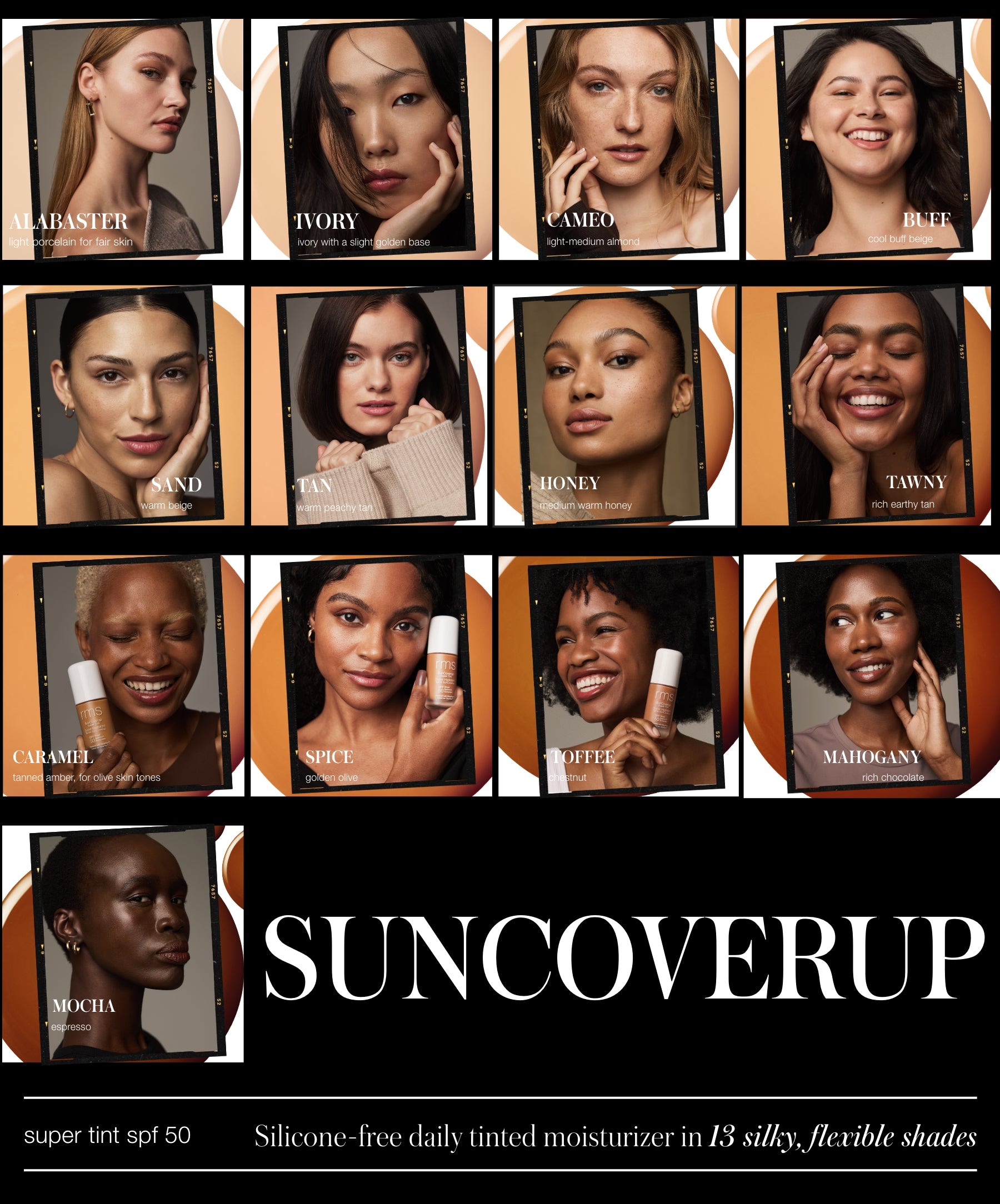
SunCoverup Super Tint Broad Spectrum SPF 50 Sunscreen