Skip to main content




Clean Beauty Explained: What It Really Means for Skin Health
Beauty aisles overflow with clean labels, yet the term has no legal definition. The FDA doesn't regulate it. Brands create their own standards, leaving consumers to decode what they're really buying.
Understanding clean beauty requires moving past marketing language toward brand transparency and personal research, not vague promises.
What Does Clean Beauty Typically Mean?
Clean beauty brands typically exclude ingredients they consider potentially harmful, while emphasizing ingredient transparency and responsible sourcing. Most focus on avoiding substances like parabens, phthalates, and synthetic fragrances. But since clean isn't regulated, definitions vary dramatically across brands.
The movement lacks a universal standard. One brand's clean might be another's bare minimum. This is why transparency matters more than the label itself.
RMS Beauty approaches clean differently. Founded in 2009 by Rose-Marie Swift, a master makeup artist with 30+ years of experience, RMS defines clean through a philosophy rather than a checklist. Raw, food-grade, certified organic, and wildcrafted ingredients form the foundation, but RMS goes further.
At RMS Beauty, we conduct patch testing for irritation, toxicologist safety assessments of every ingredient and its percentage, and maintain a list of 2,700+ ingredients that we exclude (compared to just 30 FDA-banned items). This rigorous approach shows what committed transparency can look like, even without a regulatory requirement.
Three Categories Typically Excluded in Clean Formulas
While no standard applies across the industry, many clean brands typically avoid:
- Irritants and allergens (certain fragrance compounds, formaldehyde, phenoxyethanol)
- Potential endocrine disruptors (parabens, phthalates, triclosan)
- Substances of concern (polyethylene glycols, coal tar ingredients)
The keyword: typically. Without regulation, each brand determines its own restrictions.
Natural vs. Clean: Not the Same Thing
This distinction matters. Natural ingredients come from nature. Clean ingredients prioritize safety and performance regardless of origin.
High concentrations of botanical extracts can trigger allergic reactions, sometimes more severe than synthetic alternatives. A botanical oil from a rainforest isn't automatically safer than a tested synthetic. Clean beauty acknowledges this reality by evaluating ingredients on safety and efficacy, not source alone.
RMS Beauty reflects this nuance. The brand uses synthetic Vitamin E from Spanish sunflowers because it outperforms alternatives while meeting safety standards. Conversely, certain natural ingredients get excluded if they lack proven stability or safety. Clean means choosing what works, not choosing based on a label.
How to Evaluate Clean Beauty Claims
Since clean lacks regulation, verification requires effort:
- Check certifications: PETA (no animal testing), ECOCERT, Fair Trade; these carry actual standards
- Research sourcing: Legitimate brands disclose ingredient origins, not just ingredients themselves
- Look for transparency: Full ingredient lists, manufacturing details, safety testing documentation
- Verify testing claims: Patch testing and toxicologist review suggest rigor (not all brands conduct these)
- Skip vague terms: Natural, green, and chemical-free mean nothing without specifics
RMS Beauty lists ingredient origins, certifications, and proprietary formula breakdowns publicly. This approach, showing your work, separates transparent brands from greenwashing.
The Case for Choosing Clean Beauty
Clean beauty represents brands willing to be transparent and exceed baseline regulations. What matters most is choosing products that perform for your skin while aligning with your values.
Even well-formulated clean products can irritate individual skin types. The cleanest formula won't work if it doesn't suit your skin. Start new products on small patches first. What works for your skin matters more than following trends.
RMS Beauty embodies this approach: performance-first clean beauty. Founded on the principle that safe ingredients shouldn't mean sacrificing results, our brand demonstrates what transparency and rigor look like when brands commit to standards beyond regulation.
Frequently Asked Questions
Q. What exactly is considered a clean beauty product?
Since clean isn't regulated, it depends on the brand. Most clean products avoid parabens, phthalates, and synthetic fragrances while emphasizing transparent sourcing. No legal definition exists, so certifications and brand transparency matter more than labels alone.
Q. Are all-natural ingredients safe for skin?
No. Natural ingredients can trigger allergic reactions. High concentrations of botanical extracts sometimes cause more problems than synthetic alternatives. Clean beauty evaluates safety regardless of origin.
Q. How many chemicals does the FDA actually ban in cosmetics?
The FDA bans approximately 30 ingredients. Clean beauty brands typically exclude far more (RMS excludes 2,700+), but this reflects brand choice, not regulatory requirement.
Q. What's the difference between clean beauty and organic beauty?
Organic products use ingredients grown without synthetic pesticides. Clean products focus on safety and performance evaluation. Something can be organic yet irritating, or clean yet contain no organic ingredients.
Q. Do clean beauty products work better than traditional cosmetics?
Performance depends on individual skin type and specific formulation, not a clean label. Quality traditional products may outperform poorly formulated clean alternatives.
Q. How do I spot greenwashing when shopping for clean skincare?
Look for verifiable third-party certifications rather than unregulated terms. Research brand transparency about manufacturing and sourcing. Read complete ingredient lists and look for safety testing documentation rather than focusing on marketing claims alone.
Shop The Blog

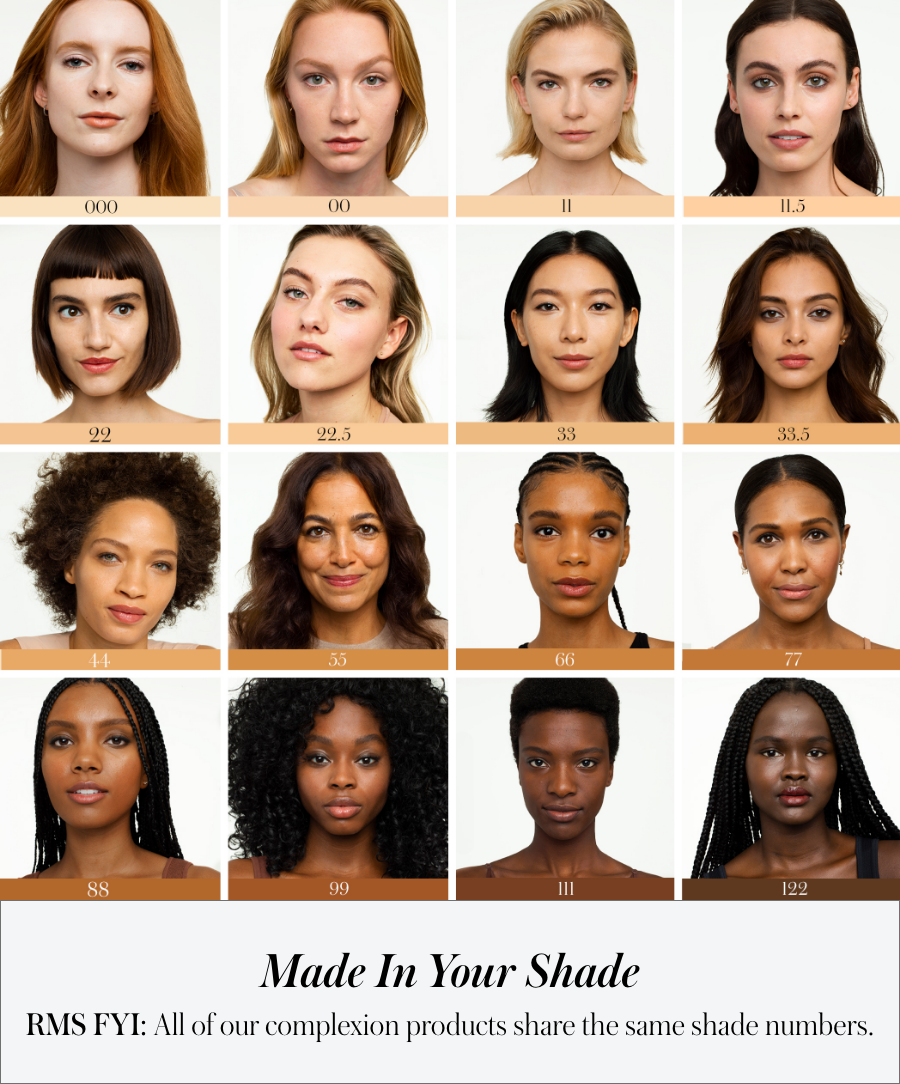
UnCoverup Concealer
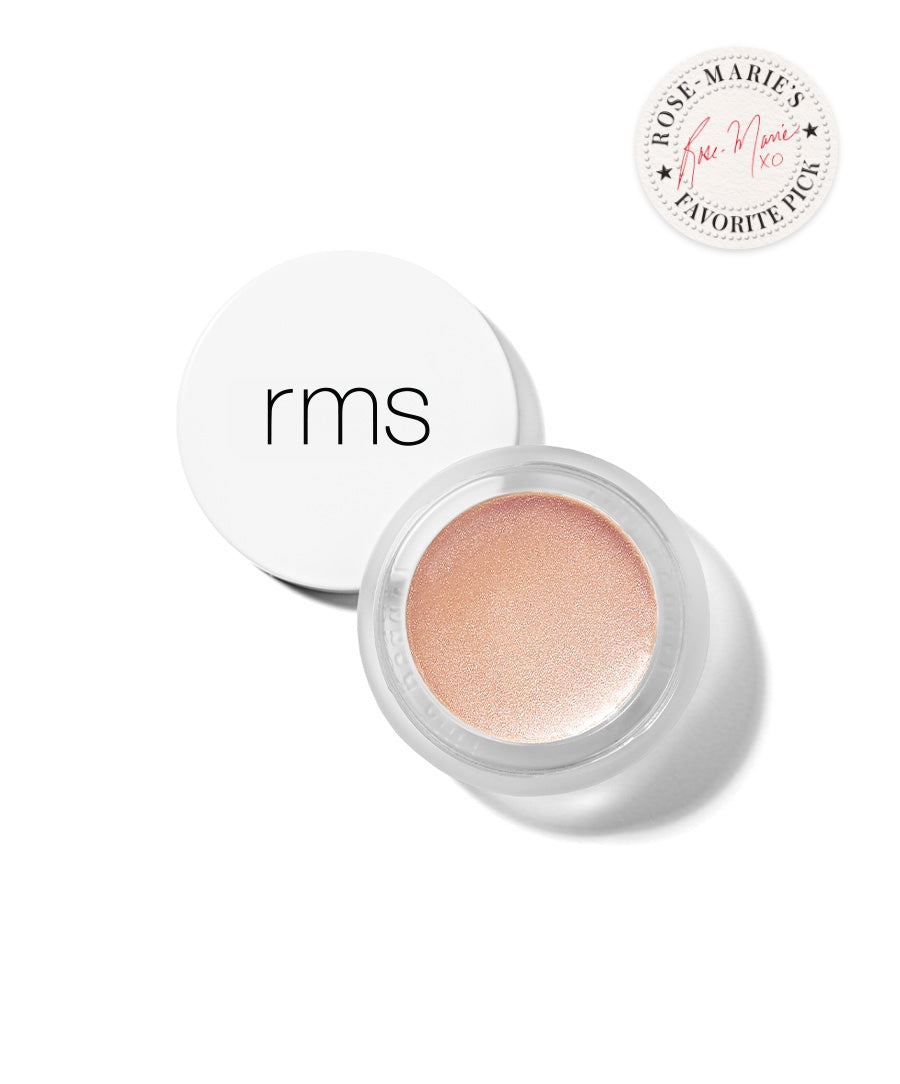
Luminizer
Revitalize Hydra Concealer