Skip to main content




Skin Barrier Explained. What It Is and How to Keep It Healthy
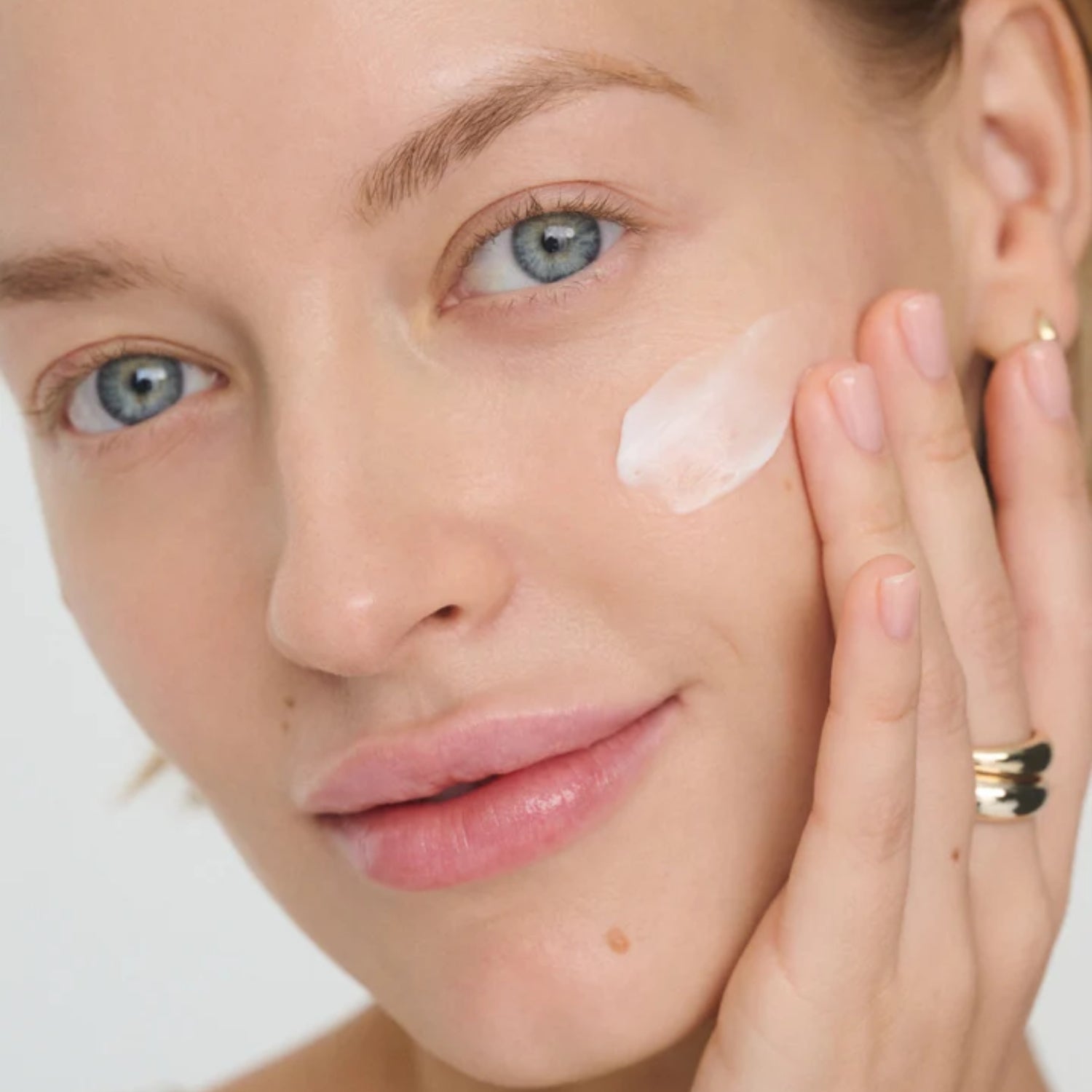
Healthy skin starts well before skincare. Before you layer anything onto your face, a protective structure called the skin barrier is already doing the hardest job in your routine, holding moisture in and keeping irritants out. When that barrier is strong, skin looks plump, calm, and naturally radiant. When the barrier is compromised, everything from redness to breakouts to that persistent tight, flaky feeling traces back to the same root problem.
Understanding what the skin barrier is, recognizing when the barrier needs help, and knowing how to repair skin barrier damage are three of the most practical things anyone can do for their complexion. And the good news is that a compromised barrier is fixable with the right approach.
What Is the Skin Barrier and Why Does the Barrier Matter
The skin barrier (also called the moisture barrier or lipid barrier) is the outermost layer of your skin, made up of tightly packed cells held together by lipids like ceramides, cholesterol, and fatty acids. Picture a brick wall: the skin cells are the bricks, and the lipids are the mortar. Together, they form a seal that keeps water locked in and pollutants, bacteria, and allergens locked out.
A Functioning Barrier Keeps Skin Hydrated
When the barrier is intact, moisture stays where it belongs, inside your skin. Transepidermal water loss (TEWL) stays low, and skin maintains that natural bounce and softness without needing heavy products to compensate.
A Compromised Barrier Lets Problems In
Once the lipid layer develops gaps, water escapes and irritants enter. Pollution, harsh weather, and even the wrong skincare ingredients can penetrate more deeply, triggering inflammation and sensitivity. Most persistent skin issues, chronic dryness, unexplained redness, and sudden breakouts originate from a barrier that is no longer doing the job effectively.
The Microbiome Connection
Your skin barrier also hosts a living ecosystem of beneficial bacteria called the microbiome. Harsh cleansers, sulfates, and synthetic ingredients disrupt that ecosystem, weakening the barrier further. KIND TO BIOME certified products are independently tested to confirm the formulas do not disrupt the skin's microbiome, which means the products support barrier health rather than undermining the barrier.
Damaged Skin Barrier Signs You Should Not Ignore
How do you know if your barrier is compromised? The symptoms overlap with so many other skin concerns that people often treat the wrong thing for months. Here are the most common signs of a damaged skin barrier to watch for.
- Persistent dryness and flaking. Moisturizer disappears within an hour. Skin feels tight even after applying a rich cream.
- Increased sensitivity. Products that never caused irritation suddenly sting or burn. Skin reacts to temperature changes, wind, or fragrance.
- Redness that won't resolve. A pink or flushed look across the cheeks, nose, or chin that persists regardless of the routine.
- Breakouts in unusual areas. A damaged barrier allows bacteria in, leading to breakouts in spots where you don't normally break out.
- Rough, uneven texture. Skin feels bumpy or gritty. Makeup sits unevenly and emphasizes texture instead of smoothing it over the texture.
- Excessive oiliness. When the barrier cannot retain moisture, sebaceous glands overproduce oil to compensate, leaving skin shiny but still dehydrated underneath.
What Damages the Barrier in the First Place
Over-exfoliation is one of the most common culprits. Scrubbing too hard or using strong acids too frequently strips the lipid layer faster than skin can rebuild it. Other triggers include sulfate-based cleansers, alcohol-heavy toners, hot water, extreme weather, and prolonged UV exposure without adequate SPF protection.
How to Repair the Skin Barrier Step by Step
Barrier repair is not about adding more products. Knowing how to repair skin barrier damage means simplifying your routine, choosing barrier-supporting ingredients, and giving skin the time and space to heal.
Step 1. Simplify and Use a Gentle Cleanser
Strip your routine back to essentials: cleanser, moisturizer, and SPF. A sulfate-free cleansing balm with Organic Coconut Oil and the RMS Adaptogenic Herbal Blend dissolves makeup without disrupting the lipid layer. For a second cleanse, a gentle gel-to-foam formula with bio-based surfactants purifies without stripping.
Step 2. Hydrate on Damp Skin
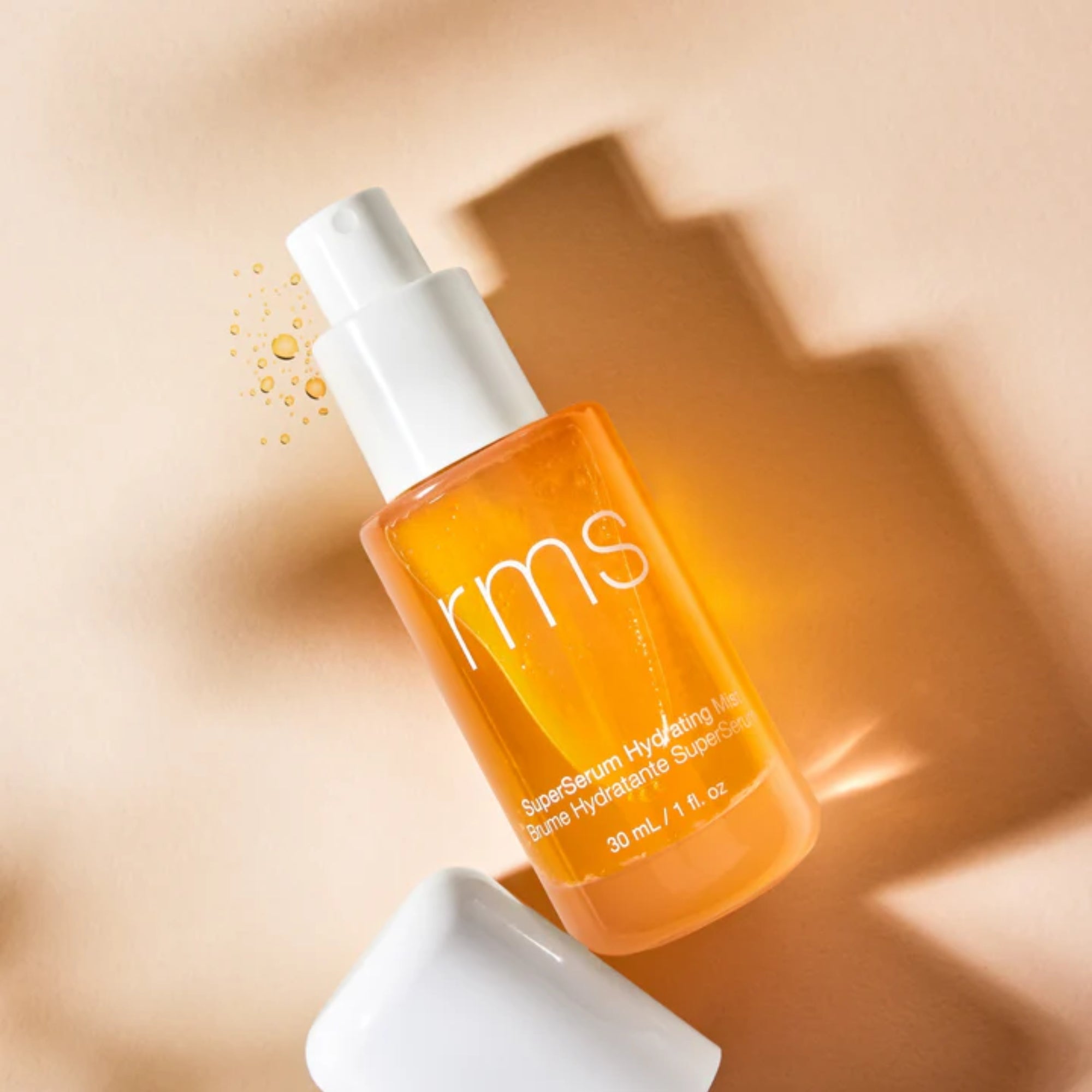
Apply hydrating products within 60 seconds of rinsing, while skin is still damp. A dual-phase hydrating mist with GlowPlex (Niacinamide and natural peptides from Quinoa Seed Extract and Pea Extract) delivers moisture and radiance-boosting actives in a single, lightweight layer.
Step 3. Seal with Lipid-Rich Products
After hydrating, seal everything in with an emollient or occlusive layer. A concentrated beauty oil rich in Wildcrafted Buriti Oil, Organic Jojoba Oil, and Kakadu Plum Seed Oil replenishes the lipids your barrier needs to rebuild. Follow with a nourishing face cream that delivers Organic Shea Butter and GlowPlex for deep, lasting hydration without heaviness.
Step 4. Protect with Mineral SPF Every Day
UV damage weakens the barrier directly. A mineral SPF 50 tinted moisturizer with Non-Nano Zinc Oxide provides broad-spectrum protection while Vegetable Squalane hydrates and seals moisture throughout the day.
Ingredients That Support a Healthy Skin Barrier
Not every ingredient contributes to barrier repair in the same way. Here's a breakdown of the key categories and how each one supports the repair process.
| Ingredient Type | Role in Barrier Health | Examples |
|---|---|---|
| Ceramides and fatty acids | Replenish the lipid "mortar" between skin cells | Jojoba Oil, Coconut Oil, Shea Butter |
| Humectants | Draw moisture into the epidermis | Hyaluronic Acid, Glycerin, Niacinamide |
| Emollients | Smooth gaps between skin cells and reduce water loss | Vegetable Squalane, Buriti Oil |
| Occlusives | Create a physical seal to lock moisture in | Beeswax, Shea Butter, plant oils |
| Antioxidants | Protect against environmental damage that weakens the barrier | Kakadu Plum (Vitamin C), Vitamin E |
| Adaptogens | Balance and soothe stressed, reactive skin | RMS Adaptogenic Herbal Blend |
What to Avoid While the Barrier Heals
Pause harsh activities until the barrier has recovered. That means no retinol (gentle alternatives like Tightenyl are better tolerated during repair), no high-concentration AHAs or BHAs, no physical scrubs, and no alcohol-based toners. Stick with hydrating, lipid-rich products for at least two to four weeks before reintroducing active treatments one at a time.
Final Thoughts
Your skin barrier is the foundation that everything else, skincare, makeup, and confidence, builds on. When the barrier is healthy, products absorb better, skin stays calm, and that lit-from-within glow happens naturally without layers of corrective product. When the barrier is damaged, no serum or foundation can fully compensate.
RMS Beauty formulates every skincare product with barrier health at the center. From KIND TO BIOME certified cleansers to a concentrated beauty oil packed with lipid-replenishing botanicals, the entire line is designed to support the skin's natural microbiome and reinforce the barrier with every use. Shop the full skincare collection and give your barrier the clean, nourishing ingredients it actually needs.
Frequently Asked Questions
Q. What is the skin barrier made of?
The skin barrier is the outermost layer of skin, composed of tightly packed cells held together by lipids including ceramides, cholesterol, and fatty acids. Together, these components form a protective seal.
Q. How long does a damaged skin barrier take to heal?
Most people notice improvement within two to four weeks of consistent, gentle care. Full barrier recovery can take up to eight weeks, depending on the severity of the damage.
Q. Can over-exfoliating damage the skin barrier?
Yes. Over-exfoliation is one of the most common causes of barrier damage. Aggressive scrubs and frequent acid use strip the lipid layer faster than the skin can replace it.
Q. Does drinking water help repair the skin barrier?
Staying hydrated supports overall skin health, but topical hydration with humectants and emollients is more directly effective at repairing the barrier.
Q. Should you stop all skincare while your barrier heals?
No, but simplify your routine. Focus on a gentle cleanser, a hydrating serum or mist, a lipid-rich moisturizer, and daily SPF. Pause harsh activities until the barrier has recovered.
Q. Are clean beauty products better for the skin barrier?
Products free from sulfates, synthetic fragrances, and harsh preservatives are less likely to disrupt the skin's lipid layer and microbiome. KIND TO BIOME certified formulas are independently tested for microbiome compatibility.
Shop The Blog
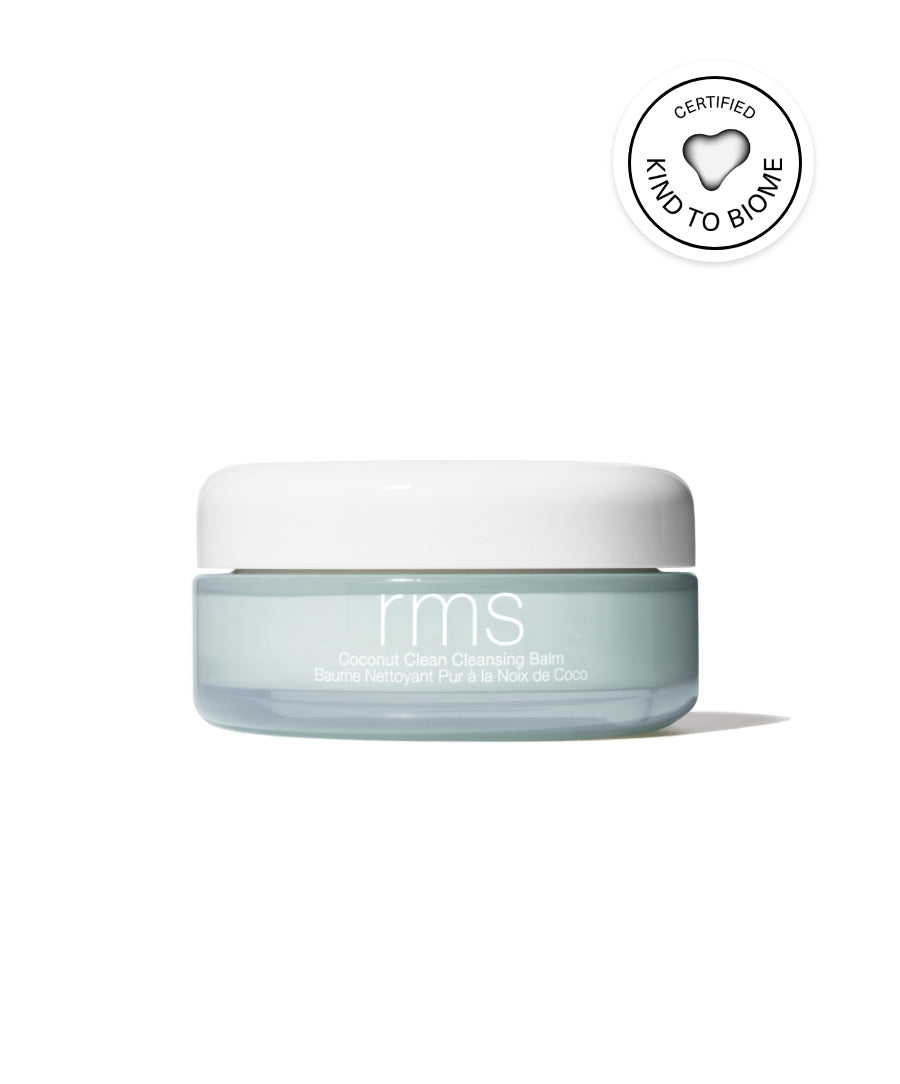
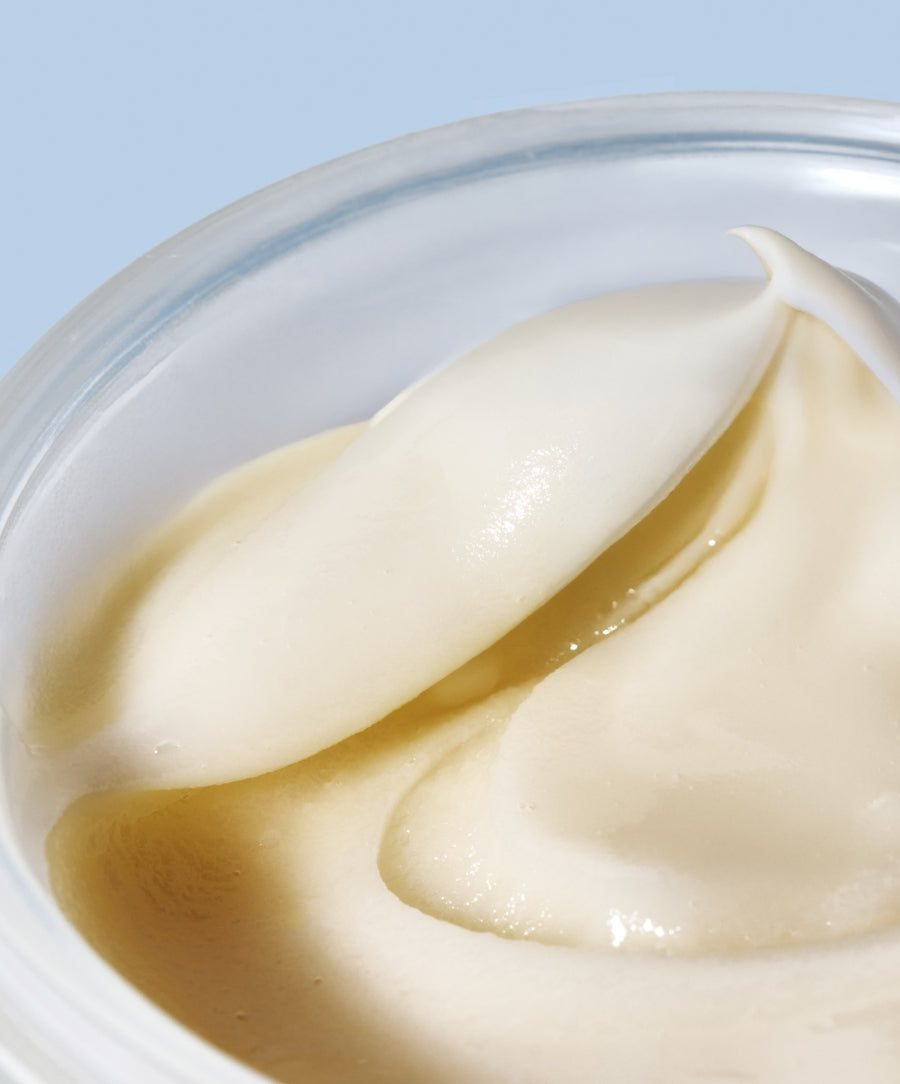
Coconut Clean Cleansing Balm
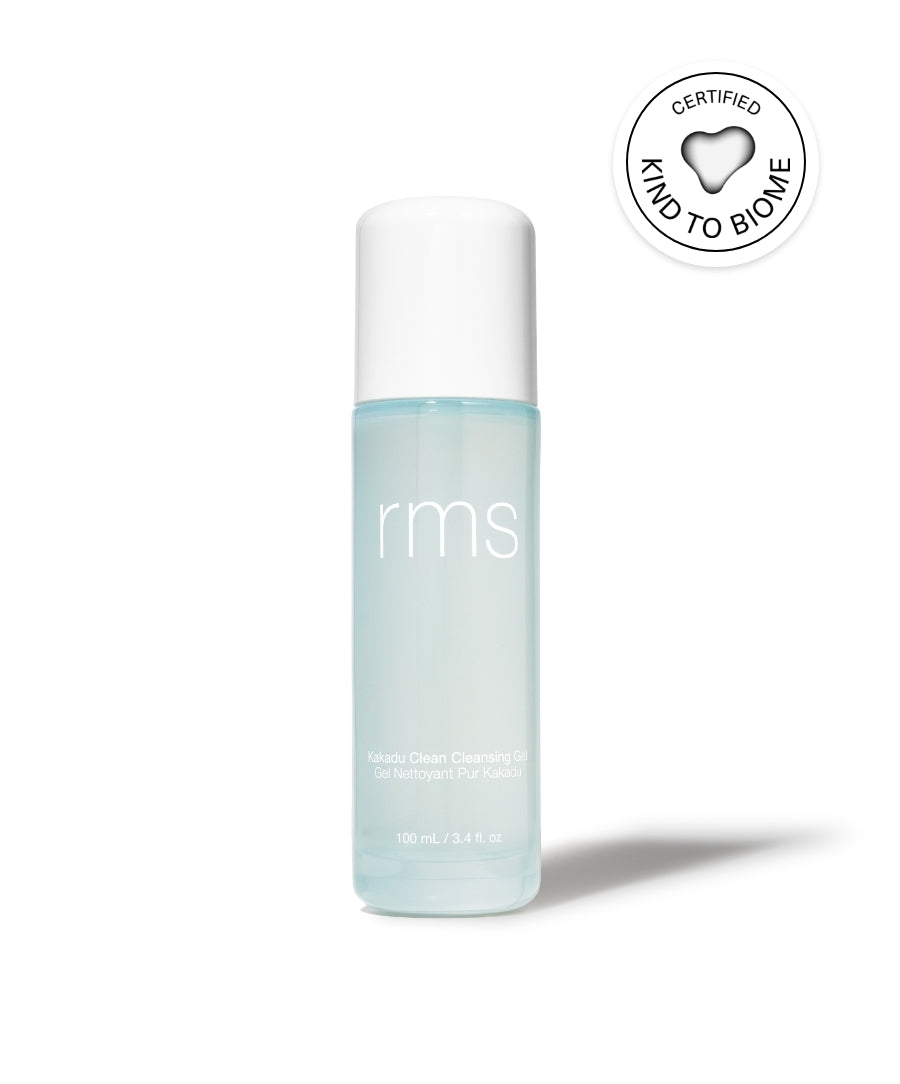
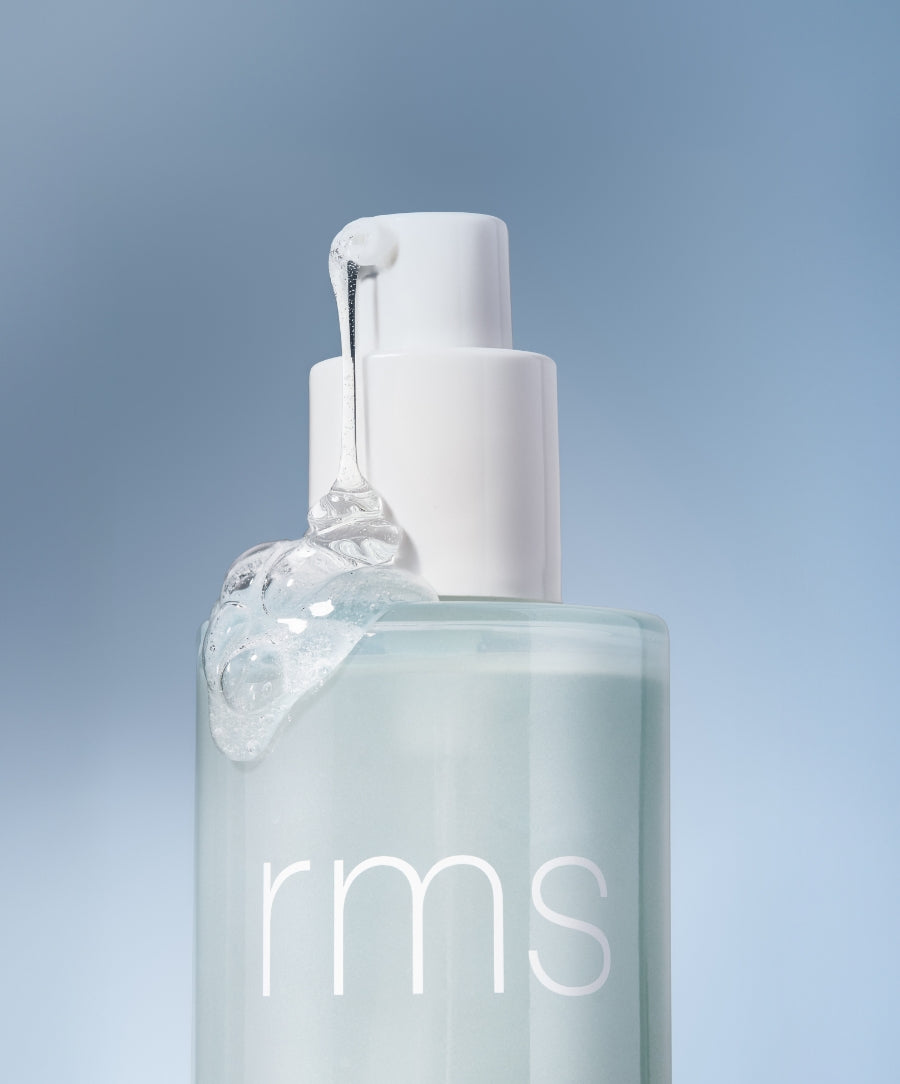
Kakadu Clean Cleansing Gel
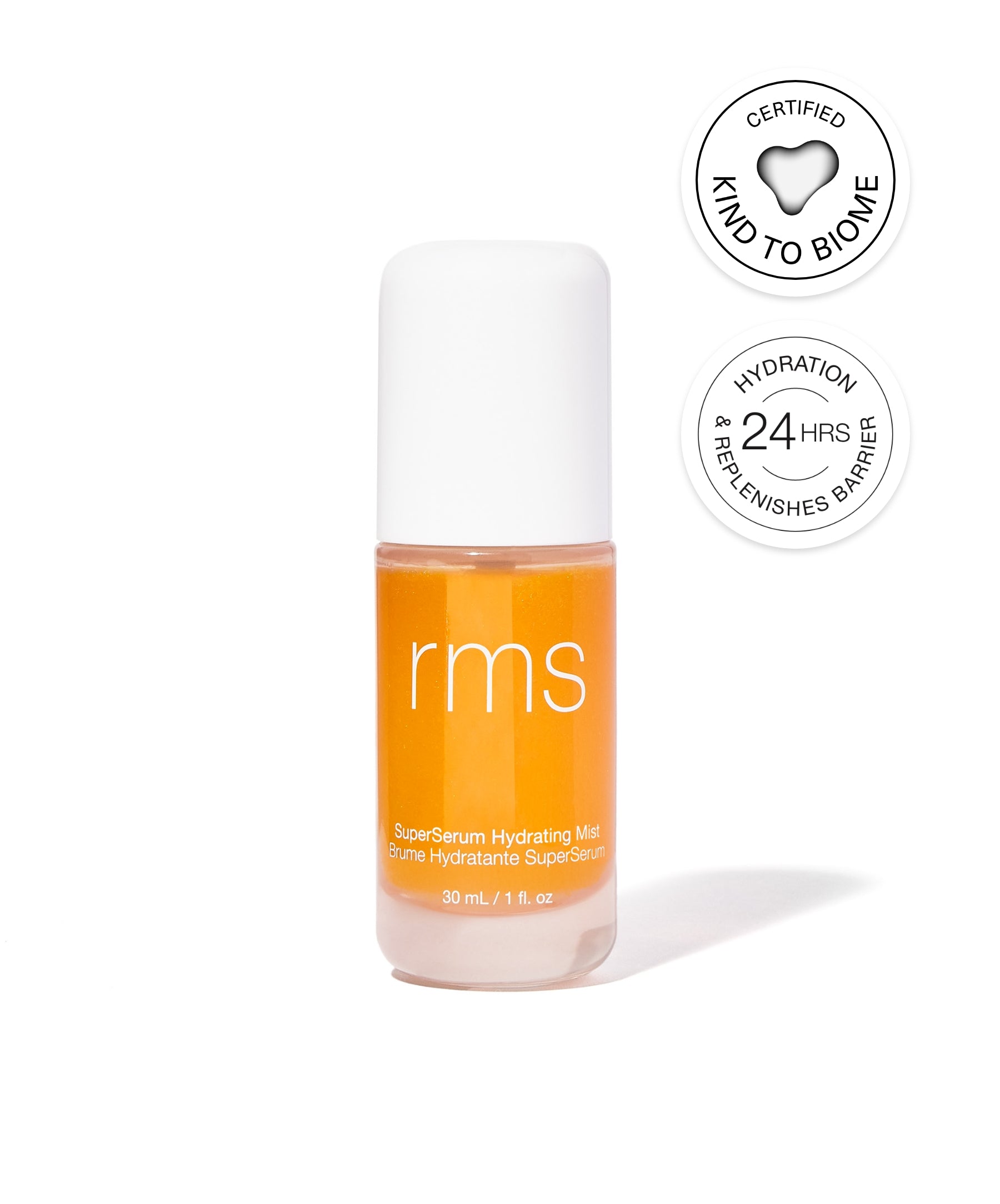
SuperSerum Hydrating Mist