Skip to main content




How to Apply Face Serum. A Step-by-Step Guide for Beginners
A serum can be the hardest-working product in your entire routine, or the most wasted one. The difference has nothing to do with the formula and everything to do with how you apply the product. Wrong order, wrong amount, wrong skin prep, and the actives never reach where they need to go.
Learning how to apply serum on the face properly is one of those small shifts that changes how every other product in your routine performs. Moisturizers absorb better. Makeup sits smoother. The ingredients can work properly. And once you understand how to use serum the right way, the step takes less than 30 seconds.
Here's a full guide to what a serum actually does, when to apply a face serum in your routine, and how to get the most out of every drop.
What Does a Serum Do for the Face
A serum is a lightweight, fast-absorbing treatment formulated with a high concentration of active ingredients. Unlike moisturizers, which primarily hydrate and seal, serums are designed to deliver targeted actives deep into the skin where the actives can address specific concerns like dullness, dehydration, fine lines, or uneven texture.
Concentrated Actives, Lightweight Delivery
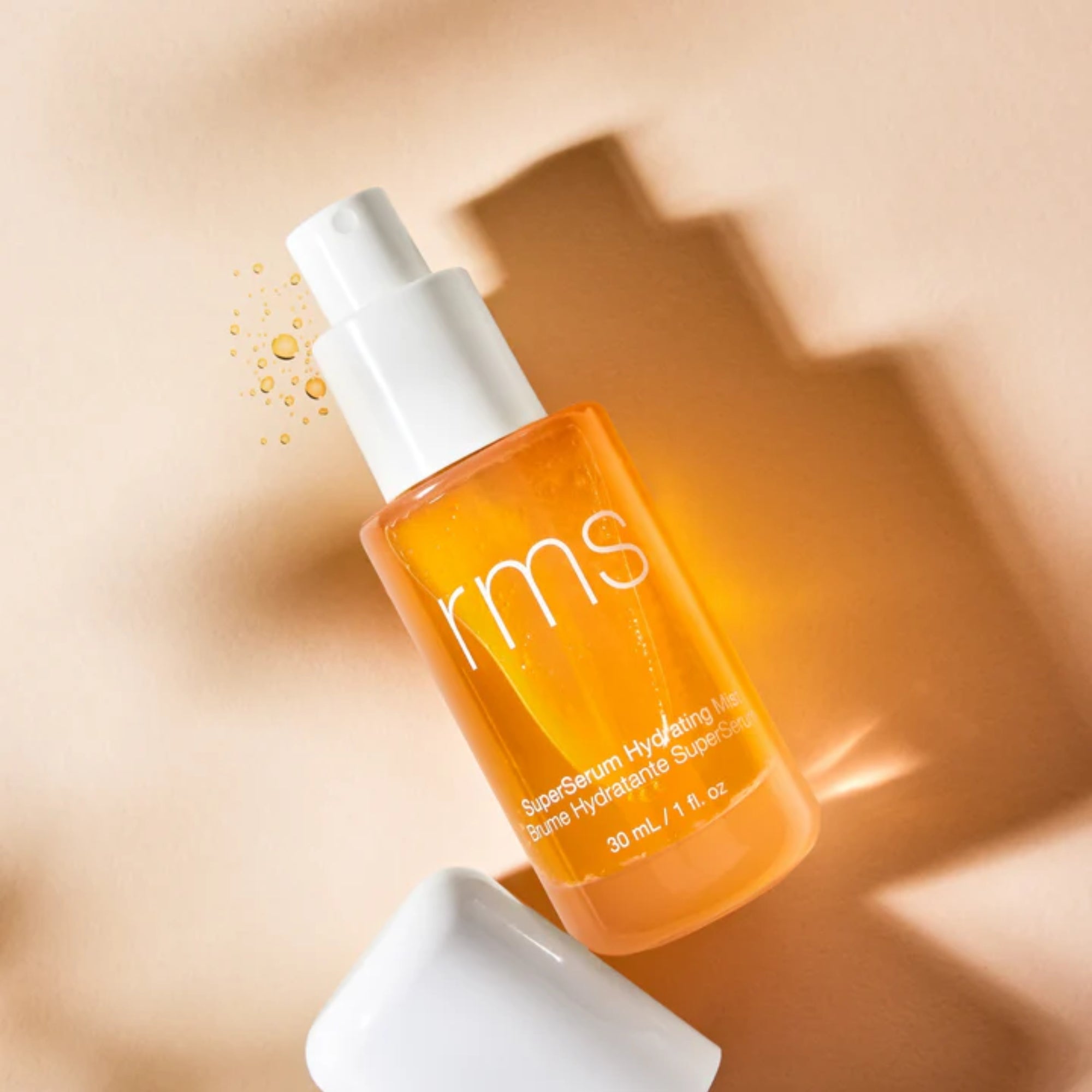
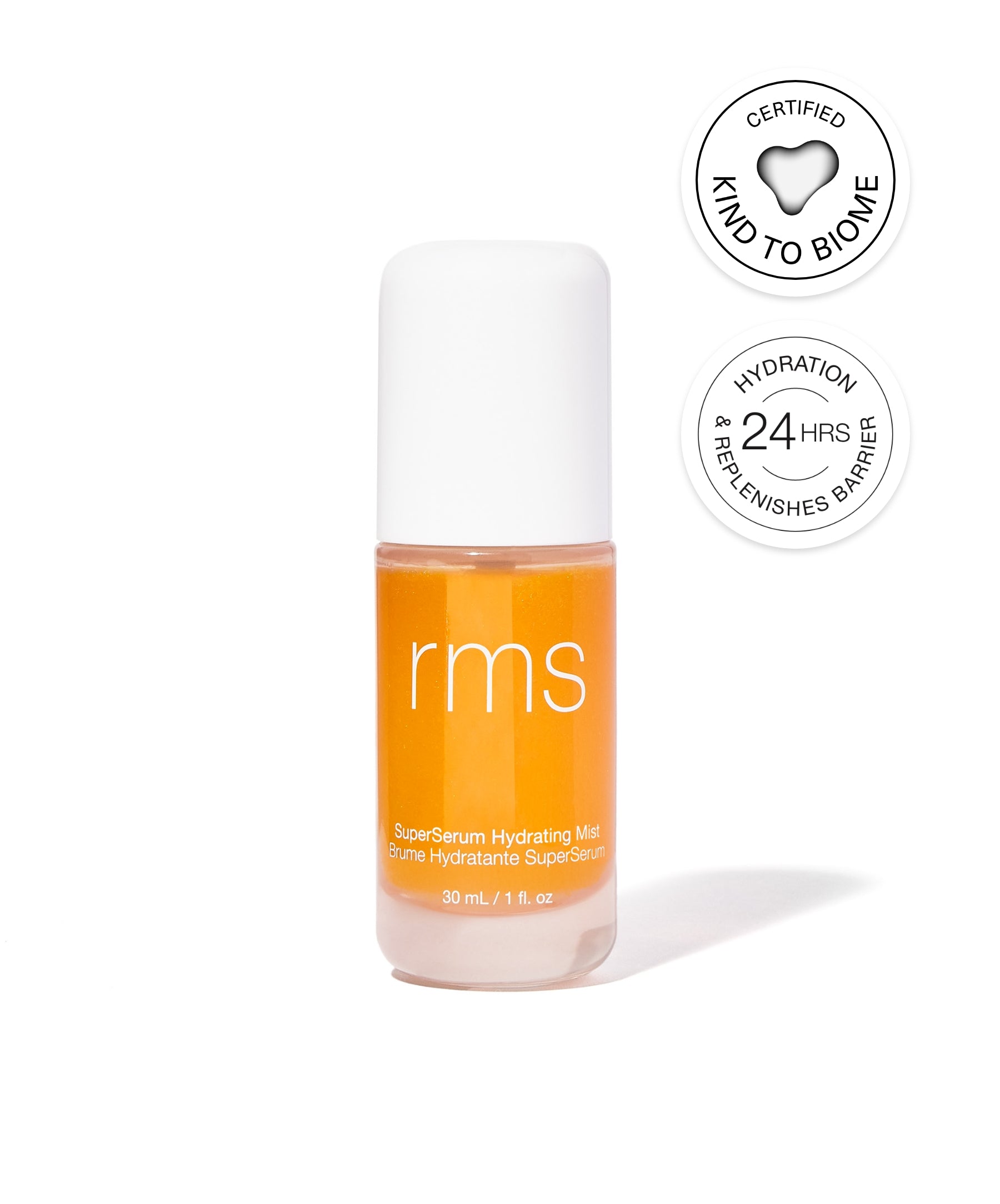
Serums use smaller molecules than creams, which allows the product to penetrate more effectively. A dual-phase hydrating serum mist powered by GlowPlex, a complex of Niacinamide and natural peptides from Quinoa Seed Extract and Pea Extract, delivers brightening, firming, and smoothing actives in a lightweight, absorbent format. No heaviness, no residue, just active ingredients reaching the skin quickly.
Serums Address Specific Skin Concerns
What does a serum do for the face that a moisturizer cannot? Precision. A moisturizer provides broad hydration across the surface. A serum targets a particular concern with a concentrated dose of the right active. Niacinamide smooths and reduces the appearance of pores. Vitamin C brightens and fights oxidative damage. Hyaluronic Acid pulls deep moisture into the epidermis. A well-chosen serum handles the concern your moisturizer was never built to address.
Serums Prepare Skin for Everything That Follows
A properly applied serum primes the skin to receive moisture more effectively. When active ingredients open the pathway for hydration, the moisturizer and oil that follow absorb better and last longer. Skipping the serum step means your heavier products are working harder for less payoff.
How to Apply Serum on Face, Step by Step
Knowing how to apply serum correctly makes the difference between a product that delivers results and one that evaporates before reaching your skin. Follow this order for maximum absorption.
Step 1. Cleanse Thoroughly
Start with a clean face. Serums cannot penetrate through a layer of oil, sunscreen, or makeup residue. A gentle gel-to-foam cleanser with bio-based surfactants removes impurities without stripping moisture, leaving skin prepped and receptive. At night, double cleanse by starting with a nourishing cleansing balm to dissolve heavier products first.
Step 2. Apply to Damp Skin
Damp skin absorbs serum significantly better than dry skin. After cleansing, pat your face gently but leave the skin slightly wet. Residual moisture helps carry the serum's actives deeper into the skin.
Step 3. Use the Right Amount
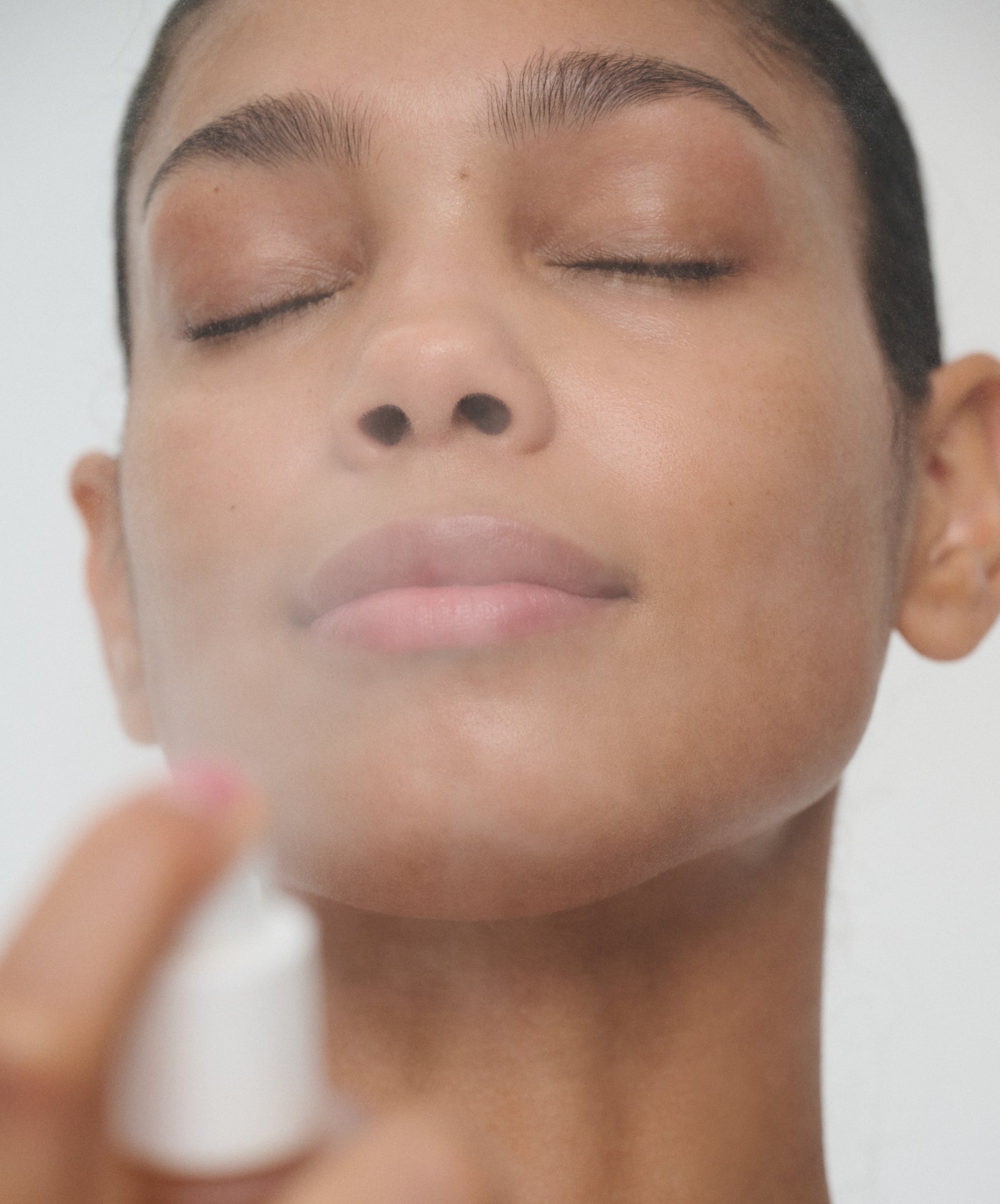
More is not better with serums. A pea-sized amount or two to three drops is enough for the full face. For a mist-format serum, two to three spritzes from about six inches away cover the face evenly. Shake the bottle first to combine both phases, then mist directly onto skin and press gently with your palms.
Step 4. Press, Don't Rub
Gently press the serum into your skin using your fingertips or palms. Rubbing creates friction that irritates and wastes product. Pressing allows actives to absorb evenly. Start from the center of the face and work outward.
Step 5. Wait Before Layering
Give your serum 30 to 60 seconds to absorb before applying the next product. Layering too quickly causes pilling, where products ball up on the surface instead of sinking in. Once the serum feels tacky (not wet), follow with moisturizer or oil.
When to Apply a Face Serum in Your Routine
Timing and order matter. A serum applied at the wrong point in your routine loses most of its effectiveness. Here's exactly where the serum step belongs.
| Routine Step | Product Type | Purpose |
|---|---|---|
| 1 | Cleanser | Remove oil, makeup, and debris |
| 2 | Toner or essence (optional) | Balance pH, add a hydration layer |
| 3 | Serum | Deliver concentrated actives |
| 4 | Moisturizer or face cream | Hydrate and seal |
| 5 | Face oil (optional) | Lock in all layers underneath |
| 6 | SPF (morning only) | Protect from UV damage |
| 7 | Primer (if wearing makeup) | Smooth and grippy makeup |
Morning Serum Application
In the morning, how to use face serum depends on what follows. Apply your serum after cleansing and before moisturizer and SPF. A lightweight, hydrating serum in the morning prepares skin to hold moisture throughout the day and creates a smoother base for any makeup applied afterward. Follow with a nourishing face cream with GlowPlex and Kakadu Plum, then layer SPF on top.
Evening Serum Application
Nighttime is when your skin is most receptive to active ingredients. Cell turnover increases, and the skin barrier becomes more permeable after dark. Apply your serum after double cleansing, press into damp skin, and follow with a concentrated beauty oil to seal in the actives overnight. Rose-Marie calls Kakadu Beauty Oil her number one skincare secret, a potent blend of Kakadu Plum Seed Oil, Wildcrafted Buriti Oil, and adaptogenic herbs that delivers rich, radiant hydration.
Can You Use Serum Twice a Day?
Yes. Most hydrating and brightening serums are gentle enough for twice-daily use. If your serum contains stronger actives like retinol or high-concentration acids, start with evenings only and build frequency gradually.
How to Choose the Right Serum for Your Skin Concern
Understanding how to use serum starts with picking the right formula. Different active ingredients target different concerns, and matching the serum to your skin's actual needs prevents wasted product and frustration.
- Dullness and uneven tone. Niacinamide and Vitamin C brighten and even out skin tone with consistent use. A serum with Kakadu Plum delivers one of the highest natural concentrations of Vitamin C available.
- Dehydration and fine lines. Hyaluronic Acid and Glycerin pull moisture into the epidermis, plumping skin and softening the appearance of fine lines.
- Loss of firmness. Peptides from Quinoa Seed Extract and Pea Extract support skin firmness and smoothness without the irritation that harsher actives can cause.
- Sensitivity and redness. Adaptogenic herbs and mineral-infused sea water calm and balance reactive skin. Gentle, fragrance-free formulas reduce the risk of flare-ups.
- Sun protection with skincare benefits. A tinted serum with mineral SPF 30 combines GlowPlex, Non-Nano Zinc Oxide, and Vegetable Squalane in one lightweight step that protects, brightens, and hydrates simultaneously.
Final Thoughts
Learning how to apply serum to the face properly is one of the simplest upgrades you can make to any skincare routine. Cleanse, apply to damp skin, press gently, wait, then layer. That sequence takes 30 seconds and determines whether your serum's actives actually reach the skin or sit on the surface doing nothing.
RMS Beauty's skincare line is built around concentrated, clean formulas that deliver real actives without unnecessary fillers. From a GlowPlex-powered hydrating serum mist to a beauty oil packed with Kakadu Plum and Wildcrafted Buriti Oil, every product is formulated to work with your skin's own biology. Shop the full skincare collection and give your serum step the clean, effective formula it deserves.
Frequently Asked Questions
Q. How many drops of serum should you use?
Two to three drops or a pea-sized amount is enough for the full face. More than that wastes product and can cause pilling under moisturizer.
Q. Can you apply serum without moisturizer?
A serum delivers actives but does not fully seal moisture. Following with a moisturizer or oil locks in the serum's benefits and provides the hydration layer most skin types need.
Q. Should serum go on before or after moisturizer?
Always before. Serums have smaller molecules that need to reach the skin first. Moisturizer goes on top to seal everything in.
Q. How long should you wait between serum and moisturizer?
About 30 to 60 seconds. The serum should feel absorbed (slightly tacky, not wet) before adding the next layer.
Q. Can you use multiple serums at the same time?
Yes, but layer from thinnest to thickest consistency. Apply water-based serums first and oil-based serums second. Limit to two or three serums maximum to avoid overwhelming the skin.
Q. When will you see results from using a serum?
Hydrating serums show immediate plumping effects. Brightening and firming serums typically show visible improvement after four to six weeks of consistent, twice-daily use.
Shop The Blog
SuperSerum Hydrating Mist
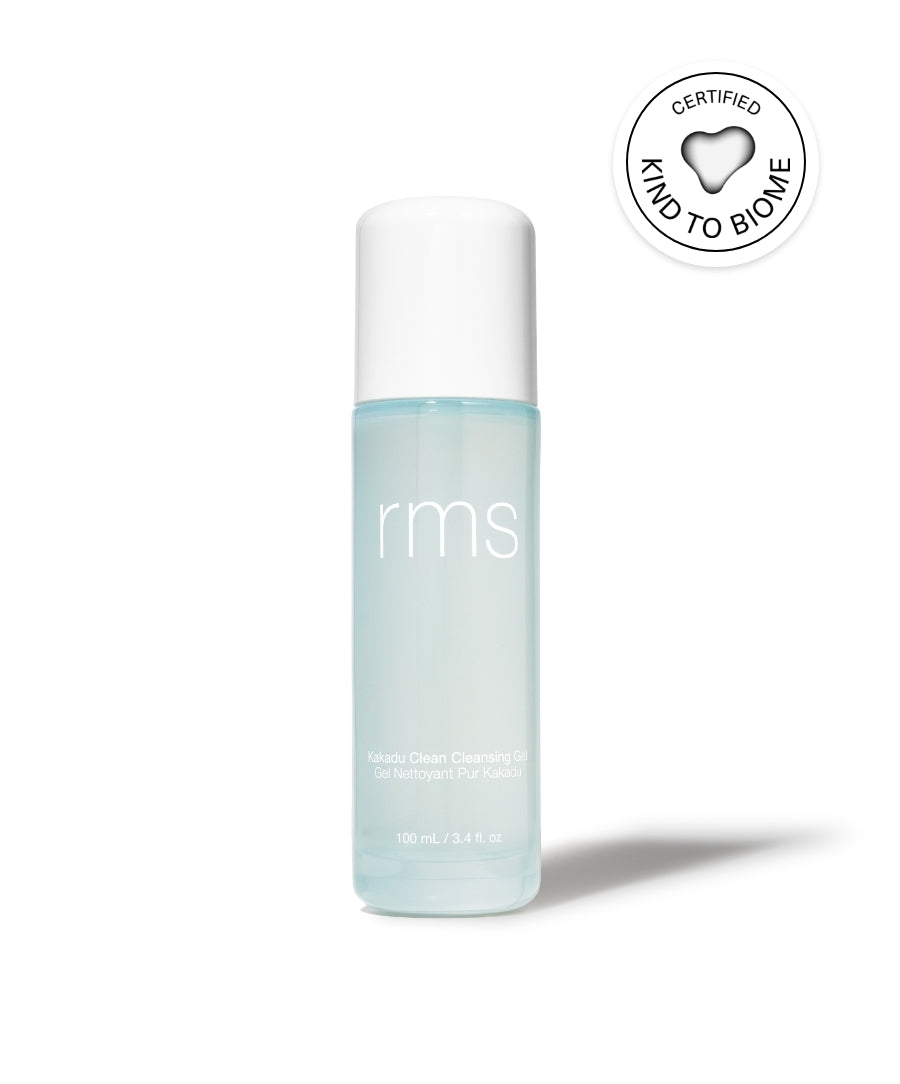
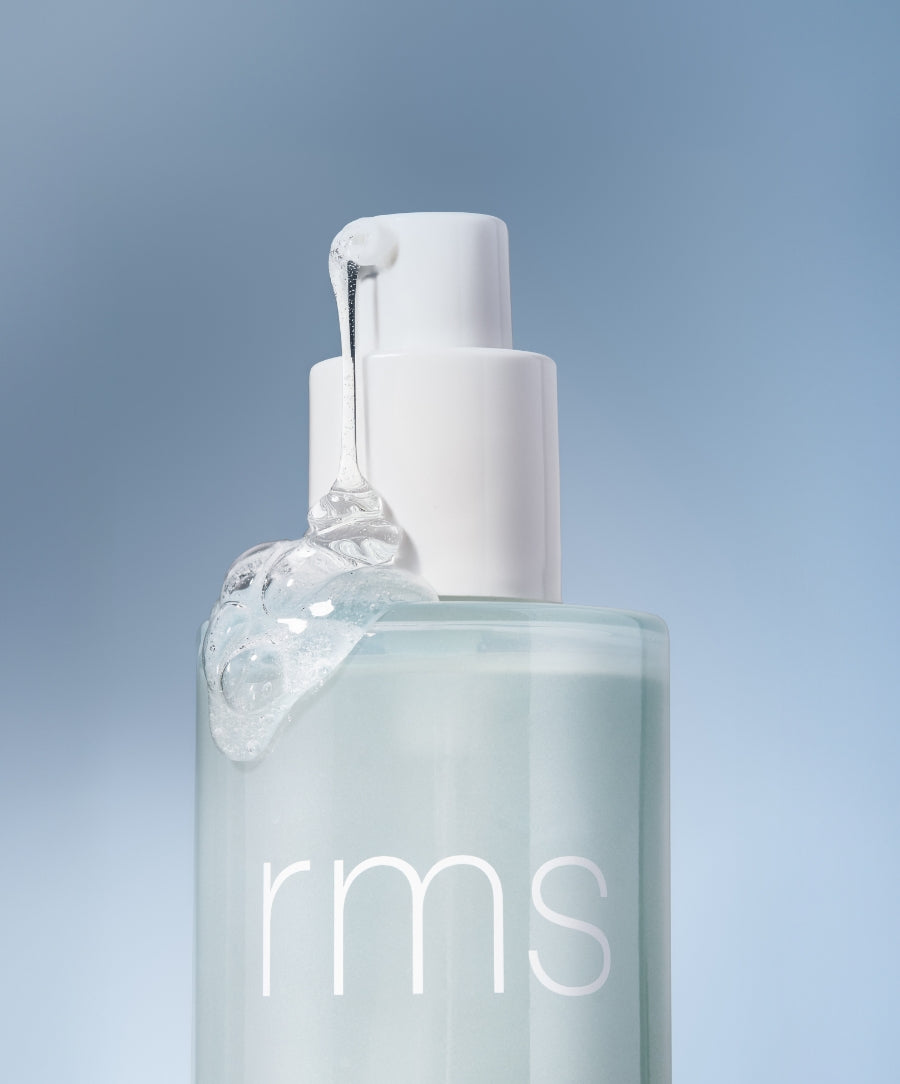
Kakadu Clean Cleansing Gel
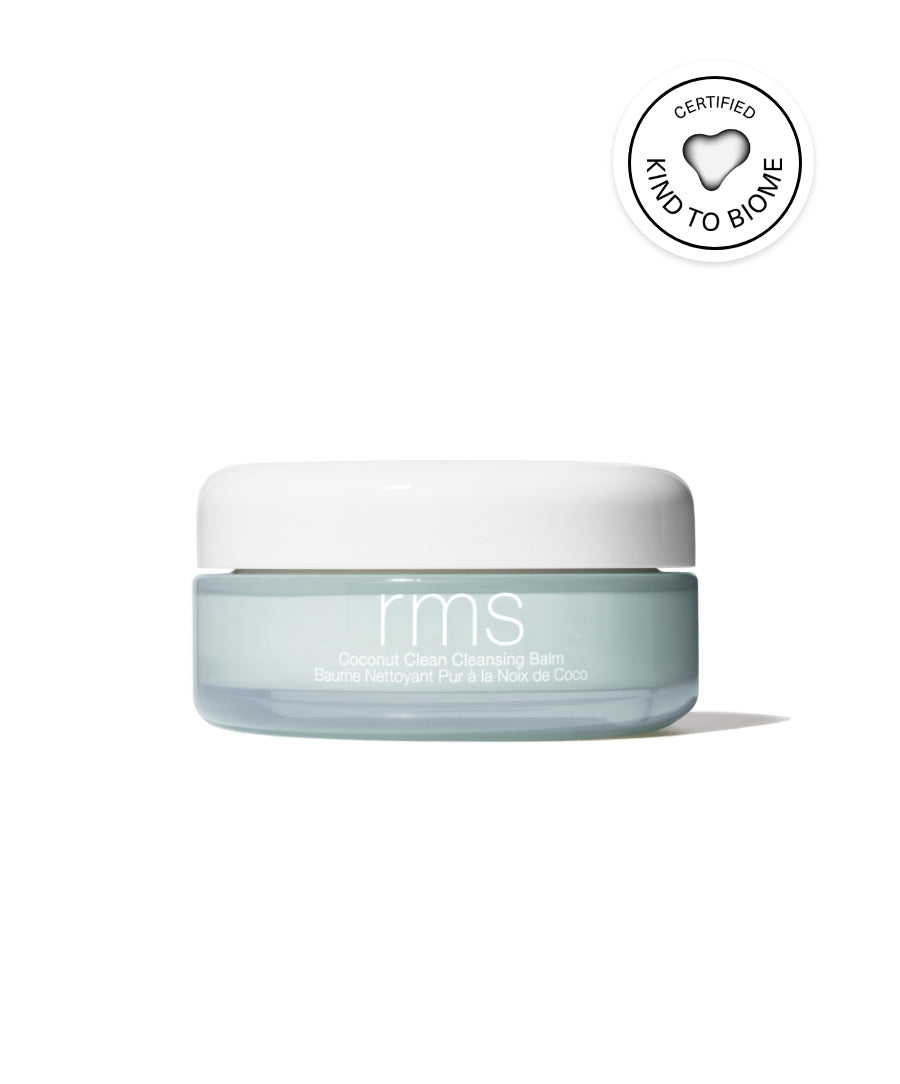
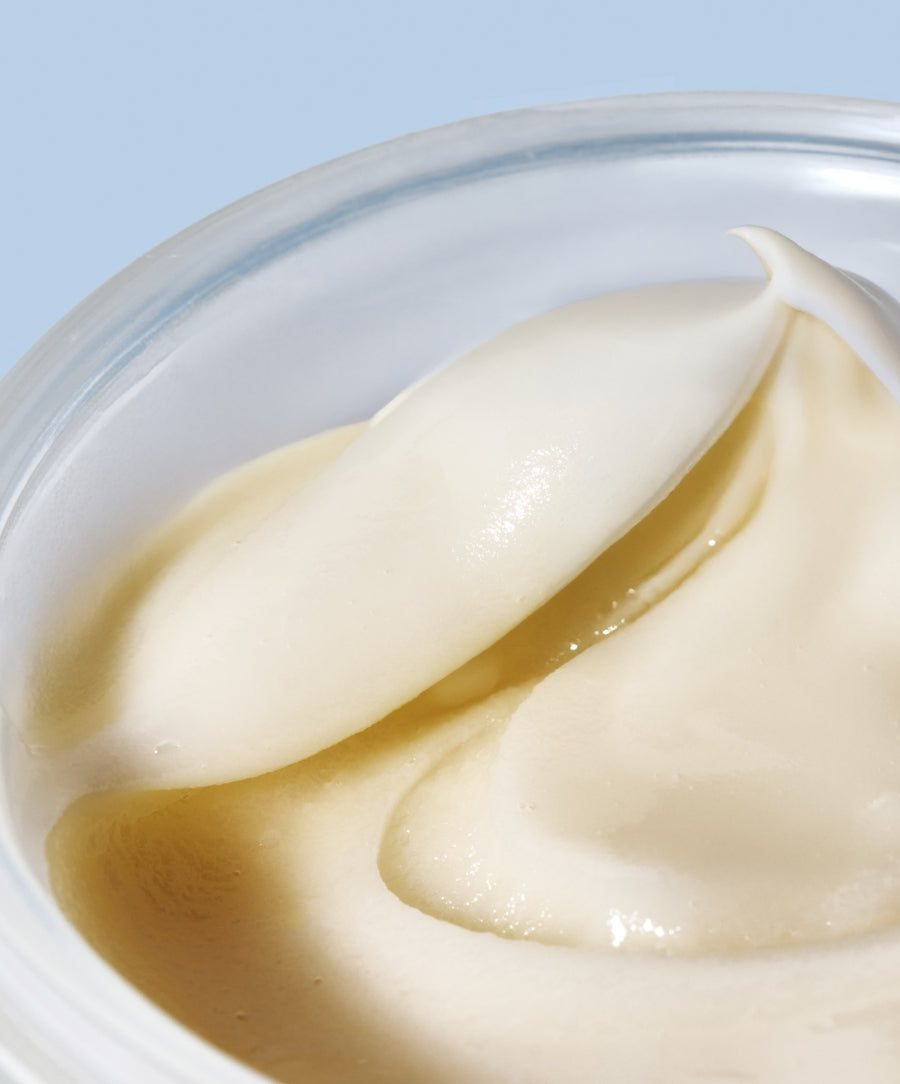
Coconut Clean Cleansing Balm