Skip to main content




What Is Hyaluronic Acid? Benefits for Every Skin Type
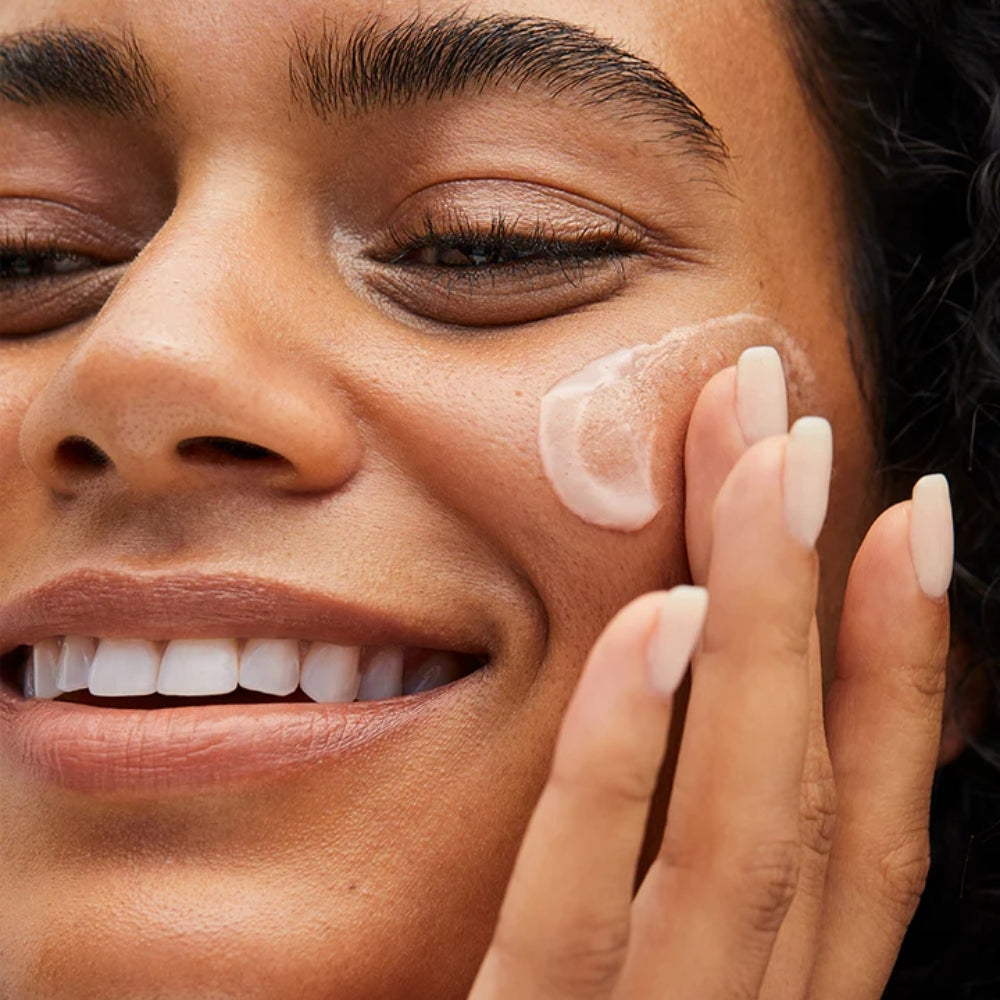
Your body already makes hyaluronic acid. Found naturally in skin, joints, and connective tissue, hyaluronic acid is one of the most effective hydrators available, and your skin has been relying on it long before the ingredient became a staple in serums and moisturizers.
So what does hyaluronic acid do for your skin, exactly? At its core, hyaluronic acid is a humectant, a type of ingredient that draws water from the environment and deeper skin layers into the outermost layer of skin. A single molecule can hold up to 1,000 times its weight in water, which is why dermatologists and formulators consider it one of the most reliable hydrating actives across all skin types.
Here is a clear breakdown of how hyaluronic acid works, why your skin needs it, and how to use it in a routine that actually delivers.
How Hyaluronic Acid Works on Skin
Hyaluronic acid functions as a moisture magnet. When applied topically, the molecule attracts water and binds it to the skin's surface, reducing transepidermal water loss (TEWL), the process by which moisture evaporates from the skin throughout the day.
A Humectant Your Skin Already Recognizes
Unlike synthetic hydrators that sit on top of the skin, hyaluronic acid mimics what your body already produces. Because skin recognizes the molecule, topical application is well-tolerated across all skin types, including sensitive and acne-prone skin. Your body's natural production decreases with age, which is why topical replenishment becomes increasingly important over time.
Different Molecular Weights, Different Jobs
Not all hyaluronic acid behaves the same way. Low-molecular-weight hyaluronic acid penetrates deeper into the skin for sustained hydration. High-molecular-weight hyaluronic acid stays closer to the surface, forming a moisture-retaining film that plumps and smooths visibly. The most effective formulas use a combination of both for layered hydration.
Pairing with Emollients and Occlusives
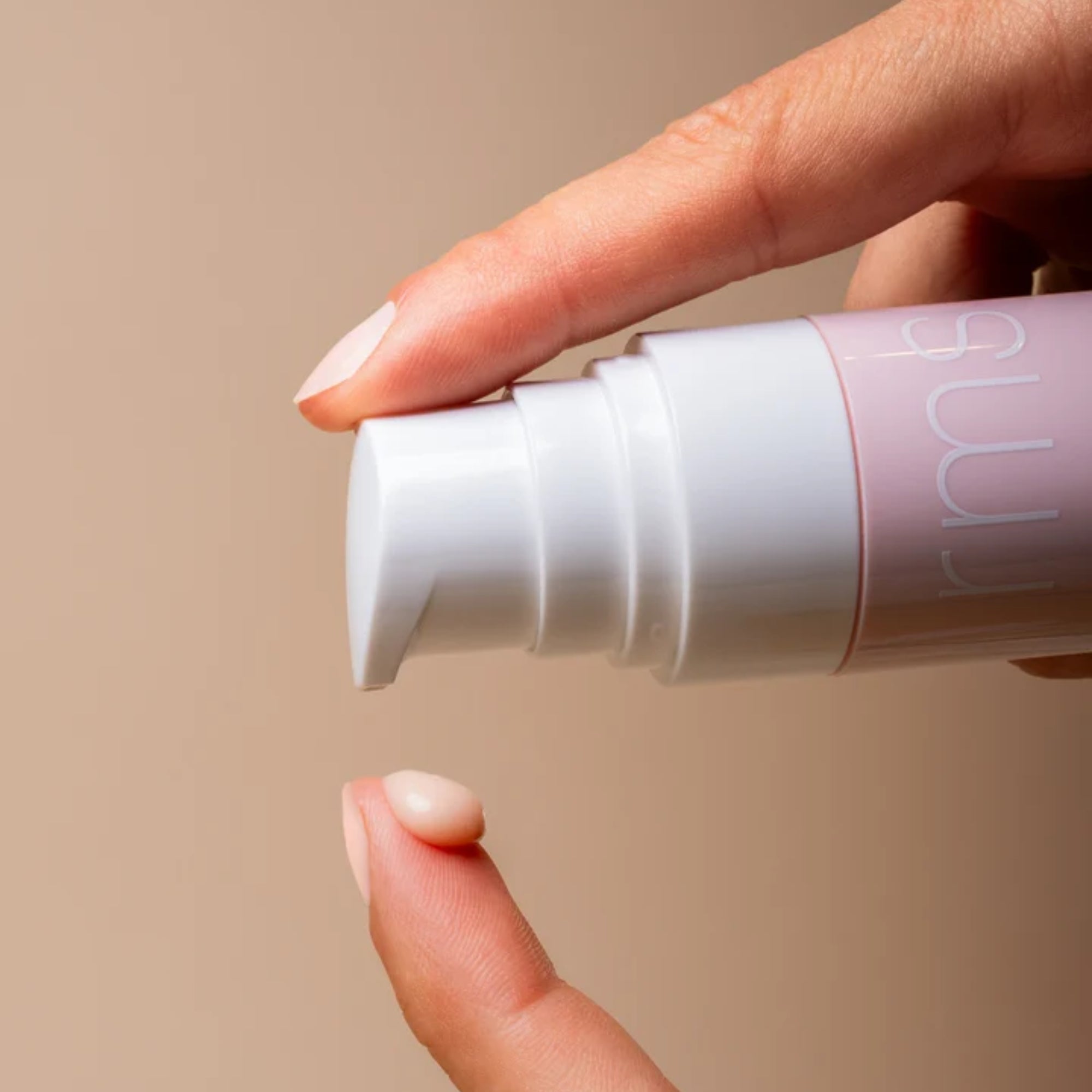
Hyaluronic acid pulls moisture in, but without a sealing layer, that water can evaporate. Pairing a hydrating primer with an emollient like Vegetable Squalane locks hydration in place. A well-formulated product combines both a humectant and an emollient so your skin holds onto moisture for hours instead of minutes.
Hyaluronic Acid Skin Benefits You Should Know
Is hyaluronic acid good for your skin? The short answer is yes, and for more reasons than hydration alone. Here are the key hyaluronic acid benefits for skin, backed by how the ingredient actually works.
- Deep, lasting hydration. Hyaluronic acid draws water into the epidermis and helps maintain optimal moisture levels throughout the day.
- Visible plumping. Well-hydrated skin looks fuller and more resilient. Fine lines caused by dehydration become less visible when moisture levels are restored.
- Smoother texture. Consistent use helps create a smoother skin surface by reducing rough patches and flakiness.
- Barrier support. Adequate hydration strengthens the skin's moisture barrier, reducing sensitivity and protecting against environmental stressors.
- Compatibility with all actives. Hyaluronic acid pairs well with niacinamide, vitamin C, peptides, and retinol alternatives without causing irritation or competing for absorption.
Plumping and Smoothing Fine Lines
Dehydrated skin makes fine lines more prominent. Hyaluronic acid addresses that directly by pulling moisture into the skin's upper layers, creating a visibly plumper, smoother surface. A silky face cream formulated with hyaluronic acid and skin-firming actives delivers both immediate plumping and long-term smoothing.
Strengthening the Moisture Barrier
A compromised moisture barrier leads to redness, irritation, and increased sensitivity. Hyaluronic acid helps reinforce the barrier by maintaining hydration levels in the epidermis. When combined with barrier-supporting ingredients like Vegetable Squalane and Eggplant Fruit Extract, the result is skin that holds up better against daily environmental exposure.
Working with Other Active Ingredients
One of the standout uses of hyaluronic acid for skin is how well it plays with other actives. Niacinamide, peptides, and vitamin C all benefit from a well-hydrated base, and hyaluronic acid provides exactly that. An alcohol-free setting mist that combines Hyaluronic Acid with GlowPlex, a complex of Niacinamide and natural peptides, delivers hydration alongside radiance-boosting ingredients in one step.
How Every Skin Type Benefits from Hyaluronic Acid
Hyaluronic acid skin care is not limited to one skin concern or type. Because the molecule is naturally present in all skin, every skin type responds well to topical application.
| Skin Type | How Hyaluronic Acid Helps | What to Pair With |
|---|---|---|
| Dry | Pulls water into parched skin, reduces flaking | Rich cream with Squalane or Shea Butter |
| Oily | Hydrates without adding oil, balances sebum production | Lightweight, gel-based formulas |
| Combination | Targets dry zones without overwhelming oily areas | Layered approach, mist plus cream |
| Sensitive | Gentle, well-tolerated, no common irritation triggers | Fragrance-free, silicone-free products |
| Mature | Plumps fine lines, restores lost volume from reduced natural HA | Formulas with peptides or retinol alternatives |
Dry Skin Gets Lasting Relief
Dry skin lacks moisture in the epidermis, and hyaluronic acid addresses that gap directly. Applying a hydrating face cream with hyaluronic acid on damp skin helps trap water where the skin needs it most. Following up with a face oil creates an occlusive seal that prevents evaporation and extends hydration through the day and overnight.
Oily and Acne-Prone Skin Stays Balanced
Skipping moisturizer because of oily skin often backfires. Dehydrated skin overproduces oil to compensate, leading to more breakouts and congestion. Hyaluronic acid delivers hydration without adding oil or clogging pores. A silicone-free, gel-textured primer with Hyaluronic Acid and Vegetable Squalane balances moisture levels without contributing to shine or congestion.
Sensitive Skin Tolerates It Well
Hyaluronic acid is one of the least irritating active ingredients available. Because your body produces it naturally, allergic reactions are extremely rare. Sensitive skin benefits from a hydrating mist applied after cleansing, adding a veil of moisture without triggering redness or discomfort. KIND TO BIOME certified formulas offer an added layer of reassurance for reactive skin.
How to Use Hyaluronic Acid in Your Routine
Getting the most from hyaluronic acid comes down to application technique and layering order. A few practical guidelines make a significant difference.
Apply on Damp Skin
Hyaluronic acid needs water to work. Applying on dry skin means the molecule has less moisture to draw from, and in low-humidity environments, it can actually pull water out of the skin instead of into the skin. Mist your face with water or a hydrating serum mist after cleansing, then layer your hyaluronic acid product on top while skin is still damp.
Layer from Thinnest to Thickest
Follow the standard skincare layering rule. Start with the lightest texture and build toward heavier formulas.
- Cleanse
- Mist or tone on damp skin
- Apply hyaluronic acid serum or treatment
- Follow with a cream or moisturizer
- Seal with an oil or primer
- Apply SPF during the day
Lock Everything In
A radiance-boosting primer applied as the final skincare step before makeup locks in every layer underneath. Formulas that combine Hyaluronic Acid with Tightenyl, a gentle retinol alternative, and Vegetable Squalane grip makeup while keeping skin hydrated for up to 24 hours.
Final Thoughts
Hyaluronic acid is not a trend ingredient. Your body has relied on it for hydration, elasticity, and cushioning since birth. Adding topical hyaluronic acid to your routine simply replenishes what time and environmental exposure take away, giving skin back the moisture it needs to look and feel its best.
RMS Beauty formulates with Hyaluronic Acid across skincare and makeup because hydration should never stop at the moisturizer step. From a silicone-free hydrating primer to a skin-firming, radiance-boosting cream, every formula is built on clean, high-performing ingredients that work with your skin, not against the values you care about. Shop the full skincare collection to build a hydration routine that actually delivers.
Frequently Asked Questions
Q. Is hyaluronic acid safe for sensitive skin?
Yes. Hyaluronic acid is naturally produced by the body, making topical application well-tolerated by even the most reactive skin types.
Q. Can hyaluronic acid be used every day?
Absolutely. Hyaluronic acid is gentle enough for twice-daily use, morning and night, as part of a consistent skincare routine.
Q. Does hyaluronic acid help with wrinkles?
Hyaluronic acid plumps skin by drawing moisture into the epidermis, which reduces the appearance of fine lines caused by dehydration.
Q. Should hyaluronic acid be applied to wet or dry skin?
Always apply on damp skin. Hyaluronic acid needs water to draw from, and applying on dry skin limits the ingredient's ability to hydrate effectively.
Q. Can oily skin use hyaluronic acid?
Yes. Hyaluronic acid hydrates without adding oil, making the ingredient suitable for oily and acne-prone skin types.
Q. What ingredients pair best with hyaluronic acid?
Niacinamide, vitamin C, peptides, squalane, and gentle retinol alternatives all complement hyaluronic acid and enhance its hydrating effects.
Shop The Blog
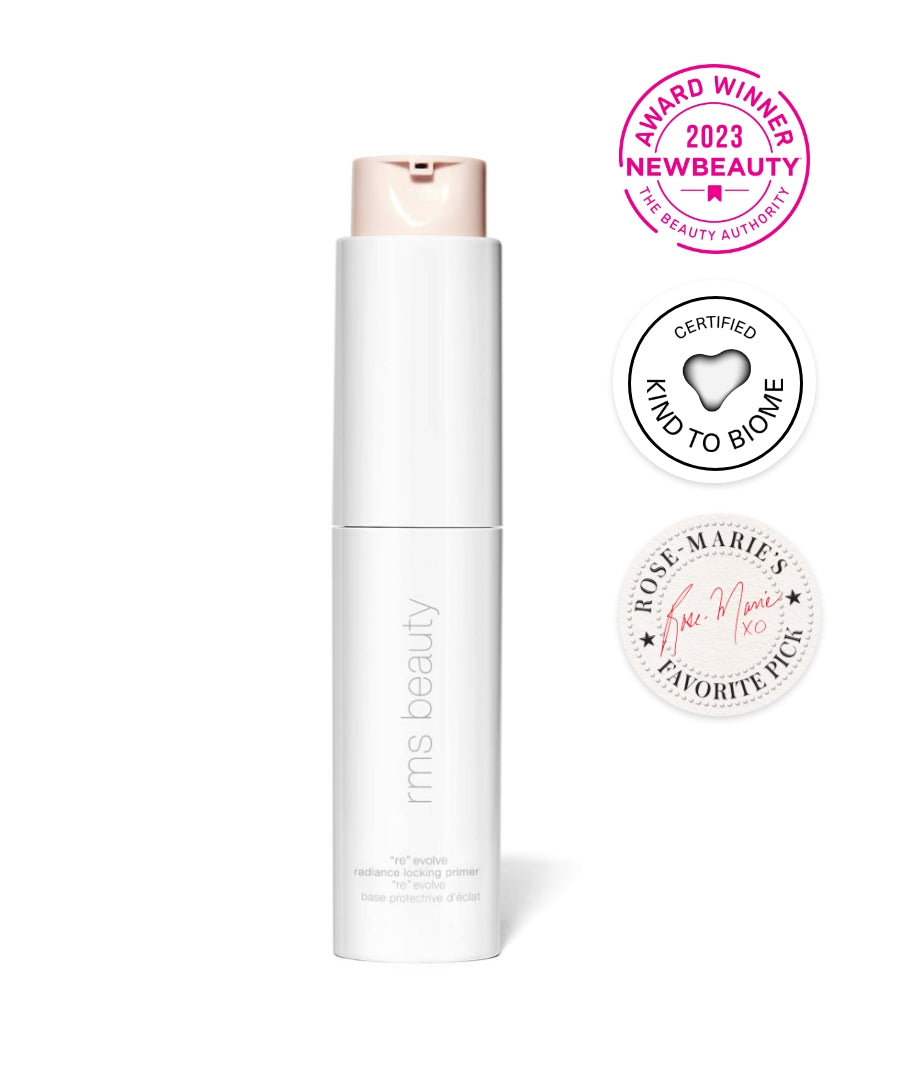
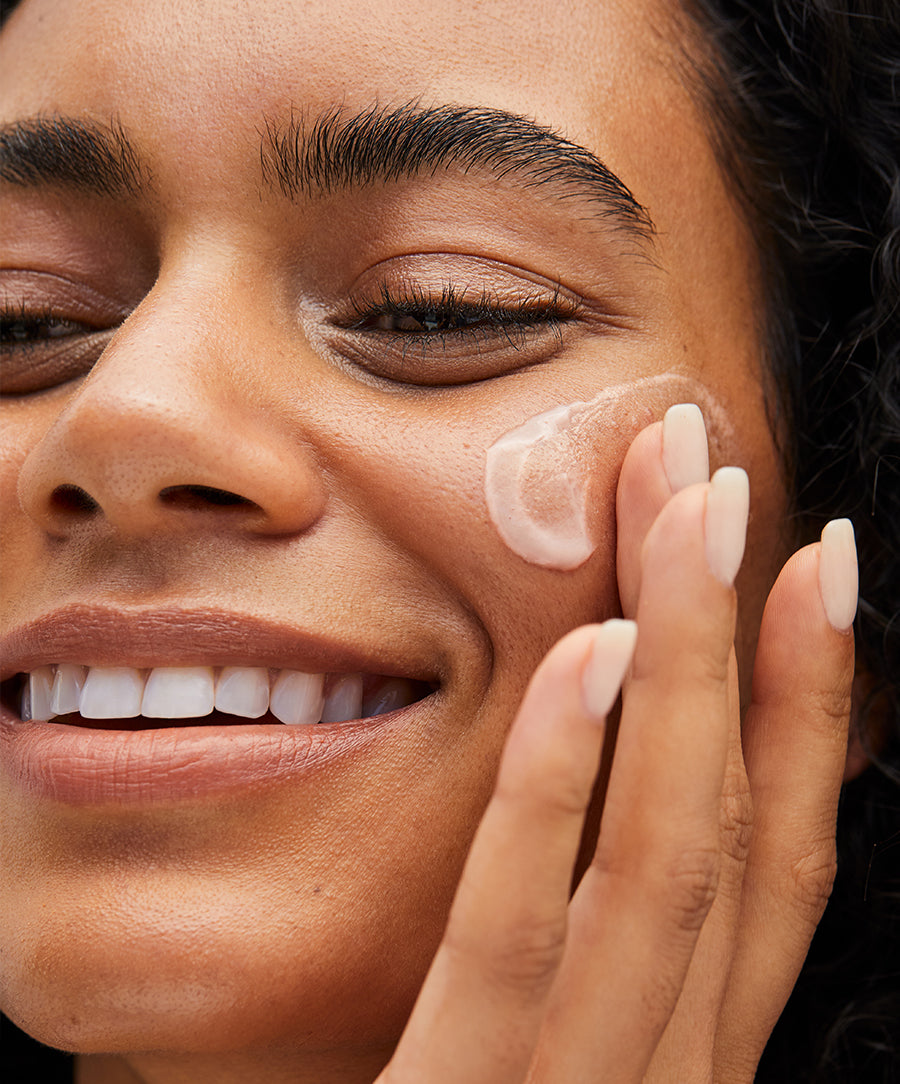
ReEvolve Radiance Locking Primer
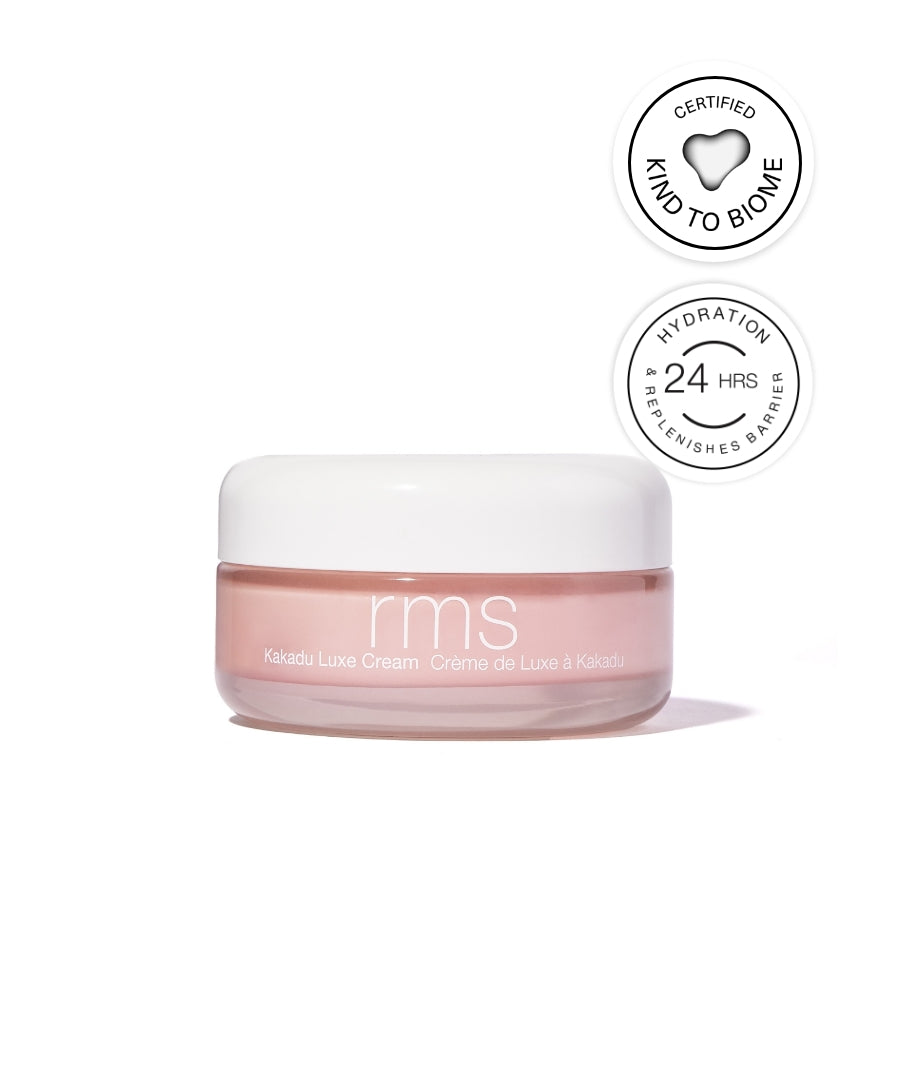
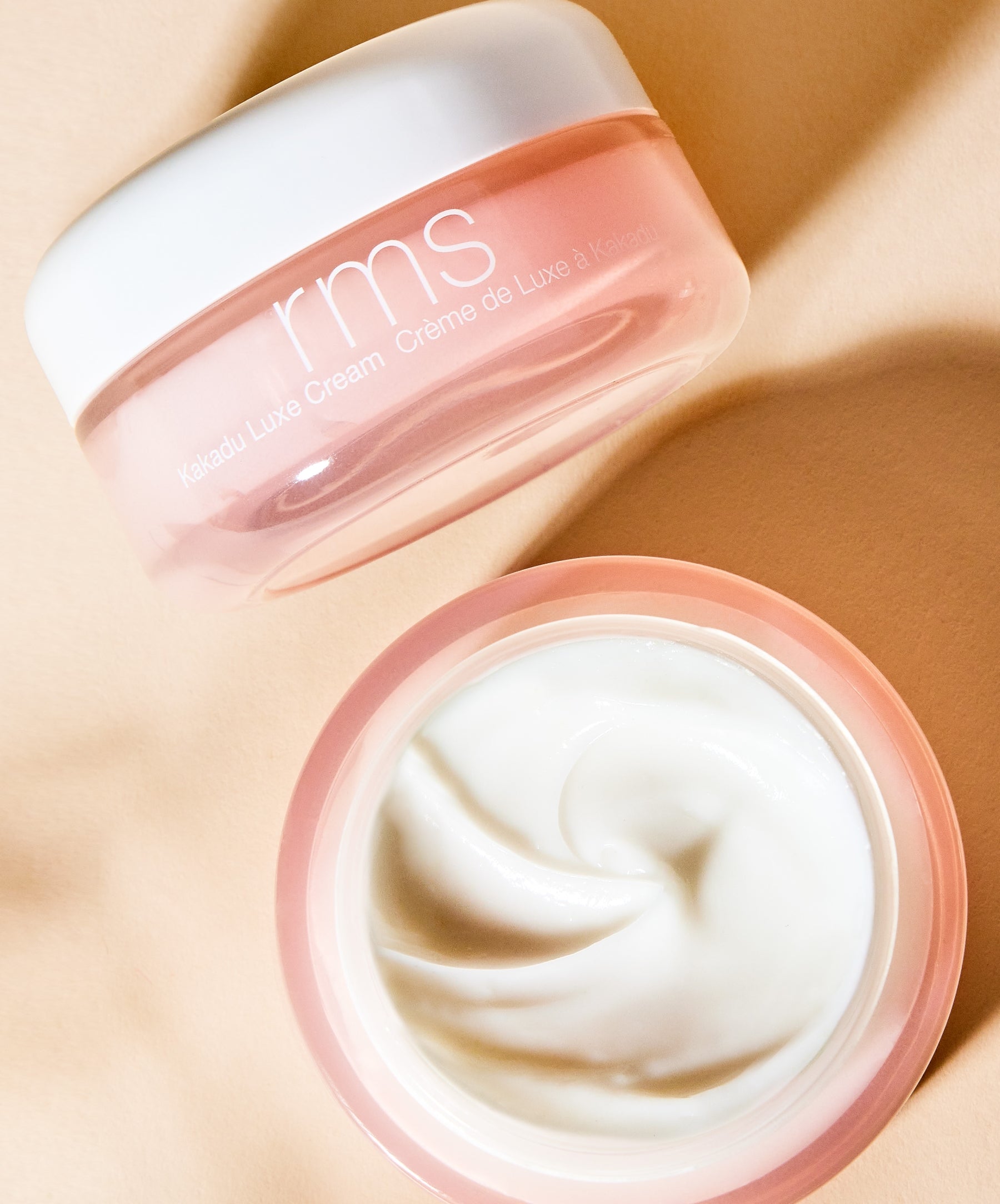
Kakadu Luxe Cream
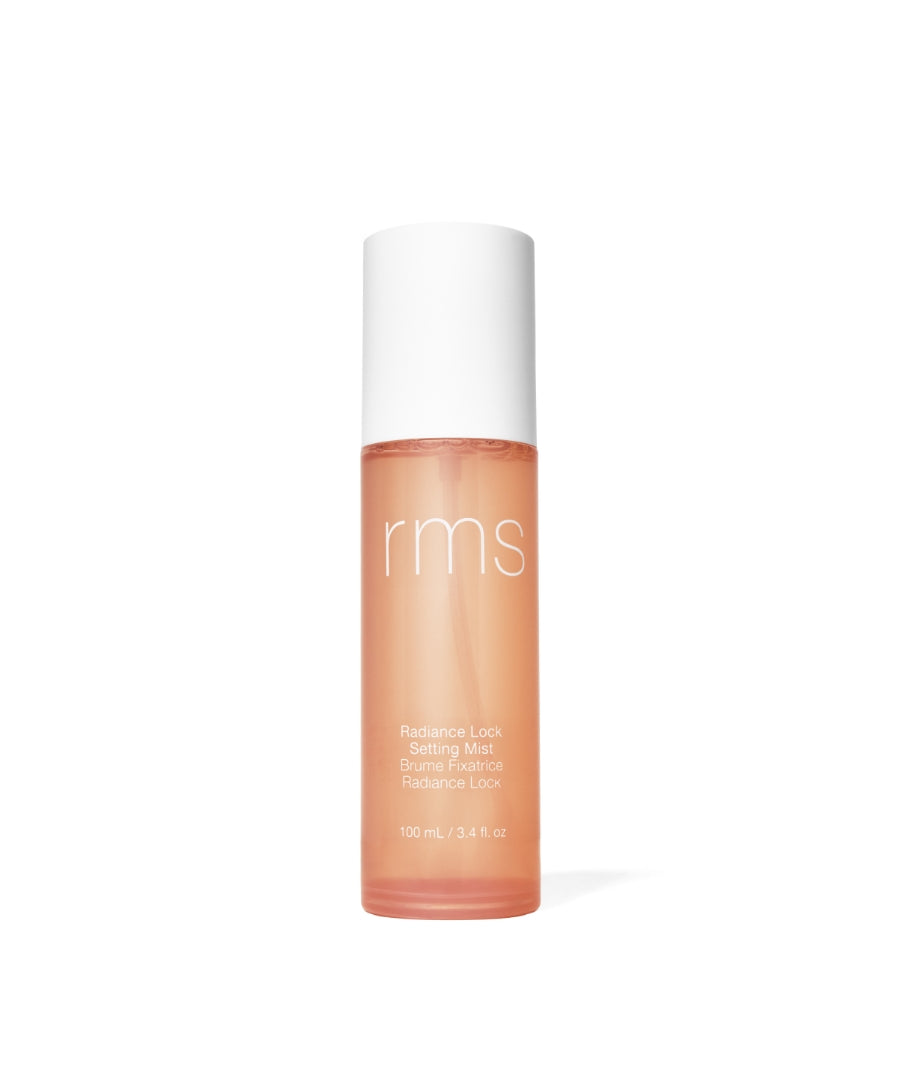

Radiance Lock Setting Mist with 8 Hour Long-Lasting Wear