Skip to main content




Why Your Foundation Separates During the Day and How to Fix It
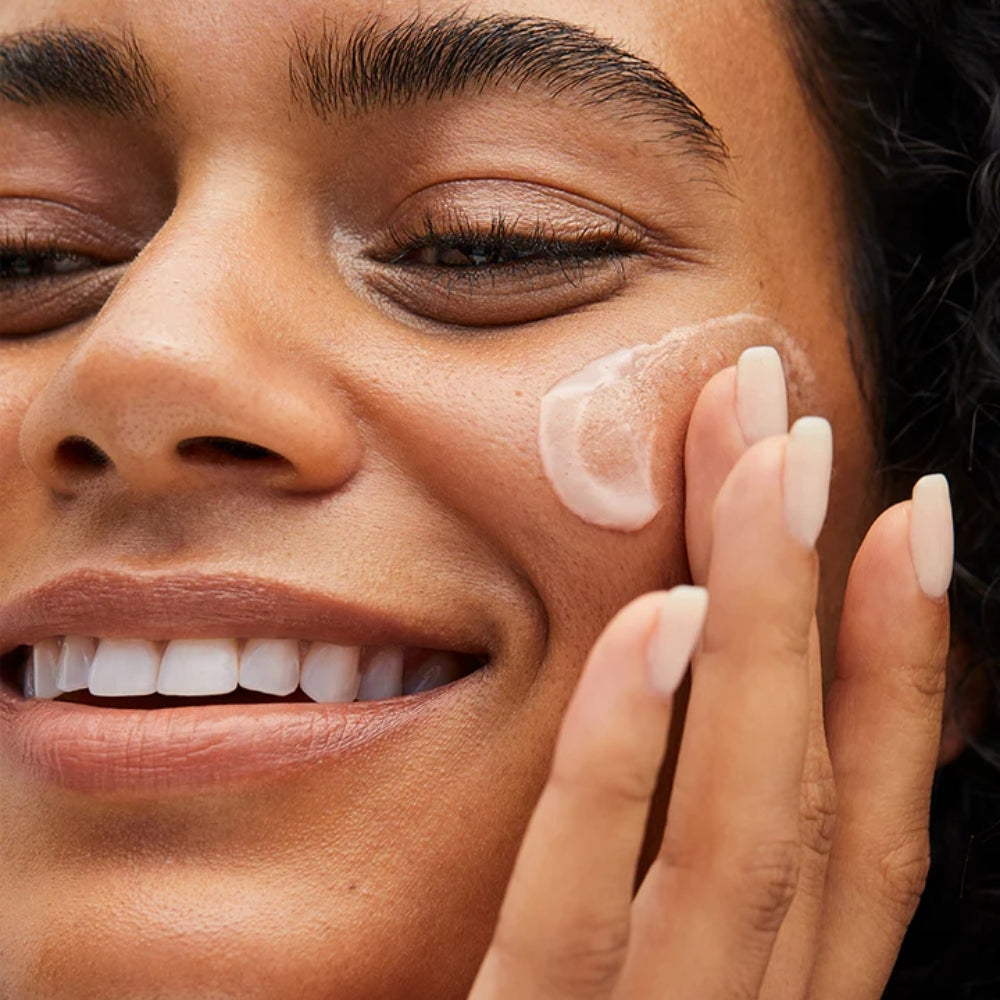
You start the morning with a smooth, flawless base. Two hours later, the foundation is sitting in patches, clinging to dry spots, and sliding off the oilier zones. Sound familiar?
Why does my foundation separate is one of the most common frustrations in everyday makeup, and it has nothing to do with your skin being "difficult." The cause is almost always one of a handful of fixable issues: mismatched product bases, not enough hydration underneath, too many layers stacked on top of each other, or a formula that simply doesn't play well with your skin type. The good news is that every one of these problems has a solution. Skin prep, product compatibility, and application technique are the three pillars that determine whether your base lasts from morning to evening or breaks apart by lunch. And once you identify which factor is causing the separation, the fix is usually simple.
What Causes Foundation to Separate
Foundation separation happens when the product physically breaks down on the skin, splitting into visible patches instead of sitting as a uniform layer. Several factors contribute, and the fix depends on identifying the right one.
Mismatched Product Formulas
One of the most common reasons as to why makeup separates, is layering water-based and silicone-based products together. Water and silicone don't blend well, so when a water-based moisturizer sits under a silicone-based primer or foundation, the layers repel each other throughout the day and visibly separate.
Dry or Dehydrated Skin
Foundation clings to dry patches and flakes instead of sitting smoothly. Dehydrated skin lacks water, which means products applied on top have an uneven surface to adhere to. The result is a foundation that looks patchy within hours.
Excess Oil Production
On oily skin, natural sebum pushes through the foundation layer, dissolving the product from underneath. Why does my makeup separate on the T-zone? Because that's where oil production is highest, and the foundation literally slides off.
Over-Application of Products
Layering too many products, or applying each layer too thickly, creates a heavy, unstable stack that's prone to breaking apart. Each additional layer increases the chance of separation.
How to Prevent Foundation From Separating
Fixing a separating foundation starts well before application. Skin preparation and product matching are the two most important factors.
Match Your Product Bases
Every product in your base routine should share the same base type. Here's a quick reference:
| Moisturizer Base | Primer Base | Foundation Base | Will They Work Together? |
|---|---|---|---|
| Water-based | Water-based | Water-based | Yes |
| Oil-based | Oil-based | Oil-based | Yes |
| Water-based | Silicone-based | Water-based | No, likely to separate |
| Oil-based | Water-based | Silicone-based | No, mismatched layers |
A silicone-free, hydrating primer pairs seamlessly with water-based and oil-based foundations because silicone-free formulas don't create the repelling effect that causes separation.
Hydrate Before You Apply
Properly hydrated skin creates a smooth, even surface for foundation. A lightweight moisturizer or a few drops of concentrated face oil pressed into slightly damp skin fills in dry patches and primes the skin's texture. Let the moisturizer absorb for 60-90 seconds before moving to primer or foundation.
Prep With a Serum Mist
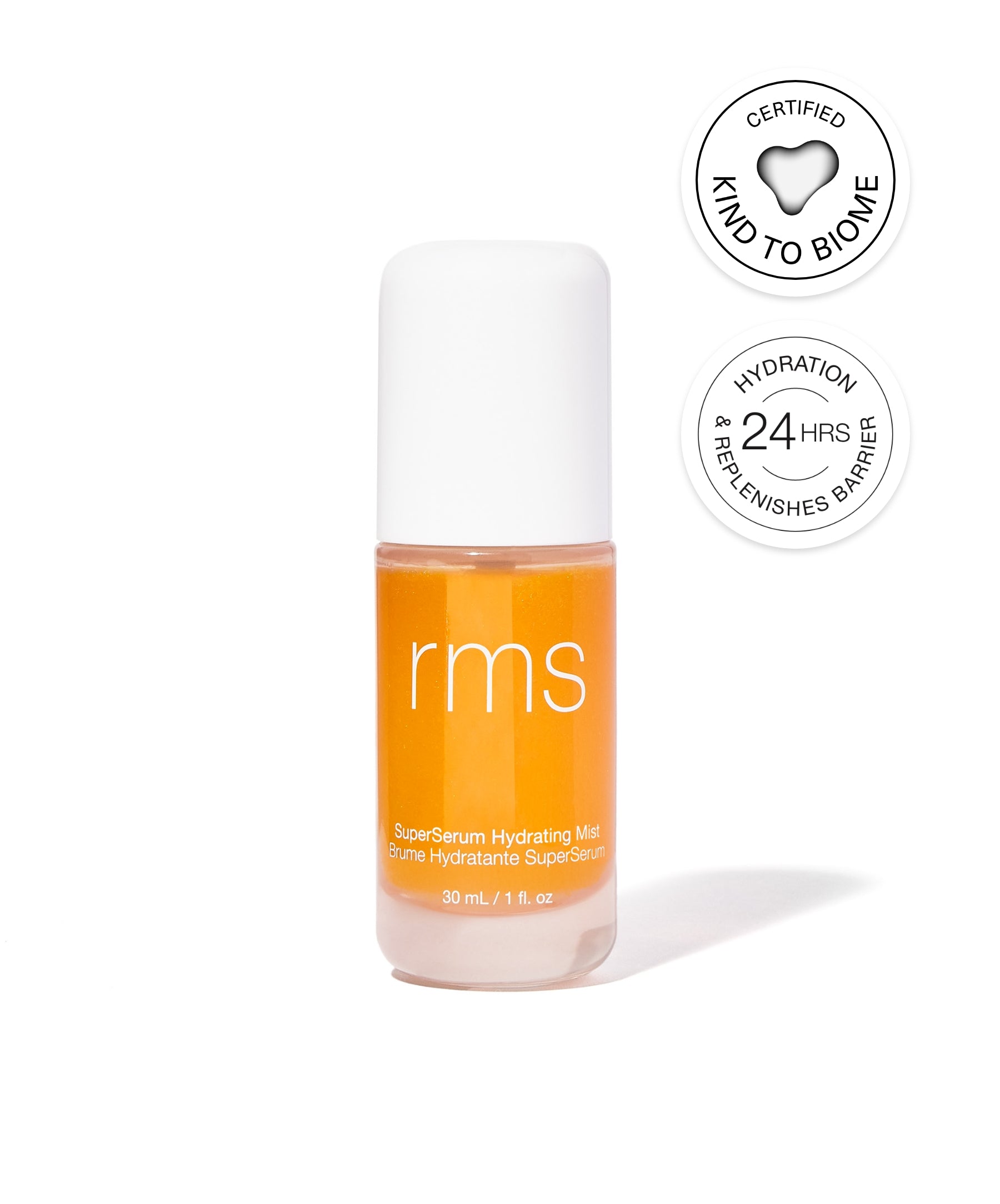
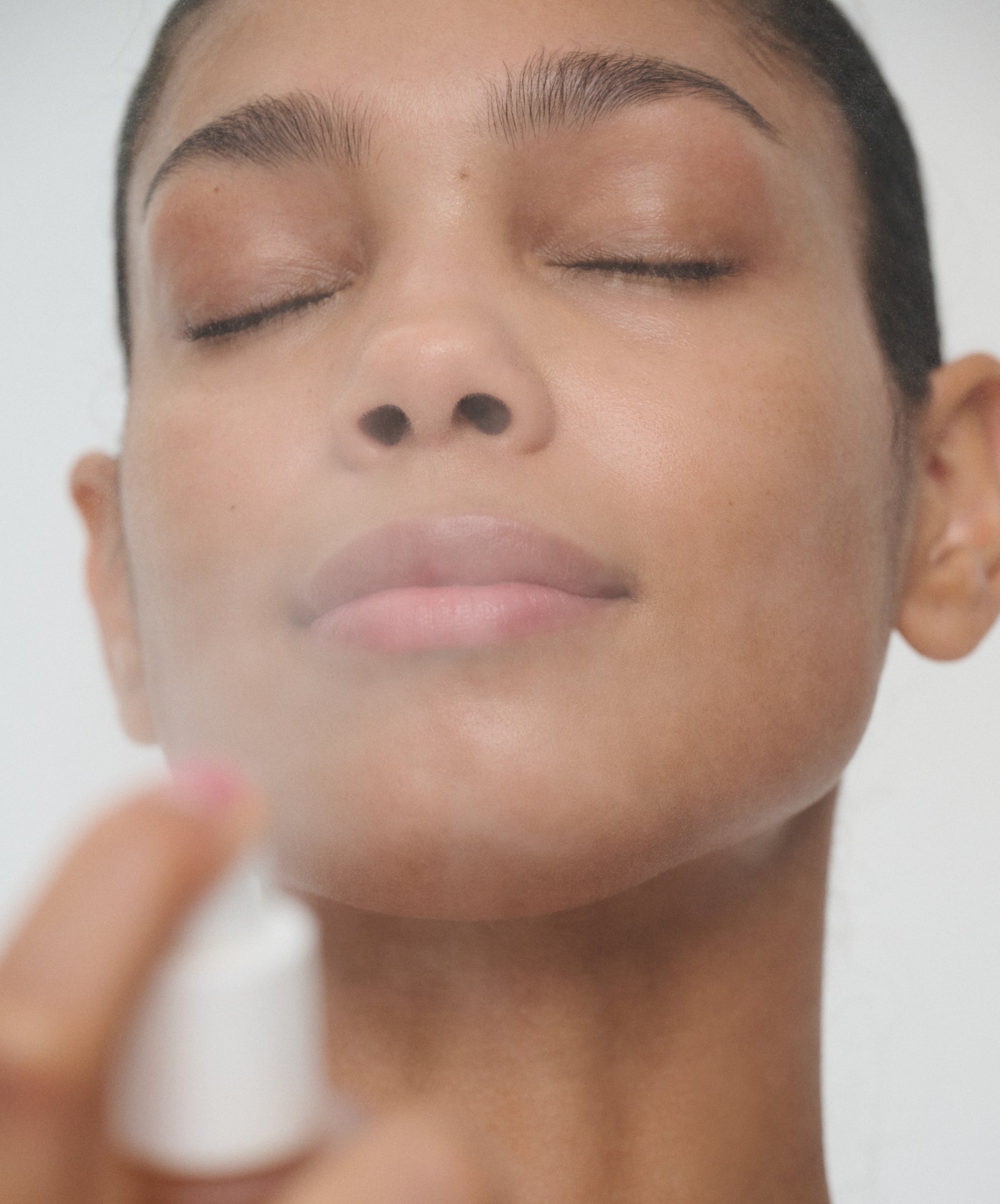
A dual-phase hydrating mist adds an extra hydration layer that helps foundation adhere evenly. Mist after moisturizer and before primer for the smoothest base.
Why Is My Foundation Patchy and What to Do About It
Patchiness is a close cousin of separation, and is usually a result of texture issues on the skin's surface, product buildup, or application errors.
Exfoliate Regularly
Dead skin cells create an uneven surface that grabs foundation unevenly. Gentle exfoliation 2-3 times per week keeps the canvas smooth. Avoid harsh physical scrubs that cause micro-tears, and opt for mild chemical exfoliants or enzyme-based products instead.
Apply in Thin Layers
Thick foundation application is one of the top reasons why foundation separates. A single, thin layer blended quickly with a damp sponge or brush adheres to the skin more evenly and resists separation far better than multiple thick coats.
Use the Right Application Tool
- Damp sponge distributes product evenly and absorbs excess, preventing heavy buildup
- Brush works well for buildable coverage, using stippling or buffing motions
- Fingers warm the product for a more skin-like finish, ideal for cream and liquid formulas
Set Strategically
Setting powder helps lock foundation in place, but applying too much or in the wrong areas causes caking. Press a micro-fine setting powder only where foundation is most likely to move (T-zone, under eyes, chin). Skip powder on drier areas where the foundation is already holding.
Fixing Separation That's Already Happened
Sometimes foundation separates mid-day despite your best efforts. Here's how to salvage the look without starting over.
The Press-and-Blend Method
Take a damp beauty sponge and gently press it over the separated areas. The dampness reactivates the product and helps re-blend patchy spots without adding more coverage.
Mist and Pat
Spray a hydrating mist over the face, wait five seconds, then pat gently with your fingers. The moisture dissolves the separated edges and merges them back into the surrounding product.
Spot Conceal Instead of Relayer
Adding more foundation on top of separated product creates a heavier, more unstable layer. Instead, spot-conceal only the areas that need attention with a lightweight cream concealer and blend the edges with a fingertip.
Choosing Foundation That Stays Put
Why does my makeup separate often comes down to the formula itself. Foundations built with skin-compatible, non-comedogenic ingredients perform more consistently than those loaded with silicones and fillers.
Silicone-Free Formulas
Silicone creates an initial smooth feel but can break down throughout the day, especially in heat or humidity. Silicone-free foundations sit closer to the skin and interact better with natural oils without sliding off.
Skincare-Infused Coverage
Foundations that include hydrating, nourishing ingredients hold up better because the skin underneath stays comfortable and balanced. Products formulated with jojoba oil, hyaluronic acid, or Tightenyl (a gentle retinol alternative) keep skin conditioned while providing coverage that lasts.
Final Thoughts
Why is my foundation separating? Almost always, one of four things is responsible: mismatched product bases, inadequate skin hydration, over-application, or the wrong formula for your skin type. Fix the root cause, and the separation stops.
RMS Beauty's complexion products are formulated without silicones, synthetic fragrances, or pore-clogging fillers, so they work with your skin instead of fighting it. Clean ingredients, lightweight formulas, and honest performance, all day.
Frequently Asked Questions
Q. Why is my foundation separating after a few hours?
Mismatched product bases (water under silicone), inadequate hydration, or applying too much product are the most common causes. Match your bases and apply in thin layers.
Q. Why does my makeup separate on my nose?
The nose produces more oil than most other areas. Sebum pushes through the foundation layer, causing it to break apart. Blot oil before touching up and use a micro-fine powder on the nose only.
Q. How do I stop my foundation from looking patchy?
Exfoliate 2-3 times per week, hydrate skin before application, apply foundation in thin layers with a damp sponge, and set only the oiliest areas with powder.
Q. Should I use primer to prevent foundation separation?
A primer creates a buffer between skincare and makeup that helps foundation adhere. Choose a silicone-free primer with the same base type as your foundation for the best results.
Q. Can face oil cause foundation to separate?
Not if you let the oil absorb fully (60-90 seconds) before applying primer or foundation. A lightweight face oil can actually improve foundation adhesion by smoothing the skin's surface.
Q. Is it better to use a sponge or brush for foundation?
A damp sponge distributes the thinnest, most even layer, which resists separation best. Stippling brushes are also effective. Avoid rubbing or dragging motions with either tool.
Shop The Blog
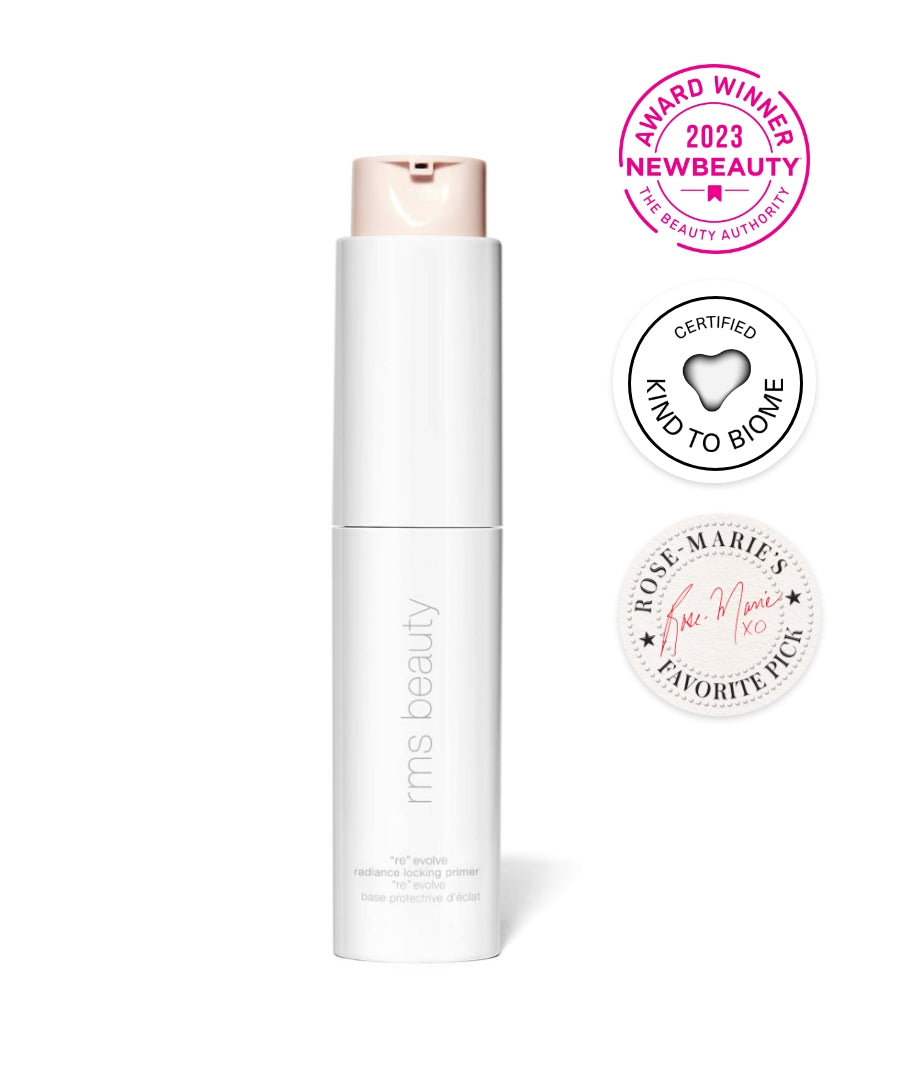
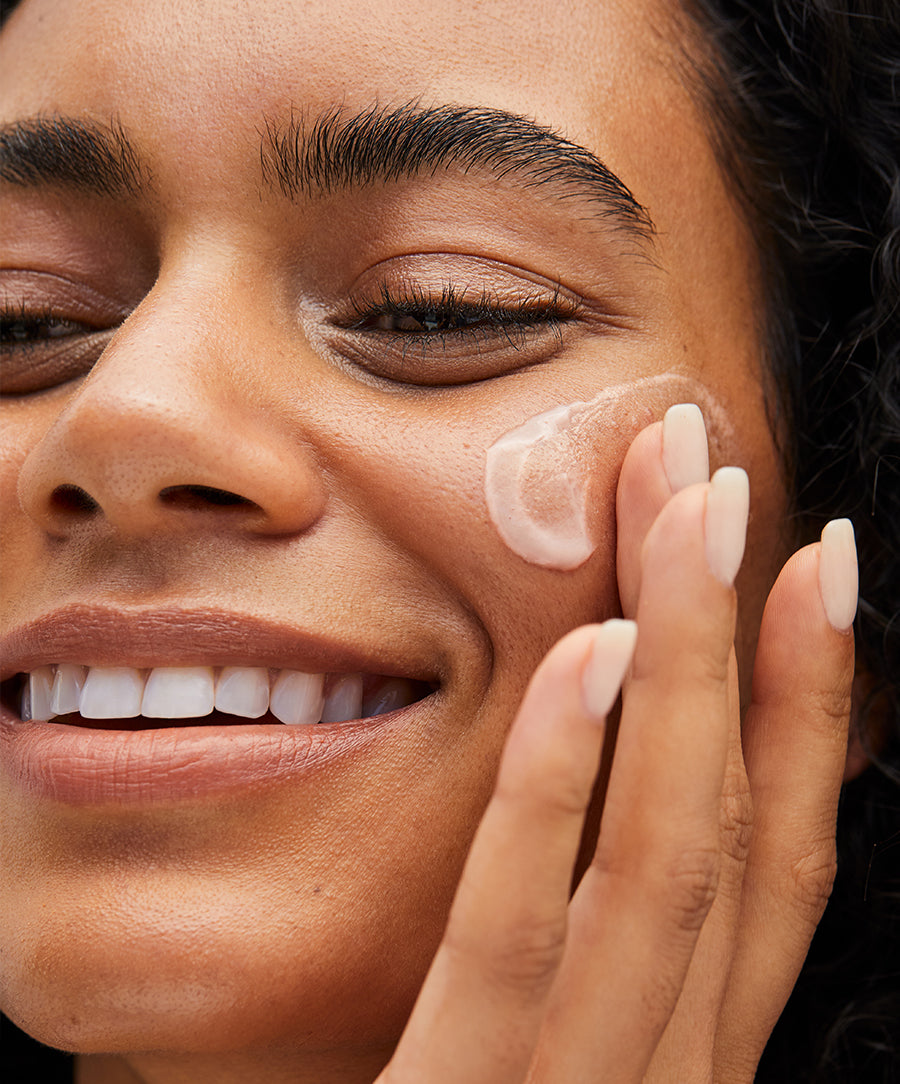
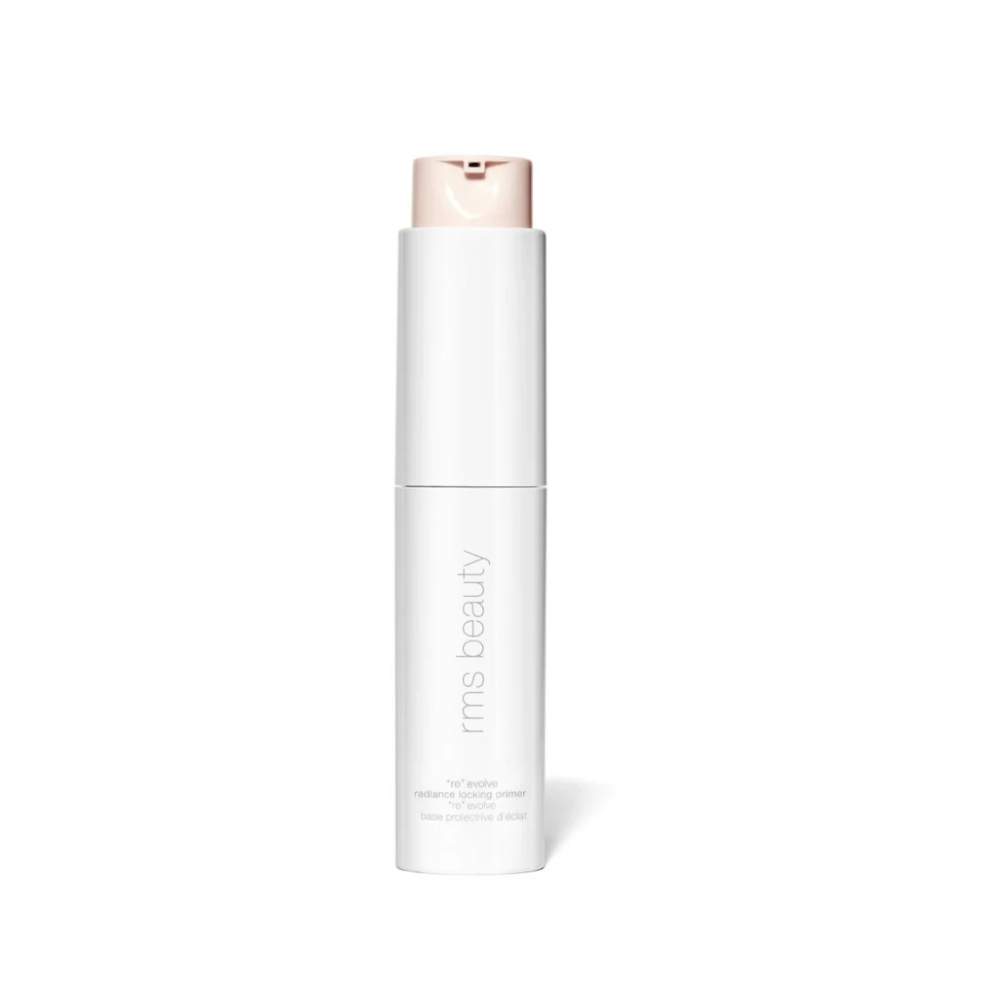
ReEvolve Radiance Locking Primer
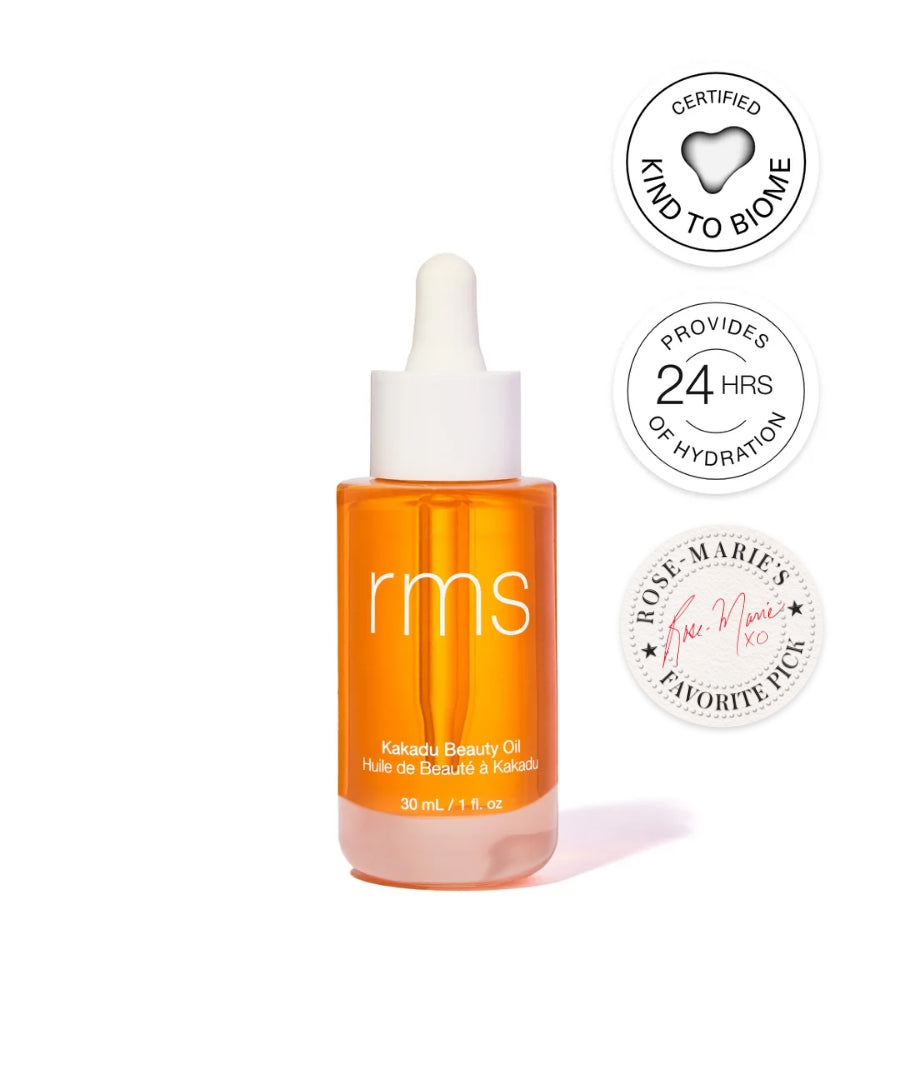
Kakadu Beauty Oil
SuperSerum Hydrating Mist