Skip to main content




What Is Face Oil? Benefits, Types, and How It Works for Your Skin
Your moisturizer handles the basics. A good face oil handles everything else.
For years, "oil" was a dirty word in skincare. Oily skin? Avoid oil. Breakouts? Definitely avoid oil. The assumption was that applying oil to the face would clog pores, create excess shine, and undo everything your cleanser just accomplished. But that advice was built on a misunderstanding of how skin actually works, and how plant-based oils interact with the skin's own lipid barrier.
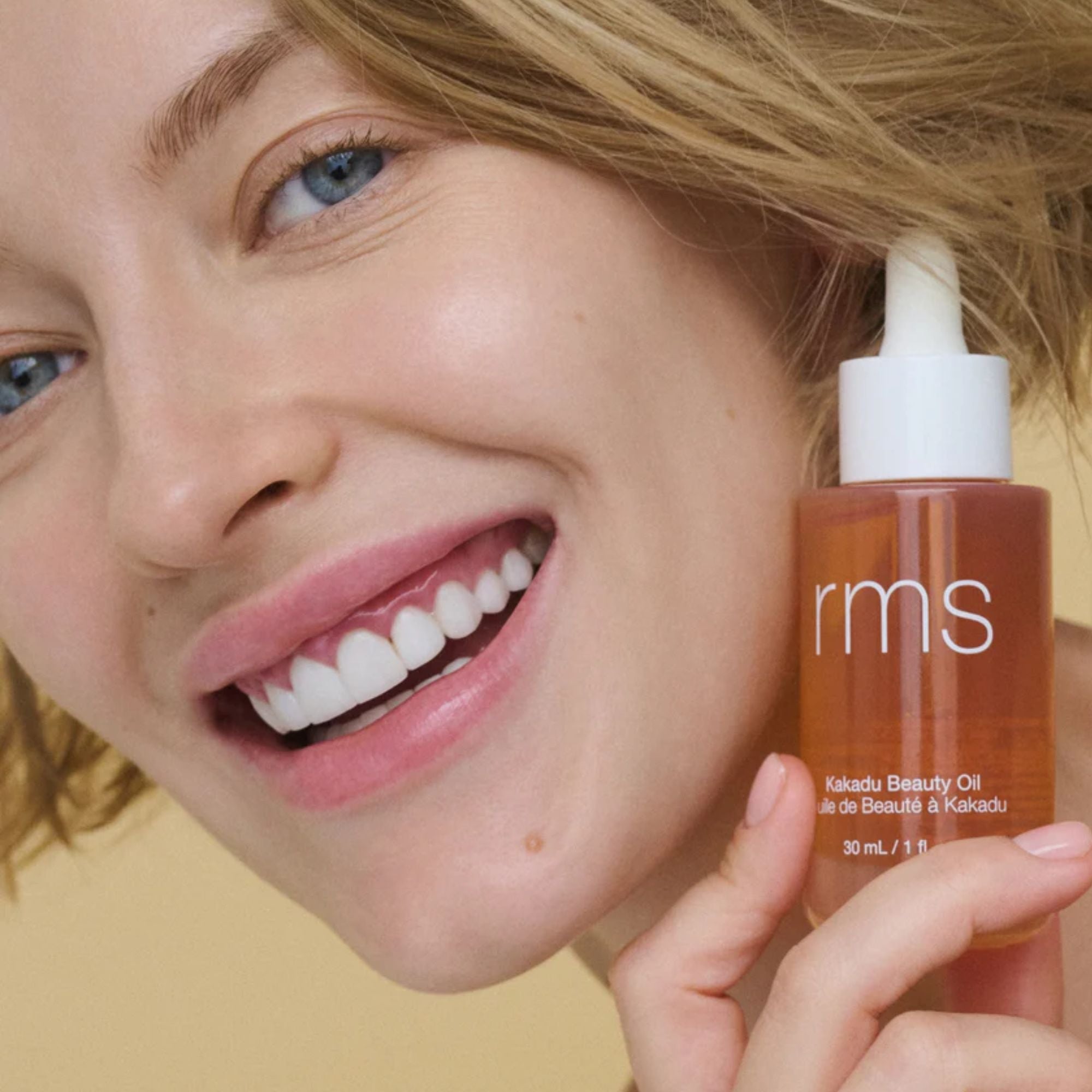
What is face oil, really? A face oil is a concentrated, nutrient-dense formula made from plant-derived oils, botanical extracts, and sometimes adaptogenic herbs. Unlike water-based moisturizers that hydrate the surface, a face oil seals in that hydration, delivers essential fatty acids the skin can't produce on its own, and creates a protective layer that keeps everything working harder and lasting longer. The face oil benefits go well beyond "adding moisture." The right oil can calm reactive skin, smooth visible texture, defend against environmental damage, and even create a better base for makeup.
If you've been curious about adding an oil to your routine but feel unsure about when to use face oil, which type matches your skin, or how to use facial oil without disrupting the rest of your products, everything you need to know starts here.
Why Face Oil Deserves a Spot in Your Skincare Routine
A face oil is a concentrated, lipid-rich formula made from plant-derived oils, botanical extracts, and sometimes adaptogenic herbs. Unlike water-based serums or lightweight lotions, face oils work on the surface of the skin to seal in moisture and reduce transepidermal water loss (TEWL).
Here's why that matters: your skin already produces natural oils called sebum. As you age, sebum production slows, leaving the skin barrier vulnerable to dryness, dullness, and fine lines. A well-formulated face oil replenishes those lipids and acts as a protective layer that keeps hydration locked in.
Moisture Lock, Not Moisture Replacement
Face oils are occlusives, not humectants. Where a hyaluronic acid serum draws water into the skin, a face oil sits on top to prevent that water from evaporating. The two work together, not against each other.
Nutrient Delivery in Every Drop
High-quality face oils are packed with essential fatty acids, vitamins, and antioxidants. Ingredients like jojoba oil mimic the skin's natural sebum, while plant-derived Vitamin C from sources like Kakadu Plum delivers brightening and antioxidant defense. A concentrated face oil built on ingredients like these goes beyond basic hydration.
Skin Barrier Support for Every Skin Type
One of the biggest misconceptions about face oil is that oily skin should avoid one. The opposite is often true. When the skin barrier is stripped or dehydrated, oil production ramps up to compensate. A lightweight face oil can actually help balance sebum, reduce excess shine, and calm reactive skin.
Face Oil Benefits You Should Know About
The face oil benefits that matter most go well beyond basic moisturizing. Here's what a good formula can do for your skin:
- Seals in hydration after serums and moisturizers, preventing water loss throughout the day and night
- Delivers concentrated antioxidants that fight environmental stressors like pollution and UV exposure
- Smooths skin texture over time, softening the look of fine lines and rough patches
- Supports a healthy skin barrier with essential fatty acids and lipids your skin needs
- Creates a luminous base for makeup, replacing the need for multiple glow-boosting products
- Calms sensitivity when formulated with soothing botanicals and adaptogenic herbs
A plant-powered beauty oil formulated with Wildcrafted Buriti Oil and an Adaptogenic Herbal Blend can address multiple concerns in a single step, from dullness to dryness to visible signs of aging.
Types of Face Oils and How to Pick the Right One
Not all face oils are created equal. The oil (or blend) you choose should match your skin type and the results you want.
| Oil Type | Best For | Key Benefit |
|---|---|---|
| Jojoba Oil | All skin types | Mimics natural sebum, balances oil production |
| Rosehip Oil | Aging or sun-damaged skin | Rich in Vitamin A and essential fatty acids |
| Argan Oil | Dry or mature skin | Deeply nourishing, softens fine lines |
| Kakadu Plum Seed Oil | Dull or uneven skin | Highest natural Vitamin C of any oil |
| Buriti Oil | Environmentally stressed skin | High in beta-carotene, potent antioxidant |
| Squalane | Oily or acne-prone skin | Lightweight, non-comedogenic, fast-absorbing |
Lightweight Oils for Oily and Combination Skin
Jojoba and squalane absorb quickly without leaving a greasy residue. For combination skin, applying a lightweight oil only to drier areas (cheeks, forehead) keeps the T-zone balanced.
Rich Oils for Dry and Mature Skin
Argan, rosehip, and buriti oils offer deeper nourishment and are ideal for nighttime application. A concentrated formula with multiple oils, like one blending Kakadu Plum Seed Oil with adaptogenic herbs in jojoba, can provide both hydration and visible radiance.
Multi-Oil Blends for Comprehensive Results
Blended formulas target multiple skin concerns simultaneously. Look for formulations that combine antioxidant-rich oils with skin-soothing botanicals for the broadest range of face oil benefits.
How to Use Facial Oil in Your Routine
Knowing how to use facial oil correctly makes the difference between real results and a greasy mess. Application order, timing, and technique all matter.
The Right Layering Order
Follow the thinnest-to-thickest rule:
- Cleanser (remove makeup and impurities with a gentle cleansing balm)
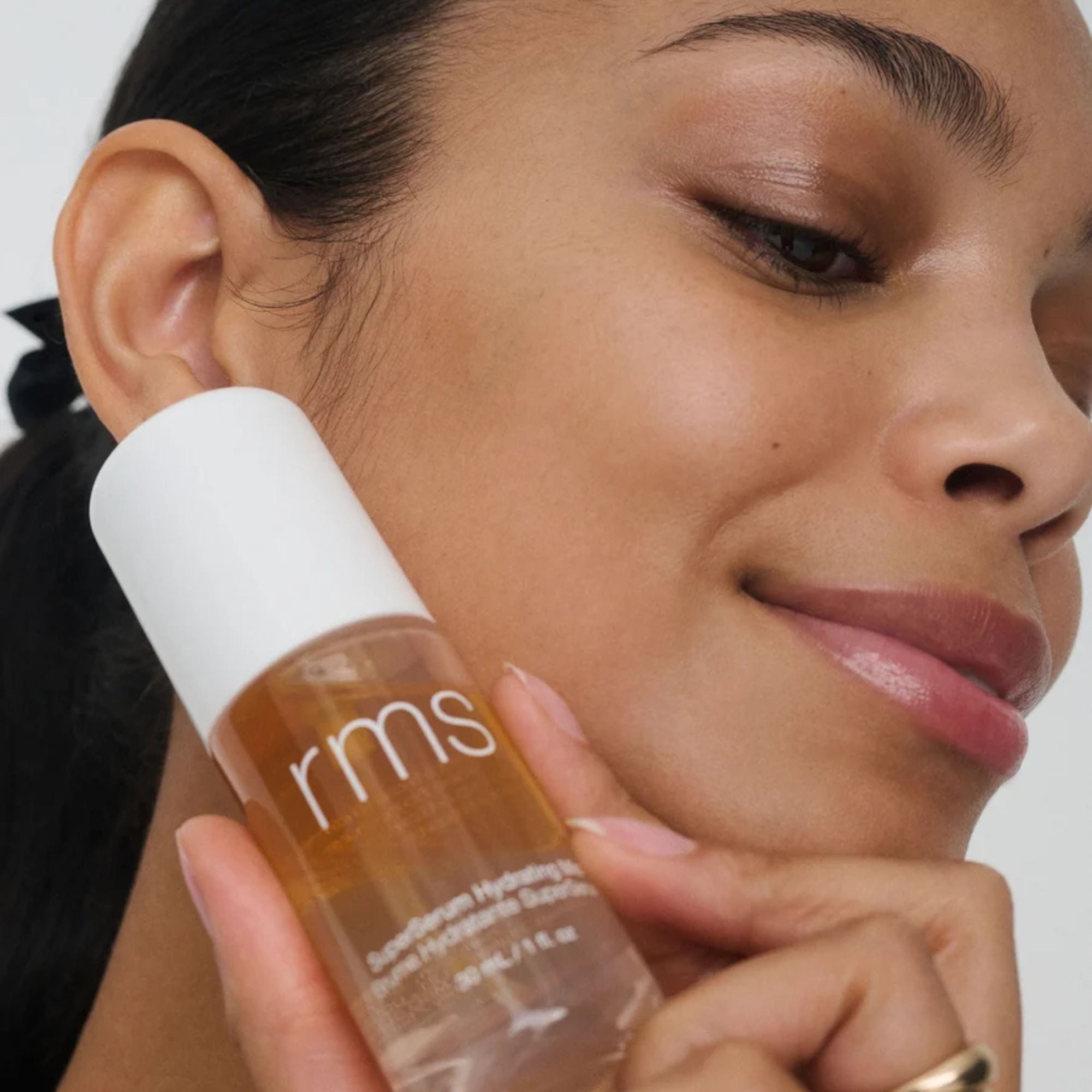
- Toner or mist (prep damp skin with a hydrating serum mist)
- Serum (target specific concerns like dark spots or fine lines)
- Moisturizer (lock in water-based hydration)
- Face oil (final seal, 2-3 drops pressed into skin)
- Sunscreen (morning only, always last)
Application Technique That Actually Works
Dispense 2-3 drops into your palms. Warm the oil by pressing your hands together for a few seconds. Then press, don't rub, the oil into your skin starting at the cheeks and working outward toward the forehead, jawline, and neck.
Morning vs. Evening Application
When to apply face oil depends on your goals. Morning application creates a dewy, hydrated base for makeup. Evening application supports overnight repair, when the skin's natural renewal process is most active. For dry or mature skin, using a face oil both morning and night delivers the best results.
When to Use Face Oil for Maximum Results
Timing is everything with skincare, and knowing when to use face oil makes a meaningful difference.
Before Makeup for a Natural Glow
Applying a lightweight face oil before foundation gives skin a smooth, radiant canvas. Mix a single drop with your primer or hydrating face cream for a dewy finish without extra products.
After Serums to Lock Everything In
Face oil applied after water-based serums acts as a final barrier, keeping active ingredients like niacinamide, peptides, and Vitamin C working on the skin longer. When to apply face oil in this context is straightforward: always after serums, always before sunscreen.
As a Nighttime Recovery Treatment
Nighttime is when your skin does its most active repair work. A few drops of a nutrient-dense face oil before bed supports that process and helps you wake up with smoother, more hydrated skin.
Final Thoughts
A good face oil is one of the simplest, most effective additions to any skincare routine. Whether you're layering one under makeup for a natural glow or pressing drops into your skin before bed, the results speak for themselves: softer texture, stronger barrier, more radiant skin.
RMS Beauty's clean skincare collection is built on the belief that fewer, better ingredients deliver real results. From Kakadu Plum-powered face oils to hydrating mists and rich creams, every product is formulated with organic, wildcrafted, and thoughtfully sourced ingredients that your skin will actually thank you for.
Frequently Asked Questions
Q. What is face oil and how is a face oil different from a moisturizer?
A face oil is a lipid-based product that seals in moisture and delivers concentrated nutrients. A moisturizer is typically water-based and hydrates the skin directly. Using both together gives the best results.
Q. Can oily skin use a face oil?
Yes. Lightweight, non-comedogenic face oils like jojoba and squalane can actually help balance sebum production and reduce excess oiliness over time.
Q. When should I apply face oil in my skincare routine?
Apply face oil as the last step before sunscreen. Layering the oil after serums and moisturizer allows the oil to seal in everything underneath.
Q. How many drops of face oil do I need?
Two to three drops are typically enough for the entire face and neck. Start with less and add more if your skin feels like it needs additional nourishment.
Q. Can I mix face oil with my foundation?
Absolutely. Adding a drop of face oil to your foundation or concealer creates a more hydrated, skin-like finish. Rose-Marie Swift, RMS Beauty's founder, recommends mixing a drop of beauty oil with concealer for a custom tinted moisturizer.
Q. Does face oil clog pores?
Not when you choose the right formula. Plant-based oils like jojoba and Kakadu Plum Seed Oil are non-comedogenic and absorb into the skin without blocking pores.
Shop The Blog
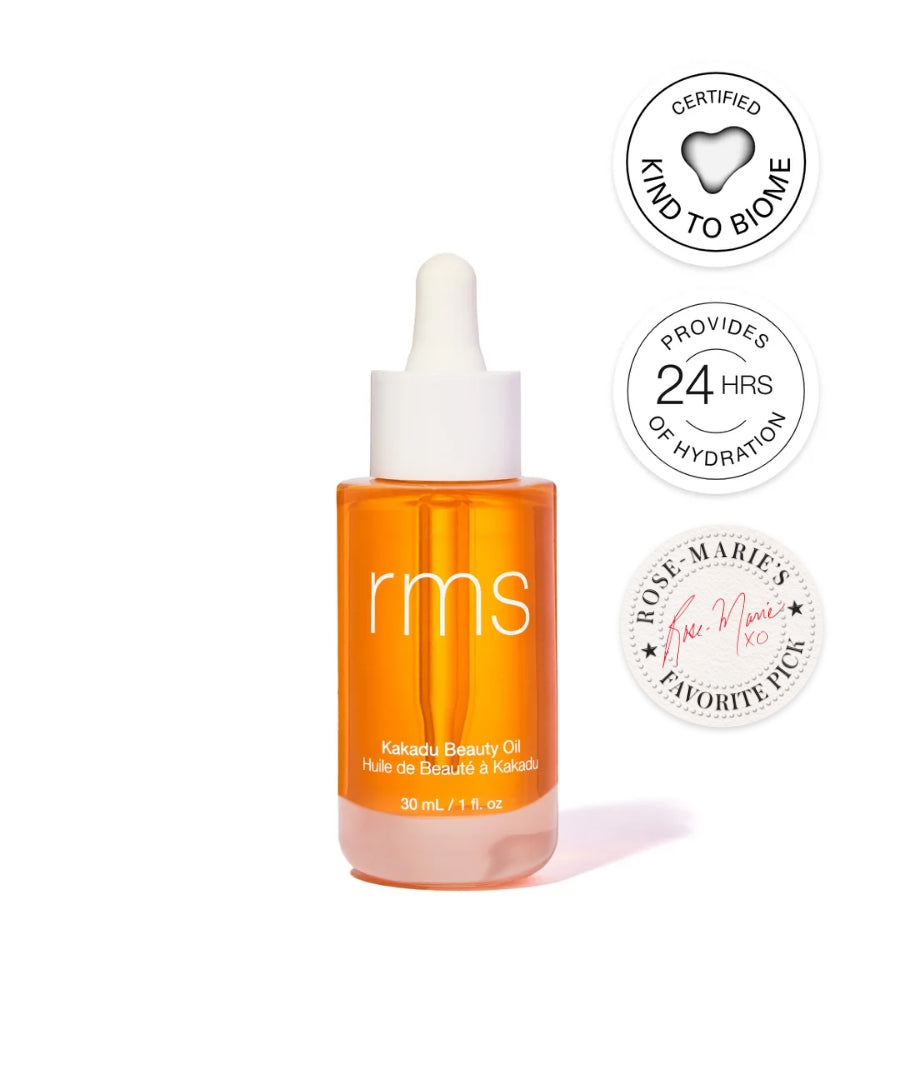
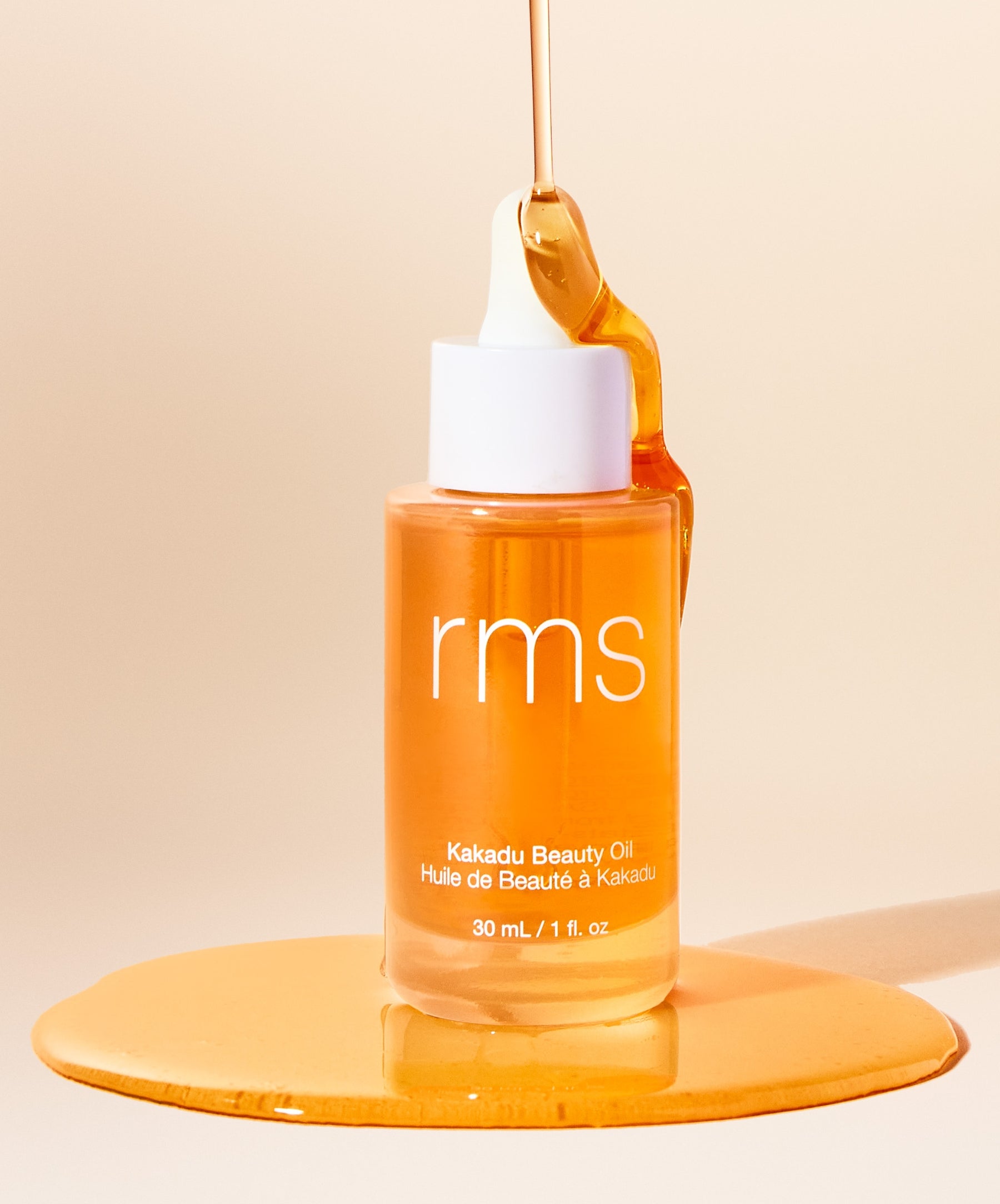
Kakadu Beauty Oil
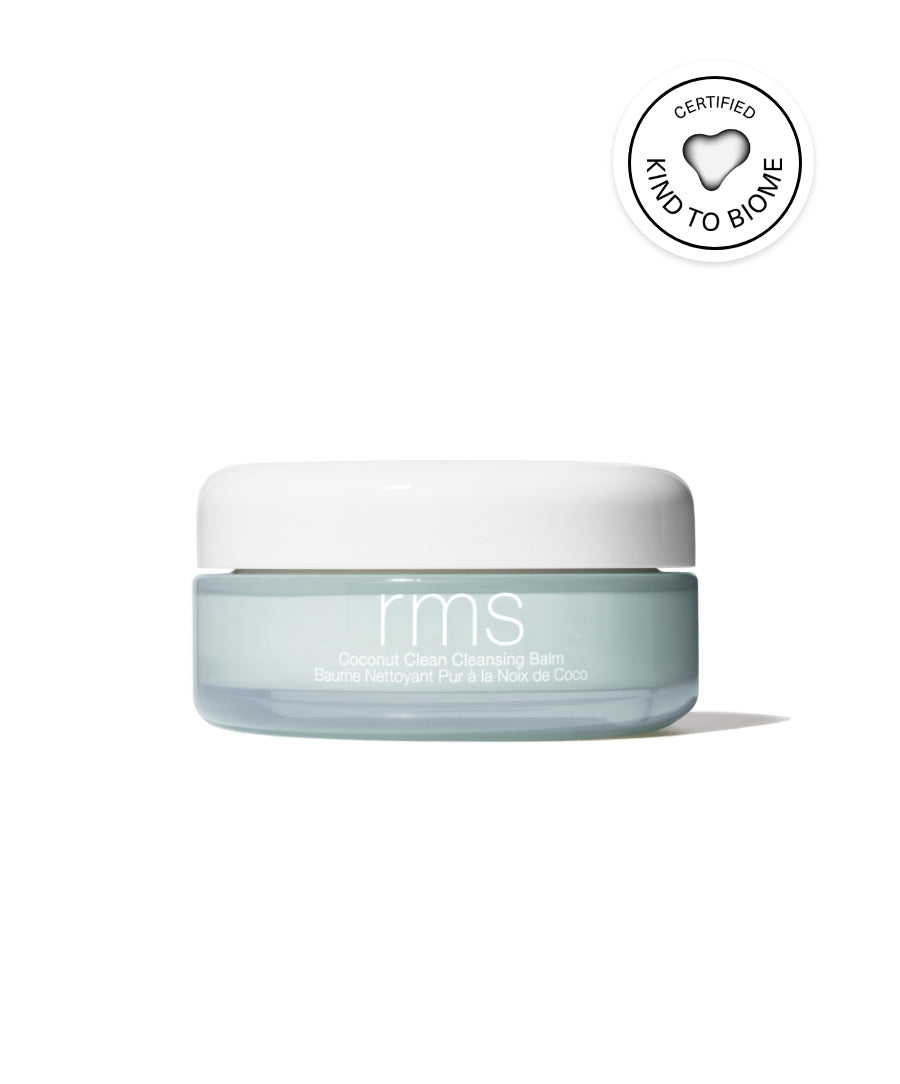
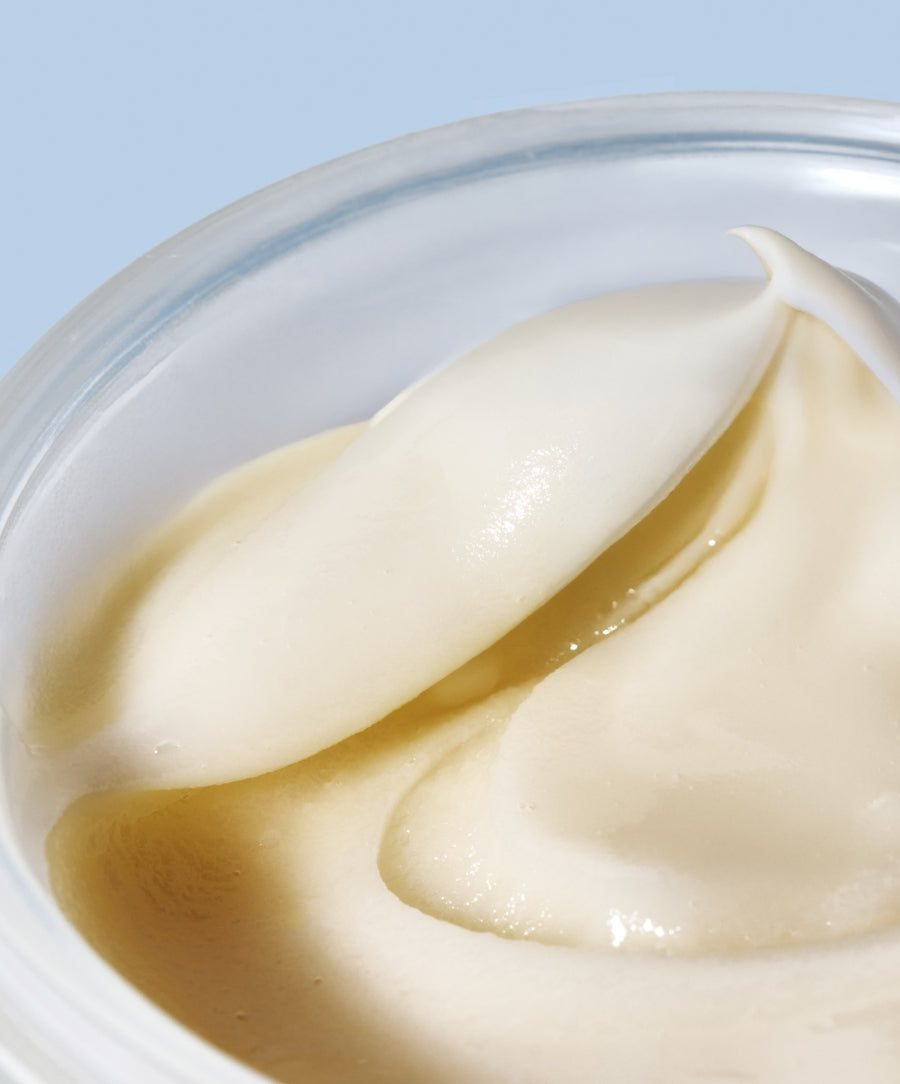
Coconut Clean Cleansing Balm
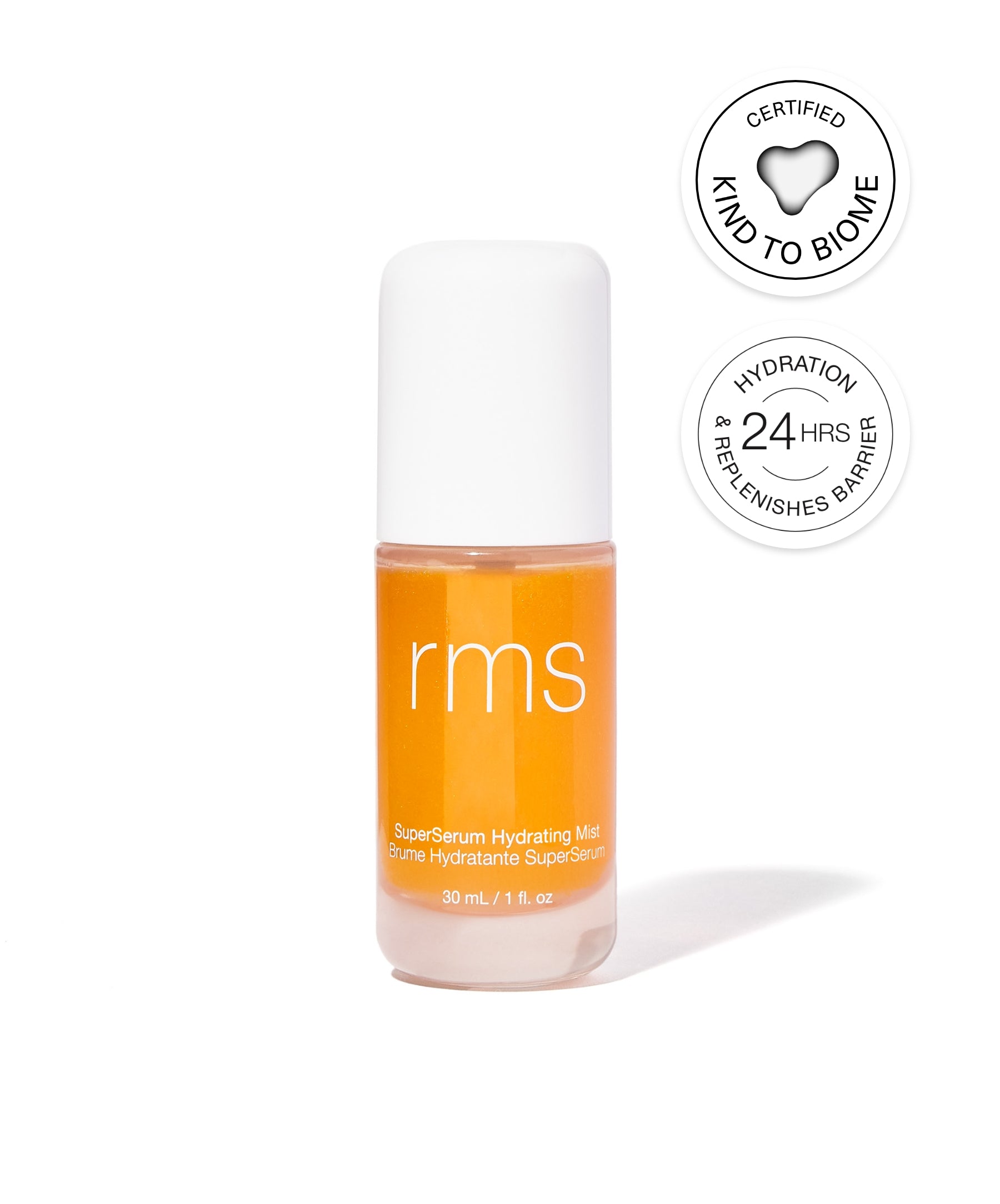
SuperSerum Hydrating Mist