Skip to main content




How to Take Care of Your Lips: A Complete Daily Lip Care Guide
Lips don't have oil glands. That single fact explains why they dry out faster than anywhere else on your face, and why a solid lip care routine matters more than most people realize.
Most of us reach for a lip balm only after the damage is done, once the cracking, peeling, and tightness have already set in. But treating lip dryness reactively is like putting sunscreen on after a sunburn. A real lip care routine works preventatively, keeping the barrier strong and hydrated so the chapping never starts. The good news? The best lip care routine is not complicated. Knowing how to take care of lips well comes down to four consistent steps, the right ingredients, and understanding what to avoid. Whether you're dealing with chronic seasonal dryness or lips that feel tight by midday, everything starts with how lip skin actually works, and what makes it fundamentally different from the rest of your face.
Why Lips Need a Dedicated Routine
Lip skin is structurally different from the rest of your face. The stratum corneum on your lips has fewer cell layers, making the barrier thinner, more permeable, and far more vulnerable to moisture loss. Without sebaceous glands to produce natural oils, lips rely entirely on external hydration.
What Causes Dry, Cracked Lips
Dry lips result from a combination of environmental exposure (wind, cold, UV), habitual lip licking (saliva evaporates and strips moisture), mouth breathing, dehydration, and products that contain drying alcohols or synthetic fragrances.
Lip Licking Makes Everything Worse
Saliva contains digestive enzymes designed to break down food. When those enzymes sit on lip skin repeatedly, they degrade the already thin barrier. Breaking the licking habit is one of the most effective things you can do for lip health.
Seasonal Shifts Demand Seasonal Adjustments
The best lip care routine adapts to the environment. Cold, dry winters call for richer balms and overnight treatments. Hot, humid summers may only need a lightweight tinted balm with SPF.
Building a Daily Lip Care Routine
A good lip care routine doesn't require a dozen products. Four steps, done consistently, cover everything your lips need to stay soft, hydrated, and healthy year round.
Step 1. Gentle Exfoliation (2-3 Times Per Week)
Dead skin buildup prevents lip products from absorbing properly. A gentle sugar scrub or a soft, damp washcloth rubbed lightly over the lips removes flakes without causing micro-tears. Never pick at peeling skin.
Step 2. Hydrate With a Nourishing Lip Balm
After exfoliating, apply a lip balm made with ingredients that actually hydrate, not just coat. Look for formulas with:
- Organic coconut oil (conditions and softens)
- Shea butter (locks in moisture with fatty acids)
- Jojoba oil (mimics natural skin oils)
- Cocoa seed butter (creates a protective barrier)
A tinted daily lip balm formulated with these ingredients offers color and hydration in one step, making the routine simple enough to maintain daily.
Step 3. Treat Overnight
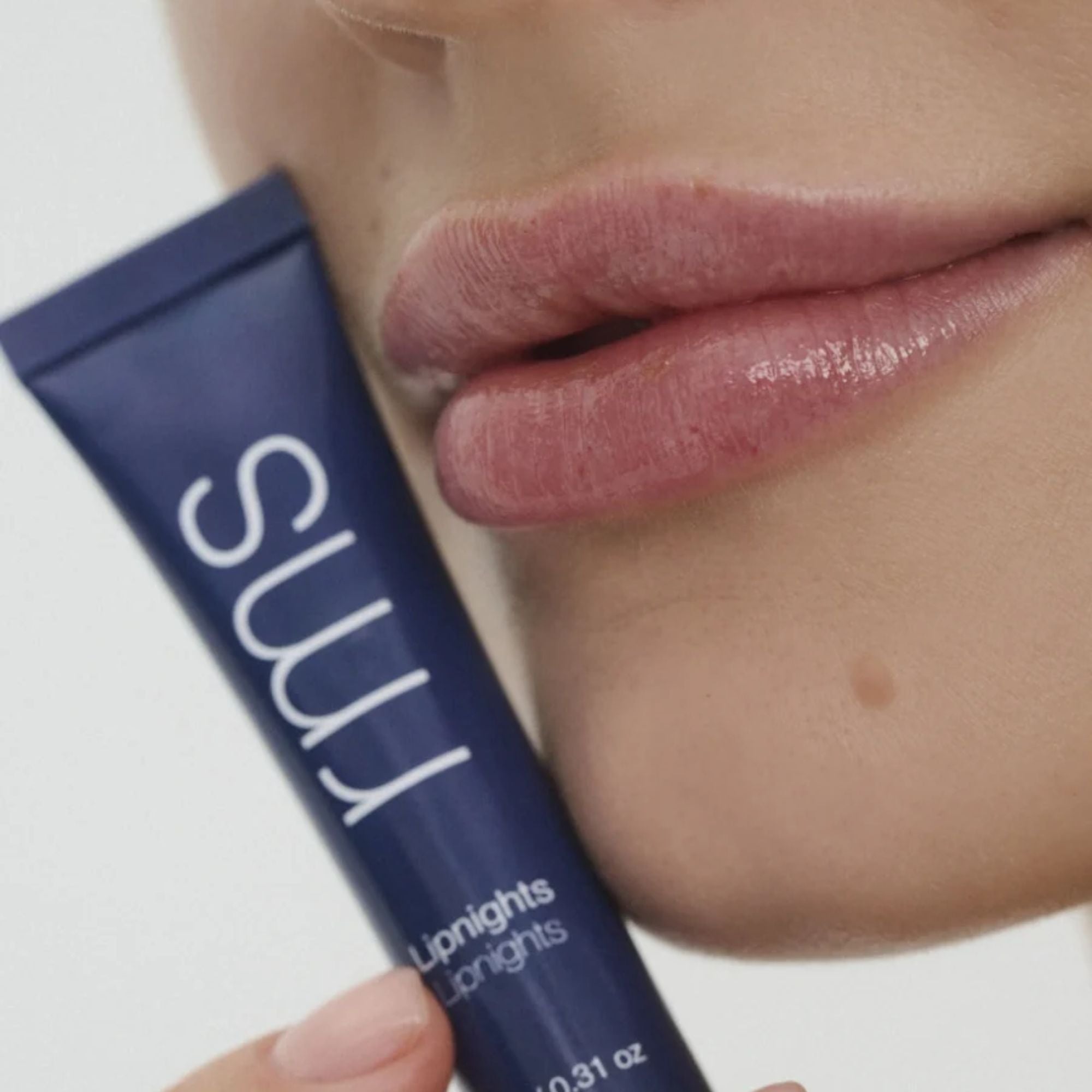
Nighttime is when lip skin repairs itself, and the right overnight treatment amplifies that process. A peptide-infused lip mask delivers 24-hour hydration, antioxidant defense, and barrier repair while you sleep. Apply a generous layer before bed and let the formula work overnight.
Step 4. Protect During the Day
UV exposure is one of the leading causes of long-term lip damage, including premature aging and loss of natural color. Always layer a balm or lip product with SPF before heading outdoors.
How to Moisturize Lips That Stay Dry
If lips are constantly dry despite regular balm use, the problem usually lies in the formula, the environment, or both. Knowing how to moisturize lips effectively means understanding the difference between occlusive and emollient ingredients.
Occlusive vs. Emollient Ingredients
| Type | What It Does | Examples |
|---|---|---|
| Occlusive | Creates a physical barrier that prevents water loss | Beeswax, carnauba wax, cocoa butter |
| Emollient | Softens and smooths the lip surface | Jojoba oil, coconut oil, shea butter |
| Humectant | Draws moisture from the air into the skin | Hyaluronic acid, glycerin, aloe vera |
The best lip products combine all three types for comprehensive hydration that lasts.
Ingredients to Avoid in Lip Products
Certain ingredients commonly found in lip products actually contribute to dryness:
- Menthol and camphor (create a tingling sensation but irritate and dry over time)
- Synthetic fragrances (potential allergens that weaken the lip barrier)
- Phenol and salicylic acid (used in medicated balms, can thin the lip barrier with overuse)
- Petroleum-derived waxes (coat lips without delivering actual nourishment)
How to Take Care of Lips With Lip Color
Wearing lipstick or gloss every day doesn't have to mean sacrificing lip health. The right formulas treat your lips while adding color.
Choose Lipsticks With Skincare Benefits
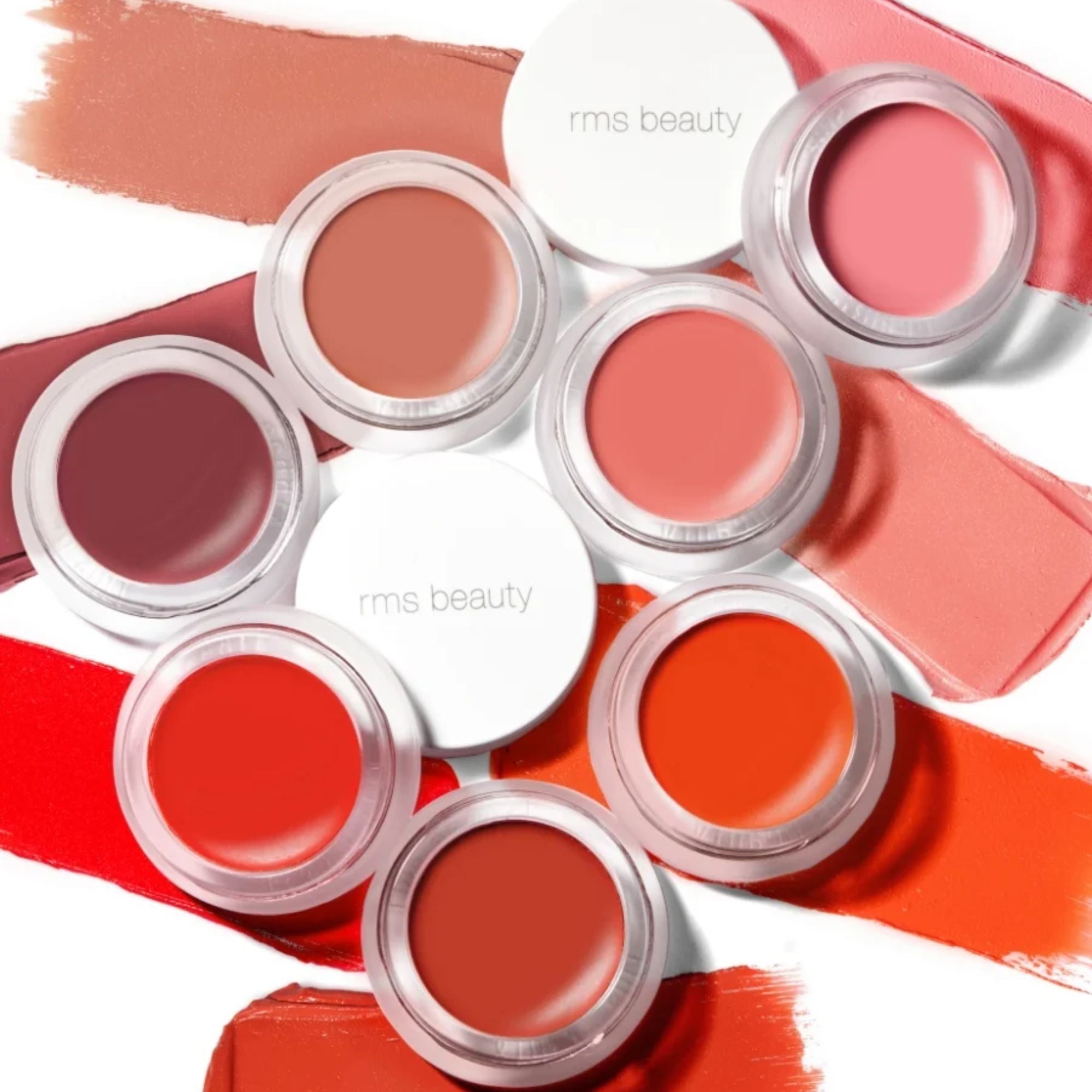
A cream lip-and-cheek color formulated with organic coconut oil, shea butter, and buriti oil conditions lips with every application. Multitasking formulas like these make lip care routine maintenance effortless.
Gloss Without the Guilt
Not all glosses are sticky, pore-clogging formulas. A cream lip gloss with plumping peptides and botanical butters works as a treatment balm, a gloss, and a subtle volumizer simultaneously.
Remove Lip Color Gently
Aggressive scrubbing to remove long-wearing lipstick damages lip skin. A balm-to-oil cleanser melts lip color off without friction. Press the balm onto lips, hold for a few seconds, then wipe away gently.
Signs Your Lip Routine Is Working
Results from a consistent lip care routine show up within a week. Here's what healthy lips look and feel like when a best lip care routine is in place:
- Smooth texture with no visible flakes or rough patches
- Natural color returns as circulation improves and dryness fades
- Plumpness from well-hydrated tissue that retains moisture throughout the day
- Comfort without the constant urge to lick or reapply balm
- Lipstick applies evenly without catching on dry spots or feathering at the edges
If chapping returns despite a solid routine, check for environmental triggers like mouth breathing during sleep, or consider whether a food sensitivity or medication could be contributing to chronic dryness.
Final Thoughts
Learning how to take care of lips doesn't require a complicated routine. Exfoliate gently, hydrate consistently, treat overnight, and protect during the day. Four steps, clean ingredients, real results.
RMS Beauty's lip collection is formulated with organic oils, butters, and plant-based waxes that nourish with every application, because lip care and lip color should never be separate conversations.
Frequently Asked Questions
Q. What is the best lip care routine for dry lips?
Exfoliate 2-3 times per week, apply a hydrating balm with shea butter and jojoba oil daily, use an overnight lip mask, and wear SPF lip protection outdoors.
Q. How often should I moisturize my lips?
As often as needed, but a minimum of three times daily: morning, evening, and before bed. Reapply after eating, drinking, or any time lips feel tight.
Q. Can lip balm actually make lips drier?
Yes, if the formula contains drying alcohols, menthol, or camphor. Choose balms with plant-based emollients and wax-based occlusives for genuine hydration.
Q. How do I moisturize lips overnight?
Apply a thick layer of a peptide-infused overnight lip mask before bed. The heavier consistency prevents evaporation and allows active ingredients to work while you sleep.
Q. Should I exfoliate my lips?
Yes, but gently and no more than 2-3 times per week. Over-exfoliating strips the barrier and increases sensitivity. A soft washcloth or gentle sugar scrub works well.
Q. Does drinking water help dry lips?
Hydration from within supports overall skin health, including lips. However, topical moisture is still necessary because lip skin cannot produce its own oils.
Shop The Blog
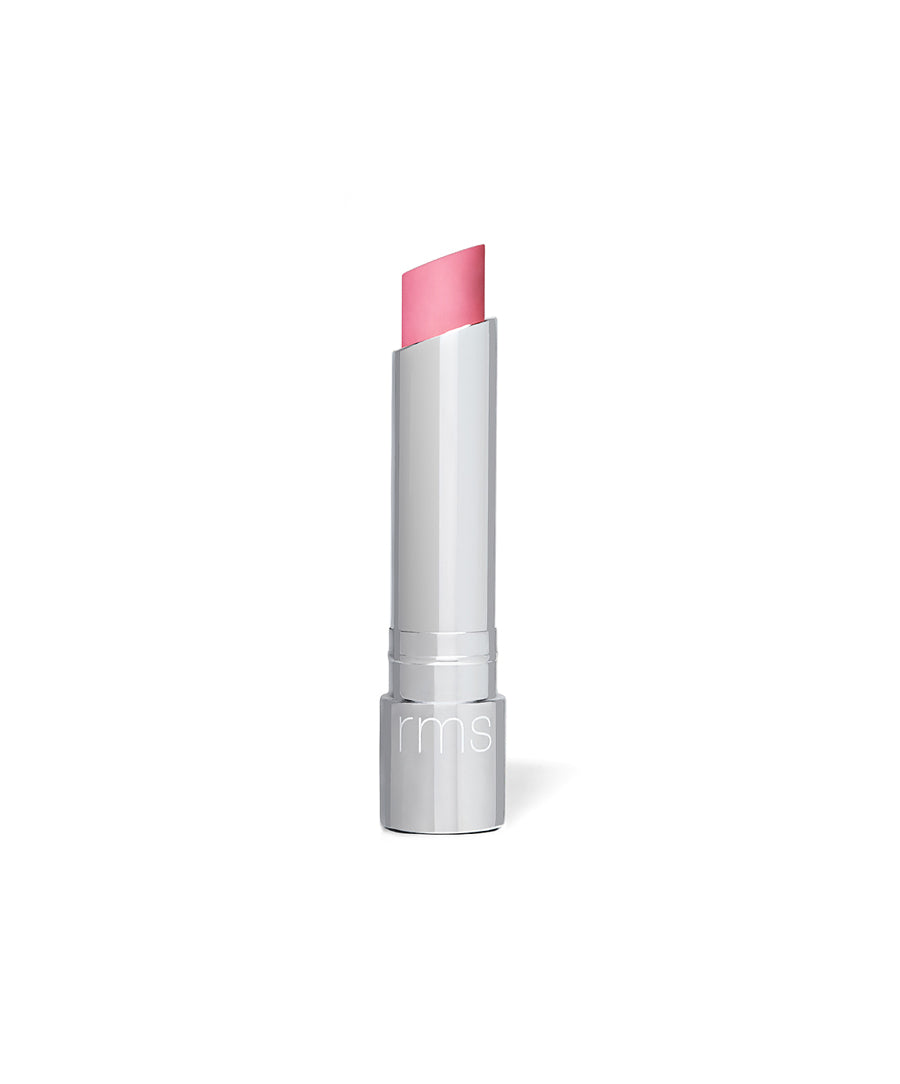
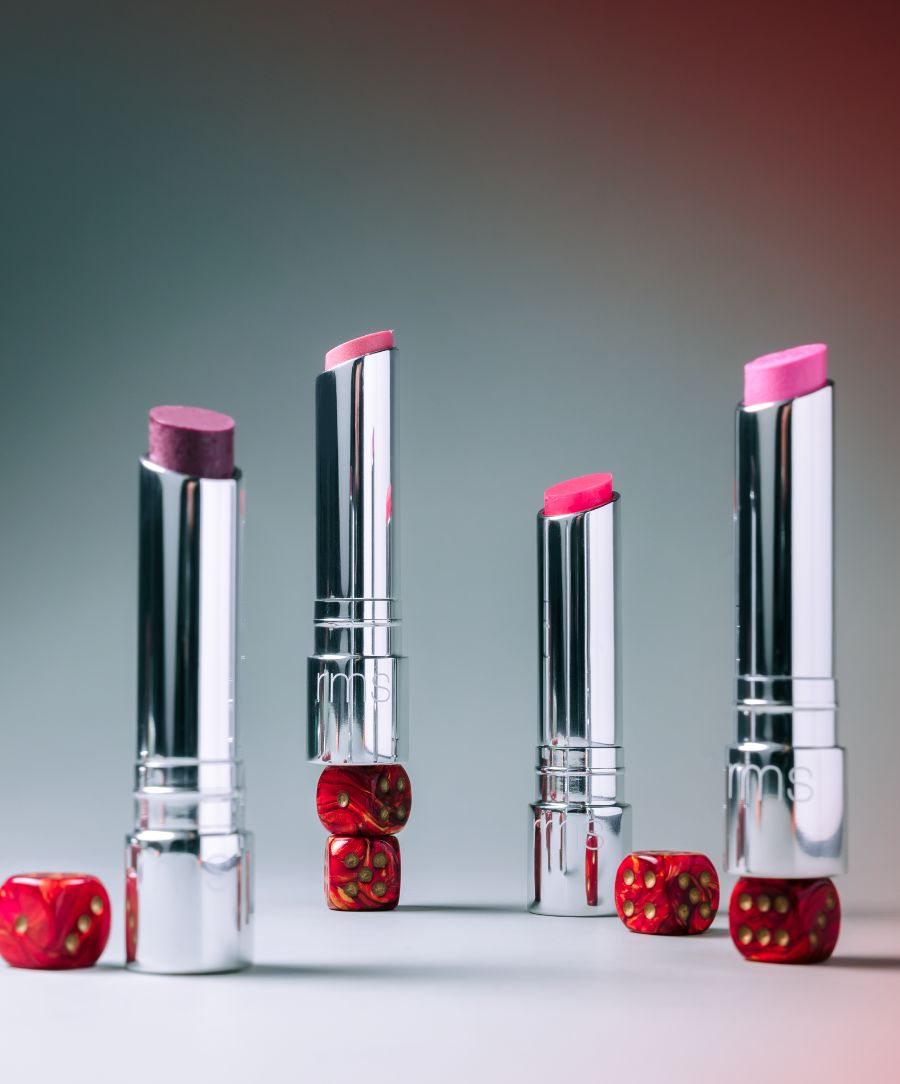
Tinted Daily Lip Balm

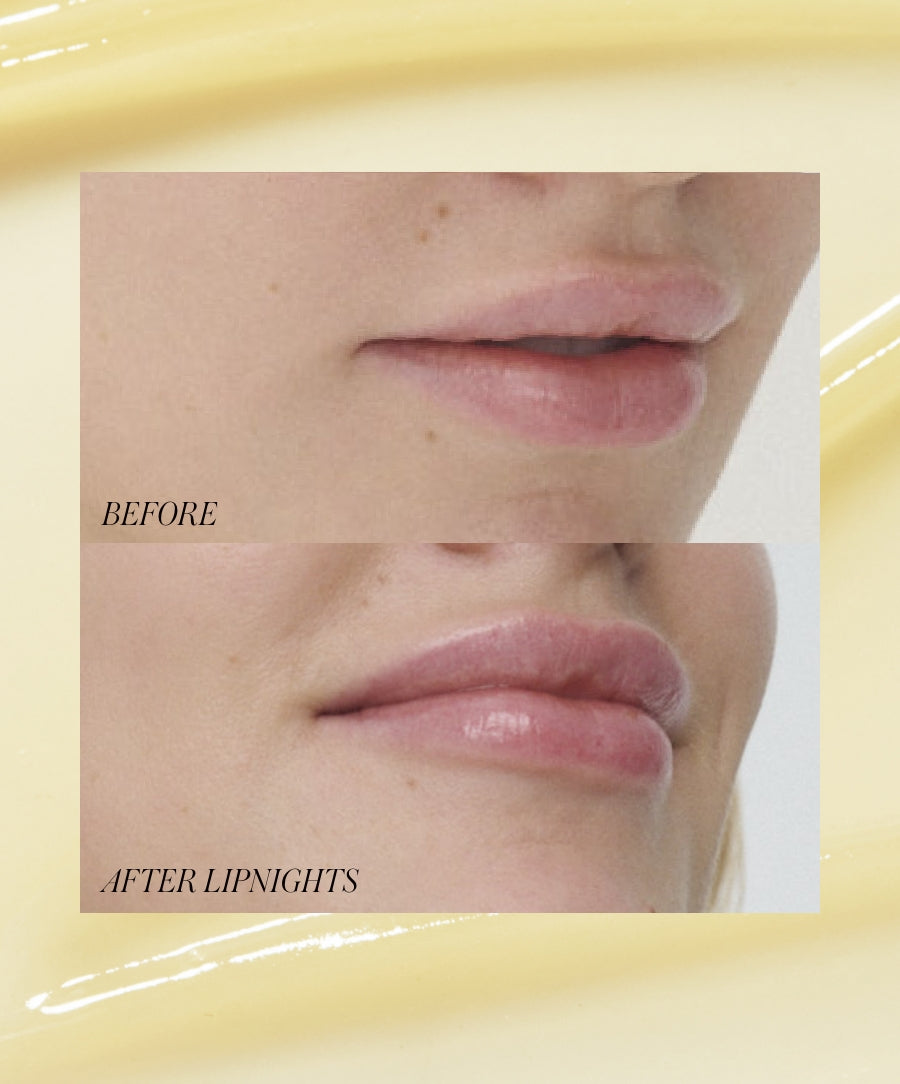
Lipnights Overnight Lip Mask
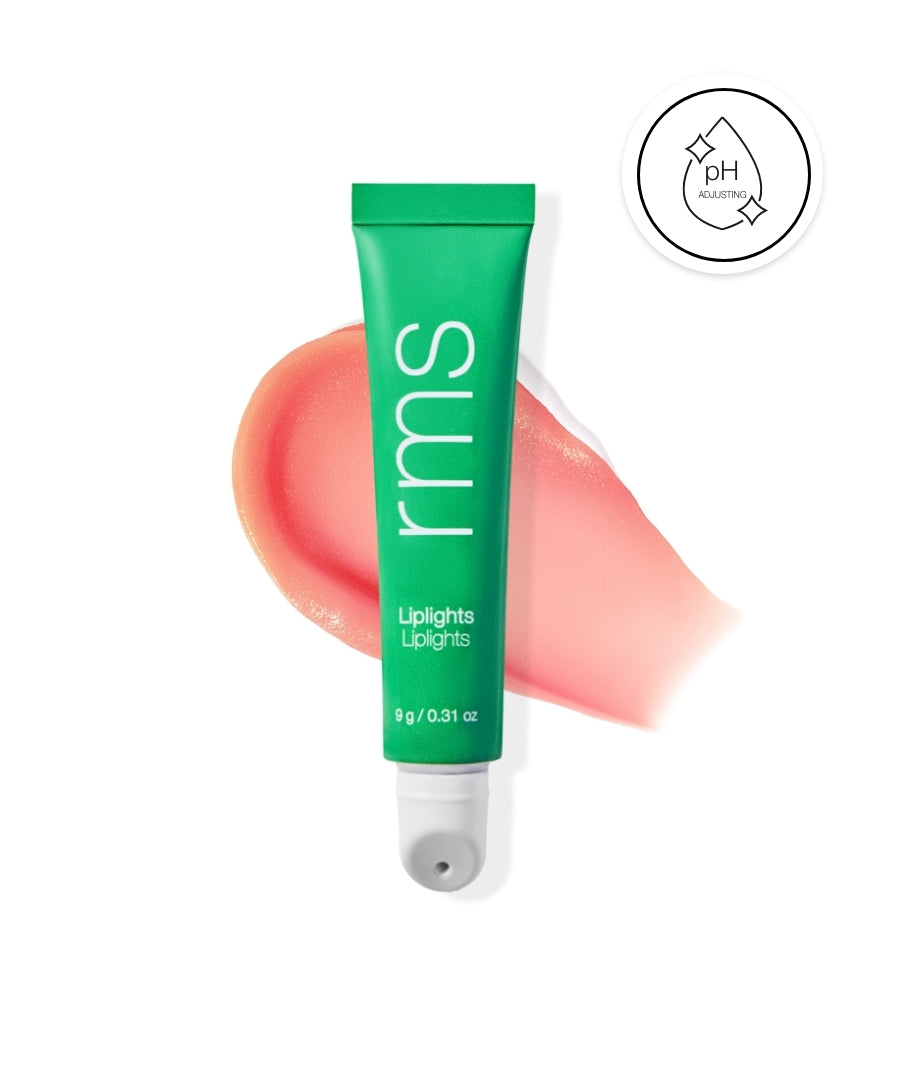
Liplights Cream Lip Gloss