Skip to main content


The Importance of Talc-Free Powder in Makeup: What You Need to Know
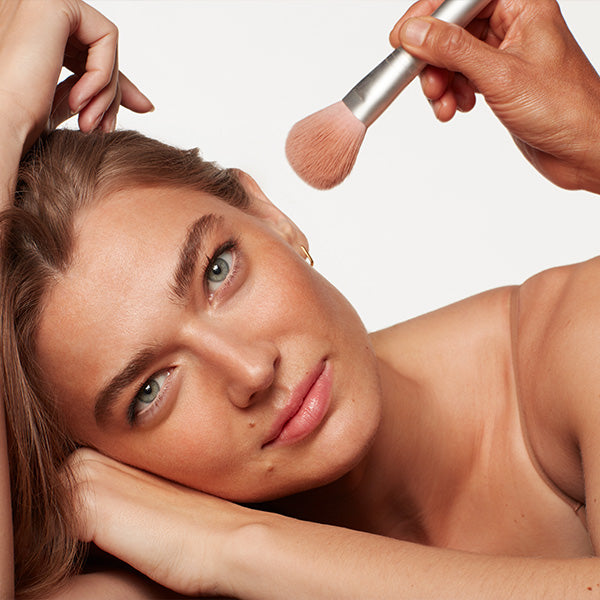
Talc is a mineral that has historically been used in a variety of beauty and personal care products for its ability to absorb moisture, create a smooth texture, and improve performance. In recent years, there has been growing awareness and concern about the safety of talc in cosmetics, particularly in powders. Although talc is a naturally occurring mineral, its safety has come into question due to potential contamination with asbestos, a known carcinogen, and other health risks associated with using talcum powder.
What beauty products contain talc?
Talc's main benefits are to absorb moisture and create a smooth texture, which is why in beauty products it's most commonly found in powder formulas including face powders, blushes, bronzers, and eyeshadow.
Why is talc-free powder important?
-
Safety Concerns
The primary reason to opt for talc-free powder is safety. Talc can sometimes be contaminated with asbestos during the mining process, which poses serious health risks, including respiratory issues and cancer. Choosing talc-free products reduces the risk of exposure to harmful contaminants. -
Skin Sensitivity
Talc is known to be drying and can exacerbate skin conditions such as eczema or dryness, especially with prolonged use. Talc-free alternatives are often formulated with gentler ingredients that are more suitable for sensitive skin types. -
Environmental Impact
Talc mining can have negative environmental effects, including habitat destruction and water pollution. Supporting talc-free products encourages sustainable and eco-friendly practices in the cosmetics industry.

What to Look for to Avoid Talc in Powders
When shopping for makeup powders, here are key tips to help you identify talc-free options:
- Read the Ingredient List: Look for powders that explicitly state "talc-free" on the packaging. Check the ingredient list for talc (listed as "talcum powder" or "magnesium silicate").
- Look for Alternatives: Talc-free powders often use alternative ingredients like cornstarch, rice powder, arrowroot powder, or mica to achieve similar texture and absorbency.
- Certifications and Labels: Some brands may carry certifications indicating their products are free from talc and other harmful ingredients. Look for labels such as "Clean Beauty," "Natural," or specific talc-free certifications.

Shop RMS Talc-Free Powders
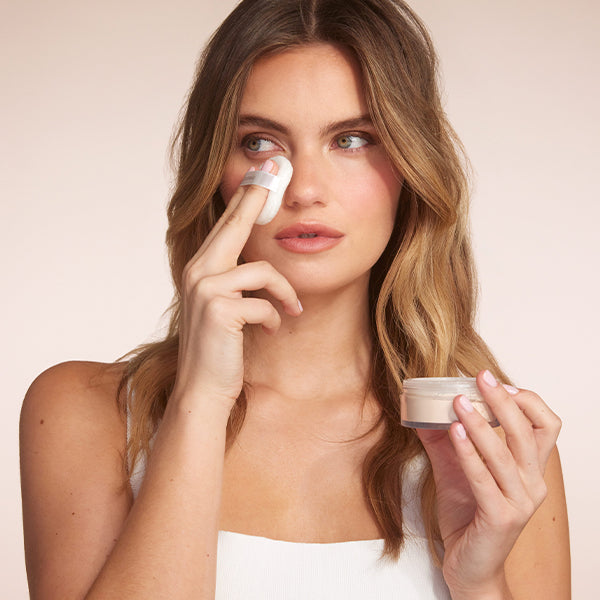
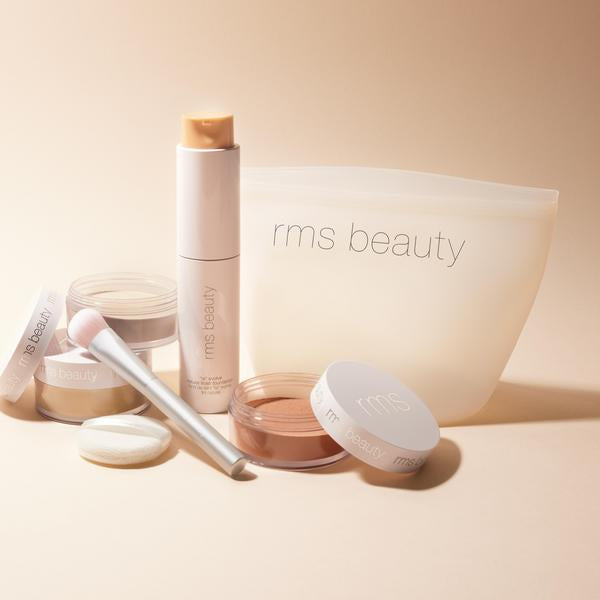
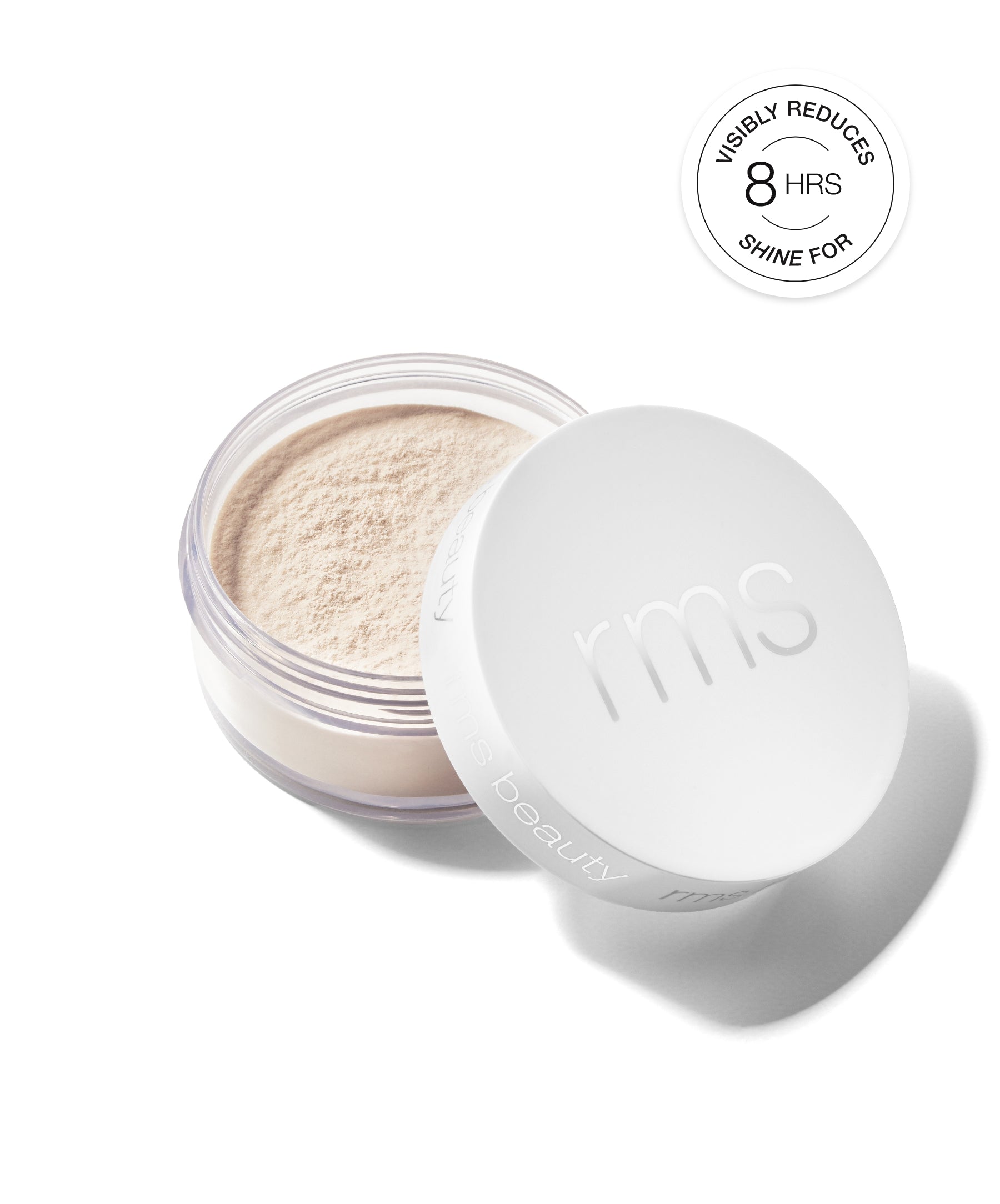
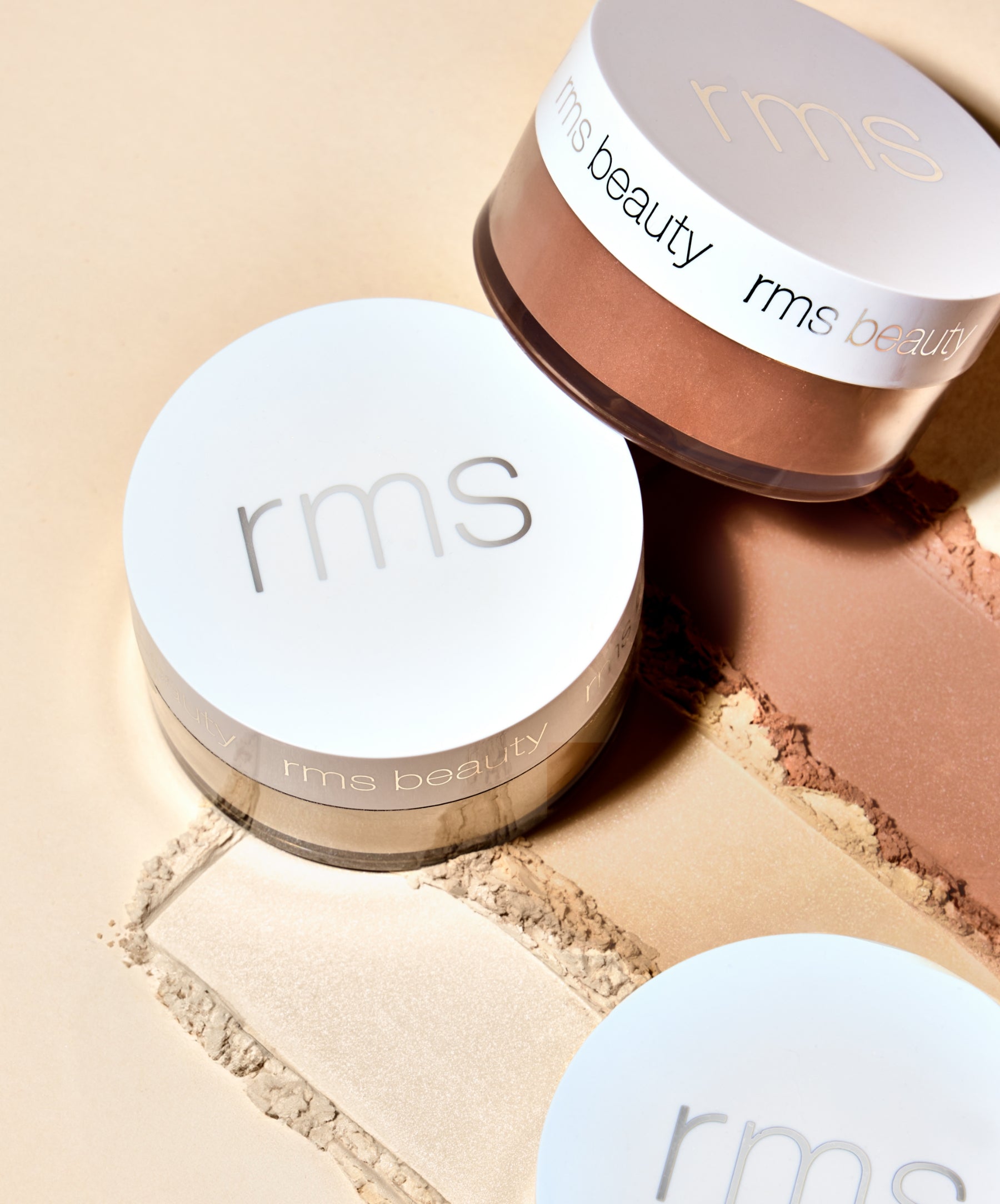
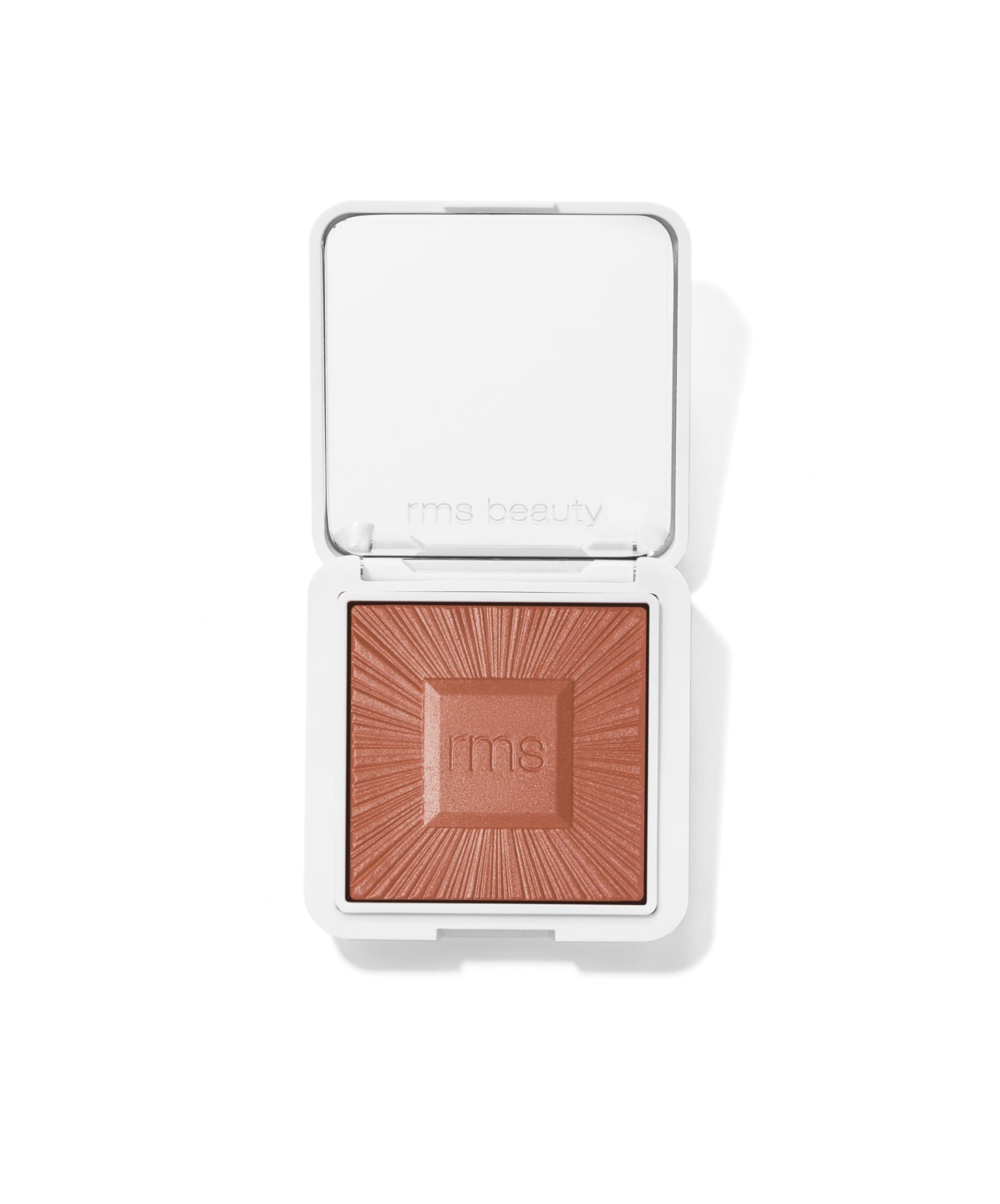
Rest assured that we never uses talc in any formulation, including our new Hydra Setting Powder, ReDimension Bronzer, ReDimension Blush, or Back2Brow Powder.
Frequently Asked Questions
Q. What does talc-free mean in makeup?
Talc-free means the formula contains no talc mineral. Ingredients like mica, silica, or rice starch perform the same oil-absorbing and texture-smoothing functions without the asbestos contamination risk associated with talc mining. (36 words)
Q. Is talc bad for your skin?
Talc can be drying and may worsen sensitive skin or eczema with prolonged use. The larger concern is potential asbestos contamination during mining, which poses respiratory and cancer risks from long-term exposure. (35 words)
Q. Is talc-free powder better for acne-prone skin?
Yes. Talc has a low but measurable comedogenic rating that can contribute to clogged pores over time. Talc-free powders made with silica or rice starch are non-comedogenic and less likely to trigger breakouts or irritation. (37 words)
Q. What is the difference between talc and talc-free powder performance?
Both can deliver a smooth, matte finish. Talc-free powders differ in skin compatibility — they tend to be less drying, free from contamination risk, and are often formulated with skin-nourishing botanicals that talc-based formulas lack. (37 words)
Shop The Blog
Hydra Setting Powder
ReDimension Hydra Bronzer

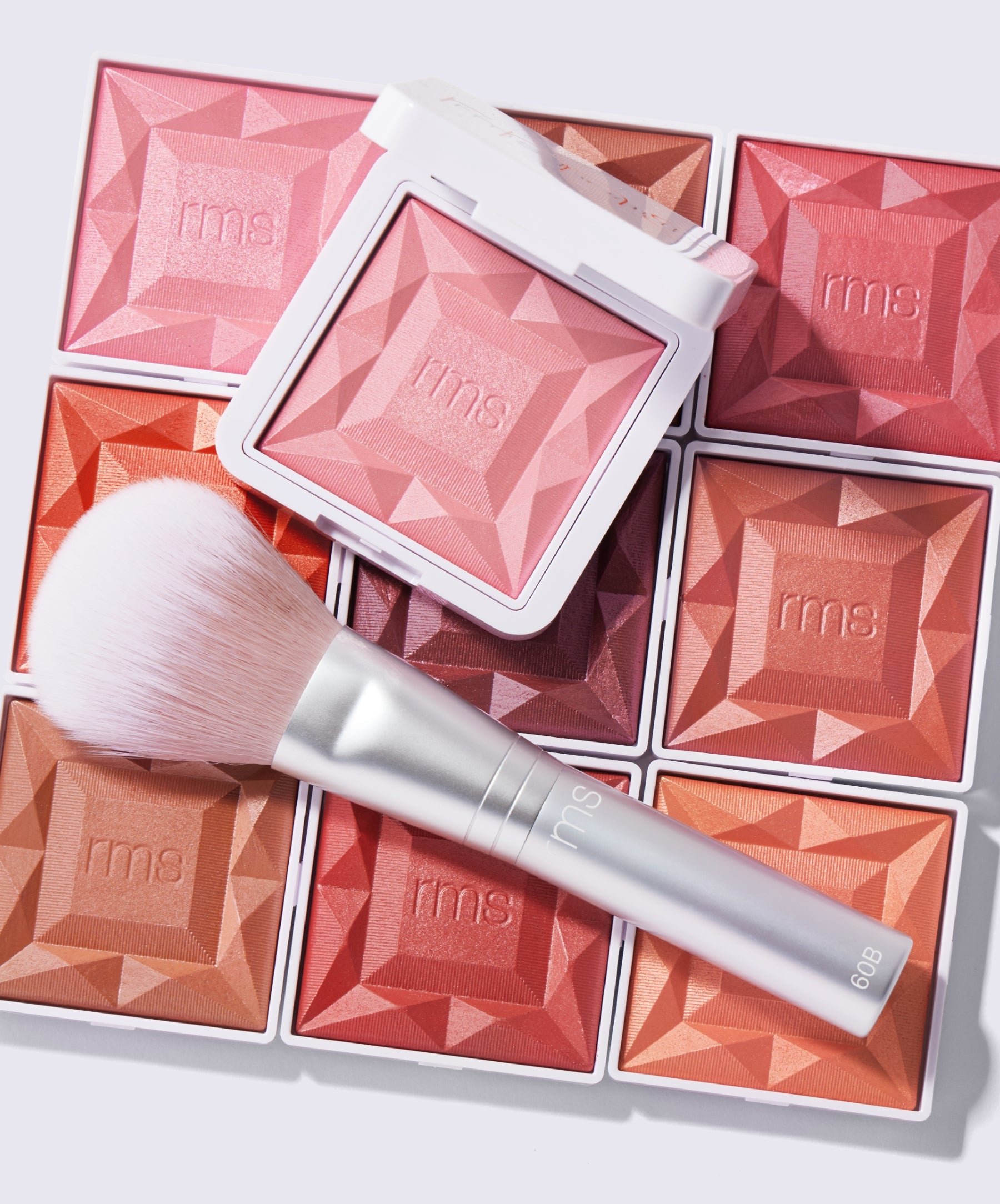
ReDimension Hydra Powder Blush
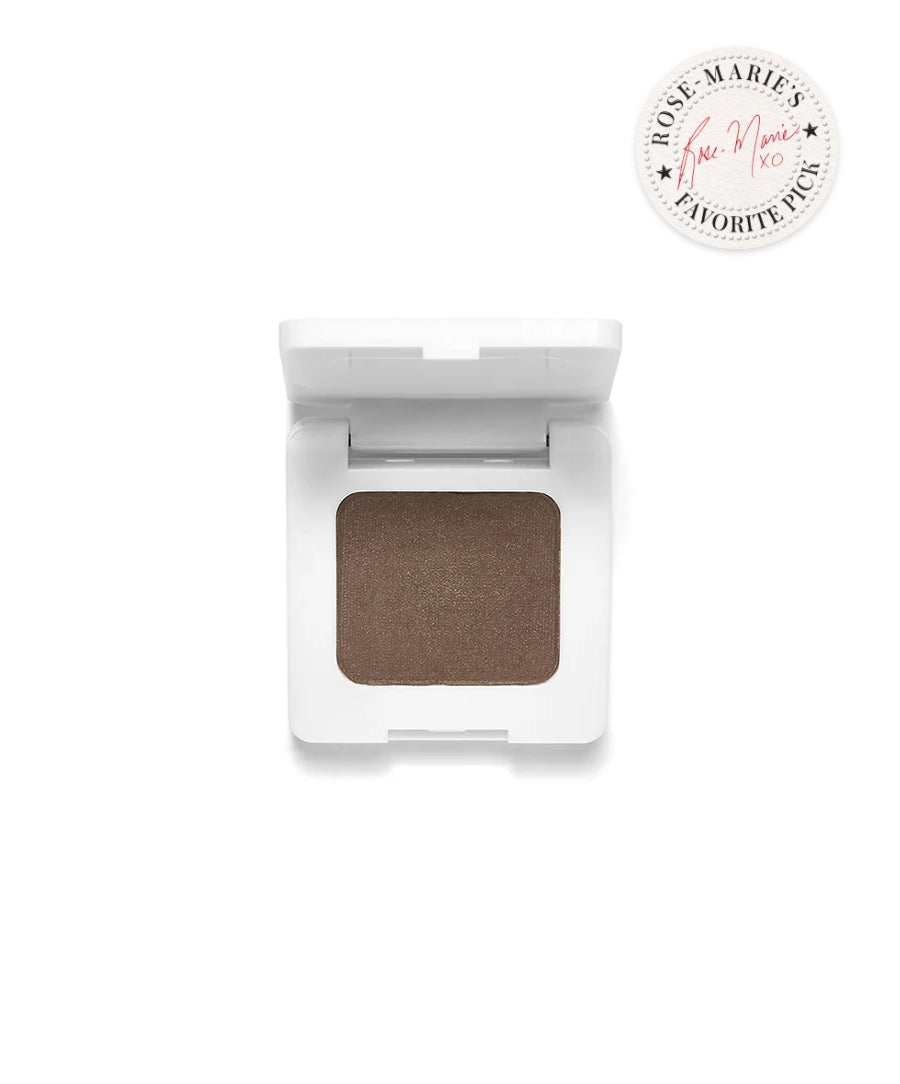
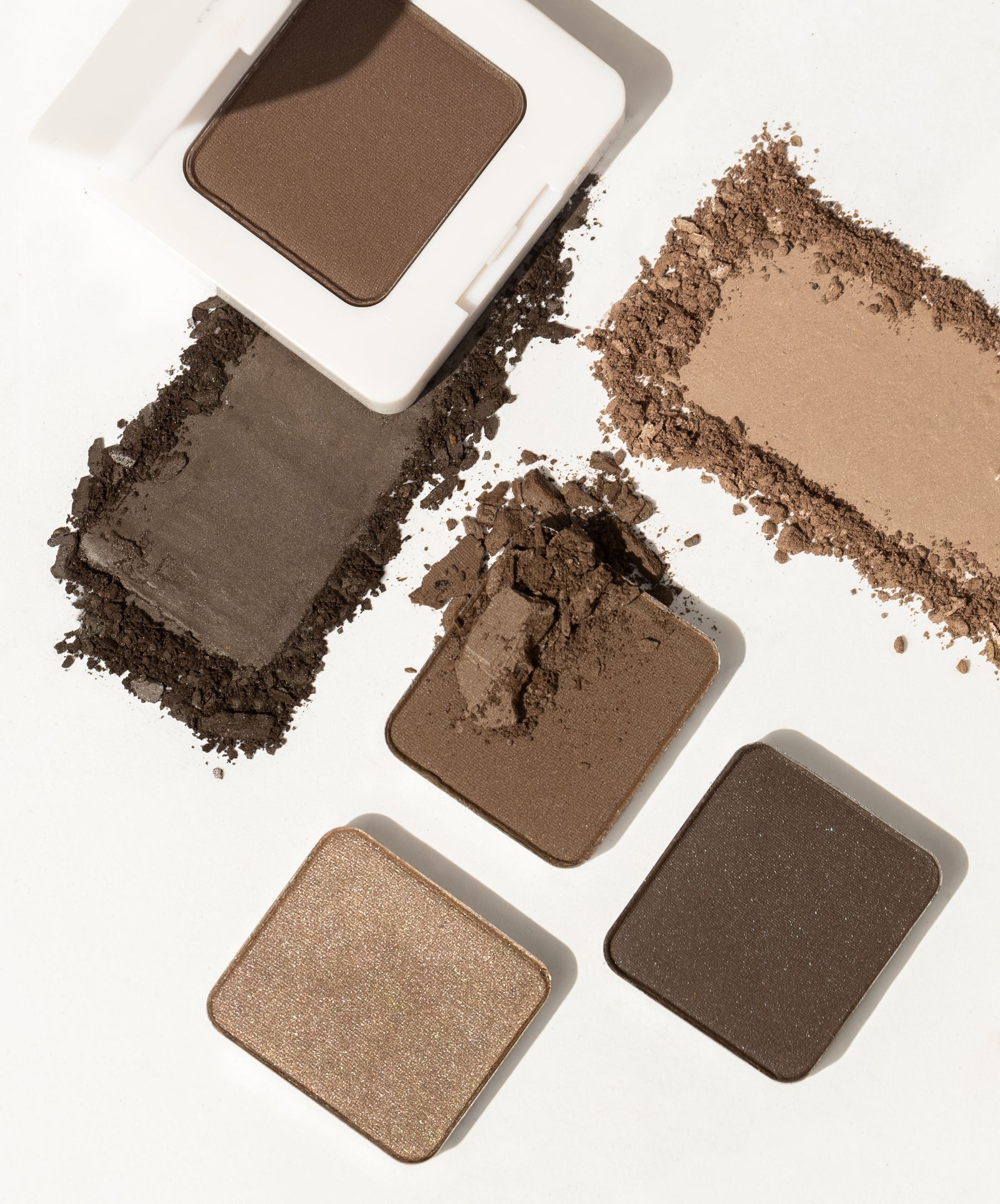
Back2Brow Powder