Skip to main content




Neutral Skin Tone Dos and Don'ts for Radiant, Natural Makeup
Figuring out your skin tone can feel like a puzzle, especially when "neutral" sits right in the middle of cool and warm. But that middle ground is actually an advantage. A neutral skin tone opens up one of the widest color palettes of any skin type, giving you room to wear shades that would clash on strongly cool or warm complexions.
The tricky part is knowing how to work with that flexibility rather than defaulting to safe, muted choices every day. Below, we'll break down what makes a skin tone neutral, how to confirm yours, and which makeup habits bring out its best qualities.
What Makes a Skin Tone Neutral
Skin tone is the overall color of your skin as it appears in natural daylight, shaped by melanin levels, ethnicity, and even the hemoglobin in your blood. Pantone's research has identified over 100 distinct skin tone shades worldwide, and neutral tones fall right in the center of that spectrum.
How Undertones and Overtones Factor In
Your undertone is the color of the deeper layers of your skin, visible through the veins on your inner wrist. Cool undertones tend toward blue-pink or purple. Warm undertones lean peach or golden. Neutral undertones sit between the two, often with subtle olive, buff, or flesh-toned qualities.
Your overtone is the outermost layer of your skin, the one that tans, burns, or reacts to products. Overtones shift with the seasons and with sun exposure, while undertones stay relatively constant. Together, the three layers determine your true skin tone.
How To Tell if You Have a Neutral Skin Tone
Not sure where you land? Three quick at-home checks can help narrow things down.
Three Quick Tests at Home
1. The Wrist Check
Look at the veins on the inside of your wrist in natural light. Blue-pink or purple veins suggest a cool undertone. Green or golden veins point toward warm. A mix of both colors, or veins that are difficult to classify, is a strong sign of a neutral undertone.
2. The Jewelry Test
Silver flatters cool undertones, and gold flatters warm ones. When both metals look equally good against your skin, neutral territory is the most likely answer.
3. The Sun Test
Cool undertones burn easily and rarely tan. Warm undertones tan easily and rarely burn. A neutral undertone falls somewhere between the two, tanning with moderate exposure but burning when overexposed.
Keep in mind that a neutral skin tone does not always come with a perfectly neutral undertone. A slight lean toward warm or cool is common and can still guide your foundation and color choices.
Three Dos for Neutral Skin Tone Makeup
The flexibility of a neutral skin tone means nearly every color family is in play. Here are three habits that make the most of that range.
Match Your Foundation to Your Undertone
Shop for foundation based on your undertone, not your overtone. Overtones shift with sun exposure and seasonal changes, but your undertone stays consistent. A foundation matched to your undertone will color-correct minor surface changes and sit more naturally against your skin.
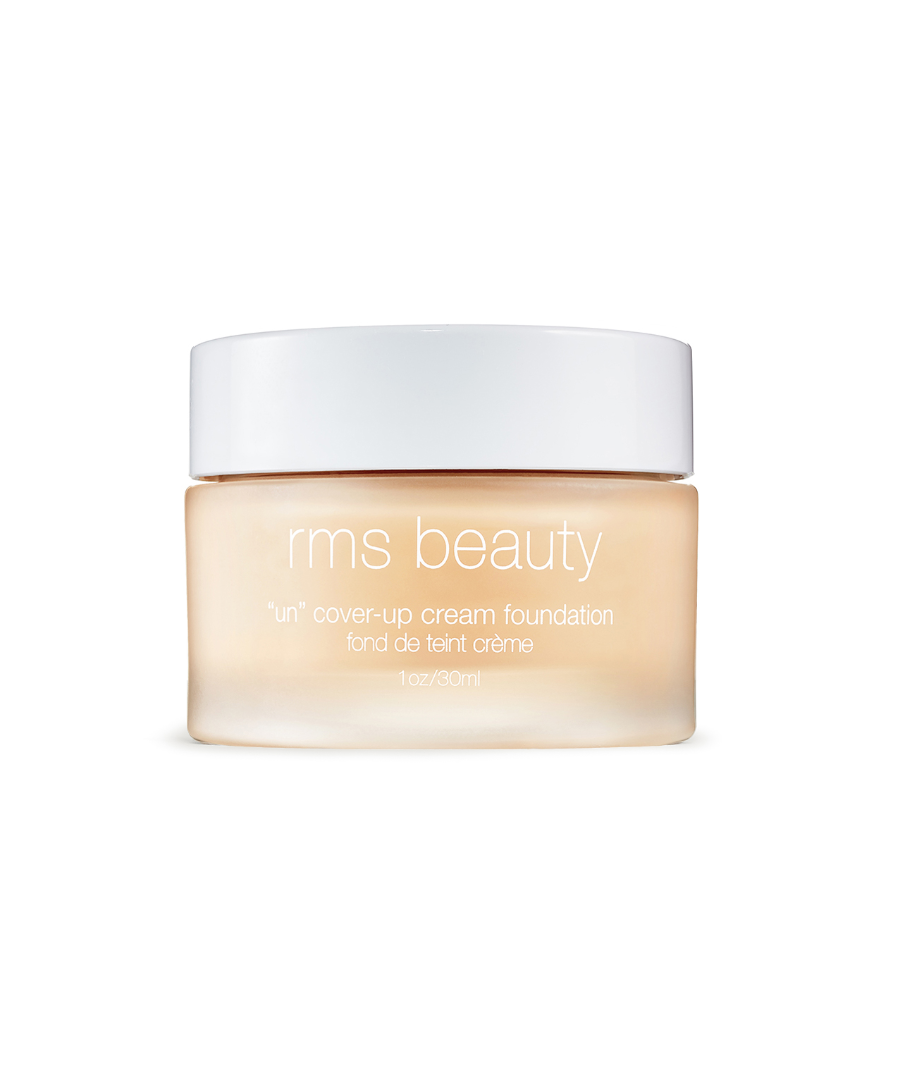
For a true neutral undertone, look for a shade without an obvious pink or golden cast. A buildable cream foundation with a luminous, dewy finish and organic coconut oil and jojoba seed oil nourishes while smoothing the appearance of fine lines.
Add Radiance with a Cream Luminizer
Neutral skin can sometimes read flat or one-dimensional under indoor lighting. A cream-based highlighter adds depth and a natural-looking glow without heavy coverage.
A small amount of light-reflective cream highlighter on the cheekbones, bridge of the nose, and cupid's bow creates a lit-from-within look. The coconut oil base blends seamlessly over or under foundation for a dewy, hydrated finish.
Play with Color Beyond Neutrals
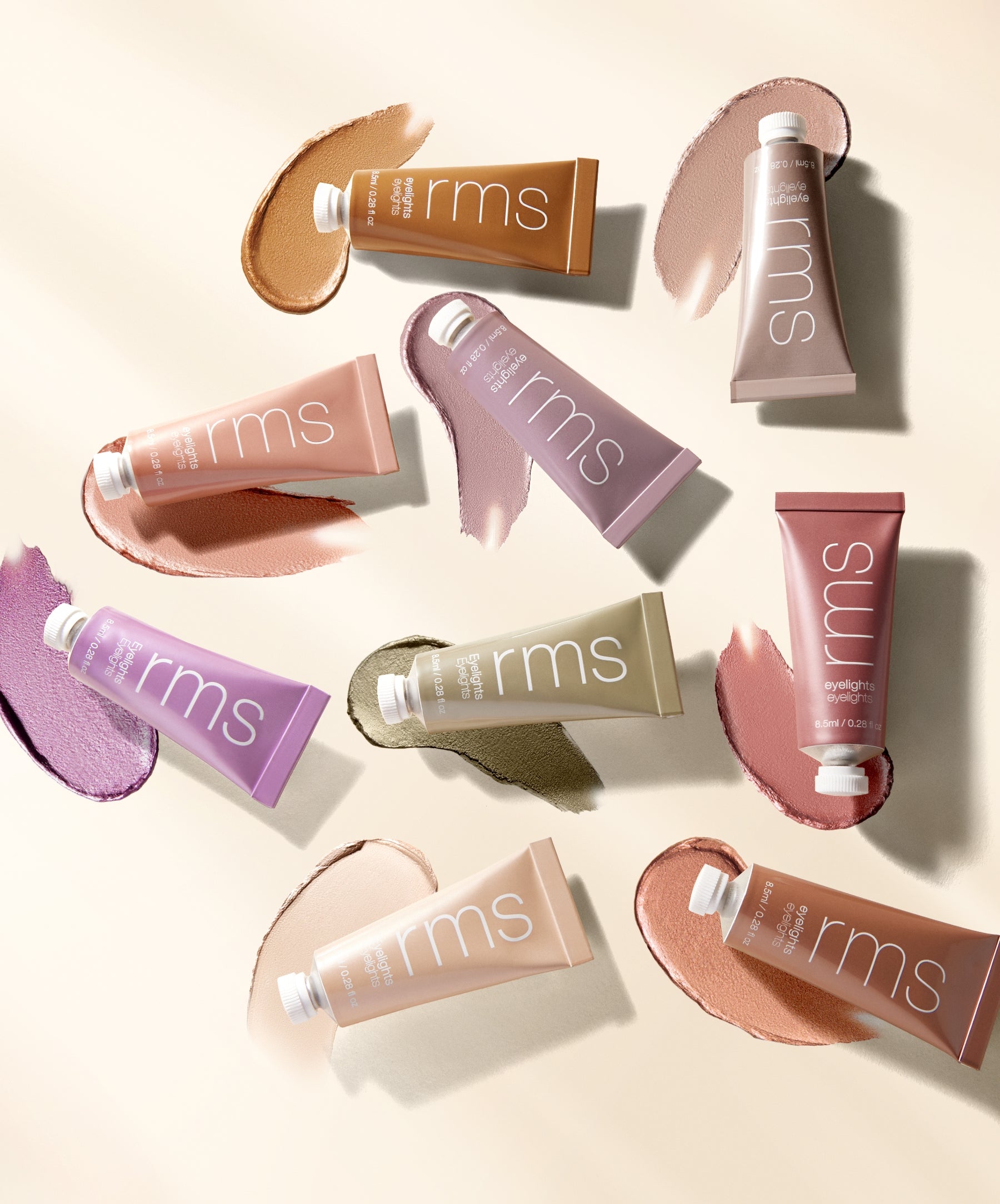
Taupe and cream shadows may feel safe, but neutral skin tones handle bolder color families better than almost any other skin type. Plums, violets, warm reds, and dusty pinks all pair well with neutral undertones and bring out both warm and cool eye colors.
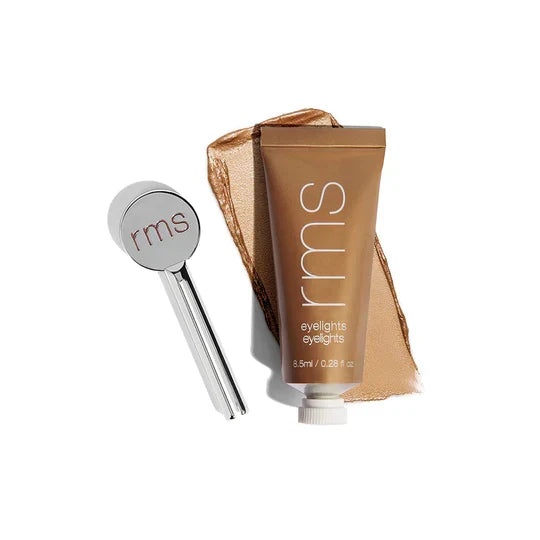
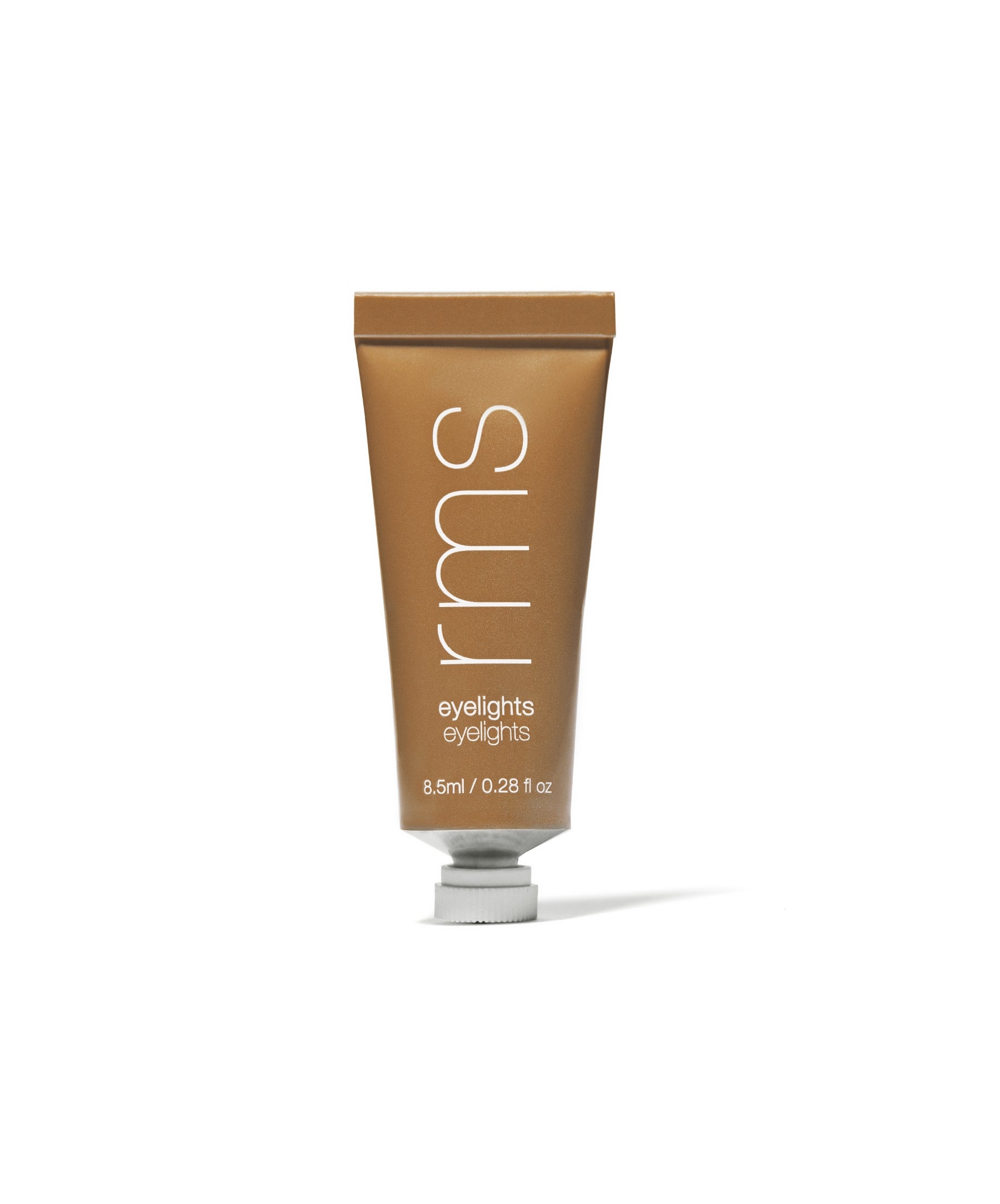
A long-wearing cream eyeshadow adds a pop of color that lasts all day without creasing. In a 7-day consumer study on 30 individuals, 100% agreed the formula lasted all day, 100% agreed there was no fallout, and 97% reported no smudging.
Three Don'ts for Neutral Skin Tone Makeup
Neutral skin tones are forgiving, but a few common habits can dull their natural balance.
Don't Over-Apply Foundation
Full-coverage foundation can mask the natural dimension that makes neutral skin tones so versatile. Heavy application tends to look cakey and flat, especially where overtone variation naturally adds depth.
A sheer, buildable application in only the areas that need correction lets the rest of your skin show through. Pairing a lightweight base with a light-reflective cream highlighter adds glow without extra coverage.
Don't Reach for Heavy Bronzing Powder
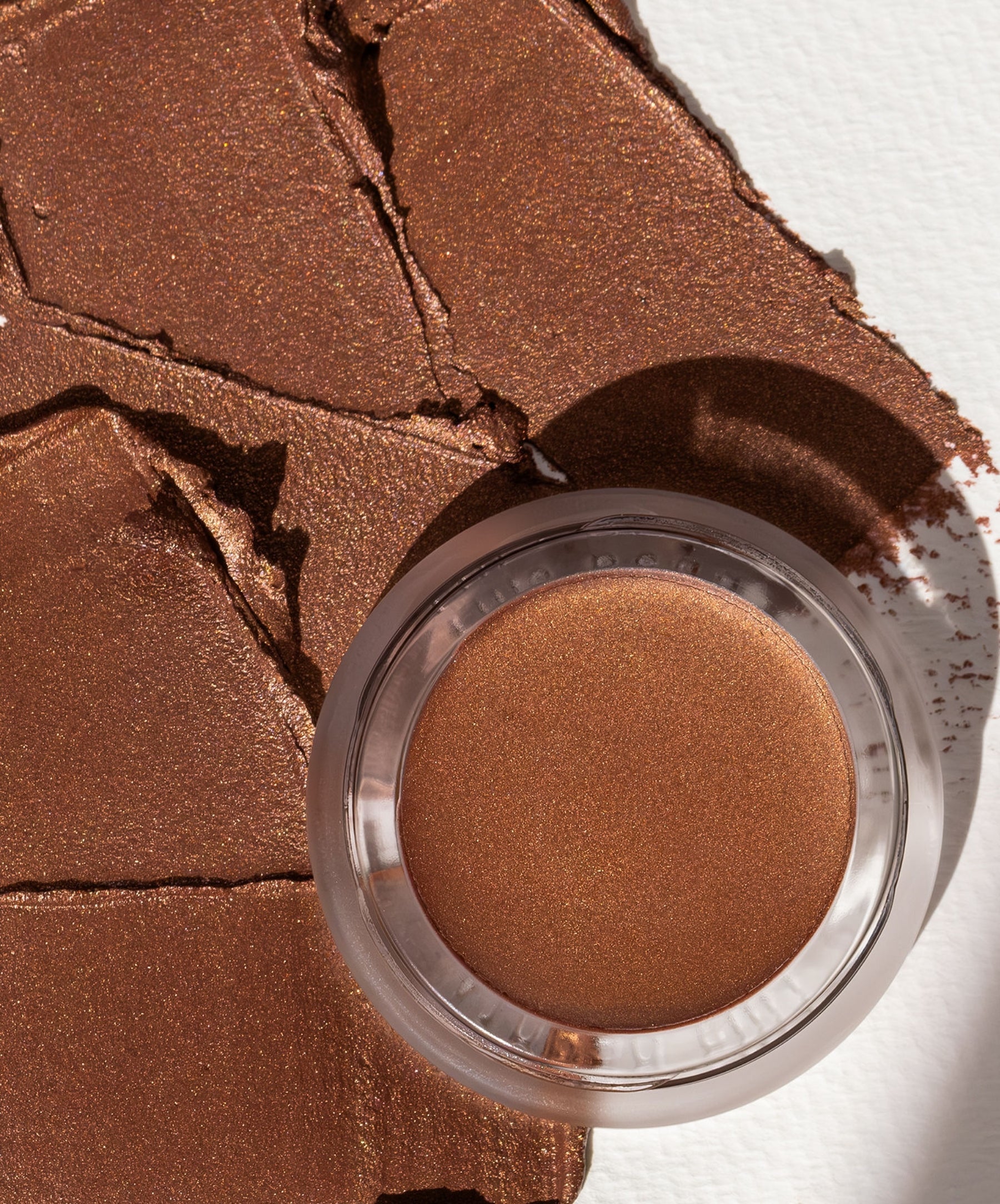
Powder bronzers can pull orange on neutral skin tones, especially when applied too heavily. A cream-based formula melts into the skin and delivers a more translucent, sun-kissed sweep of color.
A hydrating cream bronzer made with wildcrafted buriti oil blends naturally on any skin tone. Applying to the high points of the face, where the sun would naturally hit, keeps the warmth looking effortless.
Don't Get Stuck in a Neutral-Only Rut
Wearing only beige, tan, and brown every day sells a neutral skin tone short. The whole advantage of sitting between cool and warm is the ability to borrow from both ends of the color wheel without clashing.
Pair a richly pigmented satin lipstick in an orange-red or berry shade with a luminous base for a look that stays polished without competing for attention. Consider plums, coppers, and warm pinks as everyday alternatives to standard beige and brown.
Neutral Skin Tone Color Match at a Glance
| Category | Best Choices for Neutrals | What To Avoid | Why |
|---|---|---|---|
| Foundation | Flesh-toned, no strong pink or gold cast | Heavily pink or yellow formulas | Off-cast foundations fight your natural balance |
| Bronzer | Cream-based, translucent warmth | Heavy powder bronzers | Powder can pull orange on neutral skin |
| Eyeshadow | Plums, violets, coppers, dusty pinks | Only beige and brown, day after day | Neutral skin handles color better than most |
| Lip Color | Orange-reds, berries, warm pinks | Shades too close to your skin tone | Too-similar shades can wash out neutral complexions |
| Highlighter | Cream luminizers, light-reflective finish | Heavy, chunky powder highlighters | Neutral skin looks best with a soft, dewy glow |
Frequently Asked Questions About Neutral Skin Tones
What is a neutral skin tone?
A neutral skin tone falls between cool and warm on the shade spectrum. Neutral undertones often have subtle peach, beige, olive, or buff qualities, and they work well with a wide range of makeup colors from both warm and cool families.
How can I tell if I have a neutral undertone?
Check the veins on your inner wrist in natural light. A mix of blue and green, rather than a clear lean toward one color, suggests a neutral undertone. Looking equally good in both silver and gold jewelry is another reliable sign.
What foundation shade works best for neutral skin tones?
A foundation without a strong pink or golden hue gives the most natural result. Matching your shade to your undertone rather than your overtone helps the formula stay consistent through seasonal changes and sun exposure.
What makeup colors flatter neutral skin tones?
Plums, violets, warm reds, dusty pinks, copper, and honey all work beautifully on neutral skin. Your hair and eye color can help guide final choices, but very few shades are off-limits for true neutrals.
Should I avoid bronzer if I have neutral skin?
Not at all, but the formula matters. Heavy bronzing powders can make neutral skin look orange. A cream-based bronzer with a translucent, buildable finish delivers warmth that blends into the skin rather than sitting on top.
How do I keep neutral skin from looking dull?
Adding a cream luminizer to the high points of your face brings dimension and light without extra coverage. Pairing radiance-boosting products with bolder lip or eye colors keeps neutral skin looking vibrant and full of natural warmth.
Final Thoughts
A neutral skin tone is one of the most versatile starting points for any makeup routine, and the key is leaning into that flexibility rather than playing things safe. Matching foundation to your undertone, adding radiance where light naturally catches, and reaching for colors outside the standard beige palette all make a real difference.
Starting with a luminous, nourishing cream foundation and layering a hydrating cream bronzer where the sun naturally hits gives neutral skin a balanced, believable warmth. RMS Beauty's clean, coconut oil-based formulas let real skin show through, which is exactly what a neutral complexion does best.
Shop The Blog
UnCoverup Cream Foundation


Wild With Desire Lipstick

Buriti Bronzer
Eyelights Cream Eyeshadow