Skip to main content


12 Makeup Tips for Acne-Prone Skin That Really Work

The myth that all makeup causes acne has kept many from trying products that could help. But you don't have to choose between covering breakouts and protecting your skin.
Makeup for acne-prone skin works when you choose the right formulations and apply with intention.
The Best Makeup for Acne Starts With Non-Comedogenic Formulas
Non-comedogenic means a product won't clog your pores. When ingredients accumulate in pores and trap bacteria, breakouts worsen.
What Non-Comedogenic Actually Means
Non-comedogenic products don't block pores. Silica and mica, both natural minerals, can help diffuse light while absorbing excess oil without clogging. The best makeup for acne relies on these mineral bases rather than heavy oils that trap bacteria.
Check Ingredient Lists for Culprits
Common pore-clogging ingredients include cocoa butter and certain silicones. Organic jojoba oil mimics skin's natural sebum and absorbs without buildup. When you see jojoba oil listed, you're looking at a choice that won't trap bacteria on skin.
Choose Makeup With Calming Ingredients
Beyond avoiding pore-clogging, the best makeup for acne actively calms skin. Niacinamide and vitamin E can reduce redness and inflammation throughout the day.
Niacinamide Regulates Oil and Reduces Redness
Niacinamide (vitamin B3) regulates sebum production and calms inflamed skin while strengthening your barrier. When niacinamide is infused in makeup, it can reduce active breakouts and minimize the look of your pore size.
Vitamin E Provides Antioxidant Protection
Vitamin E from Spanish sunflowers (not synthetic) serves as an antioxidant when formulated into makeup for acne-prone skin. It can provide protection while remaining lightweight and grease-free.
Layer Primer to Lock Makeup in Place
A quality primer designed for acne-prone skin can prevent makeup from settling into pores. Primers create a smooth base that helps foundation adhere longer without requiring heavier application.
Oil-free primers won't compound sebum production. Look for primers with hyaluronic acid, which holds moisture without weight.
Apply Foundation With a Light Hand
Heavy foundation application may cake on skin, settle into pores, and create a barrier that traps bacteria. This is where most people with acne-prone skin go wrong.
Use a Damp Beauty Sponge for Even Coverage
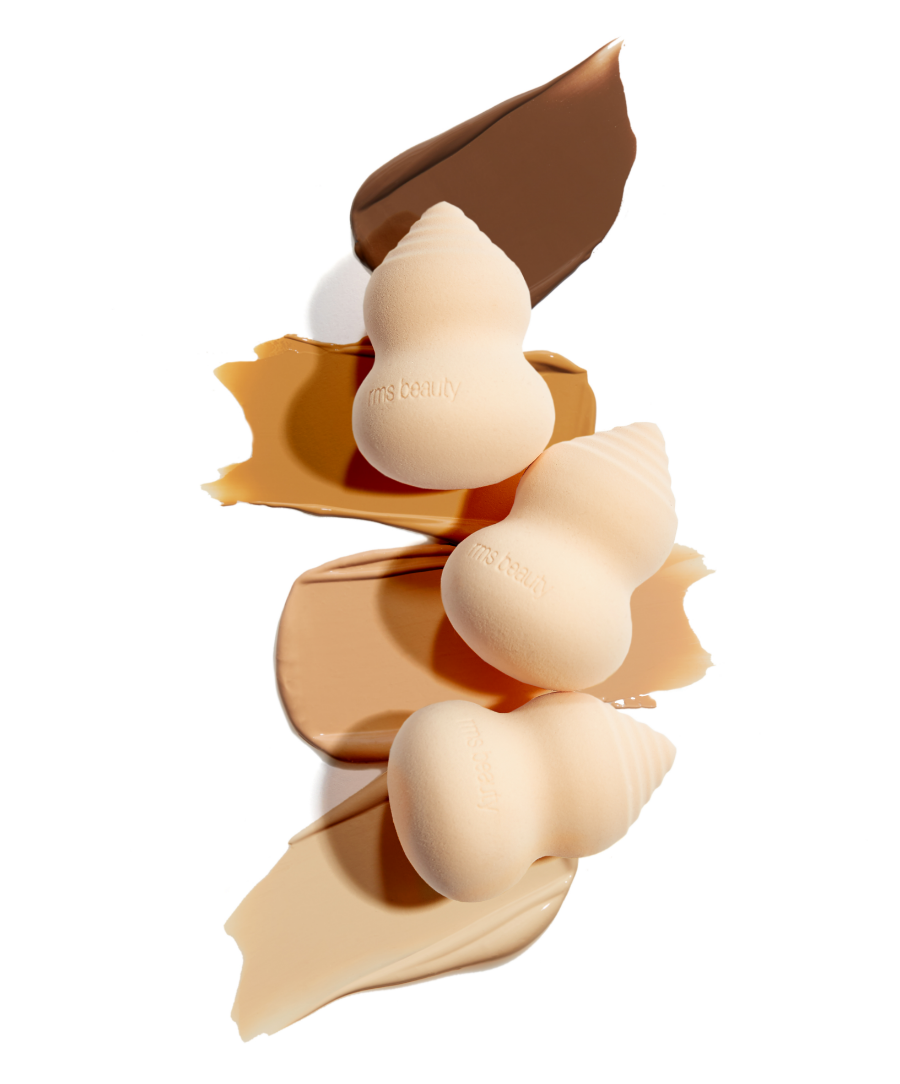
A damp beauty sponge distributes foundation more evenly than brushes or fingers. Press foundation into skin rather than buffing or dragging. Pressing motion helps the foundation meld with the skin without creating thick layers. Damp sponges also pick up less product, naturally controlling application.
Build Coverage Gradually in Thin Layers
Start with half the amount of foundation you think you need. Build coverage in thin layers rather than one heavy application. Thin layers dry down faster and don't feel heavy on congested skin. This results in a natural finish that doesn't emphasize breakouts.
Conceal Breakouts Precisely
Concealer is where you build coverage for specific blemishes, not foundation. This separation prevents piling too much product on your face.
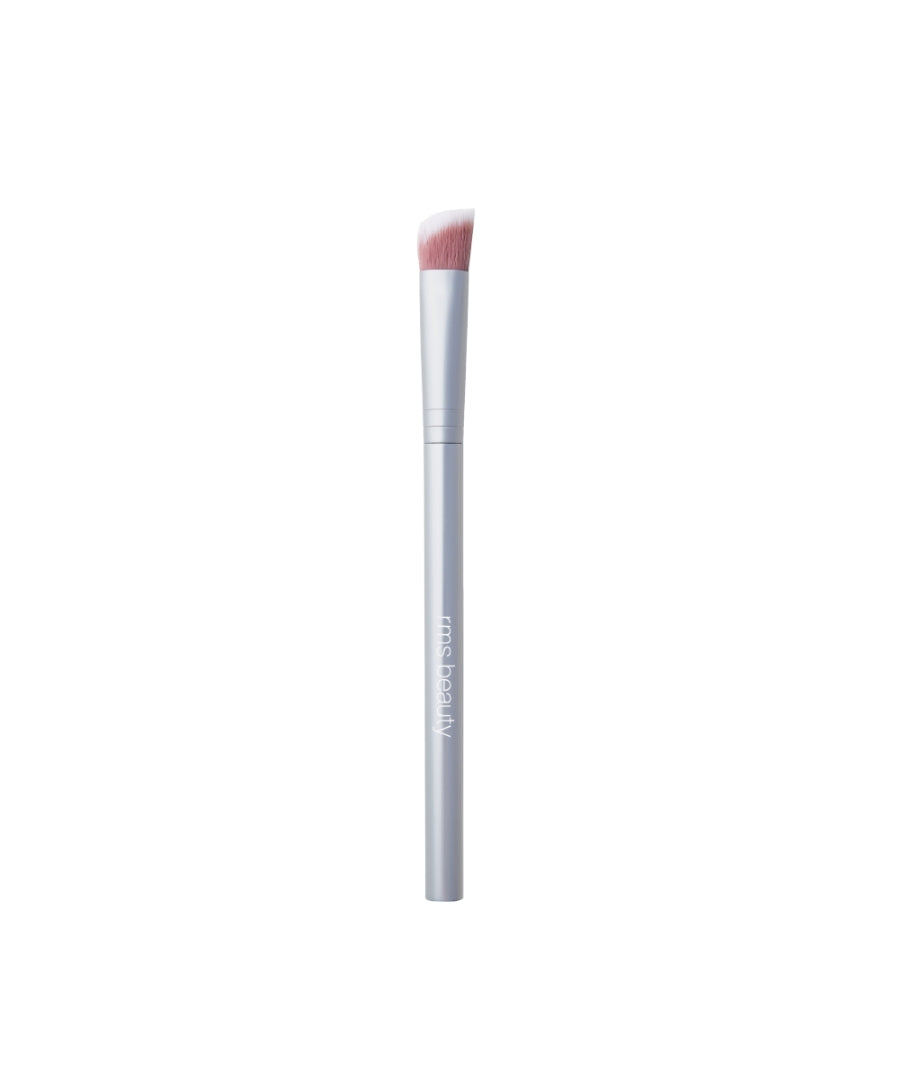
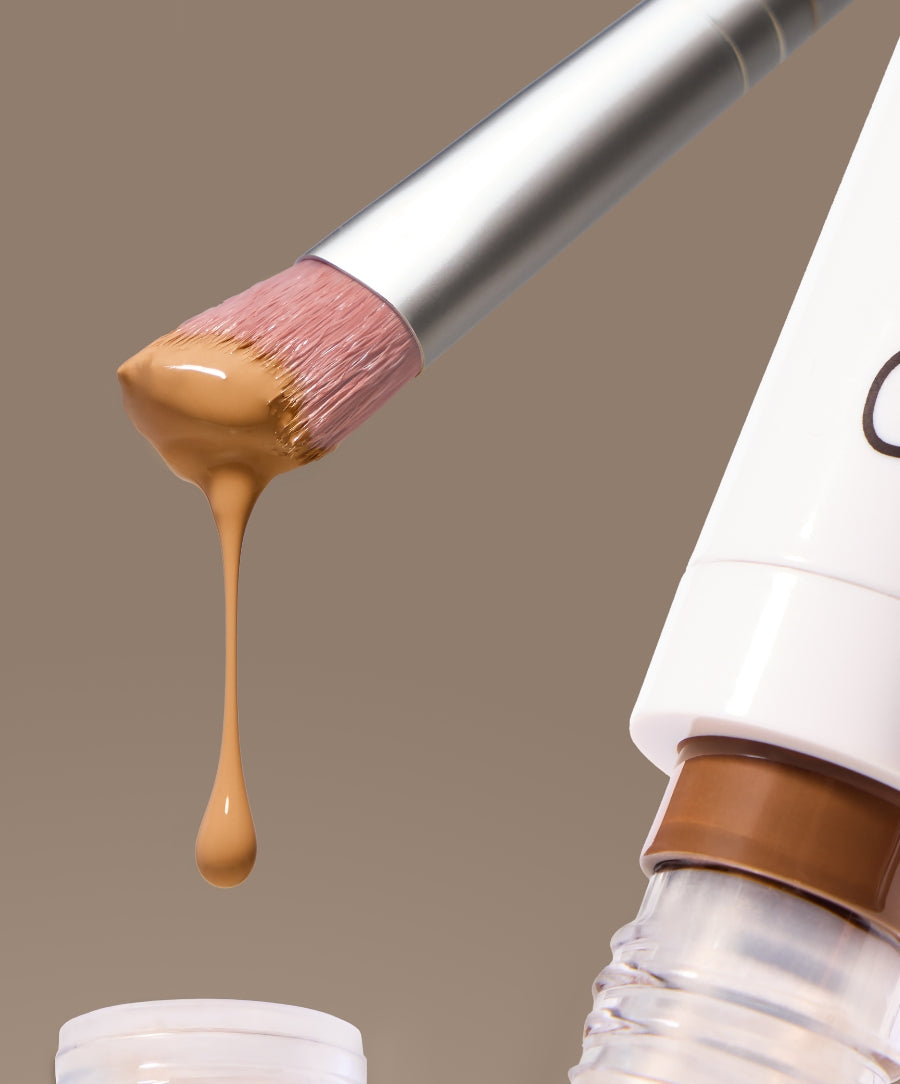
Apply concealer only to the breakout itself, using a small brush. This uses minimal product and prevents spreading bacteria across your face. Set concealer with a light dusting of powder rather than another layer of concealer. This will also minimize shine that can draw attention to bumps.
Moisturize Even Acne-Prone Skin
Acne-prone skin often feels oily, so people skip moisturizer. This may lead to dehydration, which can trigger more oil production and worsen breakouts.
Use Lightweight Moisturizers and Layer Correctly. Organic shea butter and rosehip seed oil are nutrient-rich without being heavy.
Apply moisturizer on clean skin, let it absorb for one minute, then apply primer. This ensures hydration stays on the skin. Hydrated skin holds makeup better and reduces inflammation.
Avoid Touching Your Face
Your hands carry bacteria, oils, and dirt that can transfer directly to acne-prone skin. One touch can trigger new breakouts.
Choose Mineral SPF for Acne-Prone Skin
Sun exposure darkens acne marks and makes breakouts more visible. SPF protection is non-negotiable for acne-prone skin.
Mineral sunscreens use zinc oxide or titanium dioxide to reflect UV rays. Zinc oxide is non-comedogenic and reduces inflammation. Mineral SPF formulas sit on top of the skin rather than absorbing into the pores. Tinted mineral sunscreens provide coverage and protection in one product, reducing the layers you apply.
Clean Your Makeup Tools Regularly
Dirty brushes and sponges can reintroduce bacteria back onto your face with every application. This is one of the biggest contributors to acne flare-ups among makeup wearers.
Use a gentle cleanser to wash brushes at least once weekly under warm running water. Replace sponges every two weeks because bacteria thrive in their porous, damp structure. Fresh tools ensure you're not re-contaminating your skin each time you apply makeup.
Double Cleanse at Night
Makeup acts as a barrier on the skin. If you don't fully remove it, that barrier can trap oil, bacteria, and dead skin cells overnight, creating conditions for acne.
Start with an oil cleanser or cleansing balm, then a water-based cleanser. Oil dissolves makeup without stripping skin.
- Apply your oil cleanser or cleansing balm to dry skin, massage for 30 seconds, then add water to emulsify.
- Follow with a gentle, non-comedogenic water-based cleanser.
This two-step double cleansing approach ensures complete makeup removal without irritation.
Try RMS Beauty for Acne-Prone Skin
RMS Beauty prioritizes clean ingredients that perform without compromise. Acne-prone skin and makeup coexist when you choose non-comedogenic formulations, apply with intention, and remove makeup nightly. Clean ingredients support skin barrier function while providing coverage.
Ready to wear makeup that supports your skin? Book a free Artist Advice consultation to find the right makeup for acne-prone skin in your shade.
Frequently Asked Questions
Q. Does makeup cause acne?
Makeup doesn't inherently cause acne, but comedogenic formulas, dirty applicators, and sleeping in makeup do. Non-comedogenic makeup applied with clean tools and removed nightly won't trigger breakouts.
Q. What's the best makeup for acne-prone skin?
The best makeup for acne is non-comedogenic, mineral-based, and generally formulated with niacinamide and vitamin E. RMS Beauty's clean formulas meet these standards.
Q. Can you wear makeup if you have acne?
Yes, when you choose the right formulas and apply them correctly. Clean ingredients and proper application won't worsen breakouts.
Q. How do you apply makeup to acne-prone skin?
Cleanse, moisturize, prime strategically, apply foundation thinly with a damp sponge, conceal breakouts precisely, and set with mineral powder. Remove all makeup nightly with double cleansing.
Q. Can a concealer cause more acne?
Concealer can trigger acne if it's comedogenic, applied heavily, or left on overnight. Use non-comedogenic concealer, apply only to breakouts, and remove completely before bed.
Q. Is mineral makeup better for acne-prone skin?
Mineral makeup is often better because silica and mica absorb oil and don't clog pores. However, check the overall formula and ingredients regardless of the label.
Shop The Blog
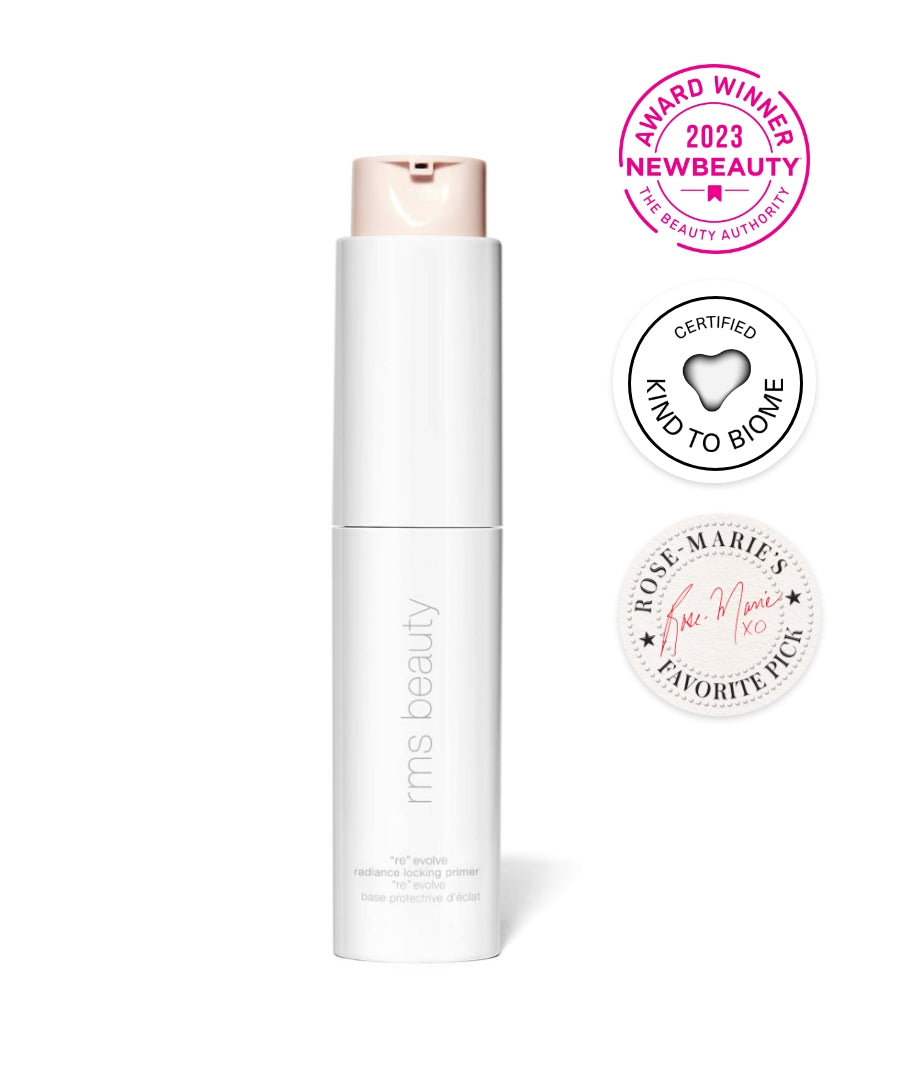
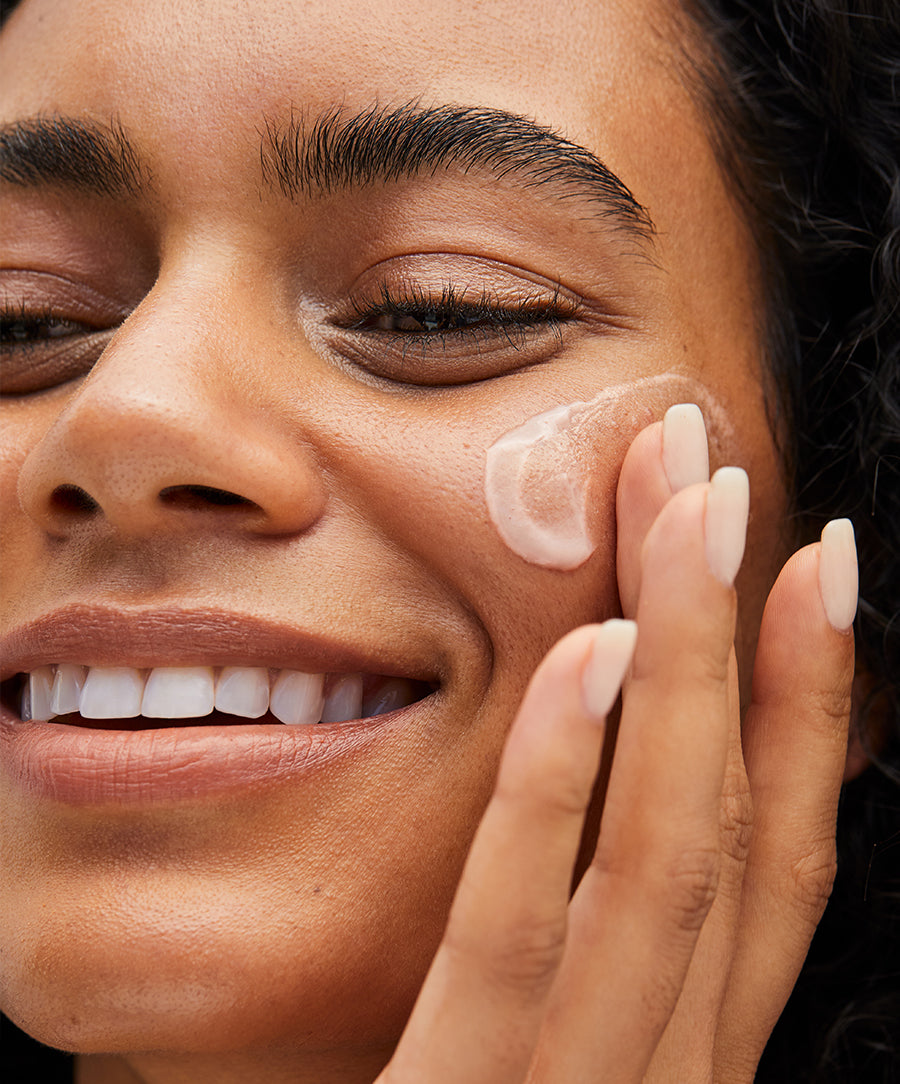
ReEvolve Radiance Locking Primer
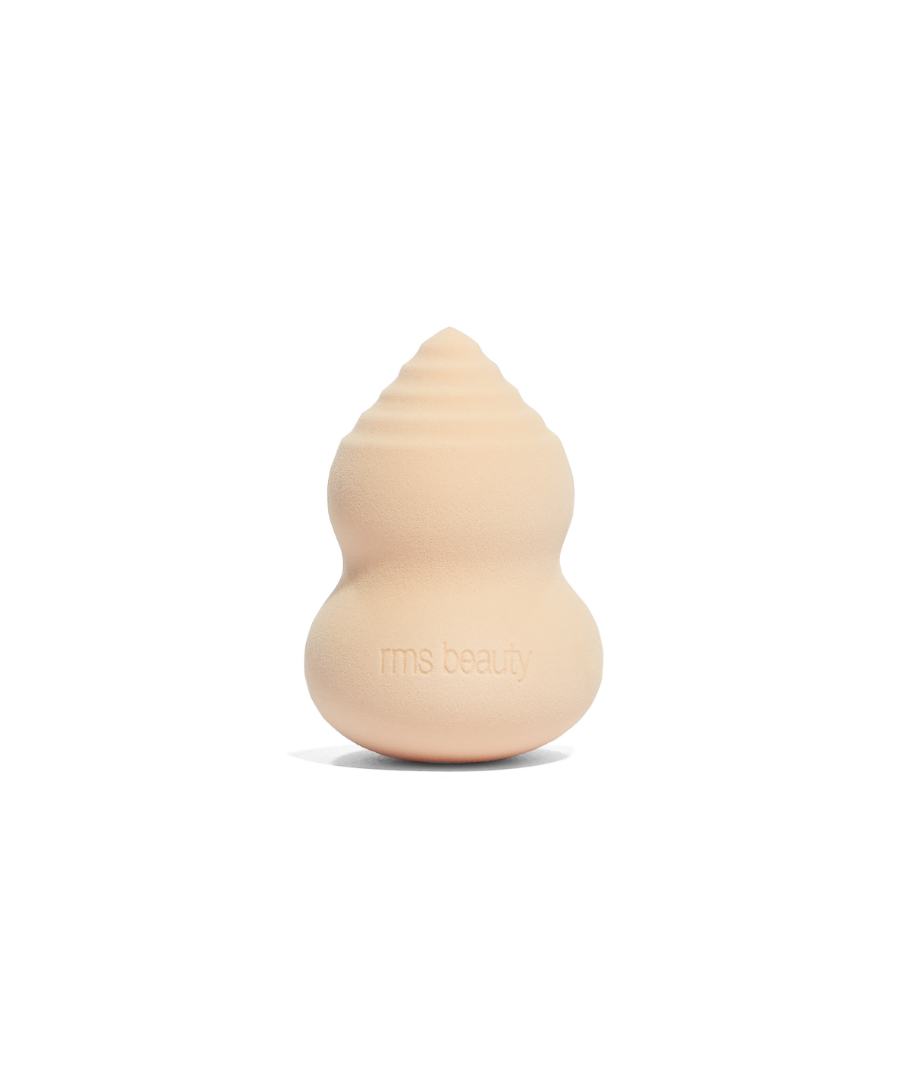
Skin2Skin Beauty Sponge
Skin2Skin Concealer Brush