 Skip to main content




Serum vs Moisturizer: Key Differences and How to Use Them

Most people buy serums and moisturizers without understanding what each one actually does, then wonder why their skin looks flat or feels tight. Your skin deserves more than guesswork.
The reality is straightforward: these products solve different problems, and using them the right way can create visible results.
What Does a Serum Do for Your Face?
Serums are concentrated liquids designed to address specific skin concerns with precision. A serum contains a higher concentration of active ingredients that penetrate deeply into skin layers, targeting fine lines, dark spots, uneven texture, and loss of radiance. Unlike heavier products, serums use smaller molecular compounds that reach deeper skin cells where they matter most.
When you apply a serum, you're delivering targeted nourishment directly where your skin needs it.
How Serums Work
-
Penetrate multiple layers of skin with lightweight formulas
-
Deliver concentrated actives like peptides, niacinamide, and antioxidants
-
Address specific concerns rather than general hydration
-
Absorb quickly without residue
Common Serum Benefits
-
Smoothing fine lines and wrinkles
-
Brightening dull or uneven skin tone
-
Strengthening skin firmness
-
Calming irritation and redness
Understanding the Core Difference between Serums and Moisturizers
Serum or moisturizer is not an either-or choice. These products serve different but complementary purposes. While serum works deep within skin layers, moisturizer creates a protective barrier on the surface. Moisturizer locks in water and prevents dehydration, which causes dryness, irritation, and premature aging.
Think of serum as a targeted treatment and moisturizer as a protective seal.
| Feature | Serum | Moisturizer |
|---|---|---|
| Texture | Lightweight, absorbs instantly | Rich, creamy, sits on the surface |
| Concentration | High active ingredient content | Lower active ingredient content |
| Purpose | Target specific concerns | Lock in hydration, protect |
| Penetration | Deep skin layers | Surface level |
| Best For | Fine lines, texture, dullness | Dry skin, dehydration, barrier repair |
The Correct Application Order of Serums and Moisturizers
Apply serum before moisturizer every time. Serums contain molecules that penetrate efficiently only when the skin is clean and slightly damp. Applying serum first allows active ingredients to reach deeper layers without a moisturizer barrier blocking absorption.
Once the serum sets, the moisturizer seals everything in.
Step-by-Step Application
- Cleanse face and pat skin until slightly damp
- Apply serum with gentle taps using fingertips
- Wait 60 seconds for full absorption
- Apply moisturizer in upward circular motions
- Press moisturizer into face, neck, and décolleté
Timing matters. A one-minute wait between serum and moisturizer ensures the serum penetrates before you seal it in.
Use Serum and Moisturizer Together for Optimal Results
Most people benefit from using serum and moisturizer as a duo. Serums provide targeted treatment for specific concerns, while moisturizers hydrate and protect. Together, they improve overall skin health and create more resilient skin.
Your routine works better over time. Consistent application for 4-6 weeks will give you more noticeable results than when you’re sporadic. Skin responds to layered nourishment when applied regularly.
Why Both Products Matter
-
Serums address specific issues, while moisturizers prevent new problems
-
Layering creates a comprehensive care system
-
Clean ingredients in both products work synergistically
-
Multiple skin layers need different types of nourishment
Moisturizer vs Serum: When to Use Each
Moisturizer vs serum depends on your skin's current needs and the time of day. Morning routines benefit from lightweight serums followed by a hydrating moisturizer.
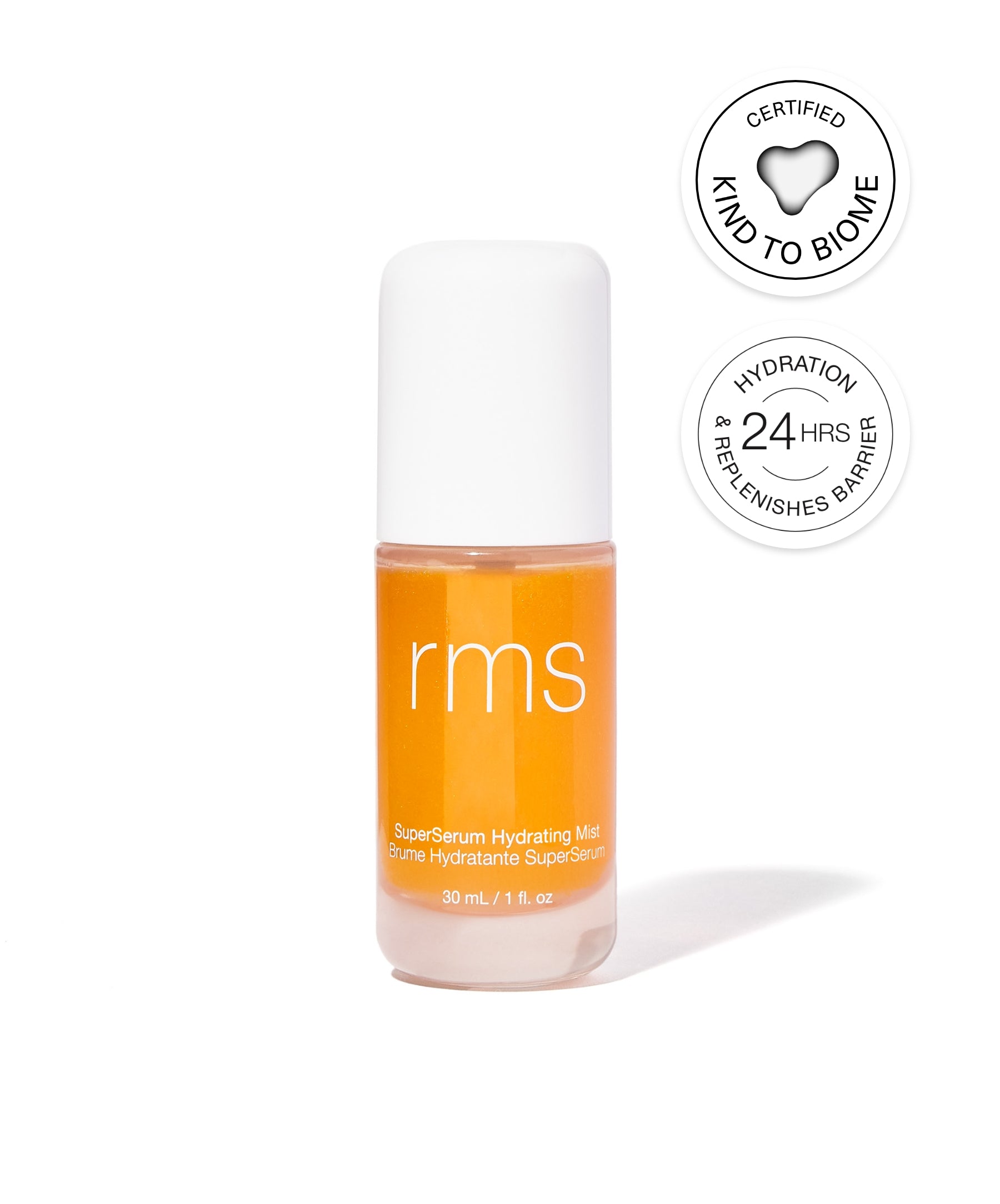
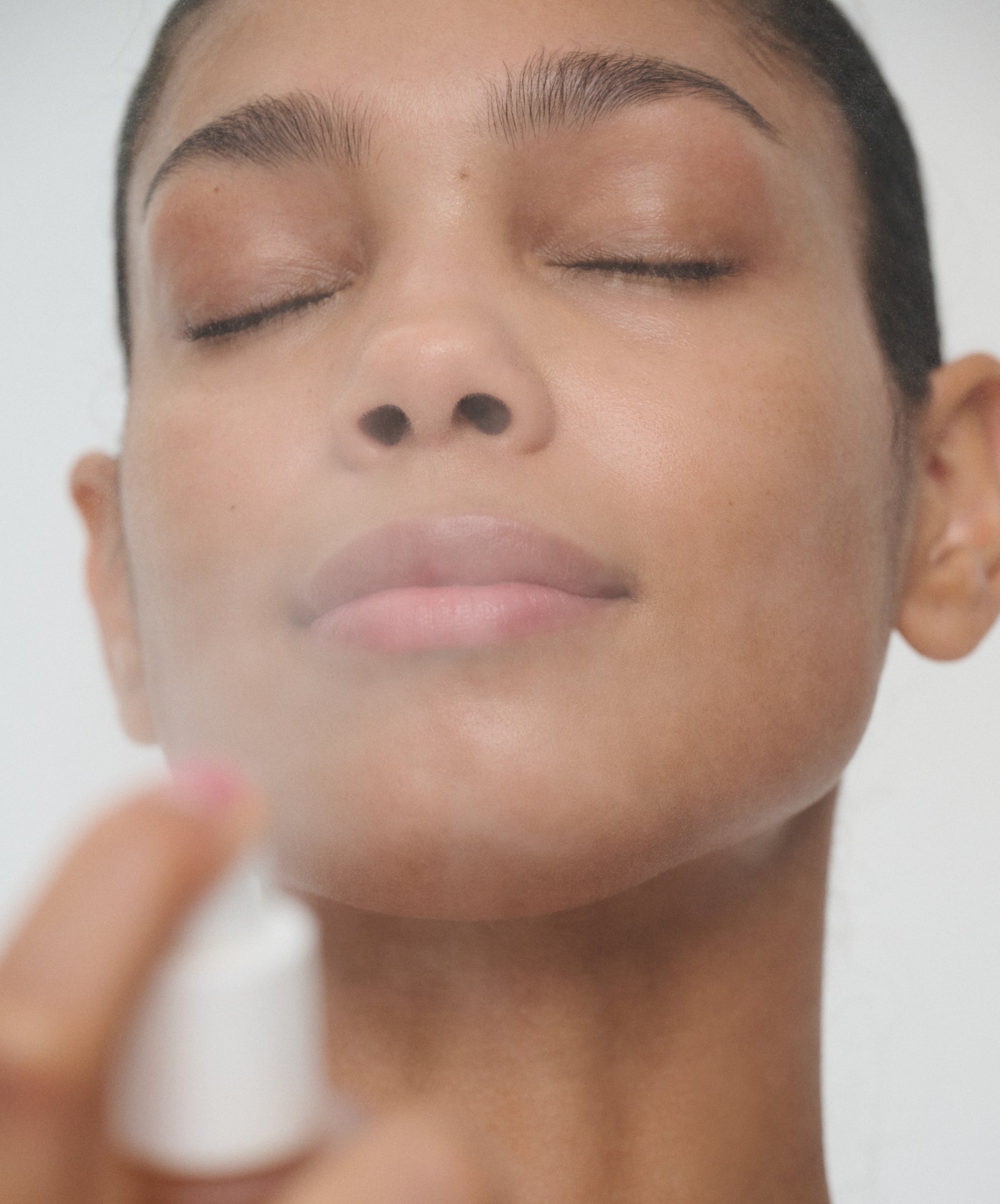
Apply a targeted treatment serum like the SuperSerum Hydrating Mist before your moisturizer, letting the lightweight dual-phase formula sink in fast before sealing with face oils or creams. The peptides and Kakadu Plum can help maximize absorption of what comes next.
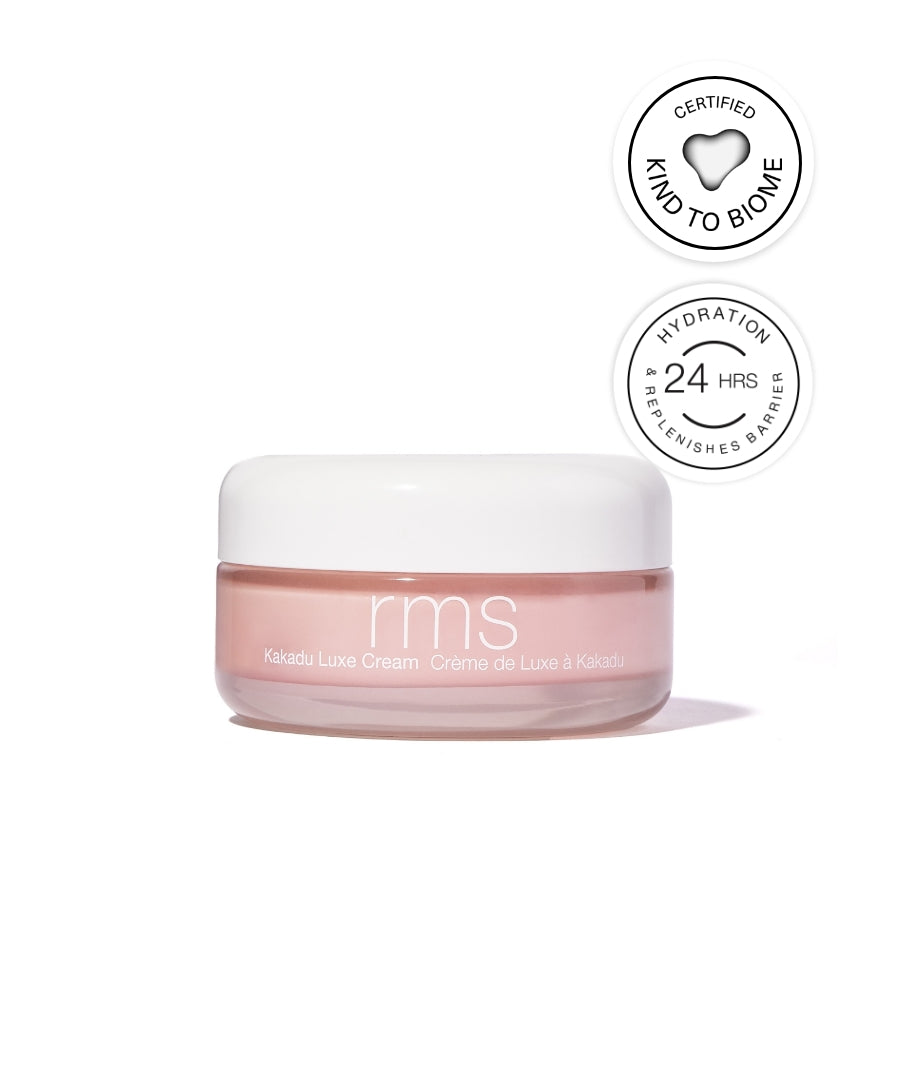
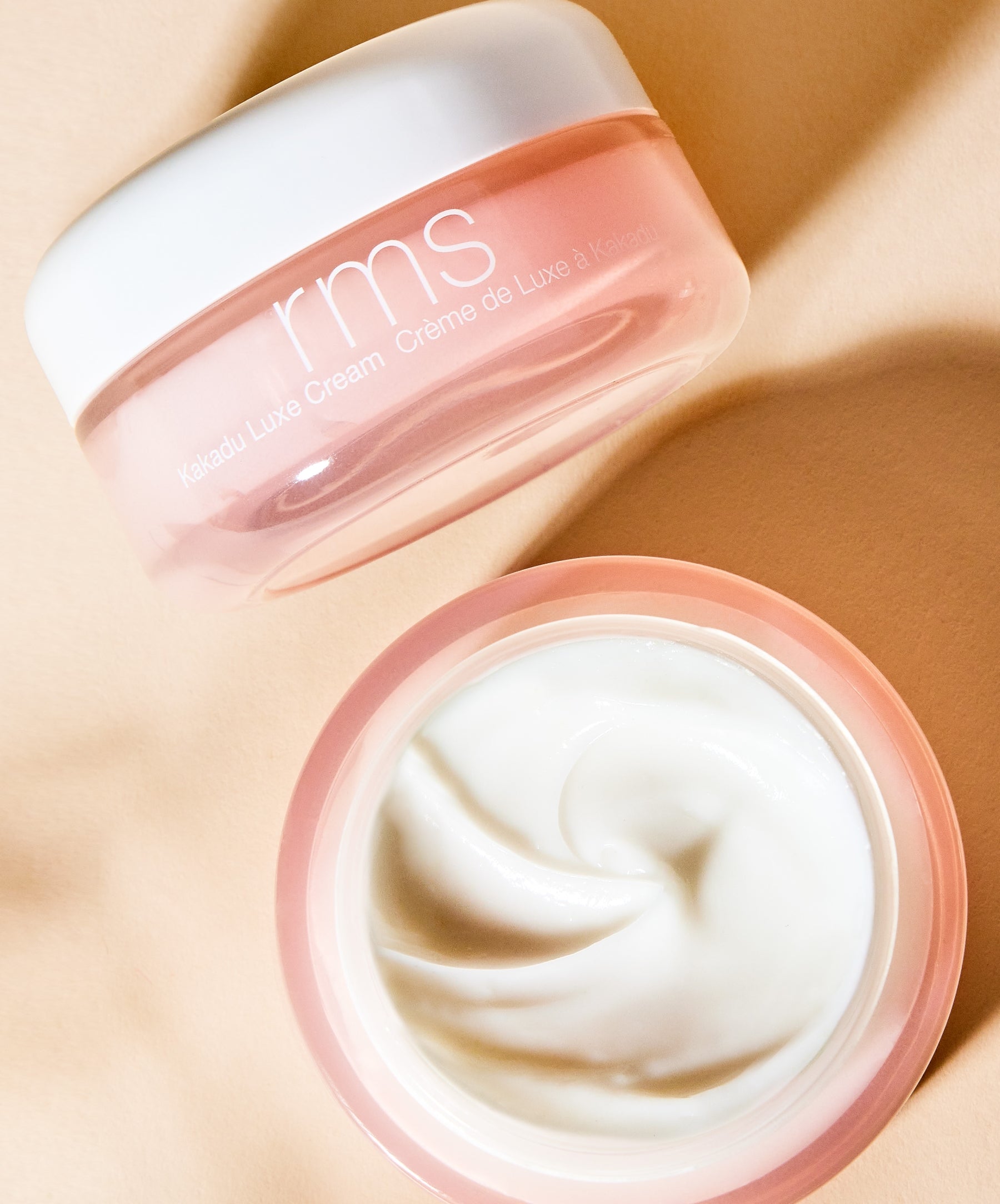
Evening routines can use richer moisturizers like Kakadu Luxe Cream, which contains skin-firming GlowPlex and Kakadu Plum to smooth fine lines while boosting radiance.
Morning Routine
-
Serum for targeted treatment
-
Lightweight moisturizer for hydration without heaviness
Evening Routine
-
Serum for deep nourishment
-
Rich moisturizer to seal in all benefits overnight
Kakadu Luxe Cream works particularly well at night, delivering rich hydration with Shea Butter and radiance-boosting Kakadu Plum. The fast-absorbing formula with niacinamide and natural peptides balances, protects, and improves skin texture without feeling greasy.
Building Your Routine with Clean Ingredients
Clean ingredients matter in both serums and moisturizers. Products formulated with natural ingredients like organic Shea Butter, Kakadu Plum Seed Oil, and botanical extracts nourish skin without synthetic chemicals or harsh fragrances.
Fragrance-free formulas prevent irritation and allergic reactions that scented products can trigger. Natural ingredients contain antioxidants, vitamins, and minerals that nourish skin properly.
Look for:
-
Fragrance-free formulas that won't irritate
-
Natural ingredients with proven benefits
-
Clean ingredient lists you can understand
-
Products free from synthetic chemicals
Final Thoughts
Serum vs moisturizer isn't a question of choosing one. Both products serve essential functions when applied in the right order. Serum first penetrates deeply with concentrated actives, then moisturizer seals everything in. Consistency matters more than perfection, so use products you'll actually apply regularly.
Ready to layer properly? Start with a quality serum for your specific concern, then follow with a moisturizer for rich, replenishing hydration. Your skin will show you what consistent, informed care can do.
Frequently Asked Questions
Q. What does serum do for your face that moisturizer doesn't?
Serums penetrate deeper with concentrated actives to target specific concerns like fine lines and dark spots, while moisturizers work on the surface to lock in hydration and protect the skin barrier.
Q. Should I use both serum and moisturizer?
Yes. Most people benefit from both products. Serums address specific skin concerns while moisturizers prevent dehydration and protect skin. Together, they create a complete skincare system.
Q. Can I use serum without moisturizer?
Serums alone won't provide sufficient barrier protection or lock in hydration. Always follow serum with moisturizer to seal in benefits and prevent dehydration.
Q. What's the difference between serum and moisturizer first in my routine?
Always apply serum first, wait about 60 seconds, then apply moisturizer. This order allows serum to penetrate deeply before the moisturizer barrier is applied on top.
Q. How often should I use serum and moisturizer together?
Daily use works best for most people. Apply serum and moisturizer morning and evening as part of your regular routine to see consistent results.
Q. What if my skin is sensitive to serums and moisturizers?
Choose fragrance-free products with clean, natural ingredients. Patch test new products on a small area first, and discontinue use if irritation occurs. Look for formulas specifically designed for sensitive skin.
Shop The Blog
Kakadu Luxe Cream
SuperSerum Hydrating Mist
Kakadu Beauty Oil


