Skip to main content


Eye Makeup For Different Eye Shapes: A Complete Guide

The right eyeshadow placement can make a subtle, borderline unfair difference. And the wrong placement? Well, that just means your hard work disappears into a crease or gets swallowed by a fold the second you open your eyes.
Getting different eye shapes and makeup right is less about following rigid rules and more about knowing where to place light, where to place depth, and how your specific anatomy interacts with color. Once that clicks, every technique becomes more intuitive, and getting ready feels less like guesswork.
Here is what works for each eye shape, broken down by shadow, liner, and lashes.
How to Identify Your Eye Shape
Before picking up a single brush, you need to know what you are working with. Stand in front of a well-lit mirror, look straight ahead, and pay attention to three things: your crease visibility, lid space, and the angle of your outer corners.
The Quick Mirror Check
Open your eyes naturally and observe. Can you see your crease clearly, or does skin fold over it? Does your outer corner angle upward, downward, or sit level? Is there visible white space above or below your iris? The answers point you toward one of five common shapes.
Five Common Eye Shape Categories
- Almond eyes: Have a visible crease and a slight upward lift at the outer corner. The iris is partially covered by the upper and lower lids.
- Hooded eyes: Feature a heavier brow bone that conceals most or all of the crease when open.
- Monolid eyes: Have no distinct crease. The lid surface is smooth and flat against the eye.
- Round eyes: Are wide and open, with white visible above or below the iris.
- Downturned eyes: Dip slightly at the outer corners, pulling the eye shape downward.
Most people have a blend of two shapes, so adapt the techniques below based on what feels right for your specific anatomy.
Best Eye Makeup Techniques by Eye Shape
Different eye types and makeup require different strategies. The fundamental principle stays the same across all shapes: darker shades push features back and create depth, lighter shades pull features forward and open things up. Where you apply each is what changes.
Almond Eyes, the Most Versatile Canvas
Almond eyes handle almost everything well. Apply a medium transition shade into the crease, and use a deeper tone along the outer third of the eyelid to define the natural lift. A crease-proof cream eyeshadow works beautifully here because the visible lid space gives color room to catch light.
For liner, follow the natural upward angle of your lower lash line to create a wing. A classic cat-eye looks especially striking on almond shapes. Use a kohl eye pencil along the lash line, then smudge with the sponge tip for a soft, lived-in effect.
Hooded Eyes, Work Above the Fold
The goal with hooded eyes is to place color where people actually see it, which means working above the natural crease. Apply your transition shade slightly higher than your crease line while keeping your eyes open. Keep the mobile lid lighter so your eyes look larger, not smaller.
For liner, tightline your upper waterline and draw a thin line along the lash line. Finish with a straight, elongated wing that extends outward rather than flicking sharply upward. A matte cream eyeshadow with a cashmere-soft finish can help build visible color without adding bulk or creasing under the fold.
Monolid Eyes, Build Your Own Dimension
Without a crease to guide placement, monolid eyes benefit from gradient techniques that create faux depth. Apply the deepest shade right at the lash line, blend a medium shade across the middle of the lid, and finish with a light shade near the brow bone.
A bold, thick wing that tapers toward the inner corner keeps liner from disappearing when the eye is open. A talc-free eyeshadow palette with matte, satin, and metallic finishes in one compact gives you everything needed to build that dimension in a single sitting.
Round Eyes, Elongate and Define
Round eyes are wide and open, which means the priority is elongating the shape rather than adding more roundness. Apply medium shades over the lid, and blend a darker shadow heavily toward the outer V to stretch the eye outward. Skip the thick liner across the full lash line. Instead, concentrate a dark wing on the outer third that pulls horizontally.
A nourishing cream eye color with a light-reflective finish adds warmth to the center lid while keeping the outer corners defined. Pair with a peptide-powered mascara focused on outer lashes for even more elongation.
Downturned Eyes, Lift the Outer Corner
Keep the outer corner clear of heavy, dark shadows. Apply light or metallic shades to the center of the lid and blend medium tones upward and outward. For liner, start thin near the inner corner and thicken the line as you move outward, ending with a sharp upward flick to counterbalance the downward drop.
An eyeshadow brush designed for precision blending makes the upward placement much easier, especially when diffusing color at the outer corners.
Different Types of Eye Makeup and When to Use Each
Choosing the right formula matters as much as choosing the right placement. Here is a quick breakdown of different types of eye makeup and where each format performs best.
| Format | Best For | Finish | Wear Time |
|---|---|---|---|
| Cream eyeshadow | Everyday wear, mature skin, quick application | Luminous or matte, depending on shade | Up to 8 hours |
| Pressed powder shadow | Layered, multidimensional looks | Matte, satin, or metallic | All day with primer |
| Kohl pencil | Defining lash lines, smoky effects | Soft, blendable | Up to 8 hours |
| Mascara | Framing and finishing every eye look | Volume, lift, length | Up to 12 hours |
| Cream eye polish | Sheer washes of color, aging eyelids | Light-reflective | Varies |
The key point is that different eye makeup looks often come down to combining two or three formats rather than choosing just one. A cream shadow base with a powder shadow layered on top, lined with a pencil, and finished with mascara, will always outperform a single-product approach.
Final Thoughts
Eye makeup for different eye shapes does not need to be complicated. Know your shape, place your darks and lights strategically, and pick formulas that work with your lid rather than against it. Every eye shape has strengths, and the right products make those strengths obvious.
RMS Beauty's eye collection is ophthalmologist-tested, formulated with skin-loving clean ingredients like Organic Green Tea Extract and Organic Jojoba Oil, and built for all-day wear without creasing or fallout.
Whether you are after a soft wash of color or a full, sculpted eye, the line has something that fits.
Shop the full collection at RMS Beauty.
Frequently Asked Questions
Q. What is the easiest eye makeup for beginners with hooded eyes?
A single matte cream shadow applied above the crease line with a finger gives visible color without needing advanced blending techniques.
Q. Can people with round eyes wear winged eyeliner?
Yes. Keep the wing angled outward and horizontal rather than upward. Concentrate liner on the outer third instead of the full lash line.
Q. How do I stop eyeshadow from creasing on hooded eyes?
Start with a clean, dry lid and use creaseproof formulas. Cream eyeshadows with built-in longevity often perform better than powders on hooded lids.
Q. What eye makeup suits monolid eyes for evening looks?
Bold liner with a thick wing and a gradient of shadows, moving from dark at the lash line to light at the brow bone, creates drama that stays visible.
Q. Are cream or powder eyeshadows better for mature skin?
Cream formulas with nourishing ingredients tend to sit more smoothly on mature lids and avoid settling into fine lines.
Q. How many eye shapes are there?
Five main categories exist, including almond, hooded, monolid, round, and downturned, though many people have a combination of two shapes.
Shop The Blog
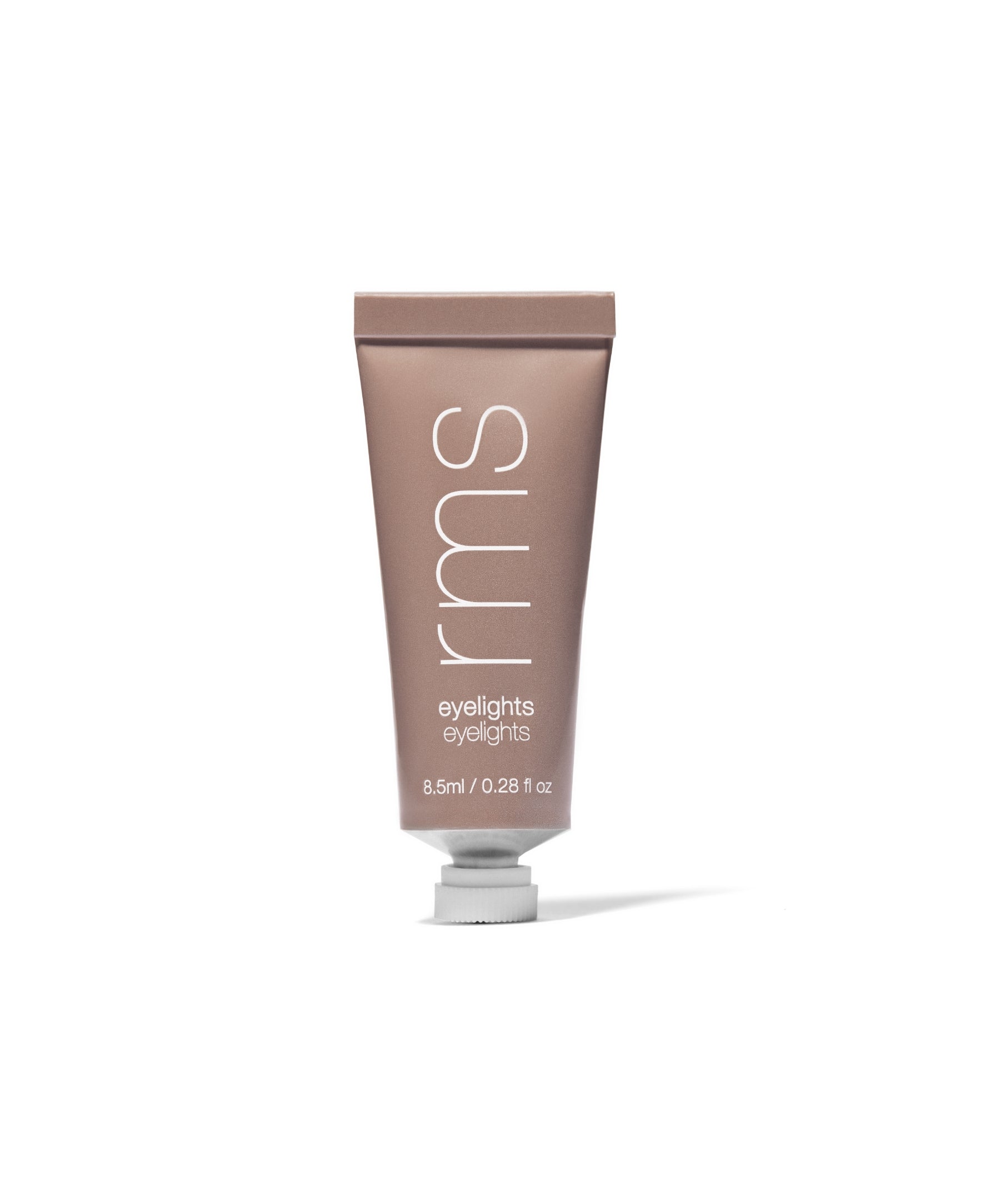
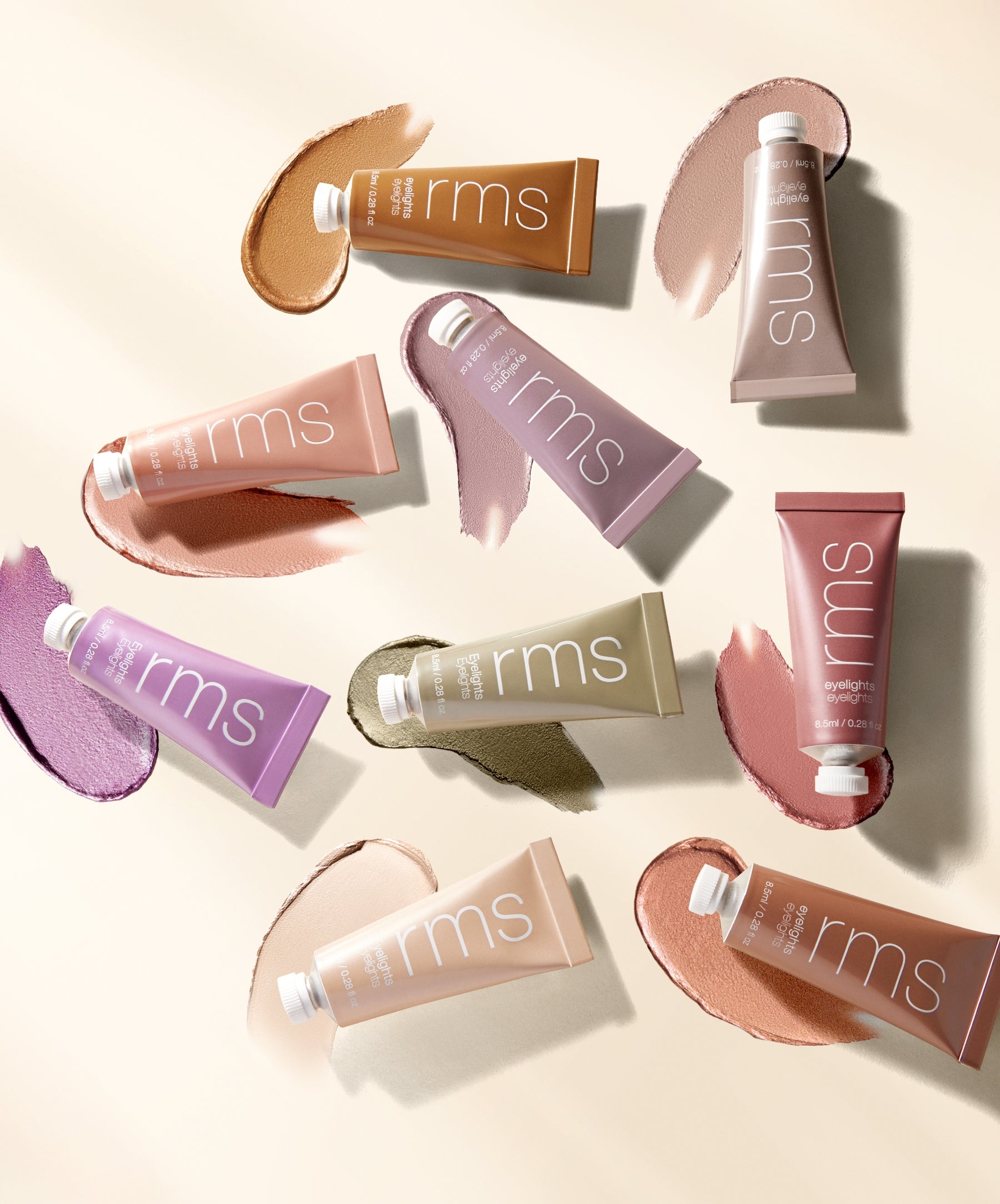
Eyelights Cream Eyeshadow
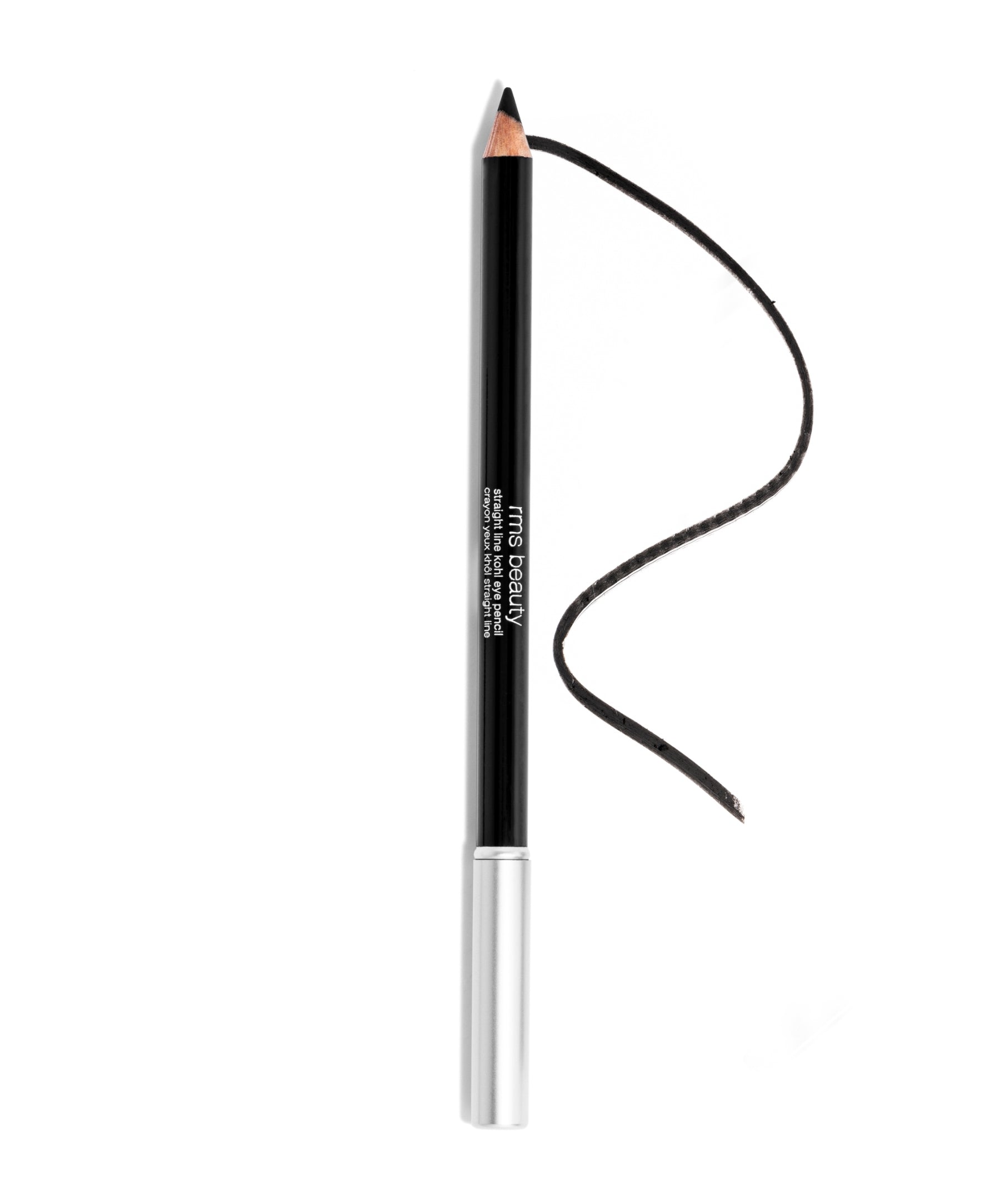
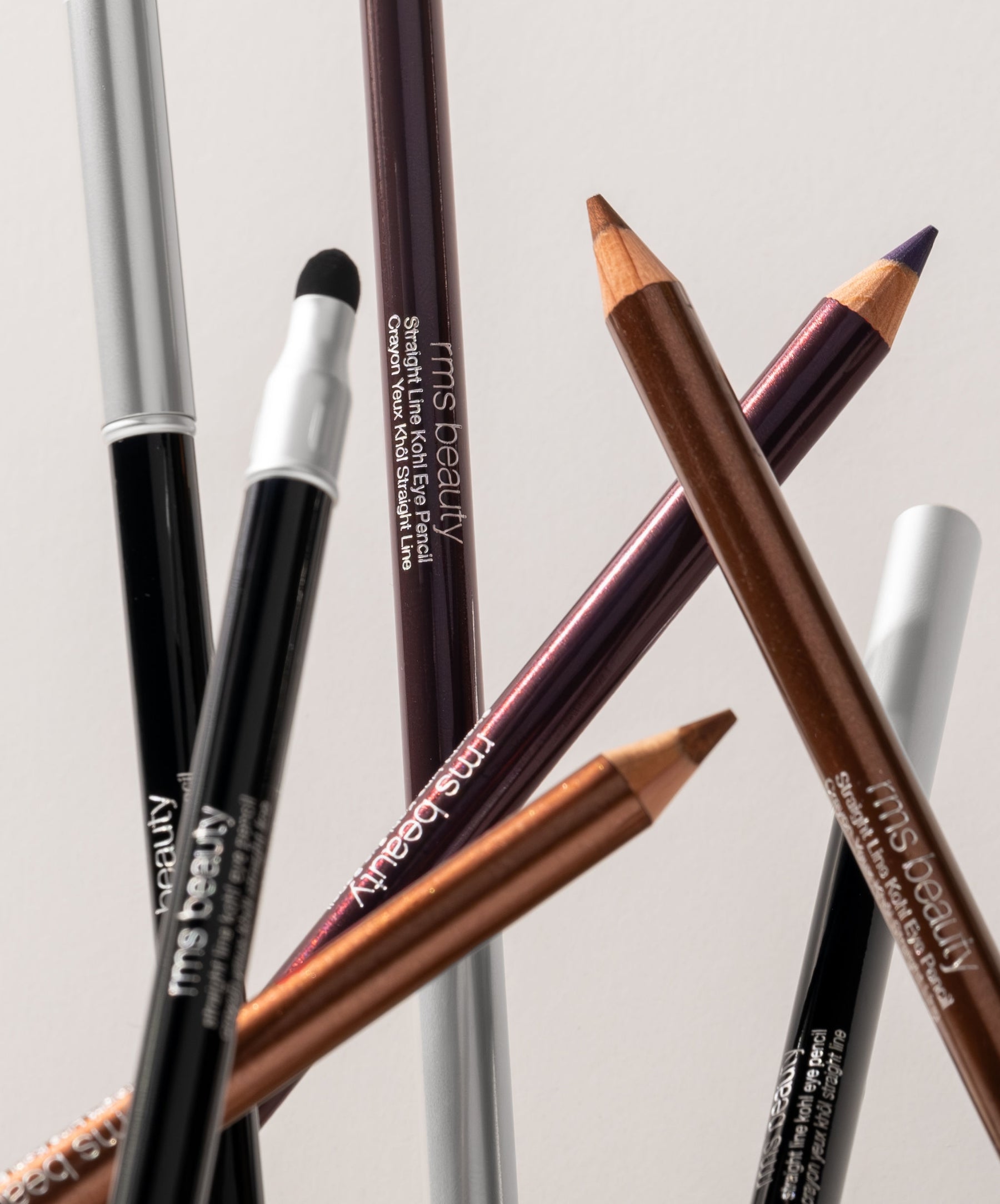
Straight Line Kohl Eye Pencil
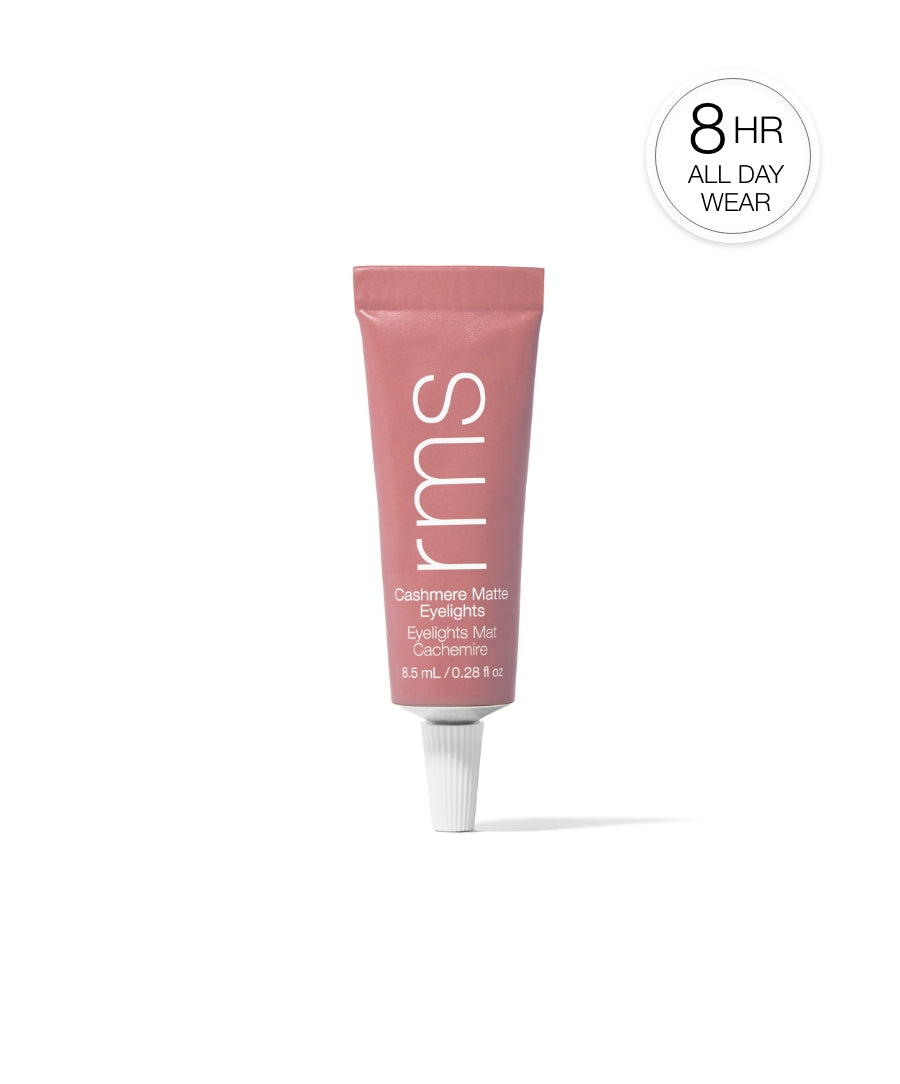
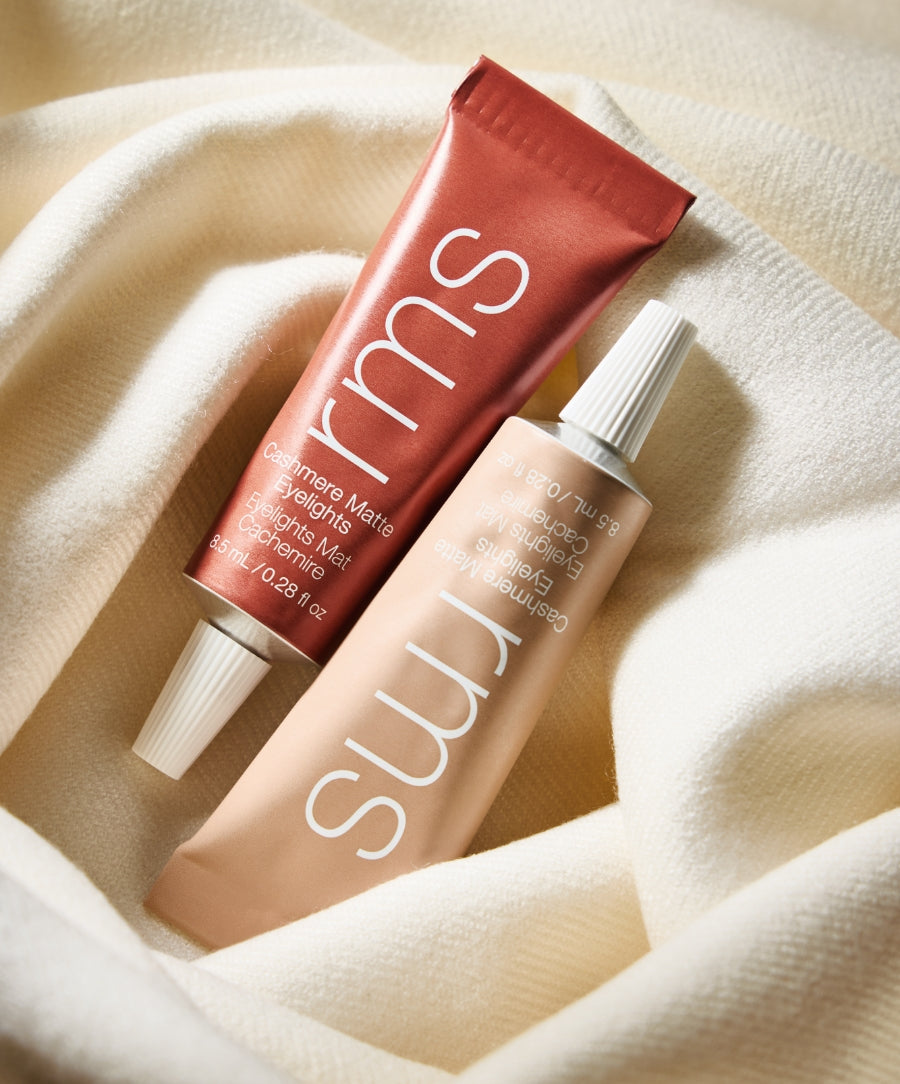
Cashmere Matte Eyelights