Skip to main content




What Is My Skin Tone? Your True Undertone

Your foundation doesn't match. Blush looks off. Concealer sits awkwardly at your jawline. The problem could be that you’re not choosing the right colors to compliment your skin tone or undertone. Because what works for one skin tone or undertone might not play so nice on another. The fix starts with knowing what you're working with.
Understanding Skin Tone and Undertone
Skin tone is the color you see in the mirror, while your undertone is the subtle hue beneath your skin's surface that never changes, regardless of sun exposure or other factors.
Skin tones can be light, medium, or deep based on melanin, the pigment produced based on sun exposure. Undertone is your permanent color filter: cool, warm, or neutral, which is often described as having olive, blue, or pink undertones.
What Is Skin Tone?
Melanin controls your skin tone. People from sunnier climates evolved darker tones for UV protection. Those from northern regions developed lighter tones. Genetics set your baseline, though sun exposure darkens skin over time.
Fair skin burns easily. Medium skin tans gradually. Deep skin has more melanin protection, but still needs sun protection. Understanding these differences helps you know what makeup will actually work.
What Are Skin Undertones?
Undertones are the colors beneath your complexion's surface that don’t change.
- Cool undertones appear red, pink, or blue-based beneath your skin
- Warm undertones display yellow, peachy, or golden hues across your complexion
- Neutral undertones blend both, often appearing olive or balanced beige
Undertones never change. Sun exposure, aging, and hormones don't alter it. This permanence makes undertone more reliable for makeup matching than surface skin tone.
Skin Tone vs. Complexion
Skin tone is one aspect of complexion. Complexion also includes texture, redness, dark circles, and overall appearance. Someone might have a medium skin tone but an uneven complexion from hyperpigmentation.
When buying makeup, consider both. A foundation matching your undertone might need adjusting if redness or uneven patches need addressing.
The Core Tests for Your Undertone
Finding your undertone takes minutes and costs nothing. Here are the most reliable methods.
The Vein Test
Look at your inner wrist in natural light. The veins reveal your undertone.
Blue or purple veins point to cool undertones. Green or olive-tinted veins indicate warm undertones. Can't decide? You're likely neutral with blue-green veins.
Veins carry deoxygenated blood, appearing blue. Cool undertones show blue clearly. Warm undertones shift blue toward green. This natural indicator rarely lies.
The Jewelry Test
Gold and silver appear differently with different undertones.
Wear silver jewelry for a day. Does it look flattering or wash you out? Gold that makes you glow suggests warm undertones. Silver that feels right means cool. Both look equally good, signals neutral.
Precious metals reflect light onto skin. Cool undertones bounce off silver beautifully. Warm undertones harmonize with gold's warmth.
The Natural Light Test
Wash your face completely. Remove all makeup and tinted products with a cleanser. Wait for your skin to settle.
Find natural window light or sunlight. Look at your jawline, where you'll blend makeup. Is it rosy, golden, or balanced?
Rosy or pinkish jawline suggests cool undertones. Golden or peachy suggests warm. Balanced suggests neutral. Your jawline is less affected by color changes than other facial areas.
Your Makeup Strategy by Undertone
Once you know your undertone, makeup shopping becomes intentional instead of guesswork.
Cool Undertones
Cool skin looks best with blue-based products. Purples, pinks, reds, and jewel tones feel natural on cool complexions.
Eyeshadows in mauves, silvers, purples, and cool grays enhance. Blush in berry, rose, or mauve creates harmony. Lip colors in cool reds, pinks, or plums work beautifully.
Warm Undertones
Warm skin shines with yellow, orange, and golden hues. Earthy tones feel right, not forced.
Eye shadows in warm browns, golds, and warm grays complement naturally. Blush in coral, warm peach, and bronze feels like skin extension. Lip colors in warm reds, corals, and oranges enhance a natural glow.
Neutral Undertones
Neutral undertones offer maximum flexibility. Both warm and cool makeup shades work beautifully.
You can experiment with purples, golds, corals, and berries freely. Products complementing your eyes or hair work better than those trying to balance the undertone.
Common Undertone Variations
Real skin is complex beyond three simple categories.
Peach Undertone
Peach combines yellow undertones with red surface tones. If skin reads peachy rather than clearly warm or cool, you lean warm.
Peach skin wears warm, peachy, and coral tones beautifully. Bronze and warm gold jewelry enhance rather than clash.
Olive Skin
Olive is actually a neutral undertone, a true balance of warm and cool. Green appears in olive skin because warm and cool colors blend equally.
Olive complexion works with both warm and cool makeup. Jewel tones and muted shades often suit best. The green in olive skin makes saturated pure colors sometimes feel off.
Undertone Matters for Your Beauty Routine
Knowing your undertone eliminates guesswork from every beauty decision. Foundation matches first try. Blush looks like a natural flush. Lip colors enhance your look.
Beyond makeup, undertone guides clothing and jewelry choices. You stop buying things looking good on someone else and start buying what harmonizes with you.
| Undertone | Jewelry | Foundation | Blush | Eyeshadow |
|---|---|---|---|---|
| Cool | Silver, platinum | Pink, red undertones | Berry, mauve, rose | Purples, silvers, cool taupes |
| Warm | Gold, copper | Yellow, peachy | Coral, peach, bronze | Warm golds, warm grays |
| Neutral | Both equally | Works both ways | Cool and warm | Full spectrum |
Final Thoughts
Identifying your true undertone stops wasting money on makeup that doesn't work. The tests are simple, free, and take minutes.
Once you know whether you're cool, warm, or neutral, shopping becomes strategic. You buy what works with your complexion. Your makeup blends seamlessly at the jawline.
RMS Beauty products are formulated for clean performance across all skin tones and undertones.
Frequently Asked Questions
Q. How do I know my skin undertone?
Use the vein, jewelry, or natural light test. The combination of all three confirms your category accurately.
Q. Can my undertone change over time?
No. Your undertone stays the same throughout your life. Environmental factors may mask it temporarily, but the underlying undertone never shifts.
Q. What if I'm between two undertones?
You're likely neutral. Neutral undertones sit between warm and cool, offering maximum makeup flexibility.
Q. Does skin tone affect which undertone I have?
No. Light, medium, and deep skin tones all exist within cool, warm, and neutral undertone categories independently.
Q. How do I find a foundation matching cool undertones?
Look for foundations labeled with pink or red undertones rather than yellow. Match at your jawline in natural light to avoid mismatches.
Q. What makes makeup look off if my undertone is mismatched?
Mismatched undertones create visual discord. Cool makeup on warm skin looks muddy. Warm makeup on cool skin appears ashy or drains color.
Shop The Blog
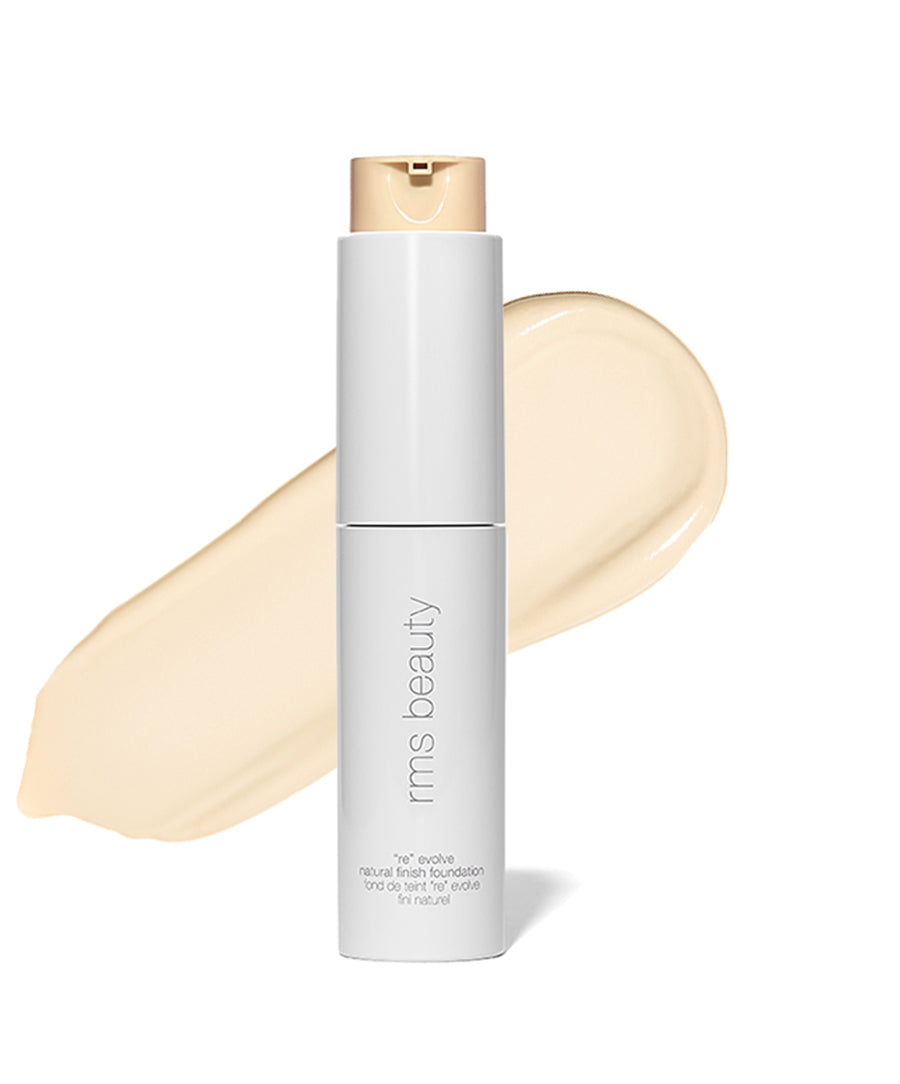
ReEvolve Natural Finish Liquid Foundation
Eyelights Cream Eyeshadow

The Wide Awake Duo