Skip to main content


How to Contour and Highlight for Every Face Shape
If you've ever wondered how that sculpted, dimension-filled look on red carpets and in magazines is created, the answer often comes down to one thing: understanding your face shape.
The secret to nailing contour makeup? Using shadows and light strategically. And it starts with knowing your unique face shape.
The beauty of contouring is that it's not about dramatic transformation or following rigid rules. It's about working with your natural bone structure to create balance and definition. Whether your face is round, oval, square, heart-shaped, or diamond-shaped, there's a contour technique that's perfect for you.
Understanding What Is Contour
At its core, contour makeup is simple: it uses darker shades to create shadow and lighter shades (highlights) to bring certain features forward. Think of it like photography lighting. Darker tones recede, lighter tones advance. When you apply contour strategically, you're essentially creating the illusion of different proportions on your face.
The goal isn't to look dramatically different. Instead, contouring on your face means enhancing your natural features and creating the facial structure you already have, just more defined.
The Difference Between Contour and Highlight
Before diving into face shapes and contouring, let's clarify the difference:
| Contour | Highlight |
|---|---|
| Uses deeper, darker shades | Uses lighter, reflective shades |
| Creates shadow and definition | Brings features forward |
| Applied to recessed areas | Applied to high points |
| Slims and sculpts | Illuminates and brightens |
Contouring and highlighting are complementary techniques that balance your facial structure.
How to do Contour for Your Face Shape
Your face shape is your contour blueprint. Here's the exact placement that flatters yours.
Oval Faces
Oval faces are naturally balanced, which means you have flexibility here. Focus your contour by applying contour along the hollows of your cheeks, just below the cheekbones. Sweep lightly along the temples and jawline. Your goal is subtle definition, not dramatic reshaping.
For highlights, focus on the center of your forehead, under the eyes, and the tops of your cheekbones to enhance what's already working.
Round Faces
Round face shapes and contouring require creating angles where softness naturally exists. Apply contour along the sides of your face from your temples down through your jawline in an angular motion. This creates the illusion of a more sculpted jawline.
Avoid applying contour all over. Placement is everything. Keep highlights on the center of your face to maintain balance.
Square Faces
Square faces have strong jawlines and defined cheekbones. Contouring for square faces means softening those angles. Apply contour to the outer edges of your forehead, temples, and along the strongest points of your jawline to round out the look.
This contour technique creates a more refined appearance without losing your natural strength.
Heart-Shaped Faces
Heart faces are wider at the forehead and narrower at the chin. Using contour here means focusing on shading your forehead temples while adding dimension to your jawline. Apply contour to the sides of your forehead and blend upward, then add a touch along the chin to balance proportions.
Diamond Faces
Diamond-shaped faces have prominent cheekbones and a pointed chin. Apply contour to the temples and blend upward, then add a small amount along the chin point. This softens the angular features while maintaining your natural bone structure.
Essential Tools for Contouring Your Face
You don't need a complicated kit. Here's all you need:
Quality Bronzer
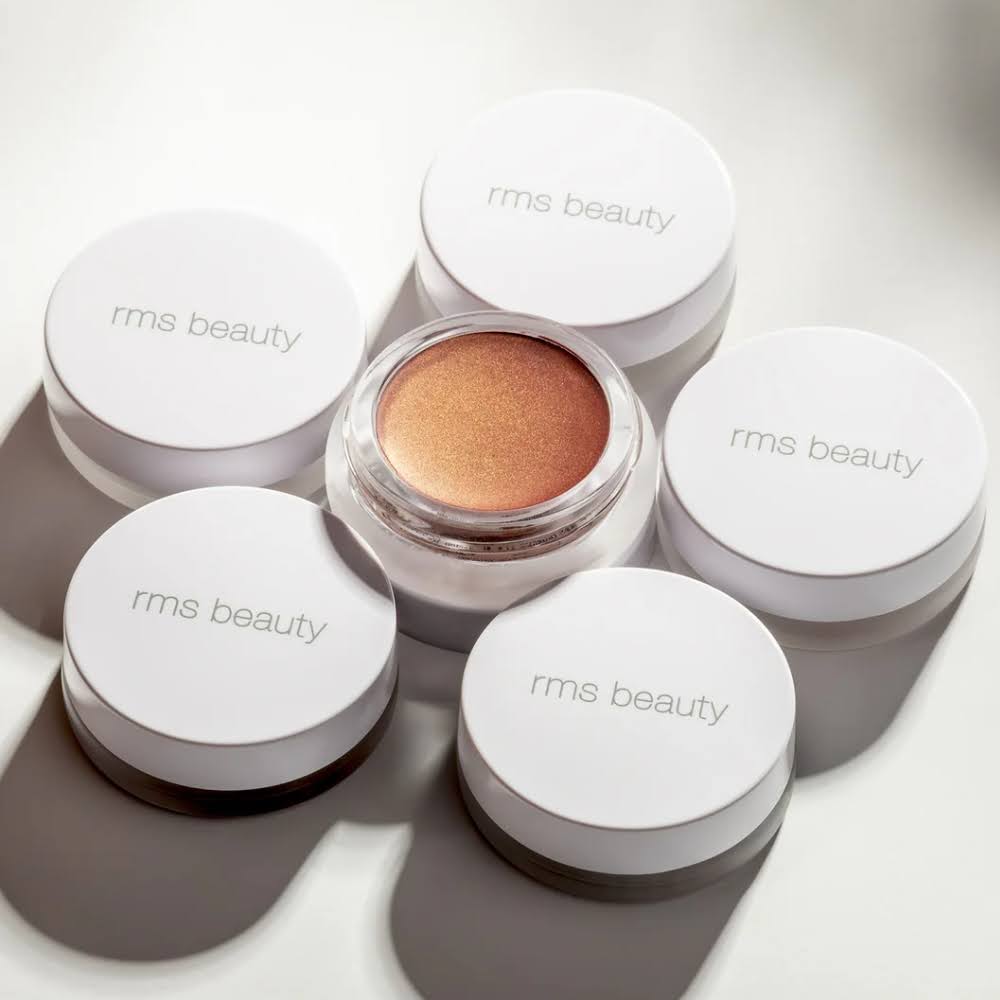
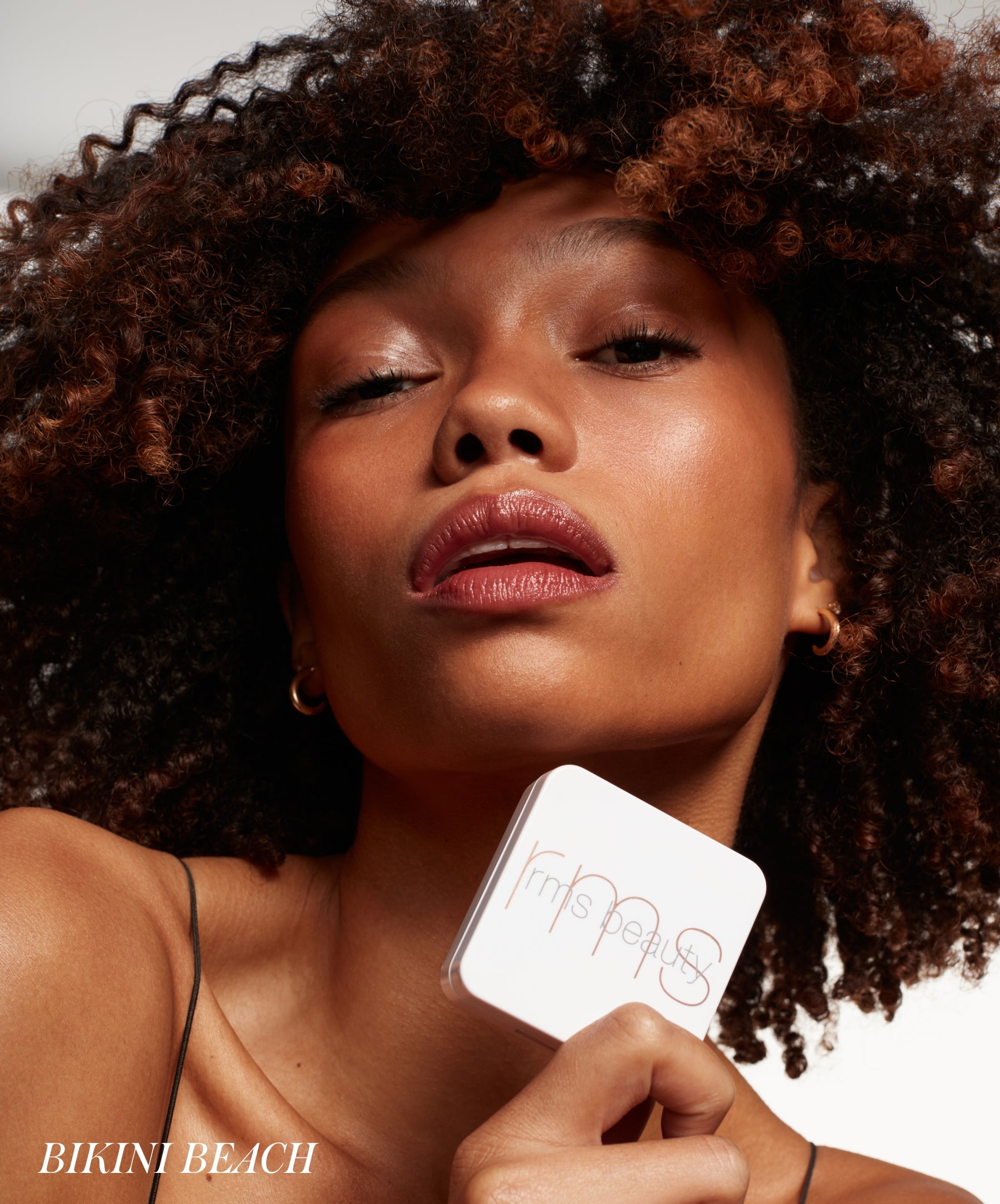
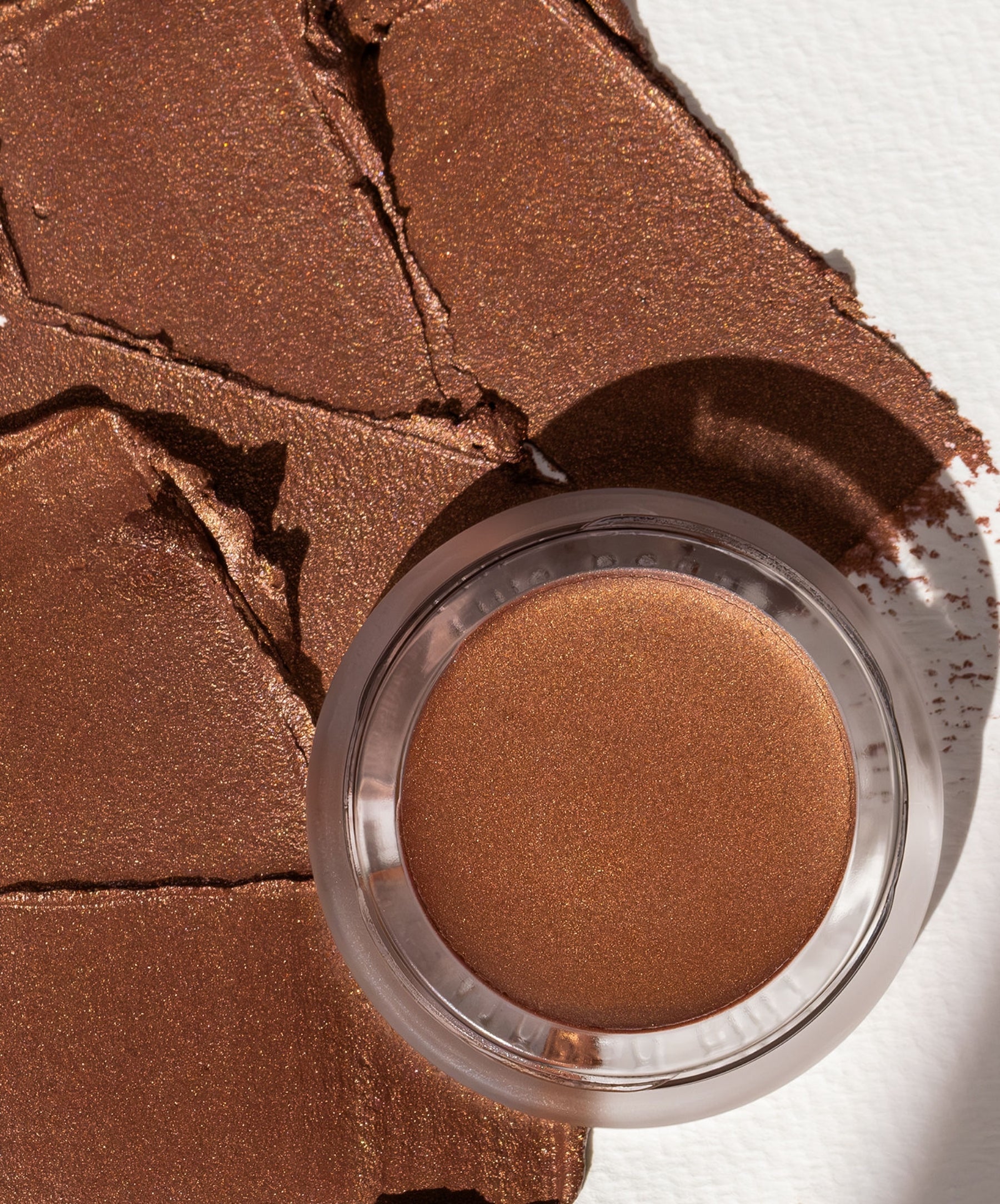
A quality cream bronzer like the Buriti Bronzer is a great product to start. If you prefer powders, the ReDimension Bronzer is a quality gel-to-powder base bronzer that will work as well. The key with both of these formulas is that they do not leave you looking orange.
The Right Brush
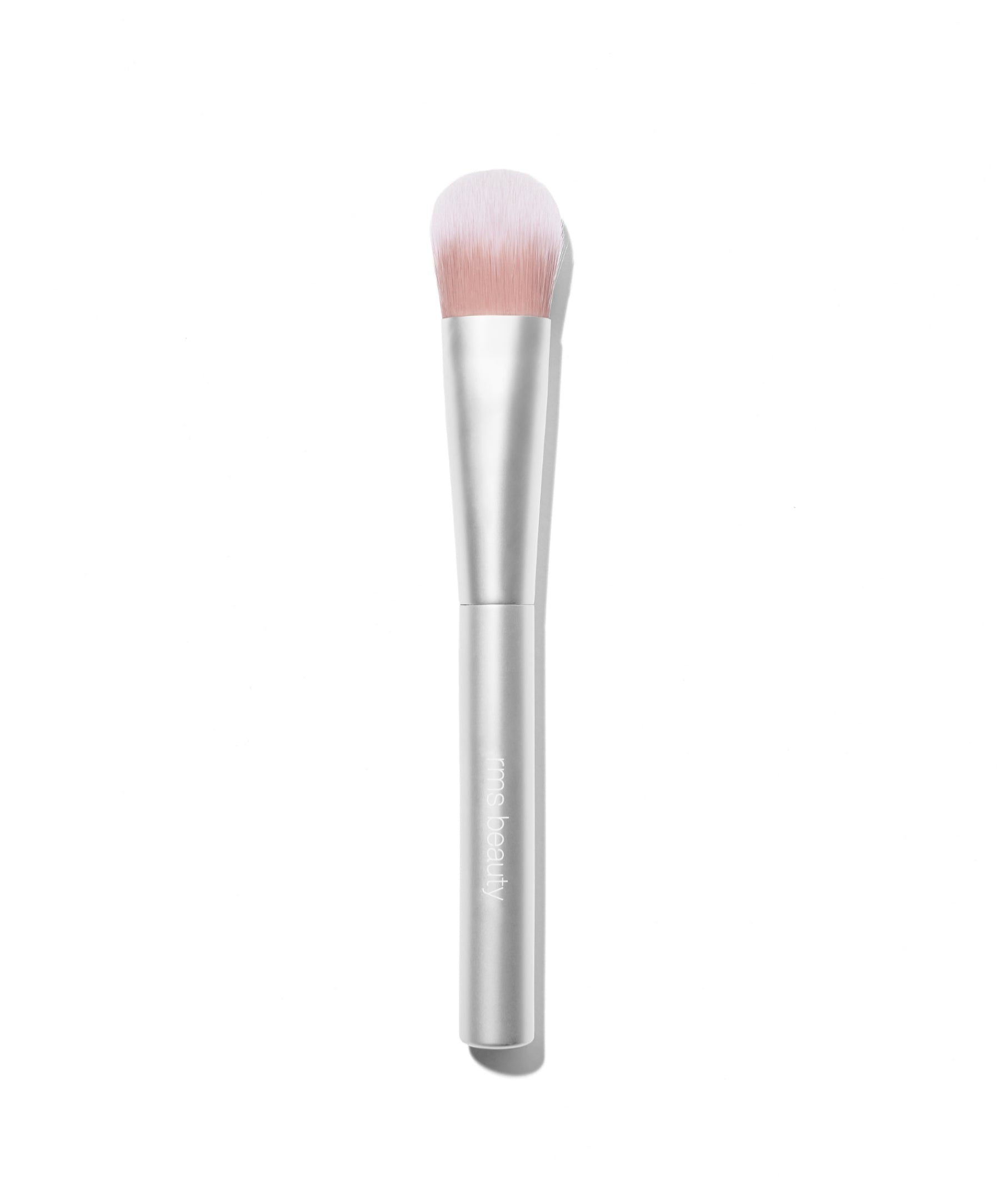
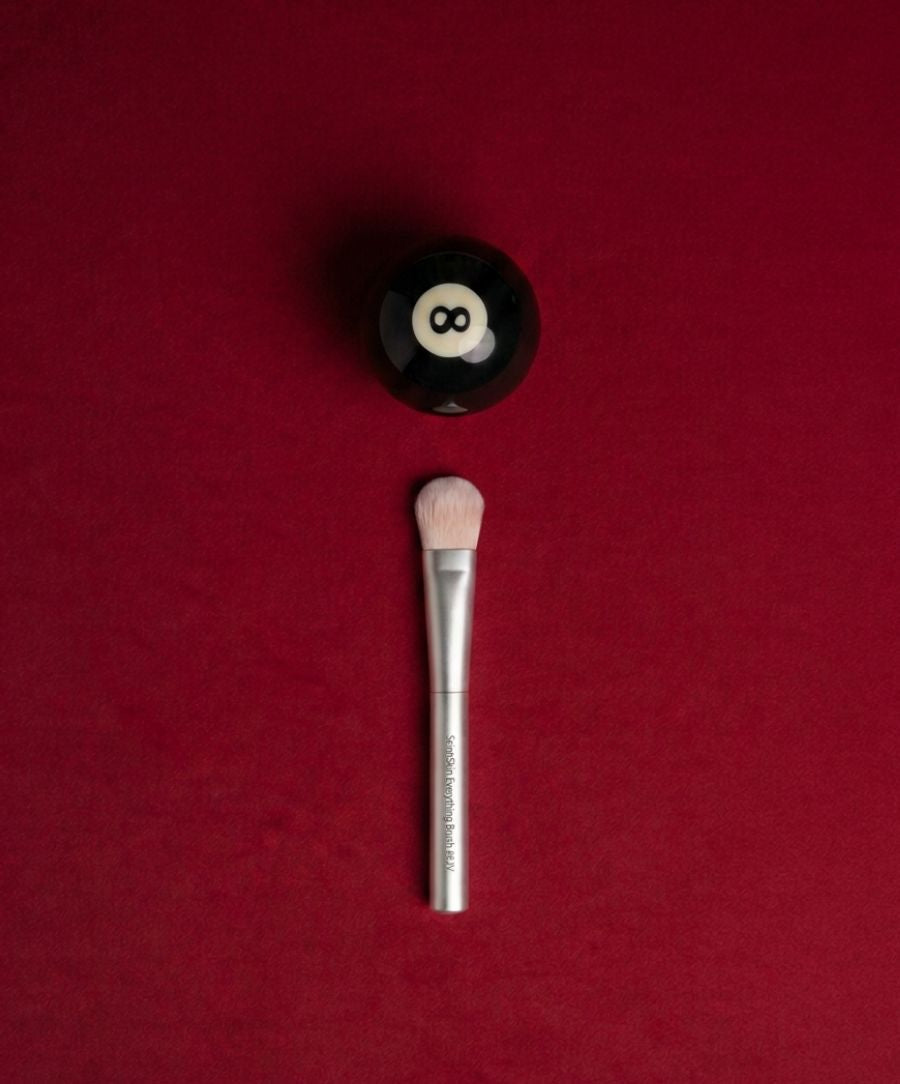
The right brush can make all the difference in how makeup applies to your skin. The Skin2Skin Everything Brush, designed with soft bristles that deposit the perfect amount of product and blend seamlessly
Bonus: Your fingers. Honestly, they work great for cream products.
That's it. You don't need five different shades or complicated palettes.
Common Contouring Mistakes to Avoid
Get the placement right, and everything else follows.
Here's what to skip:
Contouring Too High on the Cheekbones
Contour goes in the hollows of your cheeks, not on the apples. Suck in your cheeks slightly to find the right spot. That's where your shadow should go. Placing it too high makes the face look sunken rather than sculpted.
Using Contour That's Too Dark
Your contour should be just 2-3 shades deeper than your skin tone, never harsh or black. Too dark reads as a streak, not a shadow. Match your undertone (warm, cool, or neutral) first, then adjust depth.
Blending Until There's No Definition
Yes, blend, but not until your contour disappears completely. You want a soft gradient, not a muddy smudge. Use light pressure and circular motions, leaving some visible dimension.
Forgetting Your Undertone
Cool undertones need cool-toned contour; warm undertones need warm contour. Using the wrong undertone makes your face look ashy or orange, not defined. Check your undertone before you buy.
Applying Contour All Over
Contour isn't foundation. Use it strategically where you want to create shadow: jawline, hollows, temples, sides of the nose. Everywhere else is wasted product and diluted effect.
Ready to Contour?
The truth about contour and highlight is that it's less about generic techniques and more about understanding your face. Start with your face shape, choose quality products that actually nourish your skin, and remember that less is more.
Book a free Artist Advice session at RMS Beauty to get personalized guidance for contouring your specific face shape and skin tone. Our Artist Advice team can show you exactly how to do contouring in a way that feels natural for you.
Your face is unique. Your contour should be too.
Frequently Asked Questions
Q. Can I use bronzer as contour?
Yes, absolutely. A cream bronzer like Buriti Bronzer works beautifully for contouring, while nourishing your skin at the same time.
Q. Do I need to contour if I have good bone structure?
Not necessarily. Contour makeup is optional. It's a tool for those who want to enhance or balance their features. There's no rule saying you must contour.
Q. What's the best product for beginners?
Cream products are forgiving and easy to blend. Start with a cream bronzer and a good brush, then build from there.
Q. Does contouring work on all skin tones?
Completely. Contour techniques work on every skin tone when you choose the right shade for your undertone.
Q. Can I contour if I have sensitive skin?
Yes. Choose clean, nourishing products with ingredients like organic shea butter. They calm your skin while you contour.
Q. Should I contour over or under the foundation?
Apply foundation first, then contour on top. You'll have better control and can see your bone structure clearly before adding shadows.
Shop The Blog
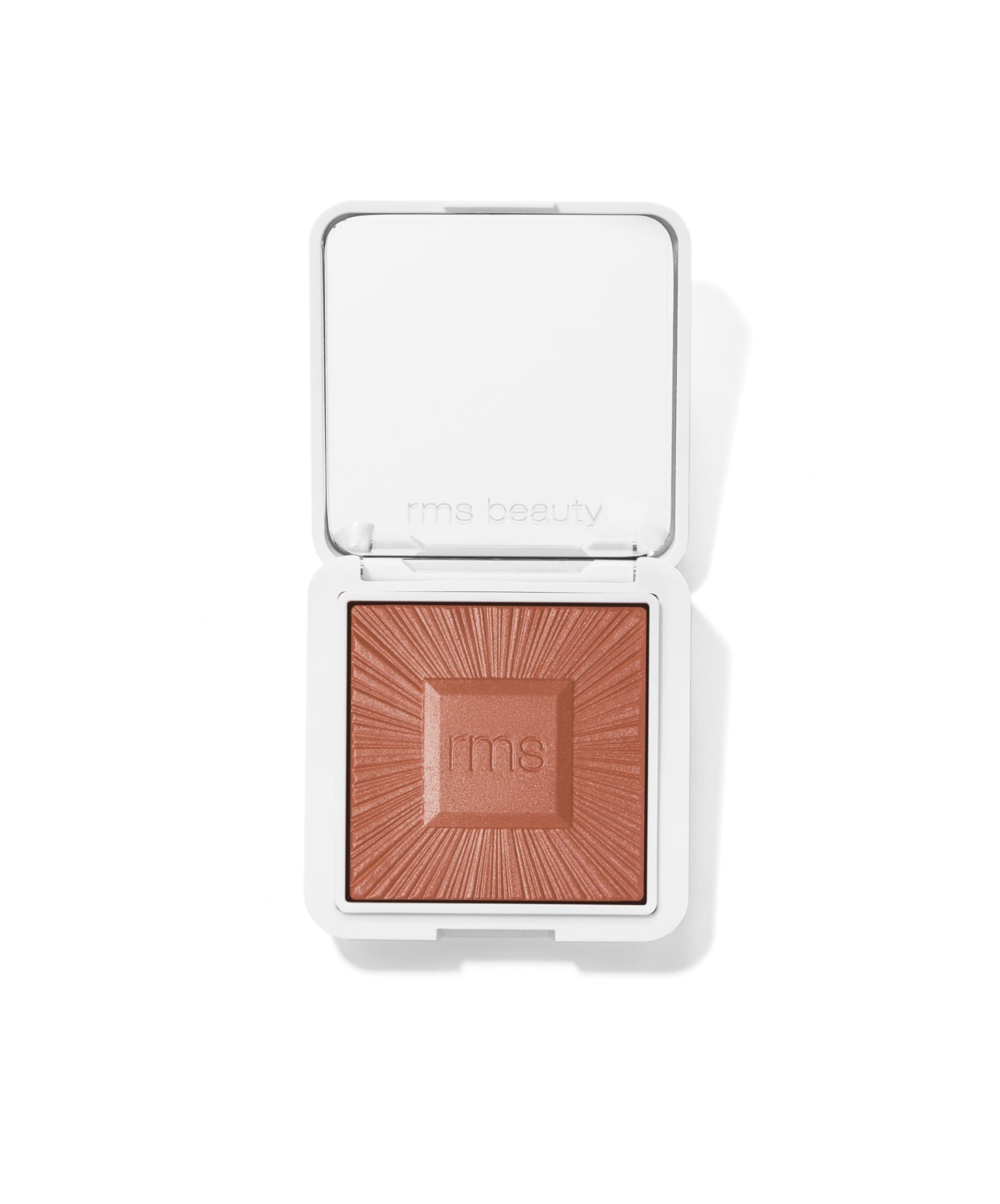
ReDimension Hydra Bronzer
Skin2Skin Everything Brush

Buriti Bronzer