Skip to main content


8 Side Effects of Not Wearing Sunscreen
Sunscreen is the single most important step in any skincare routine. Full stop. And yet, so many of us skip it on overcast days, during cooler months, or when the plan is just to run errands.
UV damage doesn't care about your calendar. The effects of not wearing sunscreen are cumulative, meaning your skin logs every unprotected minute, every single day. One skipped application won't wreck your skin overnight, but hundreds of them absolutely will.
So, is it ok not to use sunscreen when you're mostly indoors? When the sky is grey? When you're only outside for ten minutes? You might be surprised. It still matters more than you'd think. Here are eight reasons why keeping up with your SPF is worth it, even on those I probably don't need it days.
What Happens If You Don't Wear Sunscreen Every Day
UV radiation passes through cloud cover, reflects off concrete and water, and even penetrates windows. Up to 80% of UV rays reach your skin on a cloudy day, which makes daily sunscreen application essential regardless of weather or plans. The effects of not using sunscreen show up as both immediate discomfort and long-term structural damage to the skin.
Sunburns Start in Minutes, Not Hours
Most people associate sunburn with long beach days, but unprotected skin can begin to burn in as little as 5 to 10 minutes. A sunburn is not just redness and tenderness. At a cellular level, UV radiation damages the DNA inside skin cells. Repeated burns stack that damage over a lifetime, and every episode increases the likelihood of lasting consequences.
Quick signs that UV damage is already happening:
-
Redness or warmth on exposed skin after short outdoor periods
-
Increased sensitivity to touch on the face, neck, or chest
-
Peeling or flaking days after mild sun exposure
-
Freckling or new spots that weren't there a season ago
Premature Wrinkles and Loss of Firmness
Around 90% of visible changes to the skin are caused due to photoaging. UVA rays reach deep into the skin and break down collagen and elastin, the two proteins that keep skin firm and smooth. Without daily protection, fine lines, sagging, and wrinkles appear years before they naturally would. A consistent skincare routine with hydrating, antioxidant-rich products supports skin health, but no topical can undo years of unprotected UV exposure. Prevention always outperforms correction.
Hyperpigmentation and Uneven Skin Tone
Sun exposure overstimulates melanin production, and that overproduction leads to dark spots, patchy discoloration, and an uneven complexion. Once hyperpigmentation sets in, addressing it takes months of dedicated treatment. Wearing sunscreen every day is the most effective (and most affordable) way to keep your skin tone even and prevent new spots from forming.
Skin Cancer Risk Increases with Every Unprotected Exposure
Repeated UV exposure creates mutations in skin cell DNA. When those mutations accumulate unchecked, cells can grow out of control. Melanoma, basal cell carcinoma, and squamous cell carcinoma are all directly linked to chronic sun exposure. Having five or more sunburns over a lifetime doubles the risk of melanoma specifically. Daily sunscreen with broad-spectrum SPF 30 or higher is a proven, frontline defense.
Scarring and Permanent Texture Damage
Severe sunburns can blister, and blistered skin is highly prone to scarring. Repeated UV damage also disrupts your skin's natural repair cycle, which means wounds heal poorly and textural irregularities become harder to smooth out. For anyone investing in clean beauty products to improve skin texture, going without sunscreen directly undermines that effort. Antioxidant-rich ingredients like Vitamin E and rosehip seed oil support the skin's defenses, but only when UV damage isn't constantly tearing them down.
Dry, Leathery Skin Over Time
Prolonged sun exposure strips moisture from the skin and damages the connective tissues underneath. Over time, skin loses its elasticity, feels rough, and takes on a papery or leathery quality. Cold-pressed organic oils, like jojoba and coconut oil, deeply moisturize and protect the skin barrier, but maintaining that hydration depends on shielding skin from UV-driven moisture loss first.
Existing Skin Conditions Flare and Worsen
For anyone living with rosacea, eczema, or lupus, unprotected sun exposure triggers painful flare-ups. UV light drives inflammation, redness, and irritation. Choosing gentle, skin-loving formulas as part of your daily routine can help soothe and support reactive skin, but sunscreen remains the first line of protection against UV-triggered flares.
Sunscreen Suggestions That Work With Clean Beauty
A good sunscreen habit deserves a formula you actually want to wear. Heavy, greasy sunscreens that pill under makeup or leave a white cast make it tempting to skip SPF altogether, so finding one that works with your skin and lifestyle is key.
RMS Beauty's sun protection range is formulated with the same ingredient integrity behind every product in the line, meaning clean, thoughtfully sourced, and designed to feel good on your skin. No synthetic fragrances. No parabens. No compromise between protection and wearability.
Here are three ways to build SPF into your daily routine:
-
Supernatural Radiance Serum Broad Spectrum SPF 30 Sunscreen pairs broad-spectrum sun protection with a serum format, so SPF becomes part of your skincare step rather than an extra layer on top of it.
-
Refresh Eye Brightener Broad Spectrum SPF 30 + Correcting Tint targets one of the most overlooked and most vulnerable areas of the face. The under-eye and orbital area is thinner, more delicate, and often the first to show UV damage.
-
SunCoverup Super Tint Broad Spectrum SPF 50 Sunscreen delivers the highest SPF in the lineup for days when extended outdoor exposure calls for stronger protection.
When choosing a daily sunscreen, keep these non-negotiables in mind:
-
Broad-spectrum coverage that shields against both UVA and UVB rays
-
SPF 30 or higher for meaningful daily protection
-
Lightweight texture that layers well under makeup without caking or separating
-
Skin-nourishing ingredients that hydrate and protect rather than just sit on the surface
Final Thoughts
Every unprotected minute in the sun adds to a running total; your skin never resets. Sunburn, premature aging, hyperpigmentation, cancer risk, immune suppression, worsening skin conditions, scarring, and loss of elasticity are all on the table when SPF isn't being used.
Good skincare starts with protection. Pair daily sunscreen with makeup and skincare formulated from organic, wildcrafted, and thoughtfully sourced ingredients that nourish skin while you wear them. RMS Beauty's formulas, made with ingredients like cold-pressed jojoba oil, Vitamin E from Spanish sunflowers, and hand-harvested buriti oil, are built to care for your skin at every step. Because what you put on your face should work with your sunscreen, not against it.
Book a free Artist Advice session to build a clean beauty routine that complements your sun protection.
Frequently Asked Questions
Q. Is it ok not to use sunscreen on cloudy or overcast days?
SPF is recommended even on cloudy or overcast days. Up to 80% of UV rays penetrate cloud cover, so skin remains exposed even without direct sunlight. Daily application is essential year-round.
Q. What happens if you don't wear sunscreen indoors?
UVA rays pass through glass, which means skin sustains damage while driving, sitting near windows, or working in sunlit rooms. Applying sunscreen indoors is a practical habit for anyone near natural light for extended periods.
Q. Can sunscreen actually prevent wrinkles?
Yes. Consistent daily use of broad-spectrum sunscreen is one of the most effective ways to slow premature aging caused by UV exposure. SPF preserves the collagen and elastin that keep skin firm.
Q. How quickly can skin burn without sunscreen?
Unprotected skin can begin to burn in as little as 15 to 20 minutes, depending on skin type and the UV index at the time.
Q. Does not wearing sunscreen cause permanent damage?
Repeated UV exposure without protection leads to cumulative DNA damage in skin cells. Deep wrinkles, scarring, and pigmentation changes can become permanent over time.
Q. What SPF should you wear every day?
Dermatologists widely recommend a broad-spectrum sunscreen with SPF 30 or higher for daily use. Reapply every two hours during extended outdoor time, and more frequently when swimming or sweating.
Shop The Blog
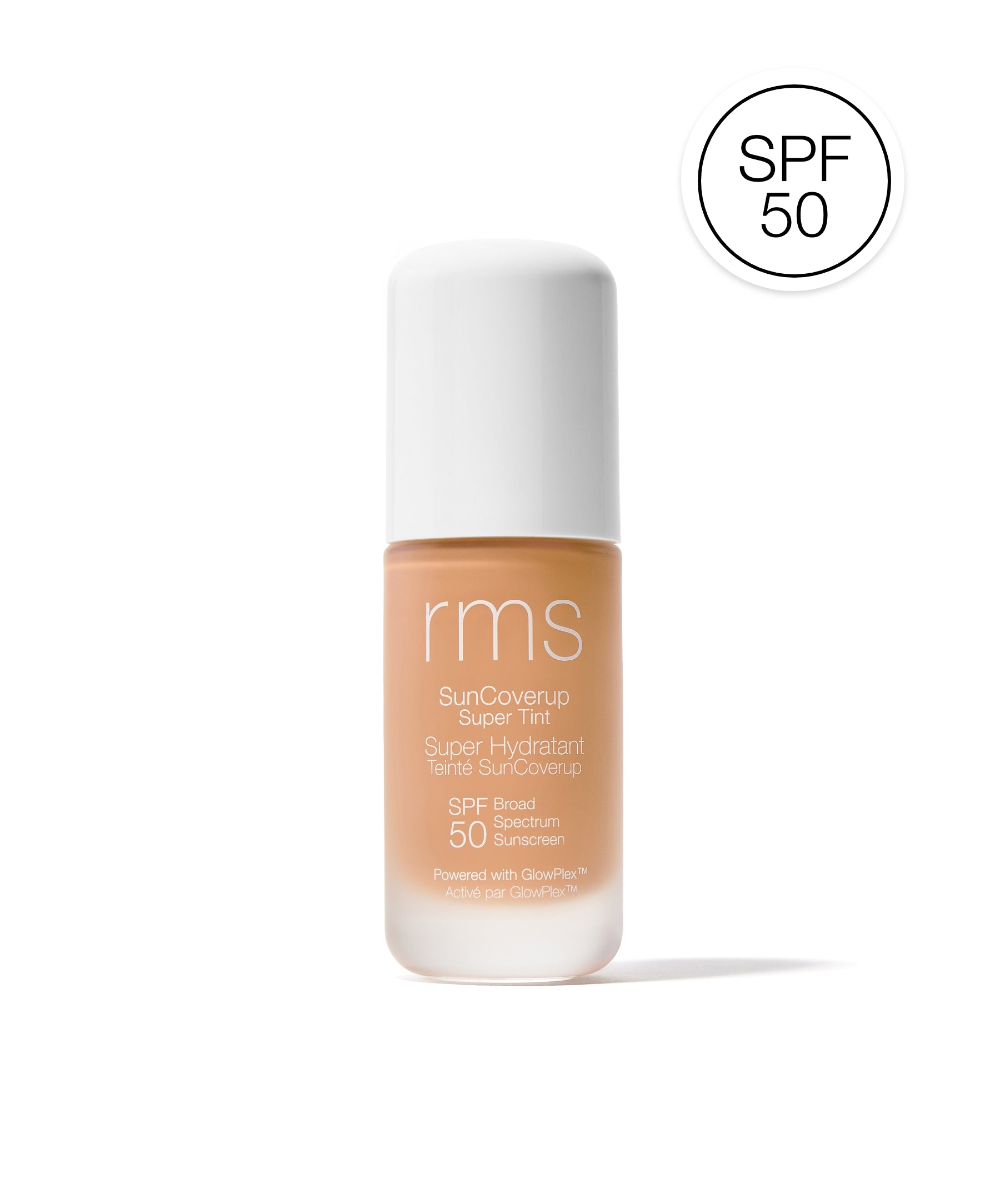
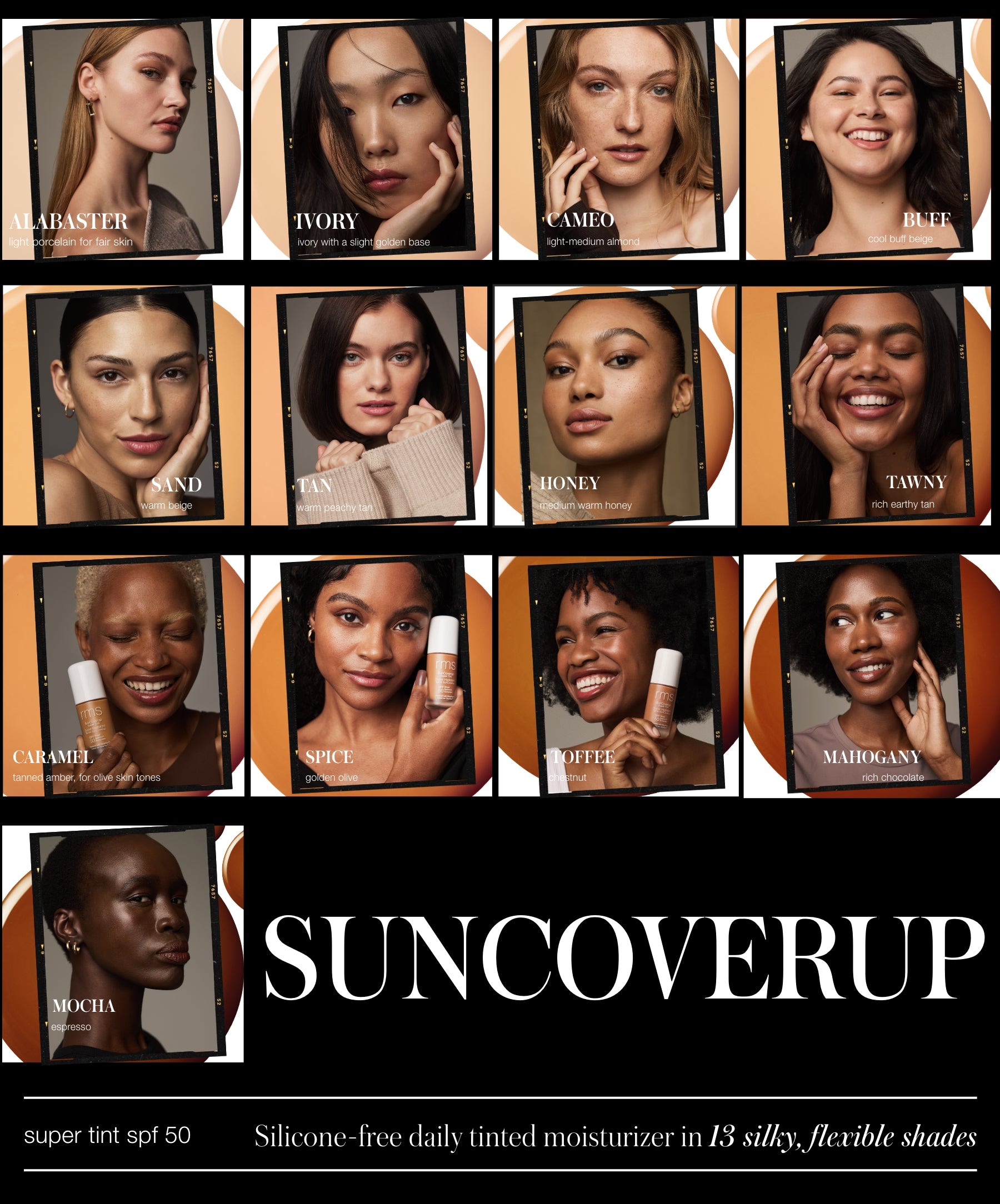
SunCoverup Super Tint Broad Spectrum SPF 50 Sunscreen
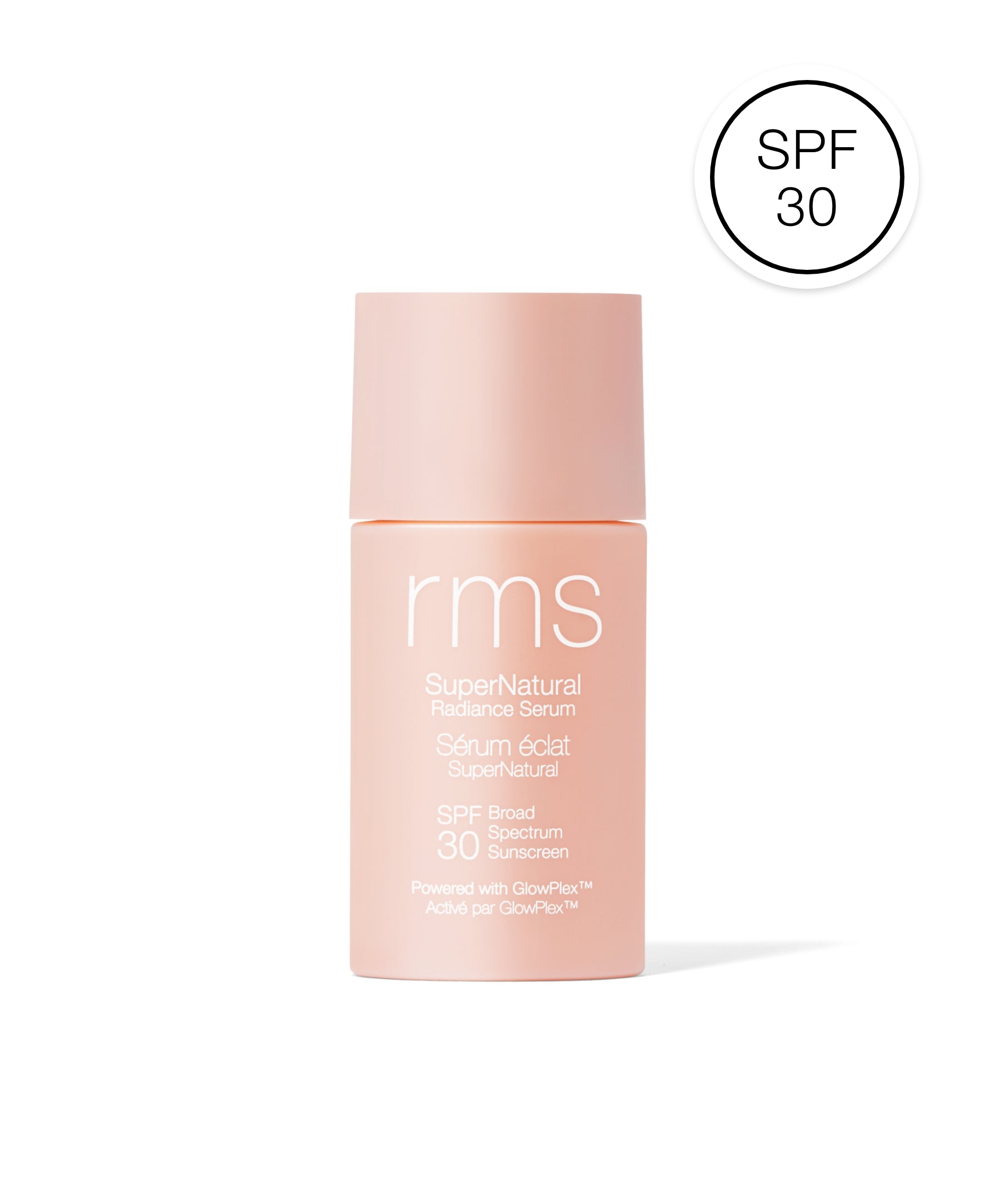
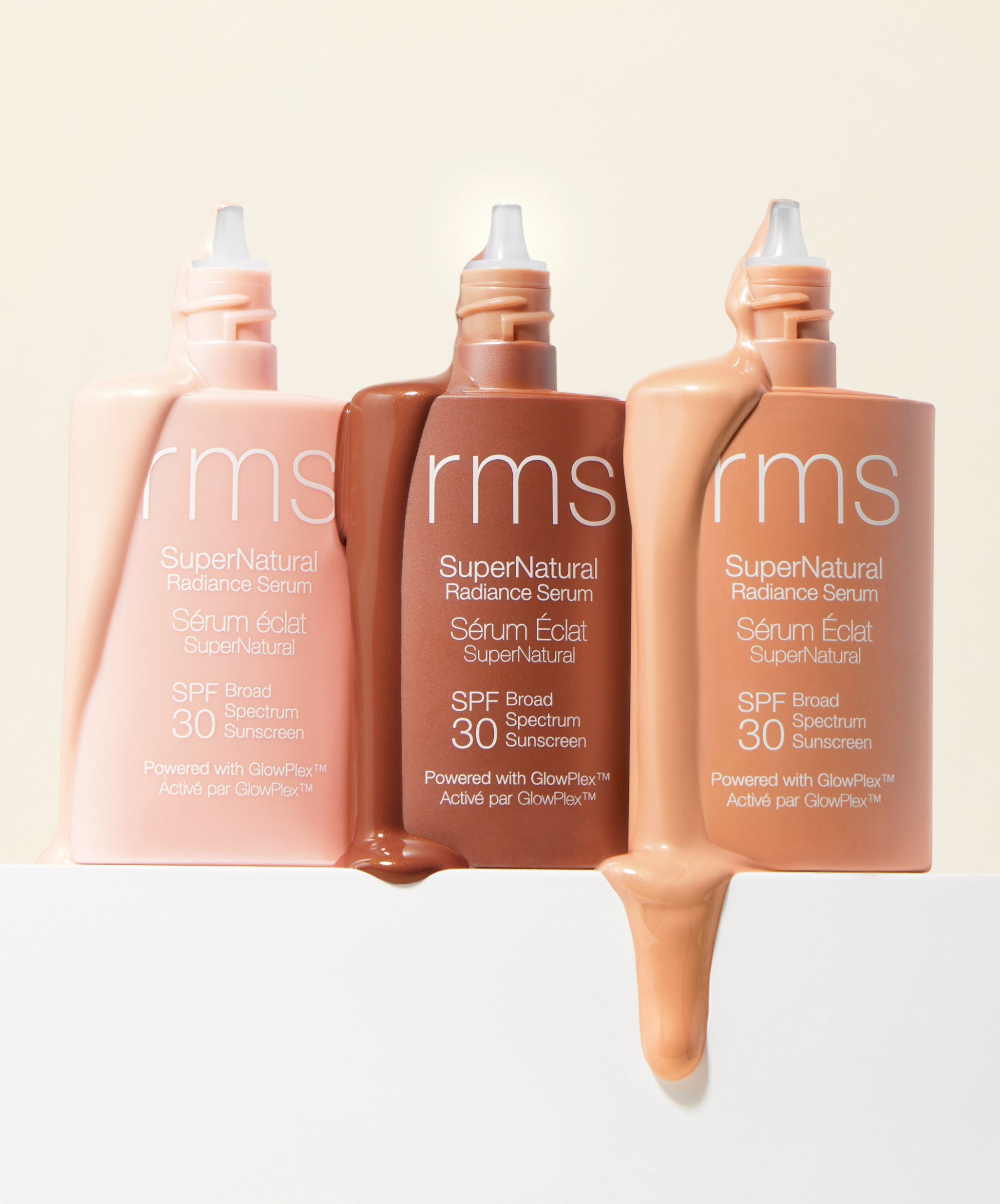
Supernatural Radiance Serum Broad Spectrum SPF 30 Sunscreen