Skip to main content




Peptides in Skin Care: Benefits and How to Use Them
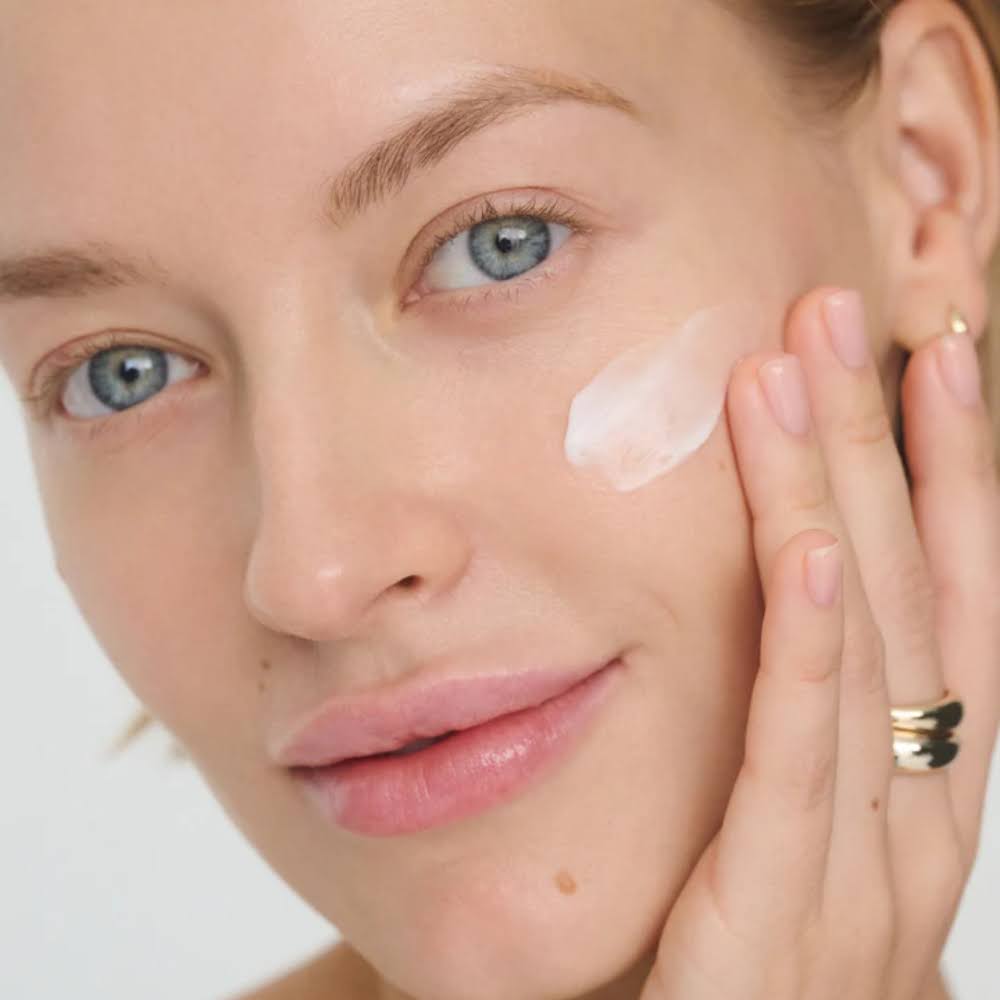
Your skin already knows what peptides are. Your body produces them every day, building the proteins that keep skin firm, bouncy, and resilient. The problem is that production slows down with age, and the visible results: fine lines, dullness, and loss of firmness, start showing up uninvited.
So what do peptides do for skin, and why are they in everything from serums to sunscreens? Here is a straightforward breakdown of how these amino acid chains work, the different types worth knowing about, and how to incorporate them into a routine that delivers.
What Are Peptides in Skin Care
Peptides are short chains of amino acids that serve as building blocks for proteins like collagen and elastin. Amino acids link together to form these chains. The chains, in turn, combine to form larger proteins. Collagen and elastin are two of the most important structural proteins for skin, and both rely on amino acid sequences to get made.
When applied topically, these compounds act as messengers. Specific types signal skin cells to ramp up collagen synthesis, strengthen the skin barrier, or calm inflammation. Not every type does the same thing, which is why understanding the differences matters before adding them to your routine.
The Messengers That Tell Skin What to Do
Some peptides tell your skin cells to make more collagen, which keeps skin firm and stretchy. Your skin listens and starts producing more collagen. If your skin is starting to feel a little less saggy, these are the peptides doing the hard work behind the scenes.
The Delivery Crew That Drops Off Nutrients
Other peptides work like mail carriers. Their only job is to pick up important minerals your skin needs, like copper and manganese, and hand-deliver them right to your skin cells. Copper is a big deal here because it helps your skin stay strong and fix itself. What makes this group special is that delivery system. They get the good stuff exactly where it needs to go.
The Relaxers That Soften Lines
This group works completely differently. Instead of building anything, they tell your facial muscles to take it easy. Every time you squint, frown, or scrunch your face, tiny nerve signals fire off. These peptides block those signals, so muscles stop contracting as hard. The result is softer lines around your eyes and forehead, and smoother-looking skin overall.
The Bodyguards That Protect What You Already Have
Your skin already has collagen in it. The problem is that certain enzymes slowly chew through it over time. This last group of peptides slows those enzymes down, so your skin holds onto its structure longer. Pair them with the messenger peptides, and you get a solid two-part strategy: one group builds new proteins while the other keeps the existing ones safe.
Benefits of Peptides for Skin
Peptides are amino acid chains that do more than one thing well. Here is a clear look at the key benefits of peptides for skin, backed by research and consistent dermatologist recommendations.
- Collagen and elastin support: Signal varieties encourage skin cells to produce more of the structural proteins that keep skin firm and flexible. As collagen declines with age, topical application can help slow that visible loss.
- Stronger skin barrier: Carrier types reinforce the skin's outermost protective layer, helping lock in moisture and defend against environmental stressors like pollution and UV exposure.
- Reduced inflammation: Certain formulations, including palmitoyl hexapeptide-12, limit the production of pro-inflammatory molecules. For skin prone to redness or sensitivity, anti-inflammatory actives can make a measurable difference.
- Improved hydration: Amino acid chains support the synthesis of glycosaminoglycans, molecules that help skin retain water. Better moisture retention means skin looks plumper and feels more comfortable throughout the day.
- Smoother texture over time: Consistent use in skin care products can gradually reduce the appearance of fine lines, uneven tone, and roughness.
How They Compare to Retinol and Hyaluronic Acid
| Feature | Peptides | Retinol | Hyaluronic Acid |
|---|---|---|---|
| Primary function | Boosts collagen, strengthens barrier | Accelerates cell turnover | Draws and retains moisture |
| Best for | Firmness, fine lines, barrier repair | Texture, tone, deep wrinkles | Hydration, plumpness |
| Sensitivity risk | Low, suits most skin types | Moderate to high, can cause irritation | Very low |
| Daily use | Safe for morning and evening | Often best at night, requires SPF | Safe for morning and evening |
| Pairs well with | Hyaluronic acid, niacinamide, SPF | Hydrators, barrier support | Ceramides, amino acid actives |
The key point is that all three target different concerns. Amino acid-based actives are often the most versatile and well-tolerated of the three, making them a strong starting point for anyone new to active ingredients.
What Are Peptides Used for in Makeup
Skin-supporting actives are no longer limited to serums and moisturizers. Peptides in makeup means your foundation, primer, or SPF can deliver skin care benefits while you wear it, every single day.
Skincare-Infused Formulas That Work While You Wear Them
A hydrating primer formulated with Tightenyl, a gentle retinol alternative, firms and smooths skin before foundation goes on. Hyaluronic Acid in the same formula pulls moisture into the skin for up to 24 hours. Prep and treatment in one step.
Amino Acid Complexes in SPF and Complexion Products
GlowPlex, a complex of natural amino acid chains including quinoa seed extract, niacinamide, and pea extract, appears in several tinted mineral sunscreens and radiance-boosting SPF serums. The complex boosts radiance and brightens skin tone while the mineral SPF handles sun protection. A brightening undereye treatment with SPF 30 also uses GlowPlex alongside caffeine and coffee seed extract to visibly reduce dark circles and puffiness.
Why These Actives in Makeup Matter Long-Term
When skin-supporting ingredients are built into products you already wear daily, consistency happens without extra steps. A skincare-infused foundation with a gentle retinol alternative firms and tones skin with every application. A setting mist with skin-brightening actives locks in your look for 8 hours while GlowPlex brightens and smooths underneath. Over weeks of daily wear, the cumulative benefits of peptides for skin become visible without adding a single extra product to the routine.
How to Add Peptides to Your Daily Routine
Getting these actives into your routine does not require a complete overhaul. A few strategic swaps can make a significant difference.
Morning Routine With Amino Acid Actives
- Cleanse with a gentle, non-stripping formula.
- Apply a peptide-infused primer or SPF product to clean skin.
- Layer your complexion products on top, choosing formulas that also contain skin-supporting actives when possible.
- Finish with a setting mist to seal everything in.
Evening Routine for Maximum Absorption
- Double cleanse to remove makeup and sunscreen.
- Apply a serum with amino acid actives on damp skin for better absorption.
- Follow with a moisturizer that supports the skin barrier.
- Keep the routine simple. A streamlined regimen delivers just as well as a complicated one.
Pairing With Other Active Ingredients
Amino acid chains play well with most actives. Hyaluronic acid and niacinamide are ideal partners, as all three work on different pathways without competing.
Vitamin C can also pair effectively, though using them at different times of day may improve absorption. Strong acids like AHAs and BHAs are best applied separately.
Final Thoughts
What do peptides do for skin? Support collagen, strengthen the barrier, calm inflammation, and improve texture over time. Not a trend. Just solid science backed by dermatologists and increasingly built into the products you already use.
RMS Beauty formulates with GlowPlex, a complex of natural amino acid chains, directly in everyday makeup and skin care. Clean ingredients, real results, no compromise.
See the full collection at RMS Beauty.
Frequently Asked Questions
Q. What are peptides in skin care?
Short chains of amino acids that act as building blocks for skin proteins like collagen and elastin. In skin care, they signal cells to produce more of these structural proteins, helping maintain firmness and resilience.
Q. What do peptides do for skin on a daily basis?
With consistent daily use, they support collagen production, strengthen the skin barrier, reduce inflammation, and improve hydration. Visible improvements in firmness and texture typically appear after several weeks.
Q. Can amino acid actives be used with retinol?
Yes. Both target different pathways, so using them together can provide complementary anti-aging benefits. For sensitive skin, a gentle retinol alternative paired with amino acid actives may be a better starting point.
Q. Are peptides safe for sensitive skin?
Among the most well-tolerated active ingredients available. Most skin types, including sensitive skin, can use these products without irritation. A patch test is always a good idea when trying something new.
Q. What are peptides used for beyond anti-aging?
Beyond fine lines and firmness, they are used for barrier repair, hydration support, reducing redness, and even calming acne-related inflammation. Antimicrobial varieties also support the skin microbiome.
Q. Do peptides in makeup actually deliver results?
When formulated at effective concentrations and worn consistently, peptides in makeup can deliver measurable skin care benefits over time. Products with complexes like GlowPlex combine radiance-boosting and skin-firming ingredients into daily-wear formulas.
Shop The Blog
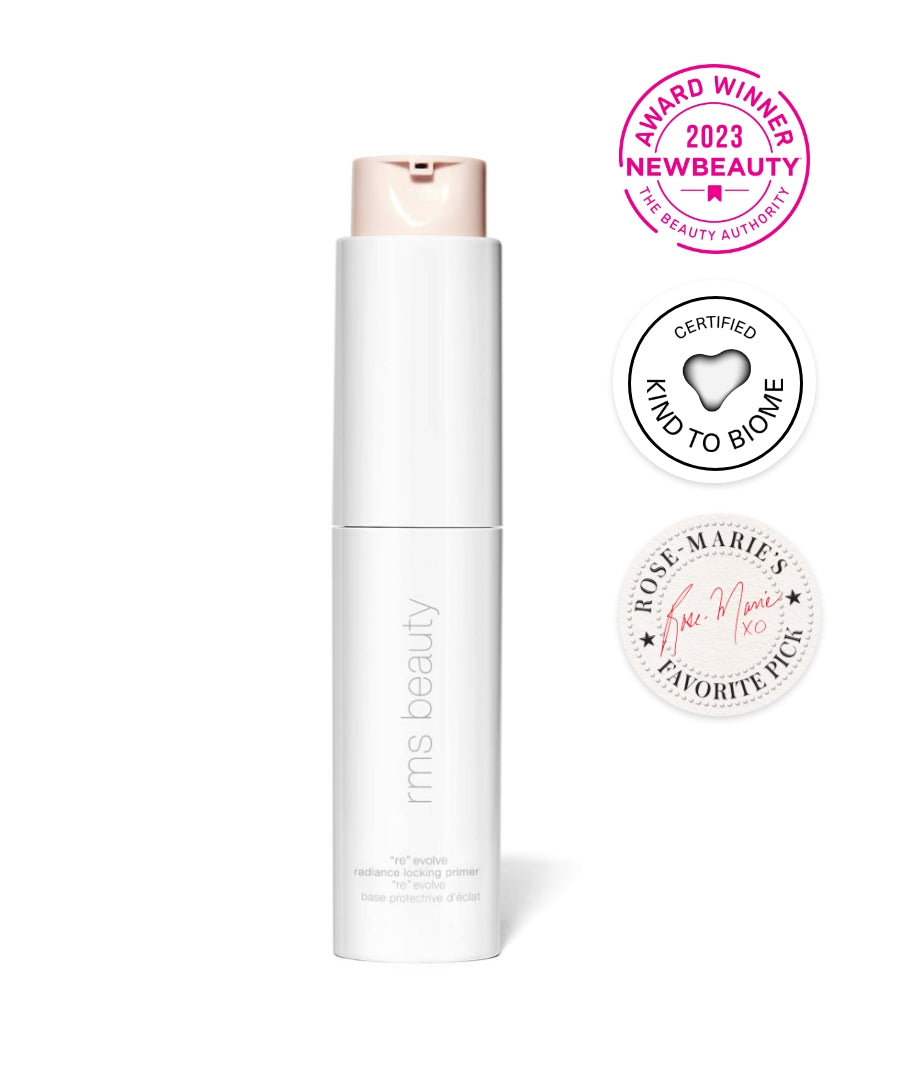
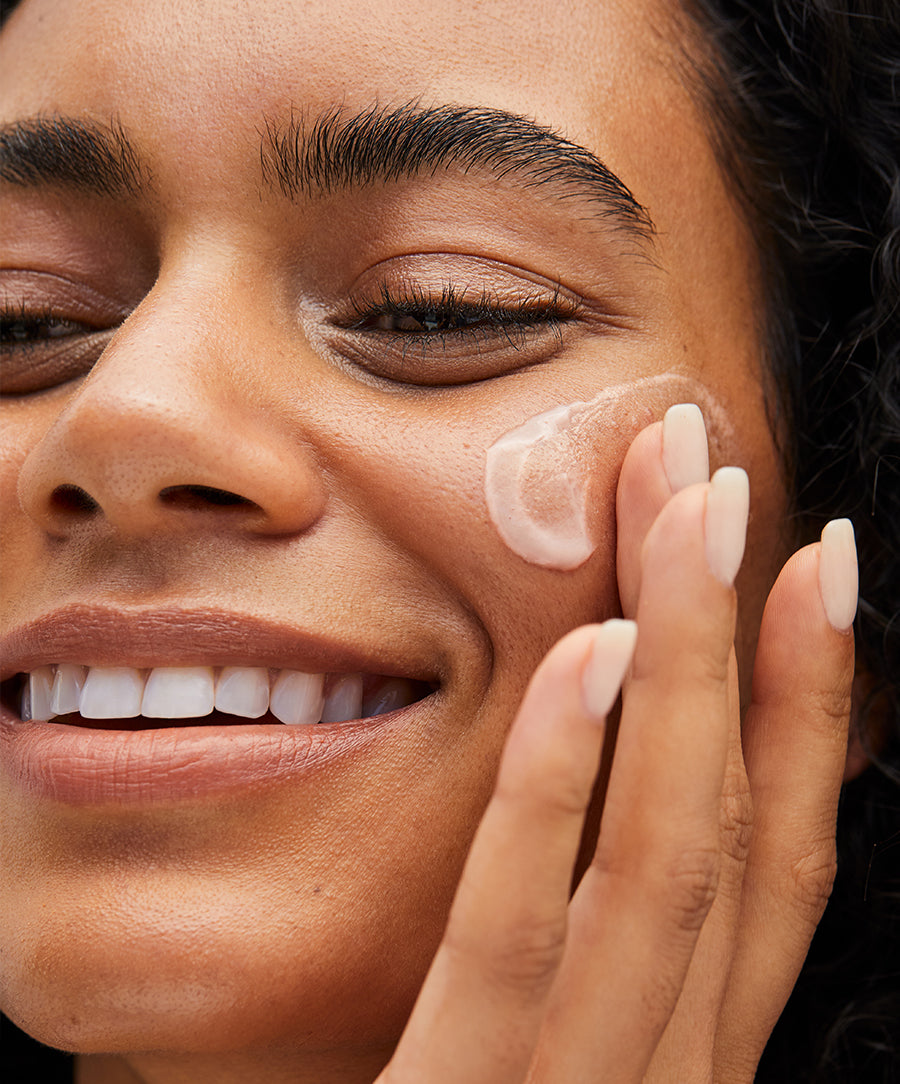
ReEvolve Radiance Locking Primer
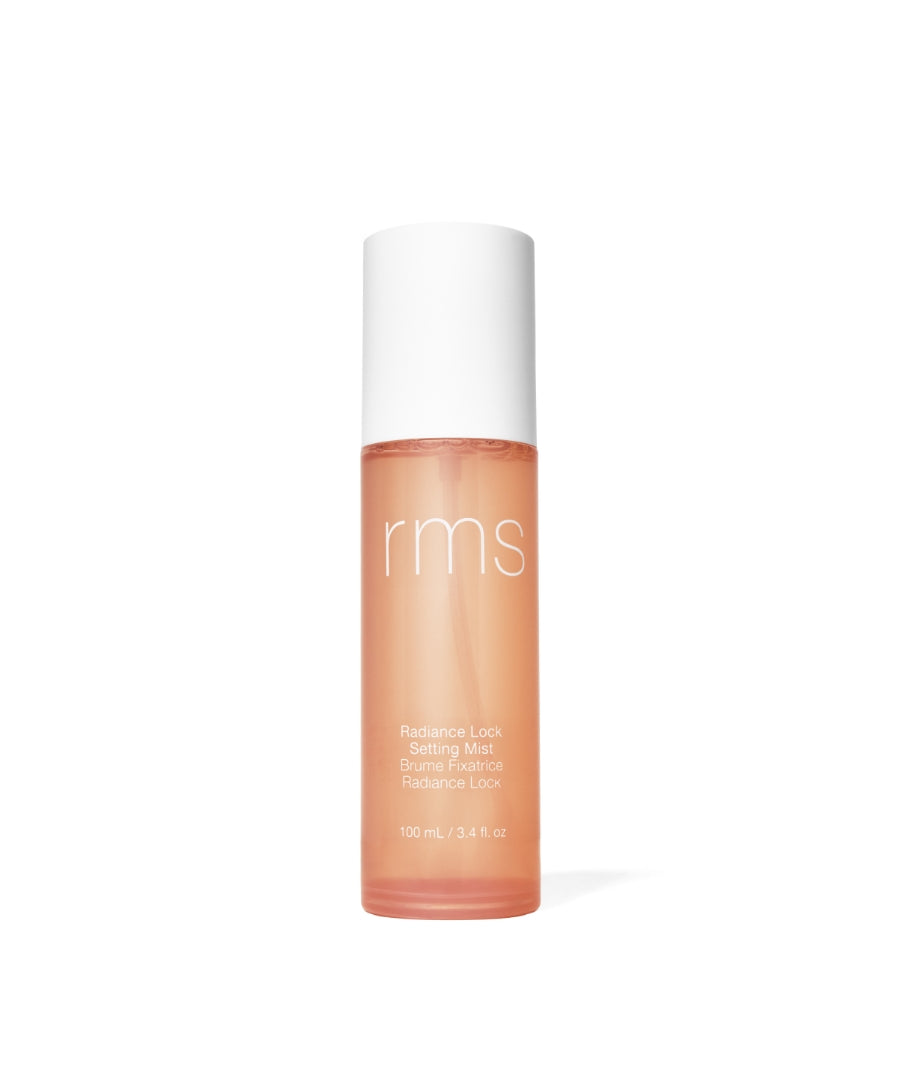

Radiance Lock Setting Mist with 8 Hour Long-Lasting Wear