Skip to main content




Best Sunscreen for Sensitive Skin: A Clean Beauty Guide
Sensitive skin and sunscreen have a complicated relationship. Most formulas sting, clog pores, or leave behind a chalky residue that makes you wonder if protection is worth the trouble. The good news: the right sunscreen for sensitive skin does not have to feel like a compromise. Mineral SPF, clean formulations, and skin-nourishing actives can deliver broad-spectrum protection without triggering redness, breakouts, or irritation.
Here is exactly what to look for, what to avoid, and how to build a sun care routine that works with reactive skin instead of against it.
What Makes a Sunscreen Safe for Sensitive Skin
Not all SPF formulas are created equal, and the difference between a sunscreen that soothes and one that irritates comes down to a few key decisions at the formulation level.
Mineral vs. Chemical Filters
Mineral sunscreens use active ingredients like Non-Nano Zinc Oxide and Titanium Dioxide that sit on top of the skin, acting like a physical shield to block and scatter harmful UV rays. Chemical sunscreens, on the other hand, absorb UV rays through ingredients like oxybenzone and avobenzone, which can cause stinging and sensitivity in reactive skin types.
For anyone searching for the best sunblock cream for sensitive skin, mineral formulas are the safer bet. Non-Nano Zinc Oxide rarely causes irritation, making it suitable for even the most reactive complexions.
Clean Ingredients That Do Not Irritate
A sunscreen label is only as trustworthy as the full ingredient list behind it. Common irritants in conventional sunscreens include synthetic fragrances, parabens, sulfates, phthalates, and silicones. For sensitive skin, a formula free from these triggers is non-negotiable.
RMS Beauty bans 2,700+ ingredients from all formulations, compared to the 30 currently banned in the U.S. Every product is free from parabens, synthetic fragrances, GMOs, sulfates, phthalates, and talc, and the brand is PETA certified for cruelty-free practices.
SPF Level and Broad Spectrum Coverage
Dermatologists recommend at least SPF 30 for daily wear, with SPF 50 for extended outdoor exposure. Broad-spectrum protection covers both UVA rays (which cause premature aging) and UVB rays (which cause sunburn). A well-formulated mineral sunscreen handles both without the need for harsh chemical boosters.
How to Choose the Right Face Sunscreen for Sensitive Skin
Picking a face sunscreen for sensitive skin means balancing protection level, texture, coverage, and ingredients. Below is a comparison of key factors to consider.
| Factor | What to Look For | What to Avoid |
|---|---|---|
| Active Ingredient | Non-Nano Zinc Oxide, Titanium Dioxide | Oxybenzone, Avobenzone, Octinoxate |
| Fragrance | Naturally derived or fragrance-free | Synthetic fragrances |
| Texture | Lightweight, breathable, non-greasy | Heavy, pore-clogging, chalky |
| Coverage | Sheer, buildable tint options | Thick, mask-like opacity |
| Skincare Benefits | Niacinamide, Squalane, peptides | Alcohol, drying agents |
| Certifications | Dermatologist tested, PETA certified | Untested or unverified claims |
A Tinted Moisturizer With SPF 50
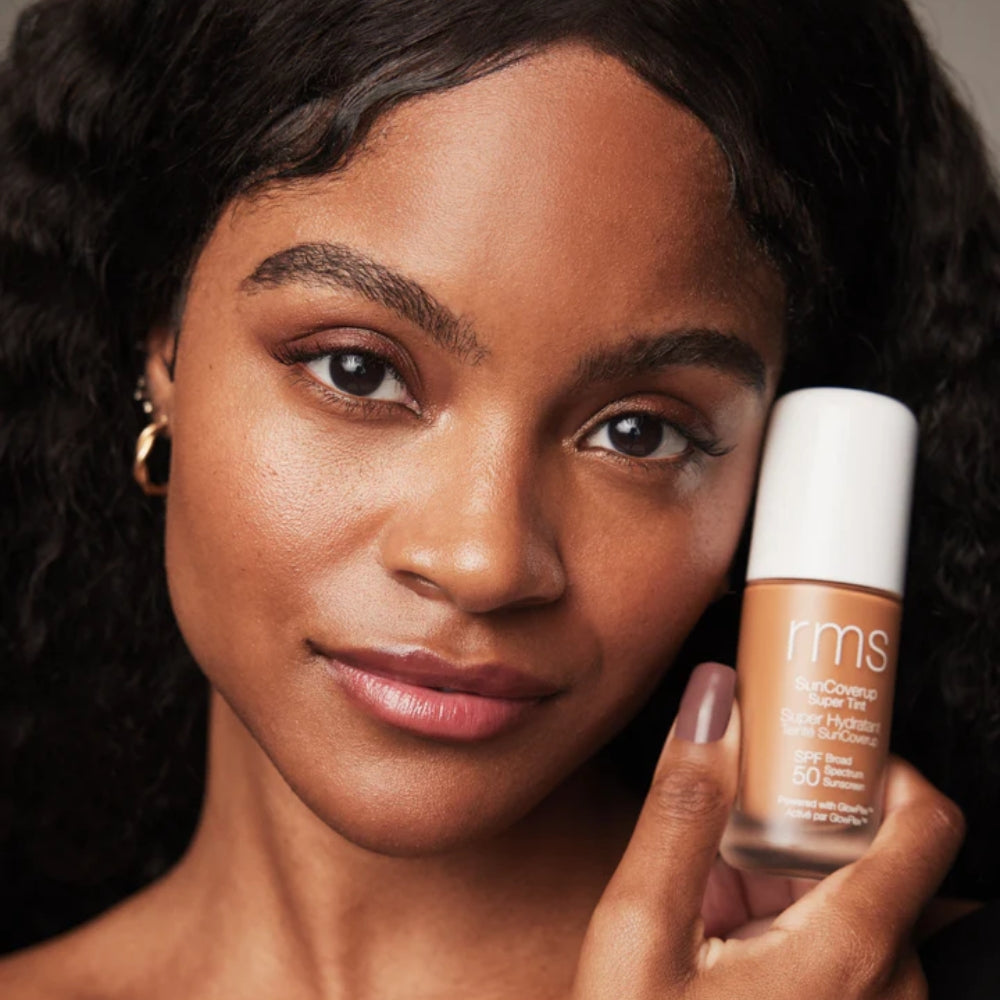
For those who want daily coverage and protection in a single step, a silicone-free tinted moisturizer with mineral SPF 50 offers broad-spectrum defense with Non-Nano Zinc Oxide, plus blue light protection. The 94% skincare-infused formula includes Vegetable Squalane for moisture, Bisabolol to soothe, and GlowPlex™ to smooth, firm, and brighten the skin. Available in 13 sheer, flexible shades, the lightweight texture blends easily without clogging pores.
A Radiant Serum Sunscreen With SPF 30
A mineral-based daily sunscreen serum with SPF 30 works well for anyone who prefers a lighter, serum-like texture. Powered by Non-Nano Zinc Oxide (20.4%), GlowPlex™, and Niacinamide, the formula evens skin tone, hydrates, and provides a soft-focus finish with a hint of tint. The active ingredient has been dermatologist-tested and is safe for sensitive skin. Zinc Oxide rarely causes irritation, so the serum works across all skin types.
An SPF Eye Brightener for the Undereye Area
The undereye zone is one of the most delicate, sensitive areas on the face. A skincare-infused undereye brightener with mineral SPF 30 protects with Non-Nano Zinc Oxide while visibly improving the appearance of dark circles, puffiness, and fine lines. Powered by GlowPlex™ to smooth and brighten, and Tightenyl™, a gentle retinol alternative, to firm and tone, the formula has been clinically proven hypoallergenic and suitable for sensitive skin, based on a clinical measurement study with 52 individuals.
Key Ingredients to Prioritize in Sun Protection for Sensitive Skin
Knowing what goes into your SPF makes all the difference for reactive complexions. Here are the ingredients worth seeking out.
- Non-Nano Zinc Oxide sits on top of the skin as a physical barrier, blocking and scattering UV rays without penetrating the skin. A mineral SPF standard for sensitive and reactive skin types.
- Niacinamide minimizes pore appearance while keeping skin moisturized and reducing the look of fine lines and wrinkles.
- Vegetable Squalane is a plant-based emollient that balances oil production, seals in moisture, and boosts skin elasticity without clogging pores.
- Bisabolol is a soothing agent derived from chamomile that calms inflammation and redness, making it especially helpful for easily irritated complexions.
- GlowPlex™ is a complex of niacinamide and natural peptides, including quinoa seed extract and pea extract, that smooths, firms, and brightens skin tone.
How to Build a Sensitive Skin SPF Routine
A thoughtful routine does not need to be long. For sensitive skin, fewer steps with better products keeps irritation at bay while maximizing protection.
Prep With a Clean Primer
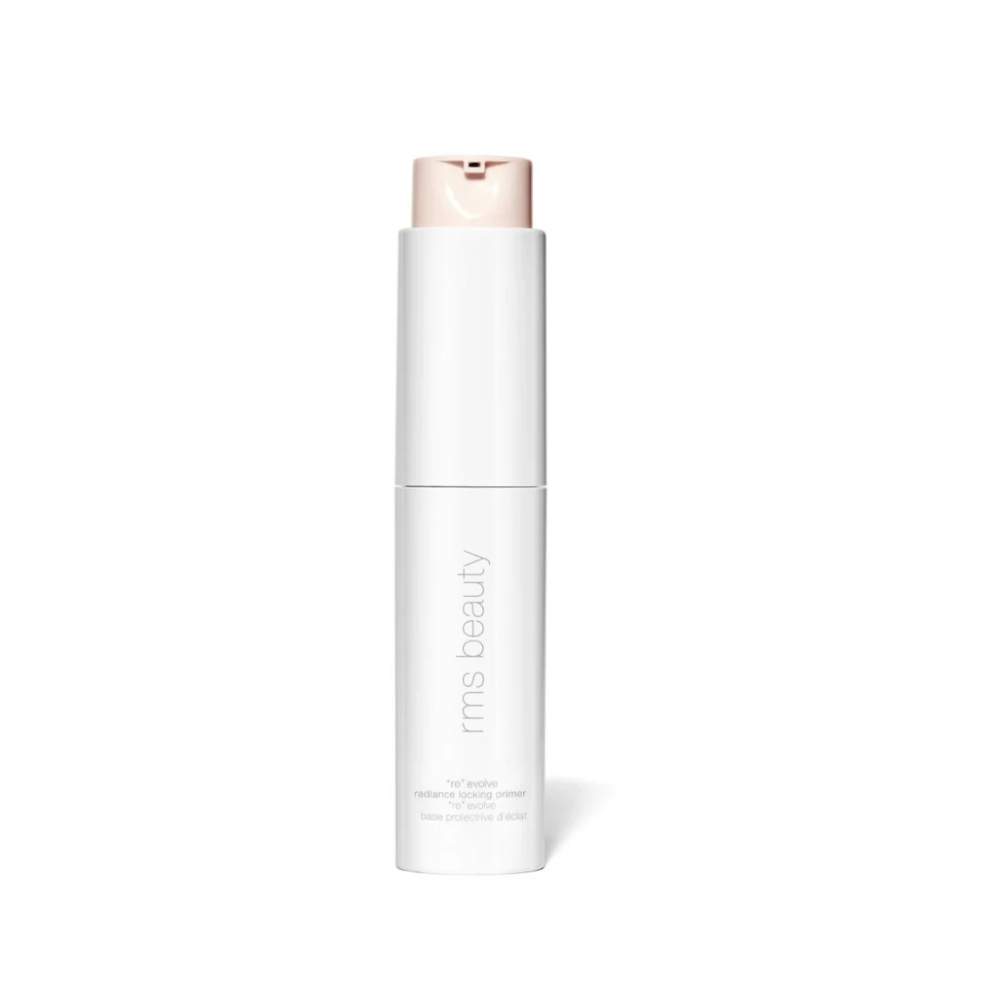
Start with a silicone-free radiance locking primer to create a smooth base that grips makeup for up to 8 hours. A good primer also helps SPF sit more evenly on the skin.
Apply Mineral SPF Generously
Use the two-finger method: squeeze two lines of sunscreen directly onto your index and middle finger, from base to tip. Apply liberally and evenly across the face and neck. Allow 30 to 60 seconds for the product to set before layering anything on top.
Reapply Every Two Hours
Mineral SPF needs reapplication just like chemical formulas. Reapply every two hours, even over makeup. For a midday refresh, a lightweight mineral SPF serum layers smoothly over existing makeup without disrupting the look.
Cleanse Thoroughly at Night
Mineral sunscreen can build up if not properly removed. A nourishing cleansing balm melts away SPF and surface impurities without stripping moisture. Follow with a gel-to-foam cleanser that purifies and balances to dissolve any remaining residue while keeping the moisture barrier intact.
Final Thoughts
Sensitive skin does not have to sit out of the sun protection conversation. The right mineral sunscreen, formulated without synthetic fragrances, parabens, or silicones, works hard to protect while keeping irritation off the table entirely. Sun protection for sensitive skin becomes simple when you choose clean, mineral-based formulas loaded with actives that actually benefit your complexion.
RMS Beauty's SPF lineup is built on exactly that principle: performance-first clean beauty with 100% mineral, Non-Nano Zinc Oxide protection. No compromises, no fillers, no guesswork.
Browse the full mineral SPF collection and see what clean sun care feels like on your skin.
Frequently Asked Questions
Q. Is mineral sunscreen better for sensitive skin than chemical sunscreen?
Yes. Mineral sunscreens use ingredients like Non-Nano Zinc Oxide that sit on top of the skin and physically block UV rays, while chemical sunscreens absorb rays through ingredients that can irritate reactive skin. Mineral formulas rarely cause stinging or sensitivity.
Q. Can a tinted sunscreen replace foundation for sensitive skin?
A well-formulated tinted mineral sunscreen can provide sheer, even coverage that works as a lightweight alternative to foundation. Look for buildable shades and skincare-infused formulas for the best results.
Q. How often should sensitive skin reapply sunscreen?
Reapply every two hours, regardless of the SPF level. Mineral SPF needs consistent reapplication to maintain full broad-spectrum protection, especially during extended sun exposure.
Q. Does Non-Nano Zinc Oxide leave a white cast?
Many modern mineral sunscreens are formulated with a hint of tint to offset the white cast that higher concentrations of Zinc Oxide can leave. Tinted formulas blend seamlessly while still providing full mineral protection.
Q. What ingredients should sensitive skin avoid in sunscreen?
Avoid oxybenzone, avobenzone, octinoxate, synthetic fragrances, parabens, sulfates, and silicones. All of these are common triggers for redness, stinging, and breakouts on reactive skin types.
Q. Can mineral SPF protect against blue light?
Certain mineral sunscreens offer blue light protection through ingredients like Iron Oxides and ethically sourced Mica, which reflect blue light. Formulas that include Rose Geranium Extract can provide additional blue light defense.
Shop The Blog
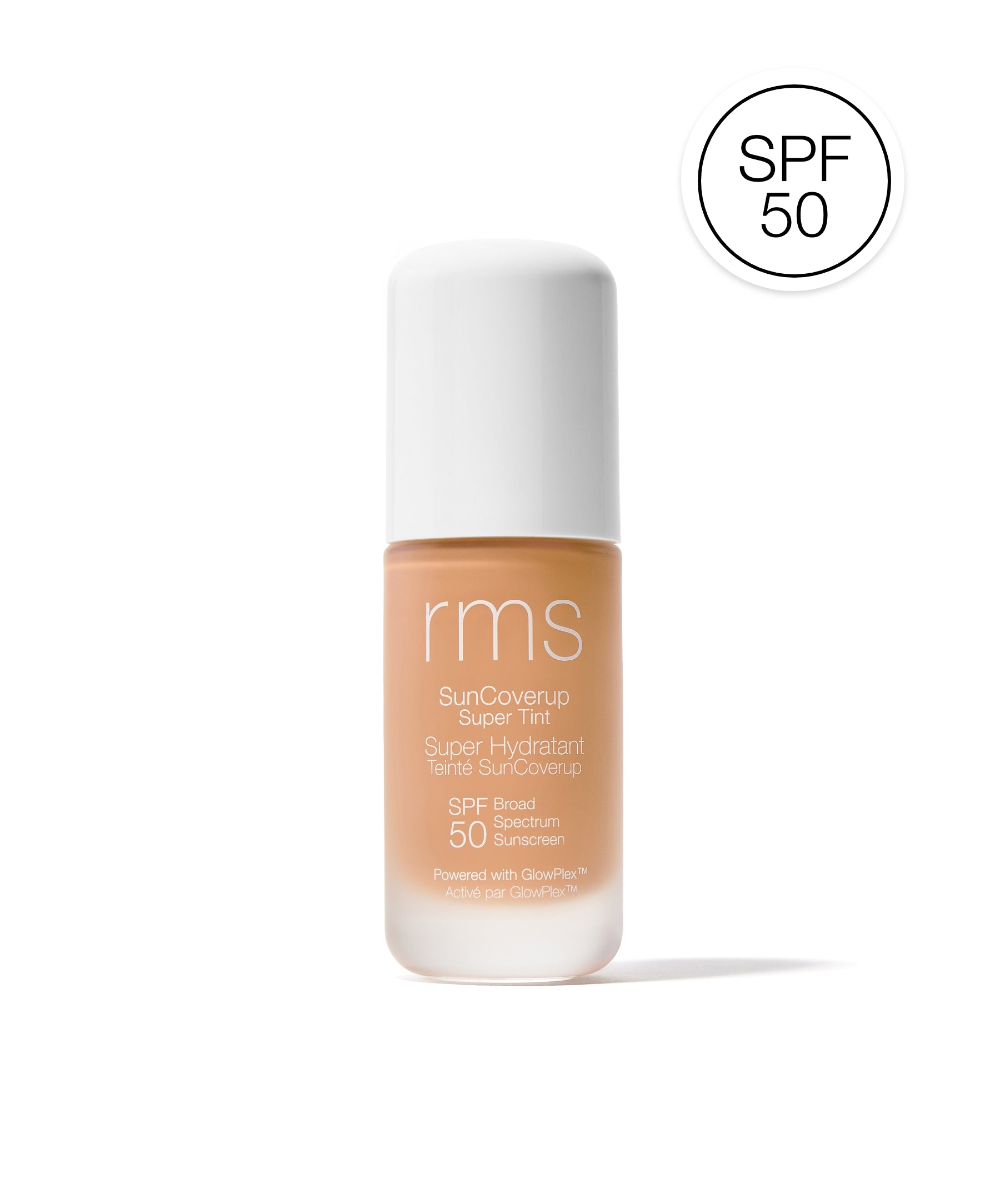
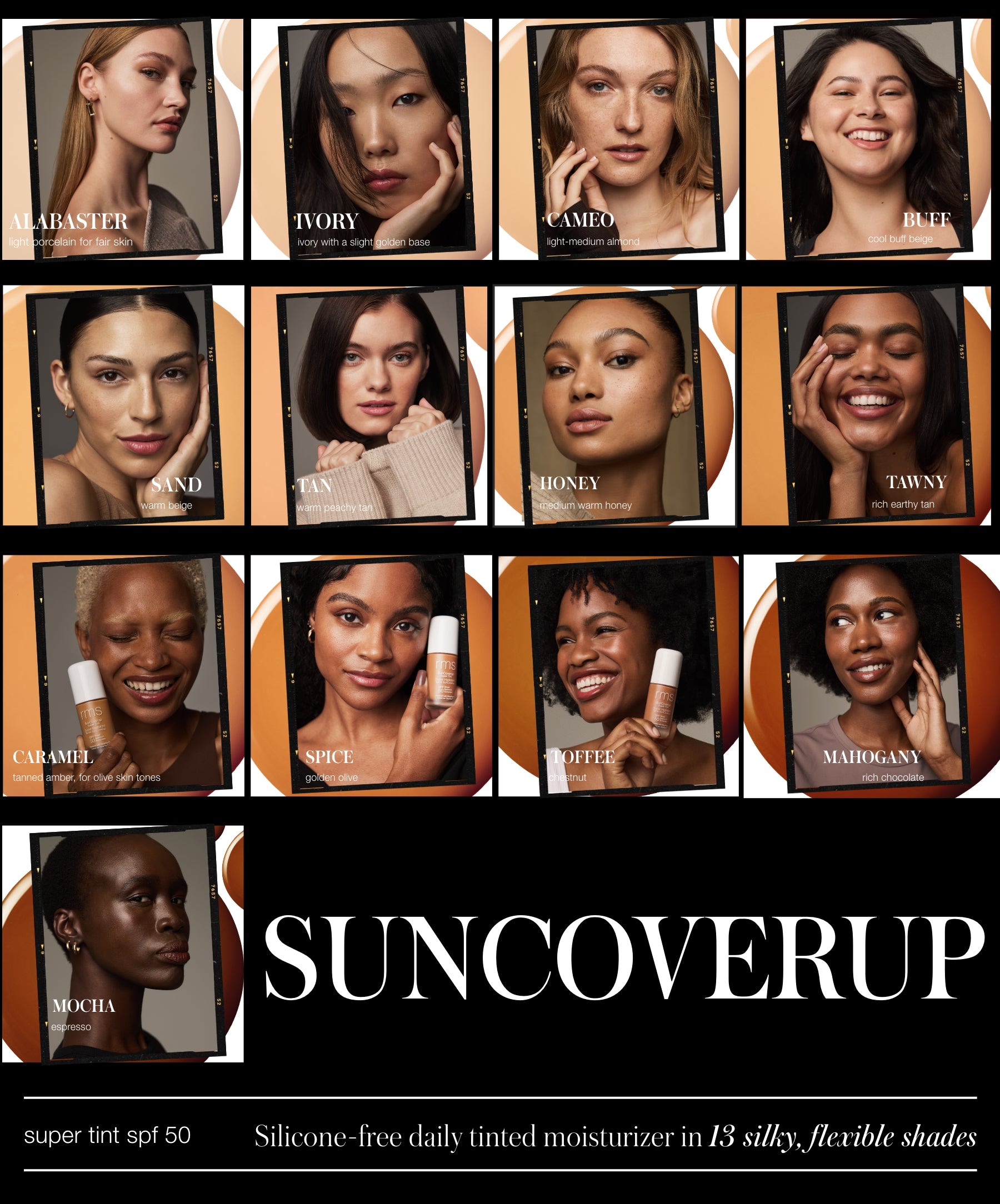
SunCoverup Super Tint Broad Spectrum SPF 50 Sunscreen
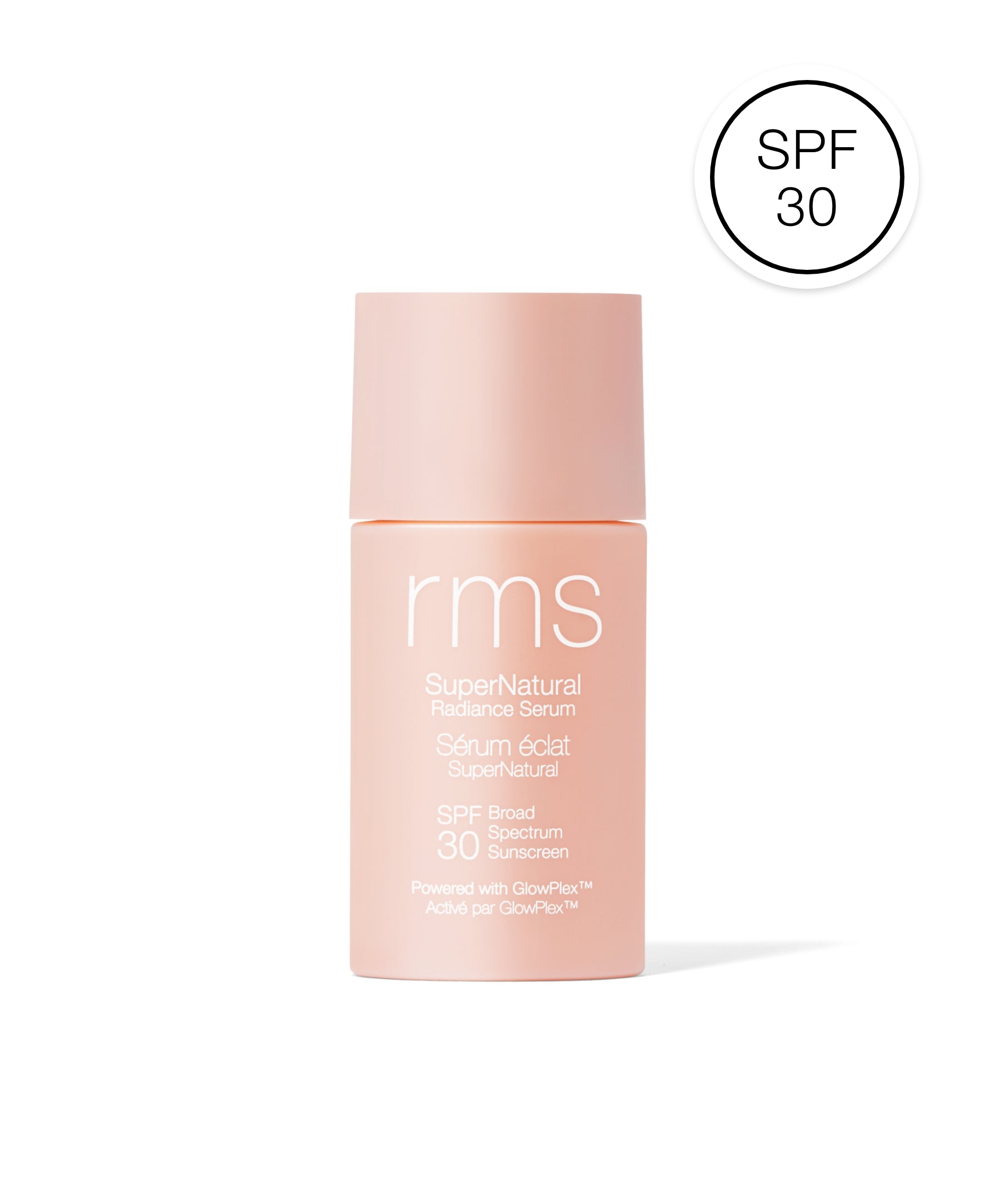
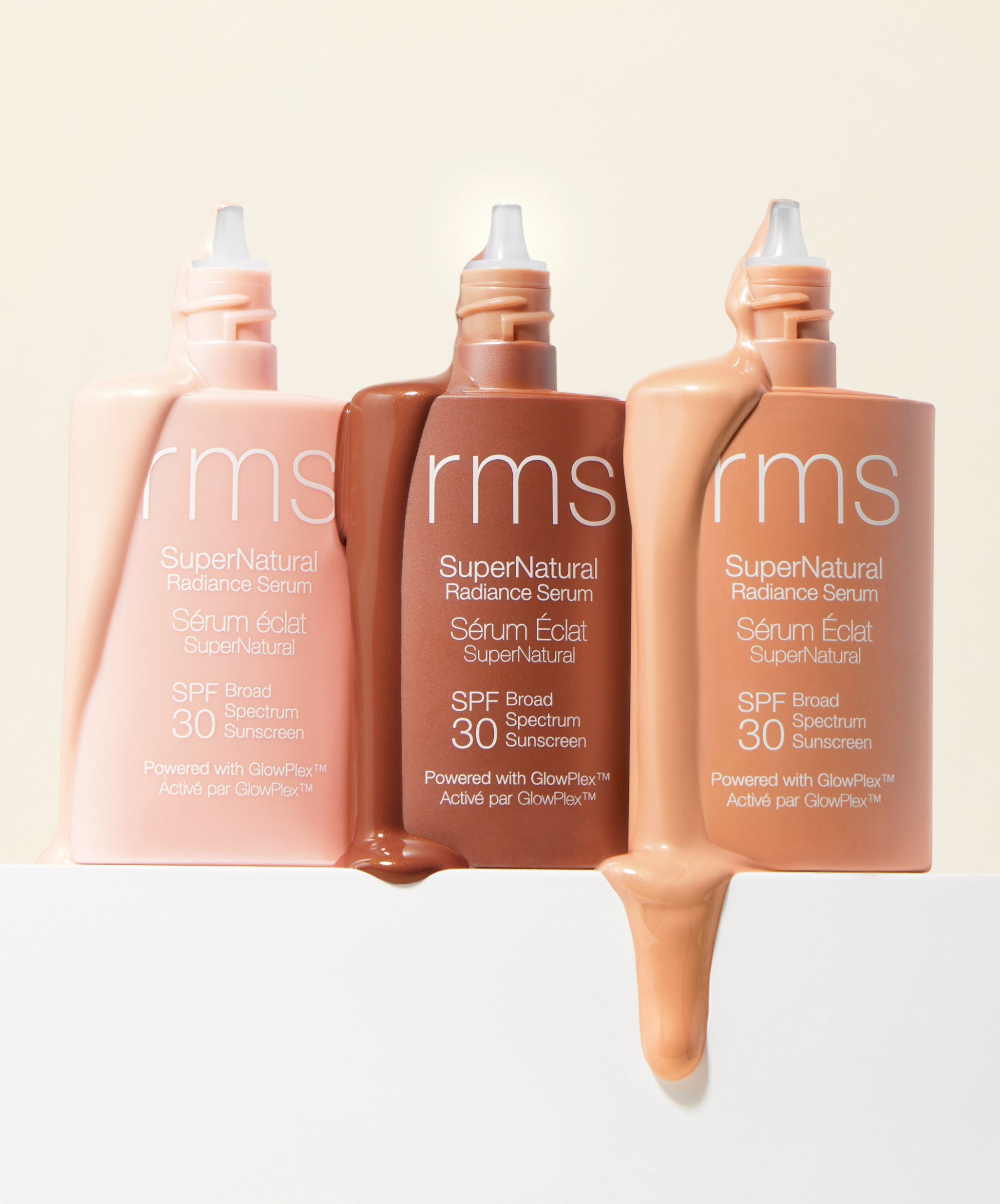
Supernatural Radiance Serum Broad Spectrum SPF 30 Sunscreen
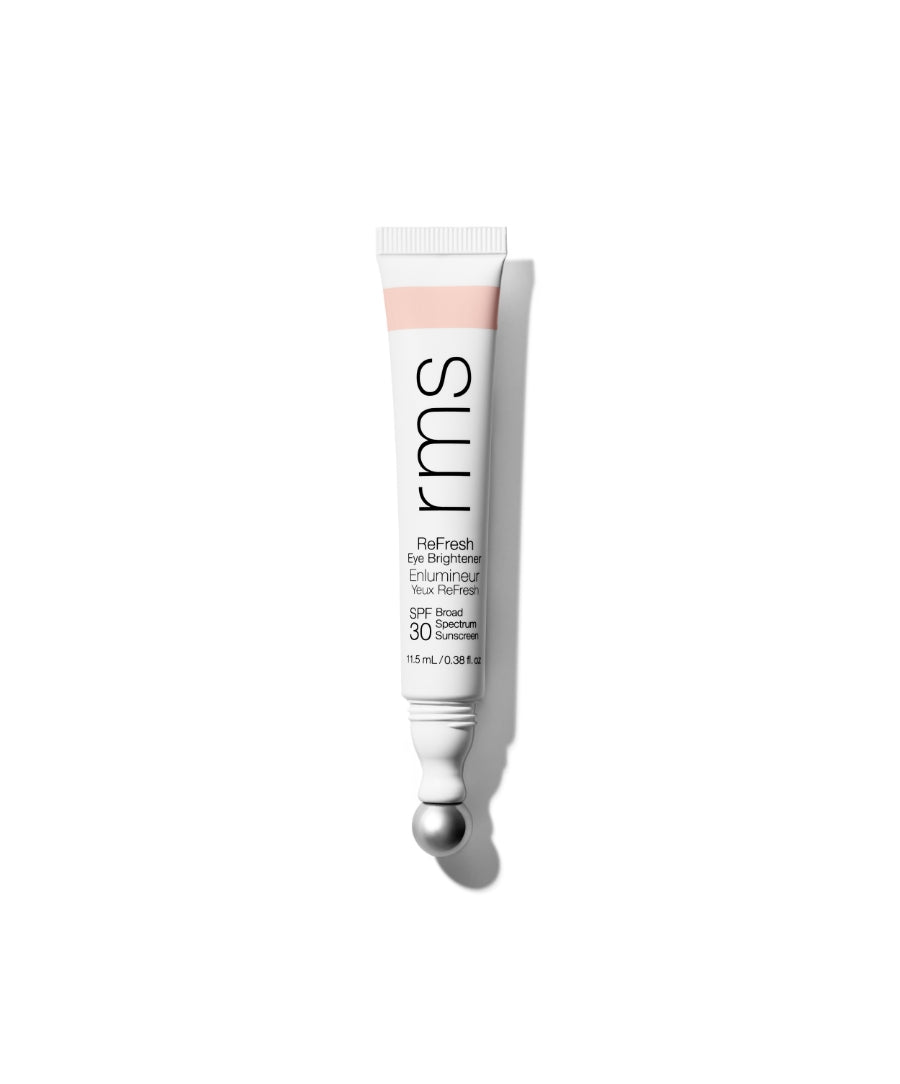
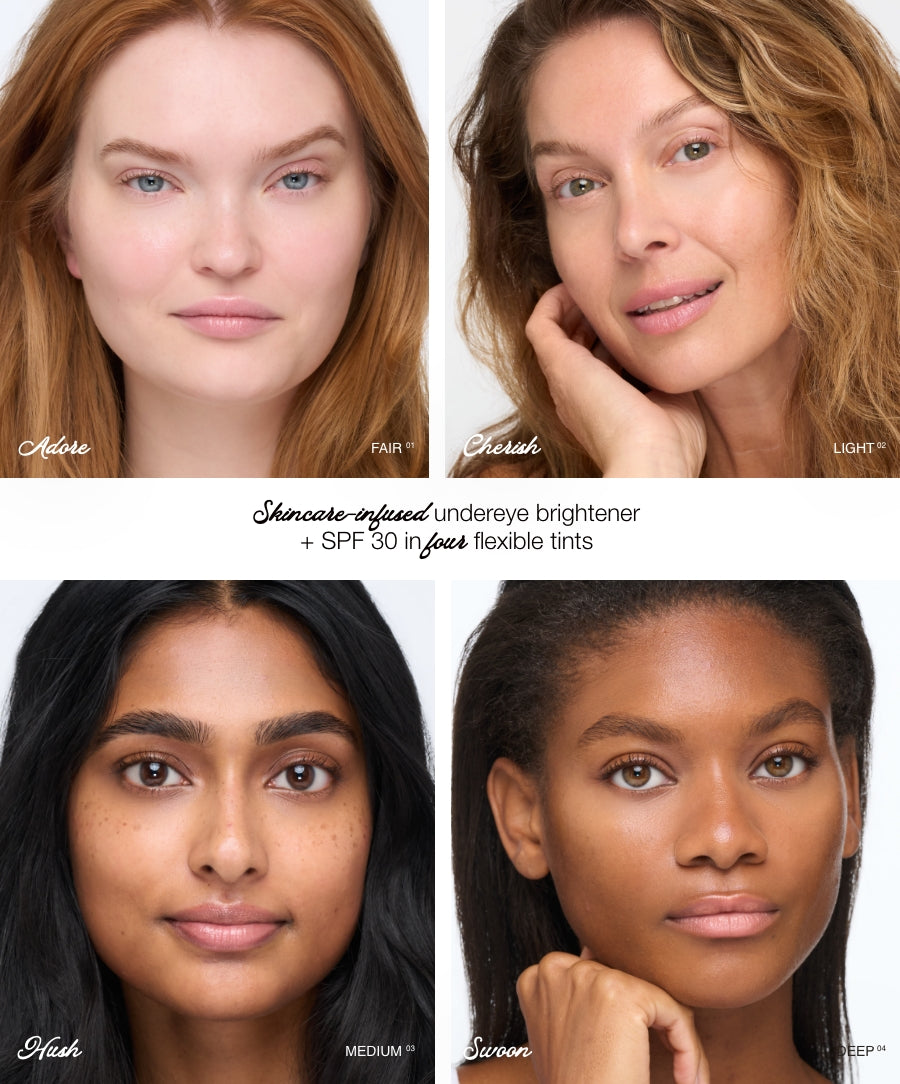
ReFresh Eye Brightener Broad Spectrum SPF 30 + Correcting Tint