Skip to main content




How to Choose the Best Facial Cleanser for Dry Skin
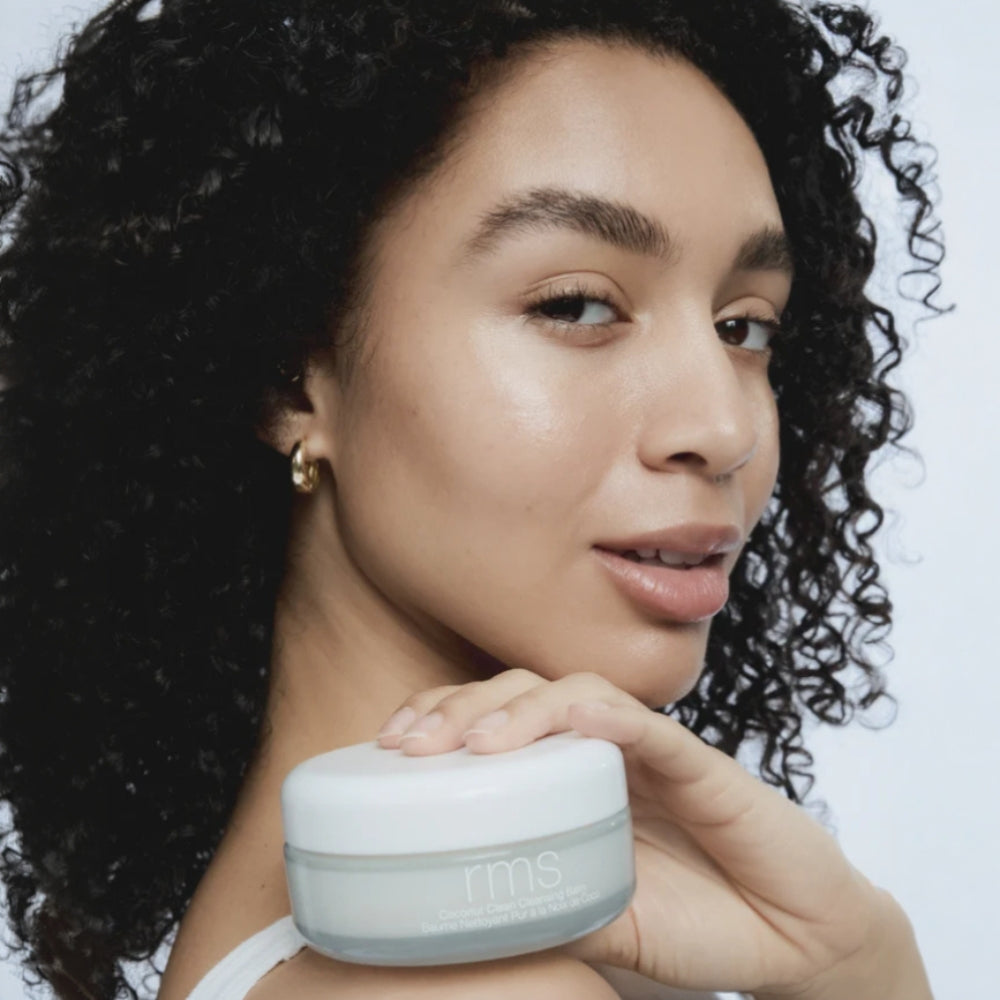
Dry skin rarely starts with the moisturizer. More often, the problem begins at the sink. A cleanser that strips too aggressively pulls moisture from the skin barrier faster than any cream can replace it. Choosing the best cleanser for dry skin means finding a formula that removes makeup, oil, and debris without leaving skin tight, flaky, or reactive.
Why Your Cleanser Matters More Than You Think
Most people invest in serums and moisturizers but treat cleansing as an afterthought. For dry skin, the cleanser sets the tone for every product that follows. A cleanser that respects the skin barrier makes moisturizers more effective, serums more absorbable, and makeup smoother. Everything downstream improves when the cleansing step is right.
How Harsh Cleansers Damage the Skin Barrier
Sulfates and strong surfactants dissolve the lipids that hold the skin barrier together. Once that barrier is compromised, water escapes, and irritants get in. The result is tightness, flaking, and increased sensitivity. A sulfate-free face wash preserves those essential lipids while still cleaning effectively. Skin barrier repair starts with not damaging the barrier in the first place.
What a Good Cleanser for Dry Skin Should Do
A gentle face cleanser removes surface impurities, excess sebum, SPF, and makeup without disrupting the skin's natural moisture balance. The best face wash for dry skin leaves skin feeling soft, clean, and supple, never tight or squeaky.
What to Look for in a Cleanser for Dry Skin
Not every gentle cleanser is built the same. The ingredient list and the formula's texture both determine whether a face wash will help or hurt dry skin.
Ingredients That Protect While They Clean
- Naturally derived surfactants from plant sources like apple and babassu oil clean without stripping
- Organic Coconut Oil melts away makeup while moisturizing and softening skin
- Wild Mint Leaf Extract balances skin flora and soothes without drying
- Adaptogenic herbal blends in glycerin help protect, balance, and hydrate during cleansing
- Kakadu Plum Extract offers antioxidant protection and brightening while you wash
A nourishing cleansing balm that melts into skin and emulsifies with water is an excellent first step for dry skin. Following with a gel-to-foam cleanser as a second step ensures a thorough clean without stripping moisture.
Textures That Work for Dry Skin
| Texture | Best For | Avoid If |
|---|---|---|
| Cleansing balm or oil | Removing heavy makeup, deep nourishment | You prefer a single-step wash |
| Cream or milk cleanser | Daily gentle cleansing, sensitive dry skin | You need a deep clean after heavy SPF |
| Gel-to-foam (naturally derived) | Light daily cleansing is the second step of the double cleanse | The formula contains sulfates |
| Foaming cleanser (sulfate-based) | Oily skin | You have dry or compromised skin |
How to Fix Dry Skin on Your Face, Step by Step
A cleanser is the foundation, but how to fix dry skin on the face requires a full approach. Every step after cleansing should reinforce barrier health.
Step 1. Double Cleanse in the Evening
Start with a balm or oil cleanser to dissolve makeup and sunscreen. Follow with a sulfate-free face wash that purifies without stripping. Double cleansing ensures nothing sits on the skin overnight while preserving moisture.
Step 2. Hydrate Immediately After Cleansing
Apply hydrating products to damp skin within 60 seconds of rinsing. A dual-phase hydrating mist provides instant nourishment and glowing results. Niacinamide and natural peptides in the formula smooth, firm, and brighten skin tone.
Step 3. Seal in Moisture With an Oil or Cream
Lock hydration in place with an occlusive layer. A fast-absorbing beauty oil rich in Jojoba, Kakadu Plum, and Wildcrafted Buriti Oil balances and protects while delivering rich, radiant hydration. Following with a nourishing face cream provides an additional layer of plumping hydration.
Step 4. Protect During the Day
Morning routines should end with SPF. A mineral sunscreen with hydrating ingredients shields skin from UV damage without adding dryness. SPF is non-negotiable for dry skin because UV exposure further weakens an already compromised barrier. Choose a sunscreen that doubles as a hydrating base rather than one that feels tight or matte on the skin.
Common Cleansing Mistakes That Make Dry Skin Worse
Even the best cleanser for dry skin cannot fix poor habits. A few simple adjustments make a significant difference.
Using Water That Is Too Hot
Hot water strips natural oils faster than lukewarm water. Wash with comfortably warm water and rinse with cool water to help close pores and retain moisture. The ideal water temperature feels comfortable on the inside of your wrist, warm enough to dissolve product but not hot enough to cause redness.
Cleansing Too Often
Washing more than twice a day is unnecessary for dry skin and accelerates moisture loss. Morning and evening are enough. On lighter makeup days, a rinse with water in the morning and a full cleanse at night works well. Over-cleansing is one of the most common causes of persistent dryness, especially when combined with active ingredients like retinoids or acids that already stress the barrier.
Rubbing With a Towel
Aggressive towel-drying creates micro-friction that irritates an already compromised barrier. Pat gently with a clean, soft towel and apply hydration while the skin is still damp. Microfiber towels are gentler than traditional terry cloth and absorb water without friction.
Final Thoughts
How to fix dry skin on the face starts with the cleansing step. A sulfate-free face wash with nourishing, naturally derived ingredients preserves the skin barrier while removing what does not belong. RMS Beauty's KIND TO BIOME certified cleansers are formulated with clean, microbiome-friendly ingredients that clean without compromise. Shop the full skincare collection at rmsbeauty.com.
FAQs
Q. What is the best face wash for dry skin?
The best face wash for dry skin uses naturally derived surfactants and nourishing oils to clean without stripping moisture. Sulfate-free formulas that leave skin soft and hydrated after rinsing are ideal.
Q. Should dry skin types avoid foaming cleansers?
Not necessarily. Gel-to-foam cleansers with naturally derived surfactants can work well. Avoid foaming formulas that rely on sulfates, as those strip the skin barrier.
Q. How often should dry skin be cleansed?
Twice daily is the standard, once in the morning and once at night. On minimal days, a water-only rinse in the morning followed by a full cleanse at night is sufficient.
Q. Can a cleanser help with skin barrier repair?
A gentle, non-stripping cleanser is the first step in skin barrier repair. Avoiding sulfates, hot water, and over-cleansing allows the barrier to rebuild naturally.
Q. Are cleansing balms better than gel cleansers for dry skin?
Cleansing balms excel at removing makeup and providing nourishment. Gel cleansers work well as a second step. Using both in a double-cleanse routine gives dry skin the most thorough yet gentle clean.
Q. What ingredients should I avoid in a cleanser for dry skin?
Sulfates (SLS, SLES), denatured alcohol, synthetic fragrances, and harsh physical exfoliants are the most common offenders for dry skin.
Shop The Blog
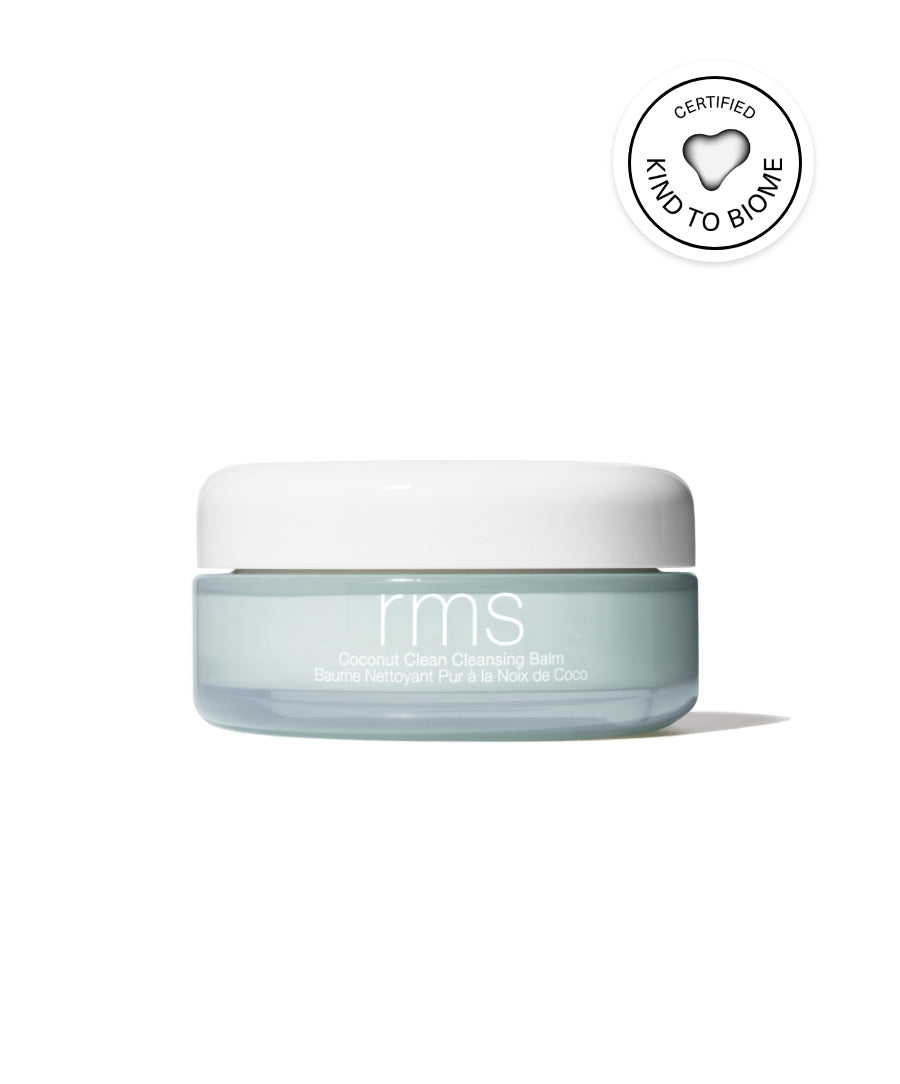
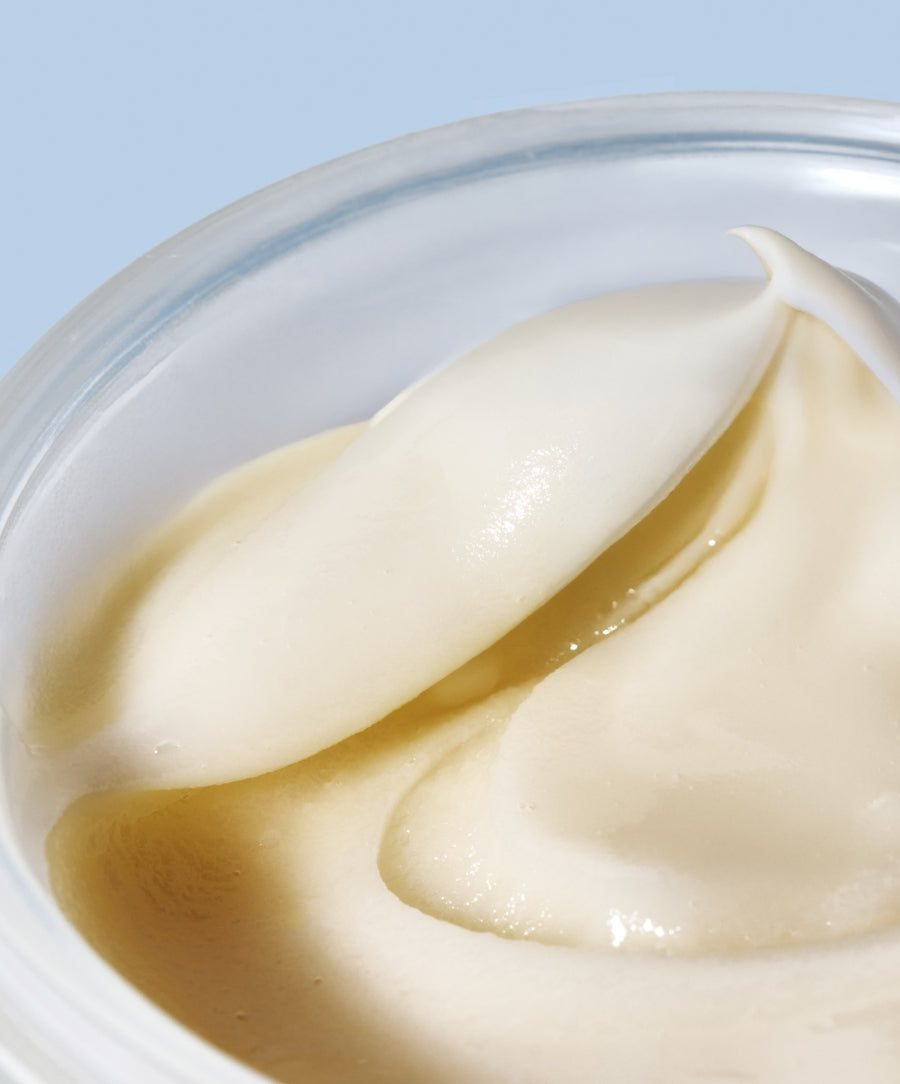
Coconut Clean Cleansing Balm
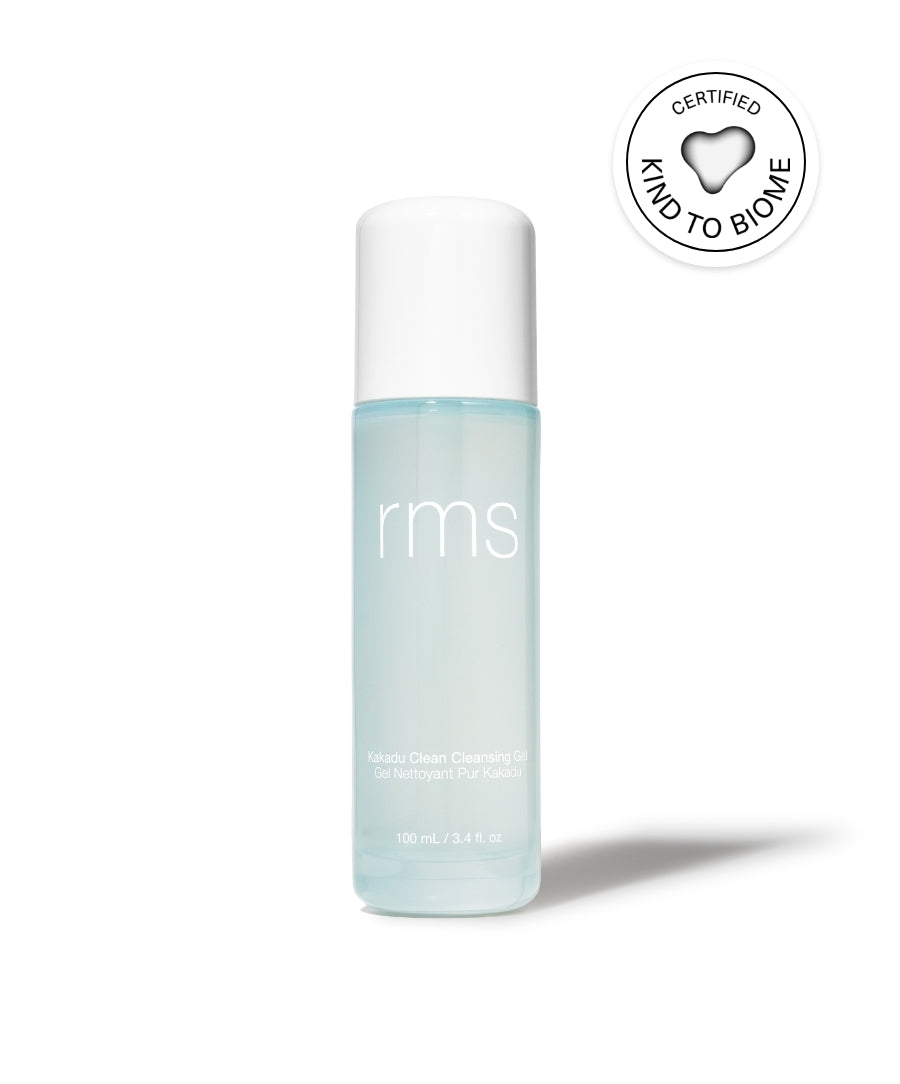
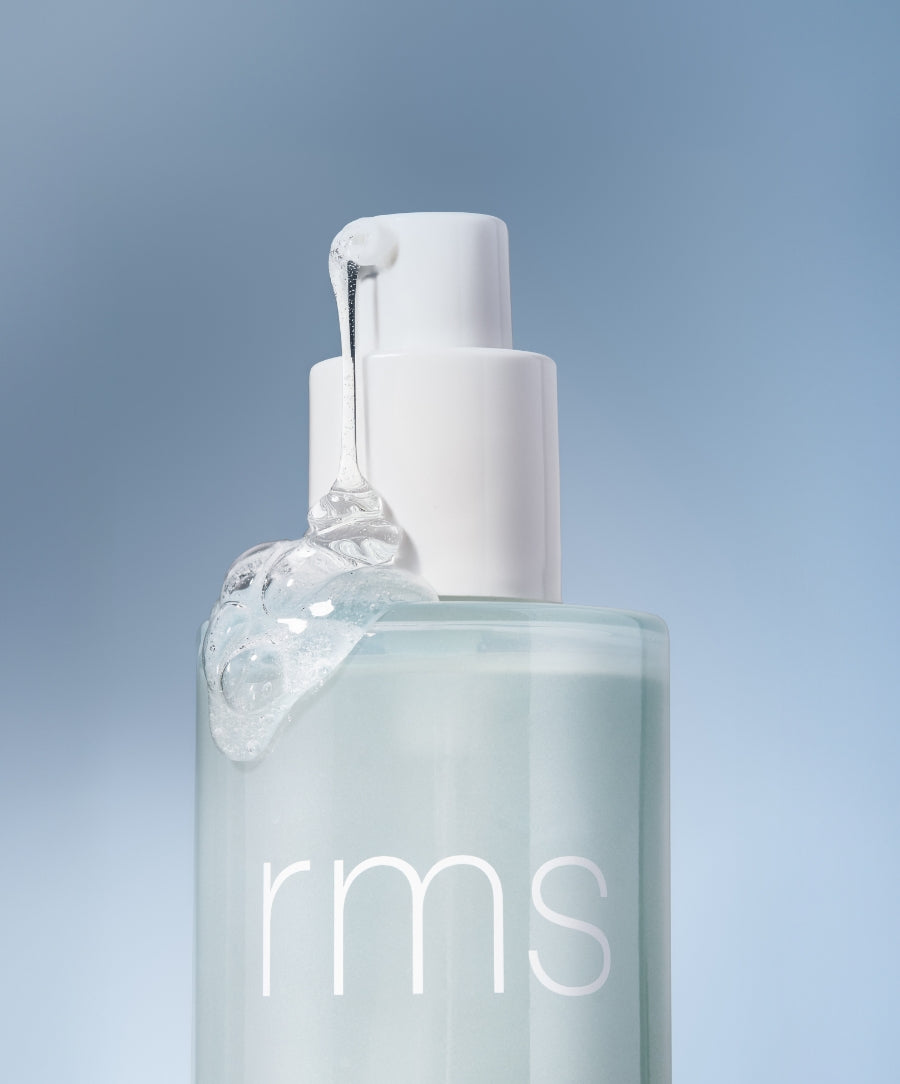
Kakadu Clean Cleansing Gel
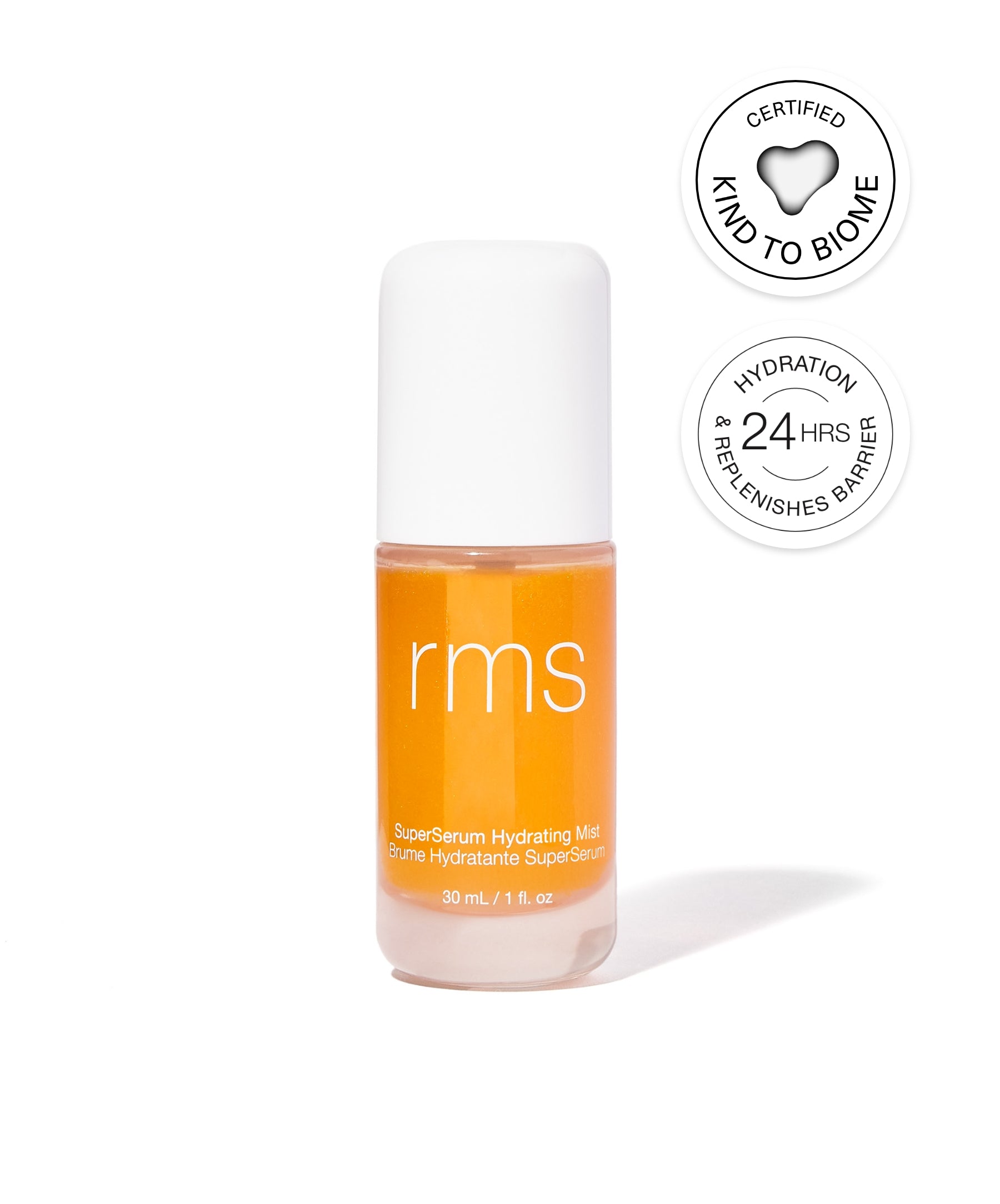
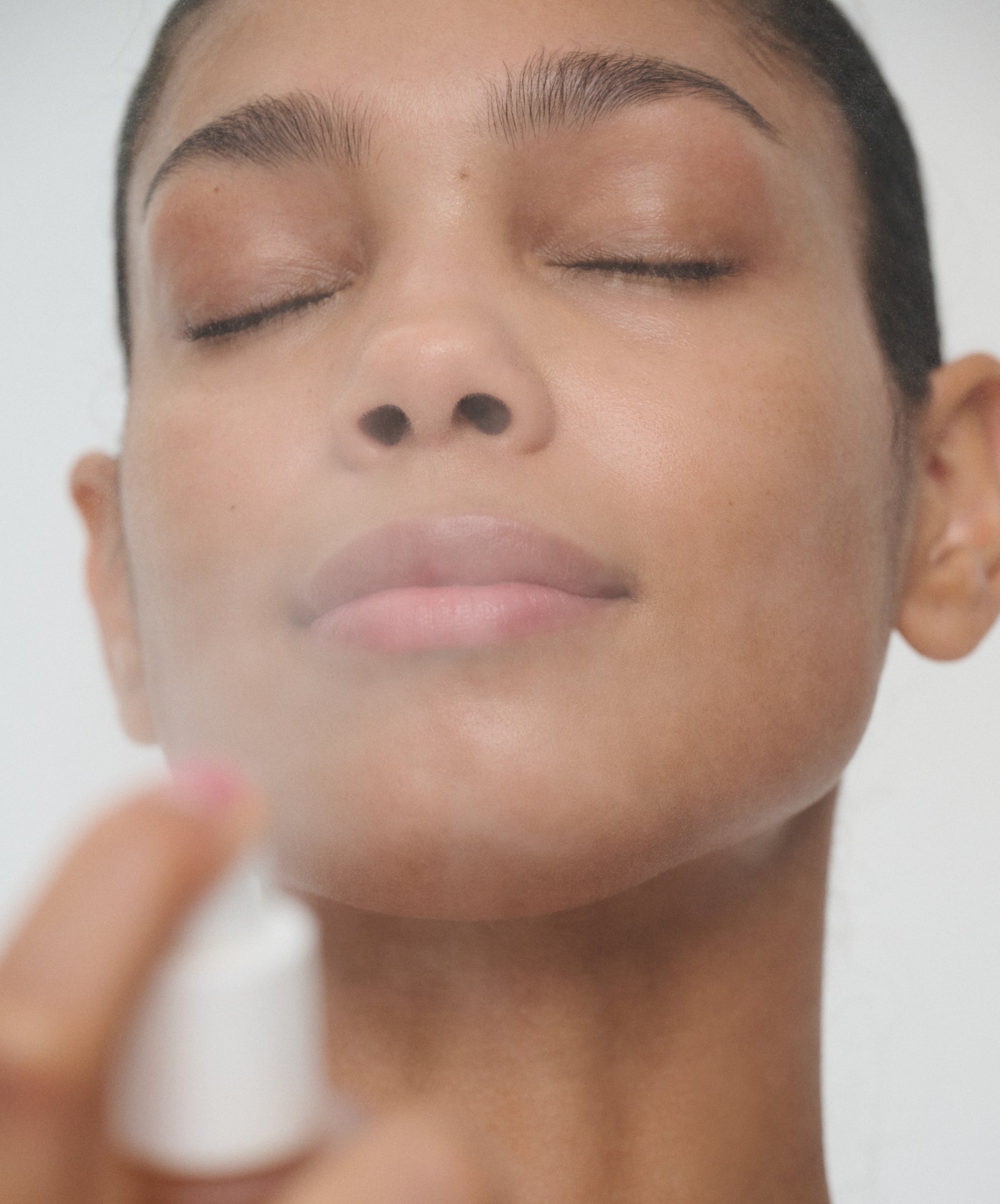
SuperSerum Hydrating Mist