Skip to main content


What Does PA++++ Mean in Sunscreen and Why Does It Matter?
You have probably seen those little plus signs on sunscreen labels and looked past them. Fair enough. But if you are serious about protecting your skin from long-term UV damage, the PA rating deserves just as much attention as SPF.
PA sunscreen ratings measure something SPF does not, and once you understand the difference, you will never look at a label the same way.
What Does PA++++ Mean and How Does the Rating System Work?
 Most people know SPF protects against sunburn. Fewer know that the PA rating system measures protection from UVA rays, the ones responsible for premature aging, deep skin damage, and the much dreaded sunburn.
PA Stands for Protection Grade of UVA
PA is short for Protection Grade of UVA. Developed in Japan, the PA rating system is adapted from the Persistent Pigment Darkening (PPD) method. PPD testing exposes skin to UVA radiation and measures how long the skin takes to show persistent darkening. The result is converted into a PA grade, so when you see a PA sunscreen label, you are looking at a standardized measure of UVA defense.
How the PA Rating Scale Breaks Down
The PA system uses plus signs to indicate levels of UVA protection. More plus signs mean stronger protection.
Here is a quick reference:
| PA Rating | PPD Range | Level of UVA Protection |
|---|---|---|
| PA+ | PPD 2 to 4 | Some protection |
| PA++ | PPD 4 to 8 | Moderate protection |
| PA+++ | PPD 8 to 16 | High protection |
| PA++++ | PPD 16 or higher | Highest available protection |
What is PA+++ in sunscreen compared to PA++++? A product rated PA+++ offers high UVA defense with a PPD between 8 and 16, while PA++++ means the product scores a PPD of 16 or above.
The key point is that PA++++ is currently the highest UVA protection grade available.
Why PA++++ Is the Rating That Matters Most
Because the PA scale caps at four plus signs, a PPD of 20 and a PPD of 40 could both receive a PA++++ grade. No way exists to distinguish between the two from the label alone. The safest approach is to assume a PA++++ sunscreen protects at the minimum threshold of 16 times your unprotected UVA exposure.
PA+++ vs PA++++ and How SPF Fits Into the Picture

UVA and UVB rays damage skin differently. A good sunscreen addresses both, and understanding how PA and SPF work together helps you make smarter choices.
What SPF Actually Measures
SPF, or Sun Protection Factor, rates a product's ability to block UVB rays, the wavelengths primarily responsible for sunburn. An SPF 50 product blocks approximately 98% of UVB radiation. SPF does not measure UVA protection at all.
- SPF 15 blocks roughly 93% of UVB rays
- SPF 30 blocks roughly 97% of UVB rays
- SPF 50 blocks roughly 98% of UVB rays
The percentage difference between SPF 30 and SPF 50 is small, but for sun-sensitive skin or prolonged exposure, that gap matters.
The Real Difference Between PA+++ and PA++++
When weighing PA+++ vs PA++++, the distinction comes down to PPD thresholds. PA+++ covers a PPD range of 8 to 16, while PA++++ starts at 16 and has no upper cap. For everyday activities with moderate sun exposure, PA+++ provides strong UVA defense. For extended time outdoors, frequent travel, or anyone particularly concerned about photoaging, PA++++ sunscreen offers the highest available grade.
Broad Spectrum Protection Covers Both Bases
In the United States, "broad spectrum" on a label means the product protects against both UVA and UVB rays. If a sunscreen is labeled SPF 50 PA++++ and broad spectrum, you are getting high UVB defense paired with the strongest available UVA rating. A mineral SPF 50 tinted moisturizer that uses non-nano zinc oxide provides both types of protection through a single physical filter.
How Long Does a Sunscreen Last on Your Skin
No matter the SPF or PA rating on your bottle, sunscreen is not a set-it-and-forget-it product. How long does a sunscreen last in real-world conditions? Here is what determines your protection window.
The Two-Hour Reapplication Rule
Regardless of whether your product is SPF 30 or SPF 50 PA++++, dermatologists recommend reapplying every two hours. UV filters degrade over time and lose effectiveness. Swimming, sweating, or toweling off speeds that process, so reapply every 40 to 80 minutes during activity.
Factors That Shorten Your Sunscreen's Wear Time
Several variables affect how long your sunscreen stays effective:
- Water and sweat can break down UV filters faster than normal wear
- Rubbing or touching your face physically may remove the protective layer
- Not applying enough product in the first place reduces coverage
- Higher UV index days may accelerate filter degradation
A good rule: if you are outdoors and active, treat reapplication as non-negotiable. A radiant SPF 30 sunscreen serum powered by mineral zinc oxide makes midday reapplication smooth, layering easily over makeup or bare skin.
Clean Formulas That Prioritize Skin Health
When reapplying sunscreen multiple times a day, what goes into that formula matters. Mineral-based sunscreens that use non-nano zinc oxide sit on top of the skin and physically deflect UV rays rather than absorbing them chemically. Pairing sun protection with niacinamide, vegetable squalane, or a hydrating primer formulated to lock in moisture means your skin gets nourished every time you protect it.
What to Look for in an SPF 50 PA++++ Sunscreen
Not all sunscreens are created equal. A high rating is the starting point, but the formula, the filters, and the ingredients behind those ratings determine whether your sunscreen works well for your skin.
Mineral Filters vs Chemical Filters
Mineral sunscreens use zinc oxide and titanium dioxide to physically reflect UV rays before they reach the skin. Chemical sunscreens use compounds like oxybenzone or avobenzone that absorb UV radiation and release it as heat. Mineral filters tend to be better tolerated by sensitive skin, and non-nano formulations keep particles on the skin's surface where they belong.
Ingredients That Nourish While Protecting
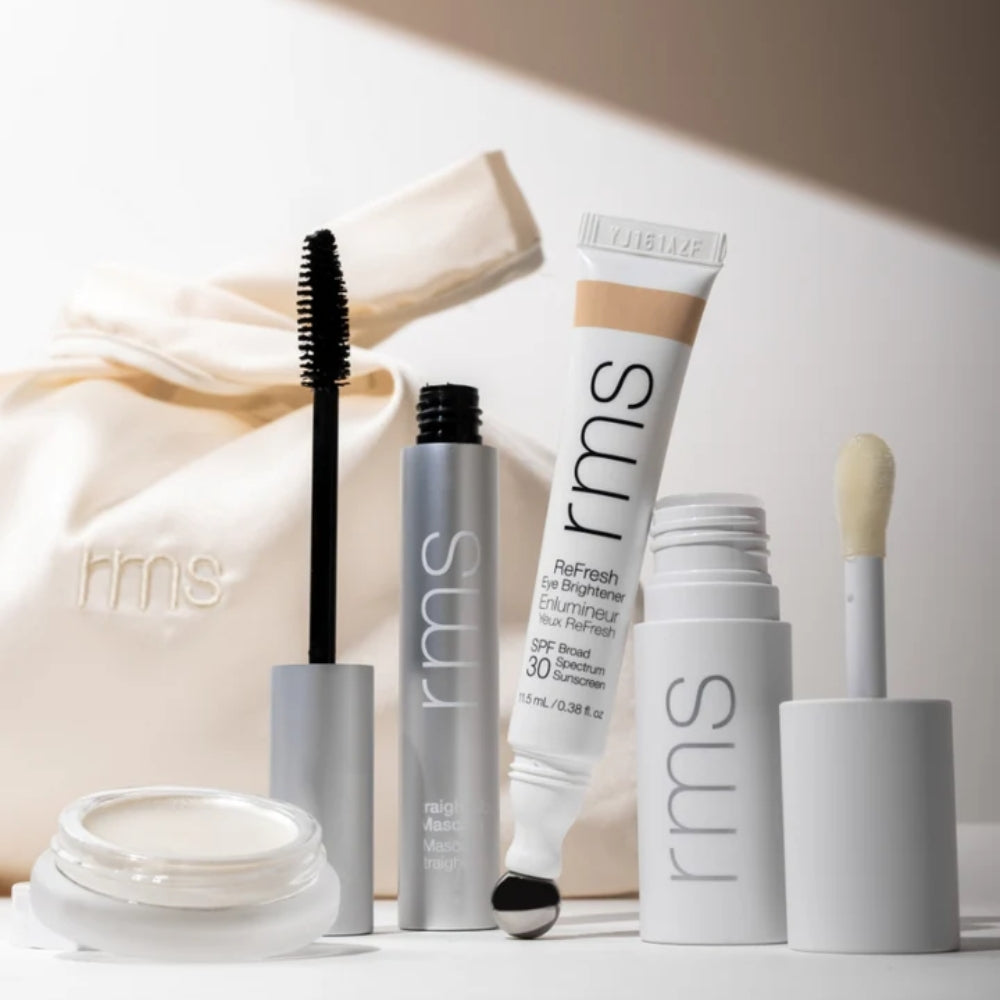
The best sunscreens double as skincare. Look for formulas with GlowPlex (a complex of niacinamide and natural peptides that brightens and smooths skin tone) or hydrating botanicals like vegetable squalane. A broad-spectrum eye-area sunscreen that combines mineral SPF with caffeine and coffee seed extract protects the delicate undereye while visibly reducing puffiness.
Why Multitasking Sun Protection Makes Sense
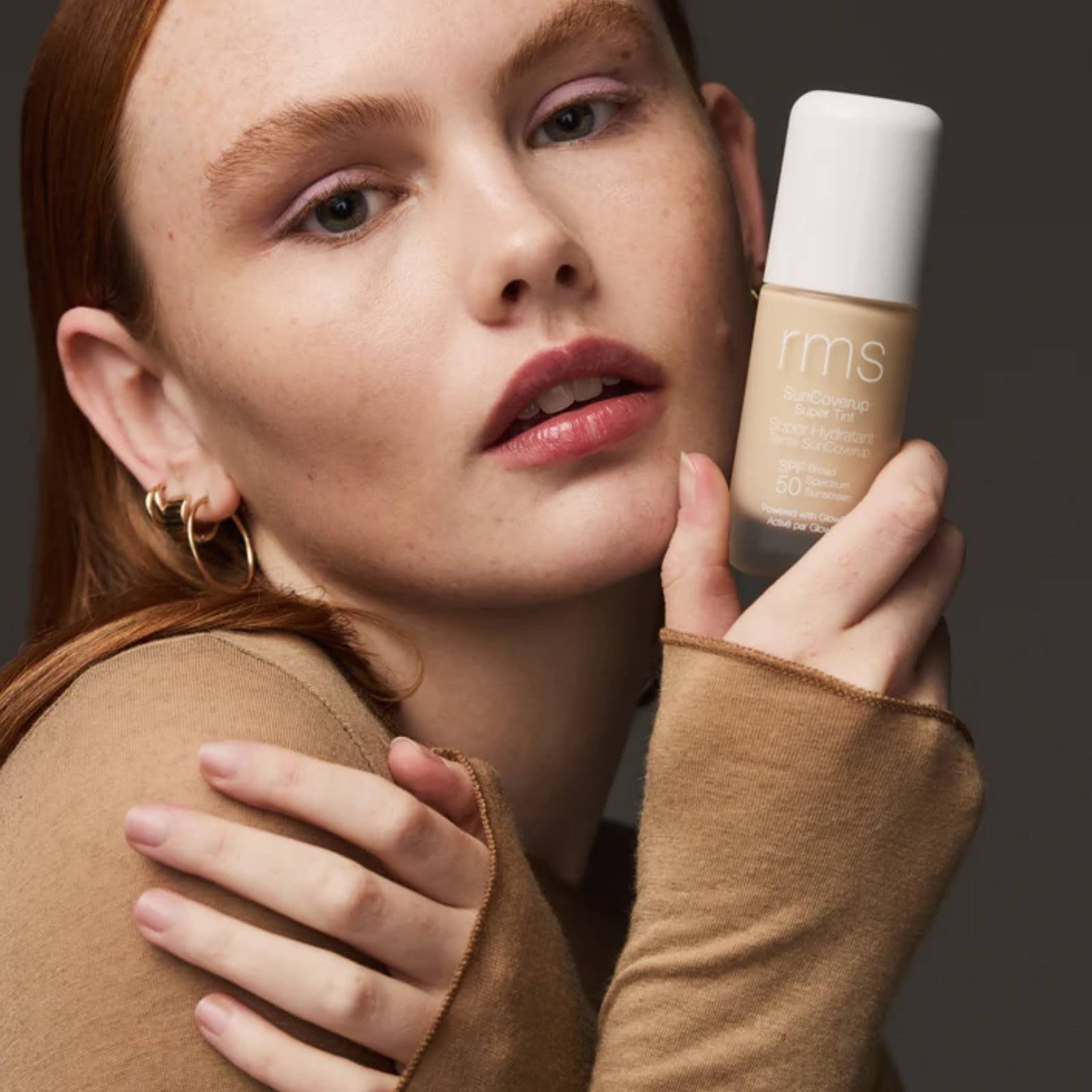
A streamlined routine means you are more likely to actually wear and reapply your sunscreen. Products that combine SPF with skin-evening tint, hydration, and antioxidant defense remove friction from daily sun care. A tinted sunscreen with SPF 50 built on zinc oxide and GlowPlex gives your skin defense and a naturally even-toned complexion in one step.
Final Thoughts
Sun protection is not complicated once you know what the labels mean. PA++++ means the highest level of UVA defense currently available, and paired with a solid SPF rating, you are covered from both sides of the UV spectrum. The real win is choosing a daily mineral sunscreen formulated with clean, skin-loving ingredients that make protection feel effortless.
At RMS Beauty, every SPF product is built around non-nano zinc oxide, nourishing botanicals, and formulas that perform as beautifully as they protect.
Frequently Asked Questions
Q. What does PA++++ mean in sunscreen?
PA++++ is the highest rating in the PA (Protection Grade of UVA) system, indicating a PPD of 16 or higher. Your skin can handle at least 16 times more UVA exposure than unprotected skin.
Q. What is the difference between PA+++ and PA++++ sunscreen?
PA+++ covers a PPD range of 8 to 16, while PA++++ starts at a PPD of 16 with no upper limit. PA++++ provides the strongest UVA protection currently measured on the PA scale.
Q. Does SPF 50 PA++++ block all UV rays?
No sunscreen blocks 100% of UV radiation. SPF 50 blocks about 98% of UVB rays, and PA++++ offers the highest UVA defense available. Together, they provide strong, broad-spectrum protection, but consistent reapplication is still essential.
Q. How long does a sunscreen last before I need to reapply?
Sunscreen should be reapplied every two hours regardless of its SPF or PA rating. If you are swimming, sweating, or physically active, reapply every 40 to 80 minutes for continuous protection.
Q. Can PA++++ sunscreen prevent tanning completely?
PA++++ significantly reduces UVA-induced tanning, but no sunscreen provides total prevention. Regular reapplication plus physical sun-protection methods like hats and shade offer the most complete defense.
Q. What is the difference between PA sunscreen ratings and broad-spectrum labeling?
PA ratings specifically grade UVA protection using the PPD method. Broad spectrum is a U.S. FDA label indicating protection against both UVA and UVB rays. A product can be broad-spectrum without a PA rating, and vice versa.
Shop The Blog
ReEvolve Radiance Locking Primer