Skip to main content




Peptides for Acne & Pimples: Benefits, Uses, and Results
Your acne routine shouldn't wreck your skin in the process. Harsh acids and stripping cleansers can clear breakouts, sure, but they often leave skin red, dry, and worse off than before. Peptides work differently. Peptides are short chains of amino acids that tell your skin to repair itself, build strength, and calm down. Peptides for acne work with your skin, not against it.
For anyone tired of the strip-and-repeat cycle, that's a big deal.
What Peptides Actually Do for Acne-Prone Skin
Peptides act like tiny messengers in your skin. When you apply them, they tell your cells to make more collagen, bring down redness, and patch up the moisture barrier. For acne-prone skin, those signals fill in exactly what most routines miss.
The Skin Barrier Connection
A weak skin barrier lets bacteria in and lets moisture escape, which is the perfect setup for breakouts. Peptides help your skin produce more collagen and elastin, two proteins that keep the barrier strong. A stronger barrier means fewer irritants getting through, and fewer flare-ups as a result. A peptide-rich moisturizer with niacinamide can shore up that barrier while smoothing out skin texture.
Calming Redness Without Stripping
Redness and swelling go hand in hand with acne. Some peptides, especially antimicrobial peptides (AMPs), help calm inflammation from within. Instead of scrubbing away at the skin's surface to kill bacteria, they work deeper to ease the irritation. A hydrating peptide serum mist delivers those calming benefits while keeping skin nourished and balanced.
Smoothing Out Post-Acne Texture
Shallow scars, rough patches, and uneven tone are common after breakouts clear. Peptides that boost collagen can gradually smooth out those marks over time. And unlike harsh exfoliants, peptides get results without kicking off another round of irritation and rebound breakouts.
Are Peptides Good for Acne?
Short answer: yes, when used the right way. Peptides won't replace proven acne fighters like salicylic acid or benzoyl peroxide. But they fill a gap most routines ignore, which is helping skin recover and stay strong. Most people dealing with stubborn breakouts already have plenty of offense in their routine. What's usually missing is defense. And that's where peptides come in.
Where Peptides Do What Harsh Actives Can't
Standard acne ingredients go after bacteria and oil. Peptides handle something just as important: they help skin heal from the damage that both acne and aggressive treatments leave behind. For anyone rotating through strong actives, a peptide product adds recovery without adding more irritation. And because peptides don't make your skin more sensitive to the sun the way retinoids or AHAs do, they fit easily into everyday use.
Types of Peptides That Matter for Breakouts
Not all peptides do the same thing. Here are the ones that matter most for acne-prone skin:
- Signal peptides tell your skin to make more collagen, helping repair post-acne texture and shallow scars
- Antimicrobial peptides (AMPs) go after acne-causing bacteria without throwing off your skin's natural balance
- Neurotransmitter peptides can dial down visible redness and swelling in active breakouts
- Carrier peptides bring minerals like copper to the skin, supporting healing and recovery
Peptides vs. Common Acne Actives
| Feature | Peptides | Salicylic Acid | Benzoyl Peroxide | Retinoids |
|---|---|---|---|---|
| Targets bacteria | Some (AMPs) | No | Yes | No |
| Reduces inflammation | Yes | Mild | No | Mild |
| Repairs skin barrier | Yes | No | No | No |
| Boosts collagen | Yes | No | No | Yes |
| Drying or irritating | No | Can be | Often | Often |
| Safe for sensitive skin | Generally yes | Depends | Rarely | Depends |
The takeaway: peptides work alongside other acne actives. Pairing them creates a routine that fights breakouts and repairs skin at the same time.
How to Use Peptides for Clear Skin
Seeing real results from peptides for clear skin comes down to smart layering, not adding more products. The goal is to work peptides into what you already do, where they can make the biggest difference.
Building a Peptide Routine for Breakout-Prone Skin
Keep things simple. A cleanser, a peptide serum or moisturizer, and SPF during the day is all you need to start. Piling on too many actives at once overwhelms acne-prone skin and makes it hard to tell what's helping. A non-comedogenic primer that holds makeup in place without clogging pores works well as a daytime step that also looks after your barrier.
What to Pair with Peptides (and What to Skip)
Peptides get along well with some ingredients and clash with others. Smart combos make a difference:
- Niacinamide works great alongside peptides, helping manage oil and minimize pores
- Hyaluronic acid adds hydration that supports what peptides are doing for repair
- Vitamin C pairs well for evening out tone and texture
- AHAs (glycolic, lactic acid) can weaken peptide performance when layered at the same time, so use them at different times of day
Morning and Evening Application Tips
Morning routine:
- Cleanse with a gentle, non-drying formula
- Apply peptide serum or mist to damp skin
- Follow with a lightweight, non-comedogenic moisturizer
- Finish with mineral SPF with peptides for sun protection and skin-smoothing benefits
Evening routine:
- Double cleanse if wearing makeup or SPF
- Apply acne actives (salicylic acid, benzoyl peroxide) if using them
- Wait 10 minutes, then layer a skin-firming peptide cream to help skin repair overnight
- Seal with a facial oil if your skin handles one well
What Results to Expect from Peptides for Acne
A Realistic Timeline
Peptides won't change your skin overnight. Expect hydration and comfort to improve within 2 to 4 weeks. Visible changes in post-acne marks and overall tone usually take 8 to 12 weeks of steady use. Unlike retinoids, peptides don't cause a purge, so early changes are all good news. Showing up consistently matters more than using a high concentration.
What Peptides Can (and Can't) Do for Scars
Peptides can fade shallow dark spots and smooth out the mild texture left behind after breakouts. Deep, pitted scars usually need professional treatments like microneedling or laser work. Peptides can help your skin bounce back faster after those procedures by supporting collagen production, but they won't replace them. For everyday post-breakout marks and minor unevenness, though, peptides are one of the gentlest options that actually deliver.
Final Thoughts
Peptides won't bulldoze your breakouts, and that's exactly the point. Where other actives strip and fight, peptides repair and strengthen. For acne-prone skin stuck in the harsh-treatment loop, they bring balance back. And balance, not aggression, is what leads to skin that stays clear.
At RMS Beauty, our clean skincare lineup features GlowPlex™, a complex of Niacinamide and natural peptides including Quinoa Seed Extract and Pea Extract, formulated to smooth, firm, and brighten skin tone. Dermatologist-tested, free of synthetic fragrances, and built around peptide-powered care for skin that deserves more than just another harsh active. Give your skin what it actually needs.
Frequently Asked Questions
Q. Can peptides replace my acne medication?
No. Peptides help with barrier repair and inflammation, but work best alongside prescribed treatments, not as a swap.
Q. Are peptides safe for sensitive, acne-prone skin?
Generally, yes. Peptides are gentle and non-irritating, making them a good fit for skin that reacts easily.
Q. How long do peptides take to show results on acne?
Hydration feels better within 2 to 4 weeks. Post-acne texture and tone changes usually take 8 to 12 weeks of regular use.
Q. Can I use peptides with retinoids?
Yes. Peptides can help calm the irritation retinoids sometimes cause, making them a solid pairing for acne-prone routines.
Q. Do peptides cause purging or breakouts?
Peptides do not cause purging. Breakouts from peptide products are usually caused by heavy or pore-clogging formulas, not the peptides.
Q. Should I apply peptides before or after acne treatments?
Apply acne treatments first and let them absorb, then layer peptides on top. Peptide serums and creams work best as a repair step after actives.
Shop The Blog
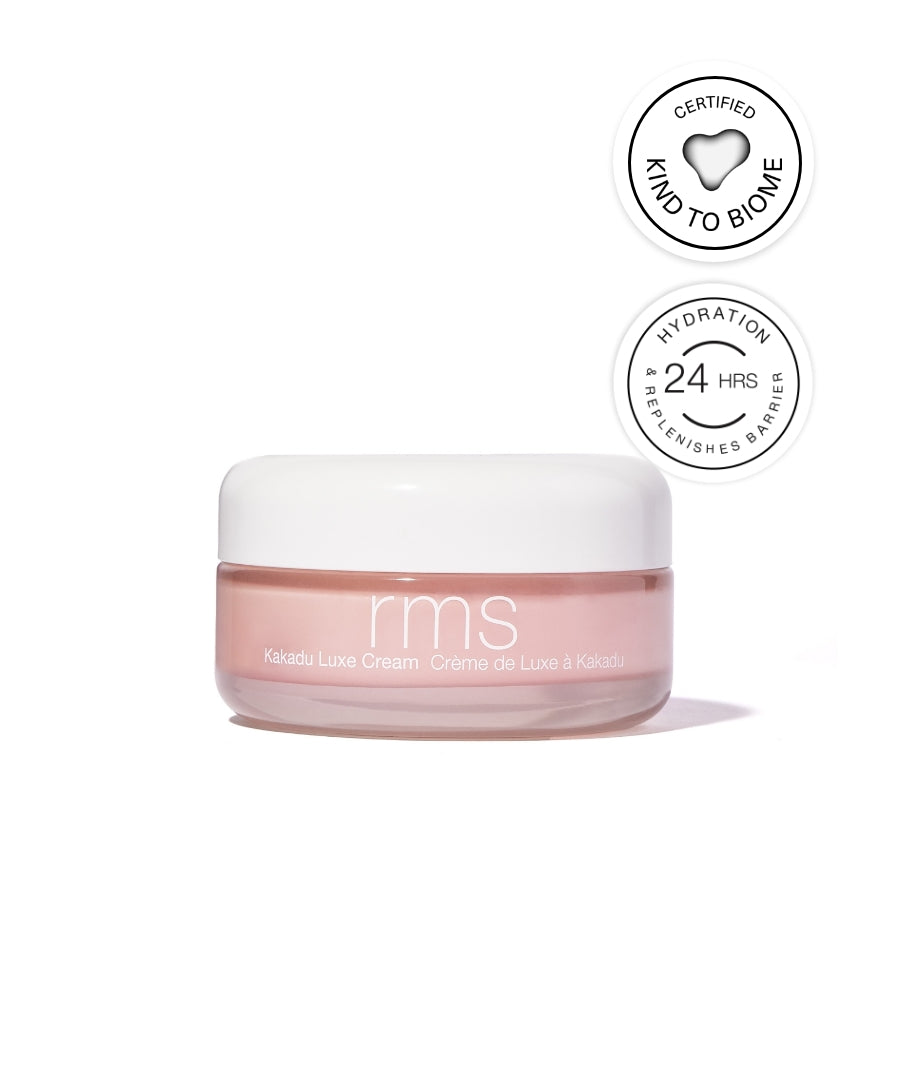
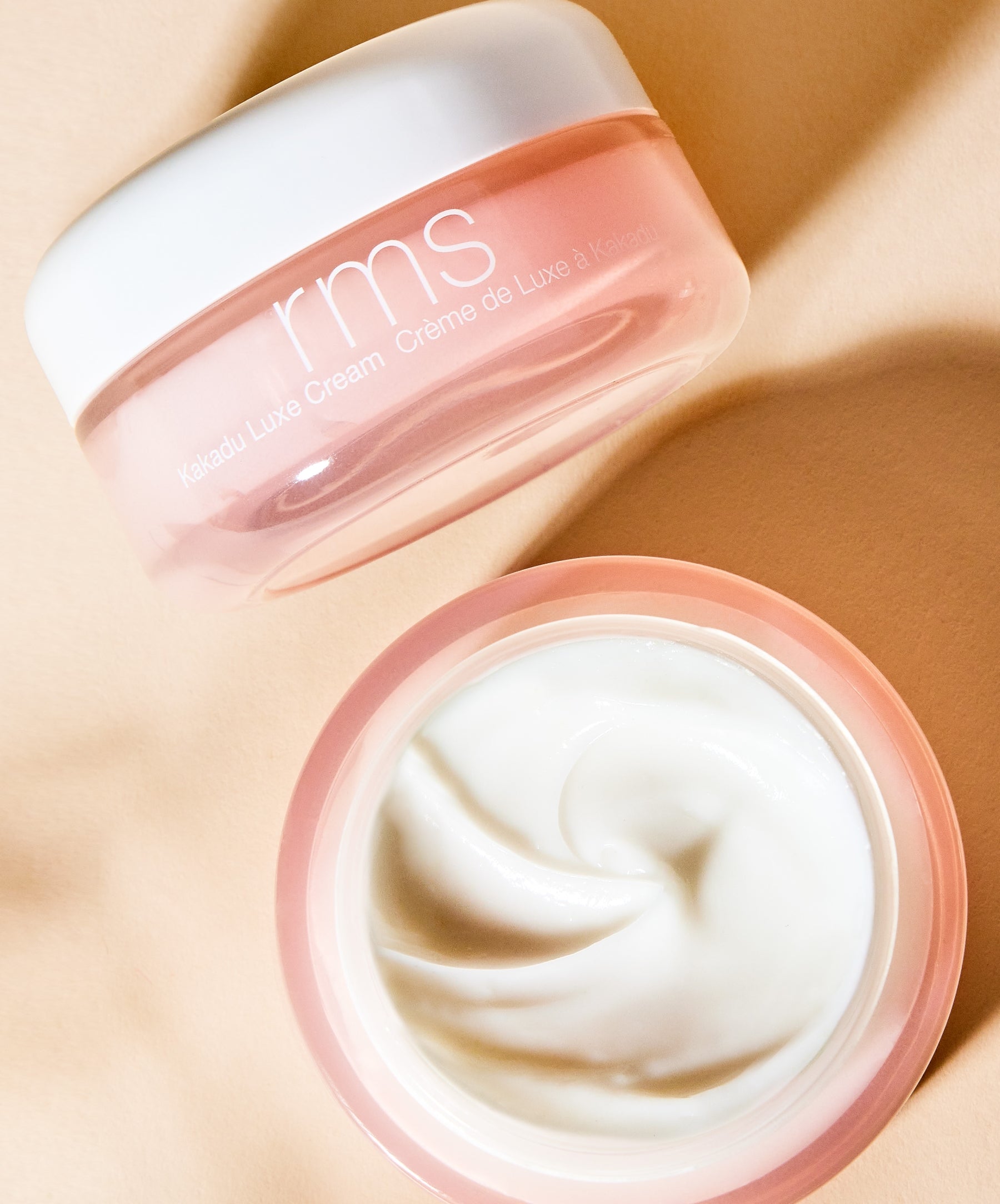
Kakadu Luxe Cream
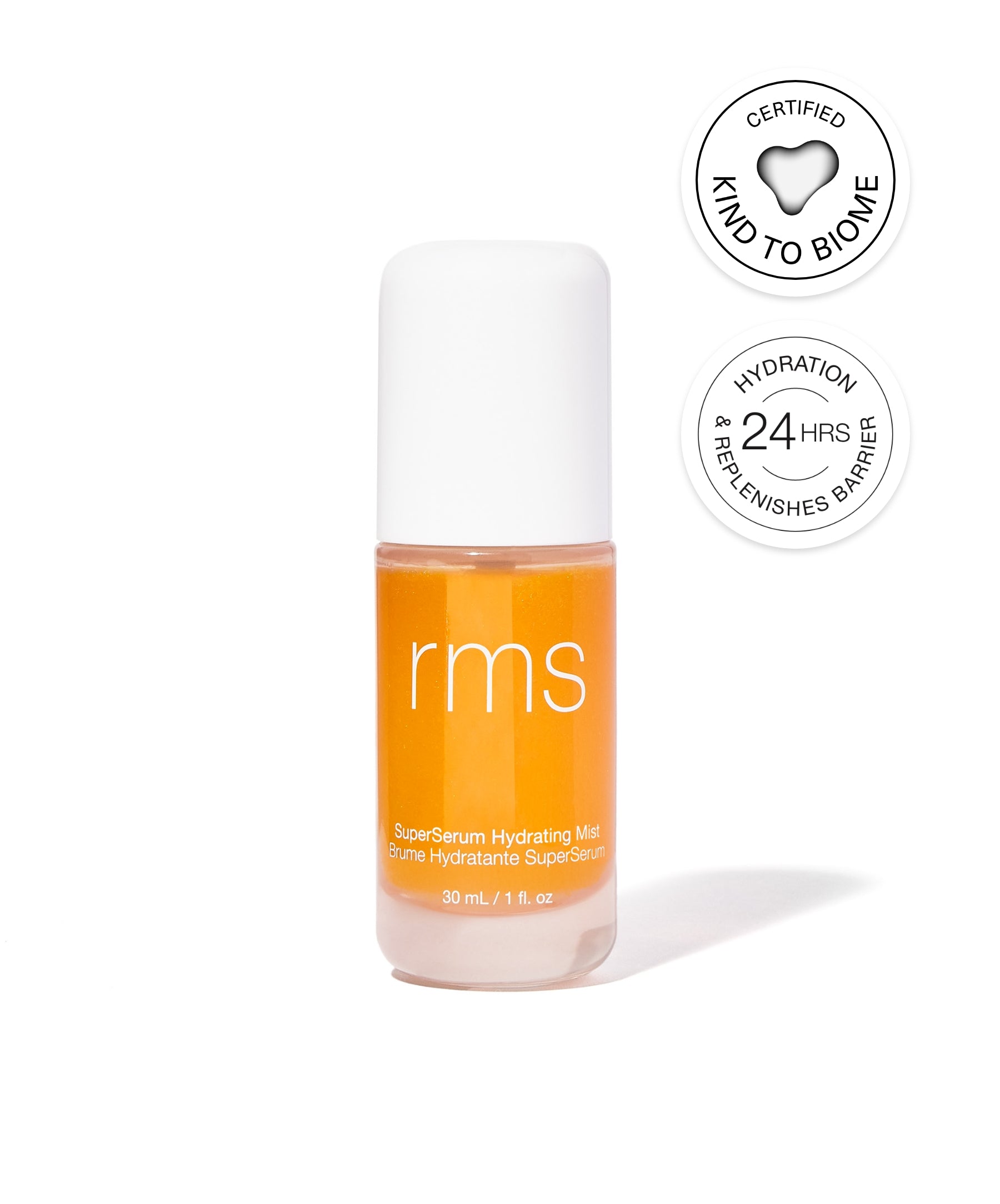
SuperSerum Hydrating Mist
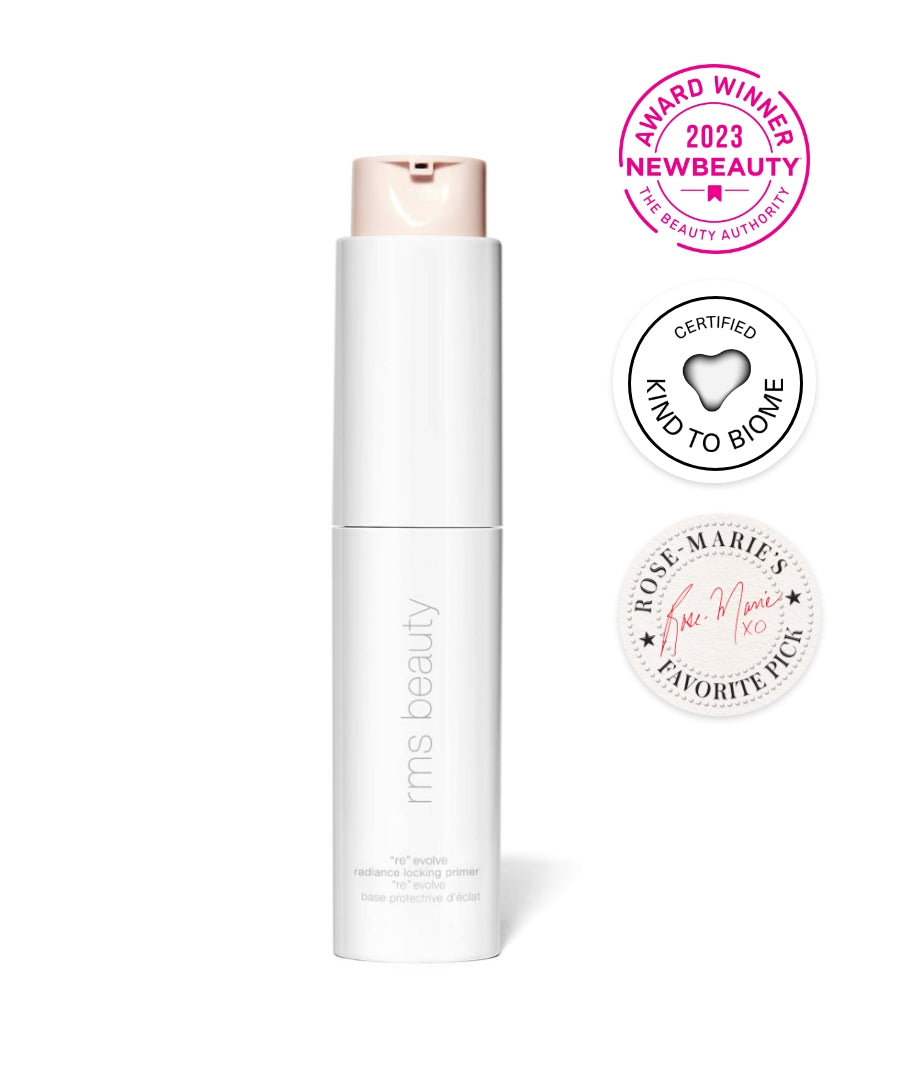
ReEvolve Radiance Locking Primer