Skip to main content


Giving Tuesday 2025: Care For Our Coasts
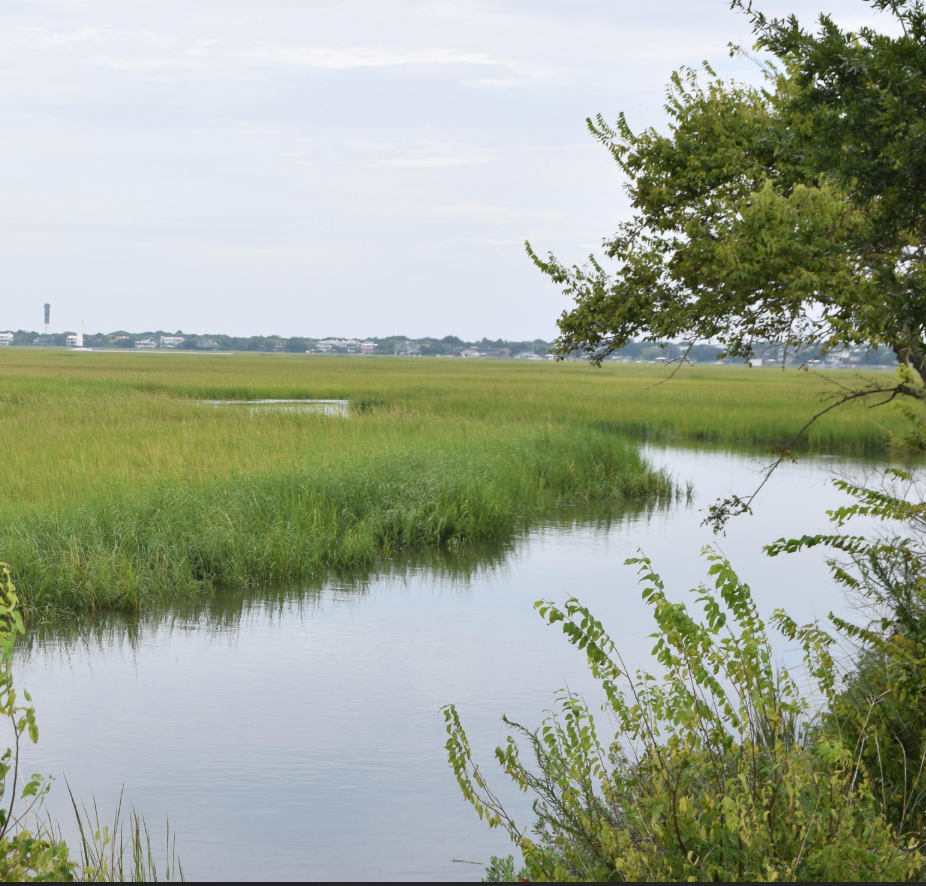
At RMS Beauty, “clean” has always meant more than clean ingredients—it’s about caring for the world we live in. Our headquarters are in Charleston, South Carolina, surrounded by the tidal marshes, oyster reefs, and coastal habitats that make it unlike anywhere else. So this Giving Tuesday, we’re choosing to give back to the coast that inspires us every day.
We’re proud to support the Coastal Conservation League of South Carolina, a nonprofit protecting the Lowcountry’s natural environment through advocacy, policy change, and community-driven action. From safeguarding wetlands to challenging irresponsible development, their work ensures that future generations can experience the same natural beauty we get to call home.
We spoke with the CCL team to learn more about why this ecosystem matters, what threats it faces, and how our support this Giving Tuesday can make a real impact. Here’s what they shared.

RMS: How would you describe CCL’s mission in one sentence, and why does this mission matter right now on the South Carolina coast?
CCL: The Coastal Conservation League advocates to protect the natural environment of South Carolina’s coast for the benefit of all. We envision a South Carolina coast where wildlife thrives, air and water are clean, and natural landscapes are protected for generations to come.
With the rapid growth of South Carolina, we want to make sure our special places and ecosystems are protected.
RMS: Why do these ecosystems need protecting?
CCL: An acre of Marsh can hold up to one million gallons of floodwater during a storm. That’s roughly the size of an Olympic-sized swimming pool at 12 feet deep. If you have five acres of marsh near you…imagine where the water of five Olympic-sized pools would go if that marsh were filled in. Also, an acre of marsh can filter approximately 750,000 gallons of water per year, not to mention the ecosystem of wildlife in the marsh.
This week, we have a speaker from MUSC who is talking about finding cures for cancer and other ailments in the plant life in the ACE Basin… what if those plants are not there any longer because their habitat has been destroyed?
I like what one of our supporters said once in a letter to the editor: “There is so much that we have yet to discover, but one thing we do know is that our oceans are filled with symbiotic relationships, none of them expendable, and all of them necessary for our ultimate survival.” - DORY INGRAM, Wadmalaw Island
RMS: What are the biggest threats to marshes, oyster reefs, and waterways—and the most effective solutions?
CCL: 1) Coastal Development and Habitat Loss. What’s happening: Rapid growth along the coast leads to the filling or fragmentation of wetlands, hardening of shorelines (e.g., seawalls), loss of marsh migration space, and increased polluted runoff.
Why it matters: Marshes and oyster reefs depend on open space, proper tidal flow, and clean water to thrive. An individual oyster can filter up to 50 gallons of water per day and oysters help protect the shoreline from erosion.
2) Water Pollution & Stormwater Runoff. Sources: Fertilizers, pesticides, septic tank leaks, wastewater overflows, industrial runoff, and polluted stormwater from paved surfaces. Impact: Excess nutrients trigger algal blooms, low oxygen conditions, and die-off events. Pathogens and chemicals harm oyster reproduction and human health. An effective solution is to control development near wetlands, marshes and water. And, most importantly, to stop marshes from being filled in.
RMS: What are CCL’s top three priorities this year, and why?
CCL:
1) Data Centers: Data centers use a lot of natural resources but create relatively few jobs. The recent surge in development, driven largely by AI, has led to an unprecedented spike in expected energy demand, which the utilities mostly plan to meet by delaying coal-plant retirements and building multi-billion-dollar polluting gas plants and pipelines that will raise rates for families and small businesses. Data centers also use a lot of water for cooling, and there is not enough transparency around their resource consumption.
2) Responsible and Sustainable Development: South Carolina is a great place to live and do business, and the word has gotten out. In 2023, our state had the highest population growth rate in the country. Unfortunately, rapid growth is putting a strain on our environment and existing communities, especially as infrastructure development has not kept pace. We need to ensure that communities use smart planning and have the public infrastructure and services they need to protect our quality of life.
3) Protecting Wetlands and other Critical Habitats: The natural beauty and biodiversity of the Lowcountry—and the outdoor cultural traditions built around them—are big parts of why this is such a special place. Preserving our diverse wildlife requires protecting open spaces and prioritizing the transition zones between different kinds of habitats, such as ephemeral wetlands in bottomland hardwood forests.
RMS: Could you share a recent win—a policy change, land protection, or community initiative—that shows your approach in action?
CCL: We have had several big wins the past year…Helping protect Lewis Ocean Bay, helping stop the annexation of Tickton Hall, and stopping a golf course community from being developed on Pine Island
(Link to our most recent magazine: The Sentinel | PDF to Flipbook )
RMS: Are there daily choices these coastal communities make that are connected to wildlife health (from shorebirds to dolphins) that people should be more aware of?
CCL: We could have a whole symposium on microplastics. On an everyday level, not using single-use plastics, recycling, buying local / supporting local farmers, and of course, do not litter. On a bigger level, stopping developments that are trying to build next to water, wetlands, and especially when septic tanks are part of their development plans.
RMS: If someone gives or shops RMS Beauty to support CCL on Giving Tuesday, where does that support go first?
CCL: We are unique in how we work with our partners. We are the first and largest environmental advocacy group in the state of South Carolina. Gifts from Giving Tuesday would go to advocate for the coast and the many issues you can find on our website: scccl.org
RMS: For our community outside of Charleston, what can they do in their communities to help support their local ecosystems?
CCL: Growth is continuing to expand, not only in Charleston, but all over the state. Jasper County, per capita, was the fastest-growing county in the US last year! One way we are combating growth is by keeping farmers on their farms through our GrowFood SC food hub. The first in the state! The Conservation League started its Food and Agriculture program in 2007 with the goal of protecting South Carolina’s small, family farms. Between 1992 and 1997, more than 400 acres of rural land were converted every day to urban uses, placing South Carolina in the top ten states in the nation for rural land loss. We quickly realized that small farmers lacked access to the infrastructure available to industrial farms and were therefore unable to say “no” when a developer offered to buy their land. The Conservation League saw a food hub as critical to our work protecting rural landscapes and improving quality of life across the coastal plain.
RMS: What keeps you optimistic when the challenges feel overwhelming?
CCL: Leaders and citizens are making a difference at all levels of government to help protect our environment and the special places where we live.
RMS: We know that your organization advocates for policy changes that will support coastal conservation. What’s a policy term every Charlestonian should get to know?
CCL: Concurrency - requiring public infrastructure and services to keep pace with development
Bonus Questions:
RMS: Favorite Lowcountry spot to watch a sunrise or tide change?
CCL: From the water!
RMS: Most under-appreciated coastal species?
CCL: Oysters. Our visitors and residents love to fish and watch dolphins. Oysters do so much to clean our water and protect our shorelines.
Shop Secret Stash and Give Back>
Shop The Blog


UnCoverup Concealer
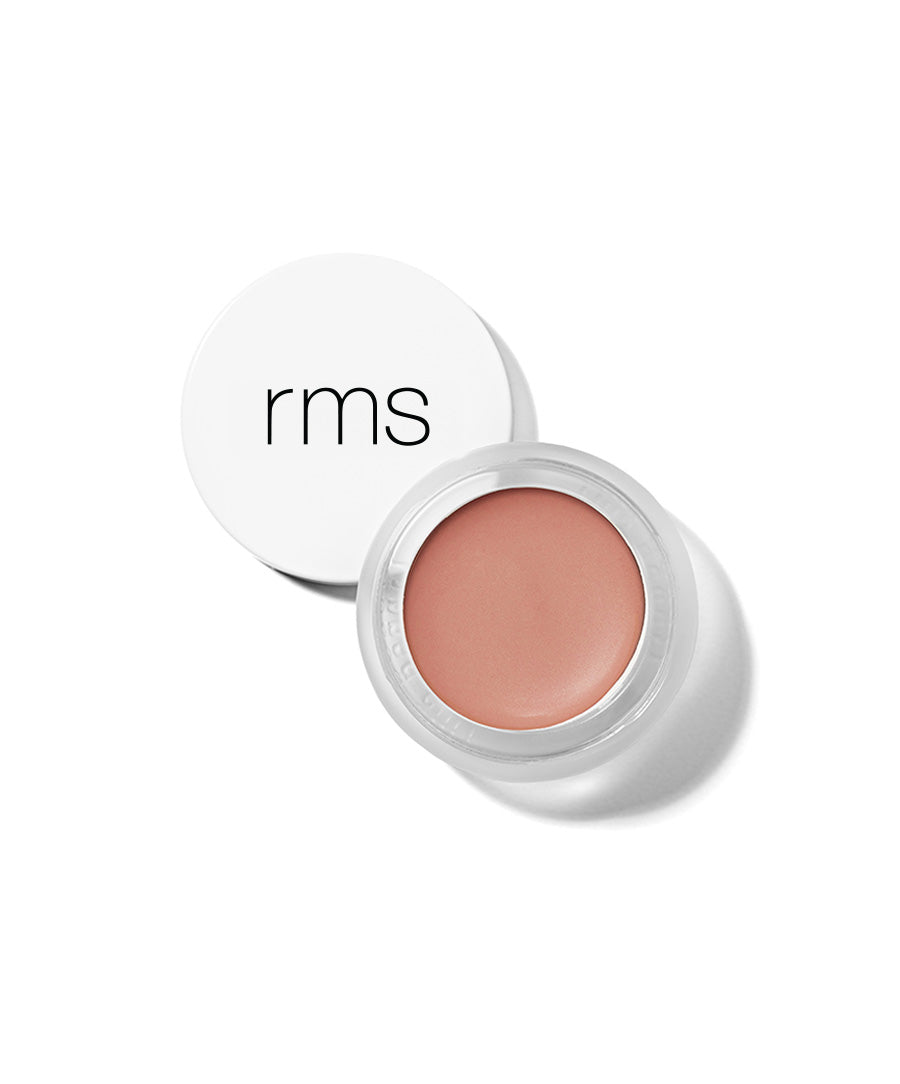
Lip2Cheek


ReDimension Hydra Powder Blush

ReEvolve Natural Finish Liquid Foundation
ReEvolve Radiance Locking Primer