Skip to main content




Does Niacinamide Help with Acne?

Niacinamide keeps showing up in ingredient lists, product recommendations, and skincare conversations everywhere. And if you're dealing with breakouts, the question is fair: does niacinamide help with acne, or is the hype outrunning the evidence?
Niacinamide is a form of vitamin B3 that genuinely supports acne-prone skin. Not through a single dramatic mechanism, but through several smaller, well-documented ones, including sebum regulation, barrier repair, and anti-inflammatory activity. Below, we break down exactly how niacinamide can be beneficial for acne, who should use the ingredient, and how to build it into a routine that delivers real results.
What Niacinamide Does for Acne-Prone Skin
Niacinamide is not a traditional acne treatment like benzoyl peroxide or salicylic acid. Instead, it addresses the conditions that make breakouts more likely in the first place.
A Form of Vitamin B3 Your Skin Can Actually Use
Niacinamide (also called nicotinamide) is a water-soluble form of vitamin B3. Unlike some active ingredients that work best at specific pH ranges or require buffering, the ingredient plays well with most skincare formulations. Concentrations between 2% and 5% are well-tolerated across skin types, including sensitive skin.
Oil Control Without Stripping Moisture
Excess sebum production is one of the primary drivers of clogged pores and acne. Niacinamide helps regulate oil output at the skin's surface, reducing the greasy feel and the conditions that allow breakouts to form. The key difference from harsher activities? Vitamin B3 (aka Niacinamide) manages oil without compromising the skin's moisture barrier.
Calming Inflammation Around Active Breakouts
Acne is, at its core, an inflammatory condition. Redness, swelling, and tenderness around breakouts all stem from inflammation. Vitamin B3 has documented anti-inflammatory properties that can reduce the severity of active lesions and help prevent post-inflammatory hyperpigmentation, the dark marks left behind after a pimple heals.
Niacinamide Benefits for Acne
So does niacinamide help with acne in ways you'll actually notice? Here are the most impactful benefits, from strongest to most subtle.
- Sebum regulation reduces excess oil production, directly targeting one of acne's root causes
- Barrier repair strengthens the skin's protective layer, reducing sensitivity and moisture loss
- Anti-inflammatory action calms redness and swelling around active breakouts
- Pore refinement minimizes the appearance of enlarged pores over time
- Hyperpigmentation reduction fades dark spots left behind after breakouts clear
- Texture improvement promotes smoother, more even-toned skin through consistent use
How to Use Niacinamide in an Acne-Focused Routine
A good ingredient in the wrong routine won't deliver much. Here's how to position vitamin B3 for the strongest results on acne-prone skin.
Start with the Right Concentration
Most people see meaningful niacinamide benefits for acne at concentrations between 2% and 5%. Higher concentrations (up to 10%) can work for stubborn concerns, but a lower starting point reduces the chance of irritation. Gradual introduction, twice a week at first, then building to daily use, is the smartest approach.
Layer the ingredients in the Correct Order
Vitamin B3 works best when applied after cleansing and before heavier creams or oils. The general rule: thinnest texture first, thickest last. A mineral sunscreen serum layered on top can provide broad-spectrum protection while delivering niacinamide and pore-refining benefits in a single step.
Pair Every Routine Step with Sunscreen
UV exposure worsens post-acne hyperpigmentation and weakens the skin barrier. Wearing SPF daily is non-negotiable when using actives. A brightening undereye SPF treatment handles sun protection around the delicate eye area where dark marks tend to linger, while a full-face SPF keeps the rest of your complexion shielded.
Why Clean Formulas Matter for Acne-Prone Skin
Not all vitamin B3 products are created equal. Formulas packed with synthetic fragrances, sulfates, or pore-clogging fillers can counteract the ingredient's benefits entirely. A skin-loving setting mist formulated with GlowPlex, a complex of niacinamide and natural peptides including quinoa seed extract and pea extract, boosts radiance and smooths skin without aggravating acne-prone complexions.
Who Should Use Niacinamide for Acne, and What to Expect
The ingredient is broadly compatible across skin types, but setting realistic expectations matters as much as choosing the right product.
Ideal Candidates for Vitamin B3
- Oily or combination skin with frequent breakouts
- Sensitive skin that reacts poorly to benzoyl peroxide or retinol
- Anyone dealing with post-acne dark marks or uneven texture
- Skin that needs barrier support after overuse of harsh actives
When Niacinamide Alone Won't Be Enough
Severe cystic acne, deep hormonal breakouts, and persistent nodular acne typically require professional treatment. Niacinamide, also known as vitamin B3 can support those treatments as a complementary ingredient, but expecting it to replace prescription-strength solutions would be unrealistic. Consult a dermatologist for acne that does not respond to over-the-counter care.
A Realistic Timeline for Visible Results
- Weeks 2 to 4: Reduced oiliness and fewer new breakouts
- Weeks 4 to 8: Noticeable improvement in redness and overall skin texture
- Weeks 8 to 12: Visible fading of post-acne dark marks and hyperpigmentation
Consistency matters more than concentration. The ingredient delivers cumulative results, not overnight fixes.
Final Thoughts
Does niacinamide help with acne? Yes, and the evidence supports that confidently. Vitamin B3 regulates oil, strengthens the barrier, calms inflammation, and fades dark marks. What makes it stand out is how gentle and versatile the ingredient is across every skin type.
Pairing vitamin B3 with clean, thoughtfully formulated products amplifies those results. A hydrating primer for acne-prone skin preps the complexion without clogging pores, while a non-comedogenic concealer covers active blemishes and lets skin breathe. For targeted correction, a concealer with skincare benefits conceals imperfections while firming and smoothing the skin underneath.
Effective acne care and clean beauty belong together. RMS Beauty formulates with ingredients like niacinamide, hyaluronic acid, and botanical extracts that nourish skin while performing beautifully. Start building a routine that works with your skin, not against it.
Frequently Asked Questions
Q. Does niacinamide help with acne scars?
Niacinamide is effective at fading post-inflammatory hyperpigmentation, the dark marks left after a breakout heals. Depressed or raised scars typically need professional treatments like microneedling or laser resurfacing for visible improvement.
Q. Can niacinamide be used with retinol?
Yes. Vitamin B3 pairs well with retinol and can actually help buffer some of retinol's irritation. Apply the serum first, allow it to absorb, then follow with retinol in the evening.
Q. How long does niacinamide take to clear acne?
Most people notice reduced oiliness within 2 to 4 weeks. Significant improvement in breakouts and overall skin texture typically appears between 4 and 8 weeks of consistent daily use.
Q. Is niacinamide safe for sensitive skin?
Vitamin B3 is one of the gentlest active ingredients available for acne-prone skin. Starting at a 2% concentration and building up gradually minimizes any chance of irritation.
Q. Can niacinamide make acne worse?
Rarely. Some people experience mild purging when starting the ingredient, but true breakouts caused solely from vitamin B3 are uncommon. Product formulation matters most, so choosing clean, non-comedogenic formulas reduces that risk significantly.
Q. What concentration of niacinamide works best for acne?
Concentrations between 2% and 5% are effective for most acne concerns. Going above 10% does not necessarily improve results and may increase the chance of sensitivity.
Shop The Blog
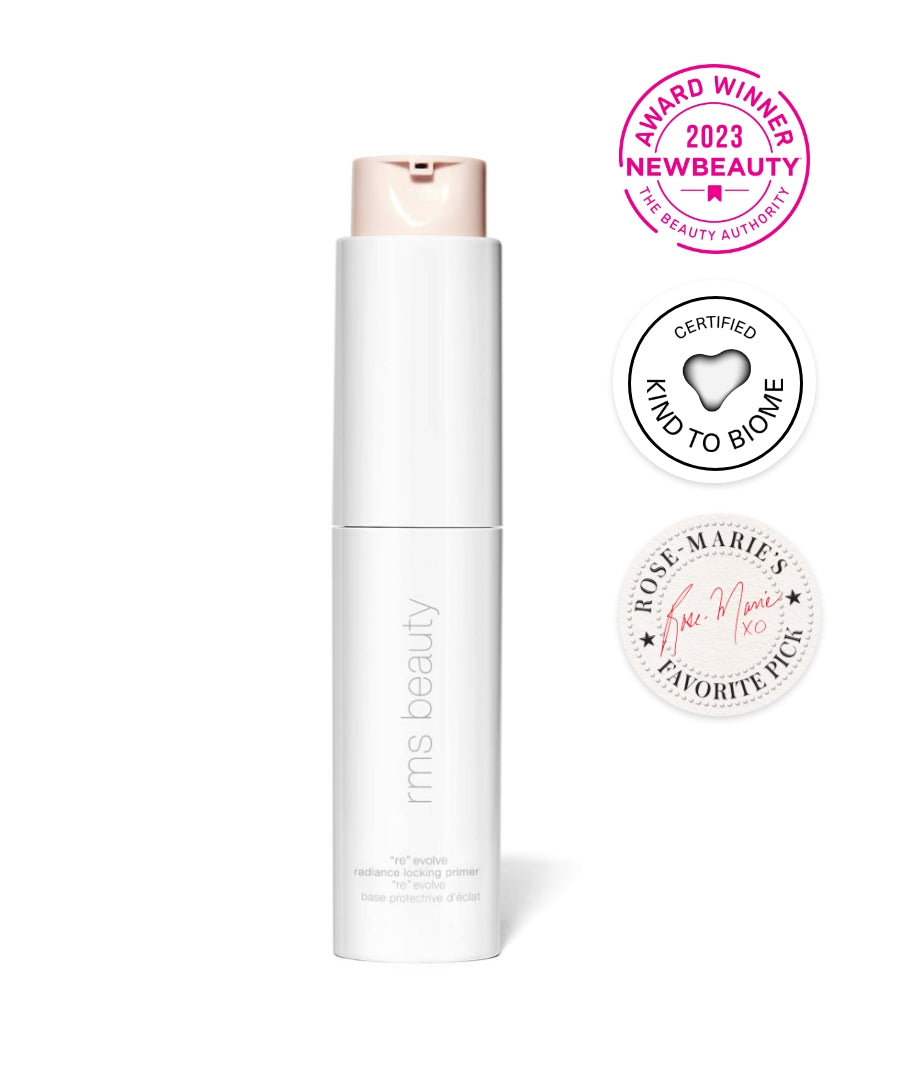
ReEvolve Radiance Locking Primer

UnCoverup Concealer
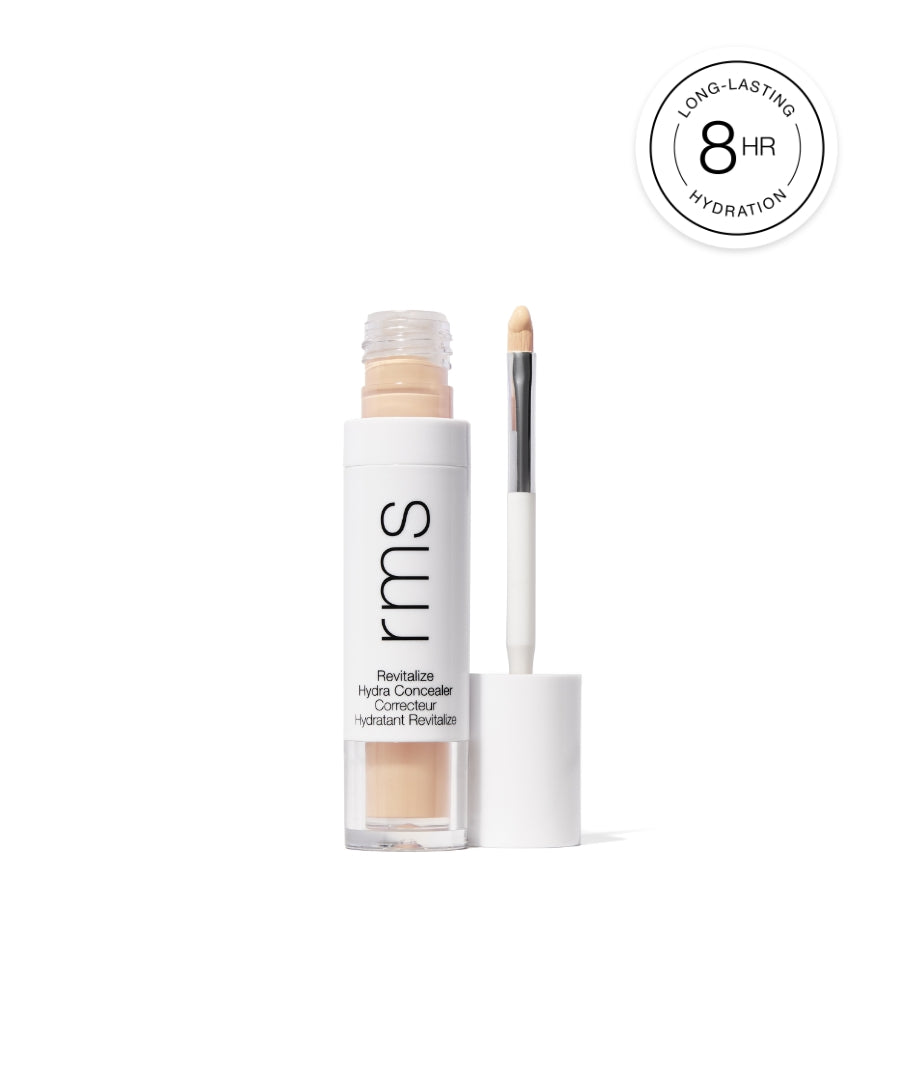
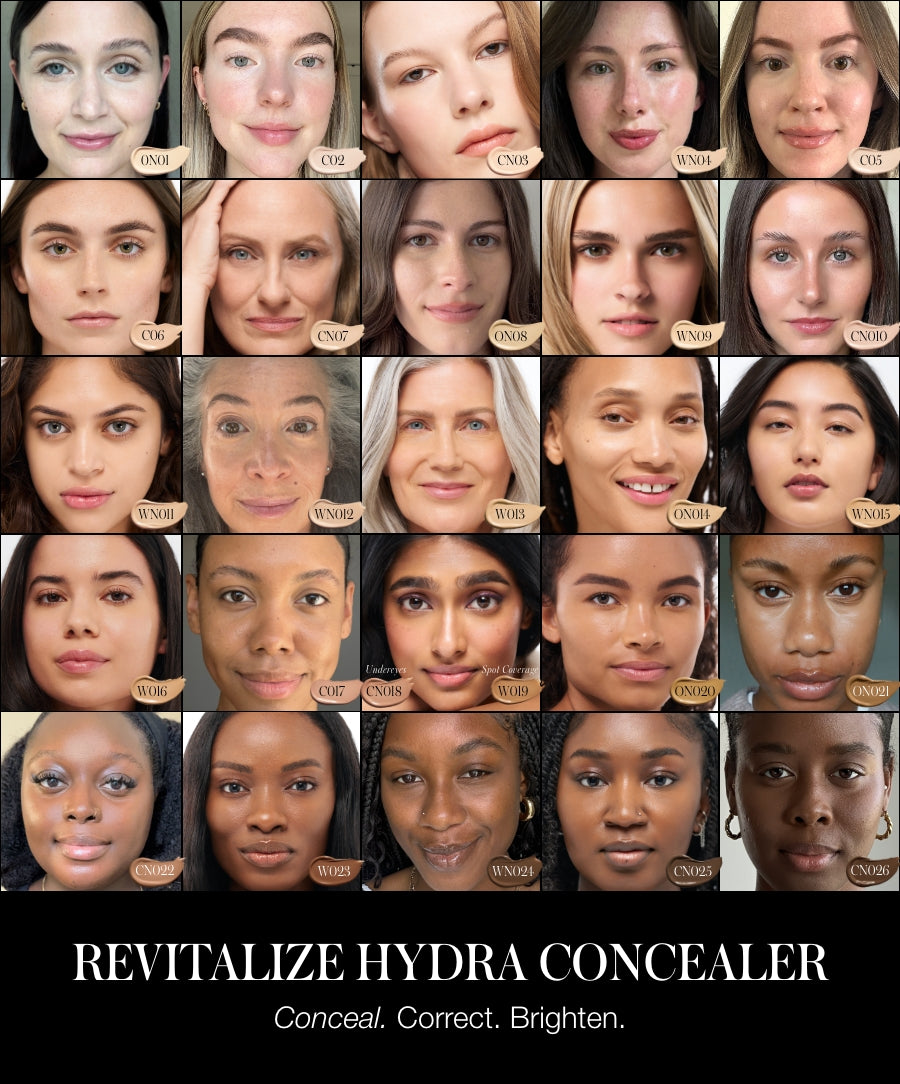
Revitalize Hydra Concealer