Skip to main content




Can You Bring Sunscreen On A Plane?
You've got the boarding pass, the window seat, and a destination that involves sunny mornings. Great!
But somewhere between packing your carry-on and triple-checking your passport, a question hits: can you bring sunscreen on a plane?
Short answer, yes.
TSA allows sunscreen in both carry-on and checked luggage, with a few size restrictions. The longer answer involves knowing what counts as a liquid, how much you can pack, and where certain sunscreen ingredients are banned entirely. Here's everything you need to fly with your SPF intact.
TSA Sunscreen Rules for Carry-On and Checked Bags
Before tossing your favorite SPF into a bag, understanding TSA's packing rules will save you from a frustrating moment at the security checkpoint. Sunscreen, whether a lotion, cream, gel, or spray, is classified as a liquid by the TSA. That means specific volume limits apply depending on whether you're packing carry-on or checked.
The 3-1-1 Rule for Carry-On Luggage
TSA's 3-1-1 rule applies to all liquids, gels, creams, and aerosols in your carry-on bag.
- 3.4 ounces (100 ml) or less per container
- 1 clear, quart-sized zip-top bag for all liquids
- 1 bag per passenger
Any sunscreen container larger than 3.4 ounces cannot go in your carry-on, regardless of how much product is left inside. The container size is what matters, not the amount of product.
A mineral sunscreen serum packaged at 1 fl. oz fits well within that limit, leaving room in your liquids bag for other essentials.
Checked Baggage Allowances
Checked luggage gives you significantly more room. The FAA allows each passenger to bring up to 70 ounces of total liquid products in checked bags, with no single container exceeding 18 ounces (500 ml). Seal caps tightly and consider placing bottles in a zip-top bag, because pressure changes at altitude can cause leaks.
What Counts as Travel-Size Sunscreen
Travel-size sunscreen is any formula in a container of 3.4 ounces or smaller. Most face sunscreens already fall within that range. A tinted moisturizer with SPF 50 at 1 fl. oz, for example, clears the carry-on limit easily.
Can You Take Sunscreen on a Plane in Spray, Stick, or Lotion Form
Not all sunscreen formats are treated the same way by TSA. The format determines whether the 3-1-1 rule applies and how carefully you need to pack.
Lotion and Cream Sunscreen
Lotions and creams count as liquids. Each container must be 3.4 ounces or under for carry-on bags. Pack them inside your quart-sized bag with your other liquids.
Spray Sunscreen
Aerosol spray sunscreens also fall under the liquid rule. For carry-ons, each can must be 3.4 ounces or smaller. Larger spray cans belong in checked luggage (up to 18 ounces per container). Make sure the nozzle is secure. Tape the cap if you want extra protection against accidental sprays.
Solid and Stick Sunscreen
Sunscreen sticks are solids. TSA does not classify solids as liquids, which means sticks are not subject to the 3-1-1 rule. You can pack them in your carry-on without worrying about the quart-sized bag. Solid sunscreen is one of the most hassle-free options for travelers who want to pack light.
Country-Specific Sunscreen Bans Worth Knowing
Where you're headed may determine what kind of sunscreen you're allowed to wear. Several destinations have enacted bans on specific chemical sunscreen ingredients to protect coral reefs and marine ecosystems.
Destinations with Active Sunscreen Restrictions
- Hawaii (since 2021): Banned the sale of sunscreens containing oxybenzone and octinoxate. Maui and the Big Island have extended the ban to all chemical UV filters.
- Palau (since 2020): Prohibits import, sale, and use of sunscreens with oxybenzone, octinoxate, and octocrylene.
- US Virgin Islands (since 2020): Banned oxybenzone, octinoxate, and octocrylene.
- Aruba (since 2020): Banned oxybenzone-containing sunscreens.
- Bonaire: Banned oxybenzone sunscreens and encourages visitors to use mineral-based formulas.
- Mexico (select eco-reserves): Locations like Xel-Ha permit only mineral sunscreens with zinc oxide or titanium dioxide.
If you're visiting any of these places, check the most current local regulations before packing.
Why Mineral Sunscreen Keeps You Compliant
Mineral sunscreens use Non-Nano Zinc Oxide or titanium dioxide as active ingredients. These minerals sit on top of the skin, acting as a physical shield that blocks and scatters UV rays, rather than being absorbed into the skin the way chemical filters work. Formulas made without oxybenzone, octinoxate, and octocrylene meet the requirements of every destination listed above.
A tinted mineral sunscreen formulated with Non-Nano Zinc Oxide gives you broad-spectrum protection that's compliant with destination-specific bans, so you're covered regardless of where you land.
How to Pack Sunscreen for a Flight Without Stress
Smart packing makes the difference between a smooth security experience and watching your SPF get tossed in a bin.
Practical Packing Tips
- Seal caps tightly: Pressure changes at altitude can cause lids to pop. Tape the cap for extra security on spray cans.
- Use a zip-top bag: Even in checked luggage, a sealed bag protects everything else from surprise spills.
- Keep your SPF accessible: Pack your carry-on sunscreen near the top of your liquids bag so you can grab it before landing.
- Choose multitaskers: A lightweight face sunscreen with SPF that also evens skin tone and hydrates means one less product to pack.
Applying Sunscreen Before You De-Board
If you're stepping straight into the sun when you land, apply your SPF during the taxi to the gate. A mineral-based formula at 1 fl. oz fits in a pocket or purse and takes seconds to apply. Reapply every two hours once you're outdoors.
Choosing a Travel-Friendly SPF You Want to Use
The best travel sunscreen is one you'll reach for easily. A formula that doubles as skincare, with a lightweight feel and a natural finish, is easier to commit to than a heavy, white-cast situation. An SPF powered by GlowPlex™ to smooth and brighten, with Non-Nano Zinc Oxide for broad spectrum protection, handles sun defense and skin tone correction in a single step. Fewer products, less packing, better skin.
Final Thoughts
Can you bring sunscreen on a plane? Yes, and you should. TSA rules on sunscreens are straightforward once you know them, and mineral face sunscreens packaged at 1 fl. oz fit within carry-on limits without taking up your entire liquids bag.
RMS Beauty's mineral SPF lineup, from the Supernatural Radiance Serum SPF 30 to the SunCoverup Super Tint SPF 50, is formulated with Non-Nano Zinc Oxide, free from oxybenzone and octinoxate, and sized for travel. Clean ingredients, broad spectrum protection, and a formula that actually feels good on skin.
Shop the full RMS Beauty SPF collection.
Frequently Asked Questions
Q. Can you bring sunscreen on a plane in your carry-on?
Yes. Sunscreen in carry-on bags must be 3.4 ounces (100 ml) or less per container and fit inside a clear, quart-sized zip-top bag.
Q. How much sunscreen can you pack in checked luggage?
The FAA allows up to 70 ounces total of liquid products in checked bags. No single sunscreen container can exceed 18 ounces.
Q. Can you bring spray sunscreen on a plane?
Yes. Spray sunscreen follows the same liquid rules. Containers must be 3.4 ounces or less for carry-ons. Larger cans go in checked luggage, capped at 18 ounces per container.
Q. Are sunscreen sticks subject to TSA liquid rules?
No. Sunscreen sticks are classified as solids and are not restricted by the 3-1-1 rule. You can pack them in your carry-on freely.
Q. What sunscreen ingredients are banned in Hawaii?
Hawaii bans the sale of sunscreens containing oxybenzone and octinoxate. Maui and the Big Island have extended this to all chemical UV filters. Mineral sunscreens with zinc oxide or titanium dioxide are permitted.
Q. What size sunscreen is best for carry-on bags?
Any container at 3.4 ounces (100 ml) or under qualifies. Most face sunscreens, including mineral formulas at 1 fl. oz (30 ml), fit easily within the TSA carry-on limit.
Shop The Blog
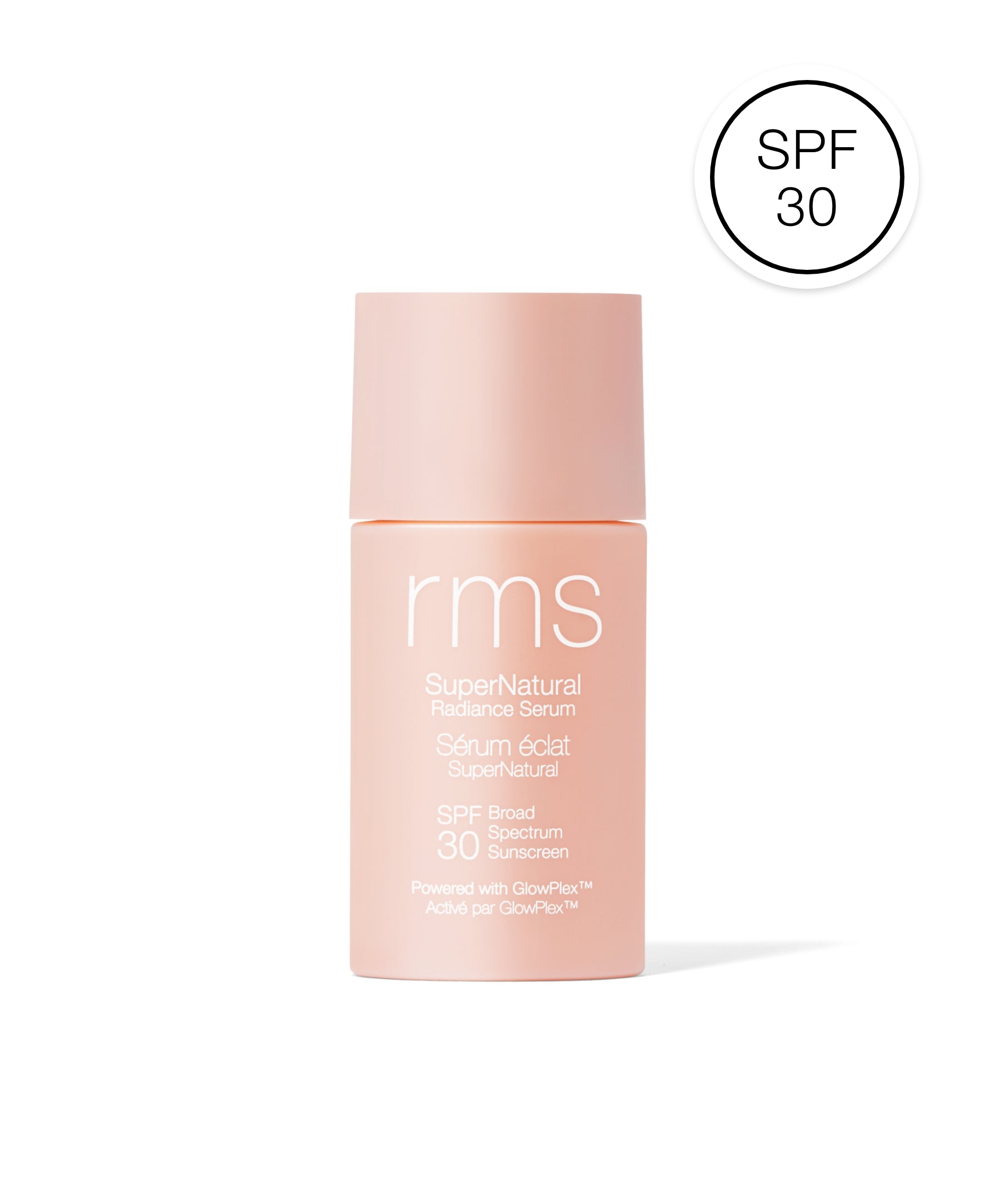
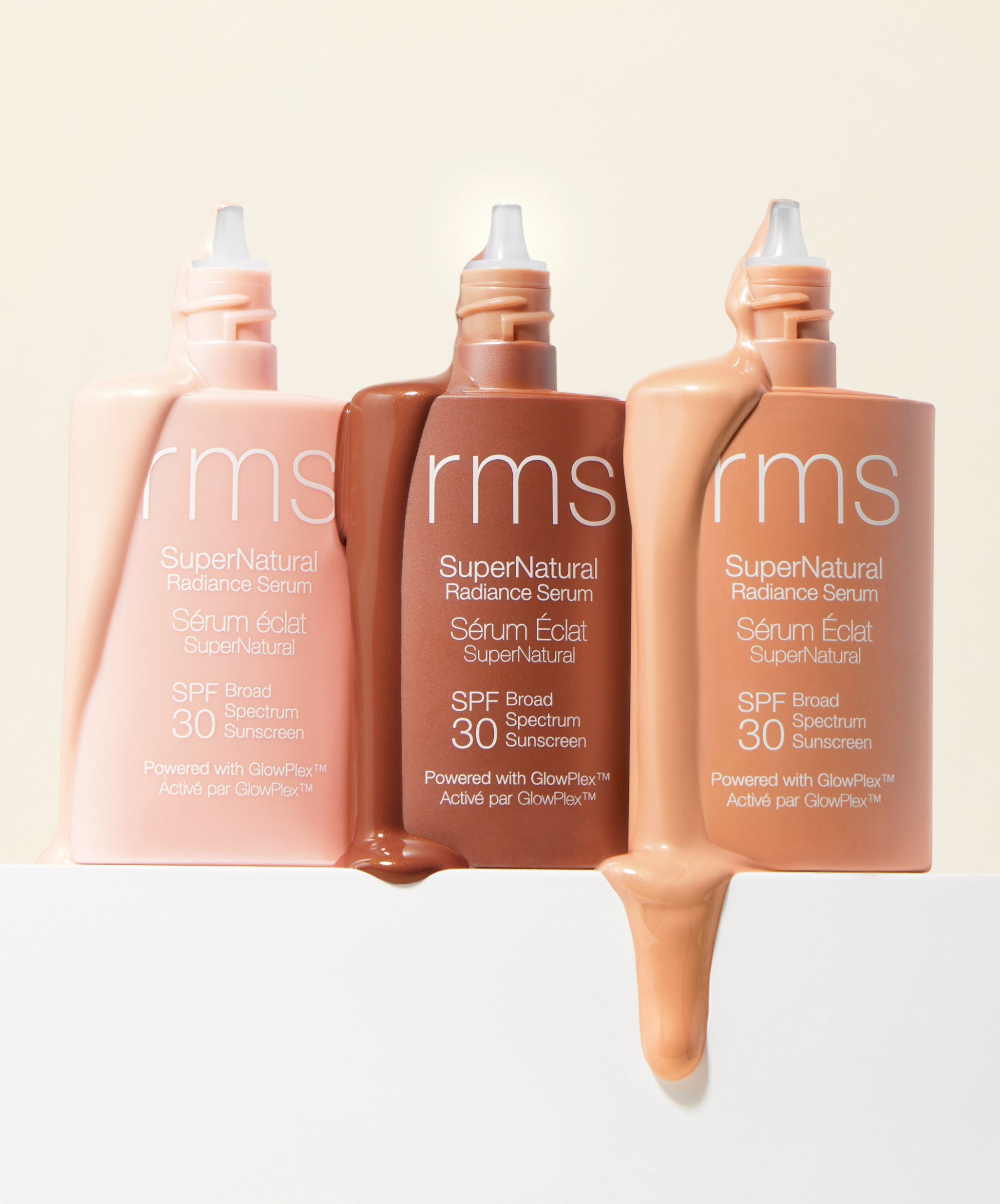
Supernatural Radiance Serum Broad Spectrum SPF 30 Sunscreen
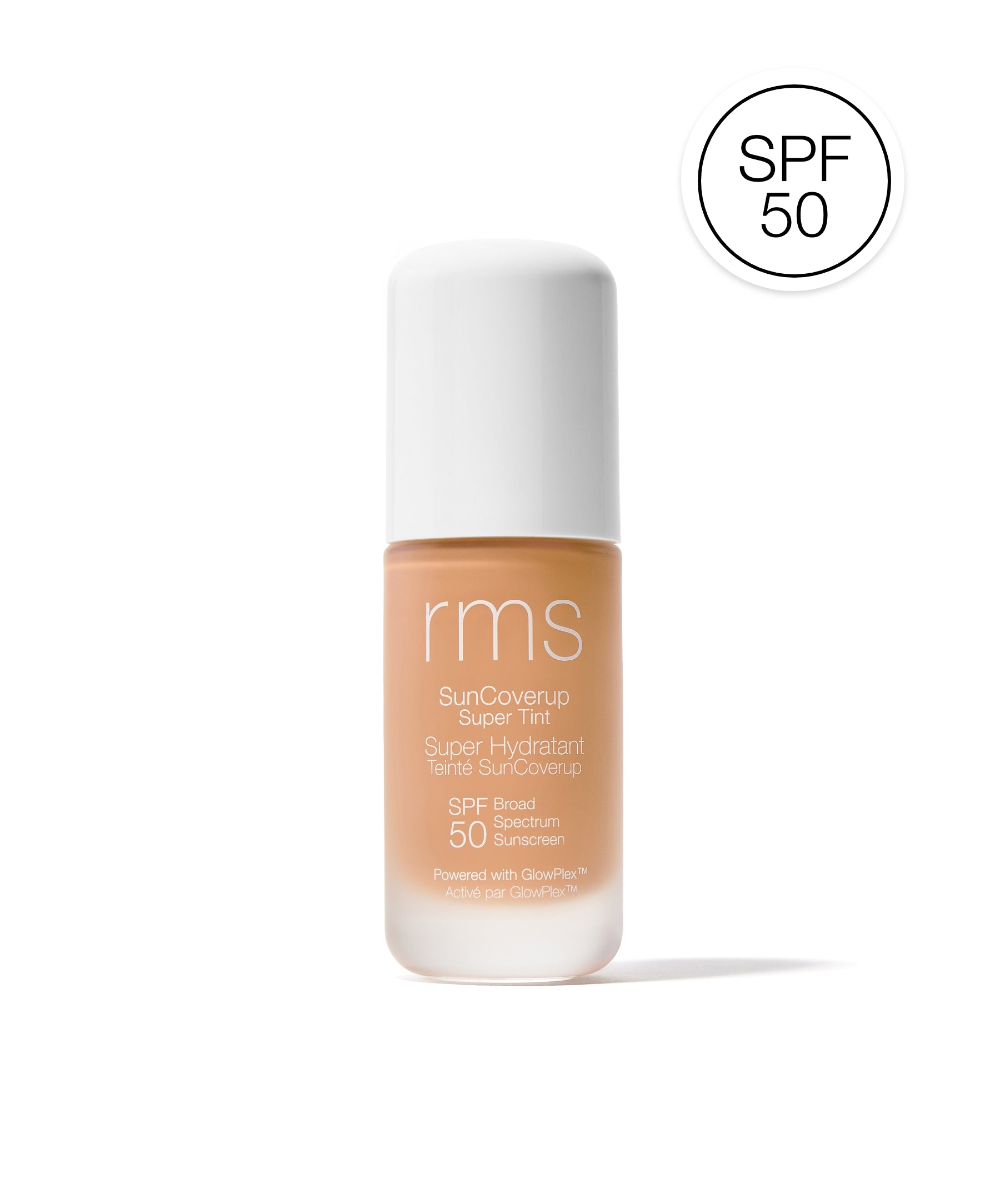
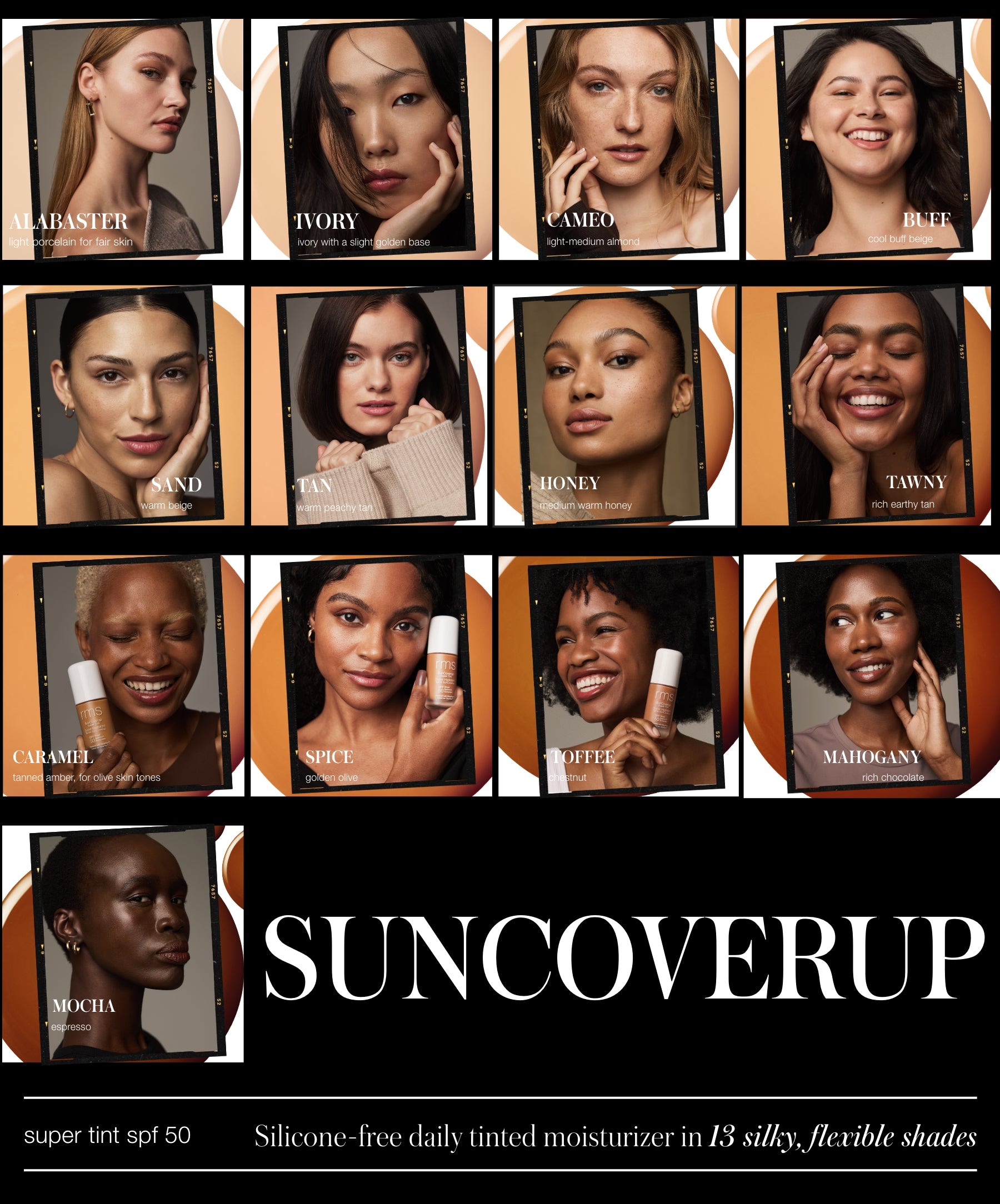
SunCoverup Super Tint Broad Spectrum SPF 50 Sunscreen